Miniatus grouper
Cephalopholis miniata
Also known as Coral hind, Coral grouper, Vermilion seabass, Coral trout
SaltwaterFish
Care at a glance
- Temperature
- 72–79°F
- 22–26°C
- pH
- 8.0–8.4
- Adult size
- 17.7 in
- 45 cm
- Minimum tank
- 180 gal
- 680 L
- Temperament
- Aggressive
- Social behavior
- Solitary
- Own kind
- One per tank
- Tankmates
- With caution
- Swim level
- Bottom
- Diet
- Carnivore
- Difficulty
- Difficult
- Breeding
- No record
- Rarity
- Common
- Reef safe
- Reef safe with caution
- Family
- Serranidae
- Origin
- Native to the Indo-Pacific from the Red Sea to the western Pacific, where it perches on coral heads and reef slopes and ambushes passing fish.
Overview
The Miniatus grouper is an aggressive ambush predator for a large saltwater tank. It is a job for an experienced keeper.
Did you know
The Miniatus grouper holds a small feeding territory on the reef. It has been filmed teaming up with roving moray eels, signaling the eel to flush prey out of holes the grouper cannot reach.
Caring for the Miniatus grouper
House a single Miniatus grouper in at least 180 gal (680 L), with a solid rock structure full of caves. It jumps, so keep the tank covered.
Keep the water at 72 to 79°F (22 to 26°C) and a pH of 8.0 to 8.4. Feed a varied meaty diet of chunky marine fish, shrimp and squid two or three times a week.
The Miniatus grouper is aggressive, and as it grows it becomes very territorial. It will chase other bottom fish out of its chosen patch of rock. It is coral safe but eats small fish, shrimp and crabs, so treat it as reef safe with caution. House it only with larger, robust tank mates, and keep one per tank.
Good to know
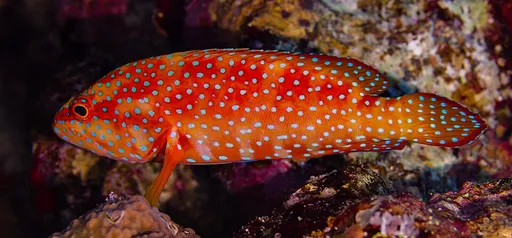
Cephalopholis miniata, also called the coral hind, is a member of the grouper family Serranidae. It is a protogynous hermaphrodite, so fish mature first as females and larger dominant fish later turn male. Aquarium fish usually stay smaller than wild ones, closer to 30 cm. Its bright orange-red body is covered in small blue spots, which fade and brighten with mood and health.
In the wild
The Miniatus grouper is native to the Indo-Pacific, from the Red Sea to the western Pacific. It perches on coral heads and reef slopes, built to sit on a ledge and rush out at passing fish. It spends most of the day inside a cave or overhang and darts out to grab any fish or shrimp that swims too close.
Common questions
What size tank does a Miniatus grouper need?
A Miniatus grouper needs at least 180 gal (680 L). It spends most of its time in the bottom.
What temperature and pH does a Miniatus grouper need?
A Miniatus grouper is comfortable at 72–79°F (22–26°C) with a pH of 8.0–8.4.
What does a Miniatus grouper eat?
A Miniatus grouper eats a varied meaty diet of chunky marine fish, shrimp and squid. Feed it two or three times a week.
How big does a Miniatus grouper get?
An adult Miniatus grouper reaches about 17.7 in (45 cm).
Related species
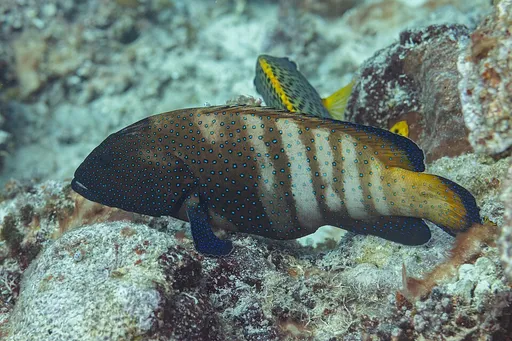 23.6 in (60 cm)251 gal (950 L)75–81°F (24–27°C)
Peacock grouper
Cephalopholis argus
23.6 in (60 cm) · 251 gal (950 L)
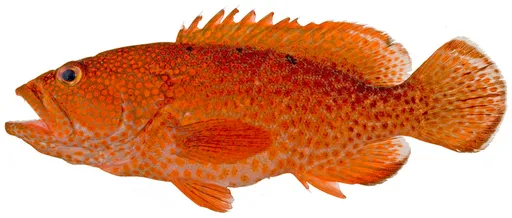 16.1 in (41 cm)106 gal (400 L)73–81°F (23–27°C)
Coney
Cephalopholis fulva
16.1 in (41 cm) · 106 gal (400 L)
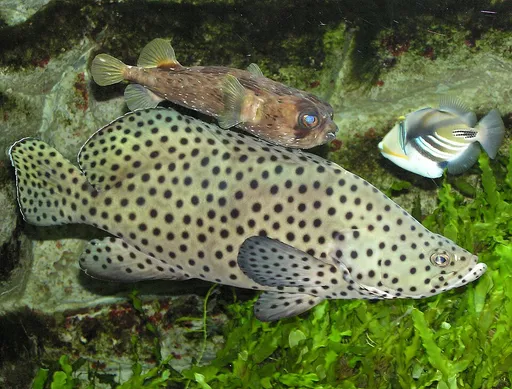 27.6 in (70 cm)300 gal (1,135 L)72–79°F (22–26°C)
Panther grouper
Cromileptes altivelis
27.6 in (70 cm) · 300 gal (1,135 L)
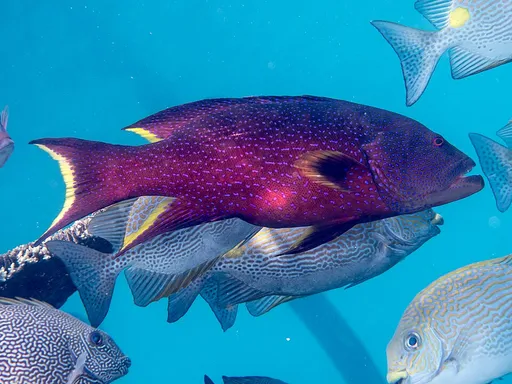 31.5 in (80 cm)291 gal (1,100 L)75–81°F (24–27°C)
Lyretail grouper
Variola louti
31.5 in (80 cm) · 291 gal (1,100 L)
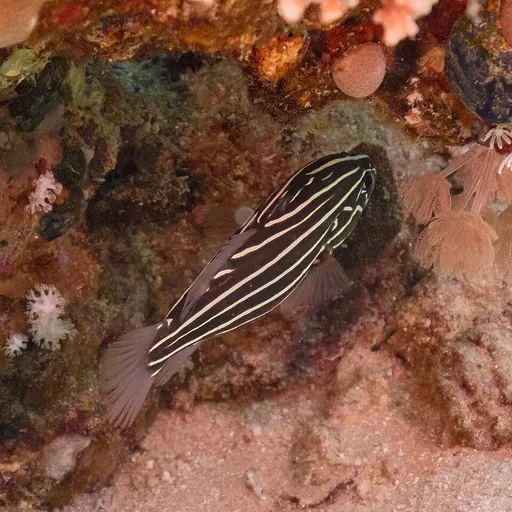 11.8 in (30 cm)180 gal (680 L)75–81°F (24–27°C)
Sixline soapfish
Grammistes sexlineatus
11.8 in (30 cm) · 180 gal (680 L)
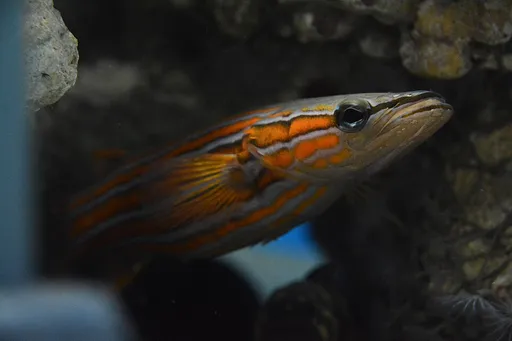 5.9 in (15 cm)79 gal (300 L)72–79°F (22–26°C)
Australian flathead perch
Rainfordia opercularis
5.9 in (15 cm) · 79 gal (300 L)