Sixline soapfish
Grammistes sexlineatus
Also known as Goldenstriped soapfish, Skunkfish, Six-lined soapfish, Lined soapfish
SaltwaterFish
Care at a glance
- Temperature
- 75–81°F
- 24–27°C
- pH
- 8.0–8.4
- Adult size
- 11.8 in
- 30 cm
- Minimum tank
- 53 gal
- 200 L
- Temperament
- Mostly peaceful
- Social behavior
- Solitary
- Tankmates
- With caution
- Swim level
- Bottom
- Difficulty
- Medium
- Breeding
- No record
- Rarity
- Common
- Reef safe
- Reef safe with caution
- Family
- Serranidae
- Origin
- Native to the Indo-Pacific from the Red Sea to the western Pacific, hiding in reef caves and crevices during the day.
Overview
Keep one in 200 litres or more with plenty of caves and ledges to hide in, at 24 to 27 C and pH 8.0 to 8.4. It leaves corals alone but will eat small fish, shrimp and crabs, so choose tankmates it cannot swallow. Some individuals only take live food at first and need weaning onto frozen shrimp and marine fish. Avoid rough tankmates that might injure it and trigger a toxin release.
In the wild
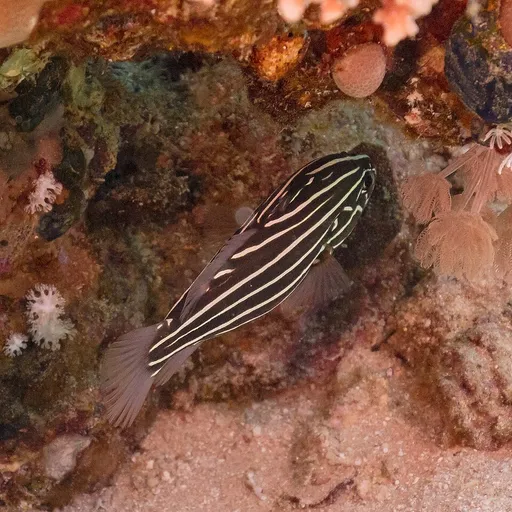
The sixline soapfish is a dark brown fish crossed by pale yellow stripes that break into dashes as it grows. It is a secretive, mostly nocturnal predator that spends the day tucked into a cave and comes out to hunt at dusk. Small and slow-moving, it looks harmless but is a capable ambush feeder.
Good to know
Grammistes sexlineatus produces a bitter skin toxin called grammistin, which it can release into the water when badly stressed or injured. In a small enclosed tank a large toxin release can poison other fish, so it should be netted and handled gently. The stripe pattern shifts from solid lines in juveniles to rows of dashes in adults.
Did you know
The name soapfish comes from the way the grammistin toxin froths up like soap suds if one of these fish is stressed in a bucket or bag.
Common questions
What size tank does a Sixline soapfish need?
A Sixline soapfish needs at least 53 gal (200 L). It spends most of its time in the bottom.
What temperature and pH does a Sixline soapfish need?
A Sixline soapfish is comfortable at 75–81°F (24–27°C) with a pH of 8.0–8.4.
How big does a Sixline soapfish get?
An adult Sixline soapfish reaches about 11.8 in (30 cm).
Related species
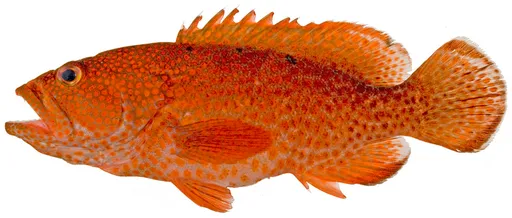 16.1 in (41 cm)106 gal (400 L)73–81°F (23–27°C)
Coney
Cephalopholis fulva
16.1 in (41 cm) · 106 gal (400 L)
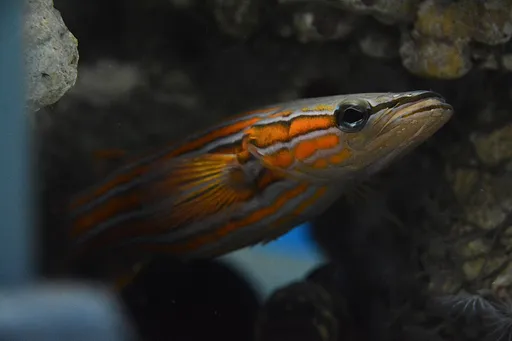 5.9 in (15 cm)79 gal (300 L)72–79°F (22–26°C)
Australian flathead perch
Rainfordia opercularis
5.9 in (15 cm) · 79 gal (300 L)
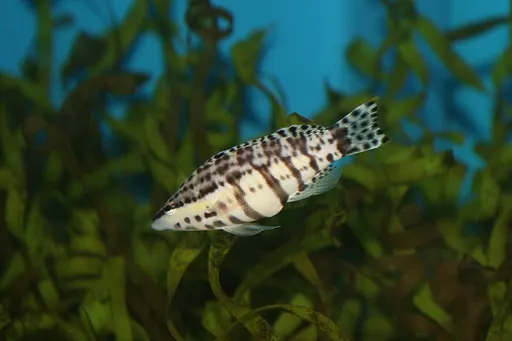 5.1 in (13 cm)53 gal (200 L)73–81°F (23–27°C)
Harlequin bass
Serranus tigrinus
5.1 in (13 cm) · 53 gal (200 L)
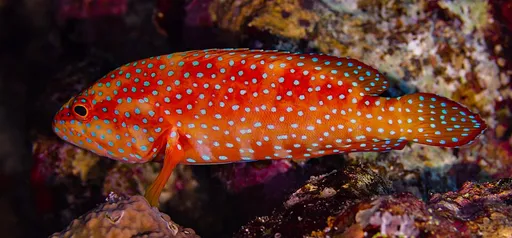 17.7 in (45 cm)180 gal (680 L)72–79°F (22–26°C)
Miniatus grouper
Cephalopholis miniata
17.7 in (45 cm) · 180 gal (680 L)
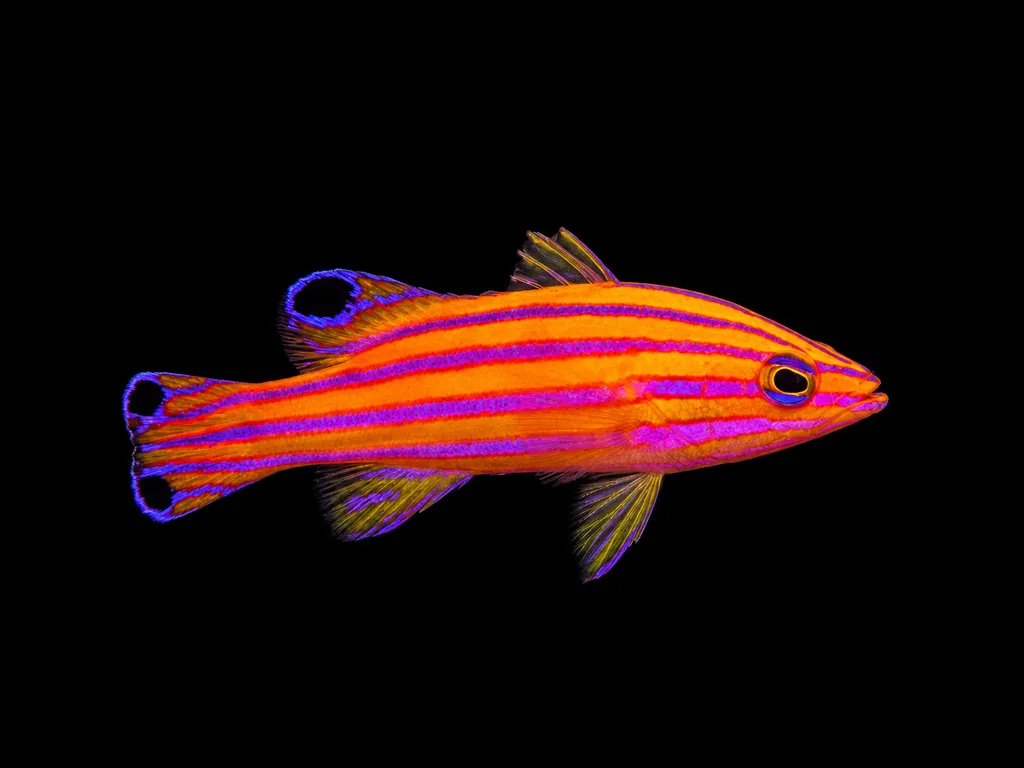 2.4 in (6 cm)26 gal (100 L)72–79°F (22–26°C)
Candy basslet
Liopropoma carmabi
2.4 in (6 cm) · 26 gal (100 L)
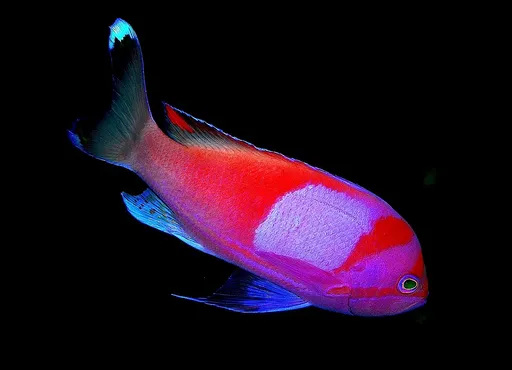 7.9 in (20 cm)100 gal (380 L)72–79°F (22–26°C)
Square anthias
Pseudanthias pleurotaenia
7.9 in (20 cm) · 100 gal (380 L)