Coney
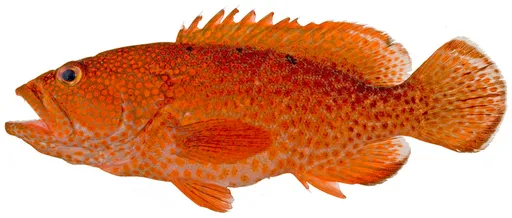
Cephalopholis fulva
Also known as Coney grouper, Butterfish, Golden coney, Deepwater coney
SaltwaterFish
Care at a glance
- Temperature
- 73–81°F
- 23–27°C
- pH
- 8.0–8.4
- Adult size
- 16.1 in
- 41 cm
- Minimum tank
- 106 gal
- 400 L
- Temperament
- Mostly peaceful
- Social behavior
- Solitary
- Tankmates
- With caution
- Swim level
- Bottom
- Diet
- Carnivore
- Difficulty
- Medium
- Breeding
- No record
- Rarity
- Common
- Reef safe
- Reef safe with caution
- Family
- Serranidae
- Origin
- Native to the western Atlantic and Caribbean, found on coral reefs and rocky ledges from Florida to Brazil.
Overview
The coney is a small Caribbean grouper that settles quickly into captivity. It is one of the more manageable groupers, best with a little experience.
Did you know
The coney can flip almost instantly between a red daytime pattern, a pale bicolor resting pattern and a bright yellow morph. Divers sometimes see all three colors in the same small area of reef. The all-yellow form is called xanthic.
Caring for the coney
Keep a single coney in a tank of at least 106 gal (400 L), with rockwork caves. Hold the water at 73 to 81°F (23 to 27°C) and a pH of 8.0 to 8.4.
Feed chopped seafood, silversides and shrimp several times a week. It accepts frozen food readily, which makes it one of the easier reef groupers to feed.
The coney is mostly peaceful and ignores corals, but it will eat ornamental shrimp and any bite-sized fish. Keep it with tank mates too big to swallow, and treat it as reef safe only with caution. House only one per tank, since coneys squabble with their own kind.
Good to know
Cephalopholis fulva is a hind in the family Serranidae and, like other hinds, a protogynous hermaphrodite that starts life as a female. Every color phase is dusted with tiny blue and dark spots.
In the wild
The coney is native to the western Atlantic and the Caribbean, from Florida to Brazil. It lives on coral reefs and rocky ledges, where it spends its time perched on rock waiting for a meal to pass.
Common questions
What size tank does a coney need?
A coney needs at least 106 gal (400 L). It spends most of its time in the bottom.
What temperature and pH does a coney need?
A coney is comfortable at 73–81°F (23–27°C) with a pH of 8.0–8.4.
What does a coney eat?
A coney eats chopped seafood, silversides and shrimp, offered several times a week. It takes frozen food readily.
How big does a coney get?
An adult coney reaches about 16.1 in (41 cm).
Related species
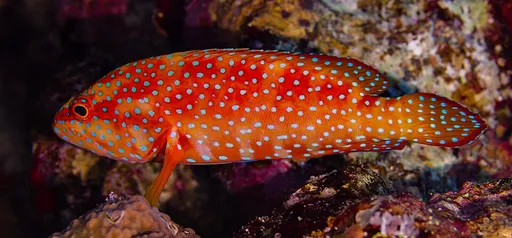 17.7 in (45 cm)180 gal (680 L)72–79°F (22–26°C)
Miniatus grouper
Cephalopholis miniata
17.7 in (45 cm) · 180 gal (680 L)
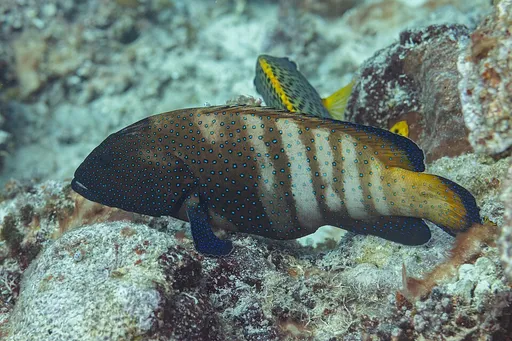 23.6 in (60 cm)251 gal (950 L)75–81°F (24–27°C)
Peacock grouper
Cephalopholis argus
23.6 in (60 cm) · 251 gal (950 L)
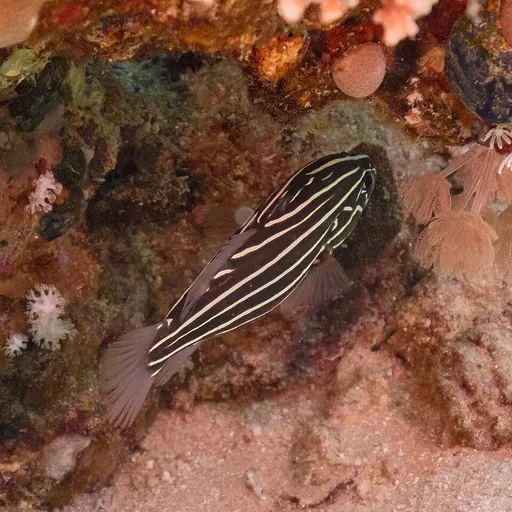 11.8 in (30 cm)180 gal (680 L)75–81°F (24–27°C)
Sixline soapfish
Grammistes sexlineatus
11.8 in (30 cm) · 180 gal (680 L)
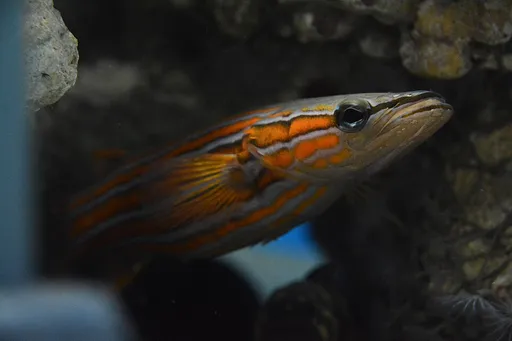 5.9 in (15 cm)79 gal (300 L)72–79°F (22–26°C)
Australian flathead perch
Rainfordia opercularis
5.9 in (15 cm) · 79 gal (300 L)
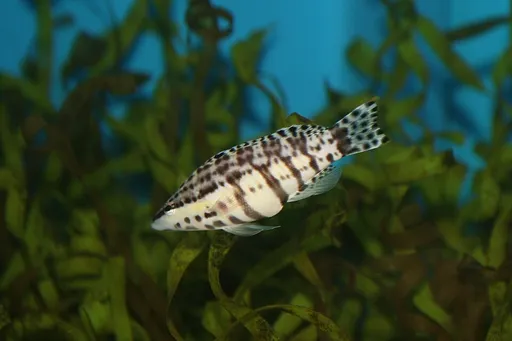 5.1 in (13 cm)53 gal (200 L)73–81°F (23–27°C)
Harlequin bass
Serranus tigrinus
5.1 in (13 cm) · 53 gal (200 L)
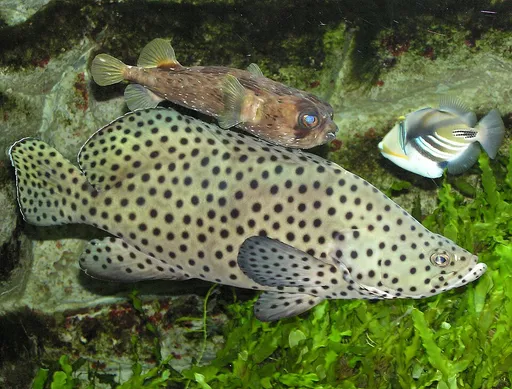 27.6 in (70 cm)300 gal (1,135 L)72–79°F (22–26°C)
Panther grouper
Cromileptes altivelis
27.6 in (70 cm) · 300 gal (1,135 L)