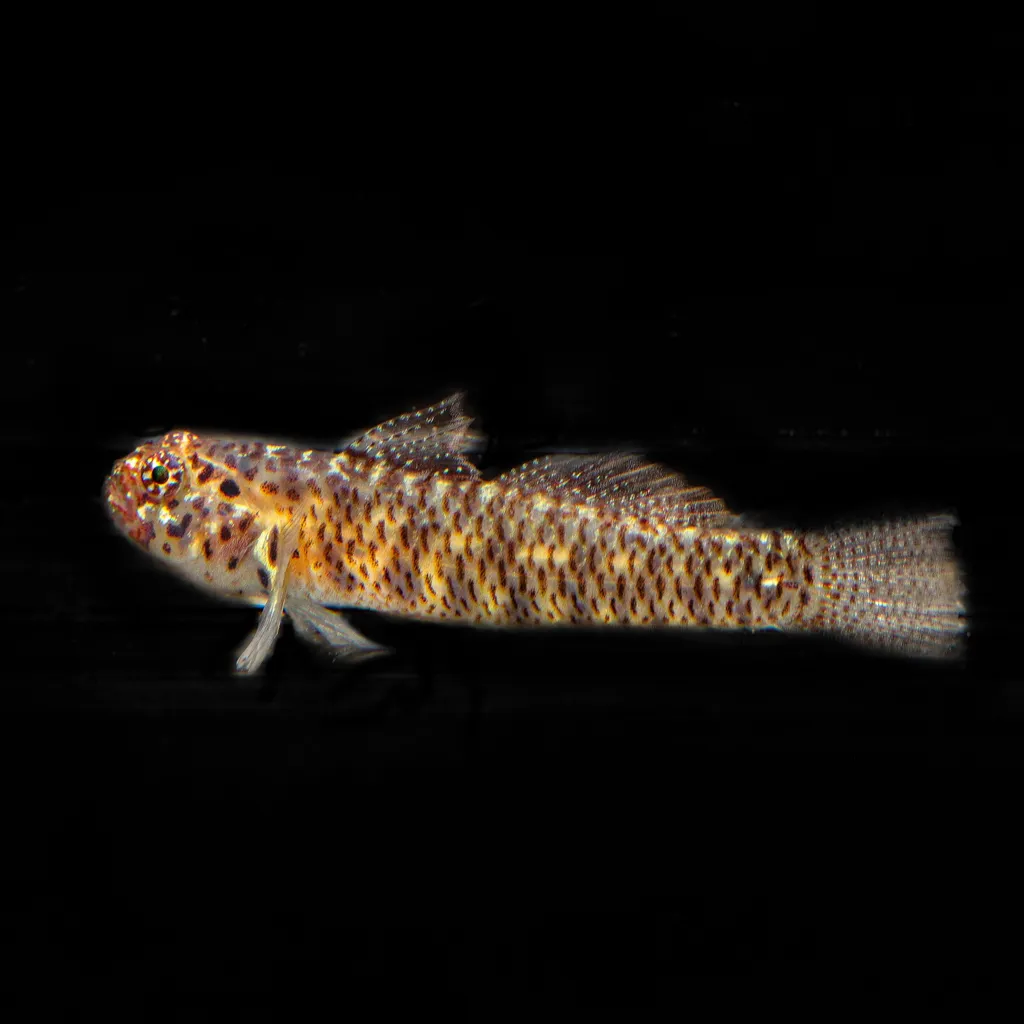
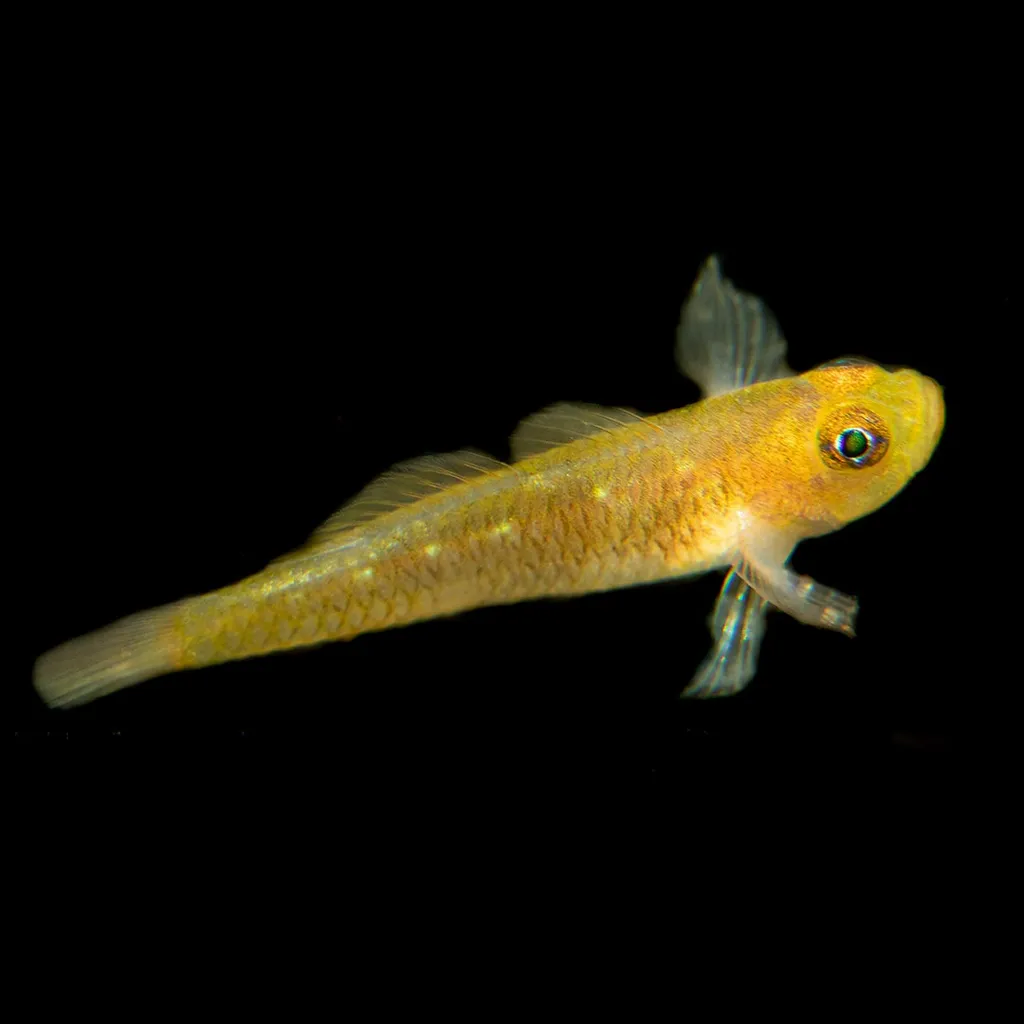
Queensland dwarfgoby
Eviota queenslandica
Also known as Queensland Dwarf Goby, Queensland Eviota
SaltwaterFish
Care at a glance
- Temperature
- 72–79°F
- 22–26°C
- pH
- 8.1–8.4
- Adult size
- 0.9 in
- 2.4 cm
- Minimum tank
- 10 gal
- 38 L
- Temperament
- Peaceful
- Social behavior
- Social
- Swim level
- Bottom
- Difficulty
- Easy
- Breeding
- Medium
- Rarity
- Common
- Reef safe
- Reef safe
- Family
- Gobiidae
- Origin
- Indo-West Pacific (Andaman Sea to Queensland)
Overview
The Queensland dwarfgoby is a tiny, peaceful reef goby that is easy to keep.
Did you know
The Queensland dwarfgoby is one of the detritus-eating dwarfgobies that researchers credit with running a major trophic pathway on coral reefs. They convert debris into fish flesh that the rest of the reef can use.
Caring for the Queensland dwarfgoby
Keep the Queensland dwarfgoby in 10 gal (38 L) or more. A rubble patch or low rockwork gives it ground to pick through.
Hold the water at 72 to 79°F (22 to 26°C) with a pH of 8.1 to 8.4. Feed small pellets and finely chopped frozen foods. Between meals it grazes the substrate.
Kept as a group, Queensland dwarfgobies spread out across the rock and pull back together when startled. That makes a small colony more engaging than a single fish, though one also does fine alone.
The Queensland dwarfgoby is peaceful and reef safe. Keep it with calm, small tank mates, as with any dwarfgoby. It is moderately hard to breed.
Good to know
The Queensland dwarfgoby is a member of the goby family, Gobiidae. Gilbert Whitley described it in 1932, originally as a subspecies of Eviota viridis. His description drew on Batt Reef material collected by the Great Barrier Reef Expedition of 1928 to 1929. Diet studies show this goby eats small crustaceans along with a large share of detritus. It rarely moves far from its home patch.
In the wild
The Queensland dwarfgoby lives across the Indo-West Pacific, from the Andaman Sea to Queensland. It is a fish of shallow rubble, at home on algae-covered patches of dead reef in roughly the top six meters of water. It sits right on the bottom in loose groups, working over the rubble rather than hovering above it.
Weekly picks
Tank mates
The Queensland dwarfgoby is a peaceful, social species that keeps to the bottom. These picks share a community profile with it, are safe together in both directions, and overlap on water type, temperature and pH.
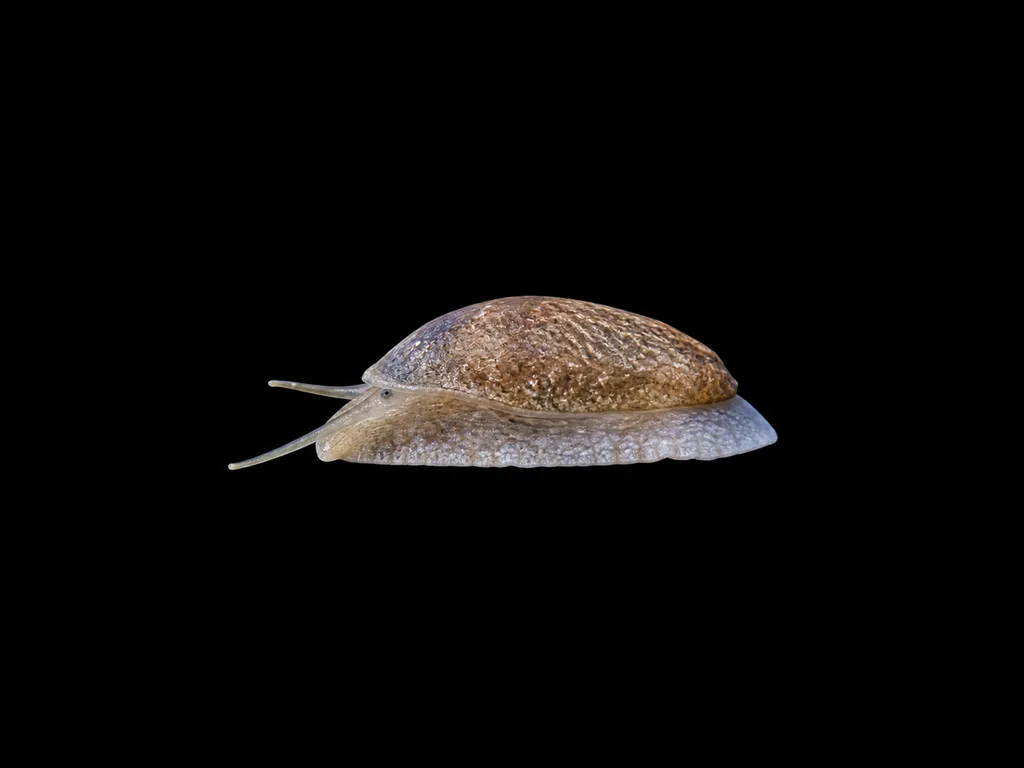
Stomatella snail
Stomatella varia
Saltwater0.8 in (2 cm) · 11 gal (40 L)75–81°F (24–27°C)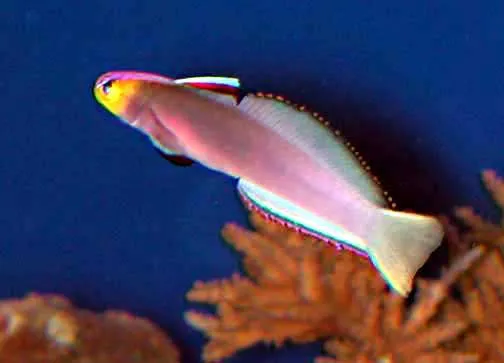
Helfrich's firefish
Nemateleotris helfrichi
Saltwater2.4 in (6 cm) · 20 gal (75 L)73–81°F (23–27°C)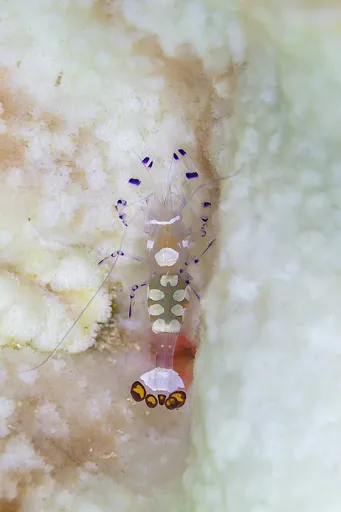
White-spot anemone shrimp
Periclimenes brevicarpalis
Saltwater1.6 in (4 cm) · 11 gal (40 L)75–81°F (24–27°C)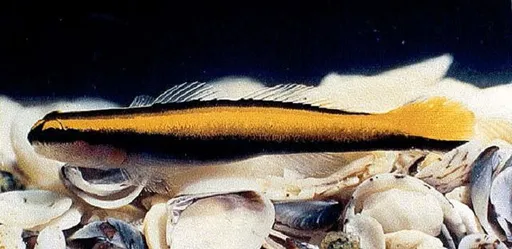
Barber goby
Elacatinus figaro
Saltwater1.6 in (4 cm) · 11 gal (40 L)72–79°F (22–26°C)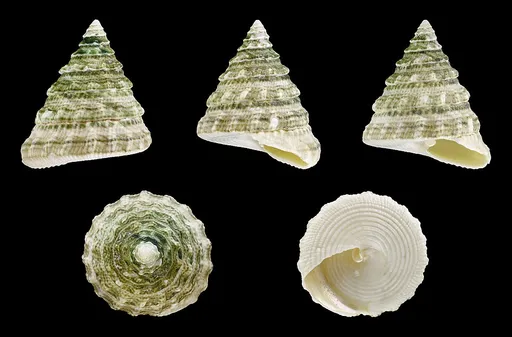
Pyramid top snail
Tectus fenestratus
Saltwater2 in (5 cm) · 11 gal (40 L)75–81°F (24–27°C)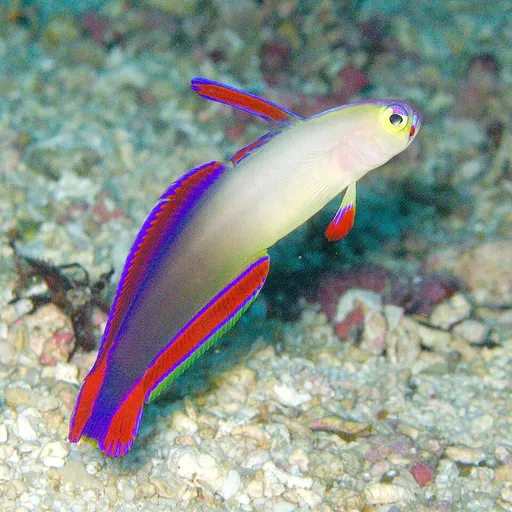
Purple firefish
Nemateleotris decora
Saltwater3.5 in (9 cm) · 20 gal (75 L)72–79°F (22–26°C)
Common questions
What size tank does a Queensland dwarfgoby need?
A Queensland dwarfgoby needs at least 10 gal (38 L). It spends most of its time in the bottom.
What temperature and pH does a Queensland dwarfgoby need?
A Queensland dwarfgoby is comfortable at 72–79°F (22–26°C) with a pH of 8.1–8.4.
What does a Queensland dwarfgoby eat?
A Queensland dwarfgoby takes small pellets and finely chopped frozen foods. It also grazes the substrate between meals.
How big does a Queensland dwarfgoby get?
An adult Queensland dwarfgoby reaches about 0.9 in (2.4 cm).
Related species
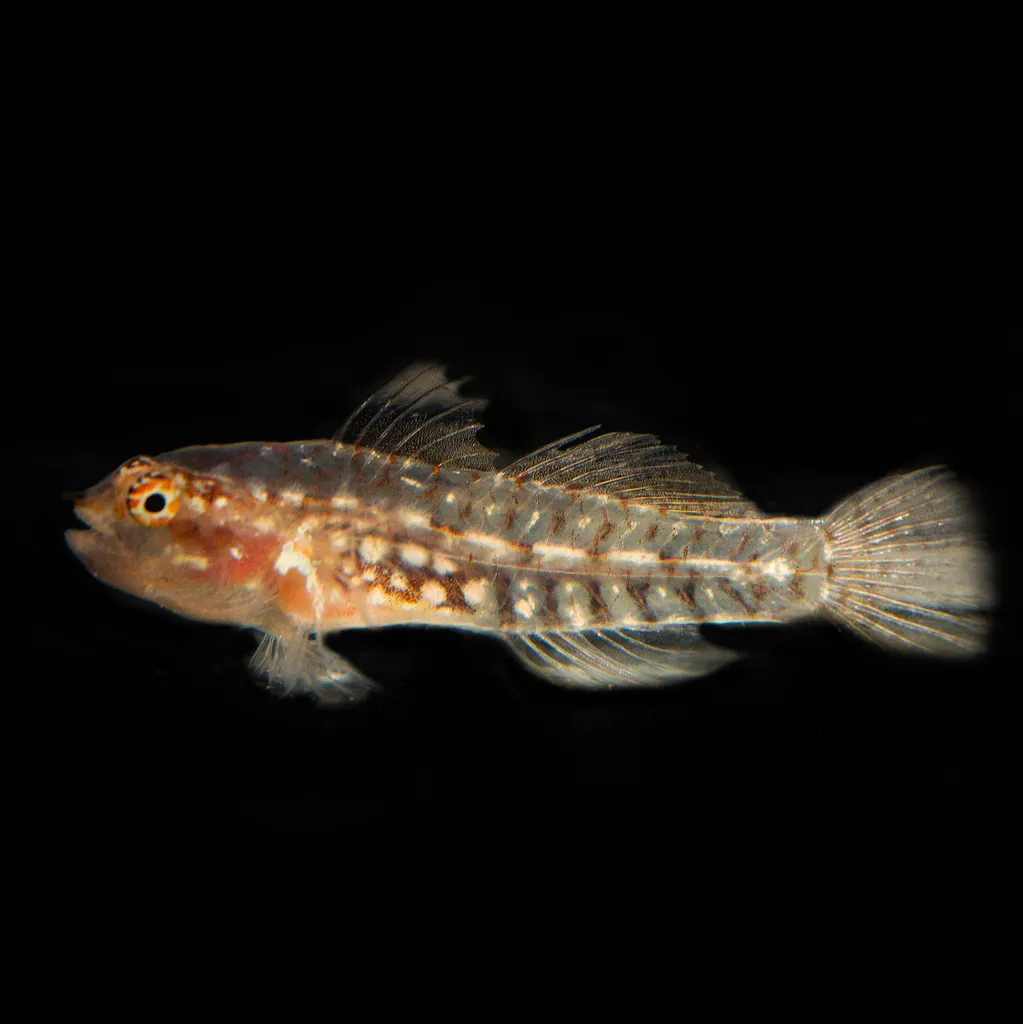 1 in (2.5 cm)5 gal (19 L)72–79°F (22–26°C)
Storthynx dwarfgoby
Eviota storthynx
1 in (2.5 cm) · 5 gal (19 L)
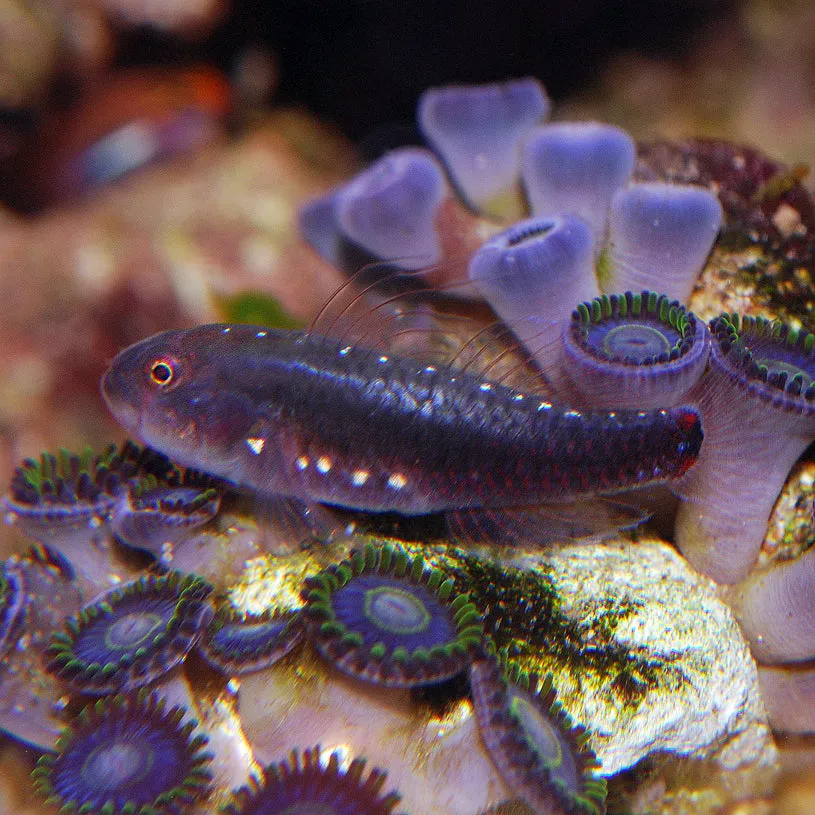 0.8 in (2.1 cm)5 gal (19 L)72–79°F (22–26°C)
Lachdebere's dwarfgoby
Eviota lachdeberei
0.8 in (2.1 cm) · 5 gal (19 L)
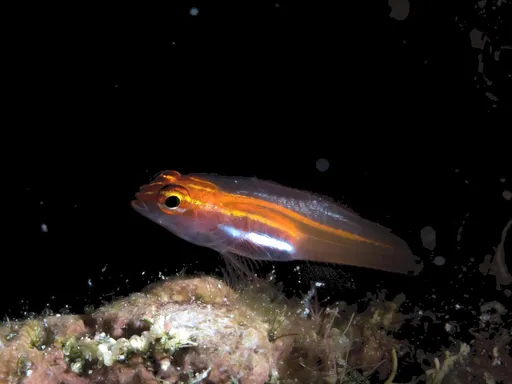 0.8 in (2 cm)5 gal (19 L)72–79°F (22–26°C)
Blackbelly dwarfgoby
Eviota atriventris
0.8 in (2 cm) · 5 gal (19 L)
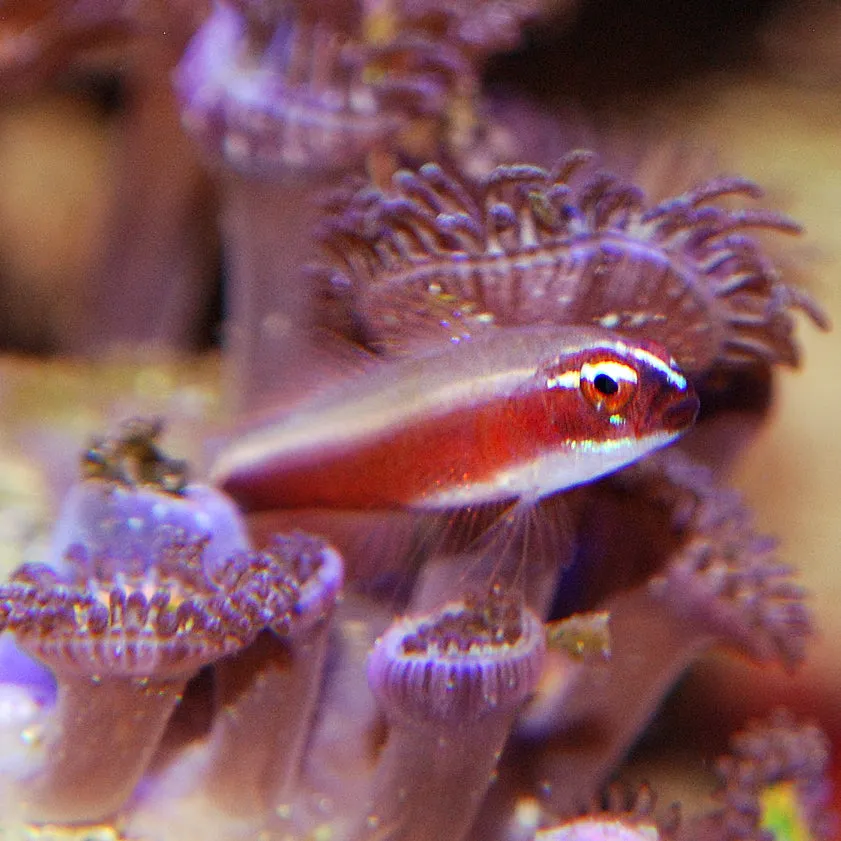 0.8 in (2 cm)5 gal (19 L)72–79°F (22–26°C)
Brahm's dwarfgoby
Eviota brahmi
0.8 in (2 cm) · 5 gal (19 L)
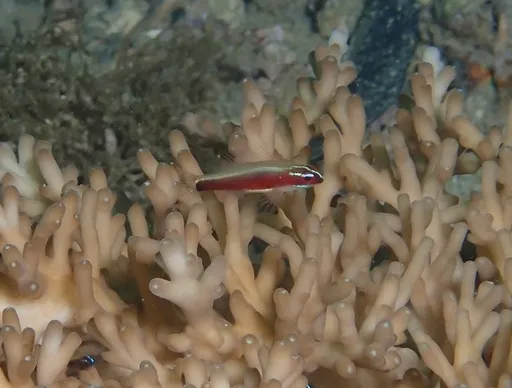 1.2 in (3 cm)10 gal (38 L)72–79°F (22–26°C)
Redbelly dwarfgoby
Eviota nigriventris
1.2 in (3 cm) · 10 gal (38 L)
 1.1 in (2.7 cm)5 gal (19 L)72–79°F (22–26°C)
Citron pygmygoby
Trimma kitrinum
1.1 in (2.7 cm) · 5 gal (19 L)