Celebes halfbeak
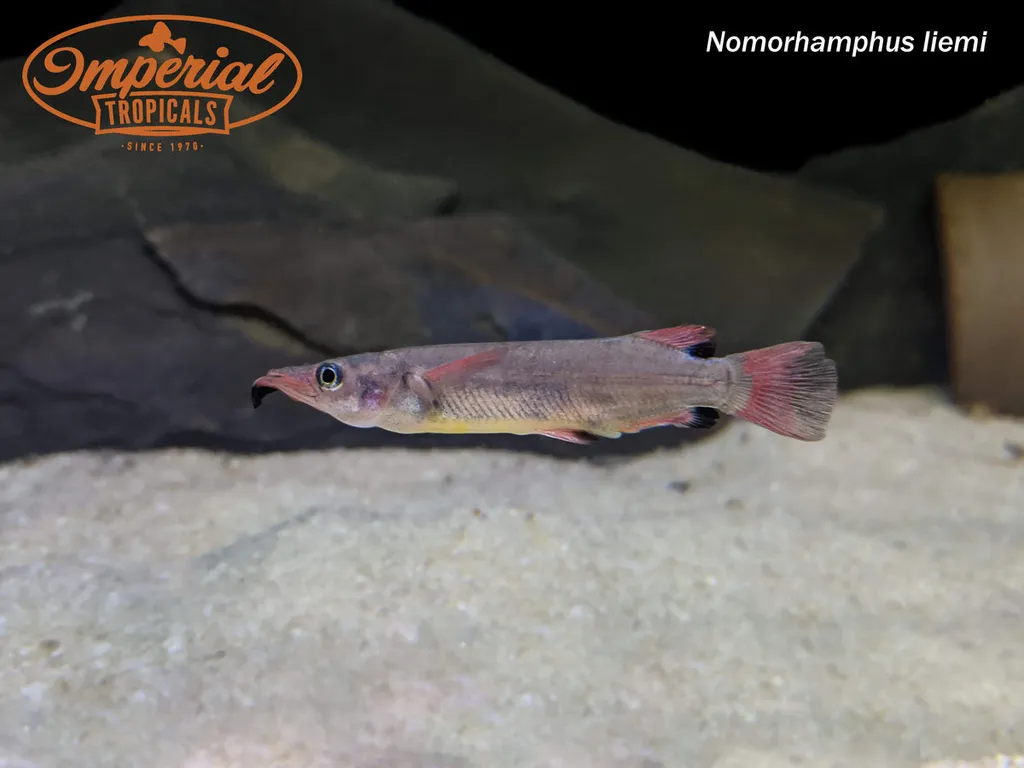
Nomorhamphus liemi
FreshwaterFish
Care at a glance
- Temperature
- 68–77°F
- 20–25°C
- pH
- 6.0–7.5
- Adult size
- 3.5 in
- 9 cm
- Minimum tank
- 40 gal
- 150 L
- Temperament
- Mostly peaceful
- Social behavior
- Shoaling
- Swim level
- Top
- Diet
- Carnivore
- Difficulty
- Difficult
- Breeding
- Livebearer · Hard
- Rarity
- Very rare
- Family
- Zenarchopteridae
- Origin
- Sulawesi
Overview
The Celebes halfbeak is a mostly peaceful surface fish for a cool, covered tank. It is a fish for experienced keepers.
Did you know
Male Celebes halfbeaks use their beaks in brief pushing contests as they compete for females at the surface.
Caring for the Celebes halfbeak
Give a group of Celebes halfbeaks space in a tank of at least 40 gal (150 L). Fit a tight lid to keep these jumpers safely inside, since they hug the surface. They are easily startled, so add taller wood to break sight lines near the top. Floating plants and some open surface help them settle and feel secure.
They need cool, clean, well-oxygenated water, cooler than most tropical fish prefer. Keep it at 68 to 77°F (20 to 25°C) with a pH of 6.0 to 7.5, and give it moderate flow.
The Celebes halfbeak is a predator at heart, taking small insects, insect larvae and other meaty foods from the surface. Feed frozen and live foods, and wean it onto a good livebearer flake if it will accept one.
Keep several females for each male, since males can spar. It is otherwise mostly peaceful.
Males carry a fleshy, often black-tipped lobe on the lower beak. Rather than a poeciliid gonopodium, the male has an andropodium, a modified anal fin he uses to fertilize the female internally. She carries the young until they are born fully formed. Broods are small and the fry demand fine live food, so it is not an easy fish to breed and raise.
Good to know
The Celebes halfbeak belongs to the halfbeak family Zenarchopteridae. The family is named for the long lower jaw that extends well past the upper.
In the wild
Nomorhamphus liemi is found only on the island of Sulawesi. It lives in shady hill streams and creeks that flow cool and clear over gravel.
Weekly picks
Tank mates
The Celebes halfbeak is a mostly peaceful, shoaling species that keeps to the top. These picks share a community profile with it, are safe together in both directions, and overlap on water type, temperature and pH.
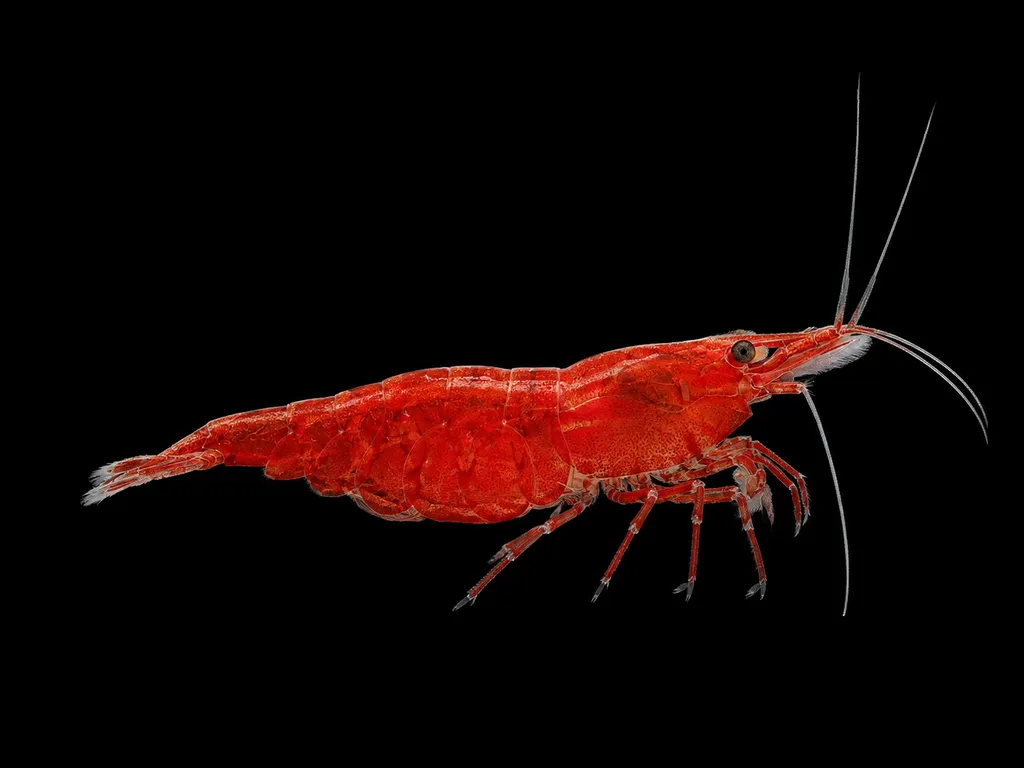
Neocaridina shrimp
Neocaridina davidi
Freshwater1.6 in (4 cm) · 5 gal (19 L)59–84°F (15–29°C)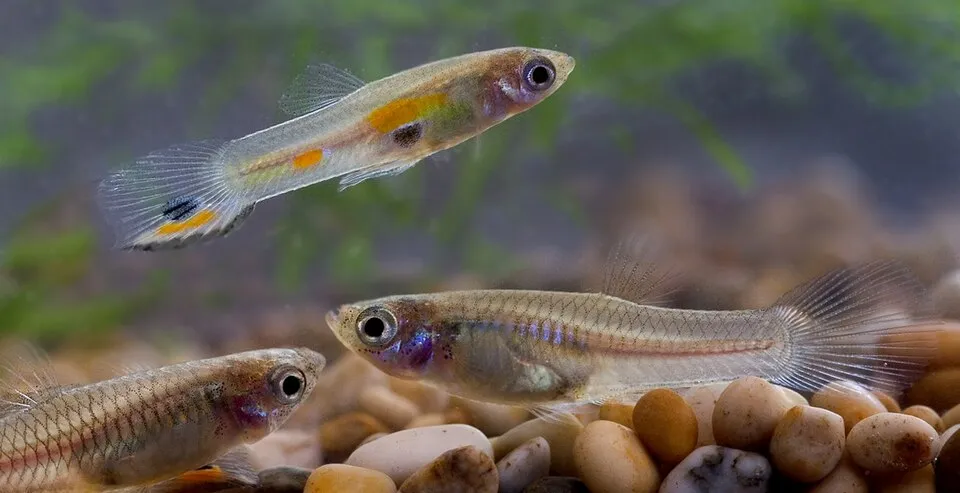
Guppy
Poecilia reticulata
FreshwaterBrackish2.4 in (6 cm) · 10 gal (38 L)64–82°F (18–28°C)
Neon tetra
Paracheirodon innesi
Freshwater1.5 in (3.8 cm) · 11 gal (40 L)70–77°F (21–25°C)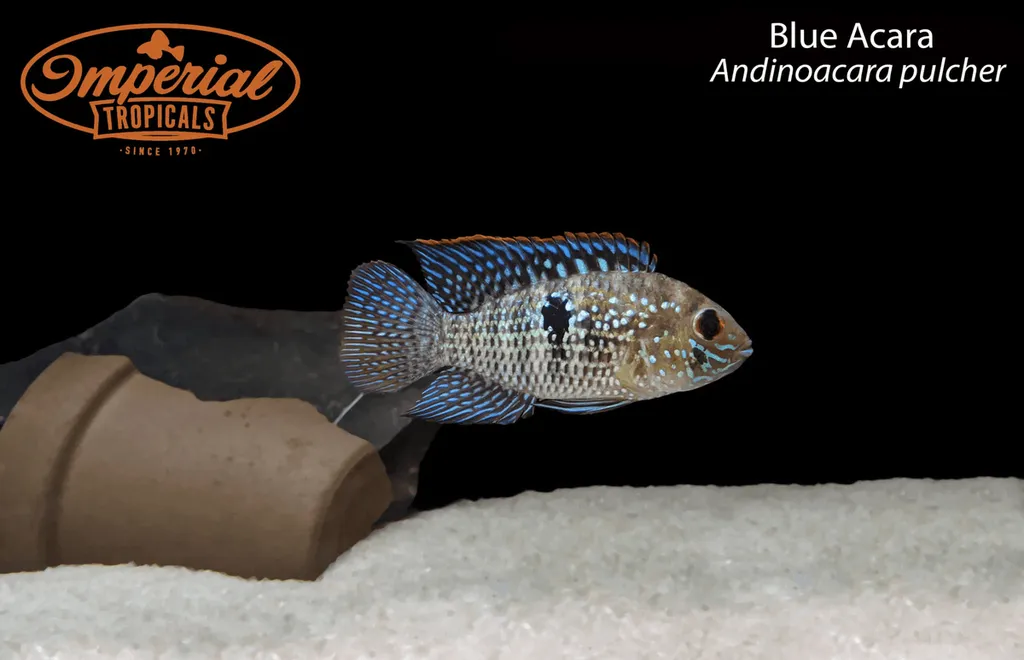
Blue acara
Andinoacara pulcher
Freshwater5.9 in (15 cm) · 42 gal (160 L)72–82°F (22–28°C)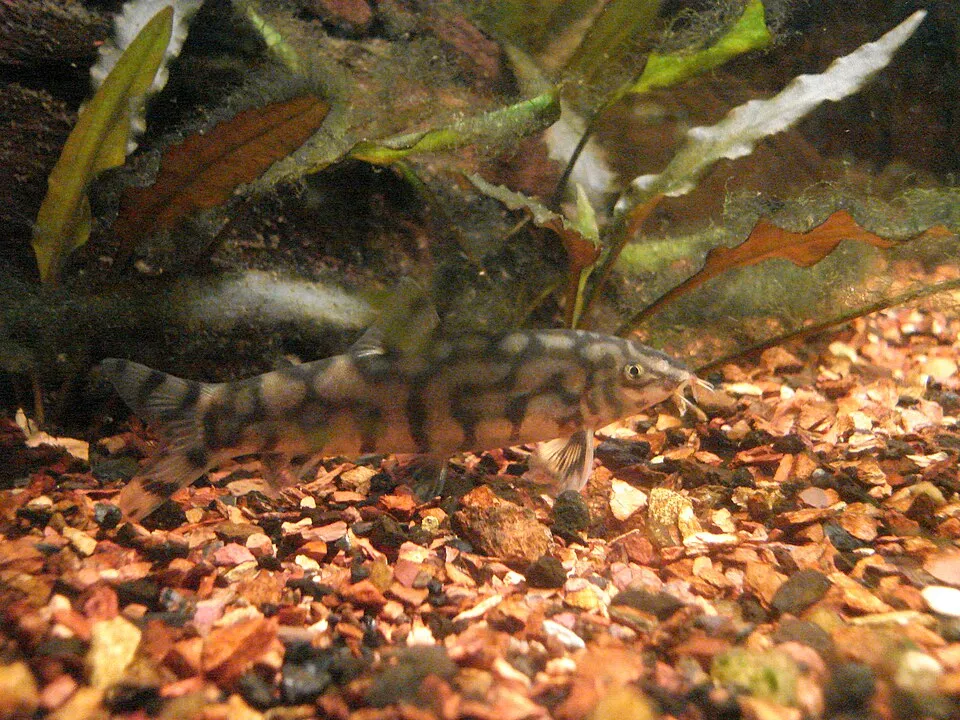
Yoyo loach
Botia almorhae
Freshwater6.3 in (16 cm) · 42 gal (160 L)66–81°F (19–27°C)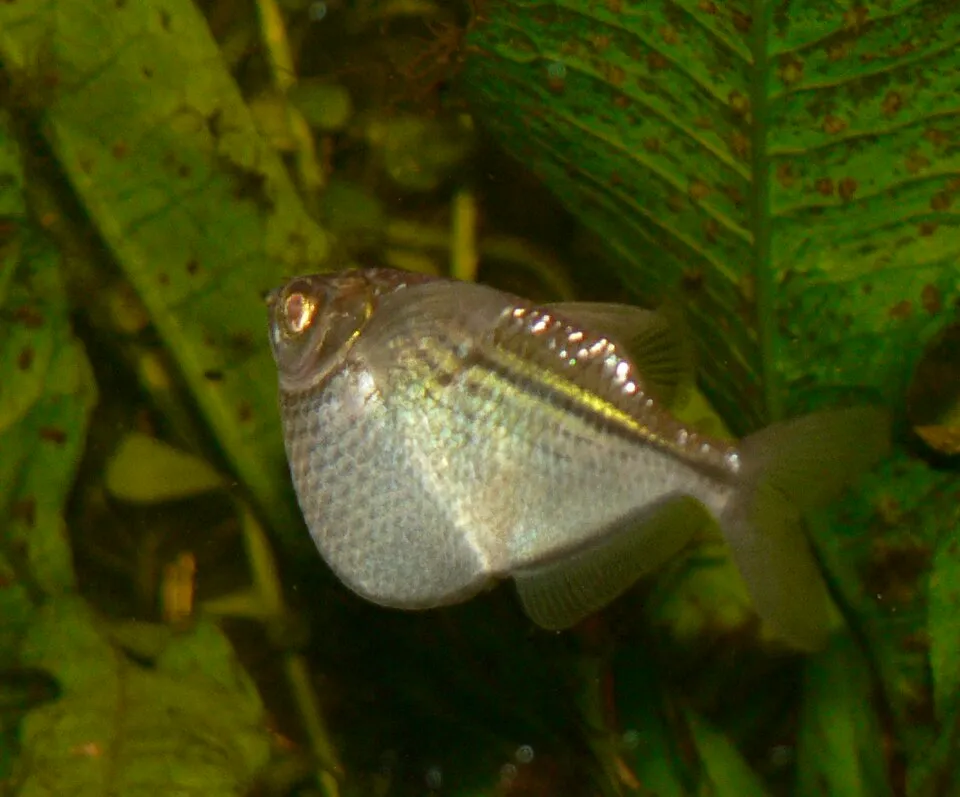
Common hatchetfish
Gasteropelecus sternicla
Freshwater1.6 in (4 cm) · 33 gal (125 L)68–82°F (20–28°C)
Common questions
What size tank does a Celebes halfbeak need?
A Celebes halfbeak needs at least 40 gal (150 L). It spends most of its time in the top.
What temperature and pH does a Celebes halfbeak need?
A Celebes halfbeak is comfortable at 68–77°F (20–25°C) with a pH of 6.0–7.5.
What does a Celebes halfbeak eat?
A Celebes halfbeak is a predator that takes small insects, insect larvae and other meaty foods from the surface. Feed it frozen and live foods, and try weaning it onto a good livebearer flake.
How big does a Celebes halfbeak get?
An adult Celebes halfbeak reaches about 3.5 in (9 cm).
Does a Celebes halfbeak need a group?
Yes. A Celebes halfbeak is a shoaling species and should be kept in a group, not singly.
How can you tell a male Celebes halfbeak from a female?
Males carry a fleshy, often black-tipped lobe on the lower beak.
How does a Celebes halfbeak breed?
The Celebes halfbeak is a livebearer. The male fertilizes the female internally with an andropodium, a modified anal fin, and she carries the young until they are born fully formed. Broods are small and the fry need fine live food, so breeding it is hard.
Related species
 3.5 in (9 cm)29 gal (110 L)75–81°F (24–27°C)
Redfin halfbeak
Nomorhamphus ebrardtii
3.5 in (9 cm) · 29 gal (110 L)
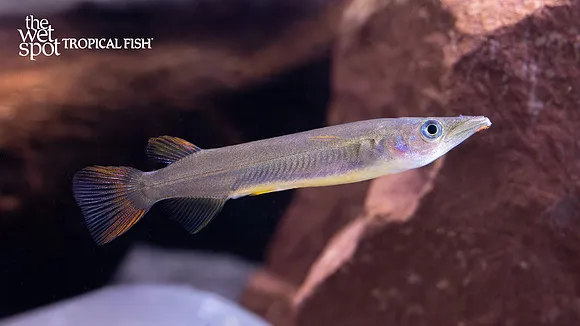 2.2 in (5.5 cm)20 gal (75 L)72–79°F (22–26°C)
Rex halfbeak
Nomorhamphus rex
2.2 in (5.5 cm) · 20 gal (75 L)
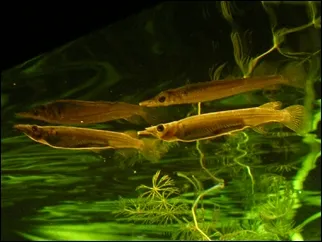 2.8 in (7 cm)25 gal (95 L)75–82°F (24–28°C)
Wrestling halfbeak
Dermogenys pusilla
2.8 in (7 cm) · 25 gal (95 L)
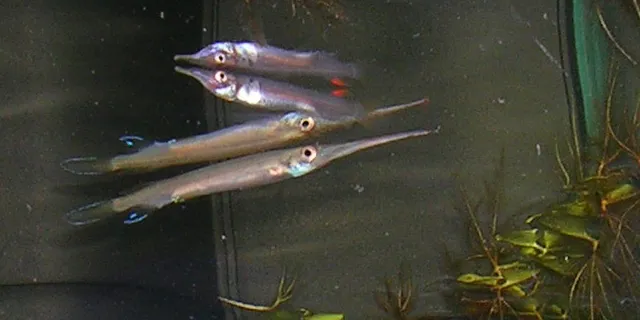 3.5 in (9 cm)34 gal (130 L)75–82°F (24–28°C)
Forest halfbeak
Hemirhamphodon pogonognathus
3.5 in (9 cm) · 34 gal (130 L)
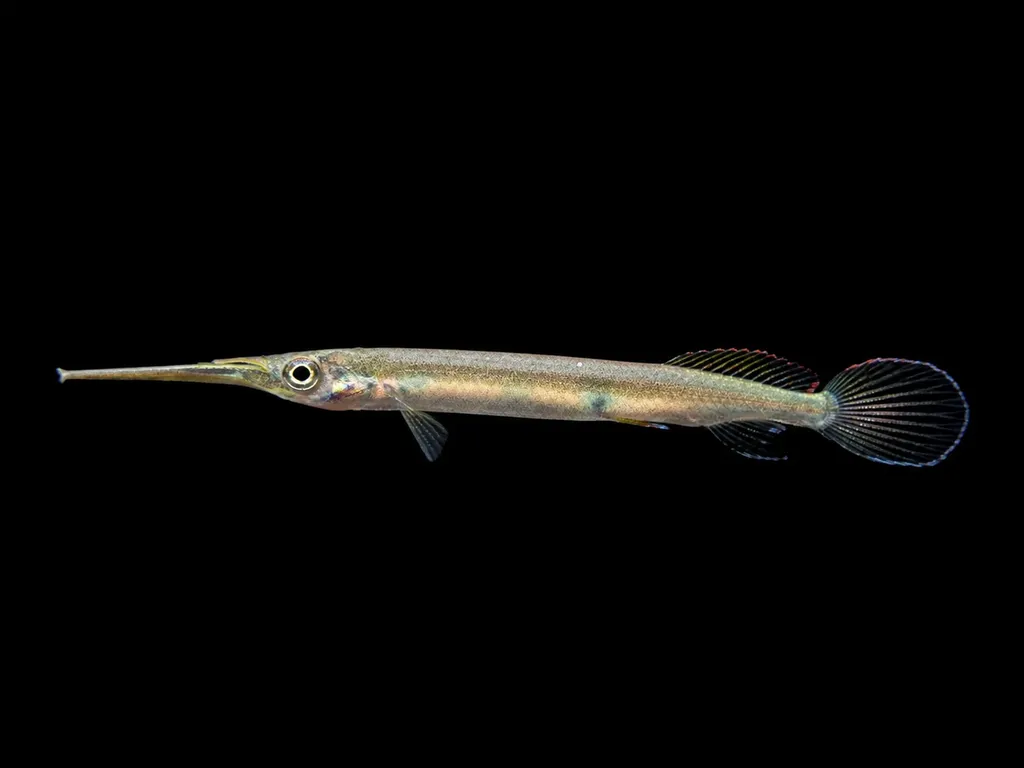 3.3 in (8.5 cm)20 gal (75 L)73–81°F (23–27°C)
Kuekenthal's halfbeak
Hemirhamphodon kuekenthali
3.3 in (8.5 cm) · 20 gal (75 L)
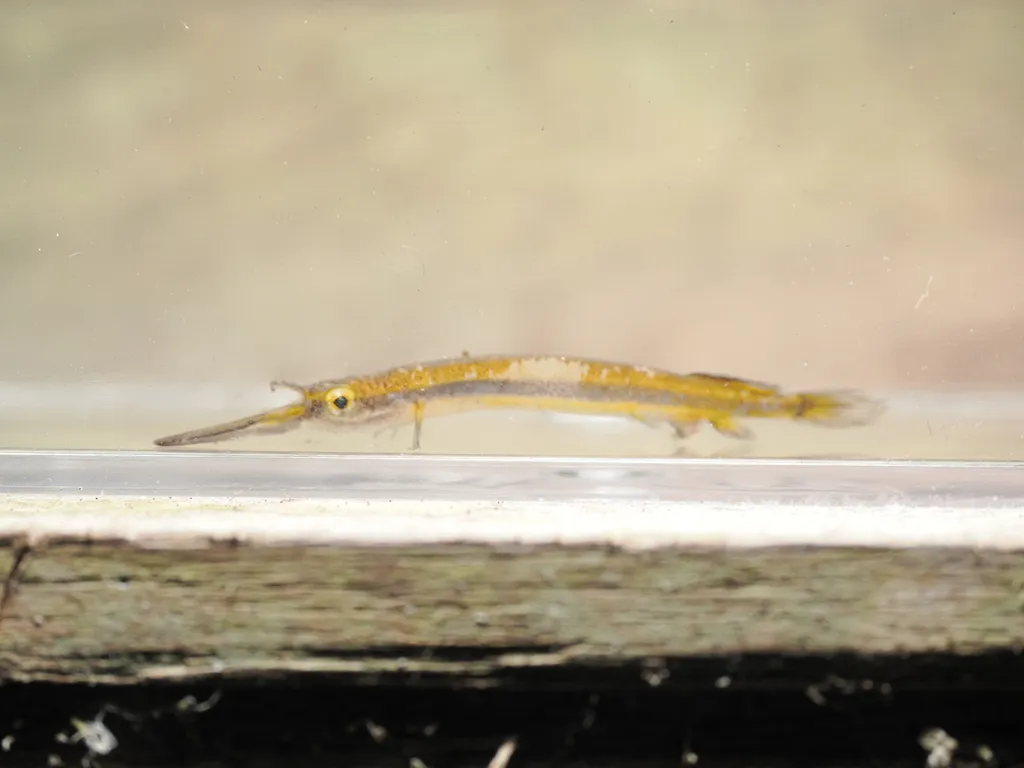 2.6 in (6.5 cm)14 gal (54 L)73–81°F (23–27°C)
Gold-spotted halfbeak
Hemirhamphodon chrysopunctatus
2.6 in (6.5 cm) · 14 gal (54 L)