Forest halfbeak
Hemirhamphodon pogonognathus
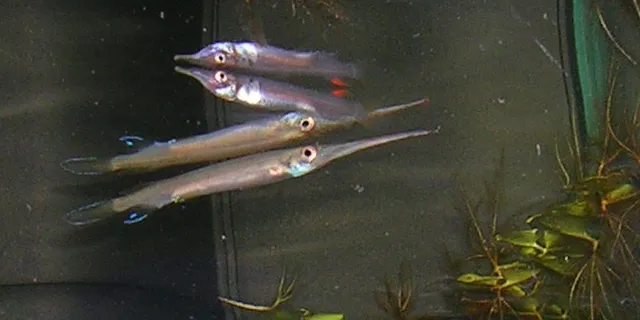
Also known as Three Spot Halfbeak
FreshwaterFish
Care at a glance
- Temperature
- 75–82°F
- 24–28°C
- pH
- 6.0–7.5
- Adult size
- 3.5 in
- 9 cm
- Minimum tank
- 34 gal
- 130 L
- Temperament
- Peaceful
- Social behavior
- Social
- Swim level
- Top
- Difficulty
- Difficult
- Breeding
- Hard
- Rarity
- Very rare
- Family
- Zenarchopteridae
- Origin
- Thailand, Sunda Islands
Overview
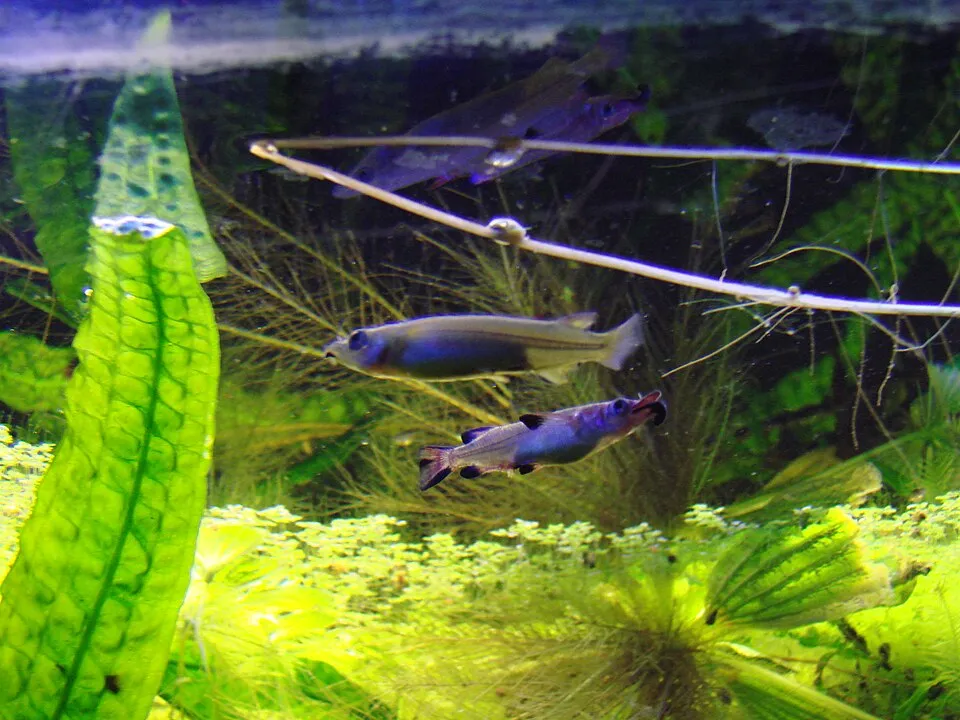
The forest halfbeak is a slender surface fish for a quiet, soft-water tank kept in a group. It is peaceful but delicate, so house it with equally gentle tankmates and avoid anything boisterous. It feeds at the top on small insects and larvae, so offer frozen and live foods like bloodworm and small crustaceans, along with a floating flake that includes some plant matter. Soft, acidic, tannin-stained water suits it, and it does not want salt. Give it a covered tank of 130 liters or larger with floating plants and calm water, since it stays near the surface and will jump.
In the wild
Hemirhamphodon pogonognathus lives in the forest streams and peat swamps of Thailand and the Sunda Islands, in soft, acidic blackwater shaded by trees. To match it, keep the water warm, between 24 and 28 C, with a low pH from about 6 to 7.5 and very little hardness. Tannins from leaf litter or wood, floating plants, subdued light and gentle flow recreate its home. This species is bound to fresh, soft water and does not occur in brackish conditions.
Good to know
The forest halfbeak is a member of the halfbeak family Zenarchopteridae and grows to about 9 cm, most of it a long, thin body tipped by an extended lower jaw. It is a livebearer: the male fertilizes the female internally using an andropodium, a modified anal fin, and she gives birth to a small number of well-developed fry. Broods are tiny and both parents and fry are sensitive to water quality, so it is a hard fish to breed with any consistency.
Did you know
The species name pogonognathus means bearded jaw, describing the small fleshy growths some males carry on the underside of the long lower beak.
Weekly picks
Tank mates
Forest halfbeak is a peaceful, social species that keeps to the top. These picks share a community profile with it, are safe together in both directions, and overlap on water type, temperature and pH.
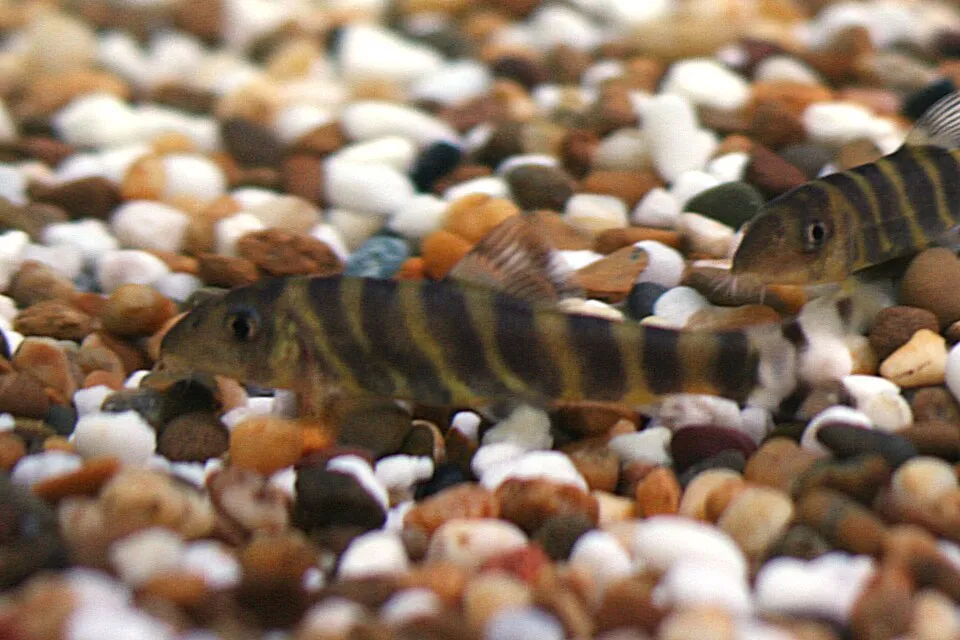
Bengal loach
Botia dario
Freshwater5.1 in (13 cm) · 37 gal (140 L)73–79°F (23–26°C)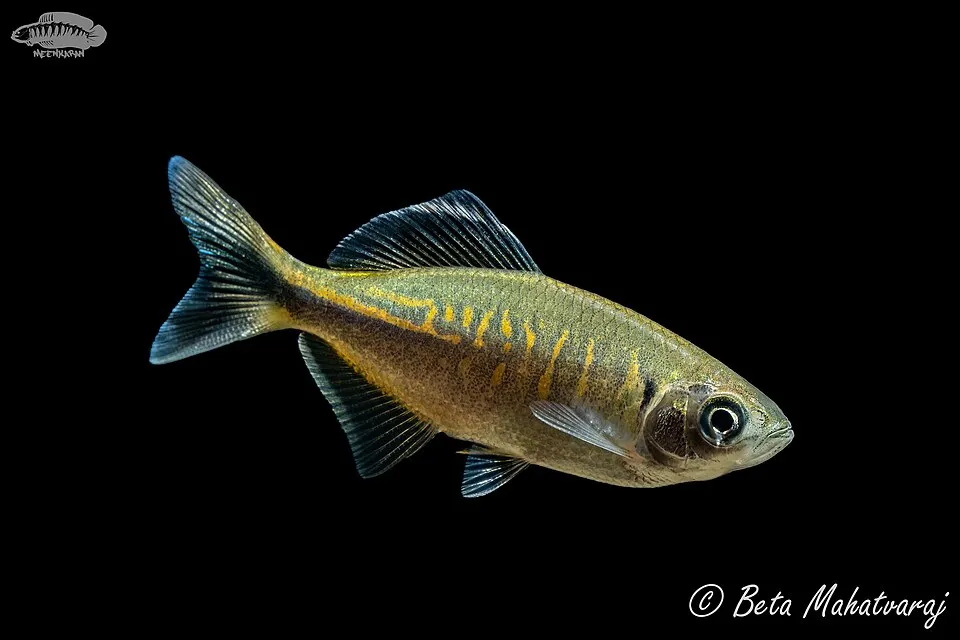
Bengal danio
Devario devario
Freshwater3.5 in (9 cm) · 34 gal (130 L)59–81°F (15–27°C)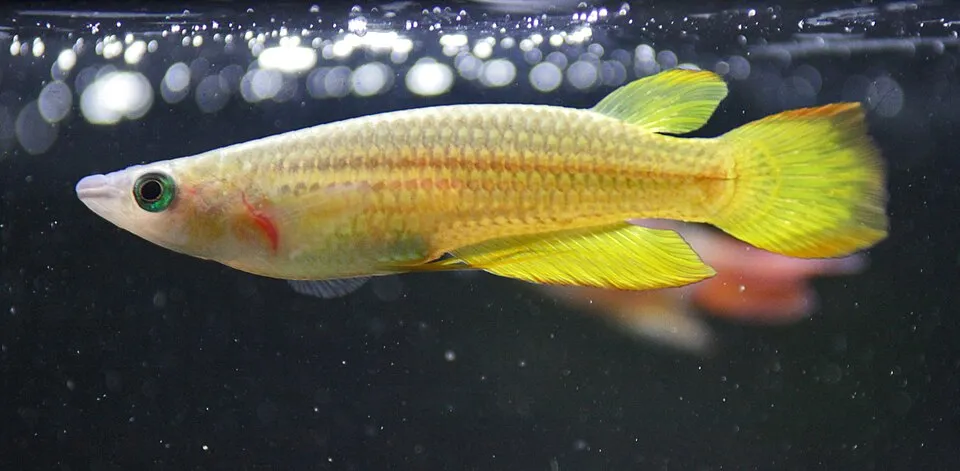
Striped panchax
Aplocheilus lineatus
Freshwater4.3 in (11 cm) · 30 gal (115 L)72–77°F (22–25°C)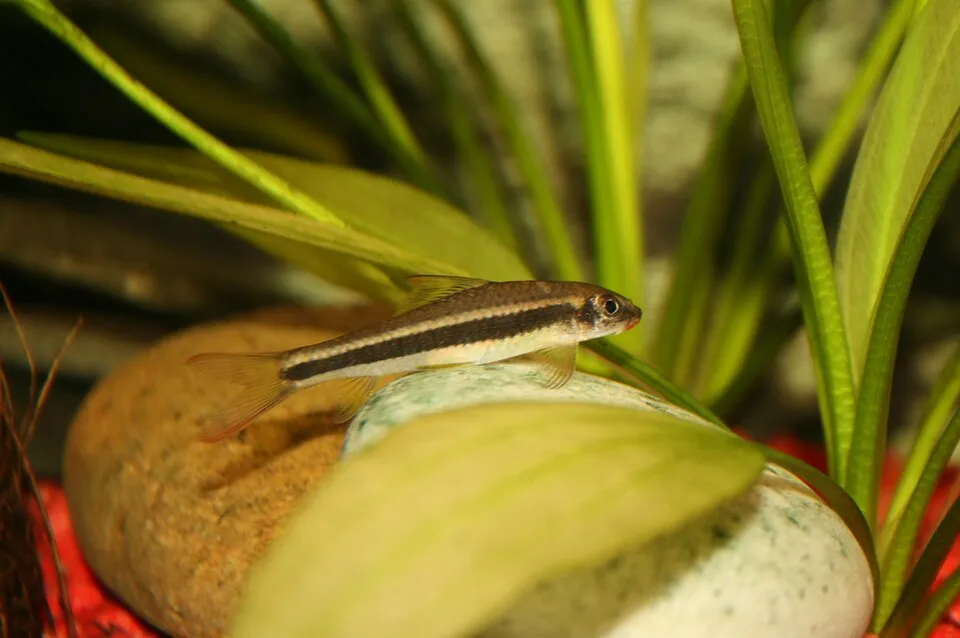
Cambodian log sucker
Garra cambodgiensis
Freshwater5.9 in (15 cm) · 32 gal (120 L)68–81°F (20–27°C)
Green lizard tetra
Iguanodectes spilurus
Freshwater3.5 in (9 cm) · 32 gal (120 L)73–82°F (23–28°C)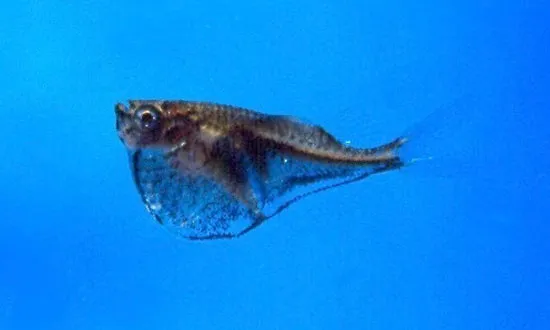
Blackwing hatchetfish
Carnegiella marthae
Freshwater1.4 in (3.5 cm) · 30 gal (115 L)68–82°F (20–28°C)
Common questions
What size tank does a Forest halfbeak need?
A Forest halfbeak needs at least 34 gal (130 L). It spends most of its time in the top.
What temperature and pH does a Forest halfbeak need?
A Forest halfbeak is comfortable at 75–82°F (24–28°C) with a pH of 6.0–7.5.
How big does a Forest halfbeak get?
An adult Forest halfbeak reaches about 3.5 in (9 cm).
Related species
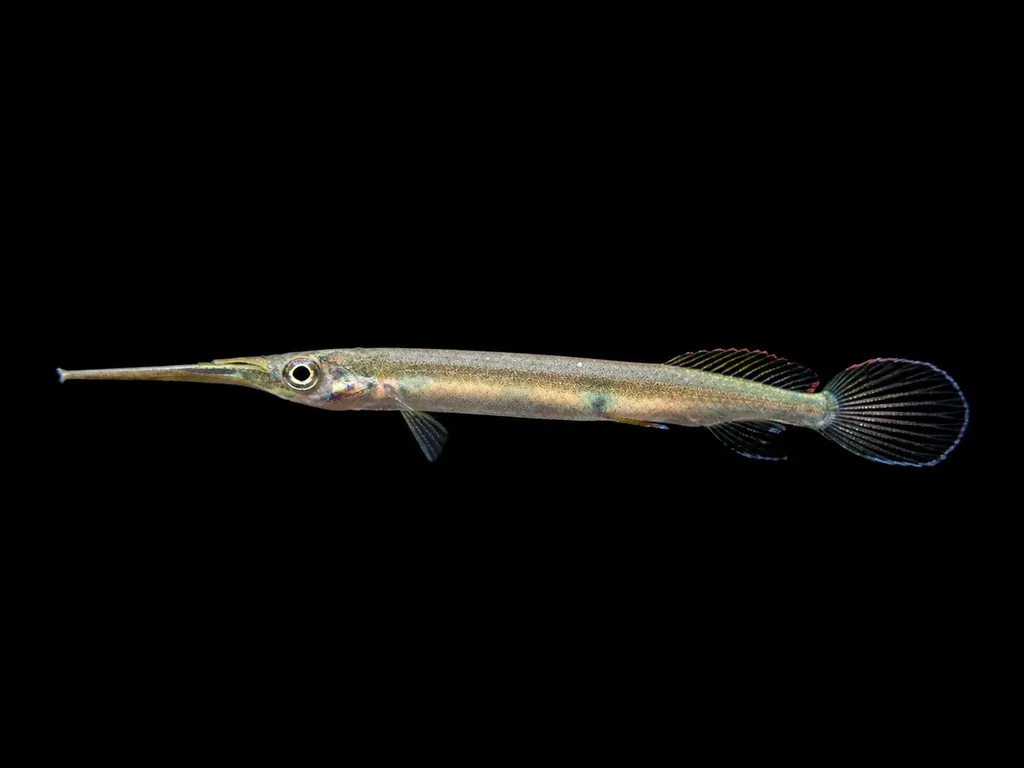 3.3 in (8.5 cm)20 gal (75 L)73–81°F (23–27°C)
Kuekenthal's halfbeak
Hemirhamphodon kuekenthali
3.3 in (8.5 cm) · 20 gal (75 L)
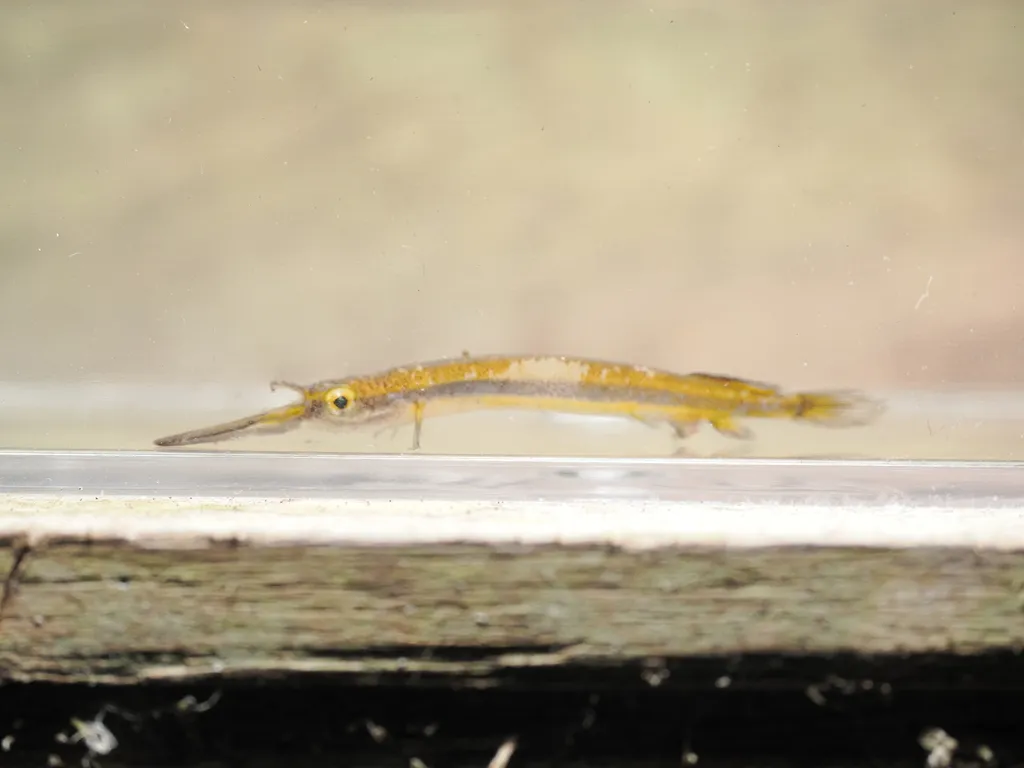 2.6 in (6.5 cm)14 gal (54 L)73–81°F (23–27°C)
Gold-spotted halfbeak
Hemirhamphodon chrysopunctatus
2.6 in (6.5 cm) · 14 gal (54 L)
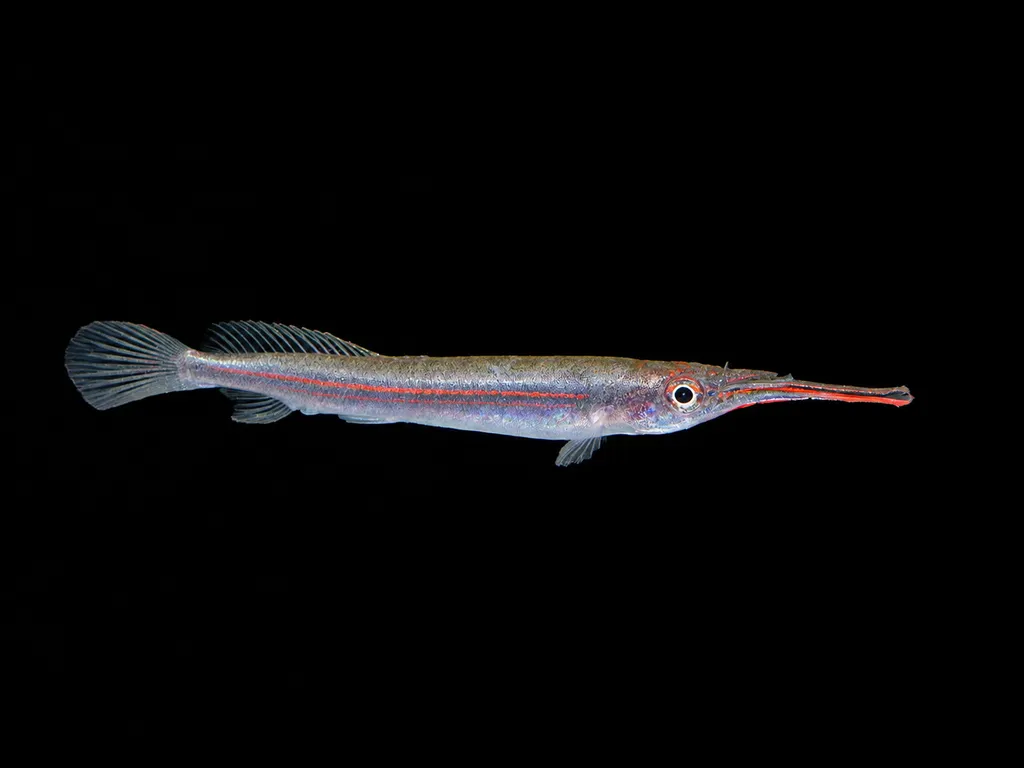 2.6 in (6.5 cm)14 gal (54 L)73–81°F (23–27°C)
Red line halfbeak
Hemirhamphodon phaiosoma
2.6 in (6.5 cm) · 14 gal (54 L)
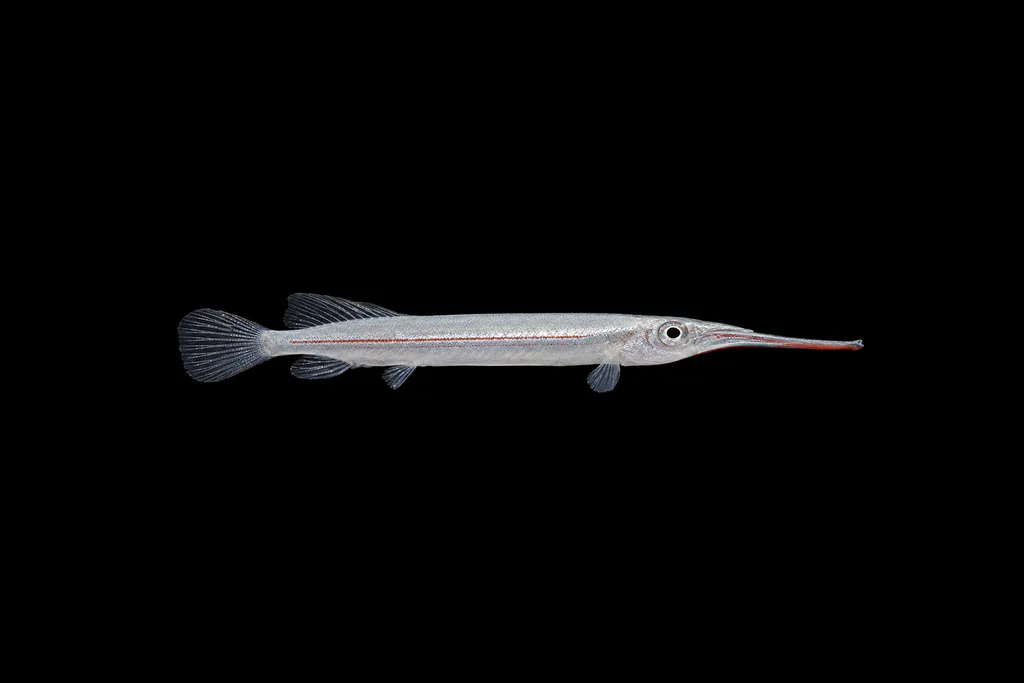 2.4 in (6 cm)14 gal (54 L)73–81°F (23–27°C)
Fire halfbeak
Hemirhamphodon kapuasensis
2.4 in (6 cm) · 14 gal (54 L)
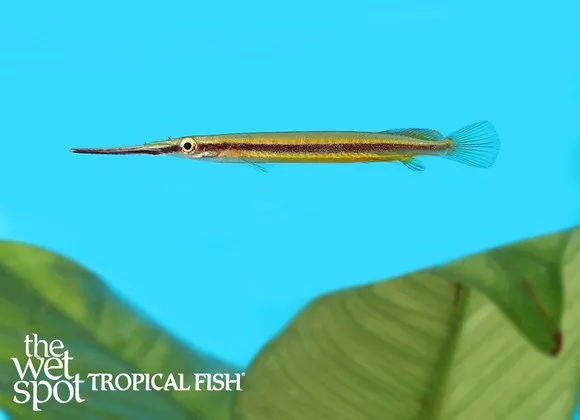 1.8 in (4.5 cm)11 gal (40 L)73–81°F (23–27°C)
Borneo gold spot halfbeak
Hemirhamphodon tengah
1.8 in (4.5 cm) · 11 gal (40 L)
 3.5 in (9 cm)40 gal (150 L)68–77°F (20–25°C)
Celebes halfbeak
Nomorhamphus liemi
3.5 in (9 cm) · 40 gal (150 L)