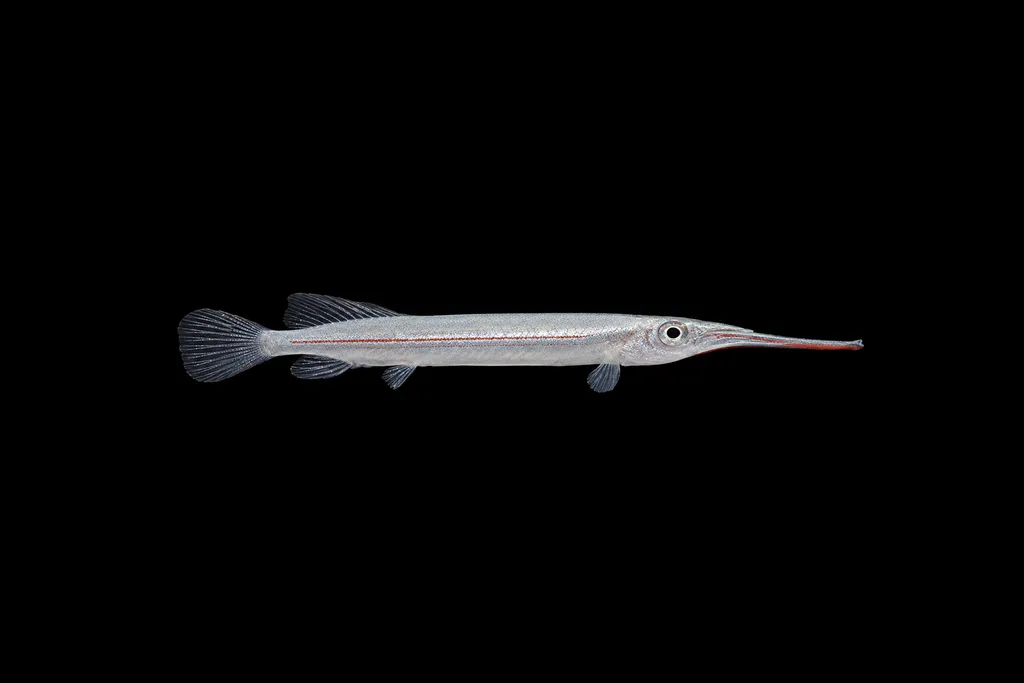
Fire halfbeak
Hemirhamphodon kapuasensis
Also known as Kapuas halfbeak, Red-striped halfbeak
FreshwaterFish
Care at a glance
- Temperature
- 73–81°F
- 23–27°C
- pH
- 4.5–6.5
- Adult size
- 2.4 in
- 6 cm
- Minimum tank
- 14 gal
- 54 L
- Temperament
- Peaceful
- Social behavior
- Social
- Swim level
- Top
- Difficulty
- Medium
- Breeding
- Livebearer · Medium
- Rarity
- Rare
- Family
- Zenarchopteridae
- Origin
- Kapuas basin blackwaters, Borneo
Overview
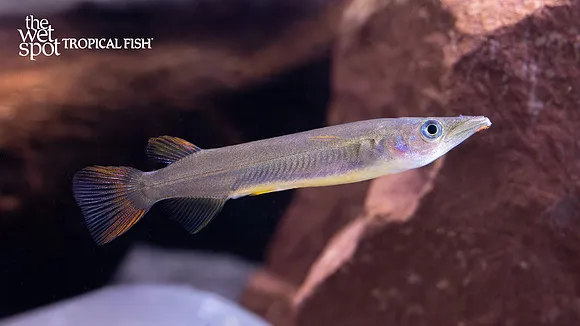
The fire halfbeak is a slender, peaceful surface fish that hangs near the top waiting for prey. It is a step up from the easiest fish.
Did you know
The fire halfbeak is a rare exception among fish that patrol the water surface, most of which scatter eggs. Like other beaked Hemirhamphodon, it carries its young and gives birth to only a handful of fully formed fry at a time.
Caring for the fire halfbeak
Keep fire halfbeaks in a planted, well-covered tank of 14 gal (54 L) or larger. Driftwood, leaf litter, floating plants and dim light recreate their blackwater home.
Give them soft, acidic water tinted with tannins, at 73 to 81°F (23 to 27°C) and a pH of 4.5 to 6.5. Keep the flow gentle and the water clean to hold them in good condition.
Fire halfbeaks are surface insectivores. Feed small floating and surface foods, such as fruit flies, mosquito larvae, daphnia and small live or frozen insects. They also take fine floating dried foods.
They are peaceful and suit calm tank mates that stay lower in the tank. Anything large or hurried would unsettle them at the top, so leave such fish out.
Keep them as a small group with more females than males. Males are lit with red, and they display and spar along the surface. Fire halfbeaks bear live young rather than laying eggs, and breeding them is of moderate difficulty.
Good to know
Hemirhamphodon kapuasensis is a halfbeak in the family Zenarchopteridae. An irregular red stripe runs along its flank, from behind the eye to the tail.
In the wild
The fire halfbeak lives in forest streams of the Kapuas basin in West Kalimantan, Borneo. The water there is soft, acidic and tea-stained, with a gentle current.
Weekly picks
Tank mates
The fire halfbeak is a peaceful, social species that keeps to the top. These picks share a community profile with it, are safe together in both directions, and overlap on water type, temperature and pH.
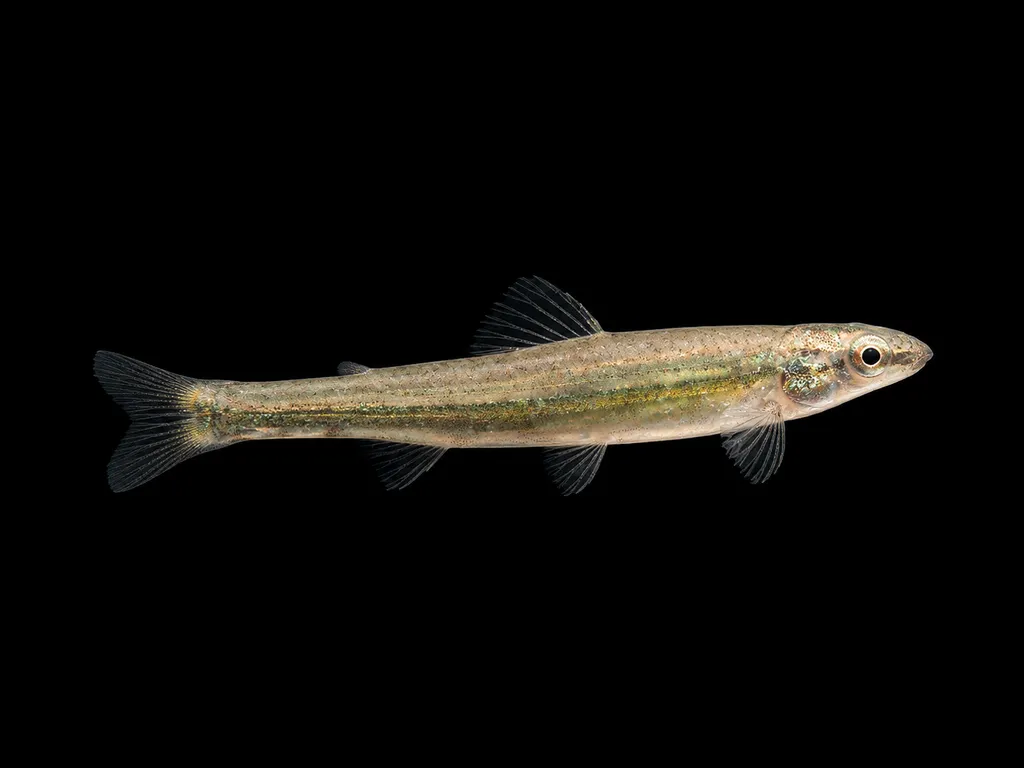
Elegant darter characin
Ammocryptocharax elegans
Freshwater1.6 in (4 cm) · 14 gal (54 L)73–81°F (23–27°C)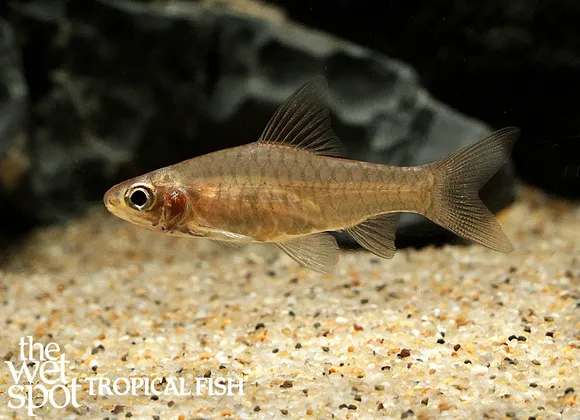
Congo clipper barb
Clypeobarbus congicus
Freshwater2.2 in (5.5 cm) · 14 gal (54 L)73–81°F (23–27°C)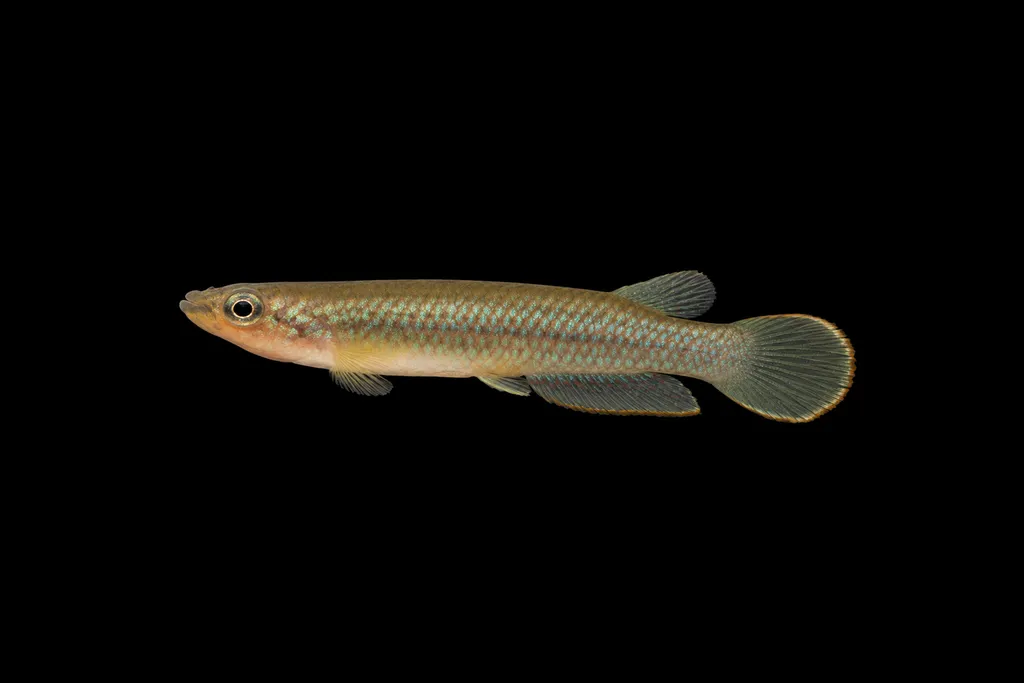
Guinean panchax
Epiplatys guineensis
Freshwater2.8 in (7 cm) · 14 gal (54 L)68–77°F (20–25°C)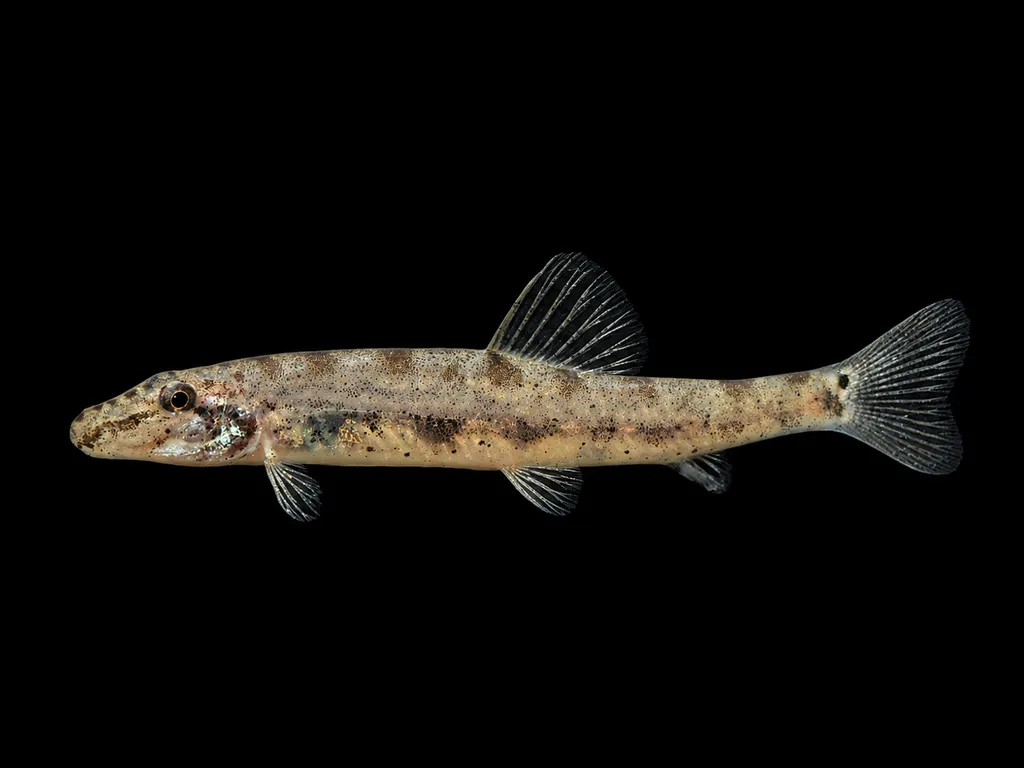
Dwarf white horseface loach
Kottelatlimia hipporhynchos
Freshwater2 in (5 cm) · 14 gal (54 L)72–81°F (22–27°C)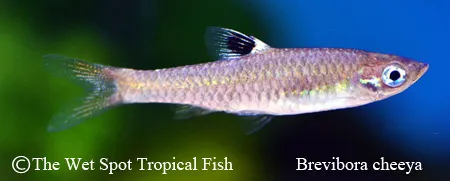
Cheeya rasbora
Brevibora cheeya
Freshwater1.3 in (3.4 cm) · 14 gal (54 L)72–81°F (22–27°C)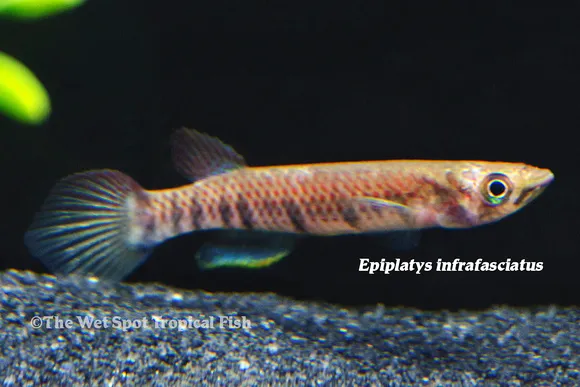
Infrafasciatus killifish
Epiplatys infrafasciatus
Freshwater2.4 in (6 cm) · 14 gal (54 L)68–77°F (20–25°C)
Common questions
What size tank does a fire halfbeak need?
A fire halfbeak needs at least 14 gal (54 L). It spends most of its time in the top.
What temperature and pH does a fire halfbeak need?
A fire halfbeak is comfortable at 73–81°F (23–27°C) with a pH of 4.5–6.5.
What does a fire halfbeak eat?
A fire halfbeak is a surface insectivore. It eats small floating foods such as fruit flies, mosquito larvae, daphnia and small live or frozen insects. It also takes fine floating dried foods.
How big does a fire halfbeak get?
An adult fire halfbeak reaches about 2.4 in (6 cm).
How can you tell a male fire halfbeak from a female?
Males are lit with red.
How does a fire halfbeak breed?
A fire halfbeak gives birth to live young instead of laying eggs. Breeding it is moderately difficult.
Related species
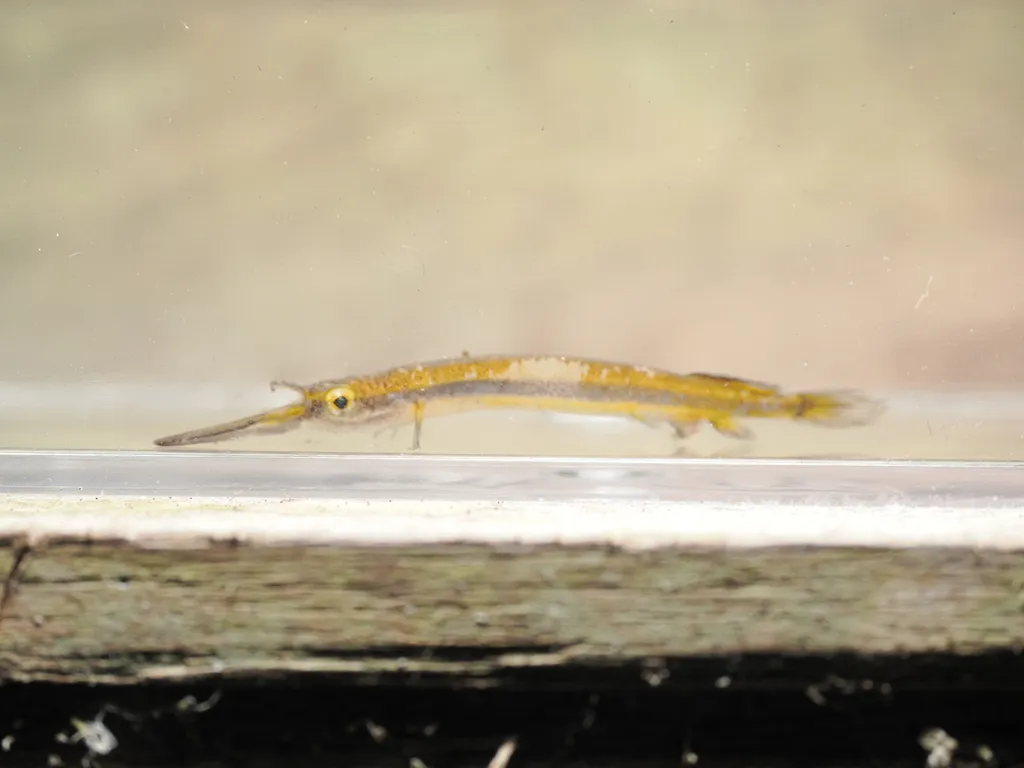 2.6 in (6.5 cm)14 gal (54 L)73–81°F (23–27°C)
Gold-spotted halfbeak
Hemirhamphodon chrysopunctatus
2.6 in (6.5 cm) · 14 gal (54 L)
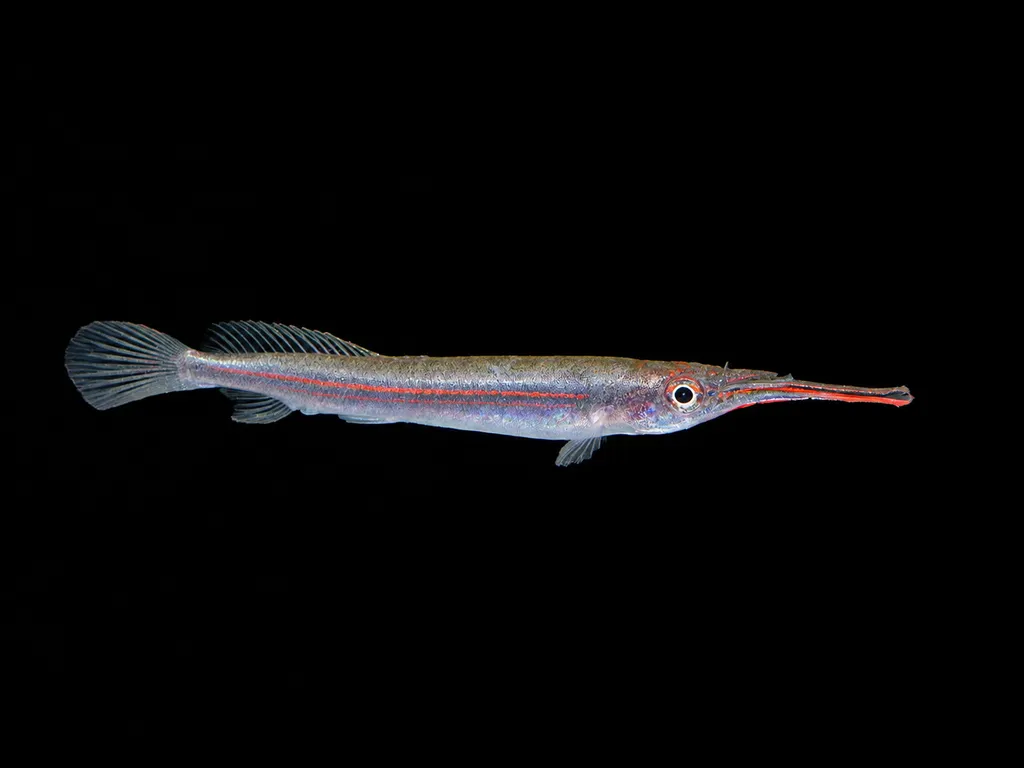 2.6 in (6.5 cm)14 gal (54 L)73–81°F (23–27°C)
Red line halfbeak
Hemirhamphodon phaiosoma
2.6 in (6.5 cm) · 14 gal (54 L)
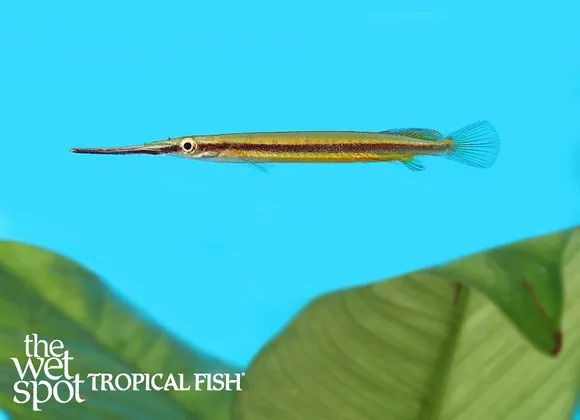 1.8 in (4.5 cm)11 gal (40 L)73–81°F (23–27°C)
Borneo gold spot halfbeak
Hemirhamphodon tengah
1.8 in (4.5 cm) · 11 gal (40 L)
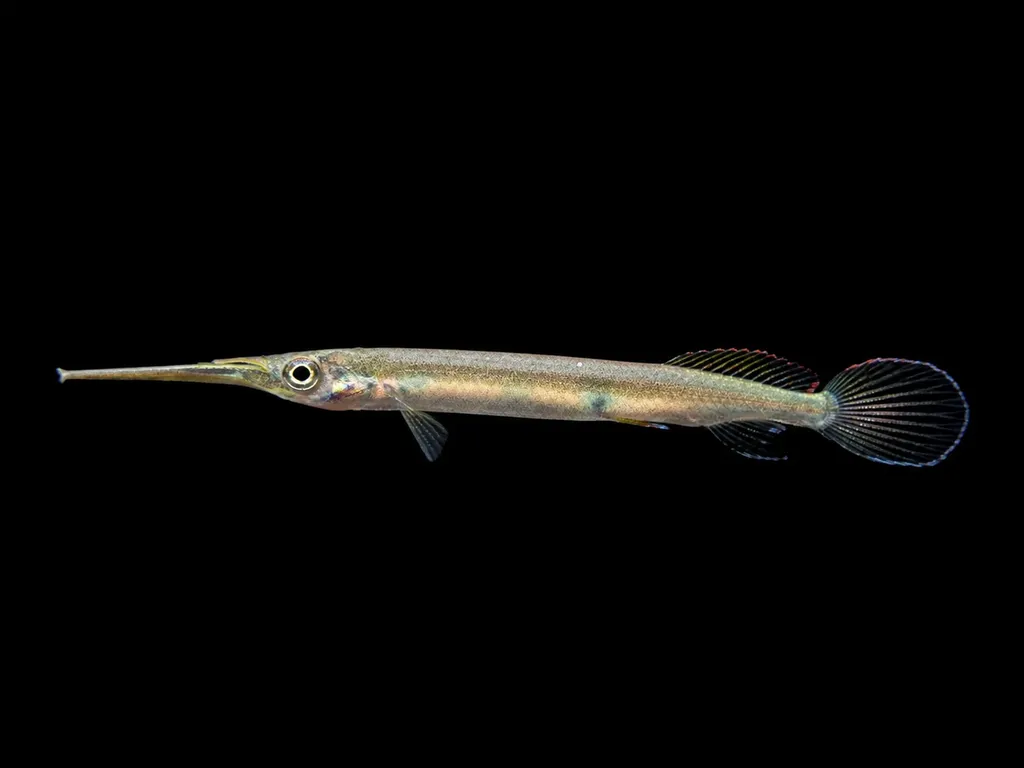 3.3 in (8.5 cm)20 gal (75 L)73–81°F (23–27°C)
Kuekenthal's halfbeak
Hemirhamphodon kuekenthali
3.3 in (8.5 cm) · 20 gal (75 L)
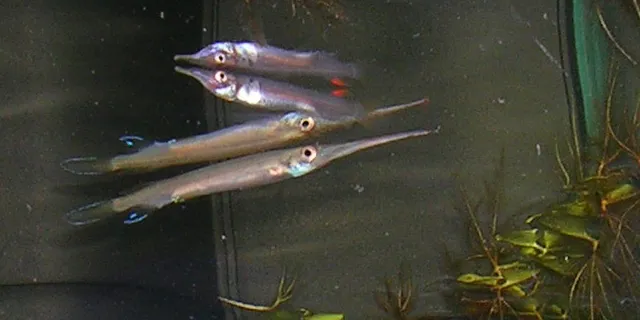 3.5 in (9 cm)34 gal (130 L)75–82°F (24–28°C)
Forest halfbeak
Hemirhamphodon pogonognathus
3.5 in (9 cm) · 34 gal (130 L)
 2.2 in (5.5 cm)20 gal (75 L)72–79°F (22–26°C)
Rex halfbeak
Nomorhamphus rex
2.2 in (5.5 cm) · 20 gal (75 L)