Elegant darter characin
Ammocryptocharax elegans
Also known as Green darter characin, Green darter tetra
FreshwaterFish
Care at a glance
- Temperature
- 73–81°F
- 23–27°C
- pH
- 5.0–6.8
- Adult size
- 1.6 in
- 4 cm
- Minimum tank
- 14 gal
- 54 L
- Temperament
- Peaceful
- Social behavior
- Social
- Swim level
- Bottom
- Difficulty
- Medium
- Breeding
- No record
- Rarity
- Rare
- Family
- Crenuchidae
- Origin
- Orinoco and Negro basins
Overview
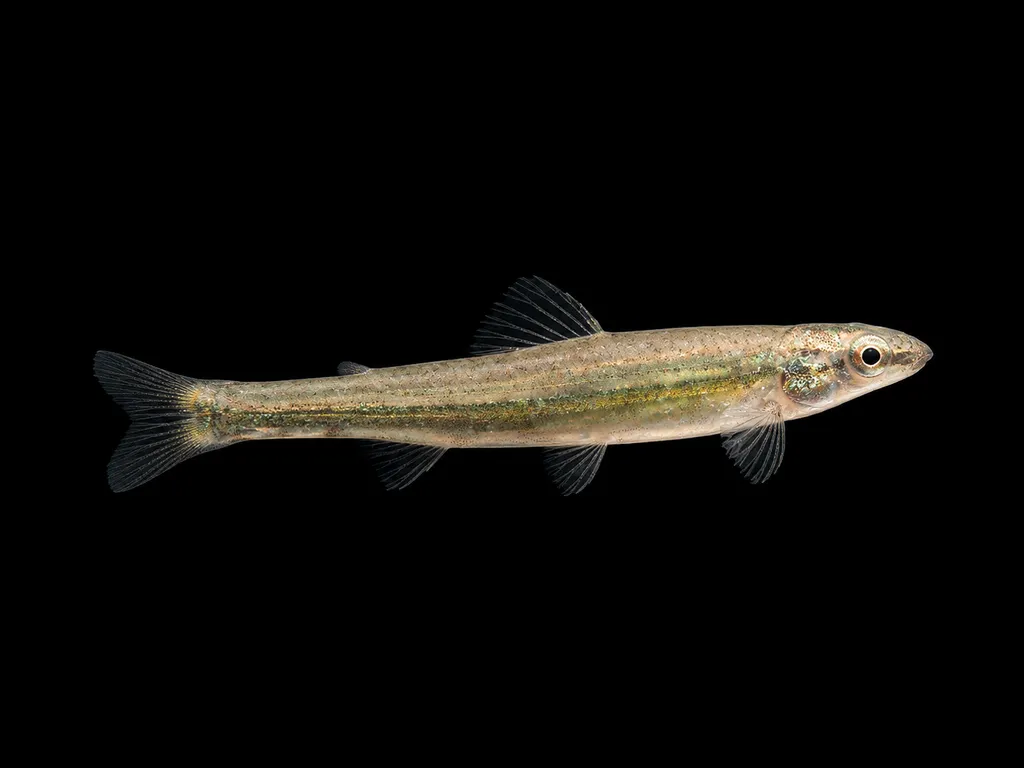
The elegant darter characin is a tiny, peaceful, darter-like characin that lives on the bottom and among plants. It suits a keeper with some experience.
Did you know
The elegant darter characin can change color to match its perch. On a green leaf, it turns bright green itself, a chameleon-like trick that helps it disappear among the plants it clings to.
Caring for the elegant darter characin
Give elegant darter characins a quiet, well-planted tank of at least 14 gal (54 L) with gentle flow. Add fine-leaved plants for them to cling to, plus driftwood, leaf litter and a sandy bed to rest on.
Hold the water at 73 to 81°F (23 to 27°C), soft and acidic, with a pH of 5.0 to 6.8. Rather than swimming freely, it perches on leaves and roots and hops from spot to spot, picking small foods off surfaces. Feed small sinking and frozen foods it can manage, such as micro pellets, crushed flake, baby brine shrimp, cyclops and small frozen bloodworm.
Keep a small group of six or more. It is gentle and easily overlooked, so give it calm, small tank mates. Its spawning in aquaria has not been documented.
Good to know
The elegant darter characin belongs to the family Crenuchidae, the South American darters. It uses curved pectoral and pelvic fins to grip plants and hold position, hovering in the current shadow behind obstacles. It is also sold as the green darter characin or green darter tetra.
In the wild
The elegant darter characin lives in the Orinoco and Rio Negro basins. It clings to submerged grasses, roots and leaf litter in soft, acidic, often tannin-stained water with gentle flow.
Weekly picks
Tank mates
The elegant darter characin is a peaceful, social species that keeps to the bottom. These picks share a community profile with it, are safe together in both directions, and overlap on water type, temperature and pH.
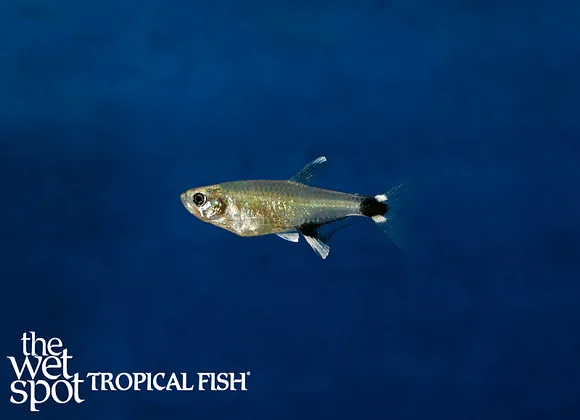
Panda darter tetra
Aphyocharax nattereri
Freshwater1.4 in (3.5 cm) · 14 gal (54 L)72–81°F (22–27°C)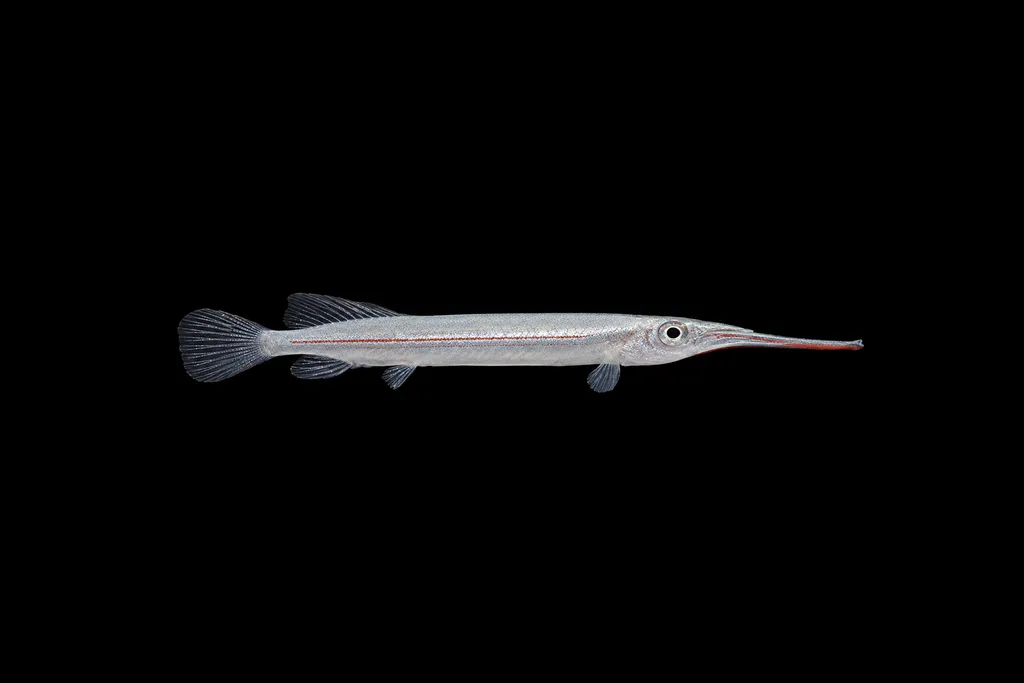
Fire halfbeak
Hemirhamphodon kapuasensis
Freshwater2.4 in (6 cm) · 14 gal (54 L)73–81°F (23–27°C)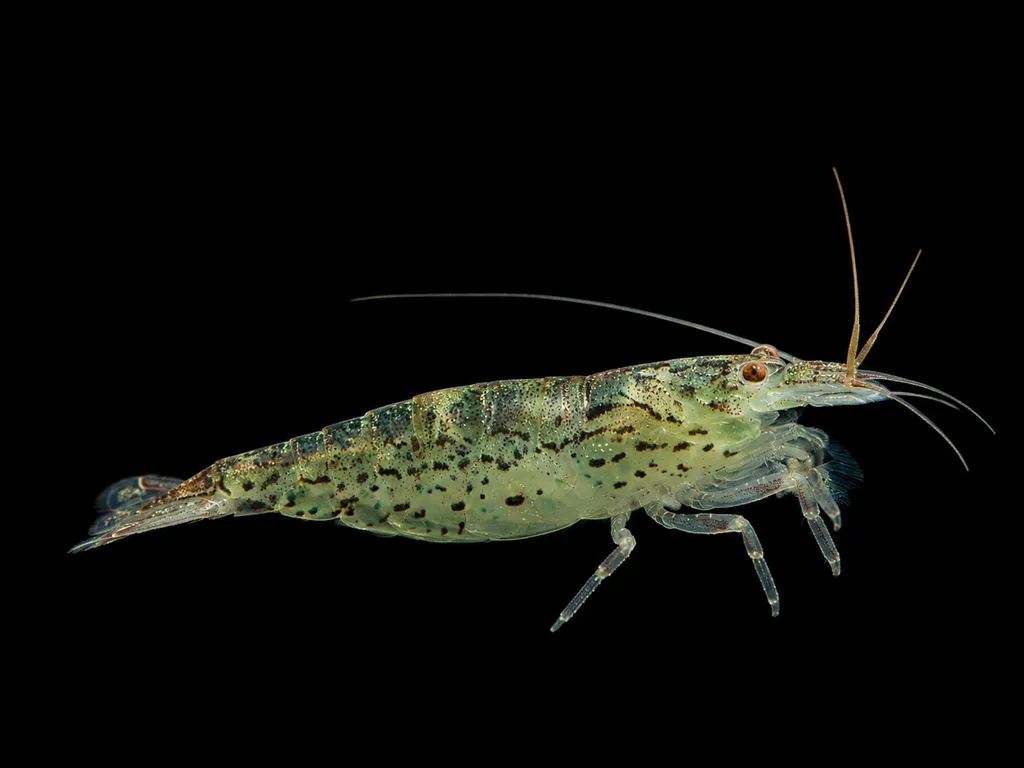
Green lace shrimp
Atyoida pilipes
Freshwater2.8 in (7 cm) · 14 gal (54 L)73–82°F (23–28°C)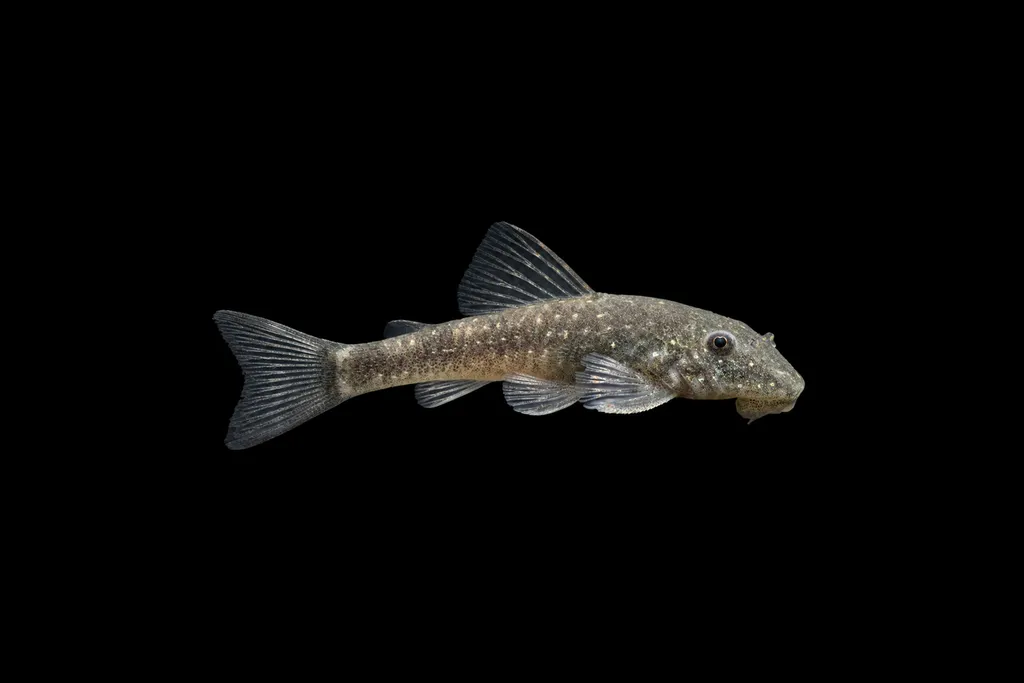
Bahia parotocinclus
Parotocinclus bahiensis
Freshwater1.6 in (4 cm) · 14 gal (54 L)72–81°F (22–27°C)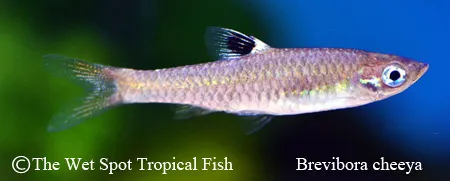
Cheeya rasbora
Brevibora cheeya
Freshwater1.3 in (3.4 cm) · 14 gal (54 L)72–81°F (22–27°C)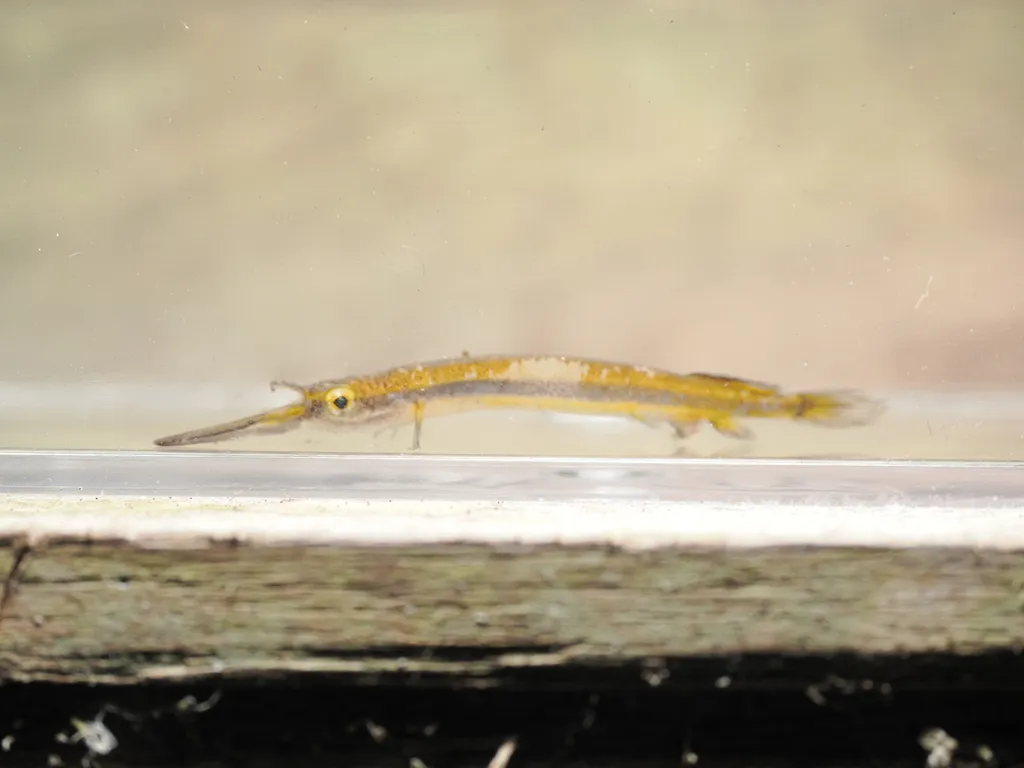
Gold-spotted halfbeak
Hemirhamphodon chrysopunctatus
Freshwater2.6 in (6.5 cm) · 14 gal (54 L)73–81°F (23–27°C)
Common questions
What size tank does an elegant darter characin need?
An elegant darter characin needs at least 14 gal (54 L). It spends most of its time in the bottom.
What temperature and pH does an elegant darter characin need?
An elegant darter characin is comfortable at 73–81°F (23–27°C) with a pH of 5.0–6.8.
What does an elegant darter characin eat?
An elegant darter characin picks small foods off surfaces. Feed it small sinking and frozen foods such as micro pellets, crushed flake, baby brine shrimp, cyclops and small frozen bloodworm.
How big does an elegant darter characin get?
An adult elegant darter characin reaches about 1.6 in (4 cm).
Related species
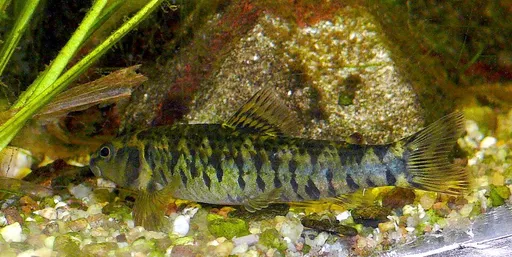 2.8 in (7 cm)16 gal (60 L)68–79°F (20–26°C)
Darter tetra
Characidium fasciatum
2.8 in (7 cm) · 16 gal (60 L)
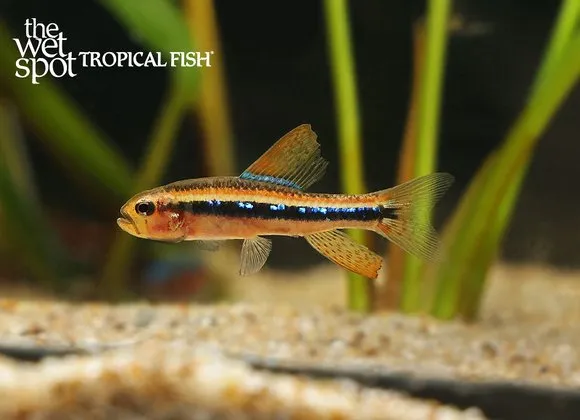 1.9 in (4.7 cm)14 gal (54 L)75–82°F (24–28°C)
Black darter tetra
Poecilocharax weitzmani
1.9 in (4.7 cm) · 14 gal (54 L)
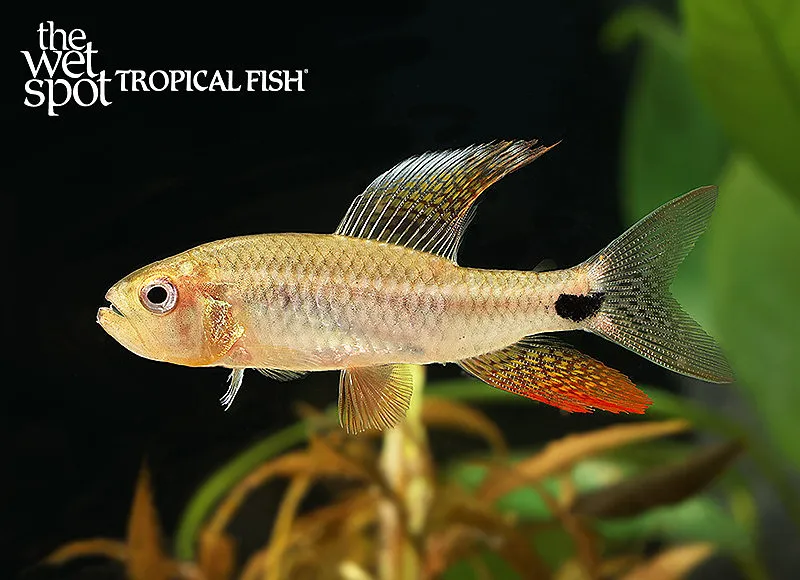 2.4 in (6 cm)20 gal (75 L)73–82°F (23–28°C)
Sailfin tetra
Crenuchus spilurus
2.4 in (6 cm) · 20 gal (75 L)
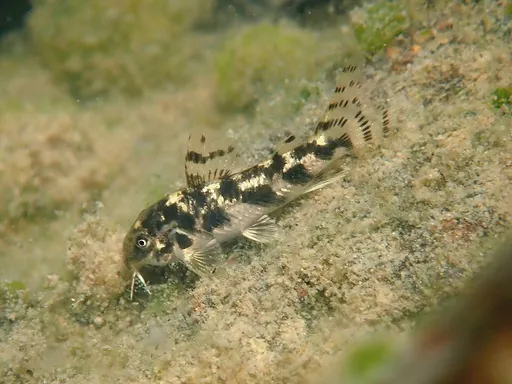 1.6 in (4 cm)16 gal (60 L)72–77°F (22–25°C)
Albater cory
Aspidoras albater
1.6 in (4 cm) · 16 gal (60 L)
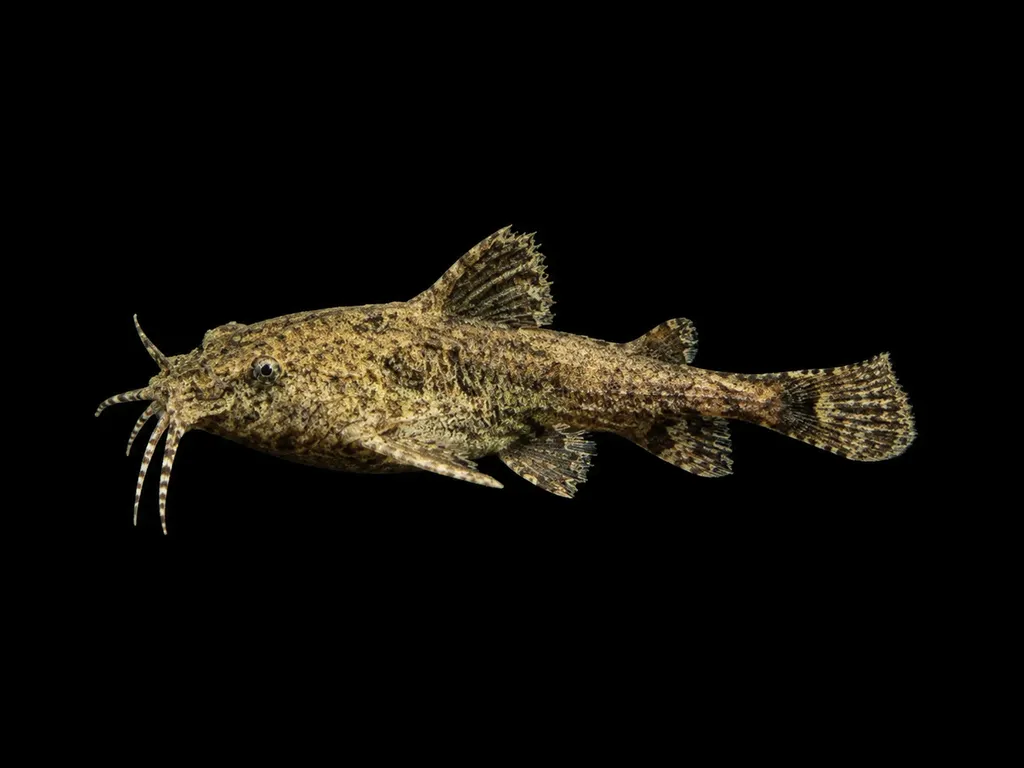 1.6 in (4 cm)11 gal (40 L)64–75°F (18–24°C)
Asian stone catfish
Hara jerdoni
1.6 in (4 cm) · 11 gal (40 L)
- 1.6 in (4 cm)14 gal (54 L)72–81°F (22–27°C)
Bahia parotocinclus
Parotocinclus bahiensis
1.6 in (4 cm) · 14 gal (54 L)