Albater cory
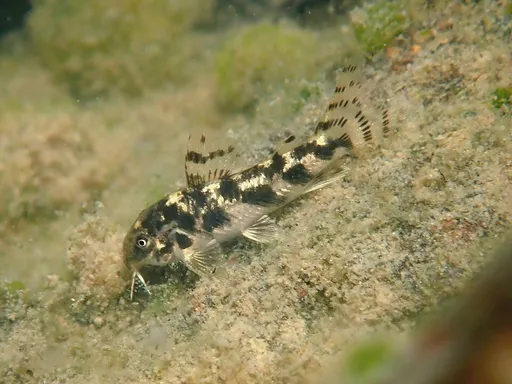
Aspidoras albater
Also known as C035, Aspidoras taurus, Aspidoras eurycephalus
FreshwaterFish
Care at a glance
- Temperature
- 72–77°F
- 22–25°C
- pH
- 6.0–7.2
- Adult size
- 1.6 in
- 4 cm
- Minimum tank
- 16 gal
- 60 L
- Temperament
- Peaceful
- Social behavior
- Shoaling
- Swim level
- Bottom
- Difficulty
- Medium
- Breeding
- Medium
- Rarity
- Rare
- Family
- Callichthyidae
- Origin
- Rio Tocantins system in Goias, central Brazil.
Overview
Keep this Aspidoras in a group of six or more over smooth sand at 22 to 25 C in soft to neutral water. It is peaceful and active, much like a small cory, and it appreciates gentle flow. Feed sinking pellets and small frozen foods such as bloodworm and daphnia.
In the wild
The albater cory lives in clear, soft streams of the Tocantins system in central Brazil. It forages over sand among leaf litter and roots. Like other Aspidoras it stays in active groups on the bottom.
Good to know
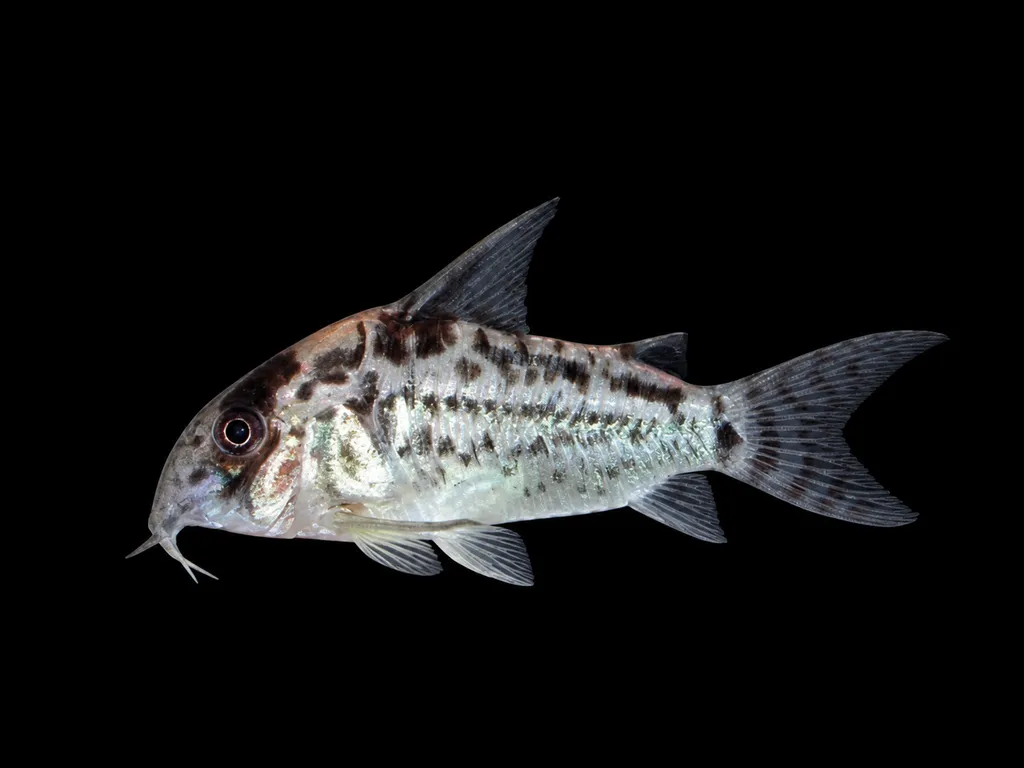
Aspidoras are close cory relatives with a slightly different skull structure, and this species is sold under the hobby code C035. Its pale body carries four large, dark, slanted blotches along the side. A blind, cave dwelling catfish from the same Tocantins region was later described in the same genus as Aspidoras mephisto.
Did you know
This species is traded under the code C035 and comes from the same central Brazilian region as a blind, cave dwelling relative.
Weekly picks
Tank mates
Albater cory is a peaceful, shoaling species that keeps to the bottom. These picks share a community profile with it, are safe together in both directions, and overlap on water type, temperature and pH.
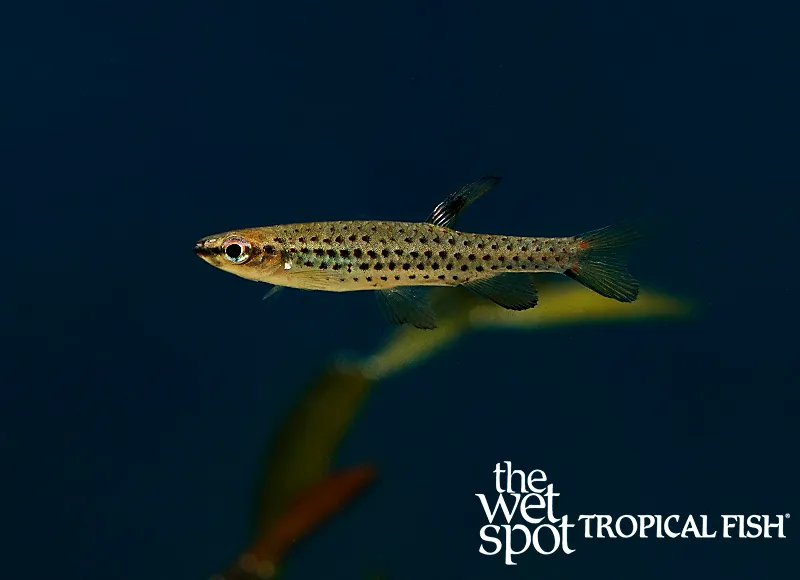
Spotted splash tetra
Copella nattereri
Freshwater2 in (5 cm) · 16 gal (60 L)75–82°F (24–28°C)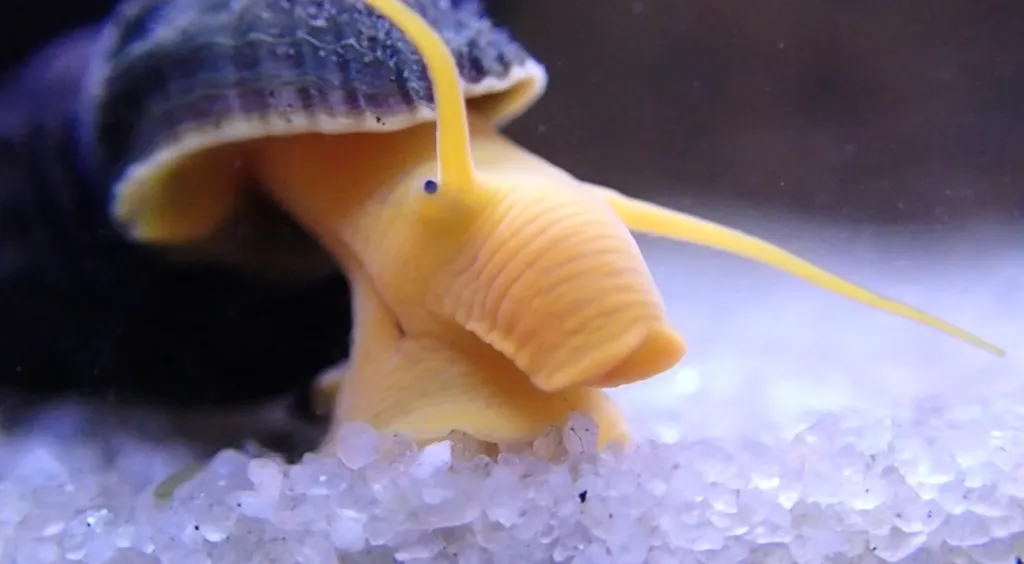
Gold rabbit snail
Tylomelania gemmifera
Freshwater2.8 in (7 cm) · 16 gal (60 L)75–82°F (24–28°C)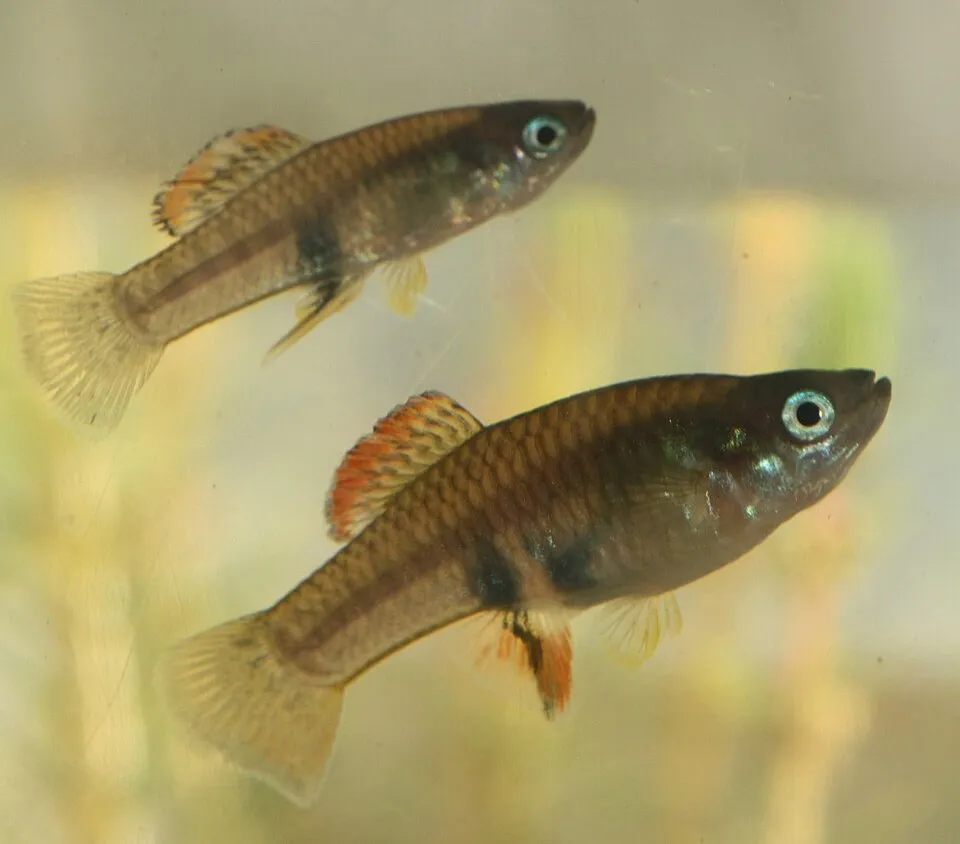
Cardinal toothcarp
Brachyrhaphis roseni
Freshwater2.4 in (6 cm) · 16 gal (60 L)72–86°F (22–30°C)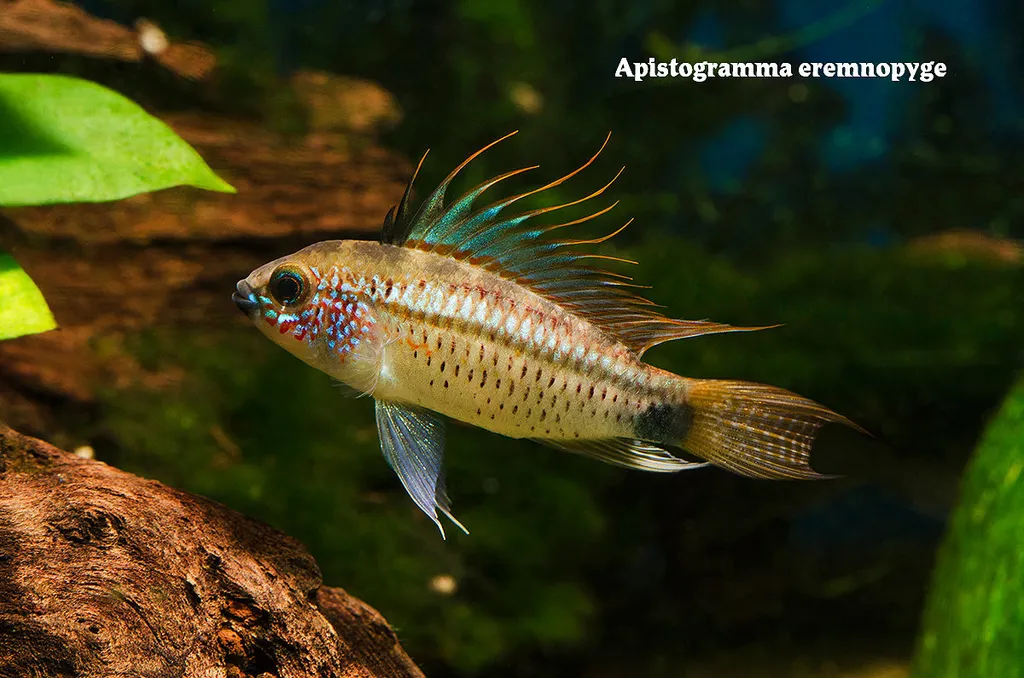
Fire-tail dwarf cichlid
Apistogramma eremnopyge
Freshwater1.8 in (4.5 cm) · 16 gal (60 L)73–81°F (23–27°C)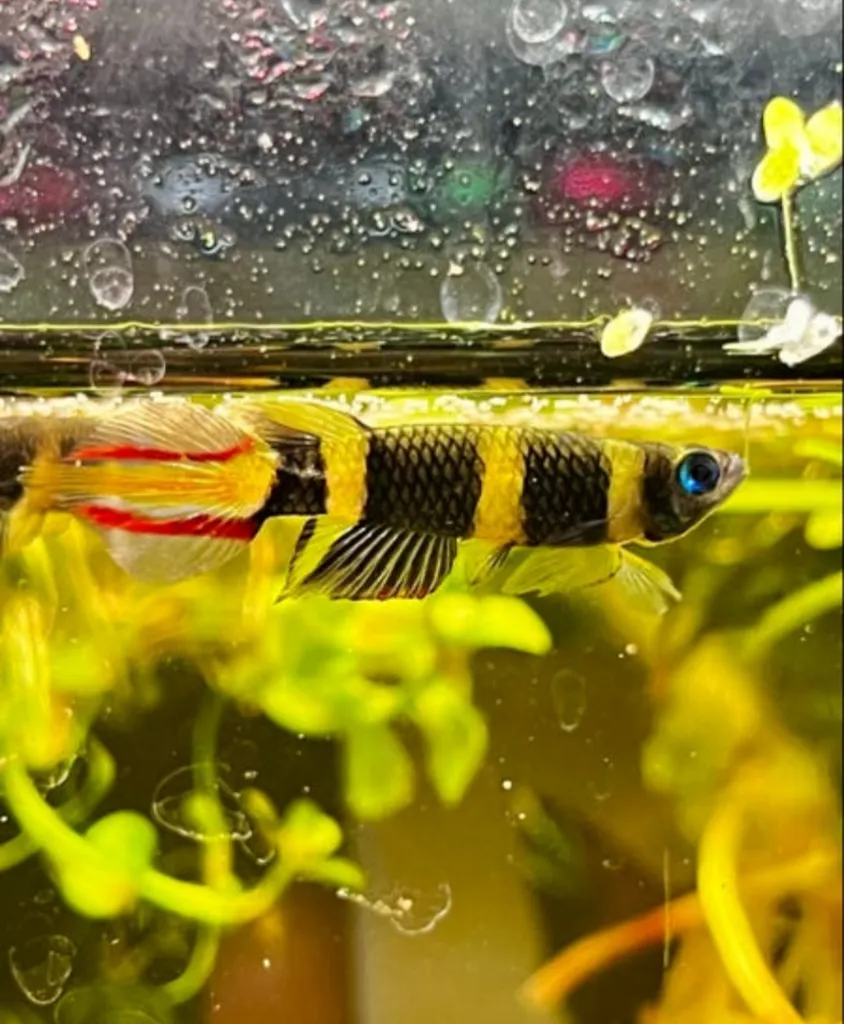
Clown killifish
Epiplatys annulatus
Freshwater1.4 in (3.5 cm) · 15 gal (55 L)68–79°F (20–26°C)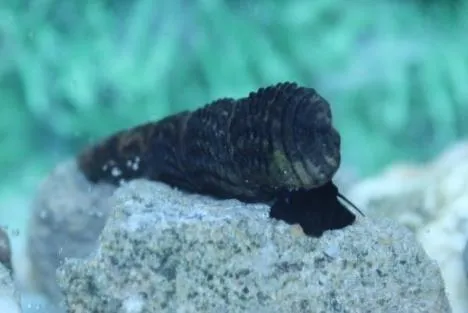
White spotted rabbit snail
Tylomelania towutica
Freshwater4.3 in (11 cm) · 16 gal (60 L)75–84°F (24–29°C)
Common questions
What size tank does an Albater cory need?
An Albater cory needs at least 16 gal (60 L). It spends most of its time in the bottom.
What temperature and pH does an Albater cory need?
An Albater cory is comfortable at 72–77°F (22–25°C) with a pH of 6.0–7.2.
How big does an Albater cory get?
An adult Albater cory reaches about 1.6 in (4 cm).
Does an Albater cory need a group?
Yes. An Albater cory is a shoaling species and should be kept in a group, not singly.
Related species
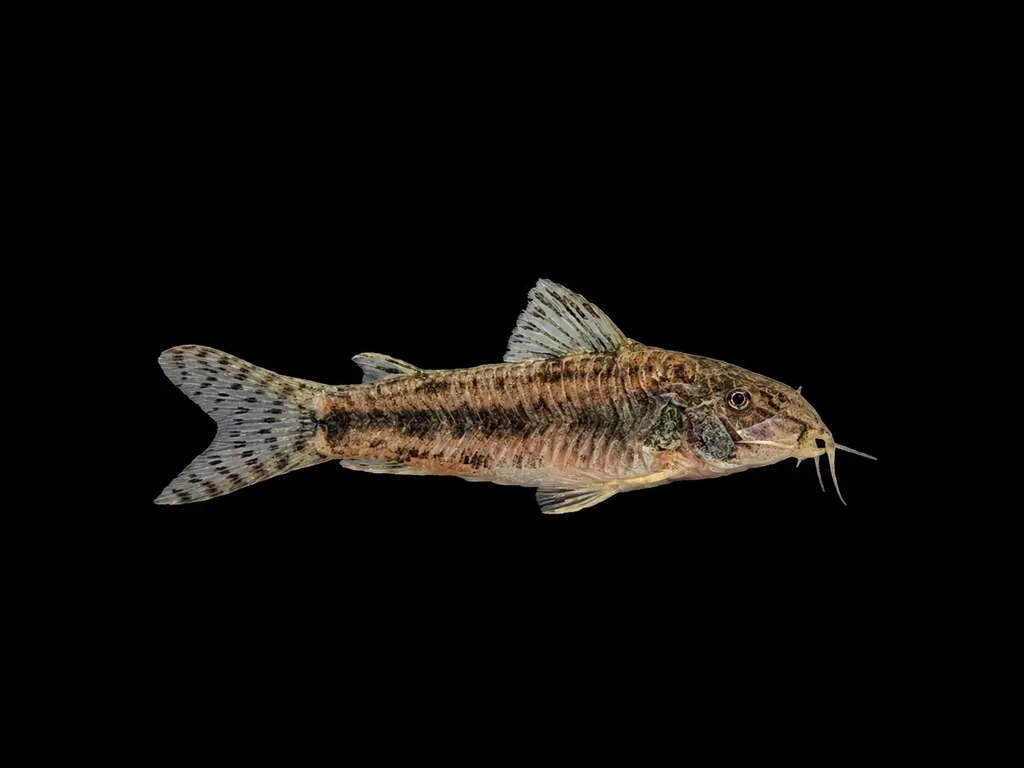 1.6 in (4 cm)14 gal (54 L)72–79°F (22–26°C)
Poecilus shield skin
Aspidoras poecilus
1.6 in (4 cm) · 14 gal (54 L)
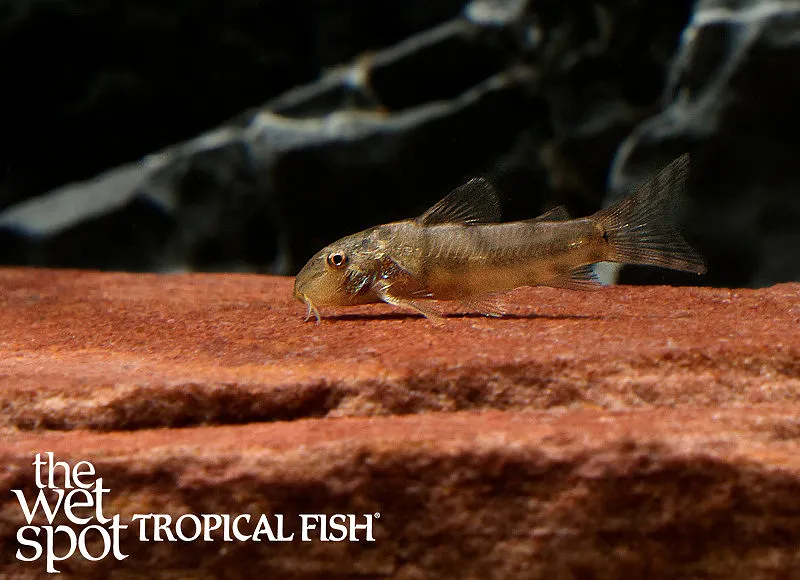
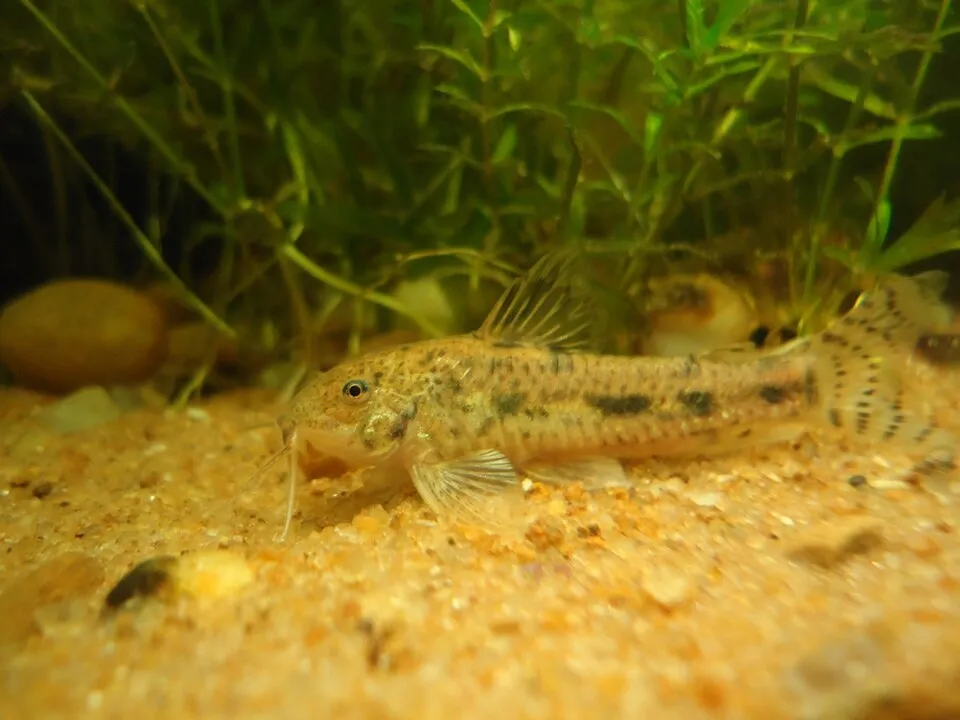 1.5 in (3.8 cm)13 gal (50 L)72–77°F (22–25°C)
Brown-point shield skin
Aspidoras fuscoguttatus
1.5 in (3.8 cm) · 13 gal (50 L)
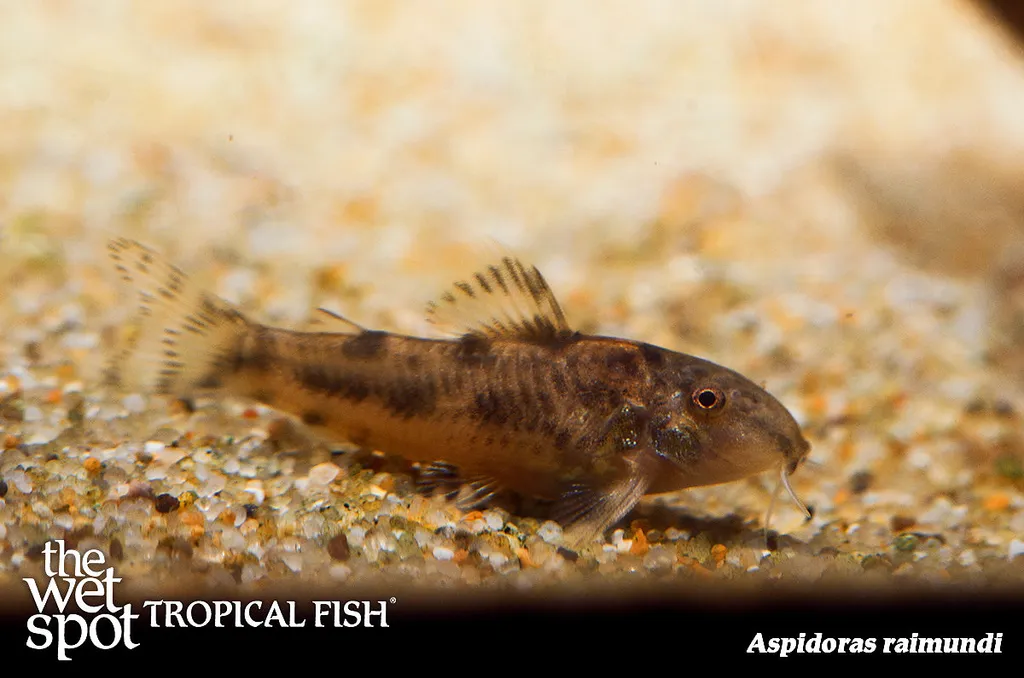
 1.7 in (4.4 cm)15 gal (55 L)70–77°F (21–25°C)
Loach catfish
Aspidoras rochai
1.7 in (4.4 cm) · 15 gal (55 L)
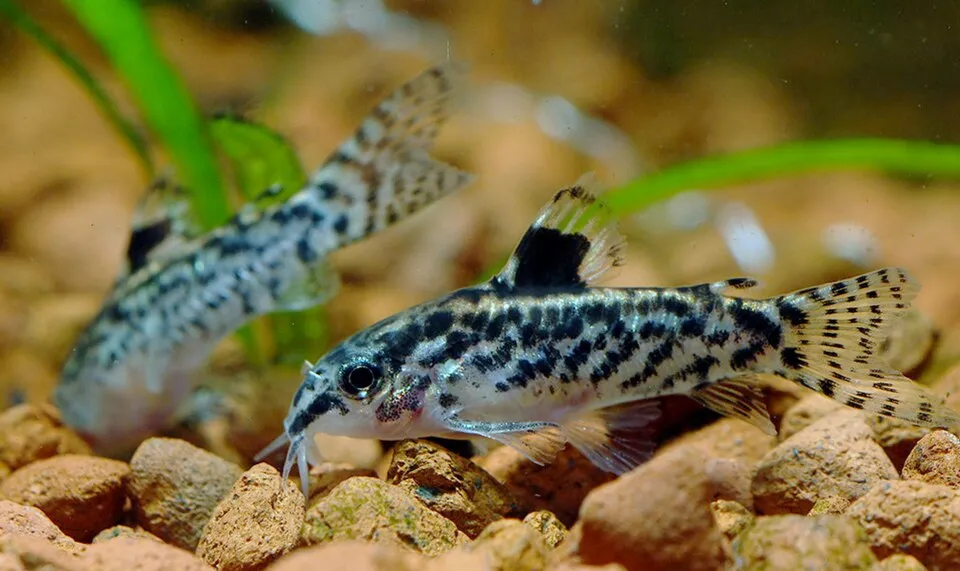
 1.8 in (4.5 cm)15 gal (55 L)68–77°F (20–25°C)
Aspidoras cory-cat
Aspidoras raimundi
1.8 in (4.5 cm) · 15 gal (55 L)
 1.4 in (3.5 cm)13 gal (50 L)70–81°F (21–27°C)
Sixray cory
Aspidoras pauciradiatus
1.4 in (3.5 cm) · 13 gal (50 L)
 1.6 in (4 cm)15 gal (55 L)72–79°F (22–26°C)
Evelyn's cory
Hoplisoma evelynae
1.6 in (4 cm) · 15 gal (55 L)