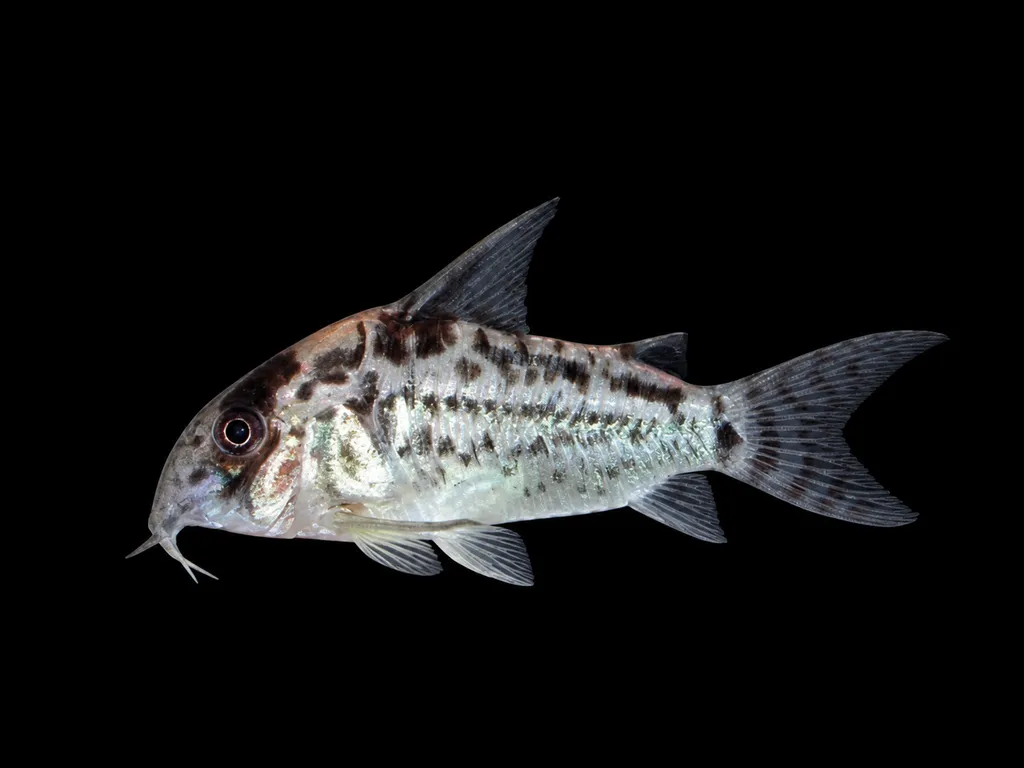
Brown-point shield skin
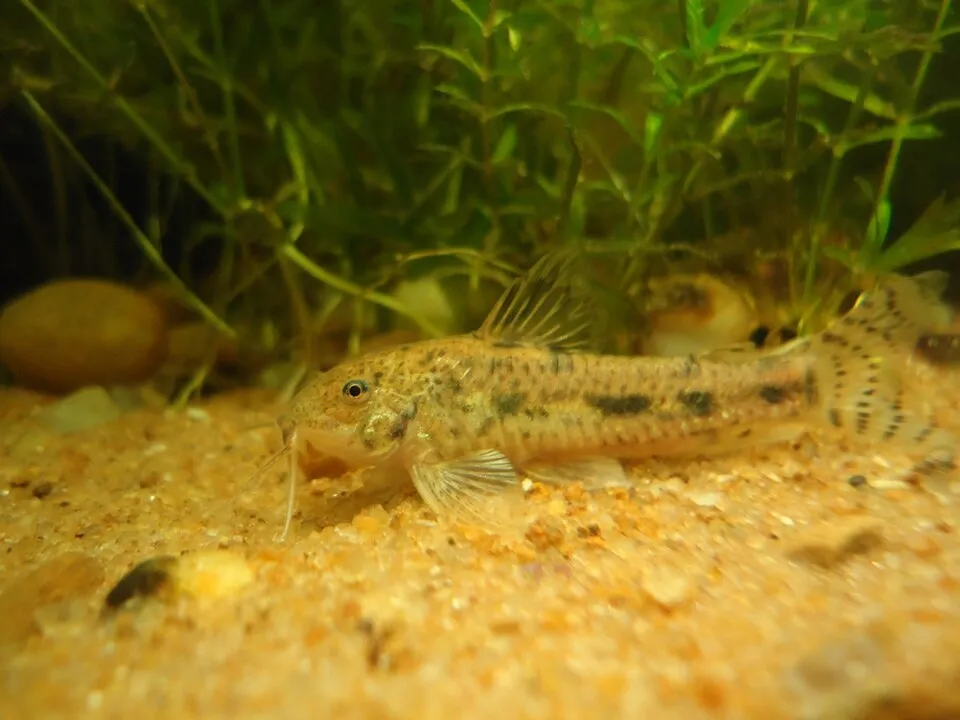
Aspidoras fuscoguttatus
FreshwaterFish
Care at a glance
- Temperature
- 72–77°F
- 22–25°C
- pH
- 6.0–7.2
- Adult size
- 1.5 in
- 3.8 cm
- Minimum tank
- 13 gal
- 50 L
- Temperament
- Peaceful
- Social behavior
- Shoaling
- Swim level
- Bottom
- Difficulty
- Medium
- Breeding
- No record
- Rarity
- Very rare
- Family
- Callichthyidae
- Origin
- Brazil
Overview
This is a tiny, timid Aspidoras that gains confidence only in numbers, so keep a group of at least six and more where you can. It works the sand bed all day with its barbels and needs peaceful, undersized tankmates that will not bully it or steal its share. Offer finely sinking foods: micro pellets, crushed wafers, and small frozen items such as daphnia and cyclops. Because it is so small and shy, a quiet tank of around 50 liters or more with plenty of cover suits it.
In the wild
Aspidoras fuscoguttatus comes from soft, warm streams of the upper Parana River basin in Brazil, living over fine sand among leaf litter and wood. Give it a soft sand substrate to protect its delicate barbels, with driftwood, dried leaves, and shady plants. Keep the water slightly acidic, pH about 6.0 to 7.2, and the temperature between 22 and 25 C, clean and gently filtered.
Good to know
A small armored catfish in the family Callichthyidae, this species belongs to Aspidoras and reaches only about 3.8 cm. Its name fuscoguttatus is Latin for dusky spotted, describing the fine brown speckling over a pale body that also gives it the shield skin common name. Two rows of bony plates armor each side. Captive breeding is essentially unrecorded, though Aspidoras lay adhesive eggs that the female tucks briefly between her pelvic fins.
Did you know
The tongue twisting name fuscoguttatus is simply Latin for dusky spotted, describing the scatter of small brown points across a cream body, which is exactly where the common name brown point shield skin comes from.
Weekly picks
Tank mates
Brown-point shield skin is a peaceful, shoaling species that keeps to the bottom. These picks share a community profile with it, are safe together in both directions, and overlap on water type, temperature and pH.
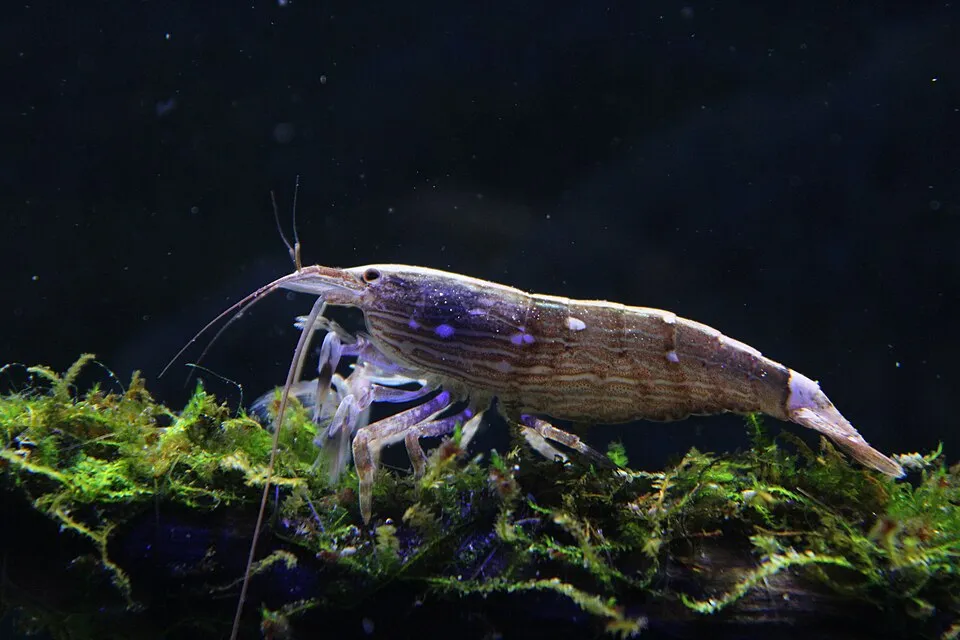
Bamboo shrimp
Atyopsis moluccensis
Freshwater3.9 in (10 cm) · 13 gal (50 L)72–84°F (22–29°C)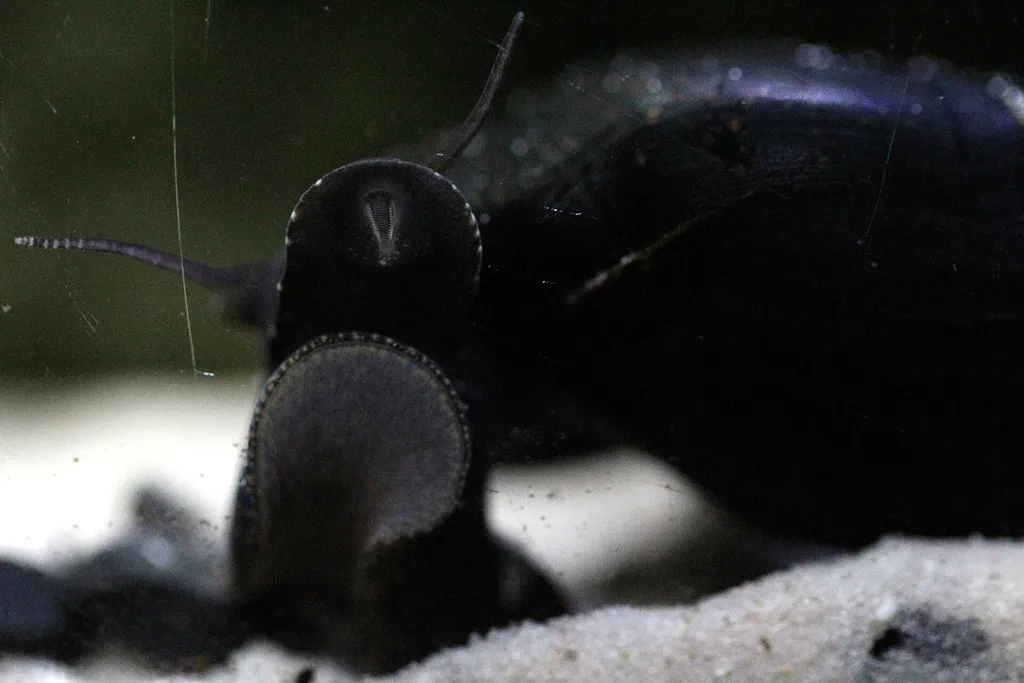
Black devil snail
Faunus ater
Freshwater3.9 in (10 cm) · 13 gal (50 L)72–86°F (22–30°C)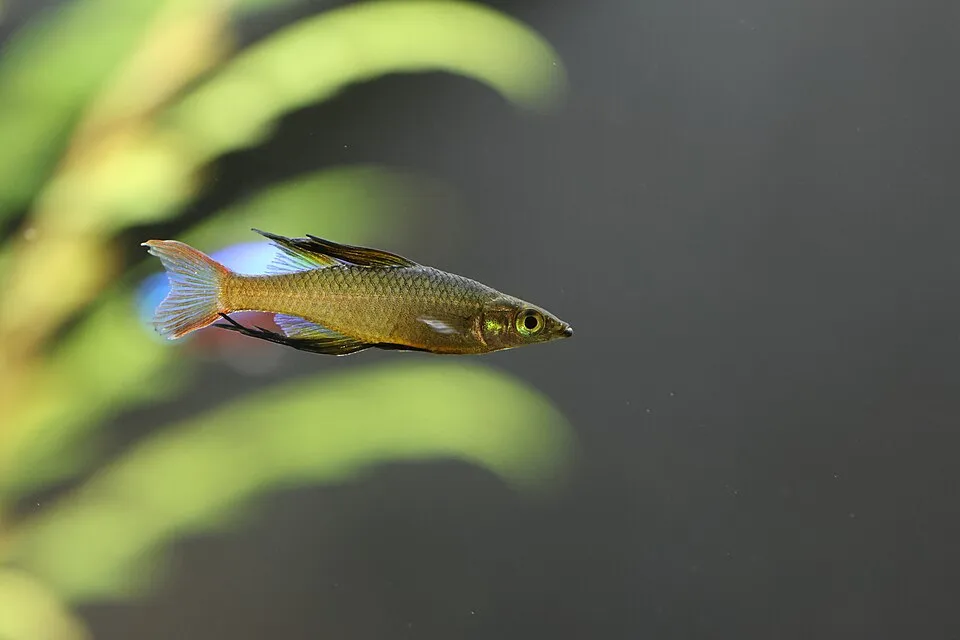
Threadfin rainbowfish
Iriatherina werneri
Freshwater1.6 in (4 cm) · 13 gal (50 L)72–86°F (22–30°C)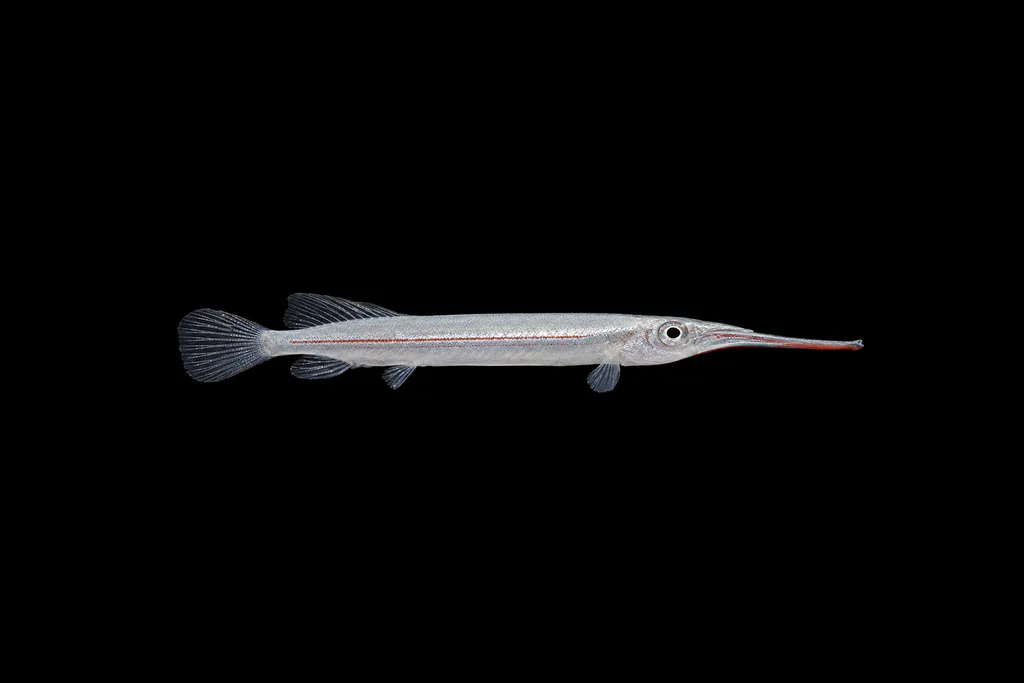
Fire halfbeak
Hemirhamphodon kapuasensis
Freshwater2.4 in (6 cm) · 14 gal (54 L)73–81°F (23–27°C)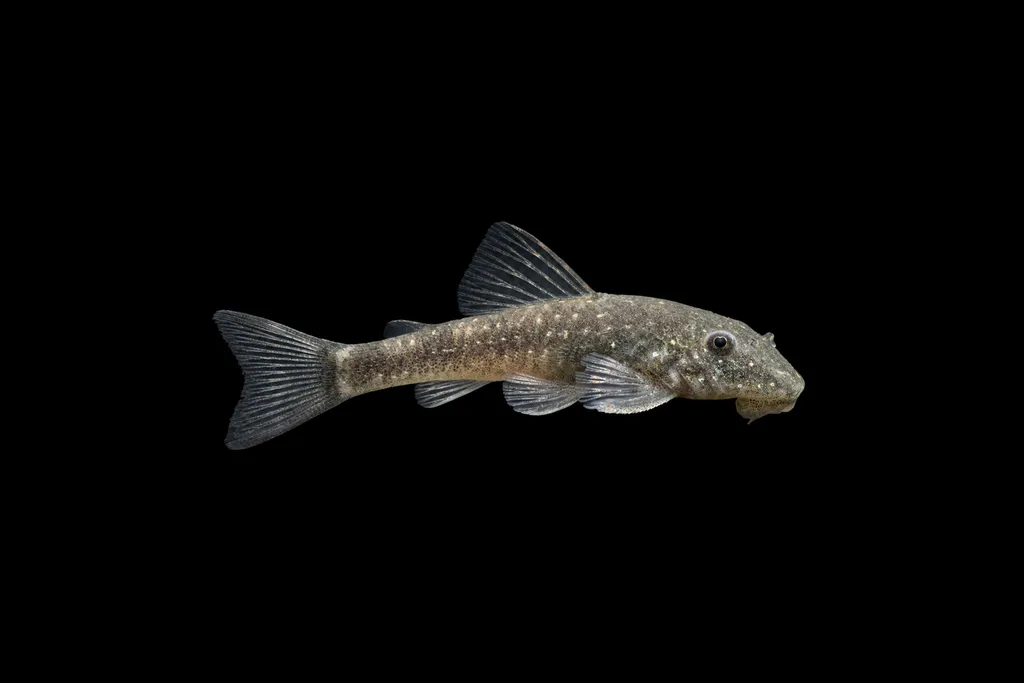
Bahia parotocinclus
Parotocinclus bahiensis
Freshwater1.6 in (4 cm) · 14 gal (54 L)72–81°F (22–27°C)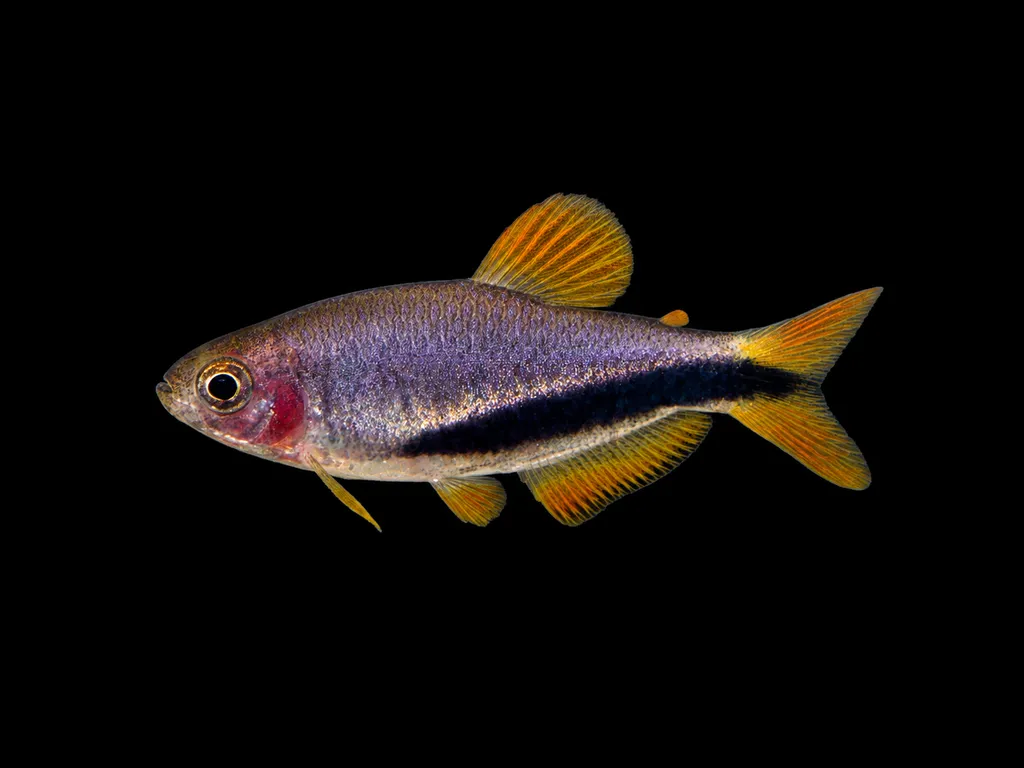
Black arrow tetra
Inpaichthys luizae
Freshwater1.4 in (3.5 cm) · 14 gal (54 L)72–81°F (22–27°C)
Common questions
What size tank does a Brown-point shield skin need?
A Brown-point shield skin needs at least 13 gal (50 L). It spends most of its time in the bottom.
What temperature and pH does a Brown-point shield skin need?
A Brown-point shield skin is comfortable at 72–77°F (22–25°C) with a pH of 6.0–7.2.
How big does a Brown-point shield skin get?
An adult Brown-point shield skin reaches about 1.5 in (3.8 cm).
Does a Brown-point shield skin need a group?
Yes. A Brown-point shield skin is a shoaling species and should be kept in a group, not singly.
Related species
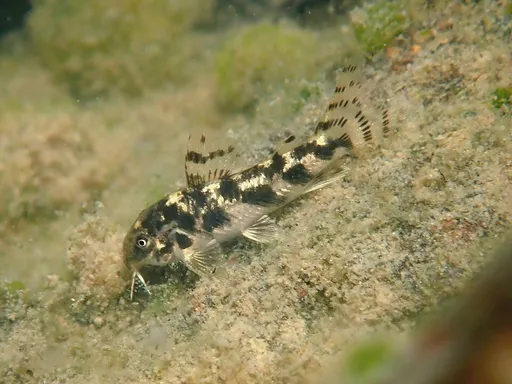 1.6 in (4 cm)16 gal (60 L)72–77°F (22–25°C)
Albater cory
Aspidoras albater
1.6 in (4 cm) · 16 gal (60 L)
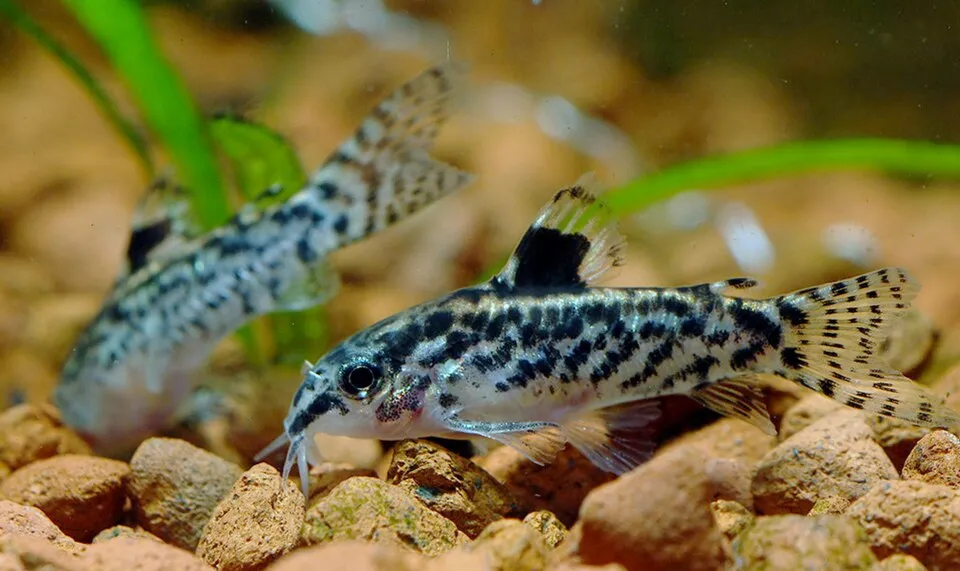
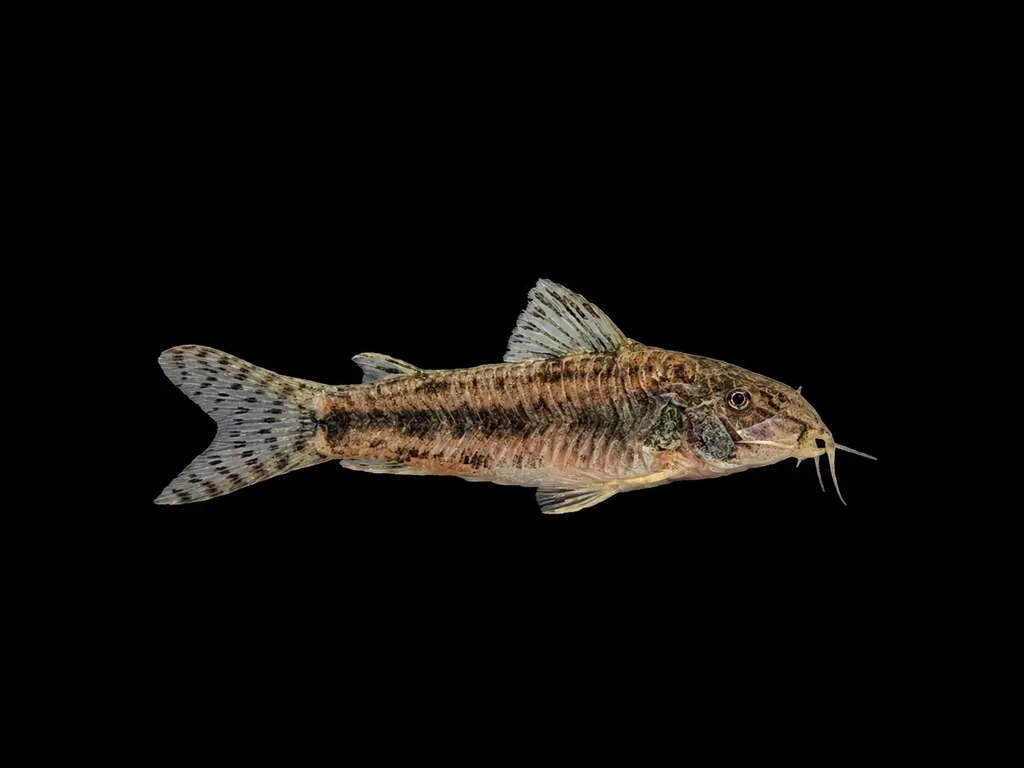 1.6 in (4 cm)14 gal (54 L)72–79°F (22–26°C)
Poecilus shield skin
Aspidoras poecilus
1.6 in (4 cm) · 14 gal (54 L)
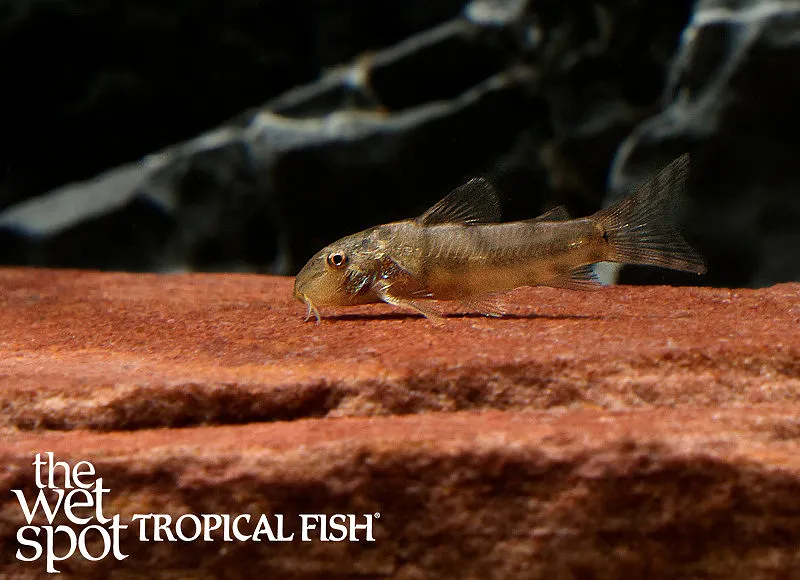
 1.4 in (3.5 cm)13 gal (50 L)70–81°F (21–27°C)
Sixray cory
Aspidoras pauciradiatus
1.4 in (3.5 cm) · 13 gal (50 L)
 1.7 in (4.4 cm)15 gal (55 L)70–77°F (21–25°C)
Loach catfish
Aspidoras rochai
1.7 in (4.4 cm) · 15 gal (55 L)
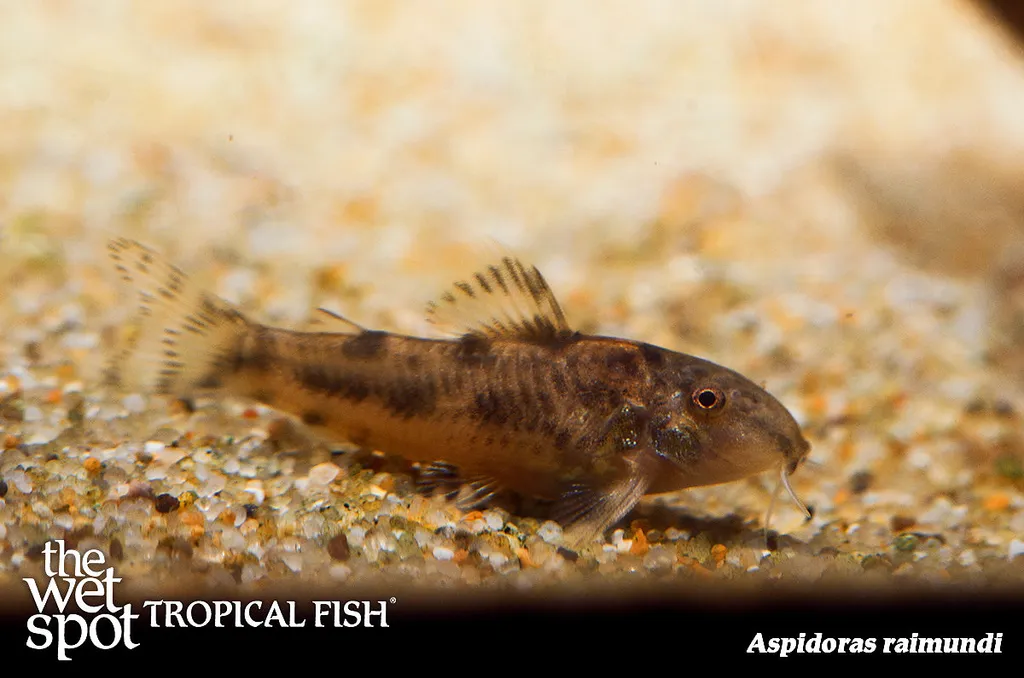 1.8 in (4.5 cm)15 gal (55 L)68–77°F (20–25°C)
Aspidoras cory-cat
Aspidoras raimundi
1.8 in (4.5 cm) · 15 gal (55 L)
 1.6 in (4 cm)15 gal (55 L)72–79°F (22–26°C)
Evelyn's cory
Hoplisoma evelynae
1.6 in (4 cm) · 15 gal (55 L)