Evelyn's cory
Hoplisoma evelynae
Also known as Corydoras evelynae
FreshwaterFish
Care at a glance
- Temperature
- 72–79°F
- 22–26°C
- pH
- 6.0–7.5
- Adult size
- 1.6 in
- 4 cm
- Minimum tank
- 15 gal
- 55 L
- Temperament
- Peaceful
- Social behavior
- Shoaling
- Swim level
- Bottom
- Difficulty
- Medium
- Breeding
- No record
- Rarity
- Rare
- Family
- Callichthyidae
- Origin
- Brazil
Overview
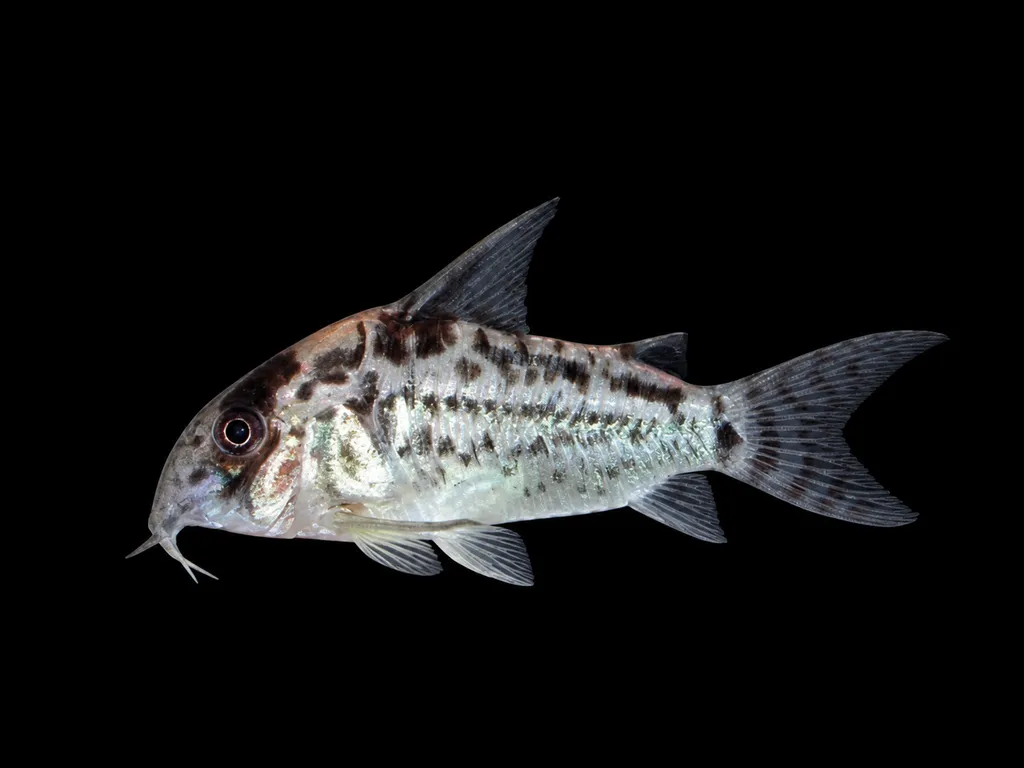
Evelyn's cory is a small, peaceful shoaler that needs a group of at least six to feel secure and stay out in the open. It spends the day working the sand bed with its barbels and pairs nicely with small, gentle community fish that will not crowd the bottom. Feed sinking pellets, frozen daphnia and bloodworm, and crushed wafers, and check that food actually reaches the floor. A group is at home in a modest tank of around 55 liters or larger.
In the wild
Corydoras evelynae comes from the Purus and Solimoes drainages of the Brazilian Amazon, living over sand and leaf litter in warm, soft, tannin stained water. Recreate that with a soft sand substrate, driftwood, dried leaves, and shade, using clean, gently moving water. Keep the temperature between 22 and 26 C and the pH from about 6.0 to 7.5, with regular water changes.
Good to know
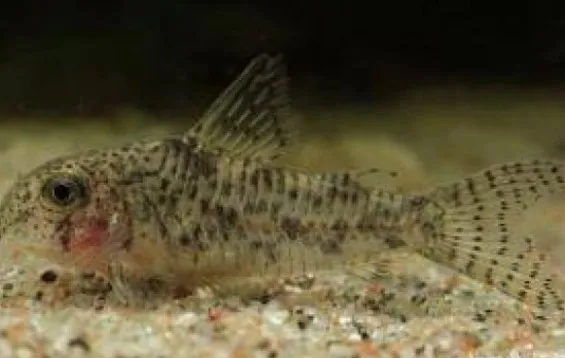
A small armored catfish of the family Callichthyidae, Evelyn's cory reaches only about 4 cm. A broken dark band runs along the back, with a squarish blotch beneath the dorsal fin and a dark eye stripe. Bony plates armor the flanks in place of scales. Reliable aquarium spawning is not well documented, though cories of this type deposit sticky eggs the female positions with her clasped pelvic fins.
Did you know
The species name honors Evelyn Axelrod, wife of the aquarium publisher Herbert Axelrod. Fittingly, another cory in this same round up, the pink cory Corydoras axelrodi, is named for Herbert himself.
Weekly picks
Tank mates
Evelyn's cory is a peaceful, shoaling species that keeps to the bottom. These picks share a community profile with it, are safe together in both directions, and overlap on water type, temperature and pH.
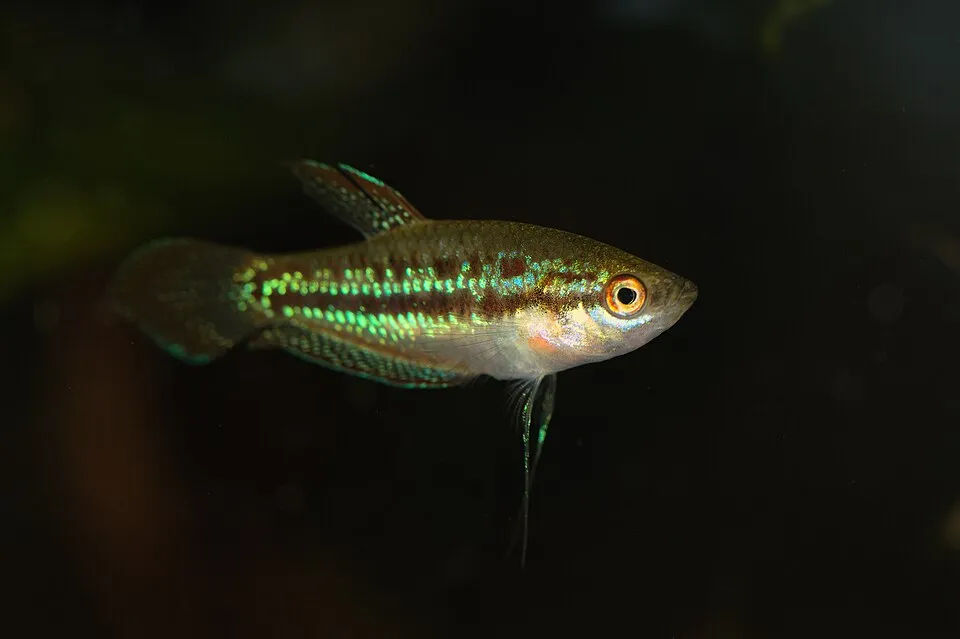
Pygmy gourami
Trichopsis pumila
Freshwater1.6 in (4 cm) · 15 gal (55 L)72–82°F (22–28°C)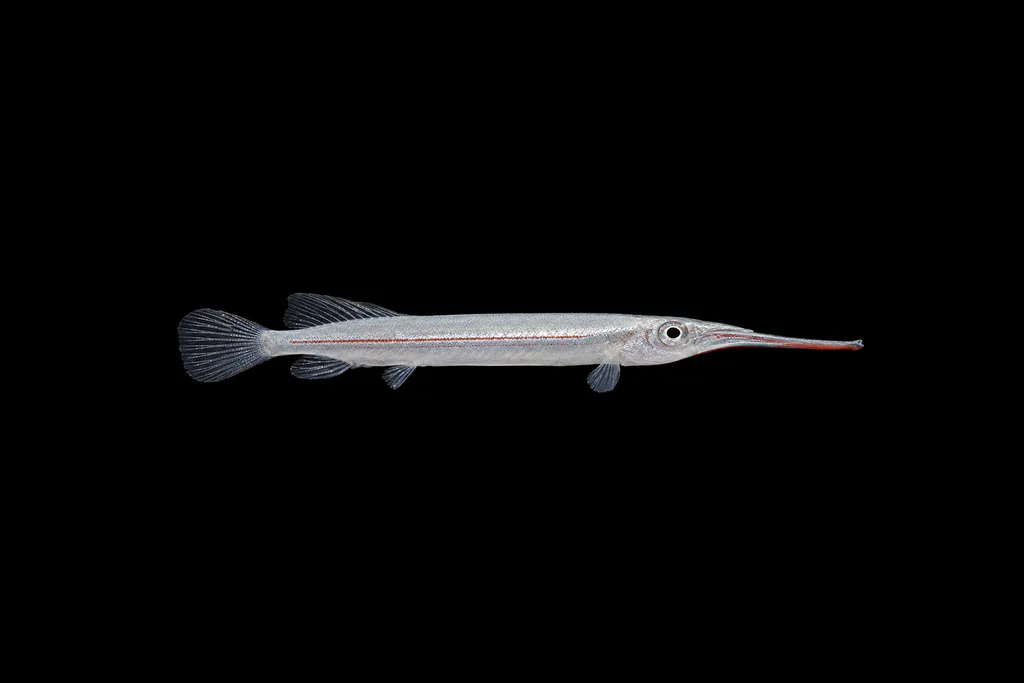
Fire halfbeak
Hemirhamphodon kapuasensis
Freshwater2.4 in (6 cm) · 14 gal (54 L)73–81°F (23–27°C)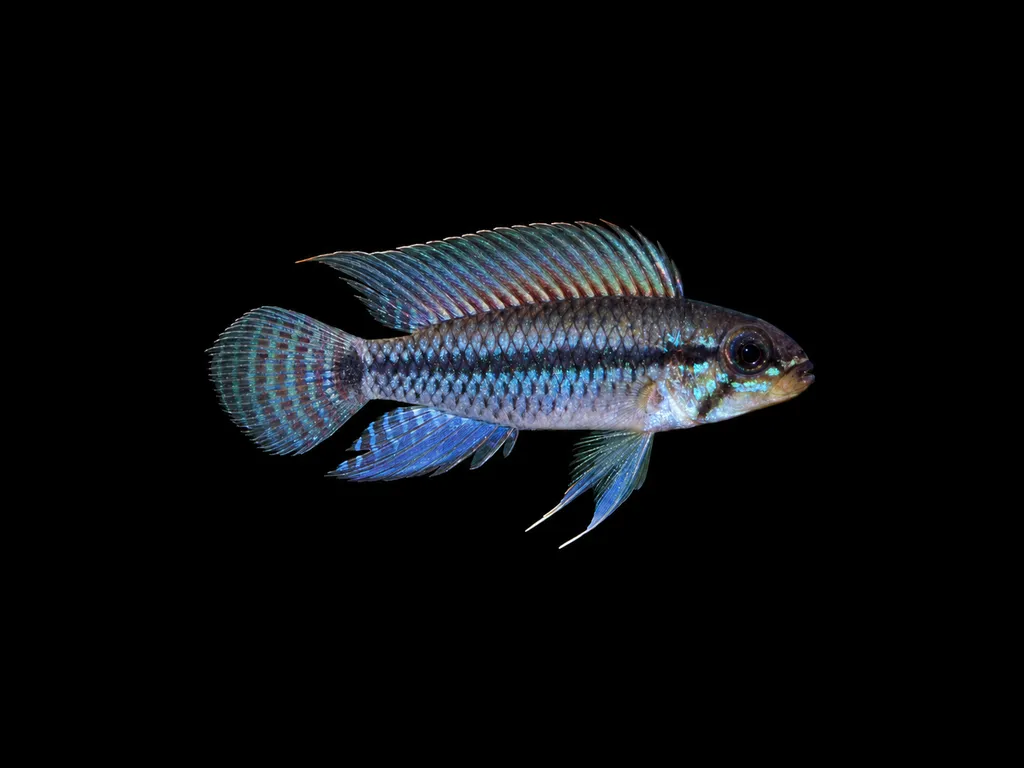
Amazon sail-fin dwarf cichlid
Apistogramma pertensis
Freshwater2 in (5 cm) · 15 gal (55 L)77–84°F (25–29°C)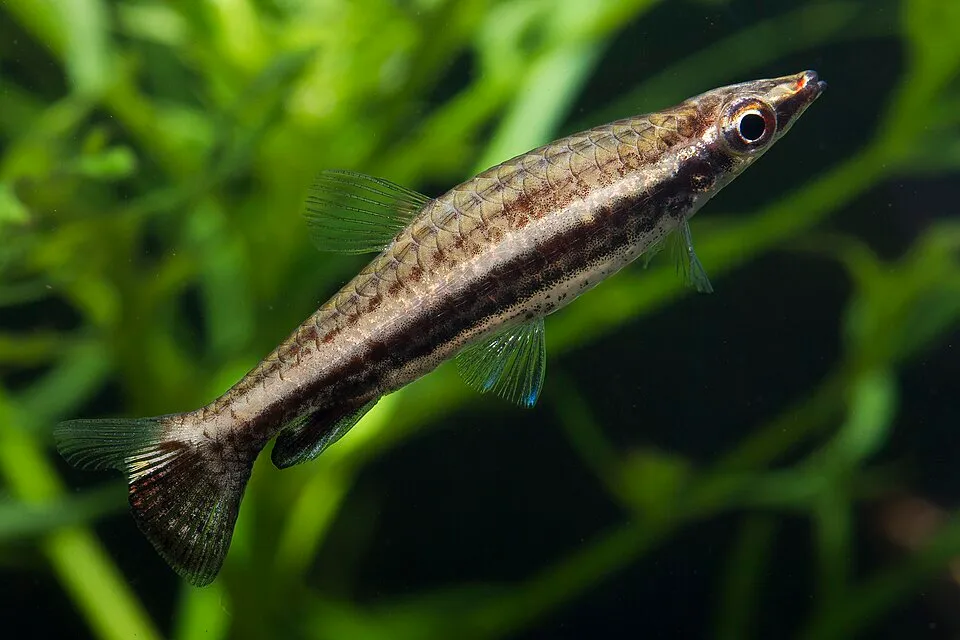
Hockeystick pencilfish
Nannostomus eques
Freshwater1.4 in (3.5 cm) · 15 gal (55 L)72–82°F (22–28°C)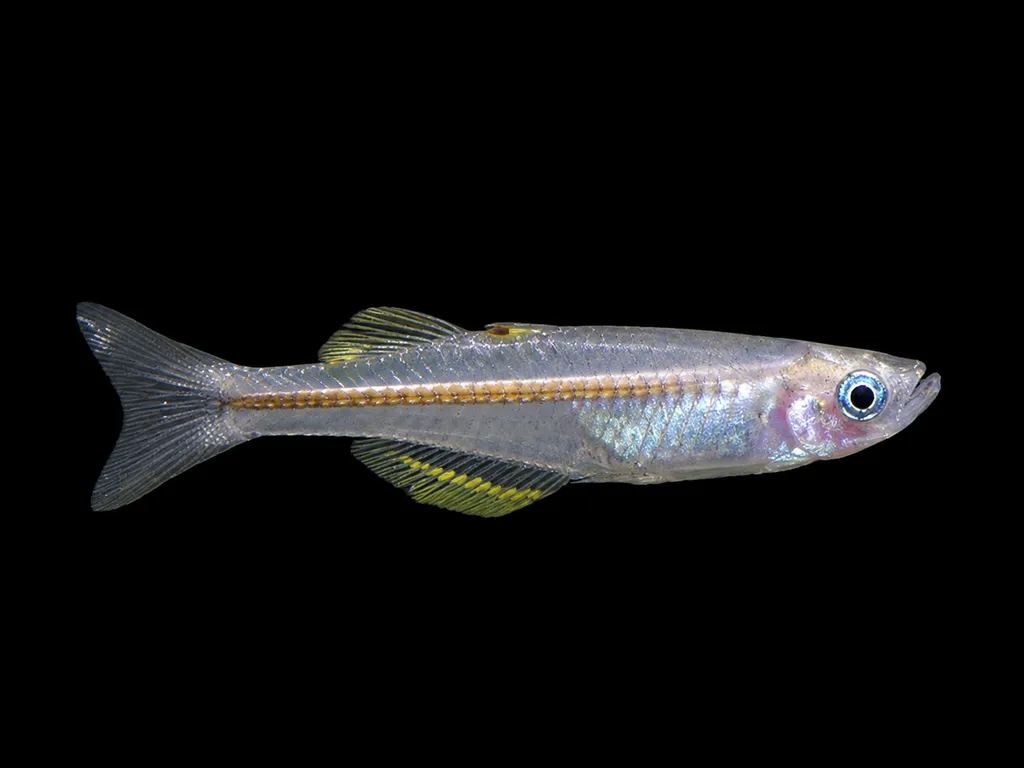
New Guinea blue-eye
Pseudomugil novaeguineae
Freshwater1.8 in (4.5 cm) · 15 gal (55 L)79–86°F (26–30°C)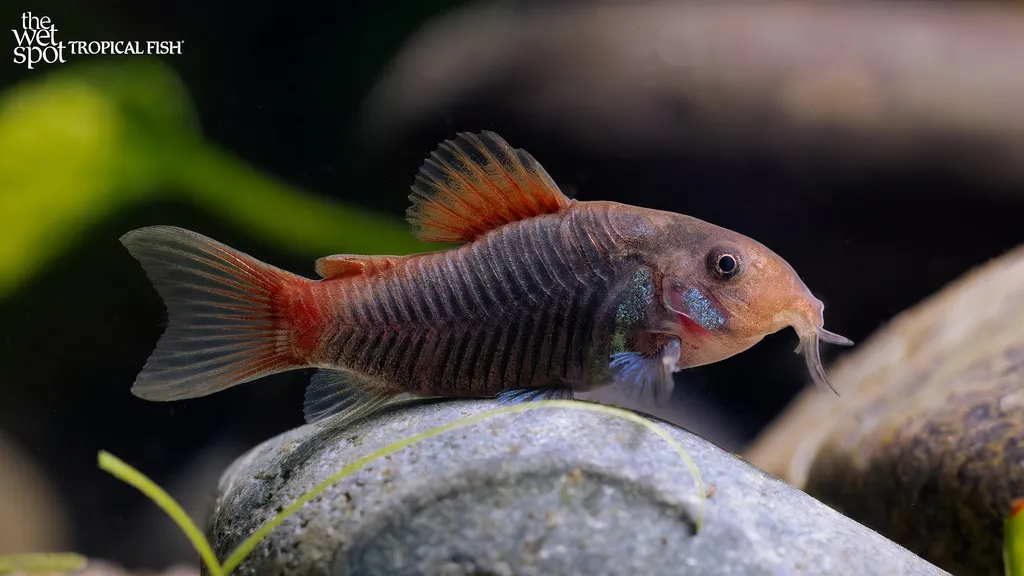
Volcano cory
Osteogaster hephaestus
Freshwater1.6 in (4 cm) · 15 gal (55 L)75–82°F (24–28°C)
Common questions
What size tank does an Evelyn's cory need?
An Evelyn's cory needs at least 15 gal (55 L). It spends most of its time in the bottom.
What temperature and pH does an Evelyn's cory need?
An Evelyn's cory is comfortable at 72–79°F (22–26°C) with a pH of 6.0–7.5.
How big does an Evelyn's cory get?
An adult Evelyn's cory reaches about 1.6 in (4 cm).
Does an Evelyn's cory need a group?
Yes. An Evelyn's cory is a shoaling species and should be kept in a group, not singly.
Related species
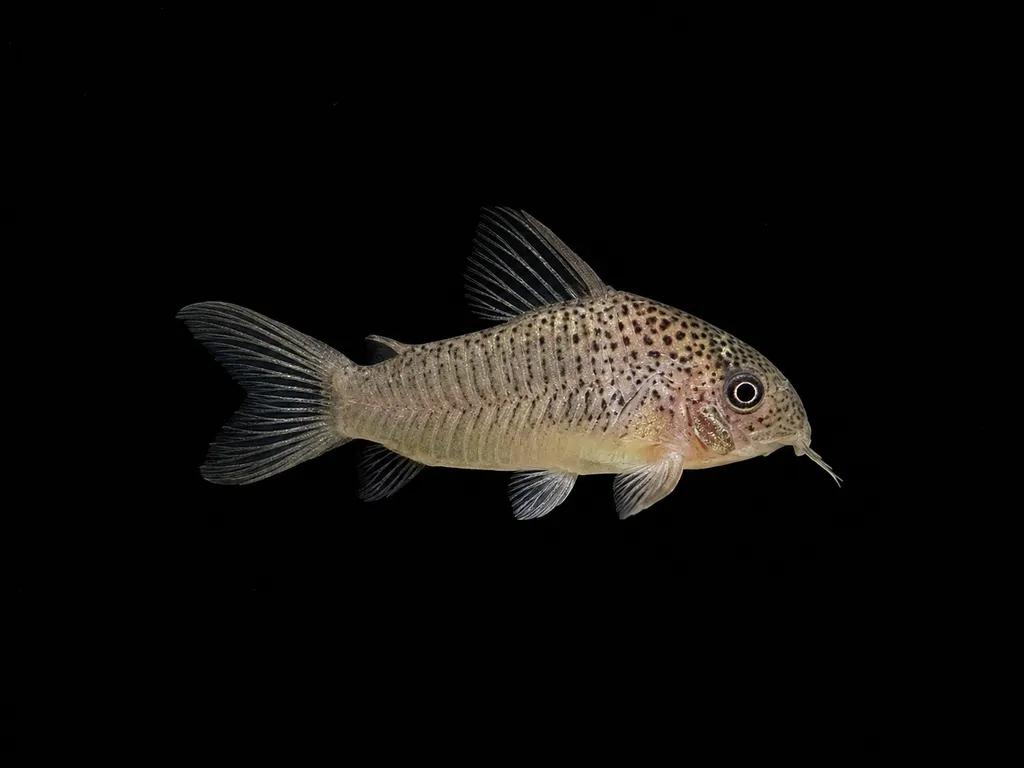 1.6 in (4 cm)15 gal (55 L)72–81°F (22–27°C)
Many-spotted cory
Hoplisoma polystictum
1.6 in (4 cm) · 15 gal (55 L)
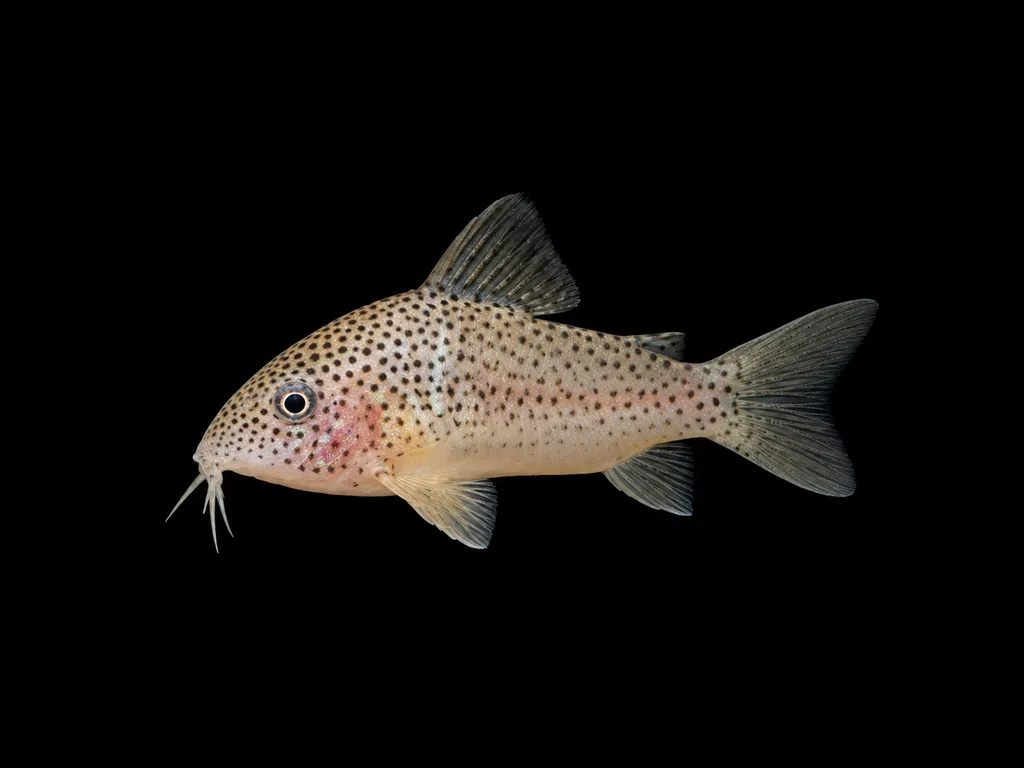 1.8 in (4.5 cm)15 gal (55 L)75–82°F (24–28°C)
Apiaka cory
Hoplisoma apiaka
1.8 in (4.5 cm) · 15 gal (55 L)
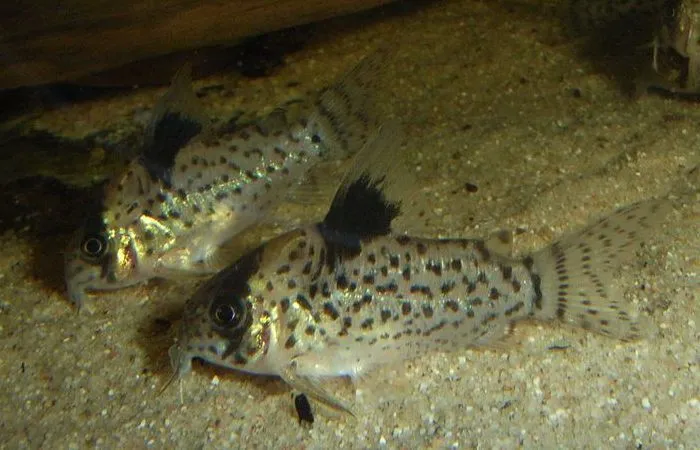 1.8 in (4.5 cm)16 gal (60 L)73–79°F (23–26°C)
Blackfin cory
Hoplisoma leucomelas
1.8 in (4.5 cm) · 16 gal (60 L)
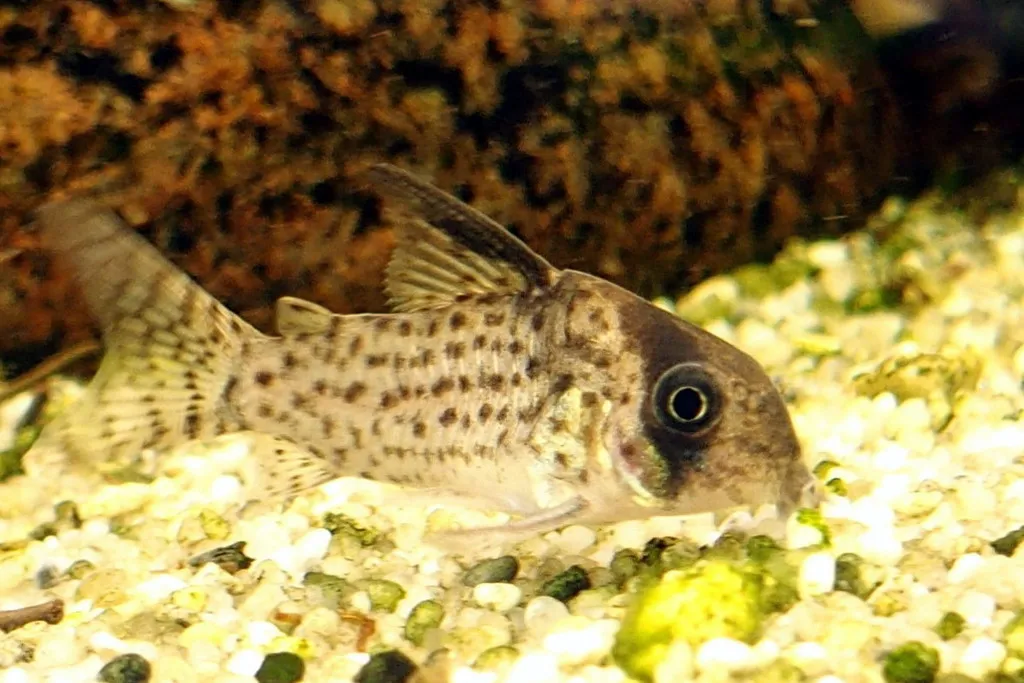 1.8 in (4.5 cm)15 gal (55 L)75–82°F (24–28°C)
Kane's cory
Hoplisoma kanei
1.8 in (4.5 cm) · 15 gal (55 L)
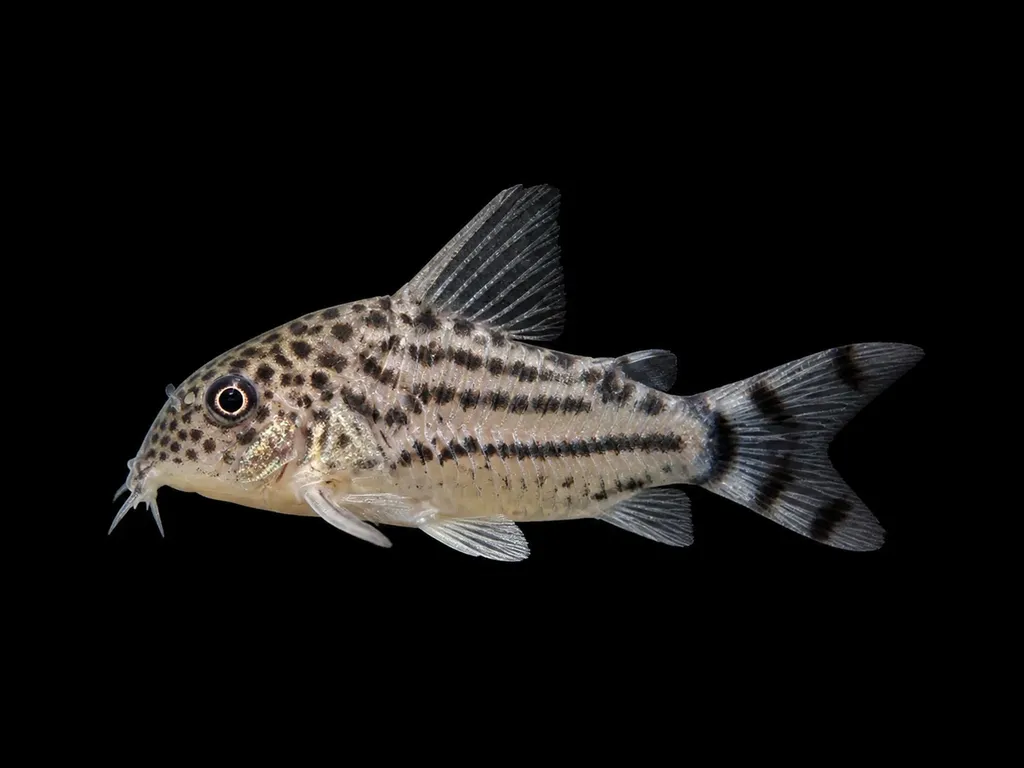 1.8 in (4.5 cm)16 gal (60 L)73–81°F (23–27°C)
Knaack's cory
Hoplisoma knaacki
1.8 in (4.5 cm) · 16 gal (60 L)
 1.4 in (3.5 cm)13 gal (50 L)70–82°F (21–28°C)
Barred-tail cory
Hoplisoma cochui
1.4 in (3.5 cm) · 13 gal (50 L)