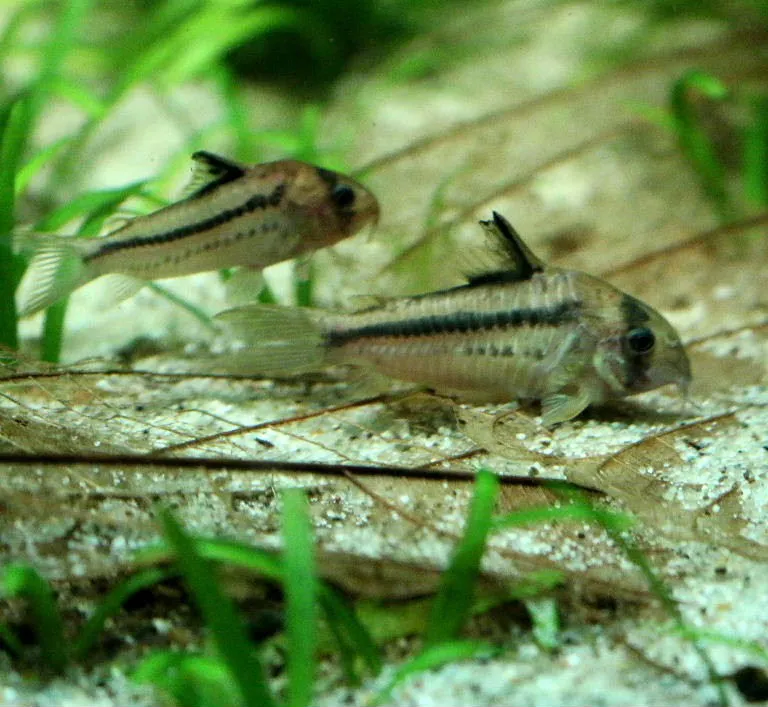
Pink cory
Hoplisoma axelrodi
Also known as Corydoras axelrodi
FreshwaterFish
Care at a glance
- Temperature
- 72–79°F
- 22–26°C
- pH
- 6.0–7.5
- Adult size
- 2 in
- 5 cm
- Minimum tank
- 16 gal
- 60 L
- Temperament
- Peaceful
- Social behavior
- Shoaling
- Swim level
- Bottom
- Difficulty
- Easy
- Breeding
- Hard
- Rarity
- Rare
- Family
- Callichthyidae
- Origin
- Colombia
Overview
The pink cory is a peaceful, easygoing shoaler that does well in a group of at least six. It sifts the sandy bottom with its barbels through the day and pairs nicely with small, calm community fish. Feed sinking pellets, frozen bloodworm and daphnia, and a little algae wafer, making sure the food reaches the floor. Hardy and undemanding, a group is comfortable in a tank of around 60 liters or larger with soft sand to work over.
In the wild
Corydoras axelrodi lives in the Meta River basin of Colombia, over sand in soft, warm, gently flowing water. Provide a soft sand bed, driftwood, dried leaves, and shaded planting, with clean, gently filtered water. Keep the temperature between 22 and 26 C and the pH from about 6.0 to 7.5. Regular water changes keep this pale cory in good condition.
Good to know
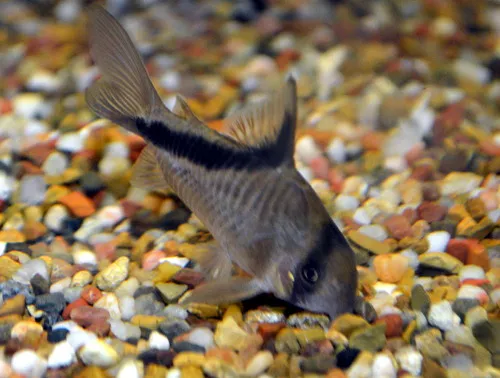
This small armored catfish of the family Callichthyidae reaches about 5 cm and shows a pale, faintly pink toned body crossed by a dark lateral stripe. It is named for the ichthyologist and aquarium publisher Herbert R. Axelrod. Despite an easygoing reputation as an aquarium fish, it is rated difficult to spawn, responding best to soft, clean water and well conditioned adults.
Did you know
The pink cory is named for Herbert Axelrod, the prolific aquarium author and publisher. His wife is honored too, on another fish in this group: Evelyn's cory, Corydoras evelynae.
Weekly picks
Tank mates
Pink cory is a peaceful, shoaling species that keeps to the bottom. These picks share a community profile with it, are safe together in both directions, and overlap on water type, temperature and pH.
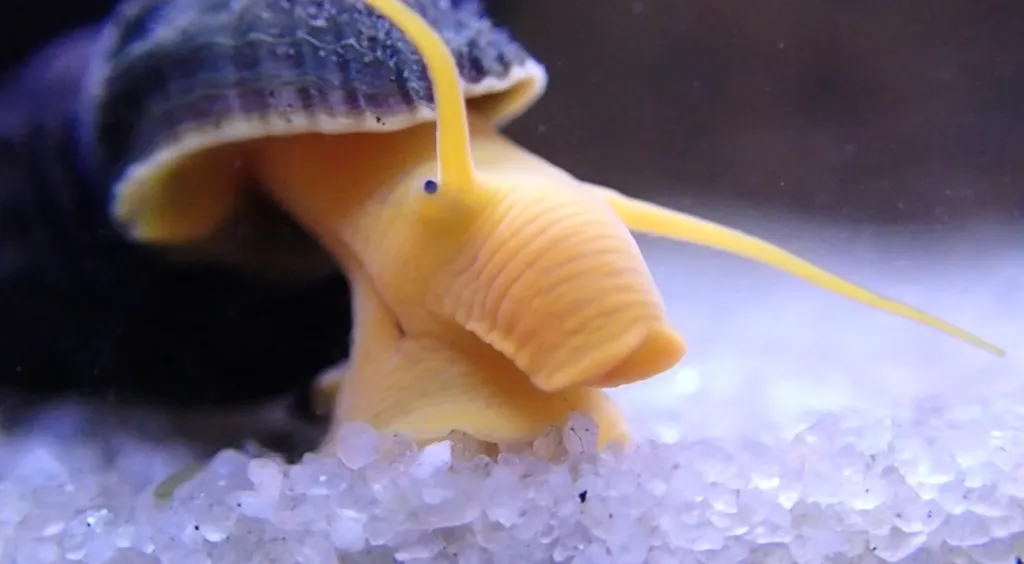
Gold rabbit snail
Tylomelania gemmifera
Freshwater2.8 in (7 cm) · 16 gal (60 L)75–82°F (24–28°C)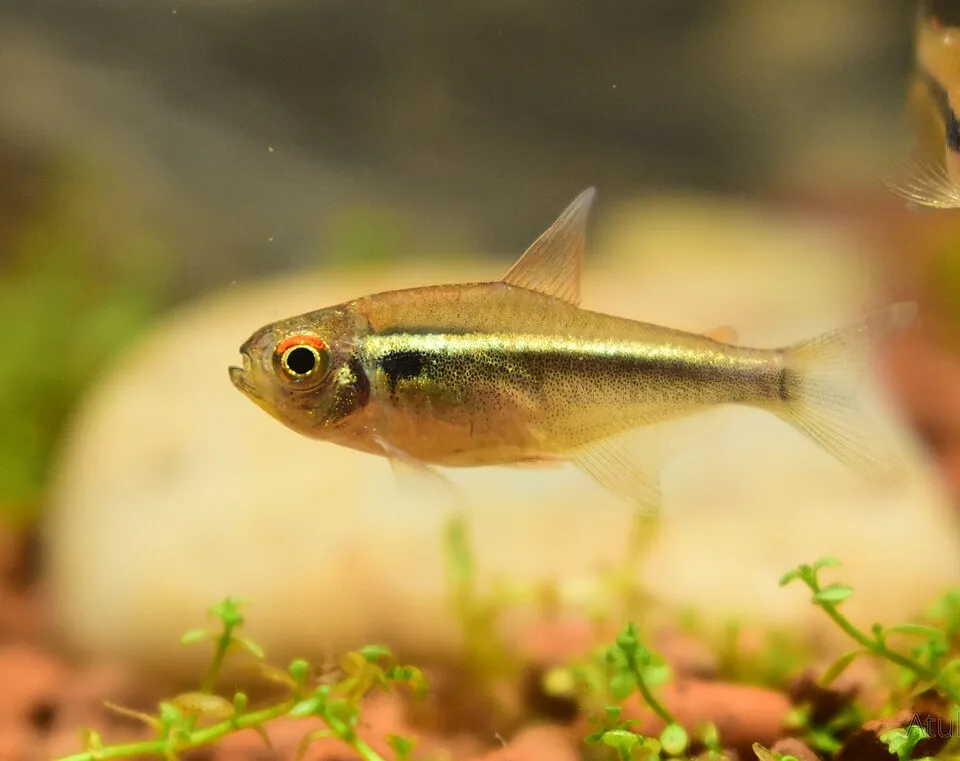
Black neon tetra
Hyphessobrycon herbertaxelrodi
Freshwater1.4 in (3.5 cm) · 16 gal (60 L)72–82°F (22–28°C)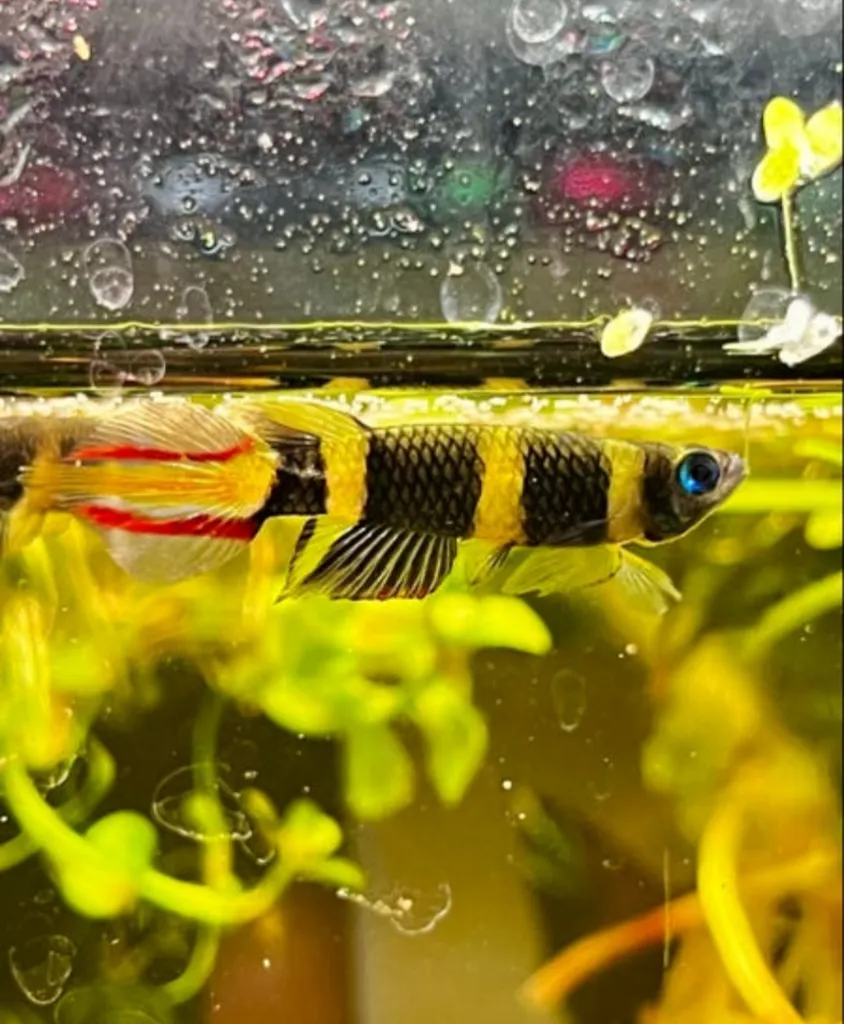
Clown killifish
Epiplatys annulatus
Freshwater1.4 in (3.5 cm) · 15 gal (55 L)68–79°F (20–26°C)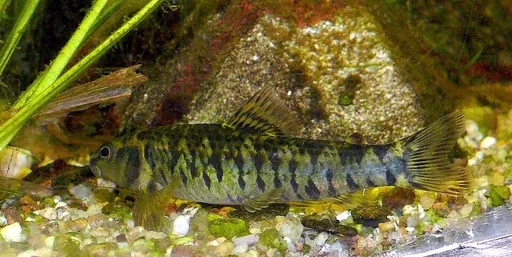
Darter tetra
Characidium fasciatum
Freshwater2.8 in (7 cm) · 16 gal (60 L)68–79°F (20–26°C)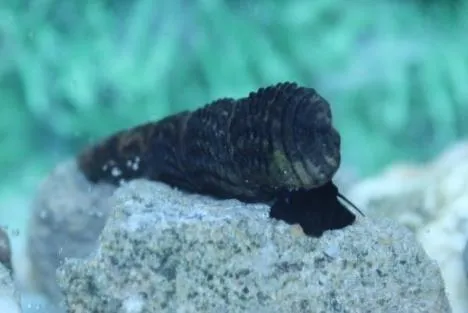
White spotted rabbit snail
Tylomelania towutica
Freshwater4.3 in (11 cm) · 16 gal (60 L)75–84°F (24–29°C)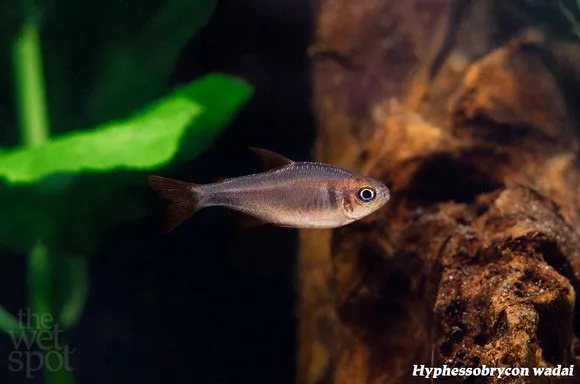
Blueberry tetra
Hyphessobrycon wadai
Freshwater1.7 in (4.2 cm) · 16 gal (60 L)72–81°F (22–27°C)
Common questions
What size tank does a Pink cory need?
A Pink cory needs at least 16 gal (60 L). It spends most of its time in the bottom.
What temperature and pH does a Pink cory need?
A Pink cory is comfortable at 72–79°F (22–26°C) with a pH of 6.0–7.5.
How big does a Pink cory get?
An adult Pink cory reaches about 2 in (5 cm).
Does a Pink cory need a group?
Yes. A Pink cory is a shoaling species and should be kept in a group, not singly.
Related species
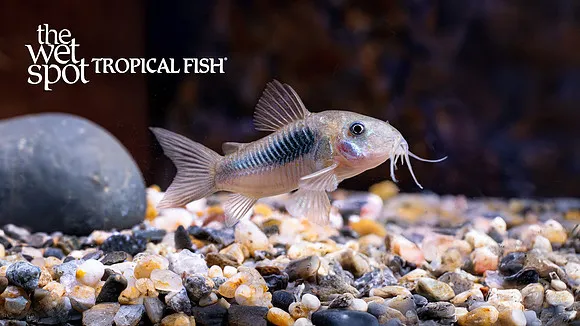 2 in (5 cm)15 gal (55 L)70–79°F (21–26°C)
Blackstripe cory
Hoplisoma bondi
2 in (5 cm) · 15 gal (55 L)
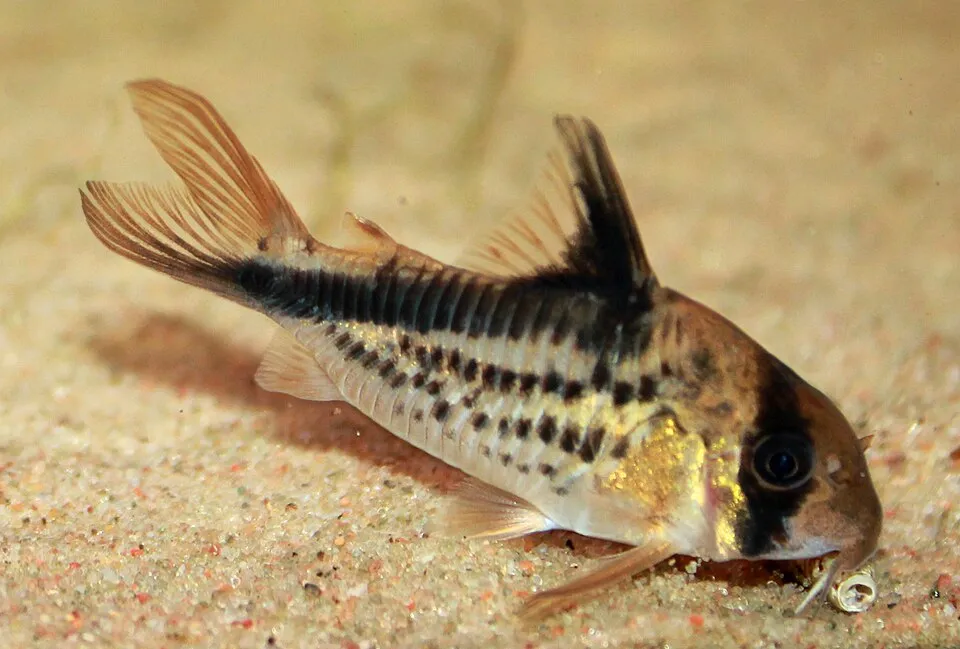 2 in (5 cm)16 gal (60 L)70–75°F (21–24°C)
Dirty bandit cory
Hoplisoma loxozonum
2 in (5 cm) · 16 gal (60 L)
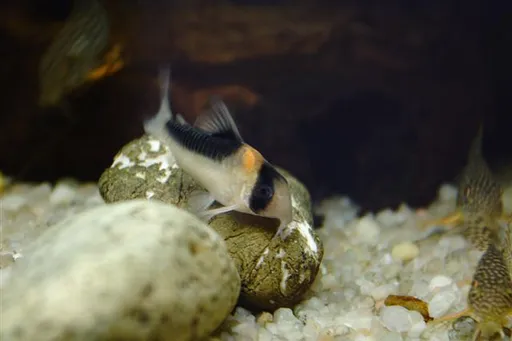 2 in (5 cm)20 gal (75 L)72–79°F (22–26°C)
Duplicate cory
Hoplisoma duplicareum
2 in (5 cm) · 20 gal (75 L)
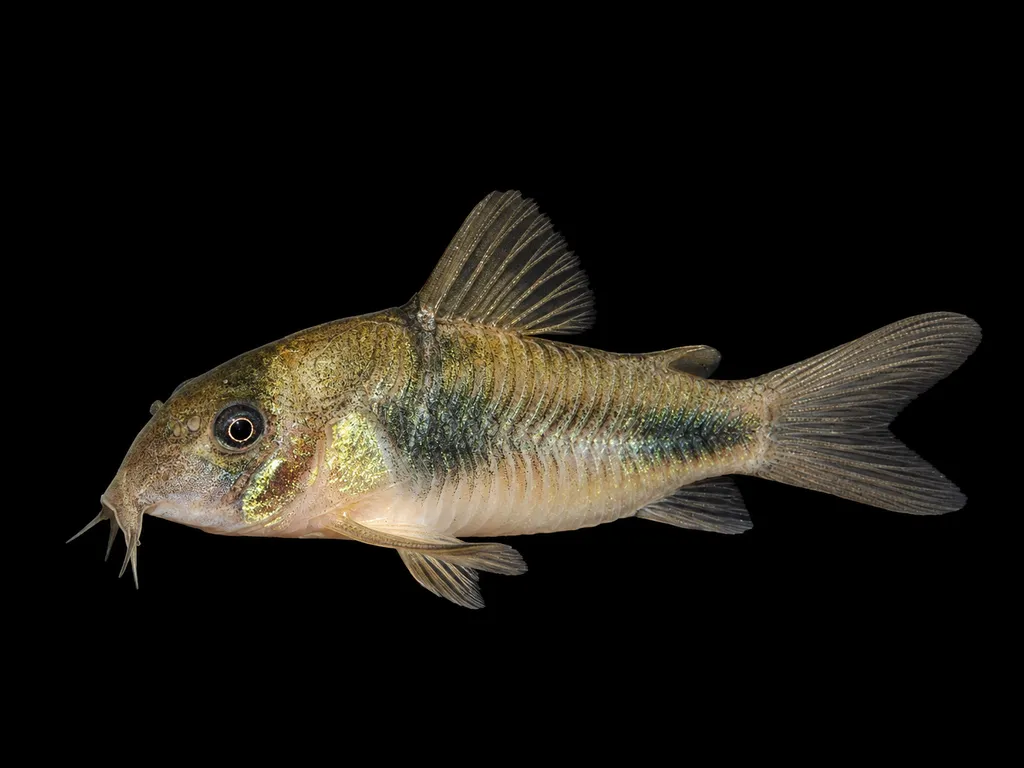 2 in (5 cm)16 gal (60 L)66–77°F (19–25°C)
Ehrhardt's cory
Hoplisoma ehrhardti
2 in (5 cm) · 16 gal (60 L)
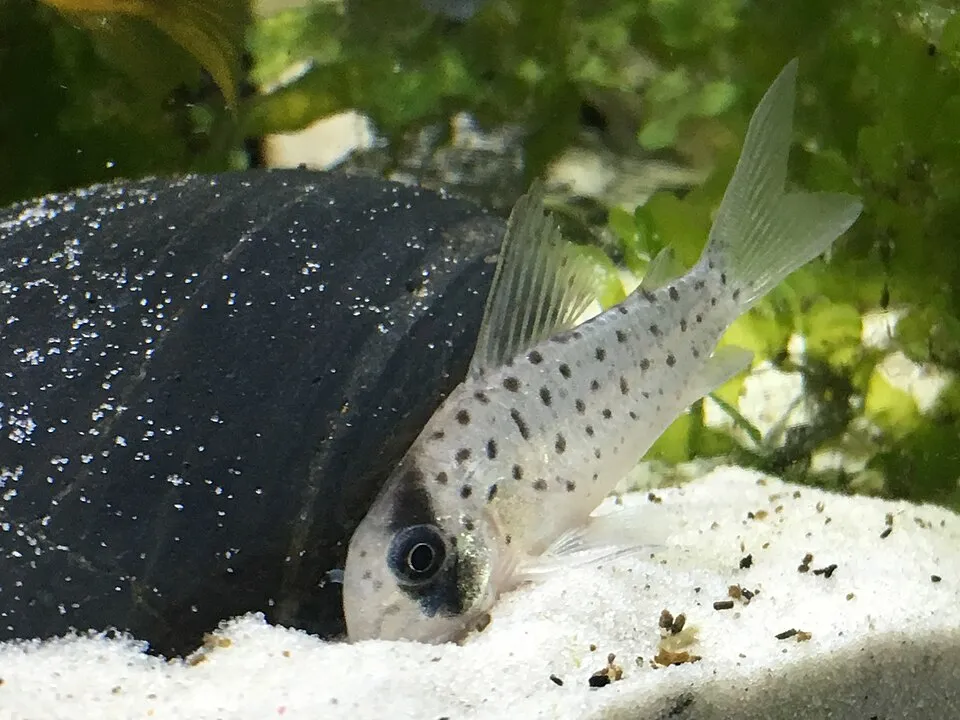 2 in (5 cm)16 gal (60 L)70–81°F (21–27°C)
Fairy cory
Hoplisoma atropersonatum
2 in (5 cm) · 16 gal (60 L)
 2 in (5 cm)16 gal (60 L)72–79°F (22–26°C)
False bandit cory
Hoplisoma melini
2 in (5 cm) · 16 gal (60 L)