False bandit cory
Hoplisoma melini
Also known as Corydoras melini, Diagonal stripe cory, Bandit corydoras
FreshwaterFish
Care at a glance
- Temperature
- 72–79°F
- 22–26°C
- pH
- 5.5–7.2
- Adult size
- 2 in
- 5 cm
- Minimum tank
- 16 gal
- 60 L
- Temperament
- Peaceful
- Social behavior
- Shoaling
- Swim level
- Bottom
- Difficulty
- Easy
- Breeding
- Medium
- Rarity
- Common
- Family
- Callichthyidae
- Origin
- Upper Rio Negro and Meta and Orinoco basins in Colombia and Brazil.
Overview
The false bandit cory is a small, peaceful fish for the bottom of a soft-water community tank, and an easy one to keep.
Did you know
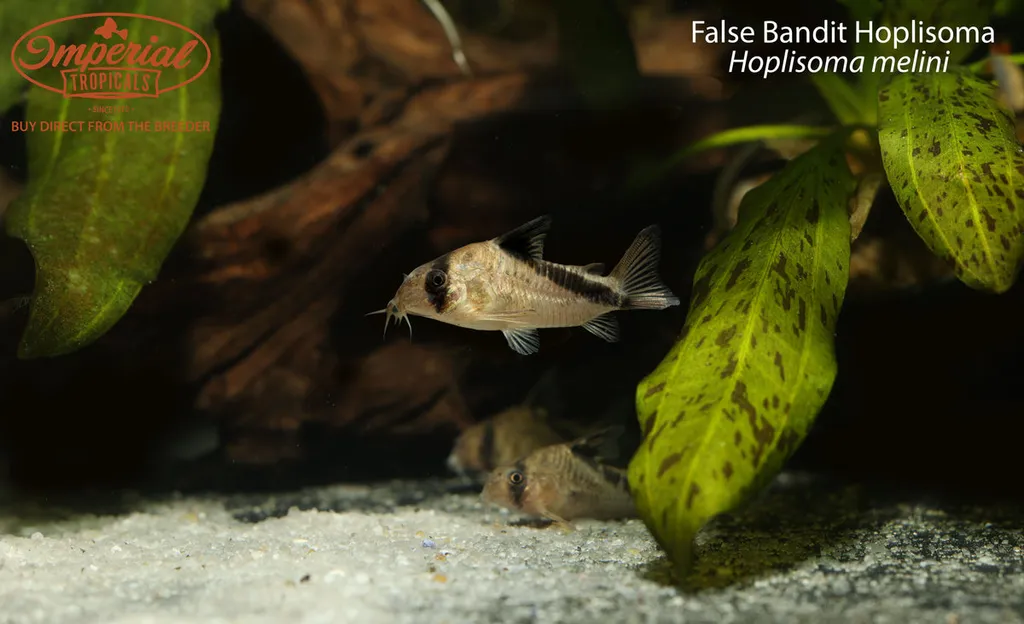
The false bandit cory's dark stripe runs diagonally from the dorsal fin down toward the tail, which tells it from the true bandit cory. In the true bandit cory, the dark saddle stays near the dorsal fin.
Caring for the false bandit cory
Keep false bandit cories in a group of six or more, in 16 gal (60 L) or larger. Give them smooth sand to forage over, since they spend their time on the bottom.
They want soft, acidic water at 72 to 79°F (22 to 26°C) and a pH of 5.5 to 7.2. Feed sinking pellets and small frozen foods such as bloodworm.
False bandit cories are peaceful in a settled community tank and safe with other community fish. They spawn readily, and breeding them is of moderate difficulty.
Good to know
The false bandit cory belongs to the family Callichthyidae and wears a black bandit band through the eye. The 2024 revision placed it in the genus Hoplisoma as Hoplisoma melini. Diagonal stripe cory is another of its names.
In the wild
The false bandit cory lives in soft, acidic blackwater tributaries in Colombia and Brazil. Its range covers the upper Rio Negro and the Meta and Orinoco basins. Groups gather in slow, shaded water and forage over sand among leaf litter and roots.
Weekly picks
Tank mates
The false bandit cory is a peaceful, shoaling species that keeps to the bottom. These picks share a community profile with it, are safe together in both directions, and overlap on water type, temperature and pH.
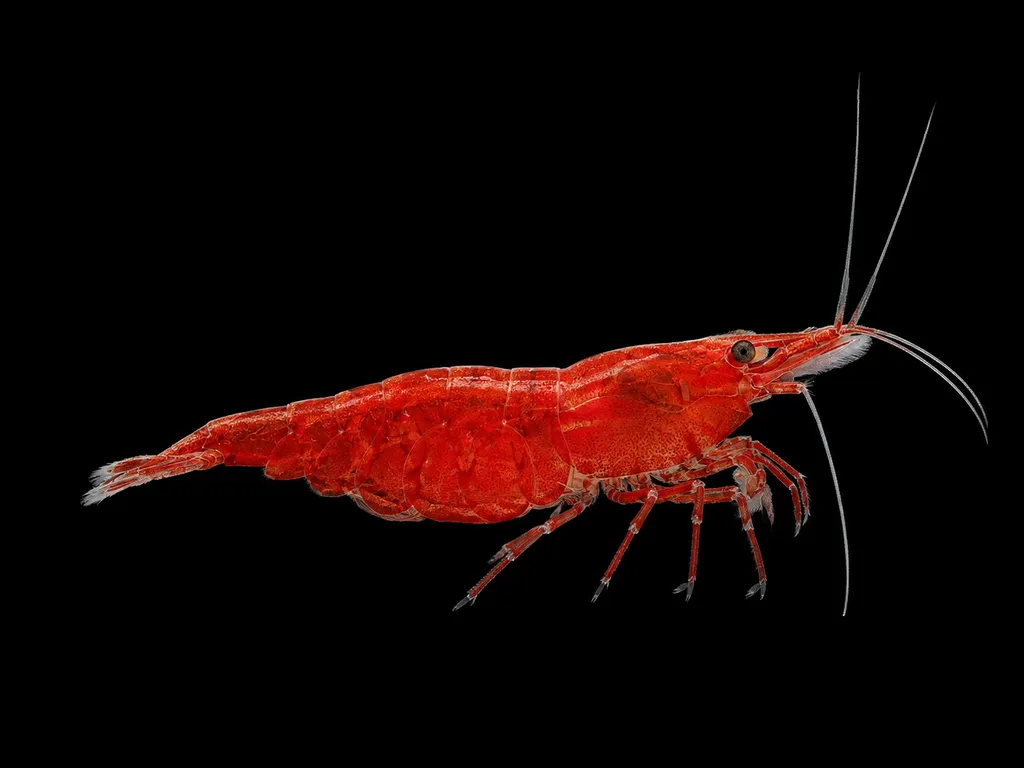
Neocaridina shrimp
Neocaridina davidi
Freshwater1.6 in (4 cm) · 5 gal (19 L)59–84°F (15–29°C)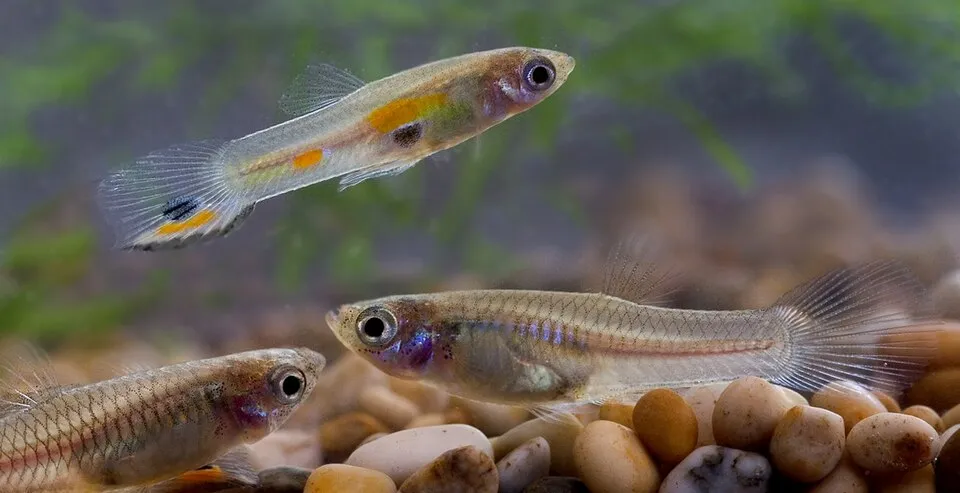
Guppy
Poecilia reticulata
FreshwaterBrackish2.4 in (6 cm) · 10 gal (38 L)64–82°F (18–28°C)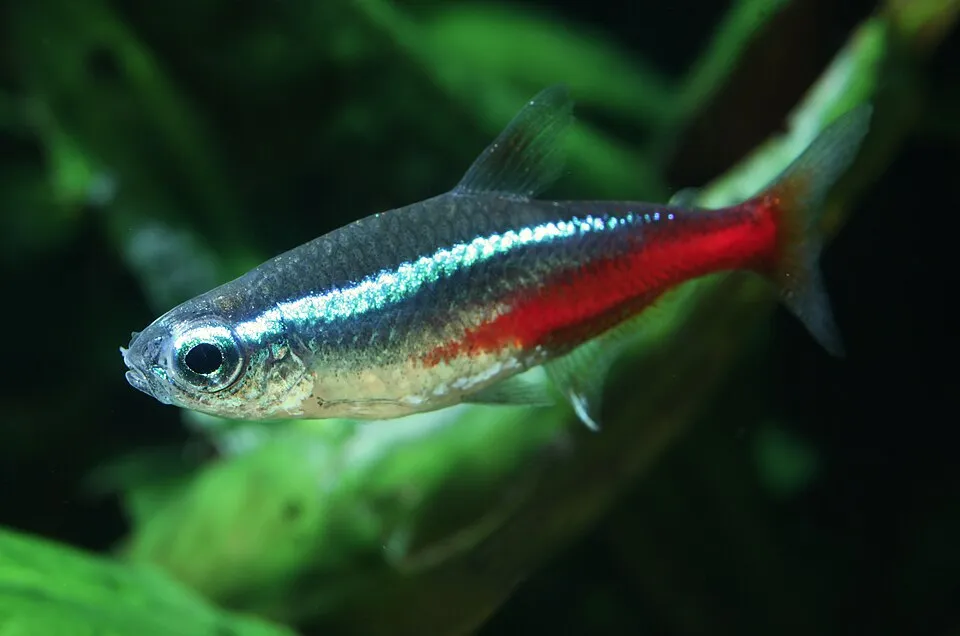
Neon tetra
Paracheirodon innesi
Freshwater1.5 in (3.8 cm) · 11 gal (40 L)70–77°F (21–25°C)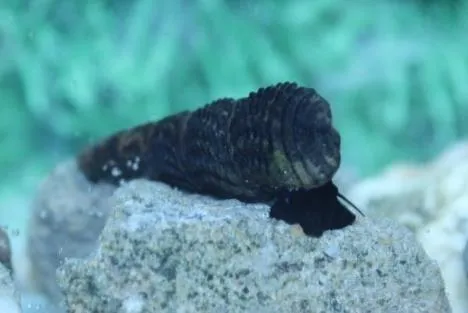
White spotted rabbit snail
Tylomelania towutica
Freshwater4.3 in (11 cm) · 16 gal (60 L)75–84°F (24–29°C)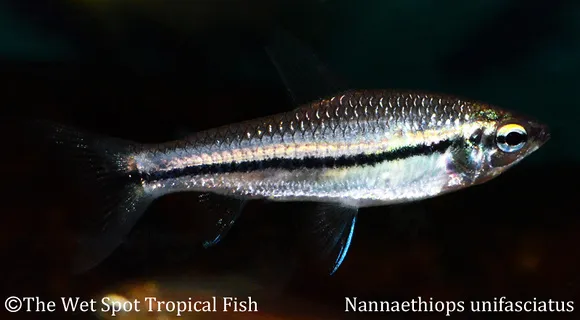
African oneline tetra
Nannaethiops unitaeniatus
Freshwater2.6 in (6.5 cm) · 16 gal (60 L)72–79°F (22–26°C)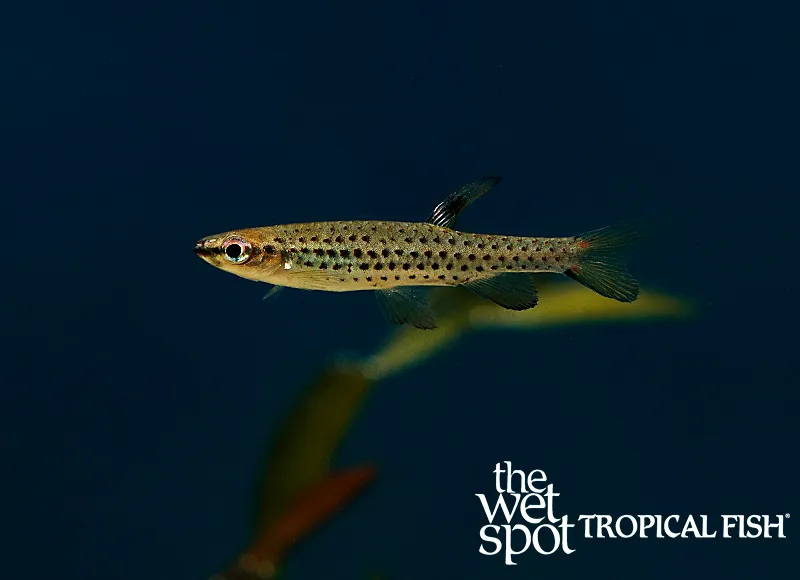
Spotted splash tetra
Copella nattereri
Freshwater2 in (5 cm) · 16 gal (60 L)75–82°F (24–28°C)
Common questions
What size tank does a false bandit cory need?
A false bandit cory needs at least 16 gal (60 L). It spends most of its time in the bottom.
What temperature and pH does a false bandit cory need?
A false bandit cory is comfortable at 72–79°F (22–26°C) with a pH of 5.5–7.2.
What does a false bandit cory eat?
A false bandit cory eats sinking pellets and small frozen foods such as bloodworm.
How big does a false bandit cory get?
An adult false bandit cory reaches about 2 in (5 cm).
Does a false bandit cory need a group?
Yes. A false bandit cory is a shoaling species and should be kept in a group, not singly.
Related species
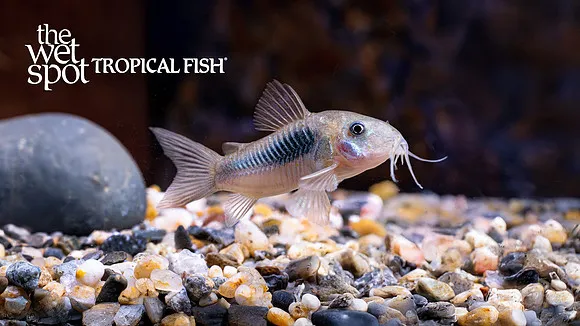 2 in (5 cm)15 gal (55 L)70–79°F (21–26°C)
Blackstripe cory
Hoplisoma bondi
2 in (5 cm) · 15 gal (55 L)
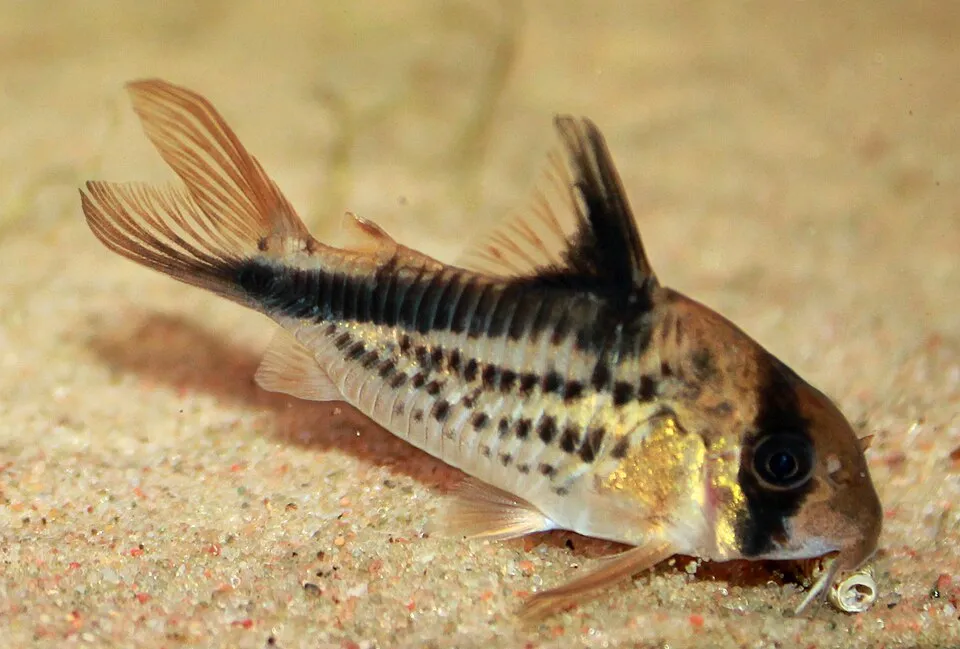 2 in (5 cm)16 gal (60 L)70–75°F (21–24°C)
Dirty bandit cory
Hoplisoma loxozonum
2 in (5 cm) · 16 gal (60 L)
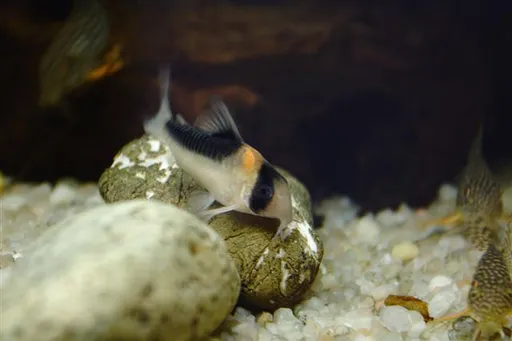 2 in (5 cm)20 gal (75 L)72–79°F (22–26°C)
Duplicate cory
Hoplisoma duplicareum
2 in (5 cm) · 20 gal (75 L)
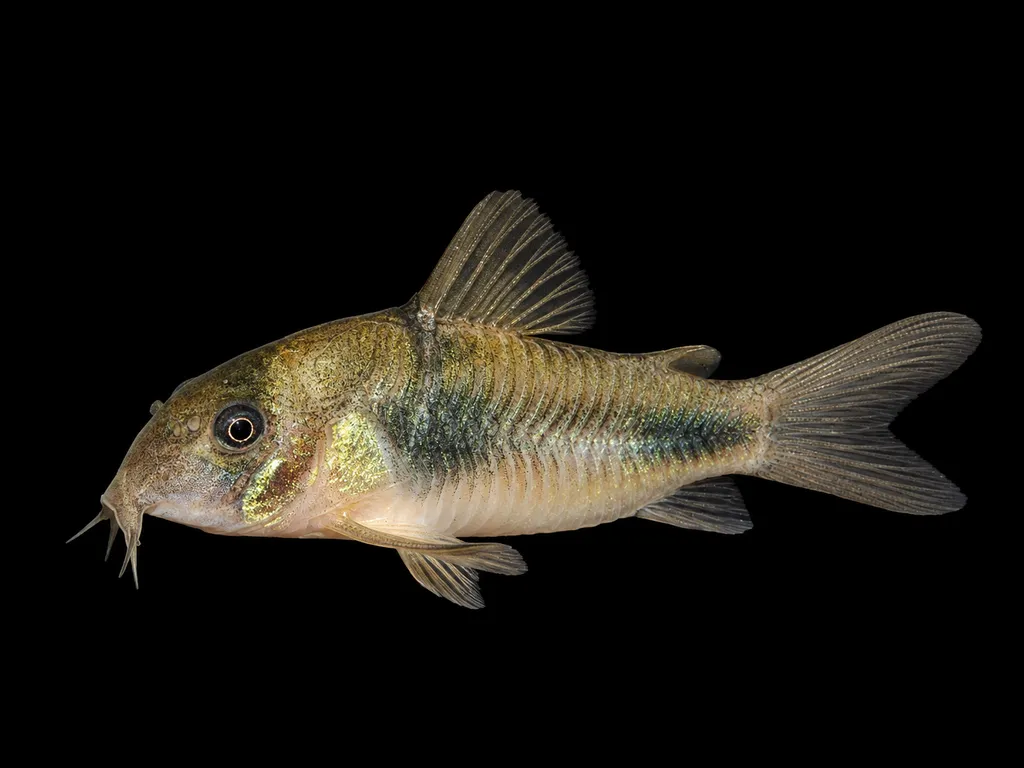 2 in (5 cm)16 gal (60 L)66–77°F (19–25°C)
Ehrhardt's cory
Hoplisoma ehrhardti
2 in (5 cm) · 16 gal (60 L)
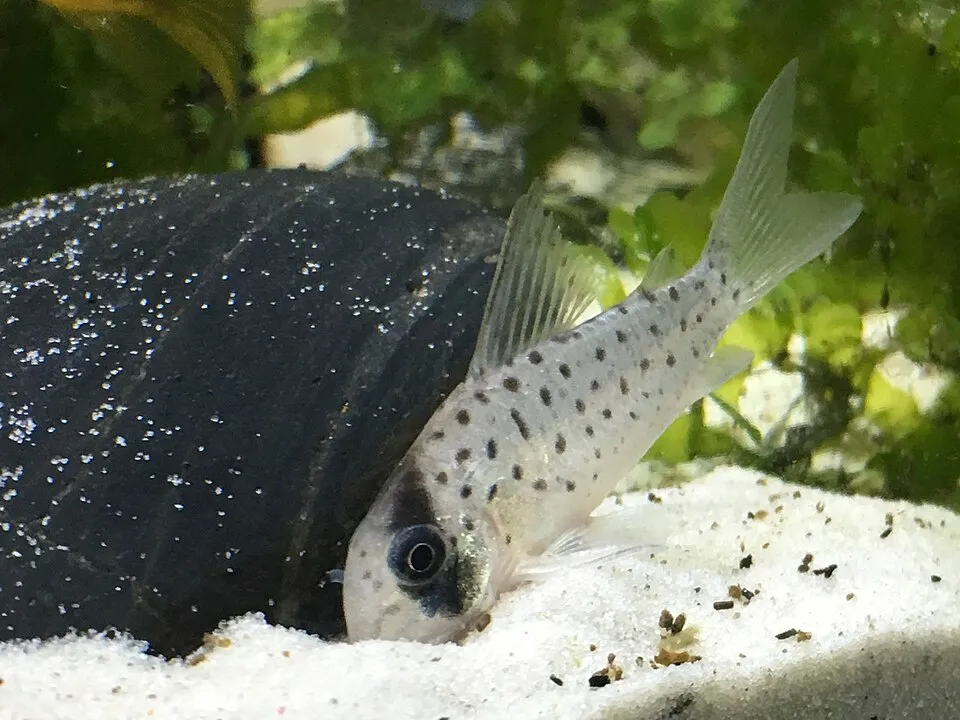 2 in (5 cm)16 gal (60 L)70–81°F (21–27°C)
Fairy cory
Hoplisoma atropersonatum
2 in (5 cm) · 16 gal (60 L)
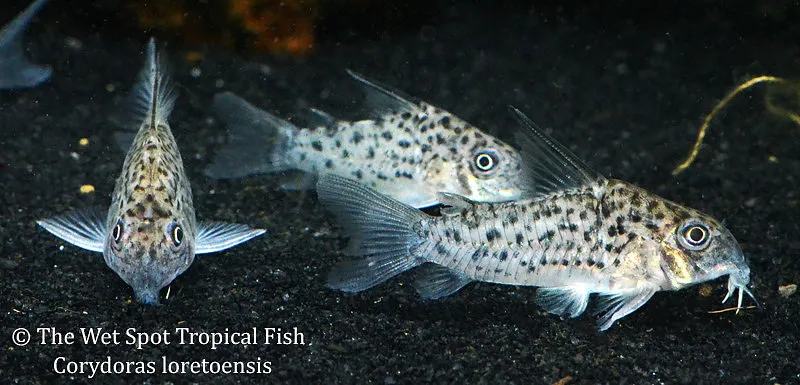 2 in (5 cm)16 gal (60 L)72–77°F (22–25°C)
Loreto cory
Hoplisoma loretoense
2 in (5 cm) · 16 gal (60 L)