Fairy cory
Hoplisoma atropersonatum
Also known as Corydoras atropersonatus, Caracha, Polka Dot Cory
FreshwaterFish
Care at a glance
- Temperature
- 70–81°F
- 21–27°C
- pH
- 6.0–7.5
- Adult size
- 2 in
- 5 cm
- Minimum tank
- 16 gal
- 60 L
- Temperament
- Peaceful
- Social behavior
- Shoaling
- Swim level
- Bottom
- Difficulty
- Easy
- Breeding
- Hard
- Rarity
- Common
- Family
- Callichthyidae
- Origin
- Ecuador, Peru
Overview
Cories are social, so keep at least six and ideally more. They are peaceful bottom dwellers that spend the day sifting sand for food. Feed sinking pellets, wafers, and frozen foods like bloodworm or daphnia, and do not assume they will live on leftovers from fish above. They want clean, well-oxygenated water in the low to high 20s C. A group fits in around 60 liters with a long footprint for foraging.
In the wild
Fairy cories come from clear, slow streams in the upper Amazon drainage of Ecuador and Peru. The bottom is soft sand and fine debris where they root around for food. Give them a tank with a smooth sand bed, since sharp gravel wears down their delicate barbels, plus some leaf litter, wood, and shade. Soft, slightly acidic to neutral water from pH 6 to 7.5 works well.
Good to know
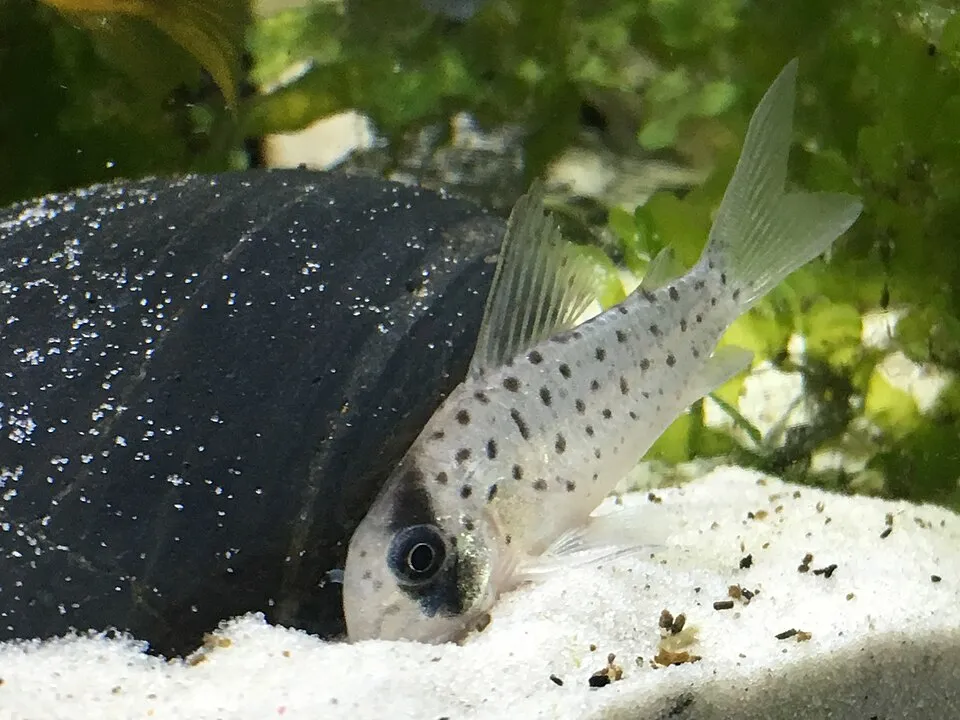
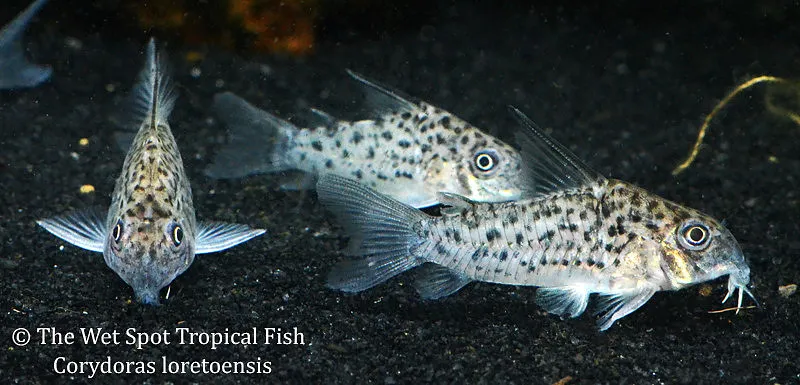
This is an armored catfish in the family Callichthyidae, reaching about 5 cm. Like other Corydoras it wears bony plates instead of scales and can gulp air at the surface, taking oxygen through its gut. It is an egg layer that deposits sticky eggs on surfaces, with no parental care after spawning, and it is not the easiest cory to breed at home. It carries fine speckling and a dark mask across the eyes.
Did you know
Cories can breathe air. When oxygen runs low they dash to the surface, gulp a mouthful, and absorb it through a specialized stretch of their intestine before releasing the spent bubble. An occasional trip up top is normal, but if the whole group is doing it constantly, check your water and aeration.
Weekly picks
Tank mates
Fairy cory is a peaceful, shoaling species that keeps to the bottom. These picks share a community profile with it, are safe together in both directions, and overlap on water type, temperature and pH.
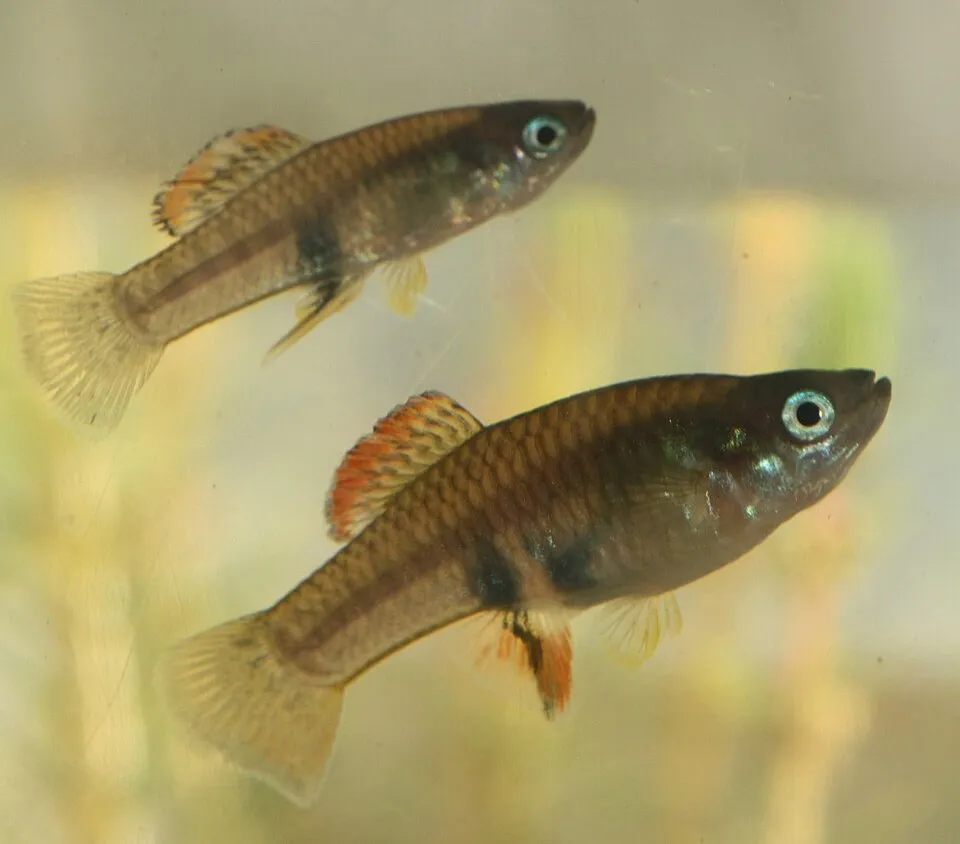
Cardinal toothcarp
Brachyrhaphis roseni
Freshwater2.4 in (6 cm) · 16 gal (60 L)72–86°F (22–30°C)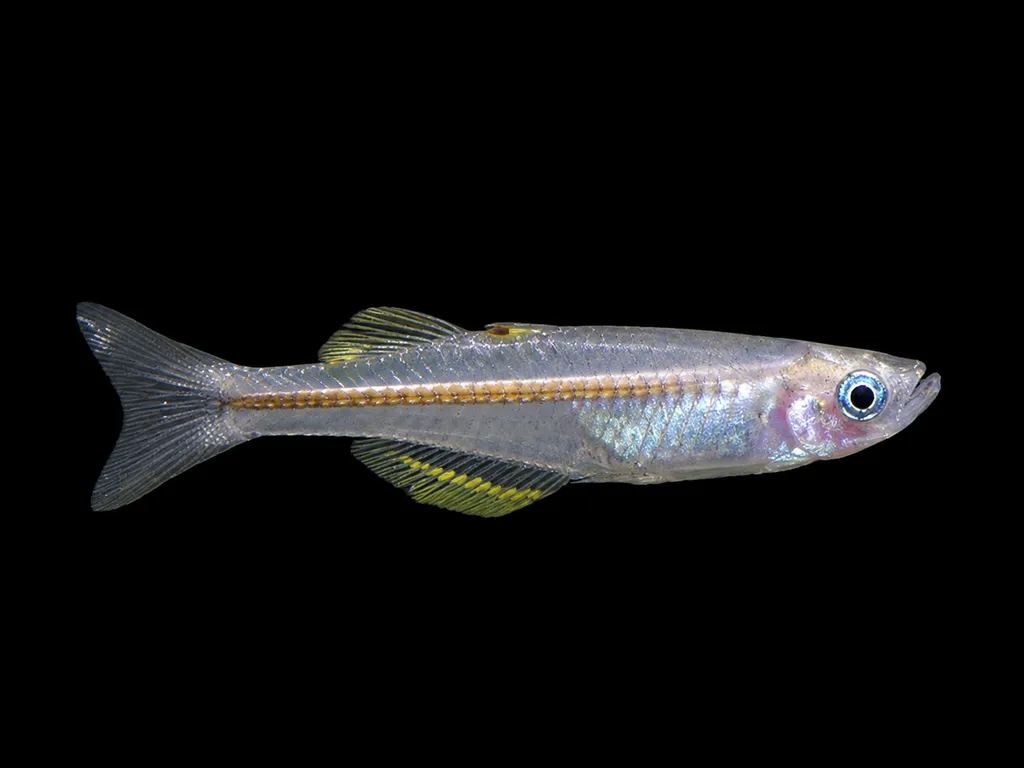
New Guinea blue-eye
Pseudomugil novaeguineae
Freshwater1.8 in (4.5 cm) · 15 gal (55 L)79–86°F (26–30°C)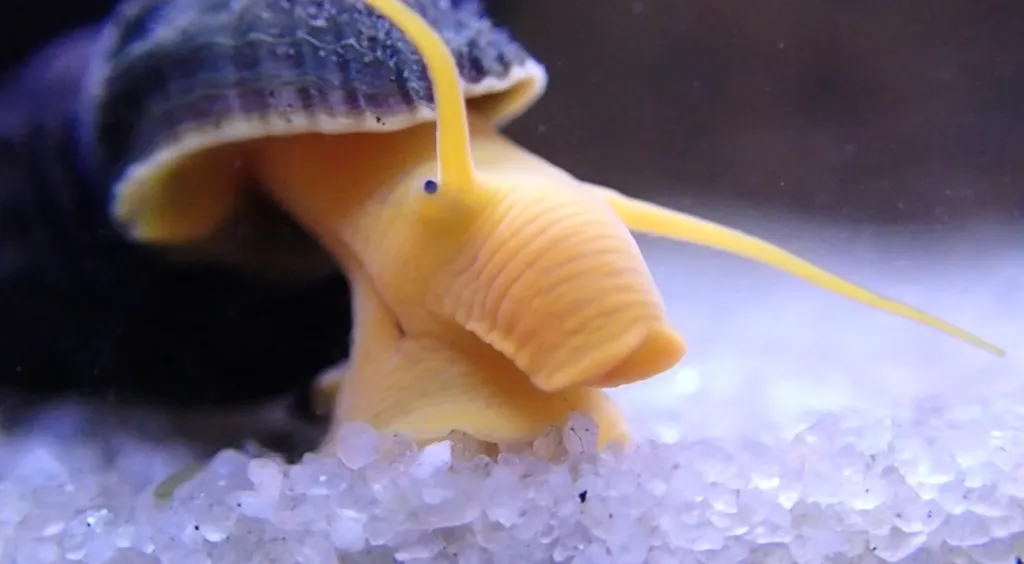
Gold rabbit snail
Tylomelania gemmifera
Freshwater2.8 in (7 cm) · 16 gal (60 L)75–82°F (24–28°C)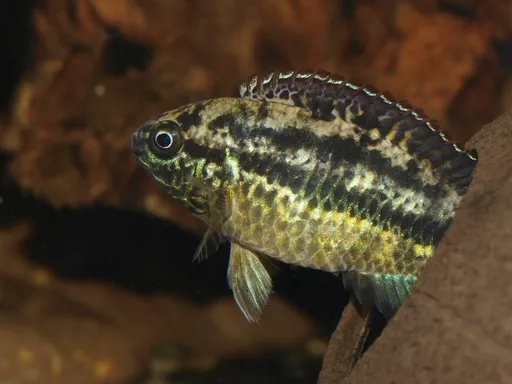
Golden dwarf cichlid
Nannacara anomala
Freshwater3.1 in (8 cm) · 16 gal (60 L)72–82°F (22–28°C)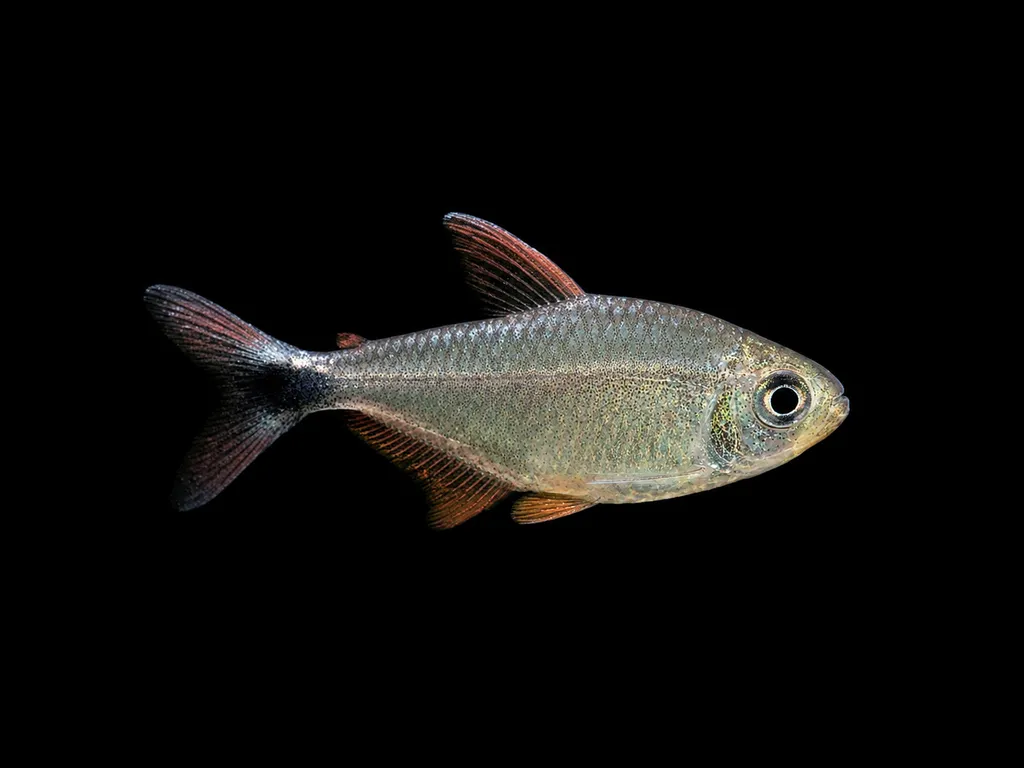
Robustulus tetra
Hyphessobrycon robustulus
Freshwater1.7 in (4.4 cm) · 16 gal (60 L)70–81°F (21–27°C)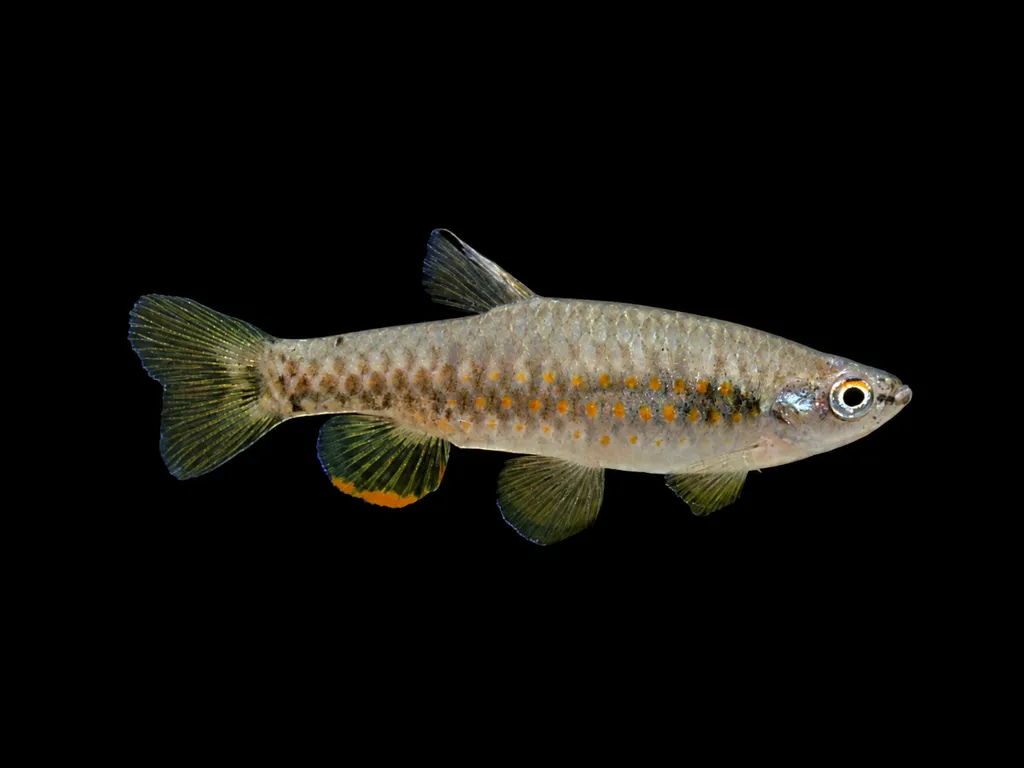
Fanning characin
Pyrrhulina rachoviana
Freshwater2 in (5 cm) · 16 gal (60 L)68–79°F (20–26°C)
Common questions
What size tank does a Fairy cory need?
A Fairy cory needs at least 16 gal (60 L). It spends most of its time in the bottom.
What temperature and pH does a Fairy cory need?
A Fairy cory is comfortable at 70–81°F (21–27°C) with a pH of 6.0–7.5.
How big does a Fairy cory get?
An adult Fairy cory reaches about 2 in (5 cm).
Does a Fairy cory need a group?
Yes. A Fairy cory is a shoaling species and should be kept in a group, not singly.
Related species
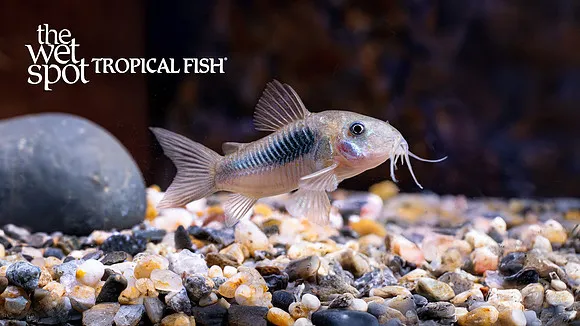 2 in (5 cm)15 gal (55 L)70–79°F (21–26°C)
Blackstripe cory
Hoplisoma bondi
2 in (5 cm) · 15 gal (55 L)
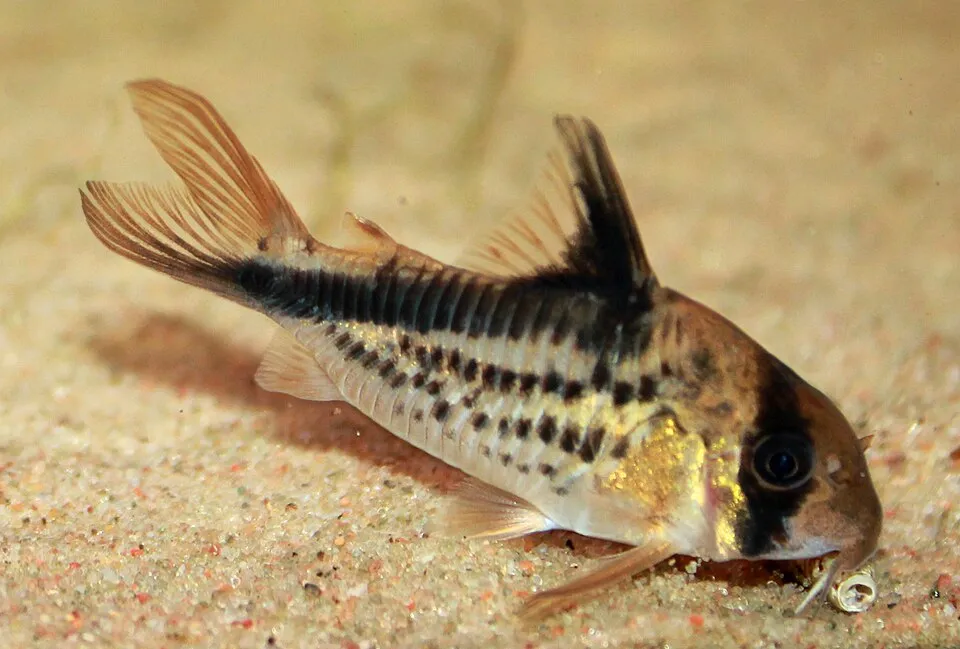 2 in (5 cm)16 gal (60 L)70–75°F (21–24°C)
Dirty bandit cory
Hoplisoma loxozonum
2 in (5 cm) · 16 gal (60 L)
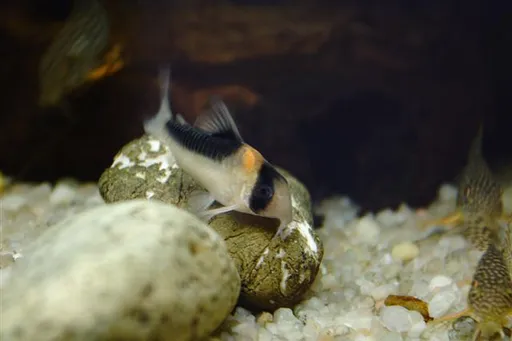 2 in (5 cm)20 gal (75 L)72–79°F (22–26°C)
Duplicate cory
Hoplisoma duplicareum
2 in (5 cm) · 20 gal (75 L)
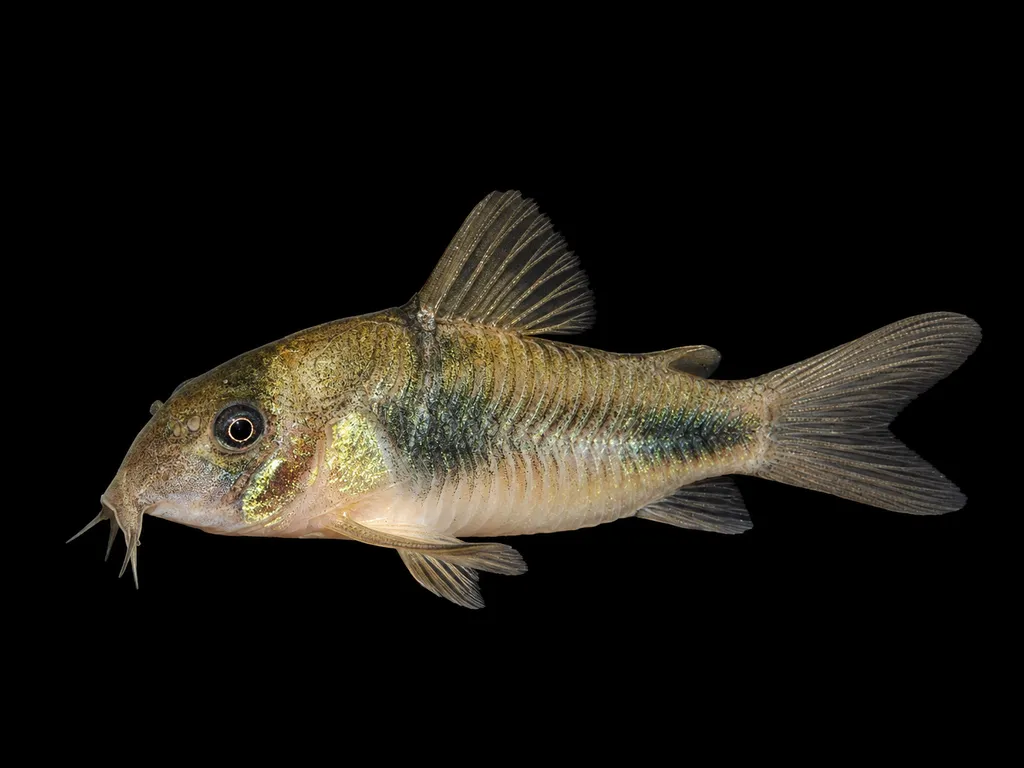 2 in (5 cm)16 gal (60 L)66–77°F (19–25°C)
Ehrhardt's cory
Hoplisoma ehrhardti
2 in (5 cm) · 16 gal (60 L)
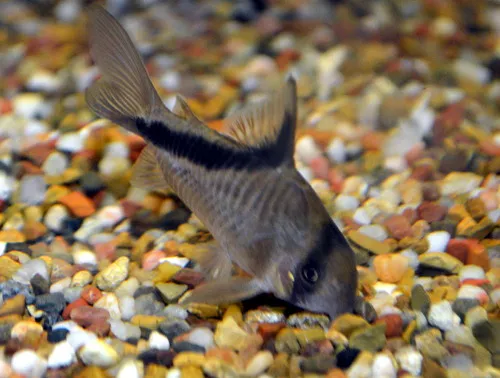 2 in (5 cm)16 gal (60 L)72–79°F (22–26°C)
False bandit cory
Hoplisoma melini
2 in (5 cm) · 16 gal (60 L)
 2 in (5 cm)16 gal (60 L)72–77°F (22–25°C)
Loreto cory
Hoplisoma loretoense
2 in (5 cm) · 16 gal (60 L)