Gold rabbit snail
Tylomelania gemmifera
Also known as yellow rabbit snail
FreshwaterSnail
Care at a glance
- Temperature
- 75–82°F
- 24–28°C
- pH
- 7.0–8.5
- Adult size
- 2.8 in
- 7 cm
- Minimum tank
- 16 gal
- 60 L
- Temperament
- Peaceful
- Social behavior
- Solitary
- Swim level
- Bottom
- Difficulty
- Medium
- Breeding
- Medium
- Rarity
- Rare
- Family
- Pachychilidae
- Origin
- Sulawesi
Overview
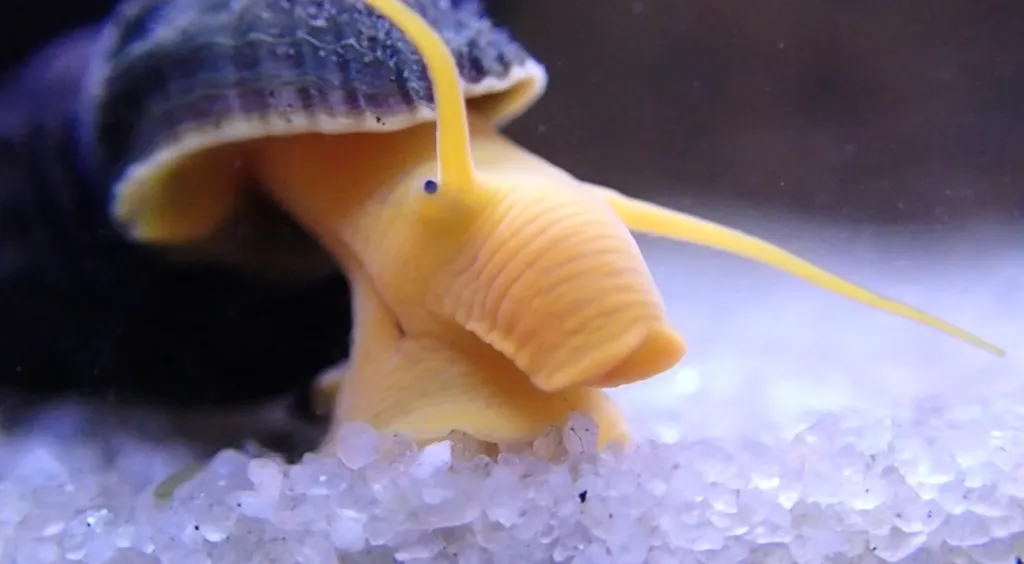
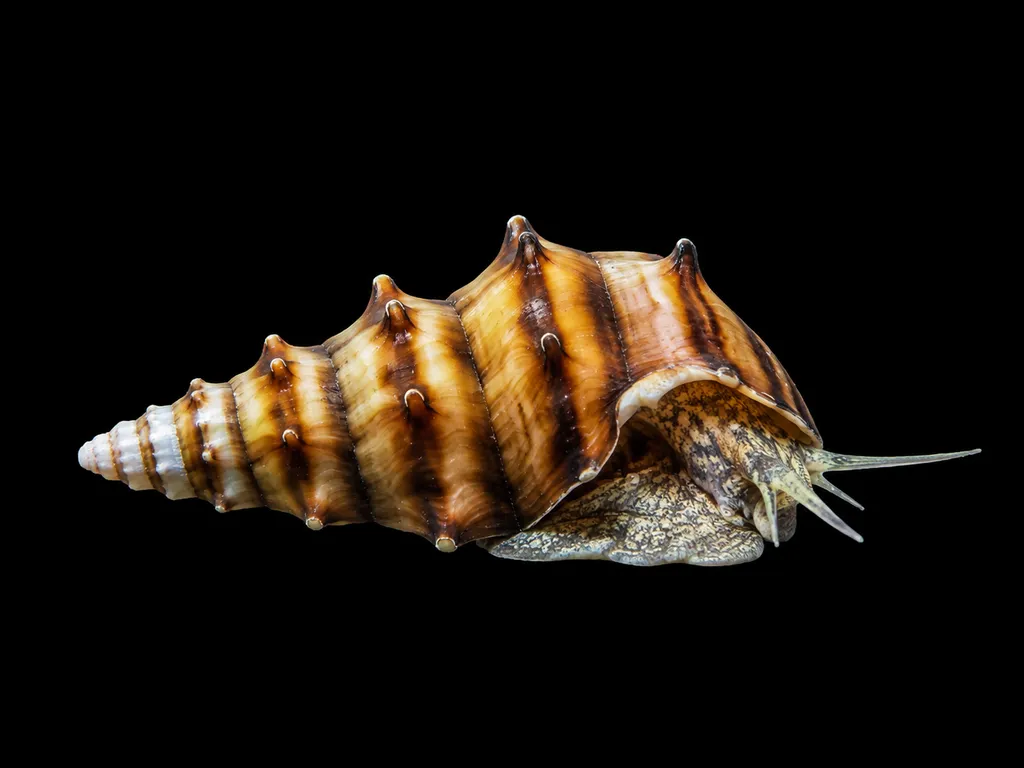
Gold rabbit snails are slow, peaceful grazers with a yellow body and a long brown shell, and they spend their time creeping over surfaces and sifting the substrate for algae, biofilm, and soft leftovers. They mix calmly with fish, shrimp, and other snails, and a single snail is content on its own. They breed slowly, dropping one baby at a time, so they will not crowd a tank. Give them warm, hard, alkaline water and a soft sand bed to forage in, and keep copper out, since it is toxic to snails. A tank of 60 liters or more suits their size and grazing.
In the wild
Rabbit snails come only from the ancient lakes and connected rivers of Sulawesi in Indonesia, where the water is warm, hard, and alkaline year round. The gold form thrives when a tank matches that, with temperatures from about 24 to 28 c and a pH between 7 and 8.5. A deep bed of soft sand lets the snail burrow and graze the way it would in the lakes, and driftwood, rock, and hardy plants complete the scene. Steady mineral levels keep the shell from pitting or thinning.
Good to know
Tylomelania gemmifera is one of the Sulawesi rabbit snails in the family Pachychilidae. It reaches around 5 to 7 cm, with a long, ribbed, cone-shaped shell closed by a trapdoor operculum. Rather than laying eggs, rabbit snails are livebearers: the female carries her young internally and gives birth to a single large, fully formed juvenile at a time, usually every few weeks. That slow, low output makes them easy to manage but a patient project to breed in numbers.
Did you know
Rabbit snails get their name from the drooping, wrinkled face beneath the shell, which many keepers think looks like a rabbit. The gold form shows a bright yellow body against a dark, ridged shell.
Weekly picks
Tank mates
Gold rabbit snail is a peaceful, solitary species that keeps to the bottom. These picks share a community profile with it, are safe together in both directions, and overlap on water type, temperature and pH.
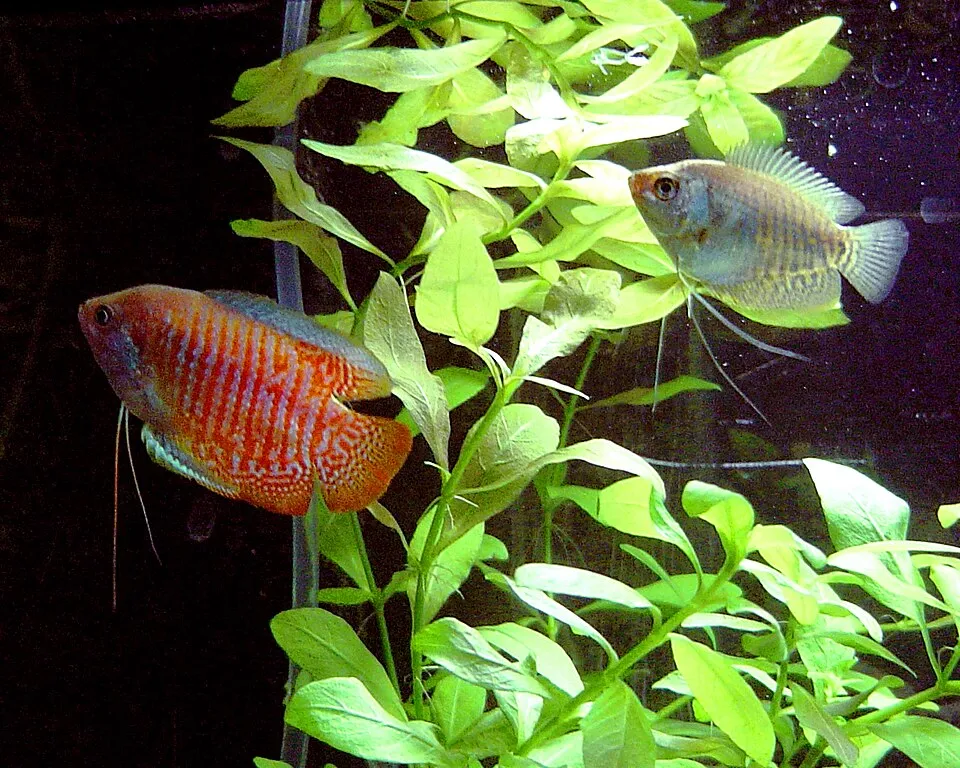
Dwarf gourami
Trichogaster lalius
Freshwater3 in (7.5 cm) · 16 gal (60 L)72–81°F (22–27°C)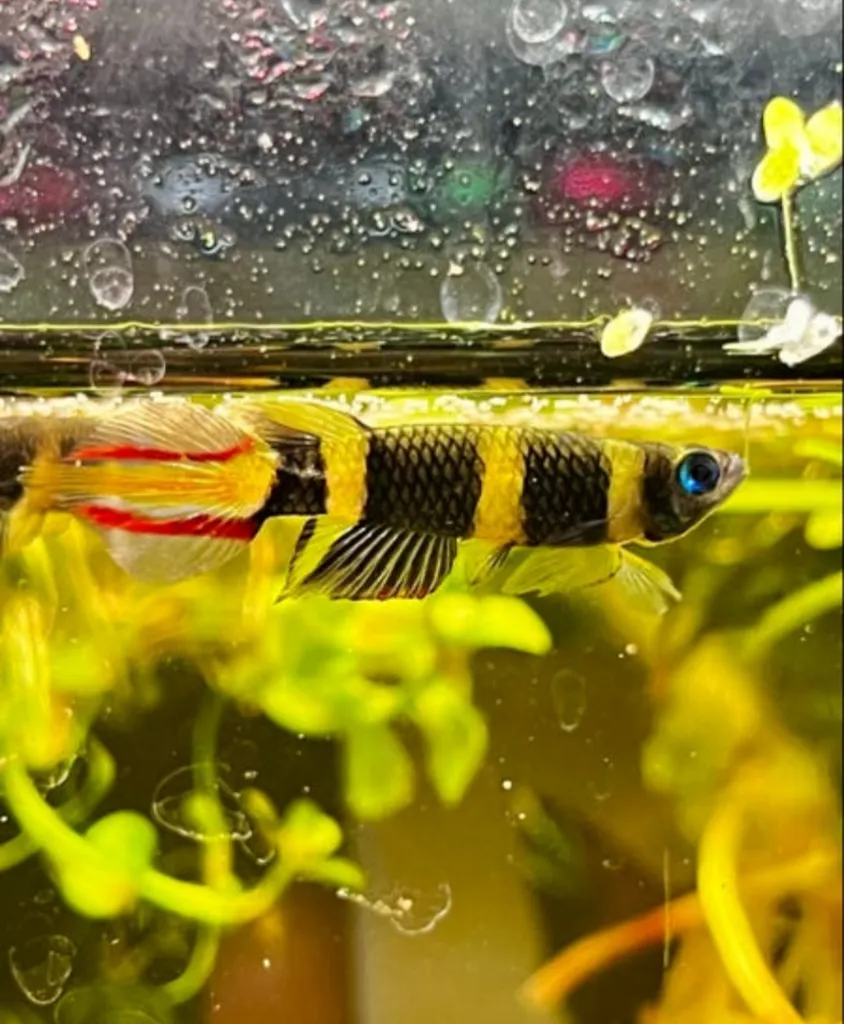
Clown killifish
Epiplatys annulatus
Freshwater1.4 in (3.5 cm) · 15 gal (55 L)68–79°F (20–26°C)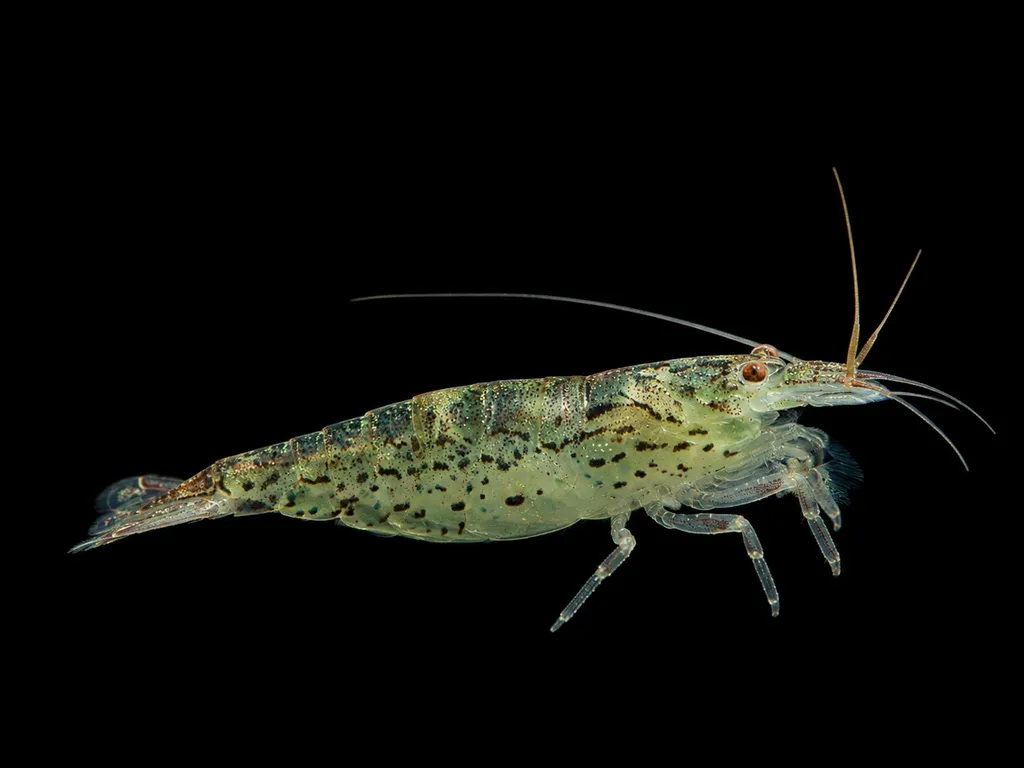
Green lace shrimp
Atyoida pilipes
Freshwater2.8 in (7 cm) · 14 gal (54 L)73–82°F (23–28°C)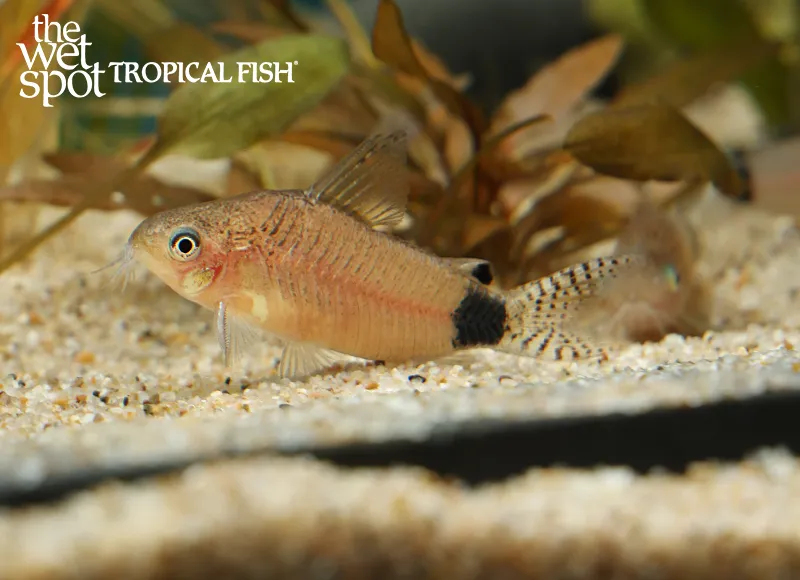
Guapore cory
Gastrodermus guapore
Freshwater2 in (5 cm) · 16 gal (60 L)72–82°F (22–28°C)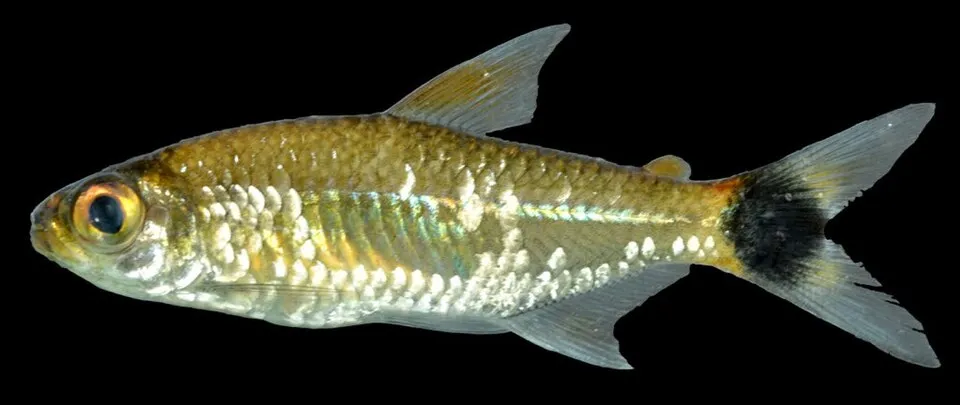
Ceros tetra
Moenkhausia ceros
Freshwater2 in (5 cm) · 16 gal (60 L)75–82°F (24–28°C)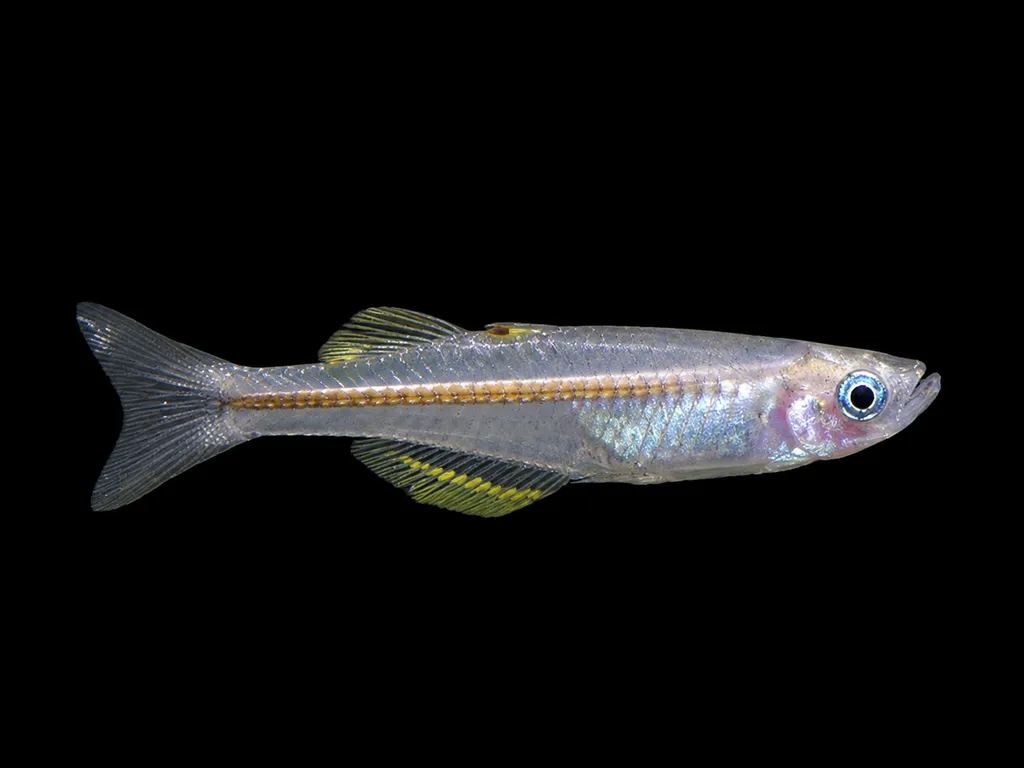
New Guinea blue-eye
Pseudomugil novaeguineae
Freshwater1.8 in (4.5 cm) · 15 gal (55 L)79–86°F (26–30°C)
Common questions
What size tank does a Gold rabbit snail need?
A Gold rabbit snail needs at least 16 gal (60 L). It spends most of its time in the bottom.
What temperature and pH does a Gold rabbit snail need?
A Gold rabbit snail is comfortable at 75–82°F (24–28°C) with a pH of 7.0–8.5.
How big does a Gold rabbit snail get?
An adult Gold rabbit snail reaches about 2.8 in (7 cm).
Related species
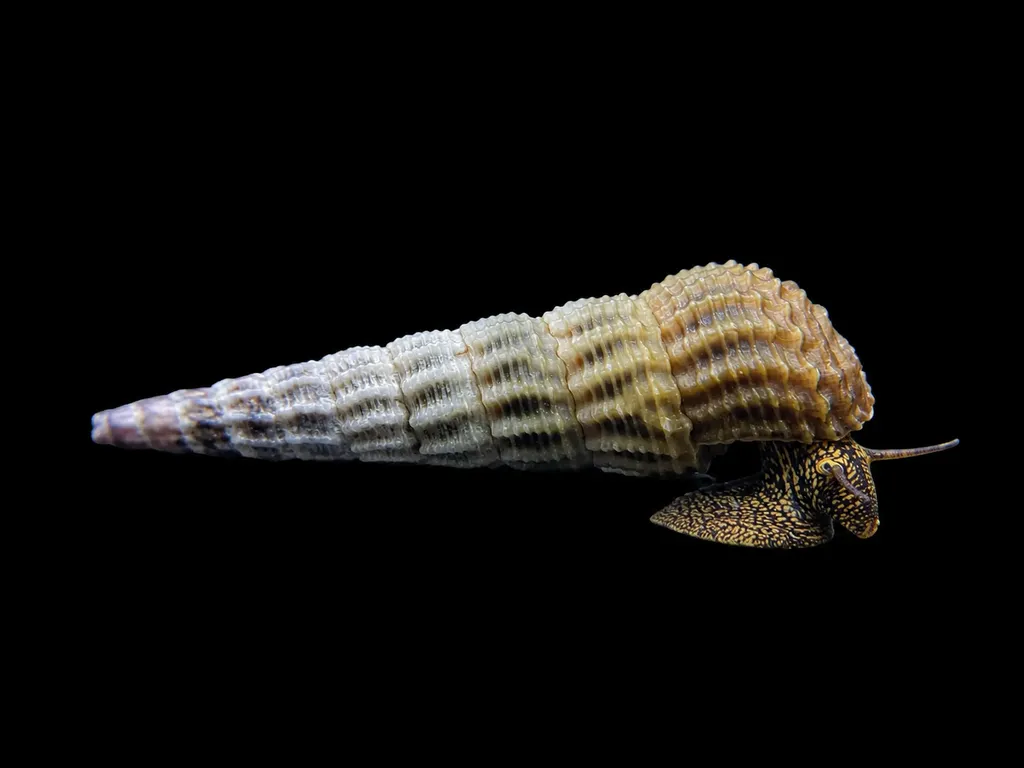 2 in (5 cm)11 gal (40 L)77–86°F (25–30°C)
Himalayan rabbit snail
Tylomelania marwotoae
2 in (5 cm) · 11 gal (40 L)
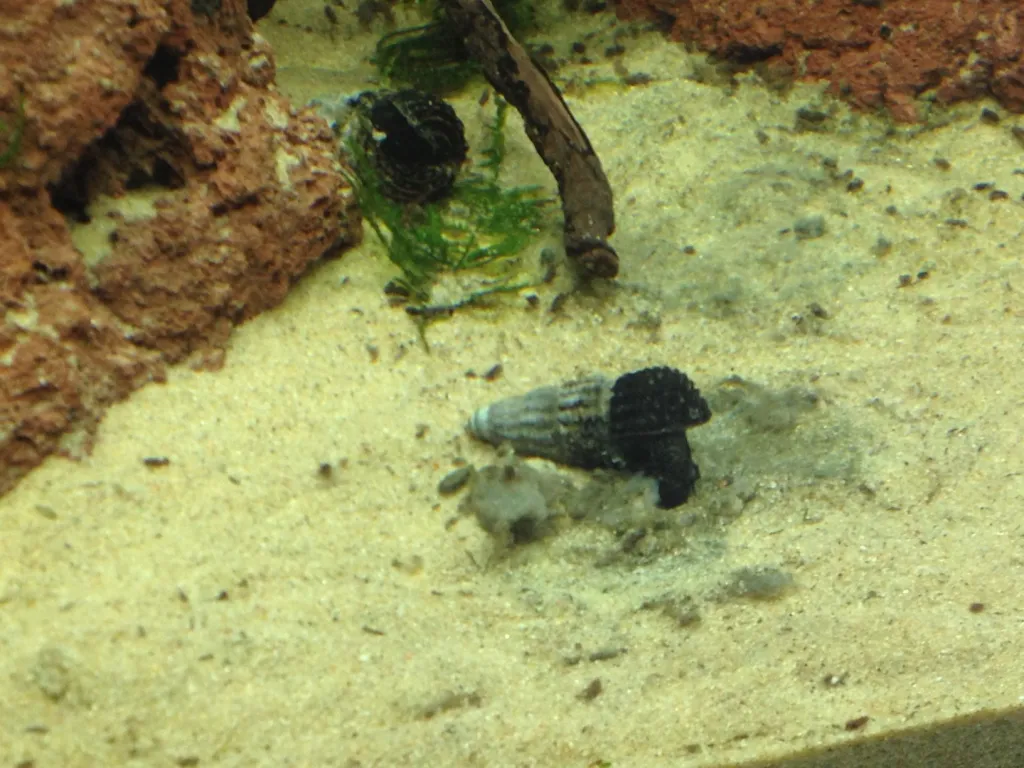 2 in (5 cm)5 gal (20 L)75–86°F (24–30°C)
Triangle rabbit snail
Tylomelania sinabartfeldi
2 in (5 cm) · 5 gal (20 L)
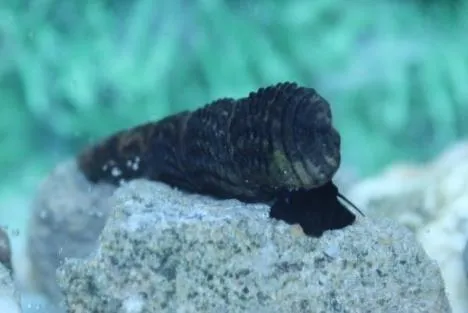 4.3 in (11 cm)16 gal (60 L)75–84°F (24–29°C)
White spotted rabbit snail
Tylomelania towutica
4.3 in (11 cm) · 16 gal (60 L)
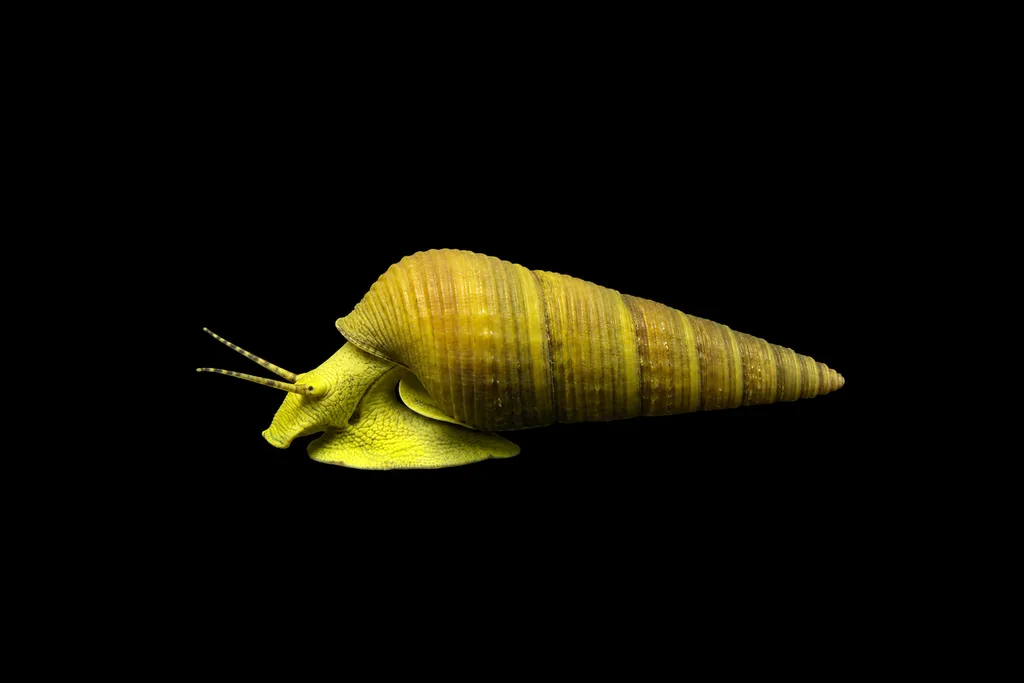 4.7 in (12 cm)20 gal (75 L)79–86°F (26–30°C)
Yellow giant rabbit snail
Tylomelania sarasinorum
4.7 in (12 cm) · 20 gal (75 L)
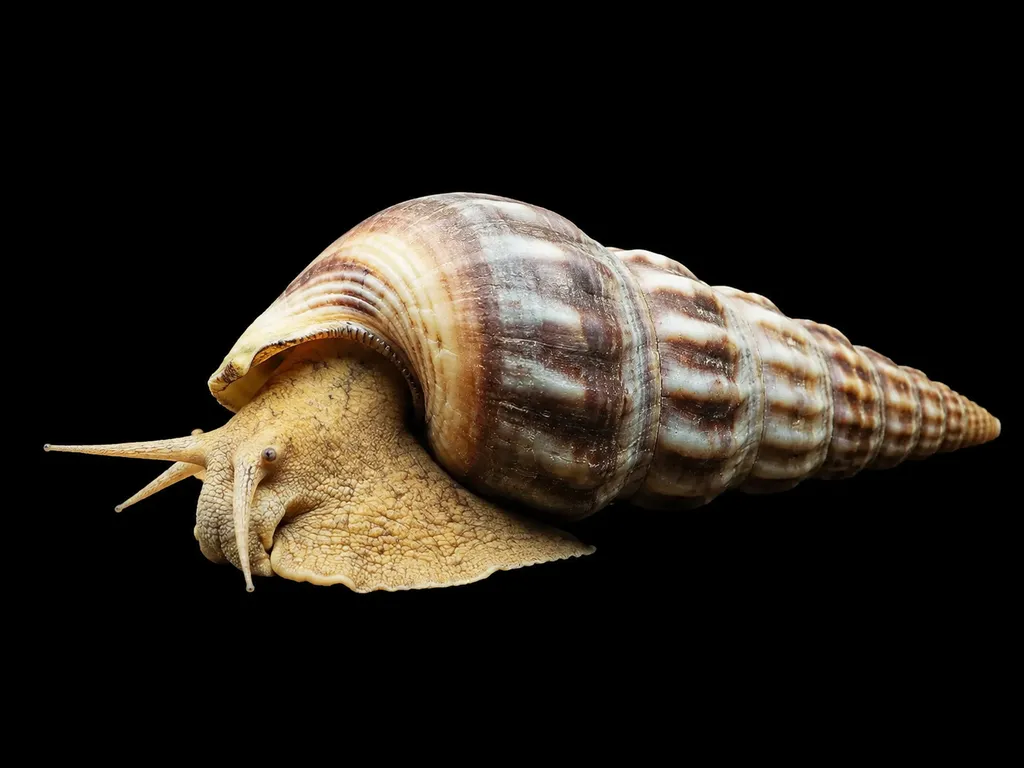 3.1 in (8 cm)11 gal (40 L)73–82°F (23–28°C)
Hercules snail
Brotia herculea
3.1 in (8 cm) · 11 gal (40 L)
 2.4 in (6 cm)5 gal (20 L)72–82°F (22–28°C)
Pagoda snail
Brotia pagodula
2.4 in (6 cm) · 5 gal (20 L)