Cardinal toothcarp
Brachyrhaphis roseni
Also known as Cardinal Brachy, Olomina
FreshwaterFish
Care at a glance
- Temperature
- 72–86°F
- 22–30°C
- pH
- 7.0–8.0
- Adult size
- 2.4 in
- 6 cm
- Minimum tank
- 16 gal
- 60 L
- Temperament
- Mostly peaceful
- Social behavior
- Social
- Swim level
- Middle
- Difficulty
- Easy
- Breeding
- Easy
- Rarity
- Very rare
- Family
- Poeciliidae
- Origin
- Costa Rica, Panama
Overview
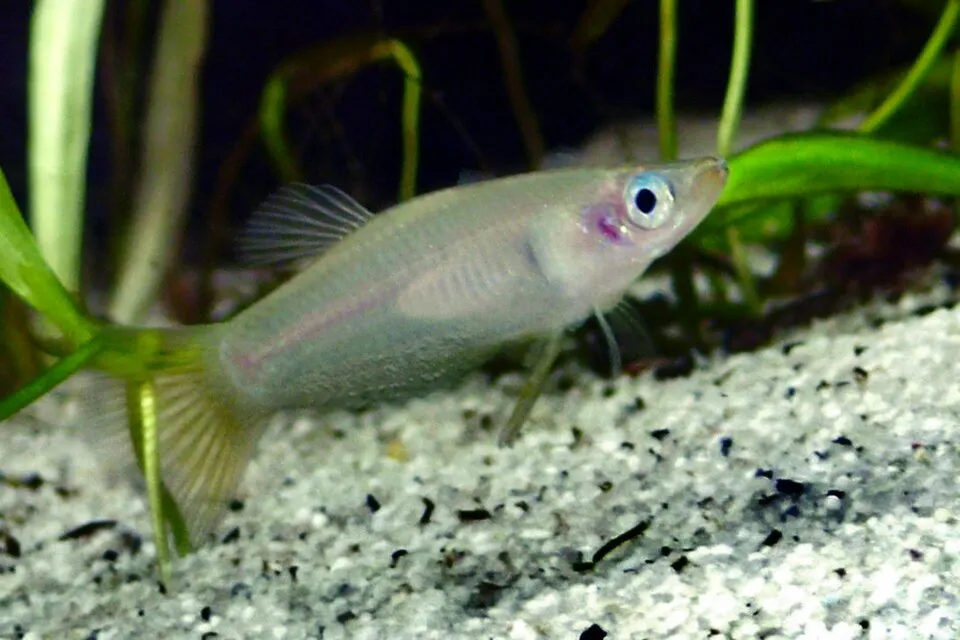
Keep cardinal toothcarps in a group with several females for each male, since males court constantly and can pester a lone female. They are lively mid-water fish that are mostly peaceful with tankmates of their own size, but they will nip at slow or long-finned fish and may eat very small companions, so choose active tankmates that are not tiny. Feed a varied diet of good flake, small frozen foods such as bloodworm and daphnia, and let them graze the algae and tiny invertebrates that build up in the tank. Hard, slightly alkaline water suits them best. A tank of 60 liters or larger gives a small group room to move and display.
In the wild
This livebearer comes from the warm lowland streams and pools of Costa Rica and Panama, where it lives in flowing, mineral-rich water among plants and leaf litter. The water is warm and fairly hard, so aim for a temperature between 22 and 30 C and a pH from about 7 to 8. Recreate its home with a well-planted tank, some open swimming space, gentle to moderate flow and steady filtration. Clean, well-oxygenated water keeps them in good condition.
Good to know
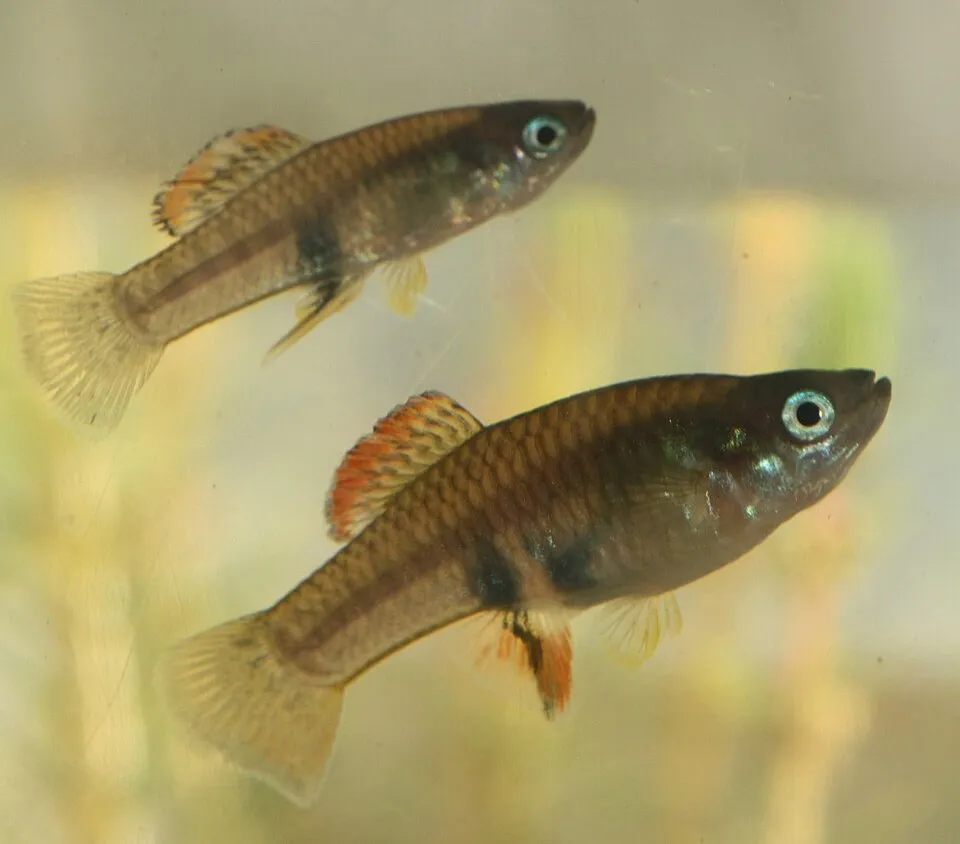
Cardinal toothcarp belongs to the livebearer family Poeciliidae and is one of the Central American Brachyrhaphis species. Females are the larger sex and reach around 6 cm, while males stay smaller and slimmer. Like other members of the family, males carry a gonopodium, a modified anal fin used to fertilize females internally, and the female then gives birth to fully formed, free-swimming young rather than laying eggs. Broods are produced readily, and this is one of the easier livebearers to breed at home.
Did you know
Male cardinal toothcarps are named for their bright red to orange fins edged in black, a bold pattern the males show off as they display to females in fast-flowing streams.
Weekly picks
Tank mates
Cardinal toothcarp is a mostly peaceful, social species that keeps to the middle. These picks share a community profile with it, are safe together in both directions, and overlap on water type, temperature and pH.
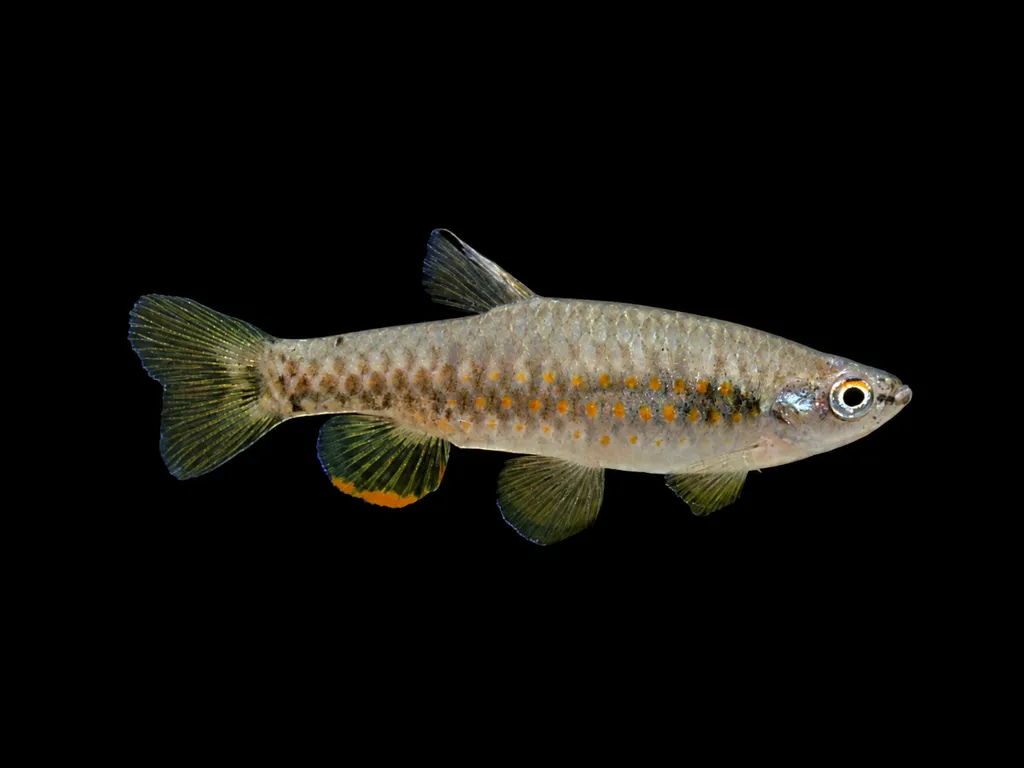
Fanning characin
Pyrrhulina rachoviana
Freshwater2 in (5 cm) · 16 gal (60 L)68–79°F (20–26°C)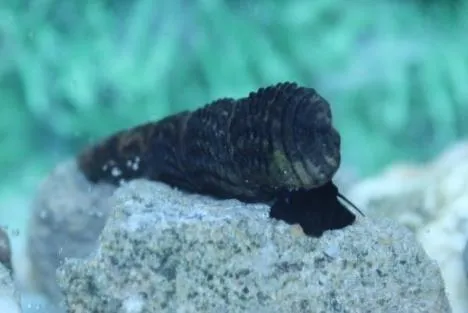
White spotted rabbit snail
Tylomelania towutica
Freshwater4.3 in (11 cm) · 16 gal (60 L)75–84°F (24–29°C)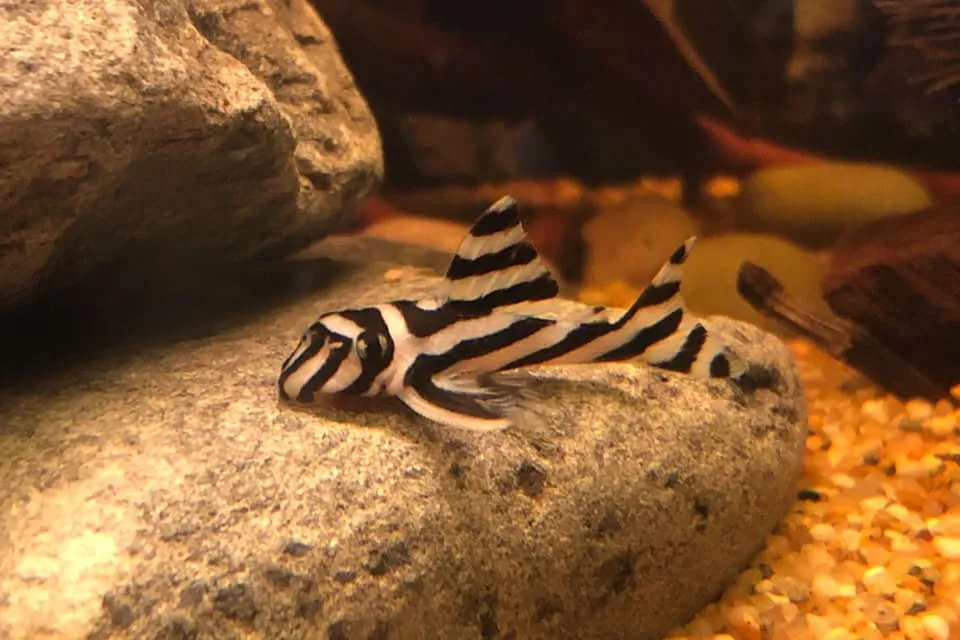
Zebra pleco
Hypancistrus zebra
Freshwater3.1 in (8 cm) · 15 gal (55 L)79–86°F (26–30°C)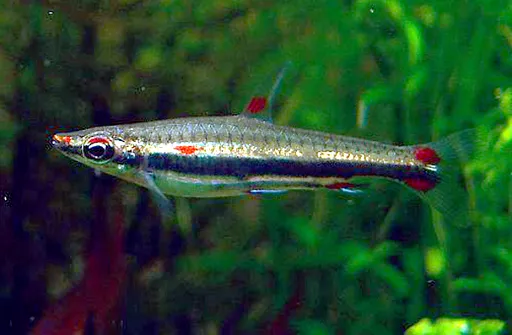
Harrison's pencilfish
Nannostomus harrisoni
Freshwater2.2 in (5.5 cm) · 16 gal (60 L)73–82°F (23–28°C)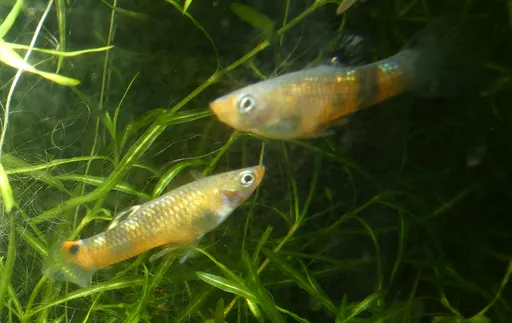
Scarlet livebearer
Micropoecilia picta
FreshwaterBrackish1.6 in (4 cm) · 16 gal (60 L)72–82°F (22–28°C)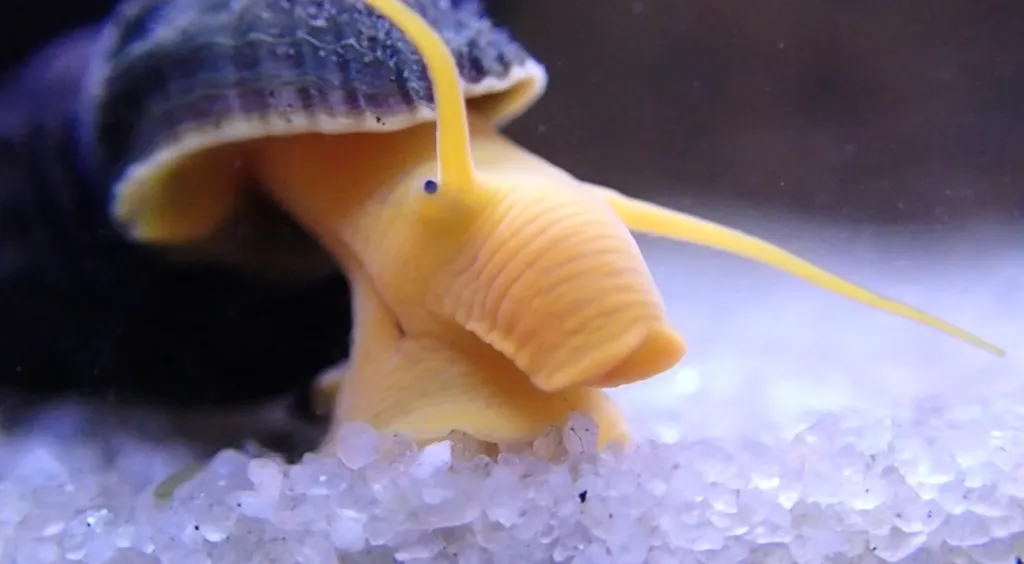
Gold rabbit snail
Tylomelania gemmifera
Freshwater2.8 in (7 cm) · 16 gal (60 L)75–82°F (24–28°C)
Common questions
What size tank does a Cardinal toothcarp need?
A Cardinal toothcarp needs at least 16 gal (60 L). It spends most of its time in the middle.
What temperature and pH does a Cardinal toothcarp need?
A Cardinal toothcarp is comfortable at 72–86°F (22–30°C) with a pH of 7.0–8.0.
How big does a Cardinal toothcarp get?
An adult Cardinal toothcarp reaches about 2.4 in (6 cm).
Related species
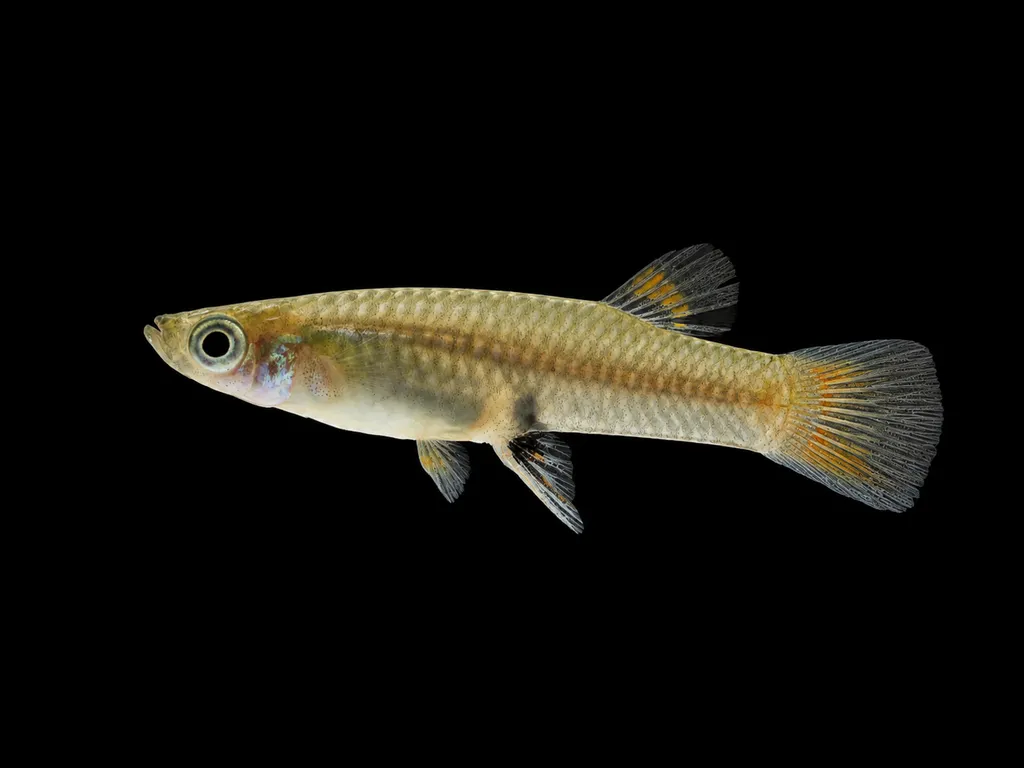 3 in (7.5 cm)11 gal (40 L)75–82°F (24–28°C)
Cascajal toothcarp
Brachyrhaphis cascajalensis
3 in (7.5 cm) · 11 gal (40 L)
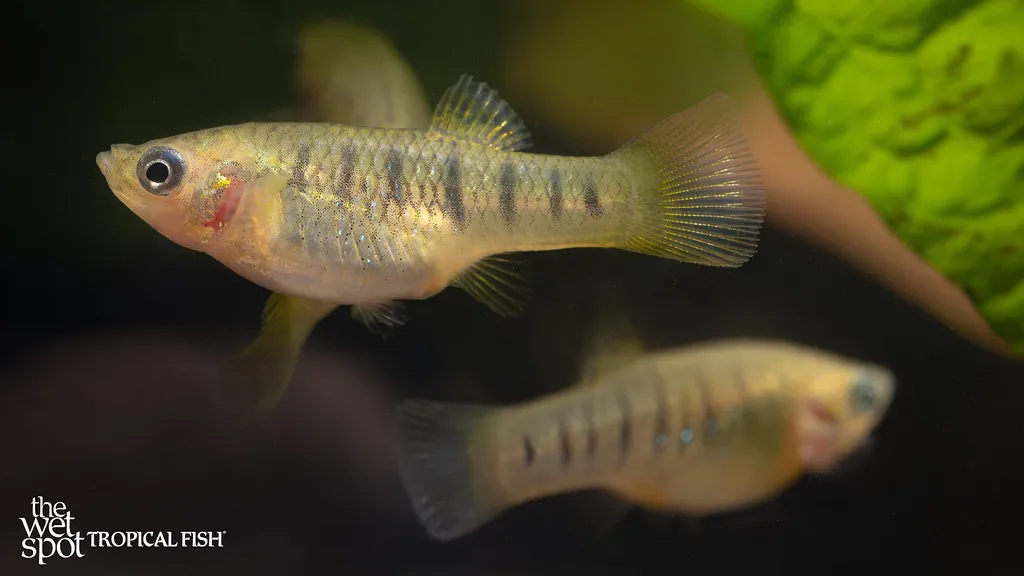 2.4 in (6 cm)20 gal (75 L)72–82°F (22–28°C)
Humpbacked limia
Limia nigrofasciata
2.4 in (6 cm) · 20 gal (75 L)
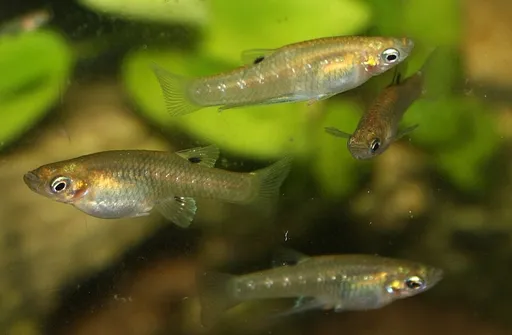 2.4 in (6 cm)11 gal (40 L)72–81°F (22–27°C)
Metallic livebearer
Girardinus metallicus
2.4 in (6 cm) · 11 gal (40 L)
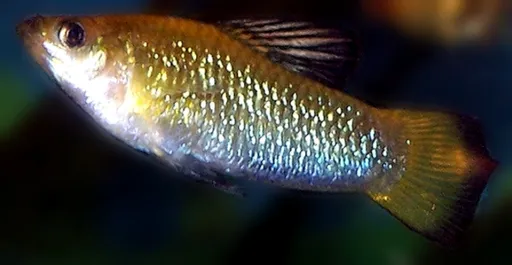 2.8 in (7 cm)20 gal (75 L)72–82°F (22–28°C)
Perugia's limia
Limia perugiae
2.8 in (7 cm) · 20 gal (75 L)
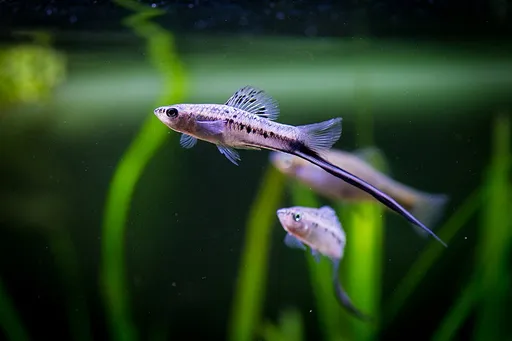 2.8 in (7 cm)24 gal (90 L)68–81°F (20–27°C)
Sheepshead swordtail
Xiphophorus birchmanni
2.8 in (7 cm) · 24 gal (90 L)
 3 in (7.6 cm)32 gal (120 L)75–82°F (24–28°C)
Knife livebearer
Alfaro cultratus
3 in (7.6 cm) · 32 gal (120 L)