Knife livebearer
Alfaro cultratus
FreshwaterFish
Care at a glance
- Temperature
- 75–82°F
- 24–28°C
- pH
- 6.5–7.5
- Adult size
- 3 in
- 7.6 cm
- Minimum tank
- 32 gal
- 120 L
- Temperament
- Mostly peaceful
- Social behavior
- Social
- Swim level
- Middle
- Difficulty
- Difficult
- Breeding
- Livebearer · Medium
- Rarity
- Rare
- Family
- Poeciliidae
- Origin
- Costa Rica, Nicaragua, Panama
Overview
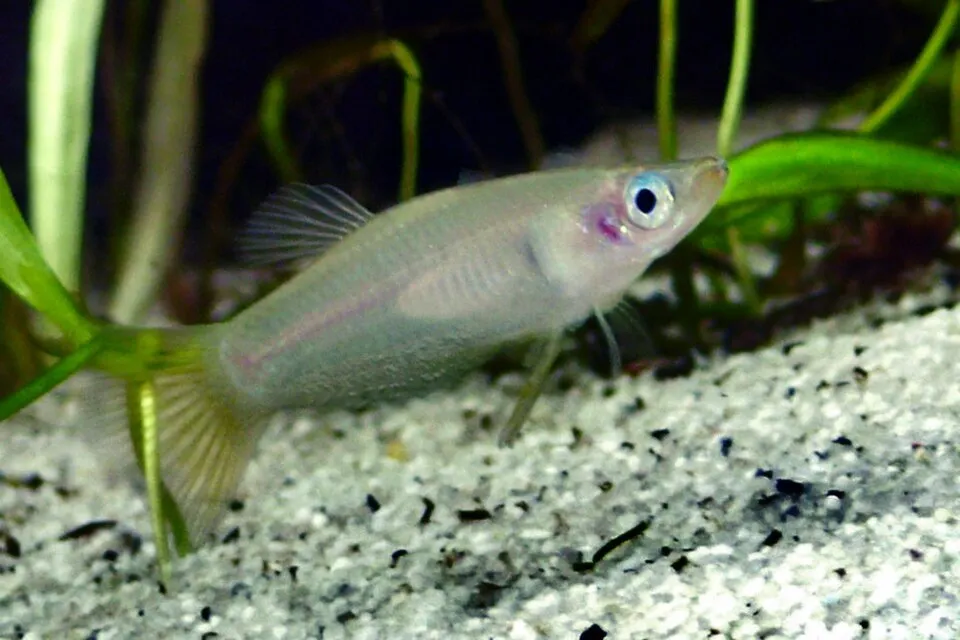
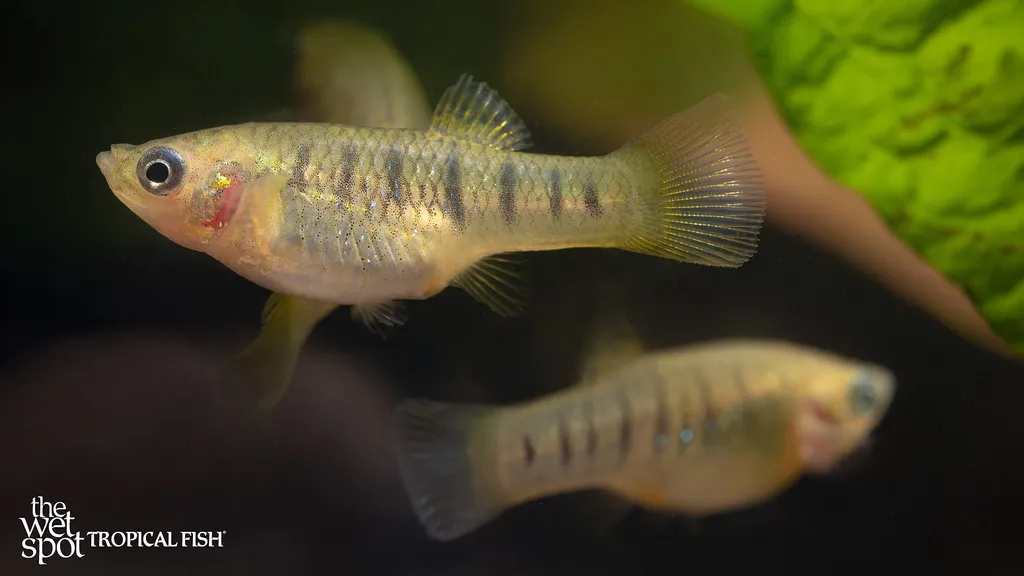
The knife livebearer is a slim, silvery livebearer for a calm, planted tank. It is a fish for experienced keepers.
Did you know
Studies have found that knife livebearers from streams full of predators grow slimmer, more knife-edged bodies than those from safer waters. That shape helps them dart away from danger.
Caring for the knife livebearer
Knife livebearers do best in a group. A tank of 32 gal (120 L) or larger gives a group the space it needs. A planted tank with clear swimming lanes suits them, and they spend most of their time in the middle.
Knife livebearers are a little demanding about clean water. Keep it very clean and stable, soft to moderately hard, at 75 to 82°F (24 to 28°C) and a pH of 6.5 to 7.5. Steady filtration, a gentle to moderate flow and good oxygen keep this slightly sensitive fish comfortable.
Feed a varied mix of flake, frozen and live foods. Knife livebearers can be shy, and they are mostly peaceful toward other species. Males squabble among themselves, so give a small single-species group room to spread out. Calm, similar-sized fish suit them as tank mates.
Males carry a gonopodium and long, extended pelvic fins, while females are larger and fuller. Males fertilize the females internally, and the females give birth to live young. Breeding is possible at home but takes some care.
Good to know
The knife livebearer, Alfaro cultratus, belongs to the family Poeciliidae. It is named for a keel of enlarged, overlapping scales along the lower edge of the tail. That keel gives the body a sharp, knife-like underside.
In the wild
The knife livebearer comes from the warm lowland streams and rivers of Costa Rica, Nicaragua and Panama. There it lives in flowing, well-oxygenated water.
Weekly picks
Tank mates
The knife livebearer is a mostly peaceful, social species that keeps to the middle. These picks share a community profile with it, are safe together in both directions, and overlap on water type, temperature and pH.
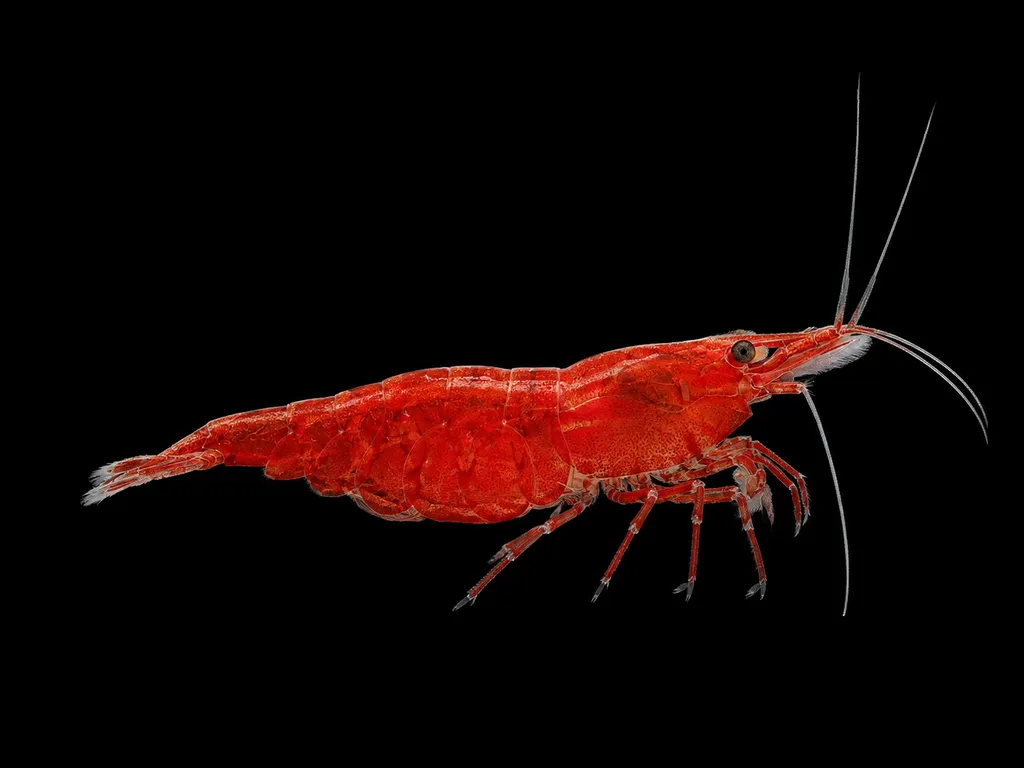
Neocaridina shrimp
Neocaridina davidi
Freshwater1.6 in (4 cm) · 5 gal (19 L)59–84°F (15–29°C)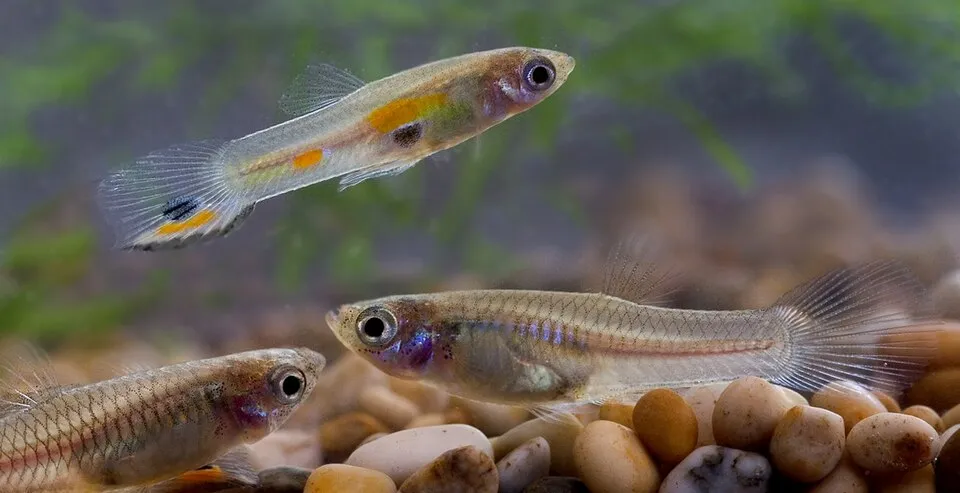
Guppy
Poecilia reticulata
FreshwaterBrackish2.4 in (6 cm) · 10 gal (38 L)64–82°F (18–28°C)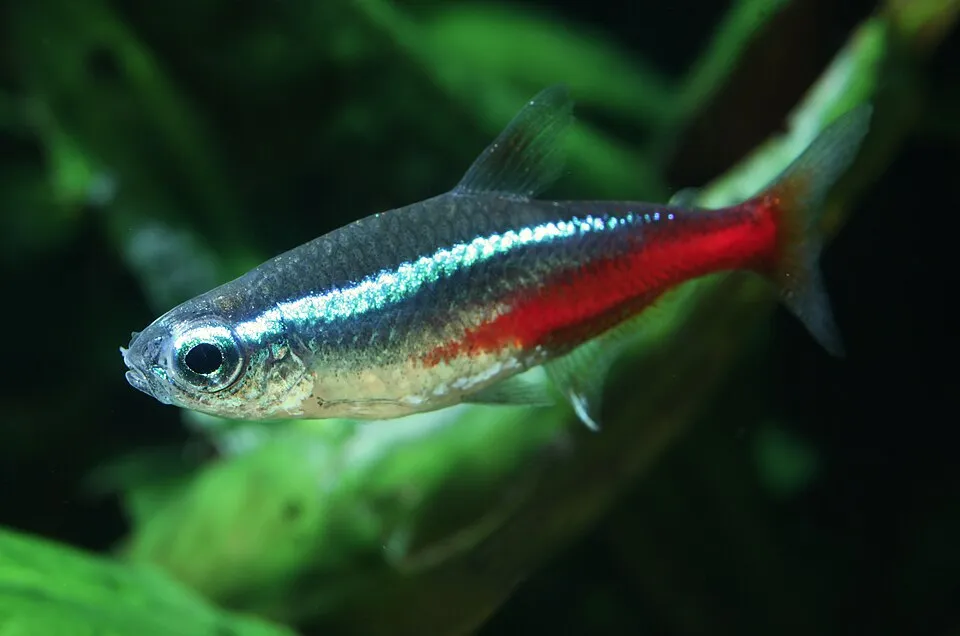
Neon tetra
Paracheirodon innesi
Freshwater1.5 in (3.8 cm) · 11 gal (40 L)70–77°F (21–25°C)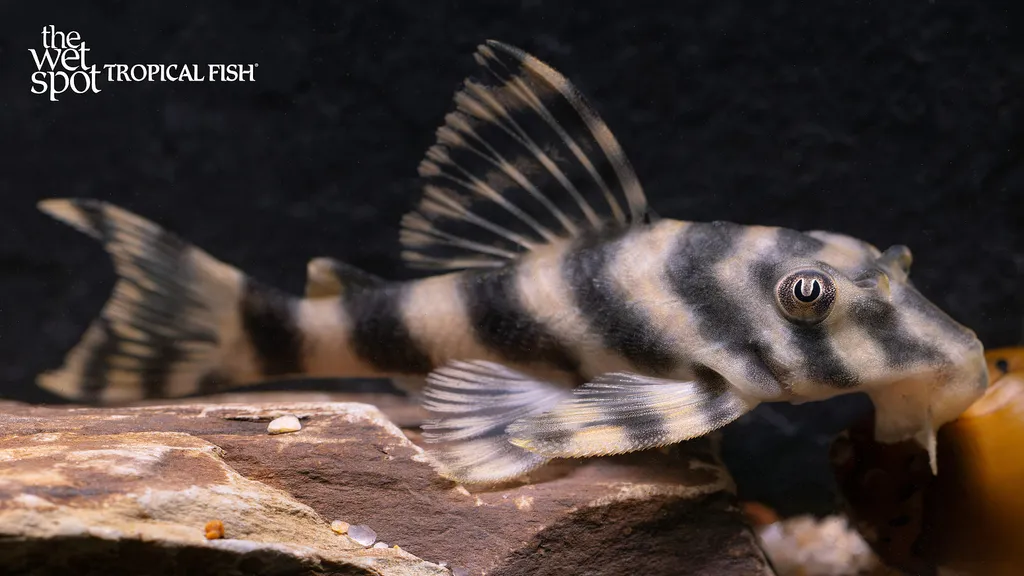
Candy striped pleco (L015)
Peckoltia vittata
Freshwater4.7 in (12 cm) · 30 gal (115 L)77–84°F (25–29°C)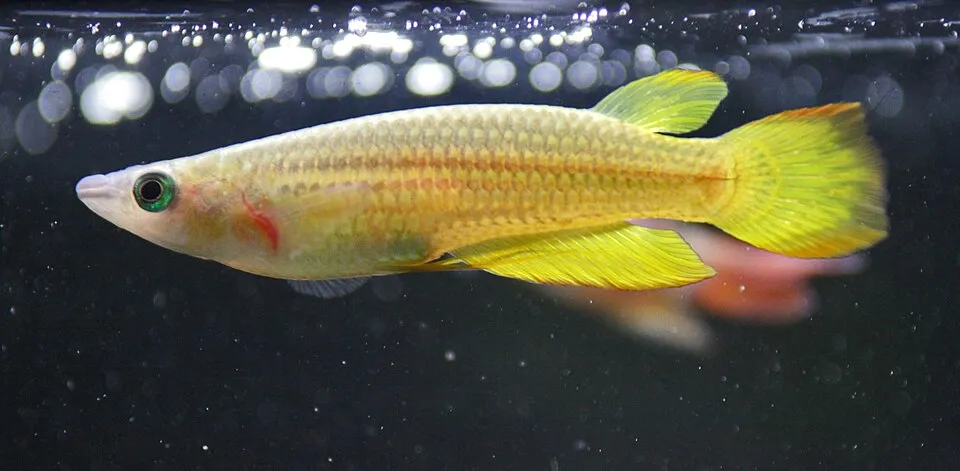
Striped panchax
Aplocheilus lineatus
Freshwater4.3 in (11 cm) · 30 gal (115 L)72–77°F (22–25°C)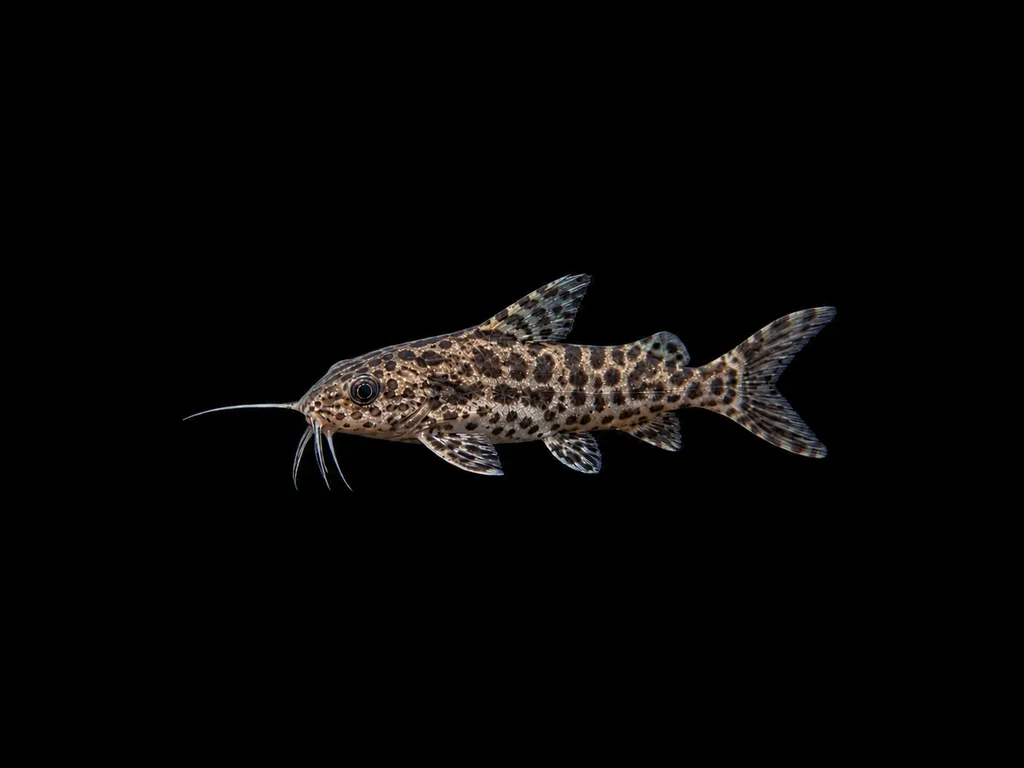
Bugeye squeaker
Synodontis contractus
Freshwater3.9 in (10 cm) · 30 gal (114 L)72–79°F (22–26°C)
Common questions
What size tank does a knife livebearer need?
A knife livebearer needs at least 32 gal (120 L). It spends most of its time in the middle.
What temperature and pH does a knife livebearer need?
A knife livebearer is comfortable at 75–82°F (24–28°C) with a pH of 6.5–7.5.
What does a knife livebearer eat?
A knife livebearer eats a varied mix of flake, frozen and live foods.
How big does a knife livebearer get?
An adult knife livebearer reaches about 3 in (7.6 cm).
How can you tell a male knife livebearer from a female?
Males carry a gonopodium and long, extended pelvic fins. Females are larger and fuller.
How does a knife livebearer breed?
A knife livebearer gives birth to live young after the male fertilizes the female internally. Breeding is possible at home but takes some care.
Related species
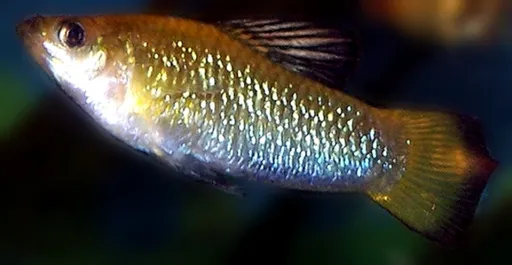
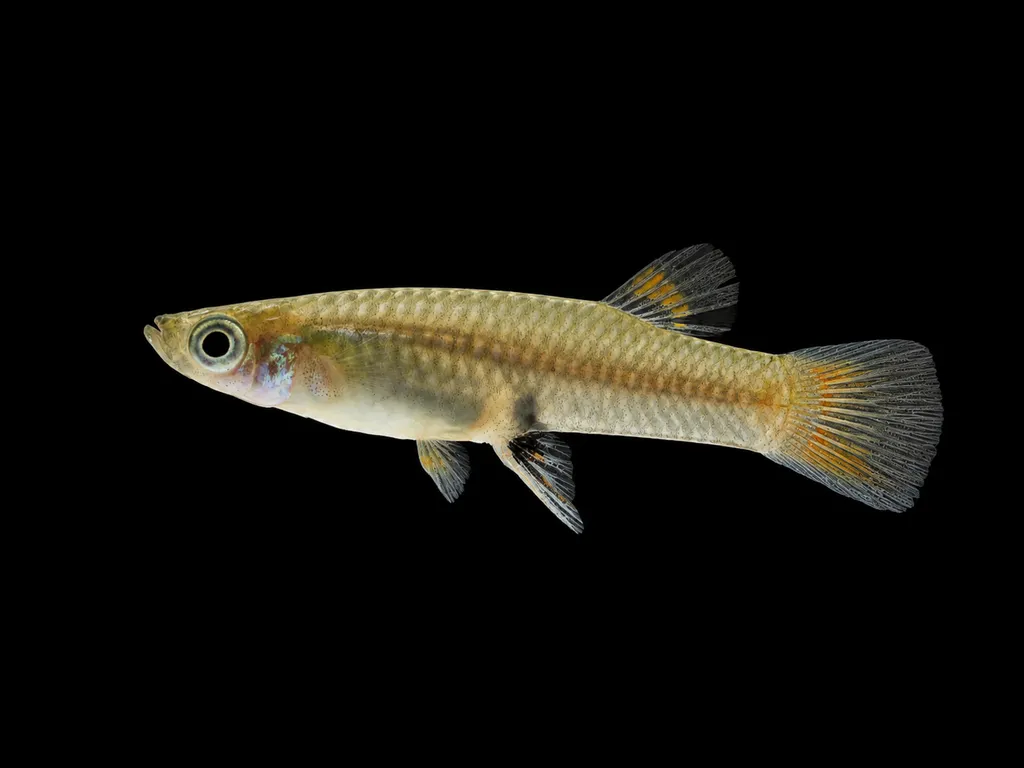 3 in (7.5 cm)11 gal (40 L)75–82°F (24–28°C)
Cascajal toothcarp
Brachyrhaphis cascajalensis
3 in (7.5 cm) · 11 gal (40 L)
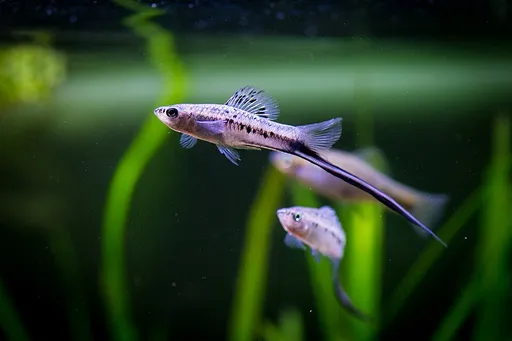
 2.8 in (7 cm)20 gal (75 L)72–82°F (22–28°C)
Perugia's limia
Limia perugiae
2.8 in (7 cm) · 20 gal (75 L)
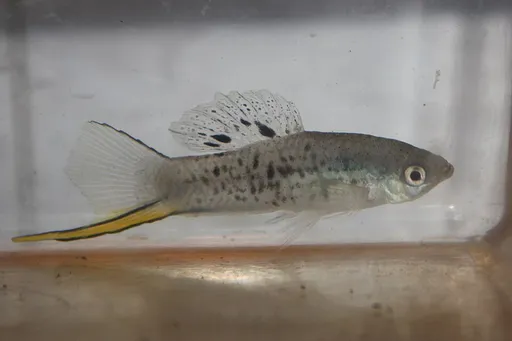
 2.8 in (7 cm)24 gal (90 L)68–81°F (20–27°C)
Sheepshead swordtail
Xiphophorus birchmanni
2.8 in (7 cm) · 24 gal (90 L)
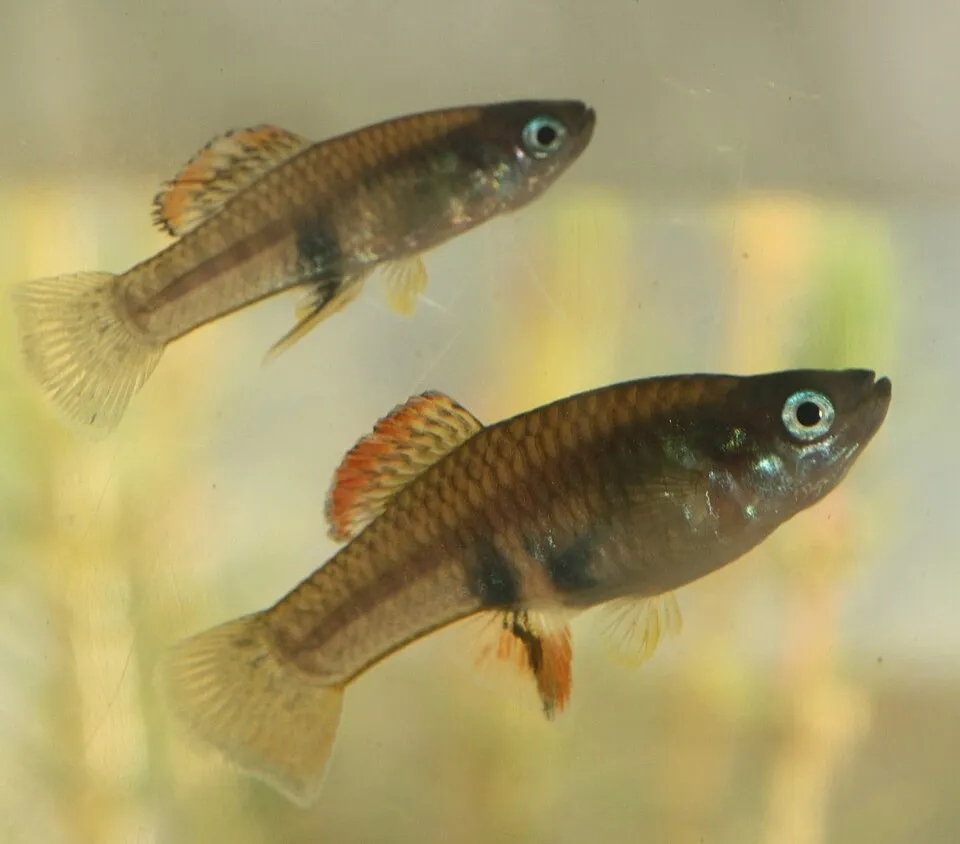
 3.5 in (9 cm)29 gal (110 L)68–79°F (20–26°C)
Northern mountain swordtail
Xiphophorus nezahualcoyotl
3.5 in (9 cm) · 29 gal (110 L)
 2.4 in (6 cm)16 gal (60 L)72–86°F (22–30°C)
Cardinal toothcarp
Brachyrhaphis roseni
2.4 in (6 cm) · 16 gal (60 L)
 2.4 in (6 cm)20 gal (75 L)72–82°F (22–28°C)
Humpbacked limia
Limia nigrofasciata
2.4 in (6 cm) · 20 gal (75 L)