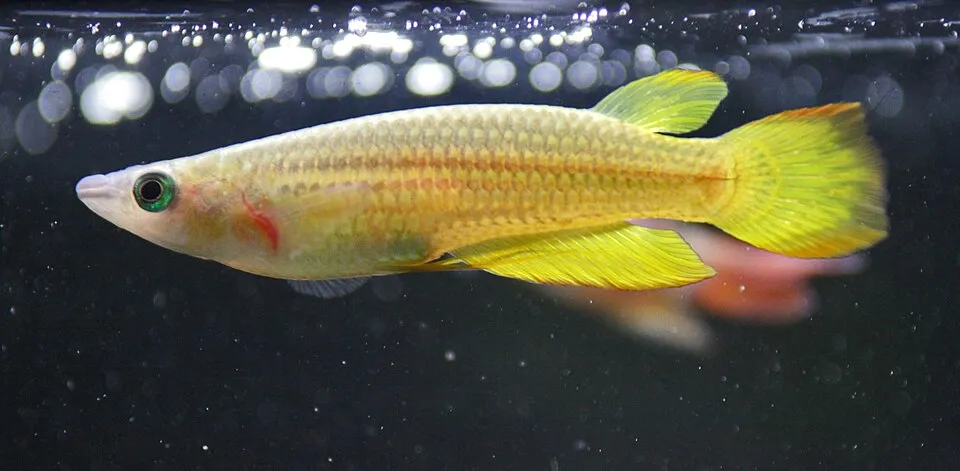
Striped panchax
Aplocheilus lineatus
Also known as Golden Wonder Killi
FreshwaterFish
Care at a glance
- Temperature
- 72–77°F
- 22–25°C
- pH
- 6.0–7.5
- Adult size
- 4.3 in
- 11 cm
- Minimum tank
- 30 gal
- 115 L
- Temperament
- Mostly peaceful
- Social behavior
- Shoaling
- Swim level
- Top
- Diet
- Carnivore
- Difficulty
- Easy
- Breeding
- Egg depositor · Hard
- Rarity
- Rare
- Family
- Aplocheilidae
- Origin
- India, Sri Lanka
Overview
The striped panchax is a large surface predator from South Asia. It is hardy and easy to keep.
Did you know
The striped panchax hangs just under the surface with its upturned mouth and top-set eyes trained upward. It waits there to snatch insects that land on the water, or fry that stray too close.
Caring for the striped panchax
Give striped panchax a tank of 30 gal (115 L) or more with a good footprint. Plant it well, with plenty of floating cover, open surface space and gentle flow. They are strong jumpers, so a snug lid with no gaps is one of the most important parts of the setup.
Keep the water warm at 72 to 77°F (22 to 25°C), with a pH of 6.0 to 7.5. Feed meaty live and frozen foods such as insects, bloodworms, blackworms and prawn, along with floating pellets.
Keep them in a loose group with fish of similar size, and choose companions carefully. They hunt and eat small tank mates.
A female striped panchax lays buoyant eggs among fine-leaved and floating plants over many days, and they hatch in around two weeks. Breeding them consistently is hard, mainly because the fry hatch in dribs over a long period. The fry need careful, staggered rearing.
Good to know
The striped panchax is a non-annual, plant-spawning killifish and one of the larger members of the family Aplocheilidae. Its flattened head is built for hunting at the surface. Its gold form is sold in the hobby as the golden wonder killifish.
In the wild
The striped panchax is native to India and Sri Lanka. It lives right at the surface of slow streams, ponds, ditches, paddy fields and other still or gently moving fresh waters.
Weekly picks
Tank mates
The striped panchax is a mostly peaceful, shoaling species that keeps to the top. These picks share a community profile with it, are safe together in both directions, and overlap on water type, temperature and pH.
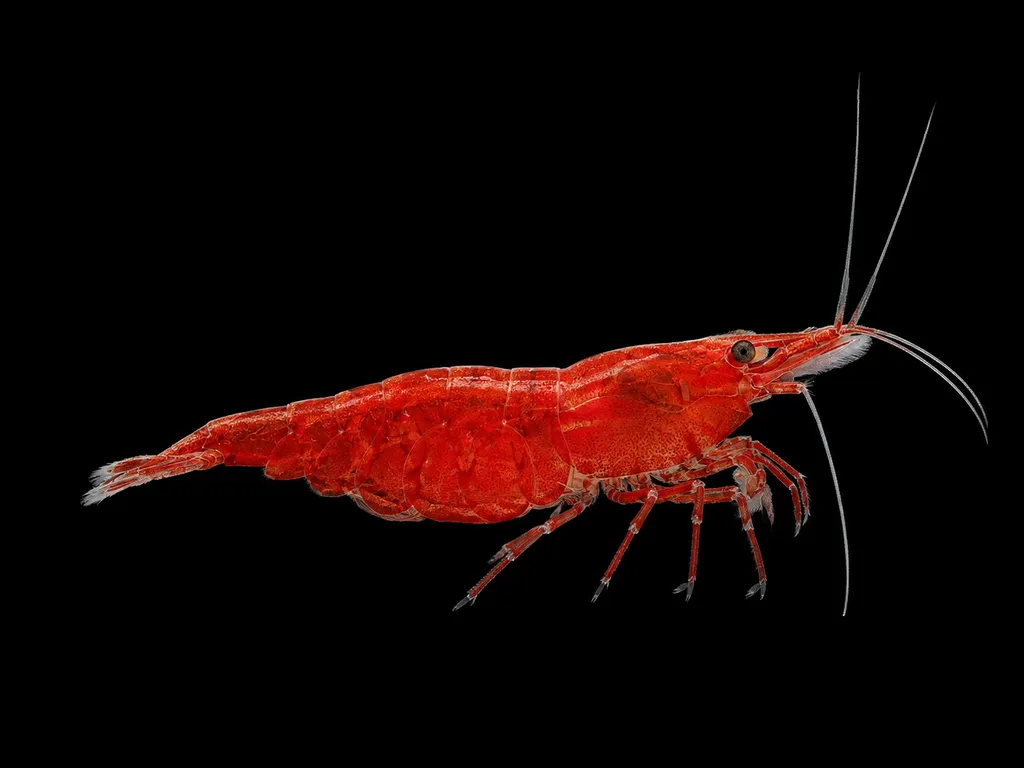
Neocaridina shrimp
Neocaridina davidi
Freshwater1.6 in (4 cm) · 5 gal (19 L)59–84°F (15–29°C)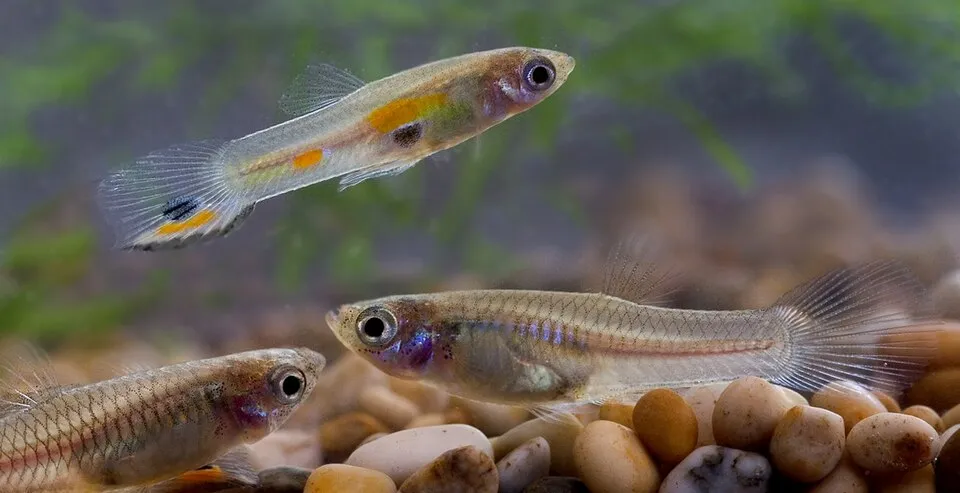
Guppy
Poecilia reticulata
FreshwaterBrackish2.4 in (6 cm) · 10 gal (38 L)64–82°F (18–28°C)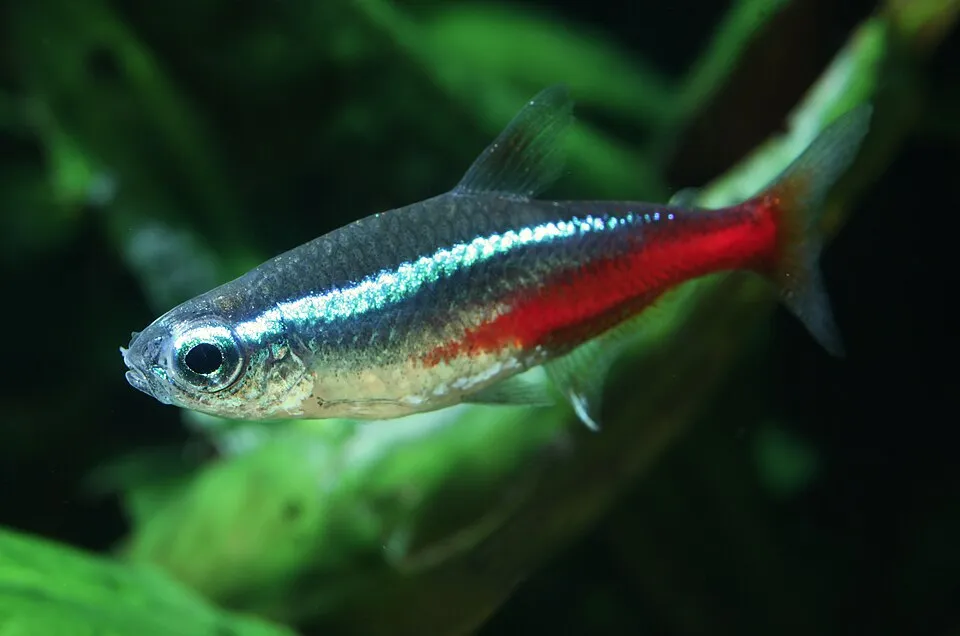
Neon tetra
Paracheirodon innesi
Freshwater1.5 in (3.8 cm) · 11 gal (40 L)70–77°F (21–25°C)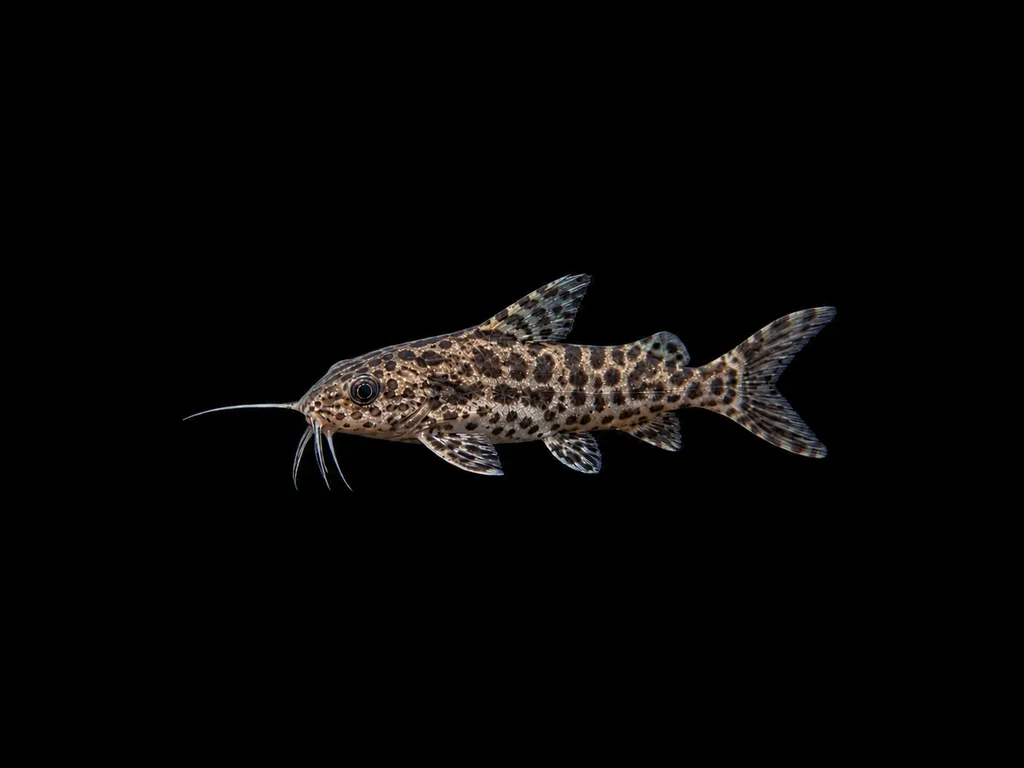
Bugeye squeaker
Synodontis contractus
Freshwater3.9 in (10 cm) · 30 gal (114 L)72–79°F (22–26°C)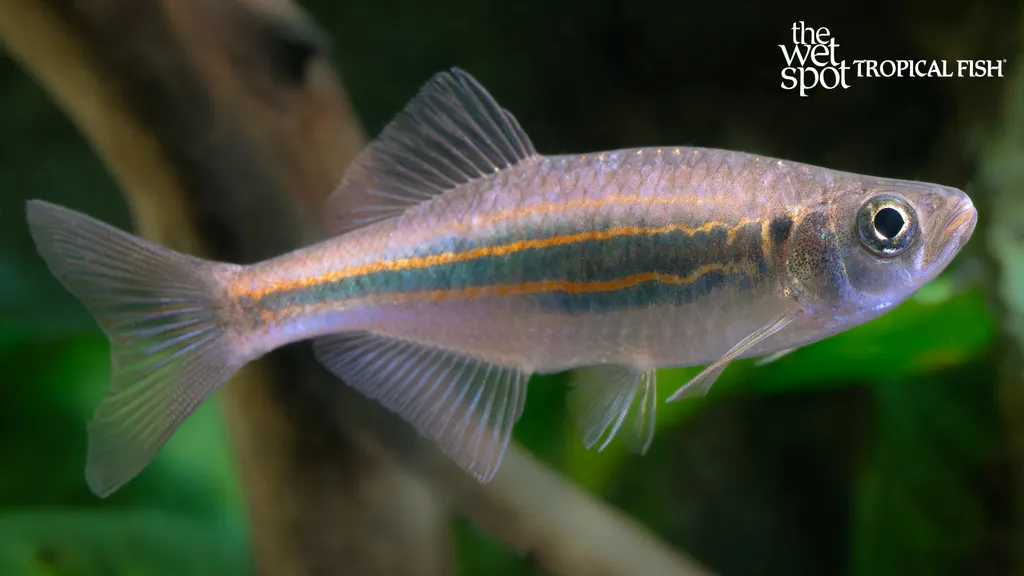
Queen danio
Devario regina
Freshwater3.1 in (8 cm) · 30 gal (115 L)68–79°F (20–26°C)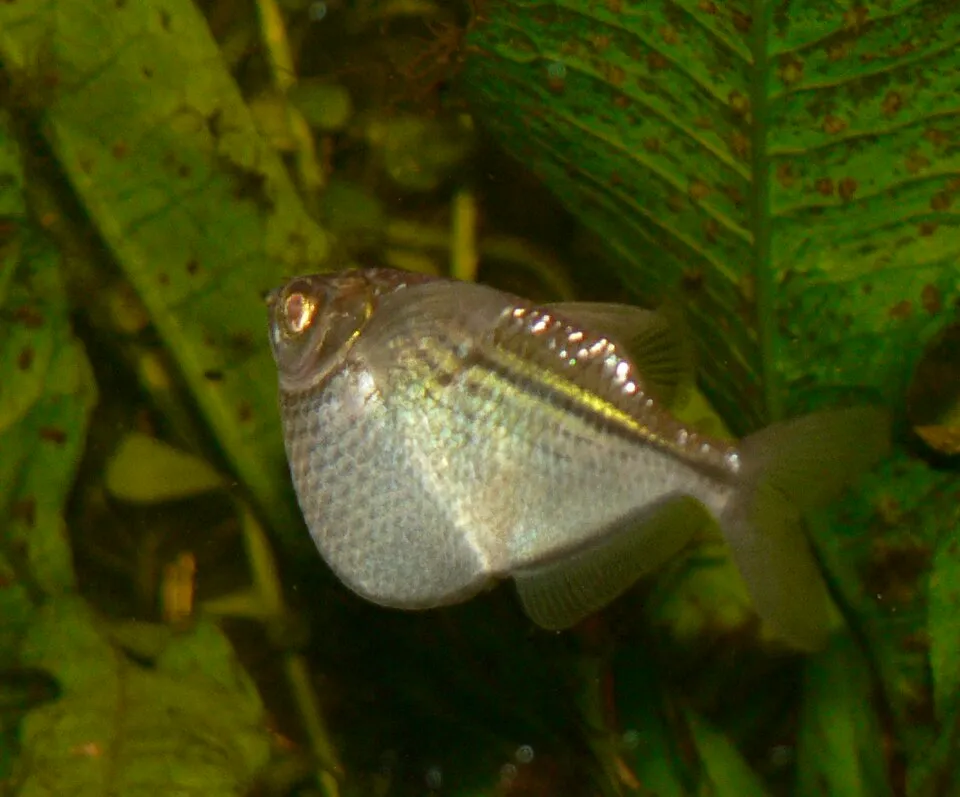
Common hatchetfish
Gasteropelecus sternicla
Freshwater1.6 in (4 cm) · 33 gal (125 L)68–82°F (20–28°C)
Common questions
What size tank does a striped panchax need?
A striped panchax needs at least 30 gal (115 L). It spends most of its time in the top.
What temperature and pH does a striped panchax need?
A striped panchax is comfortable at 72–77°F (22–25°C) with a pH of 6.0–7.5.
What does a striped panchax eat?
A striped panchax eats meaty live and frozen foods such as insects, bloodworms, blackworms and prawn. Add floating pellets as well.
How big does a striped panchax get?
An adult striped panchax reaches about 4.3 in (11 cm).
Does a striped panchax need a group?
Yes. A striped panchax is a shoaling species and should be kept in a group, not singly.
How does a striped panchax breed?
Striped panchax females lay buoyant eggs among fine-leaved and floating plants over many days, and the eggs hatch in around two weeks. Breeding is hard because the fry hatch in dribs and need careful, staggered rearing.
Related species
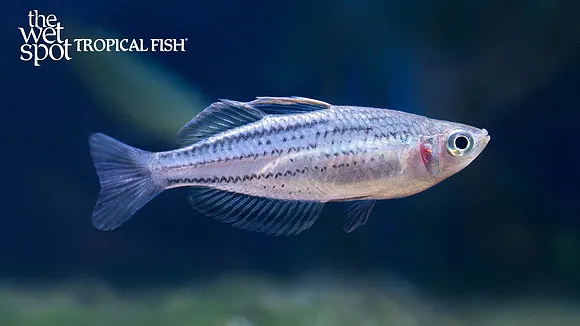
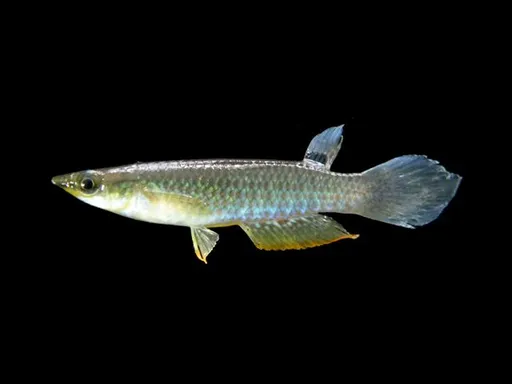 3.5 in (9 cm)20 gal (75 L)72–82°F (22–28°C)
Blue panchax
Aplocheilus panchax
3.5 in (9 cm) · 20 gal (75 L)
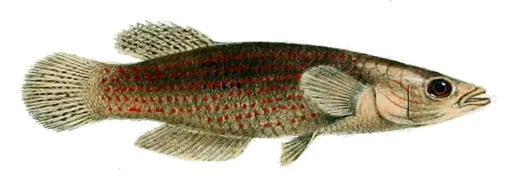
 2 in (5 cm)11 gal (40 L)72–82°F (22–28°C)
Green panchax
Aplocheilus blockii
2 in (5 cm) · 11 gal (40 L)
 3.9 in (10 cm)20 gal (75 L)72–77°F (22–25°C)
Playfair's panchax
Pachypanchax playfairii
3.9 in (10 cm) · 20 gal (75 L)
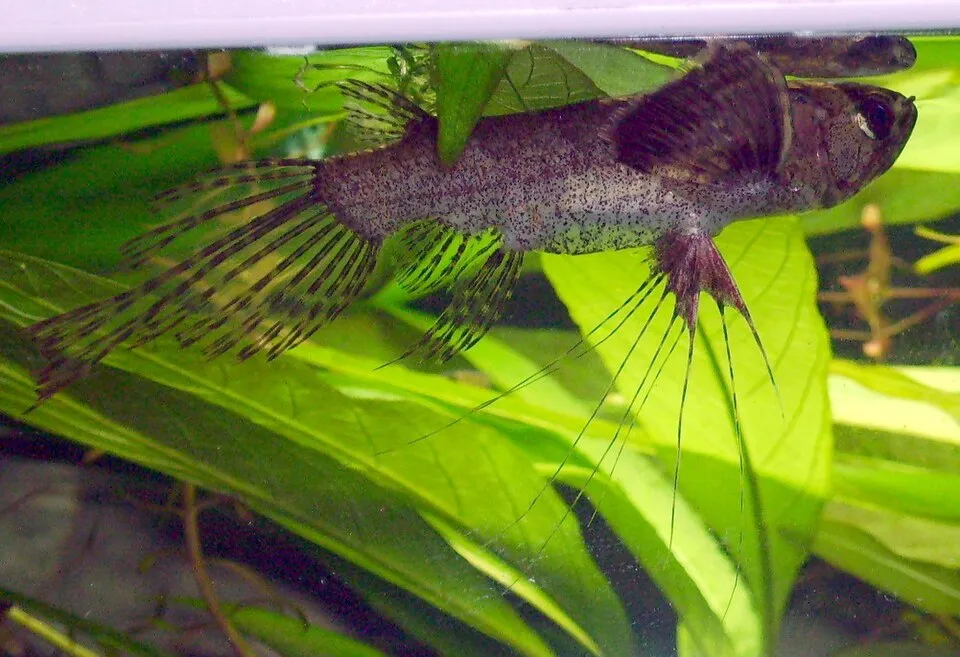 4.7 in (12 cm)25 gal (95 L)73–86°F (23–30°C)
African butterflyfish
Pantodon buchholzi
4.7 in (12 cm) · 25 gal (95 L)
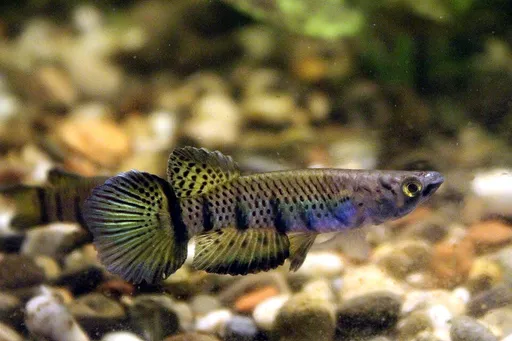 3.9 in (10 cm)20 gal (75 L)72–81°F (22–27°C)
Six-barred panchax
Epiplatys sexfasciatus
3.9 in (10 cm) · 20 gal (75 L)
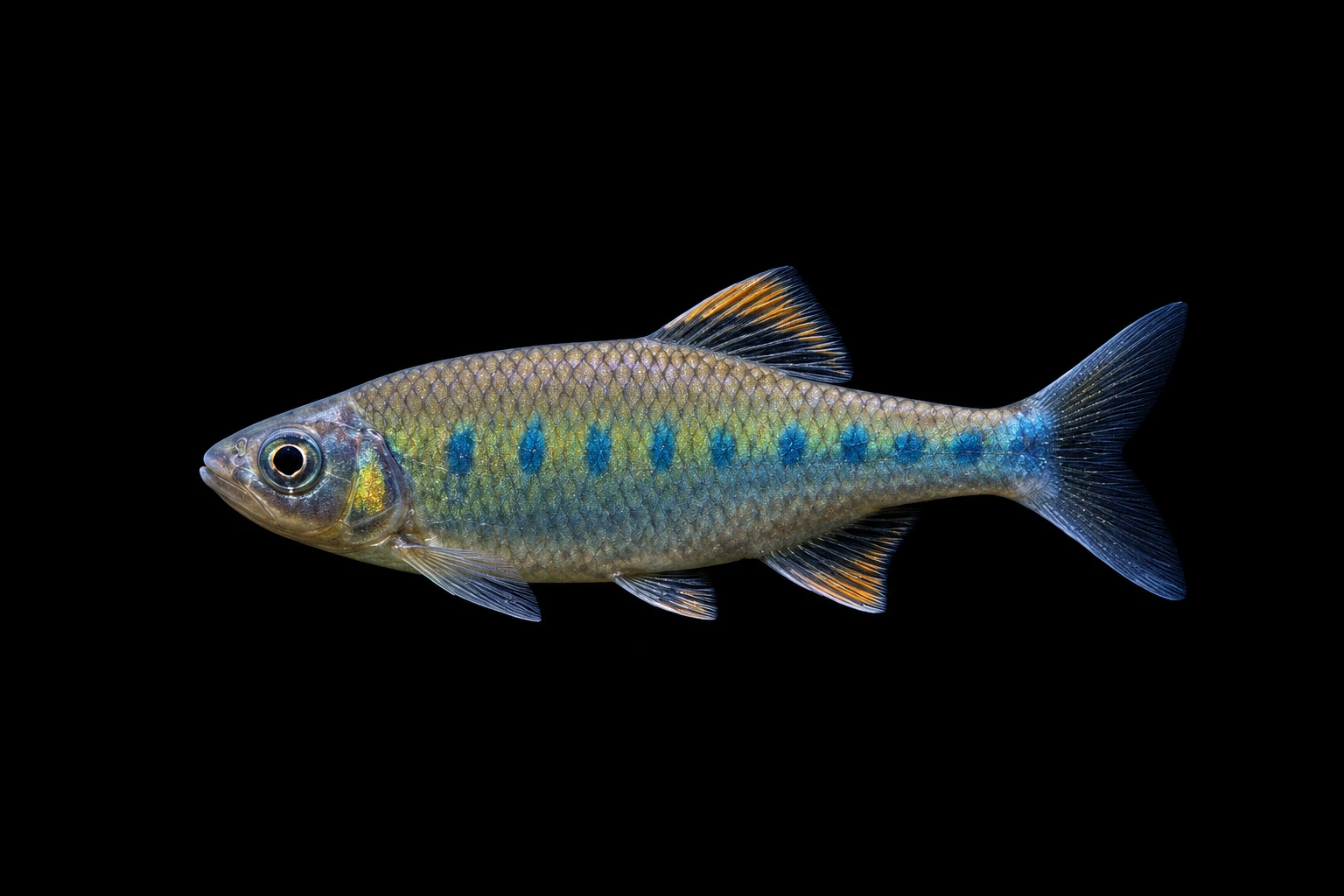 5.1 in (13 cm)53 gal (200 L)64–79°F (18–26°C)
Blue spotted hill trout
Barilius bakeri
5.1 in (13 cm) · 53 gal (200 L)