Queen danio
Devario regina
FreshwaterFish
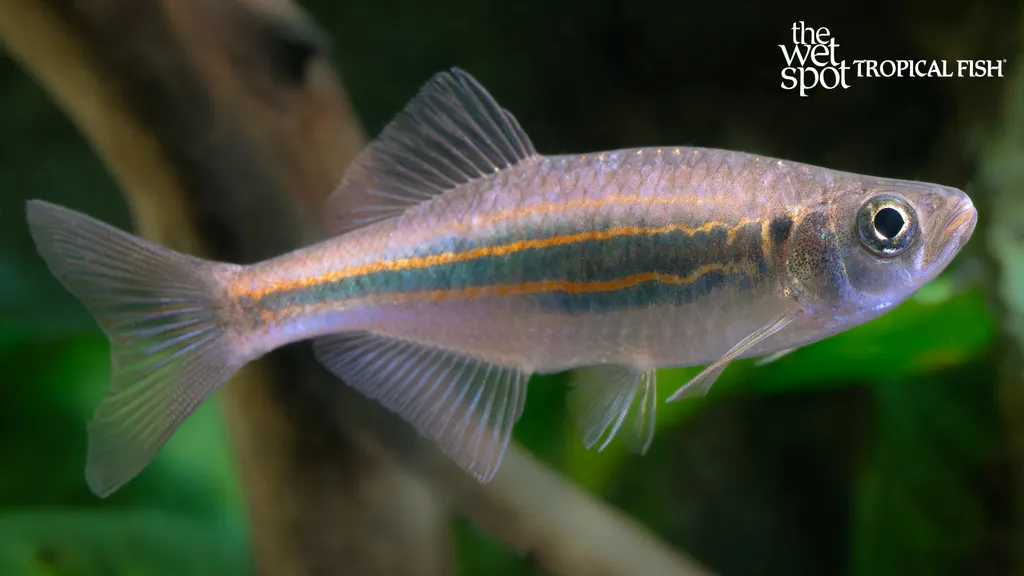
Care at a glance
- Temperature
- 68–79°F
- 20–26°C
- pH
- 6.0–7.5
- Adult size
- 3.1 in
- 8 cm
- Minimum tank
- 30 gal
- 115 L
- Temperament
- Peaceful
- Social behavior
- Schooling
- Swim level
- Middle
- Difficulty
- Medium
- Breeding
- Egg scatterer · Medium
- Rarity
- Rare
- Family
- Cyprinidae
- Origin
- Thailand, Myanmar
Overview
The queen danio is a fast, slim danio for an active community tank with room to swim. It asks a little more of its keeper than the easiest fish.
Did you know
The queen danio's species name, regina, is Latin for queen. It was chosen for the fish's graceful lines and the bands that run the length of its body.
Caring for the queen danio
Give queen danios a tank of at least 30 gal (115 L), so these restless danios can swim freely. Set it up with a good current, a base of sand and rounded gravel, and water-worn stone and driftwood. Keep planting to the sides and leave a long, open central lane, since they spend the day cruising rather than hiding.
Queen danios are powerful jumpers, like other danios, and can launch themselves clear of the water. A well-fitting lid is essential. Keep the water at 68 to 79°F (20 to 26°C) and a pH of 6.0 to 7.5. They eat almost anything and take flake, pellets, and frozen or live foods with enthusiasm.
Keep a group of at least six, and more where there is room. A larger shoal keeps them relaxed and shows off their shimmering stripes. They are fast, peaceful swimmers of the middle and upper water. They suit an active community of other robust, quick species rather than slow or delicate tank mates.
Queen danios are egg-scattering spawners that do not guard their eggs. They can be bred in a dedicated tank, which takes moderate effort.
Good to know
Devario regina is a slim, silvery danio in the family Cyprinidae. It is marked with iridescent blue-green and gold horizontal stripes that flash as it turns in the light.
In the wild
The queen danio is native to clear, flowing hill streams and rivers in Thailand and Myanmar. It lives over rock and gravel in cool to warm, well-oxygenated water.
Weekly picks
Tank mates
The queen danio is a peaceful, schooling species that keeps to the middle. These picks share a community profile with it, are safe together in both directions, and overlap on water type, temperature and pH.
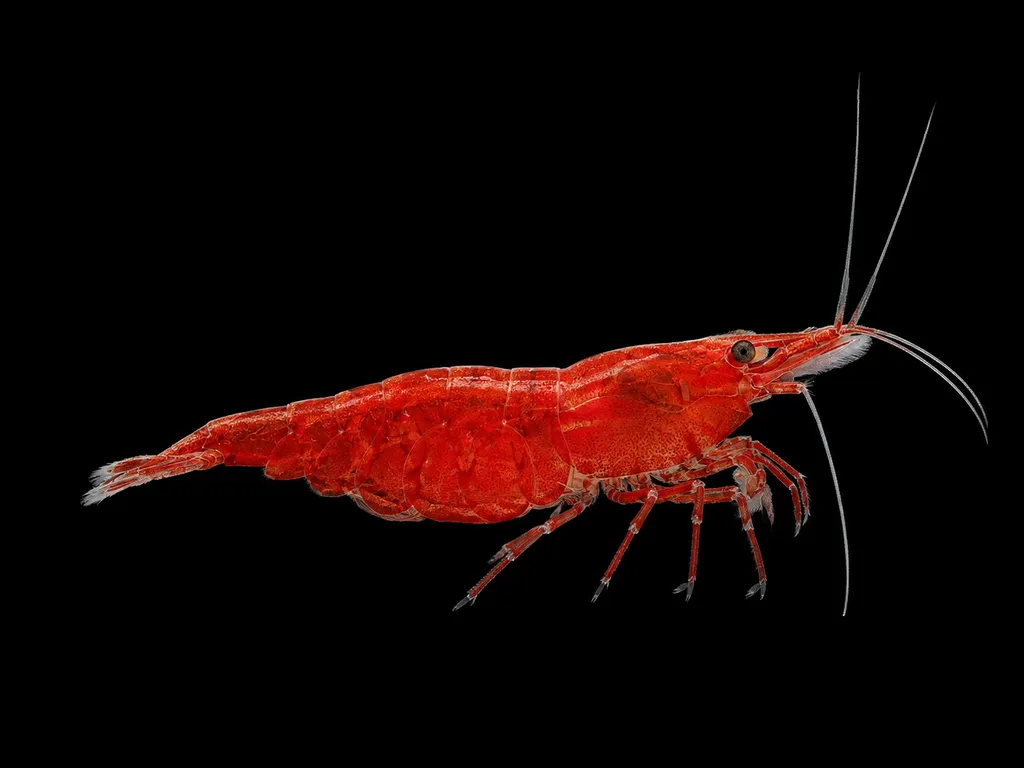
Neocaridina shrimp
Neocaridina davidi
Freshwater1.6 in (4 cm) · 5 gal (19 L)59–84°F (15–29°C)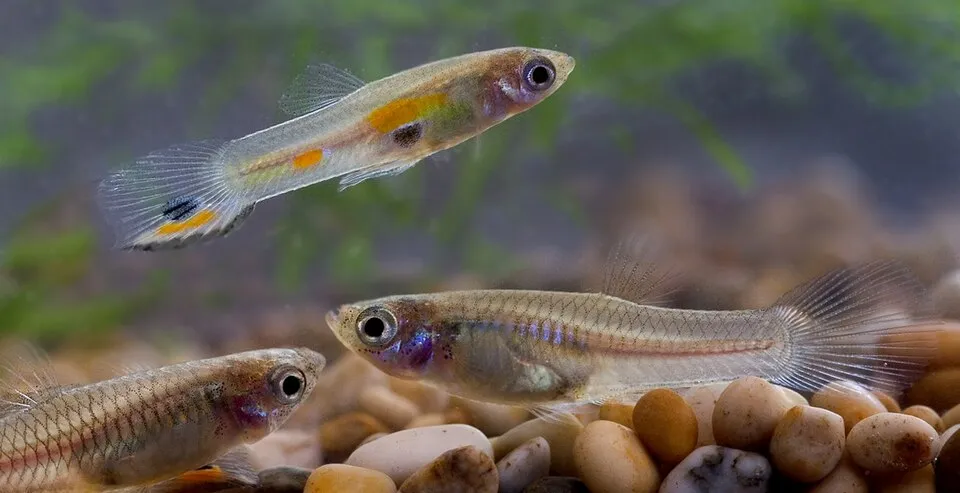
Guppy
Poecilia reticulata
FreshwaterBrackish2.4 in (6 cm) · 10 gal (38 L)64–82°F (18–28°C)
Neon tetra
Paracheirodon innesi
Freshwater1.5 in (3.8 cm) · 11 gal (40 L)70–77°F (21–25°C)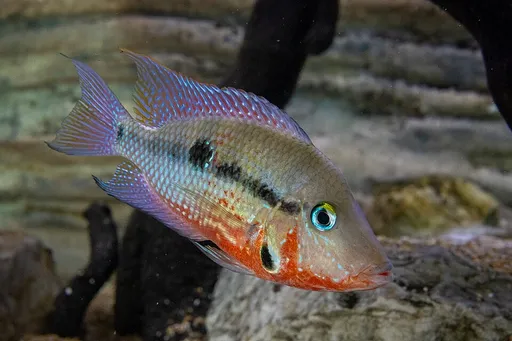
Firemouth cichlid
Thorichthys meeki
Freshwater5.9 in (15 cm) · 30 gal (115 L)73–82°F (23–28°C)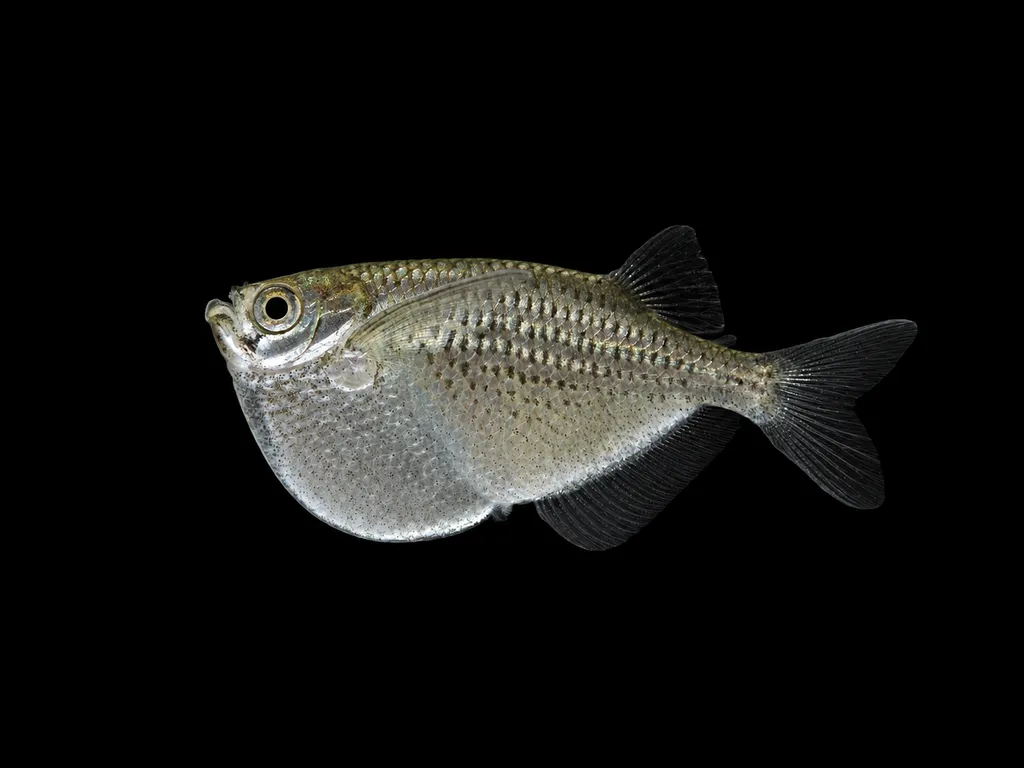
Silver hatchetfish
Gasteropelecus levis
Freshwater1.4 in (3.5 cm) · 30 gal (112 L)73–82°F (23–28°C)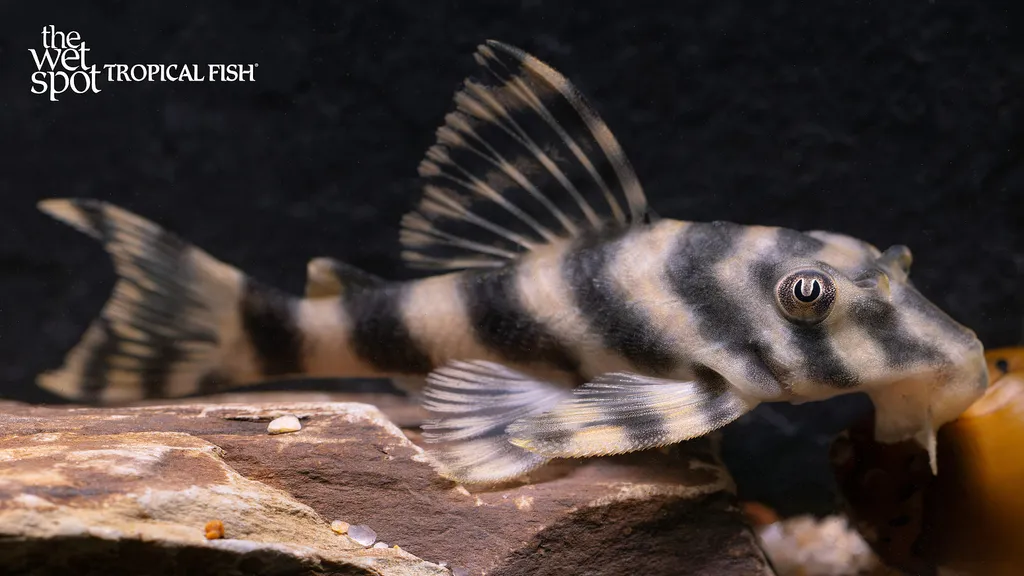
Candy striped pleco (L015)
Peckoltia vittata
Freshwater4.7 in (12 cm) · 30 gal (115 L)77–84°F (25–29°C)
Common questions
What size tank does a queen danio need?
A queen danio needs at least 30 gal (115 L). It spends most of its time in the middle.
What temperature and pH does a queen danio need?
A queen danio is comfortable at 68–79°F (20–26°C) with a pH of 6.0–7.5.
What does a queen danio eat?
A queen danio eats almost anything. It takes flake, pellets, and frozen or live foods eagerly.
How big does a queen danio get?
An adult queen danio reaches about 3.1 in (8 cm).
Does a queen danio need a group?
Yes. A queen danio is a schooling species and should be kept in a group, not singly.
How does a queen danio breed?
Queen danios scatter their eggs and do not guard them. They can be bred in a dedicated tank, and it takes moderate effort.
Related species
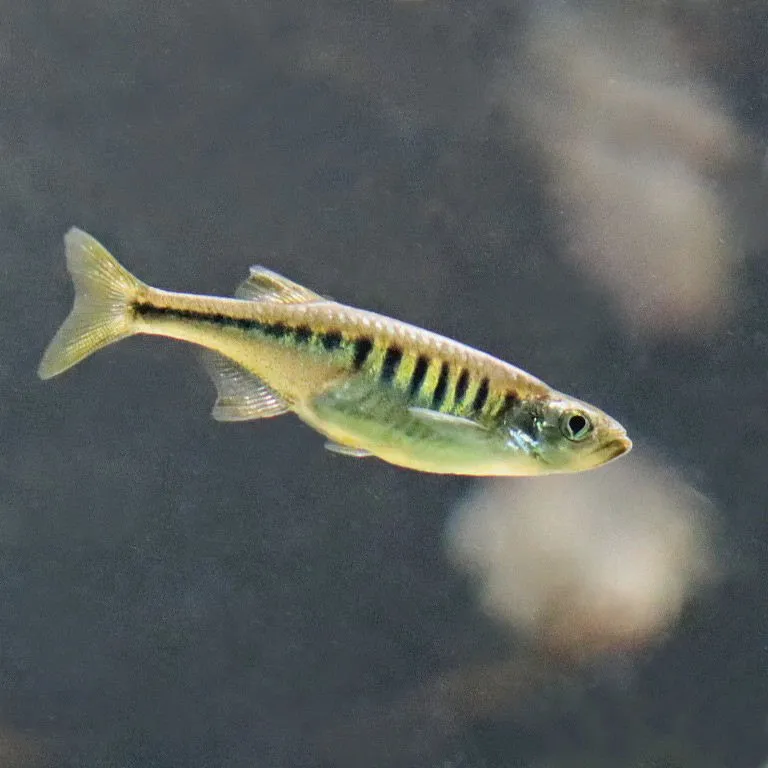 3.1 in (8 cm)24 gal (90 L)64–77°F (18–25°C)
Lake Inle danio
Devario auropurpureus
3.1 in (8 cm) · 24 gal (90 L)
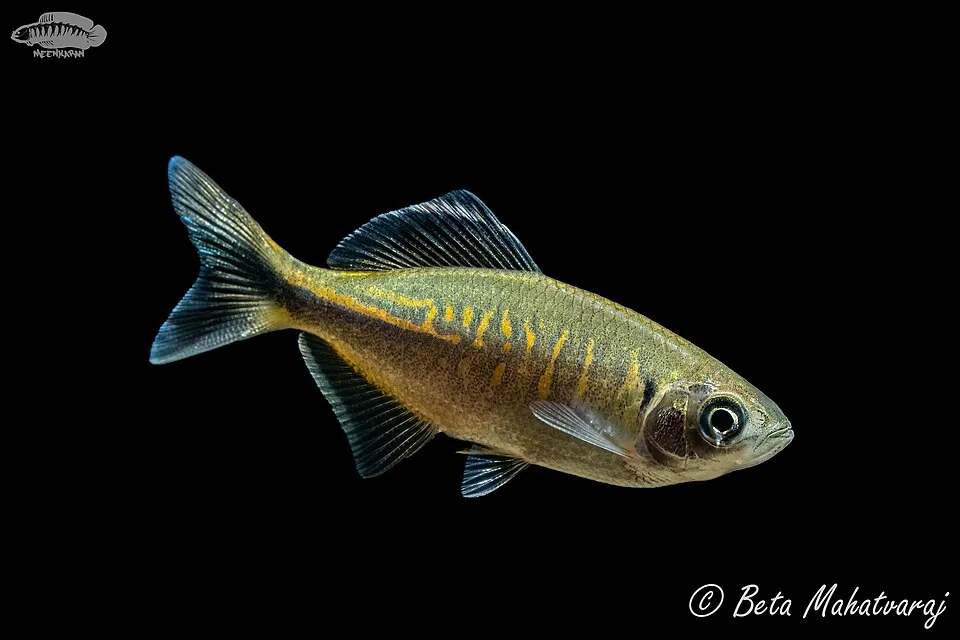 3.5 in (9 cm)34 gal (130 L)59–81°F (15–27°C)
Bengal danio
Devario devario
3.5 in (9 cm) · 34 gal (130 L)
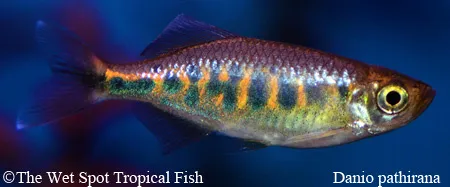 2.4 in (6 cm)24 gal (90 L)70–79°F (21–26°C)
Barred danio
Devario pathirana
2.4 in (6 cm) · 24 gal (90 L)
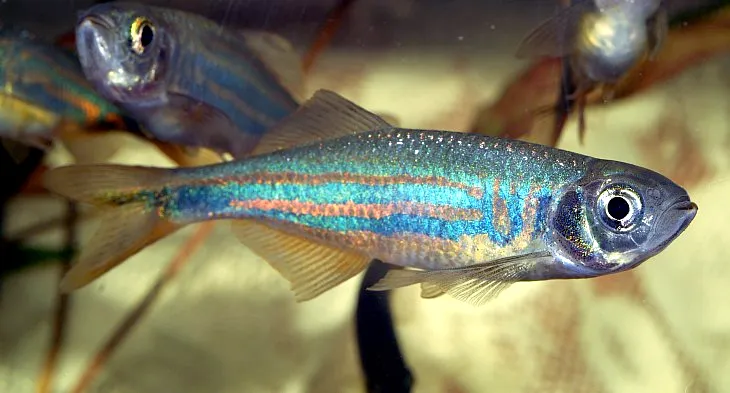 5.1 in (13 cm)48 gal (180 L)64–77°F (18–25°C)
Malabar danio
Devario malabaricus
5.1 in (13 cm) · 48 gal (180 L)
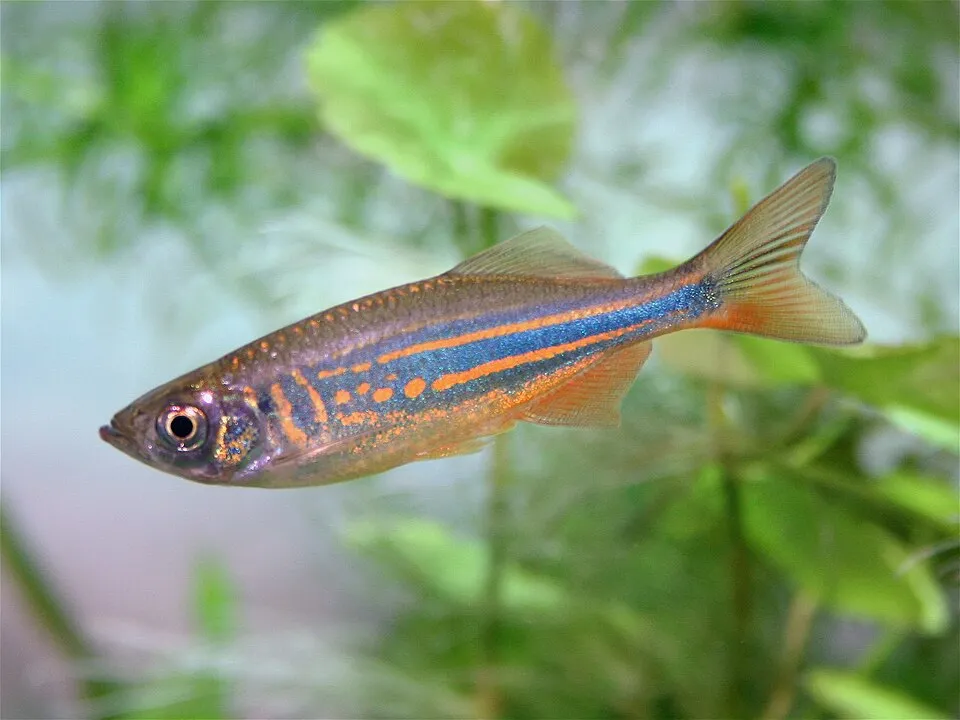 5.9 in (15 cm)50 gal (190 L)72–81°F (22–27°C)
Giant danio
Devario aequipinnatus
5.9 in (15 cm) · 50 gal (190 L)
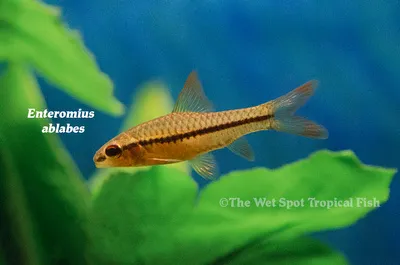 3.1 in (8 cm)24 gal (90 L)72–81°F (22–27°C)
Ablabes barb
Enteromius ablabes
3.1 in (8 cm) · 24 gal (90 L)