Green panchax
Aplocheilus blockii
Also known as Dwarf panchax, Green dwarf panchax, Block's panchax
FreshwaterFish
Care at a glance
- Temperature
- 72–82°F
- 22–28°C
- pH
- 6.0–7.5
- Adult size
- 2 in
- 5 cm
- Minimum tank
- 11 gal
- 40 L
- Temperament
- Mostly peaceful
- Social behavior
- Social
- Swim level
- Top
- Difficulty
- Easy
- Breeding
- Medium
- Rarity
- Rare
- Family
- Aplocheilidae
- Origin
- Native to still and slow lowland waters, including rice paddies and coastal swamps, in southern India and Sri Lanka.
Overview
A small group is happy in a planted 40 litre tank at 22 to 28 C and soft to neutral water of pH 6.0 to 7.5, with floating plants to break the surface. It is peaceful toward fish it cannot swallow but will eat tiny tankmates and shrimp fry, so match companions to its size. Feed floating and surface foods such as small live insects, mosquito larvae, daphnia, brine shrimp, and flake. It spawns steadily on fine plants near the surface.
In the wild
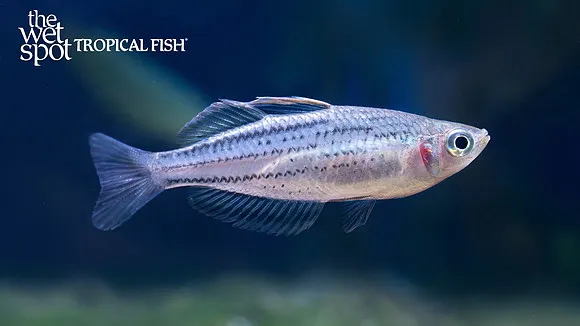
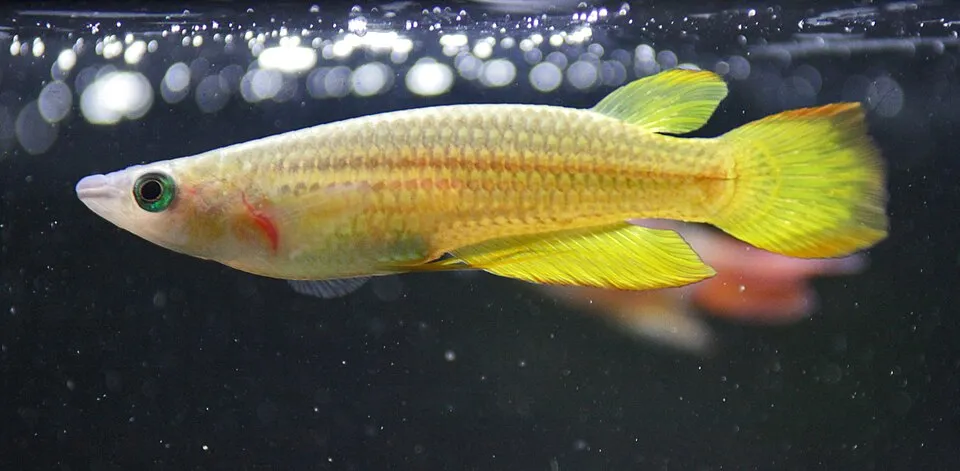
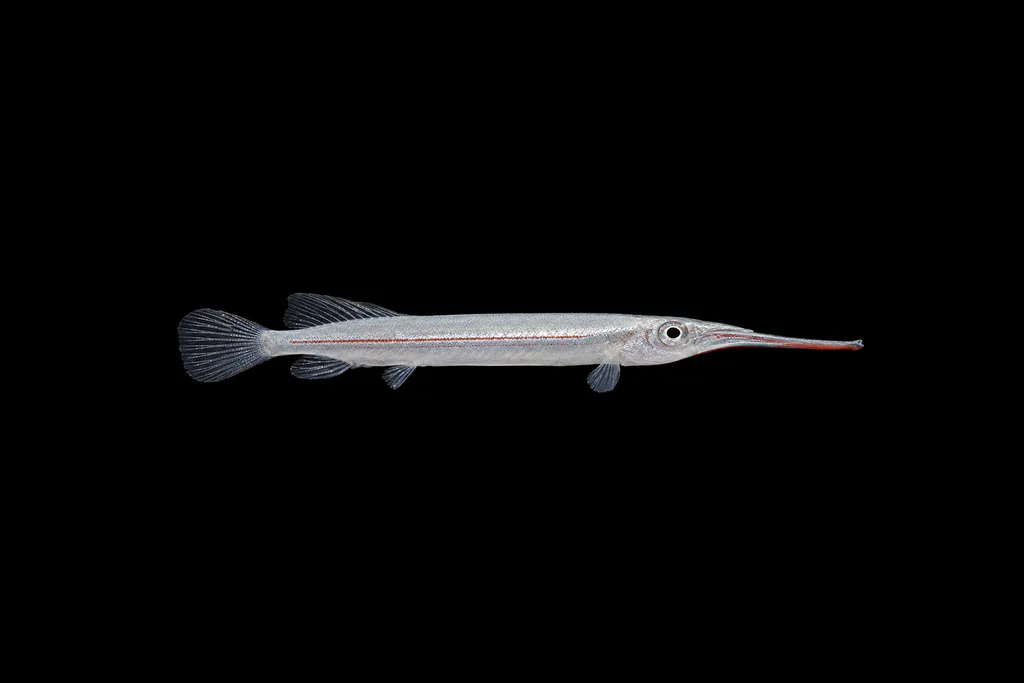
It lives near the surface of still or slow, often shallow waters such as ponds, ditches, rice fields, and mangrove edges, and it tolerates a little salt. Males are greenish with a scatter of iridescent and red spots, and both sexes have the flat-topped head and upturned mouth of a surface hunter. A planted tank of about 40 litres with floating plants, calm water, and a tight lid suits a small group.
Good to know
Aplocheilus blockii is the smallest of the Asian panchax and is often called the dwarf panchax, usually staying near 4 cm. It is euryhaline, meaning it copes with fresh and slightly brackish water, and in the wild it is a lurking predator of insects at the surface. It is a non-annual, plant-spawning killifish.
Did you know
It hangs just under the surface with its upturned mouth ready to snatch insects that land on the water, the same hunting style as its larger golden wonder relative.
Weekly picks
Tank mates
Green panchax is a mostly peaceful, social species that keeps to the top. These picks share a community profile with it, are safe together in both directions, and overlap on water type, temperature and pH.
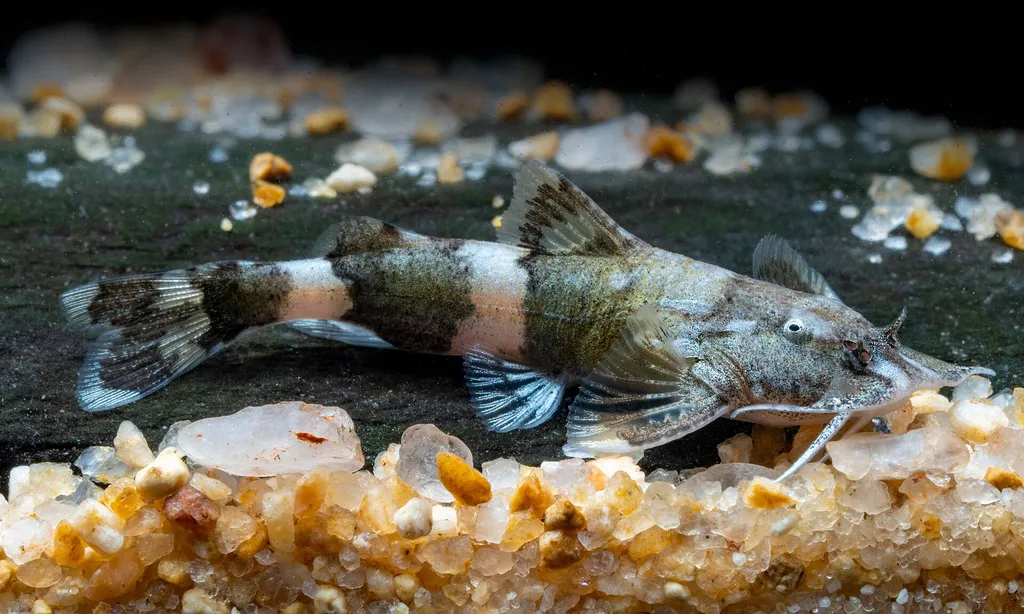
Cheetah moth catfish
Pseudolaguvia shawi
Freshwater1.5 in (3.8 cm) · 11 gal (40 L)68–79°F (20–26°C)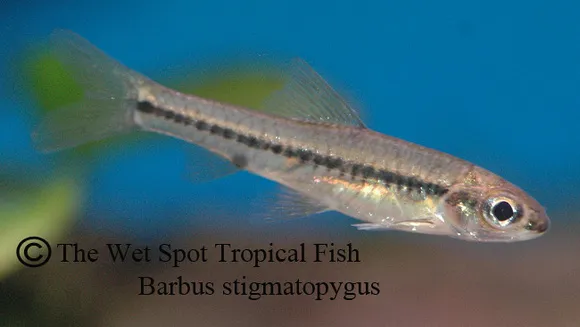
Blackspot dwarf barb
Enteromius stigmatopygus
Freshwater1.4 in (3.5 cm) · 11 gal (40 L)72–81°F (22–27°C)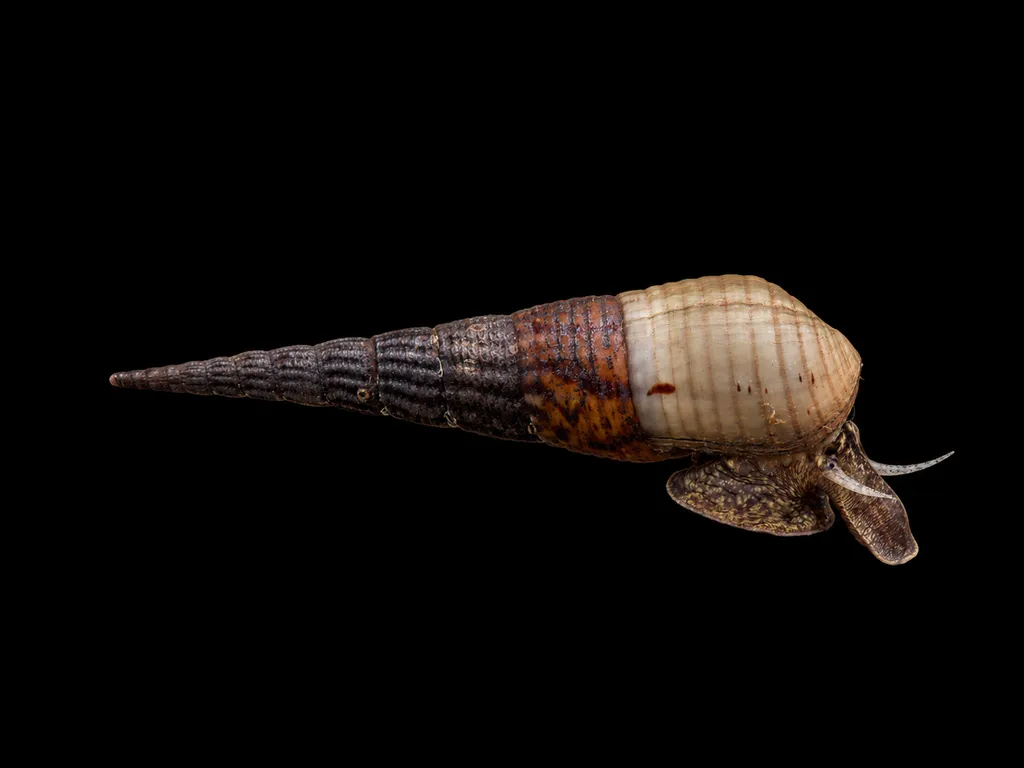
Chopstick snail
Stenomelania torulosa
Freshwater2 in (5 cm) · 11 gal (40 L)73–82°F (23–28°C)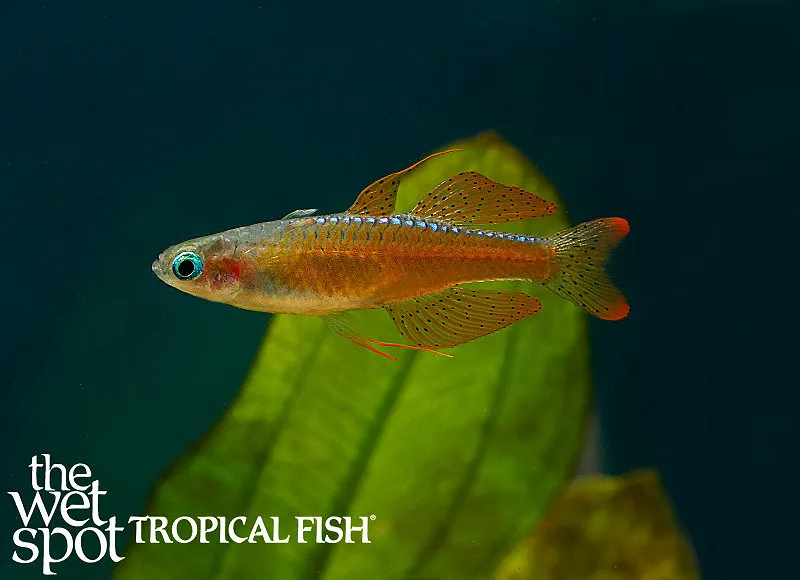
Red neon blue-eye
Pseudomugil luminatus
Freshwater1.4 in (3.5 cm) · 11 gal (40 L)72–81°F (22–27°C)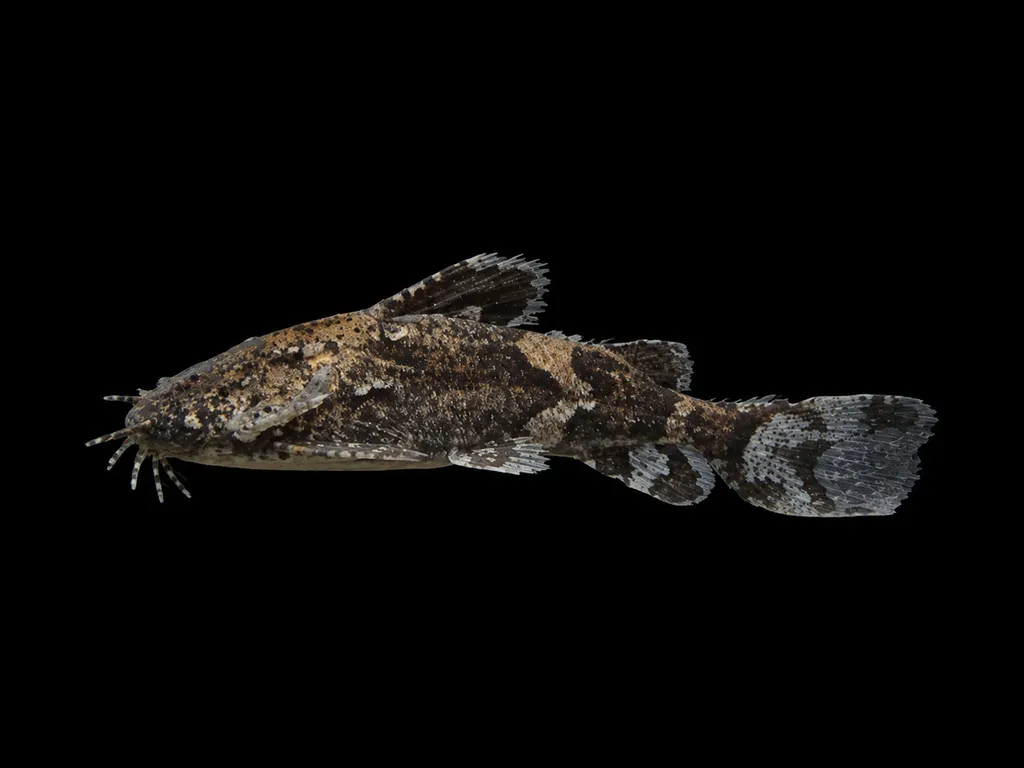
Burmese mini moth catfish
Hara minuscula
Freshwater1.2 in (3 cm) · 11 gal (40 L)68–79°F (20–26°C)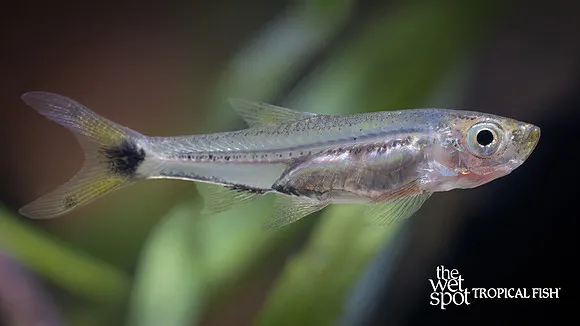
Dwarf scissortail rasbora
Rasbosoma spilocerca
Freshwater1.3 in (3.2 cm) · 11 gal (40 L)72–81°F (22–27°C)
Common questions
What size tank does a Green panchax need?
A Green panchax needs at least 11 gal (40 L). It spends most of its time in the top.
What temperature and pH does a Green panchax need?
A Green panchax is comfortable at 72–82°F (22–28°C) with a pH of 6.0–7.5.
How big does a Green panchax get?
An adult Green panchax reaches about 2 in (5 cm).
Related species
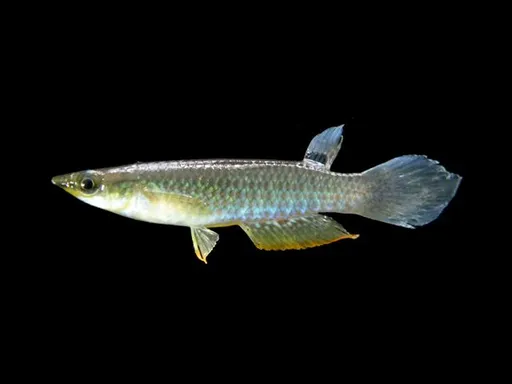 3.5 in (9 cm)20 gal (75 L)72–82°F (22–28°C)
Blue panchax
Aplocheilus panchax
3.5 in (9 cm) · 20 gal (75 L)
 4.3 in (11 cm)30 gal (115 L)72–77°F (22–25°C)
Striped panchax
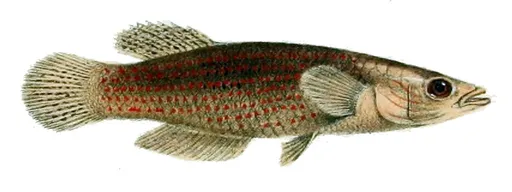
Aplocheilus lineatus
4.3 in (11 cm) · 30 gal (115 L)
 3.9 in (10 cm)20 gal (75 L)72–77°F (22–25°C)
Playfair's panchax
Pachypanchax playfairii
3.9 in (10 cm) · 20 gal (75 L)
 3.5 in (9 cm)29 gal (110 L)75–81°F (24–27°C)
Redfin halfbeak
Nomorhamphus ebrardtii
3.5 in (9 cm) · 29 gal (110 L)
 2 in (5 cm)15 gal (55 L)64–75°F (18–24°C)
Zebra danio
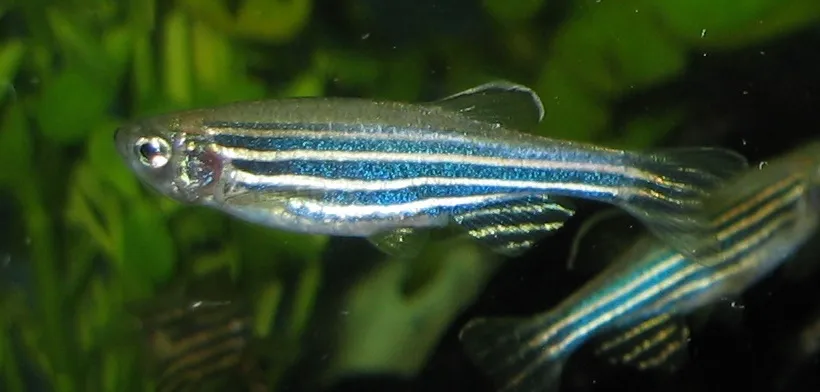
Danio rerio
2 in (5 cm) · 15 gal (55 L)
 2.4 in (6 cm)14 gal (54 L)73–81°F (23–27°C)
Fire halfbeak
Hemirhamphodon kapuasensis
2.4 in (6 cm) · 14 gal (54 L)