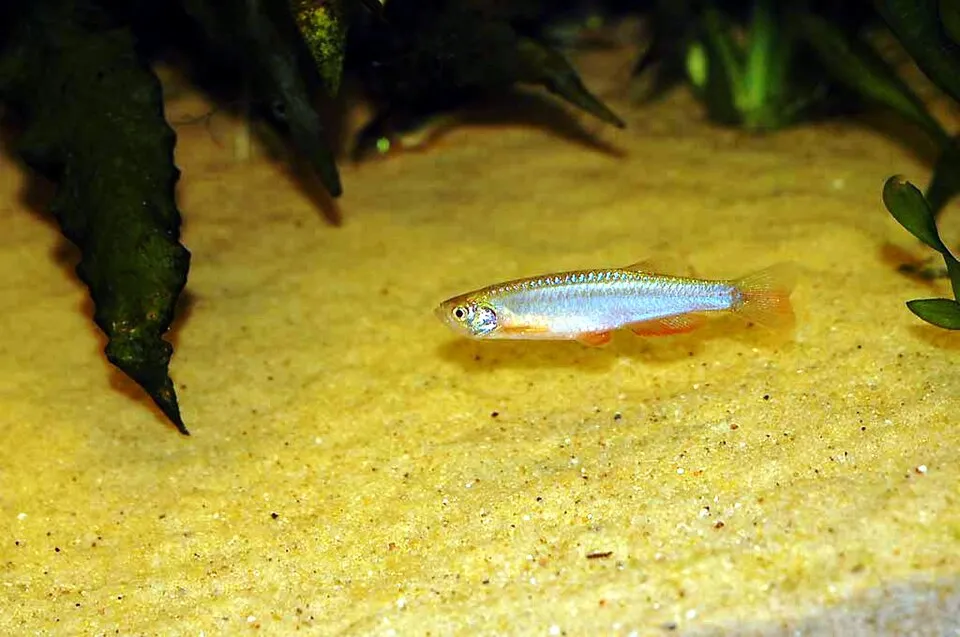
Orange-finned danio
Danio kyathit
Also known as Kyathit danio, Brachydanio kyathit, Orange fin danio
FreshwaterFish
Care at a glance
- Temperature
- 68–79°F
- 20–26°C
- pH
- 6.5–7.5
- Adult size
- 2 in
- 5 cm
- Minimum tank
- 20 gal
- 75 L
- Temperament
- Mostly peaceful
- Social behavior
- Schooling
- Swim level
- Top
- Difficulty
- Easy
- Breeding
- Easy
- Rarity
- Common
- Family
- Cyprinidae
- Origin
- Native to clear streams and quiet pools of the Ayeyarwady basin in northern Myanmar.
Overview
Keep orange-finned danios in a group of at least six to eight in a tank of 75 litres or more, since they are fast, active swimmers that need swimming length. They do best in cooler water around 20 to 26 C with a pH of 6.5 to 7.5 and a tight lid, as danios are good jumpers. Offer small flakes, micropellets, and frozen daphnia or bloodworm. They are boisterous and may nip slow, long-finned tankmates, so pair them with other active, robust community fish.
In the wild
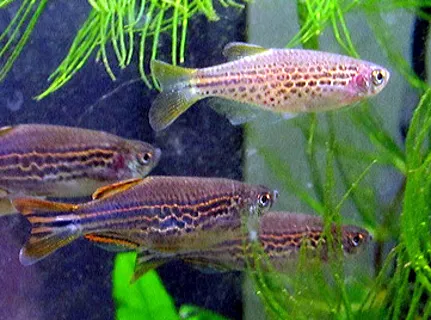
The orange-finned danio comes from clear, moving streams and quiet pools in northern Myanmar. It lives in loose shoals in the upper half of the water, feeding on small insects and other drifting invertebrates. Both a spotted and a striped color form exist and turn up in the trade under the same name. It is an adaptable, hardy fish that suits cooler community tanks.
Good to know
Danio kyathit was described in 1998, and recent work moves it and several small danios into the genus Brachydanio. It is closely related to the zebra danio and will hybridise with it, so the two are best kept apart if you want clean stock. The species name kyathit is the Burmese word for leopard, a reference to its spotted color form.
Did you know
Kept in a big group they form tight, fast-moving schools that flash orange when they turn, which is why they are often used to add movement to a planted tank.
Weekly picks
Tank mates
Orange-finned danio is a mostly peaceful, schooling species that keeps to the top. These picks share a community profile with it, are safe together in both directions, and overlap on water type, temperature and pH.
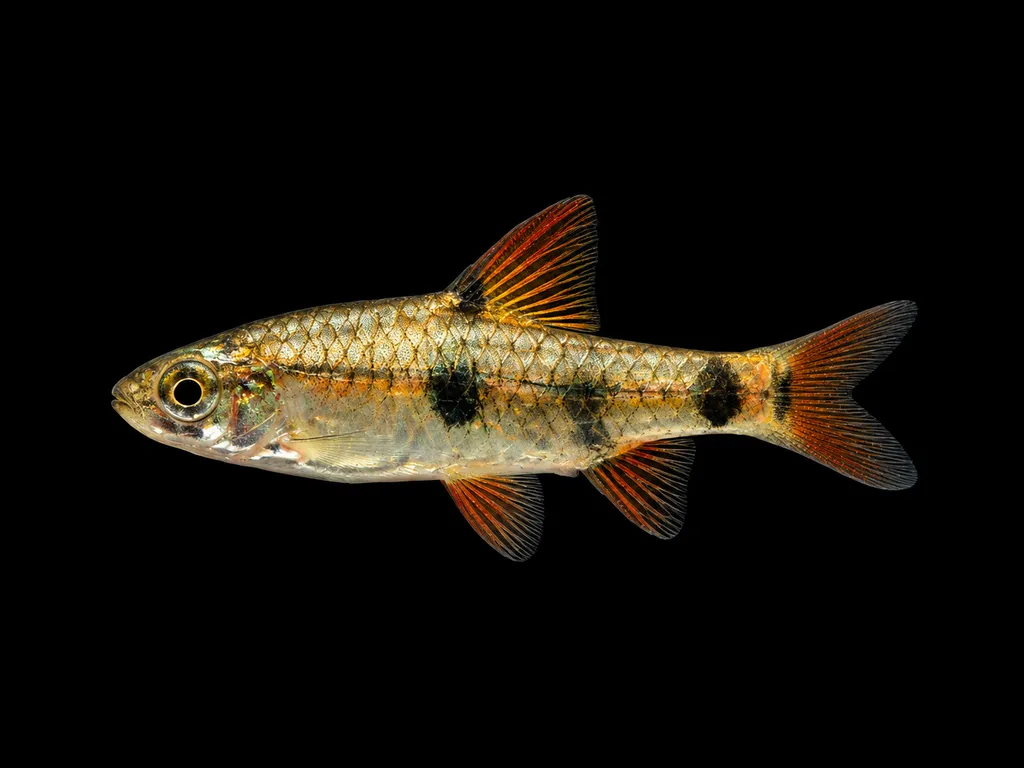
Canius barb
Pethia canius
Freshwater1.6 in (4 cm) · 20 gal (75 L)68–79°F (20–26°C)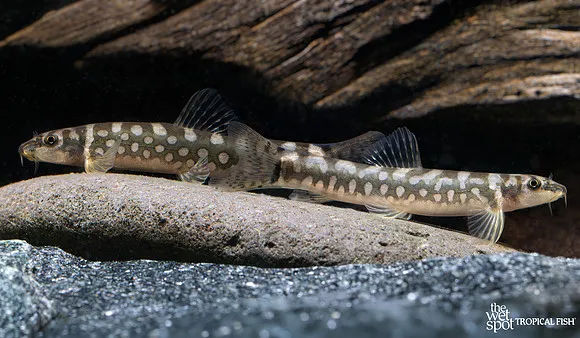
Guenther's zipper loach
Nemacheilus guentheri
Freshwater2.6 in (6.7 cm) · 20 gal (75 L)68–79°F (20–26°C)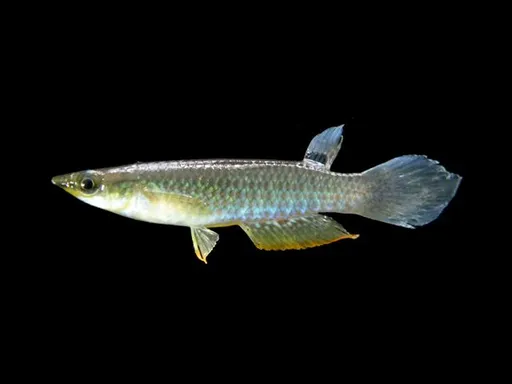
Blue panchax
Aplocheilus panchax
Freshwater3.5 in (9 cm) · 20 gal (75 L)72–82°F (22–28°C)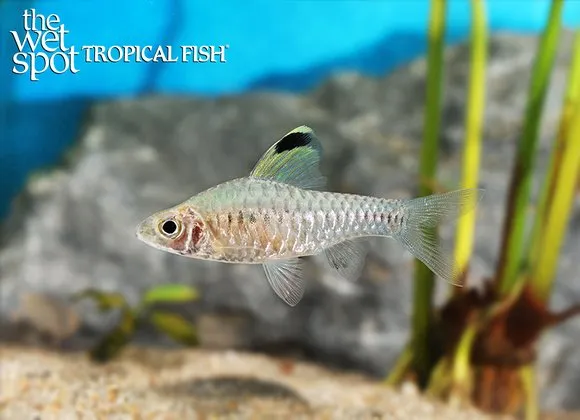
Cosuatis barb
Oreichthys cosuatis
Freshwater3.1 in (8 cm) · 20 gal (75 L)68–79°F (20–26°C)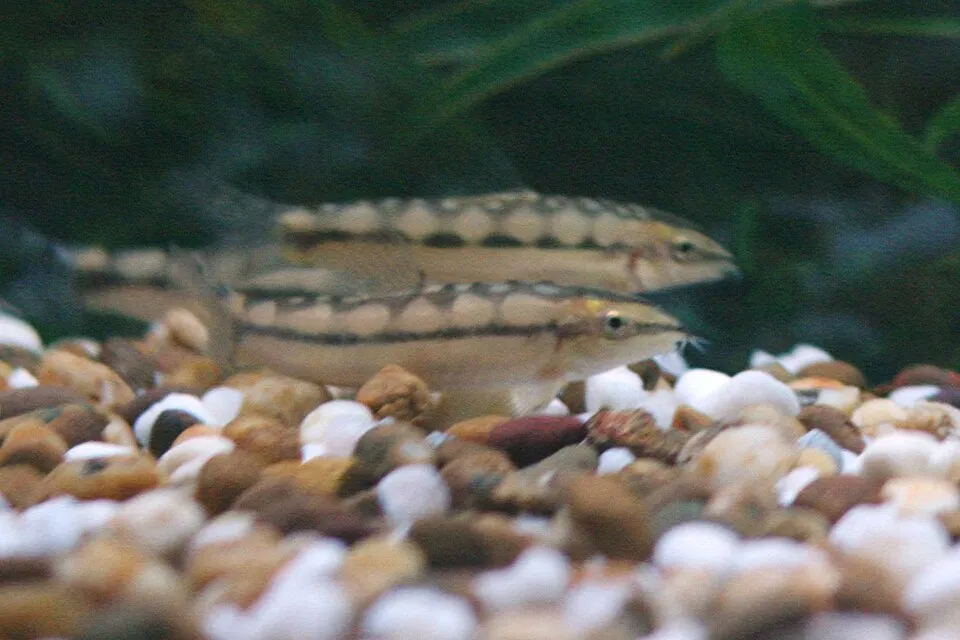
Dwarf botia
Ambastaia sidthimunki
Freshwater2.4 in (6 cm) · 20 gal (75 L)68–86°F (20–30°C)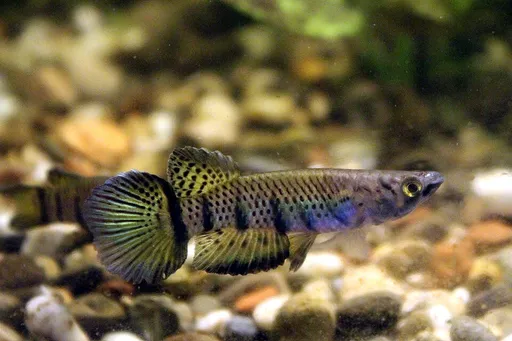
Six-barred panchax
Epiplatys sexfasciatus
Freshwater3.9 in (10 cm) · 20 gal (75 L)72–81°F (22–27°C)
Common questions
What size tank does an Orange-finned danio need?
An Orange-finned danio needs at least 20 gal (75 L). It spends most of its time in the top.
What temperature and pH does an Orange-finned danio need?
An Orange-finned danio is comfortable at 68–79°F (20–26°C) with a pH of 6.5–7.5.
How big does an Orange-finned danio get?
An adult Orange-finned danio reaches about 2 in (5 cm).
Does an Orange-finned danio need a group?
Yes. An Orange-finned danio is a schooling species and should be kept in a group, not singly.
Related species
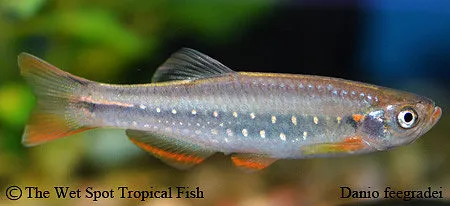 2 in (5 cm)20 gal (75 L)72–79°F (22–26°C)
Yoma danio
Danio feegradei
2 in (5 cm) · 20 gal (75 L)
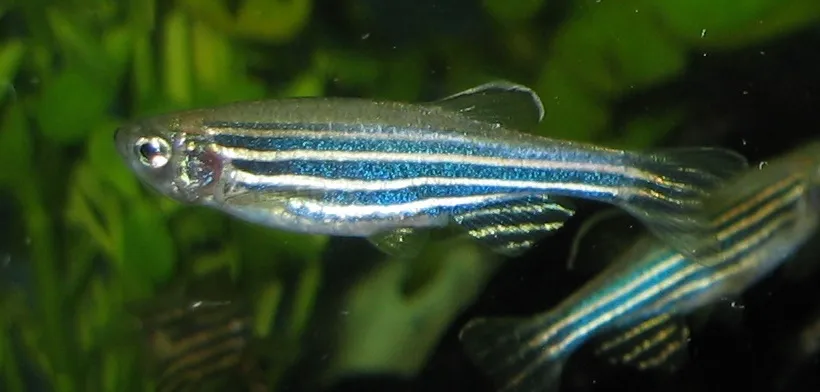 2 in (5 cm)15 gal (55 L)64–75°F (18–24°C)
Zebra danio
Danio rerio
2 in (5 cm) · 15 gal (55 L)
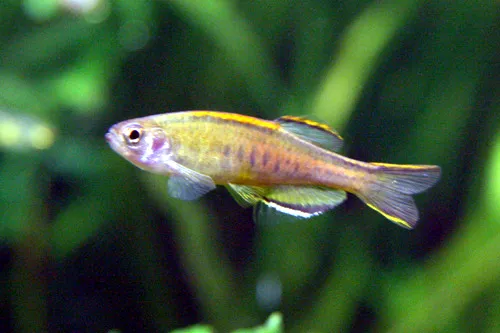 1.2 in (3 cm)20 gal (75 L)72–79°F (22–26°C)
Glowlight danio
Danio choprae
1.2 in (3 cm) · 20 gal (75 L)
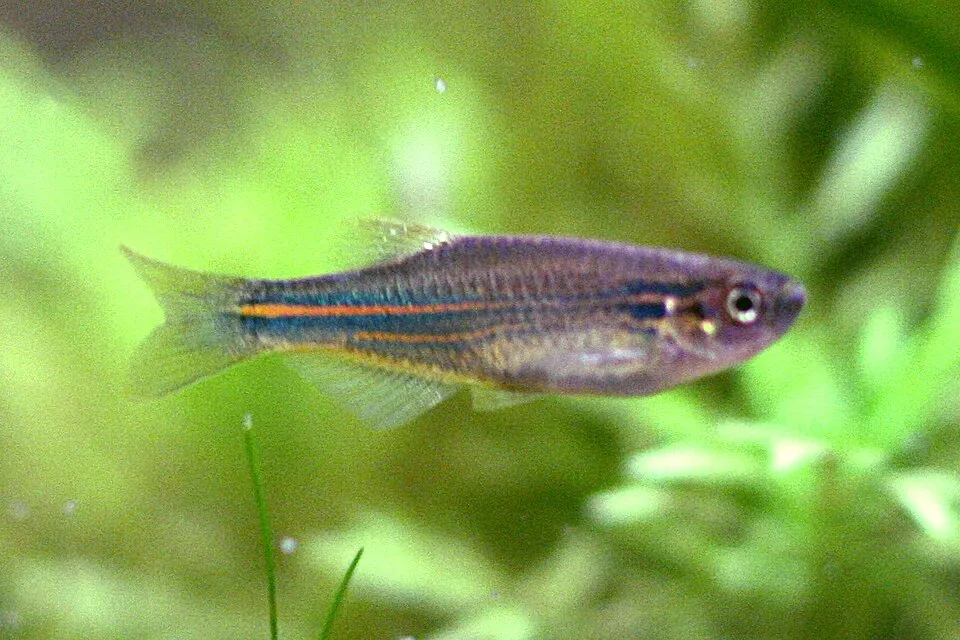 1.8 in (4.5 cm)11 gal (40 L)68–79°F (20–26°C)
Blue danio
Danio kerri
1.8 in (4.5 cm) · 11 gal (40 L)
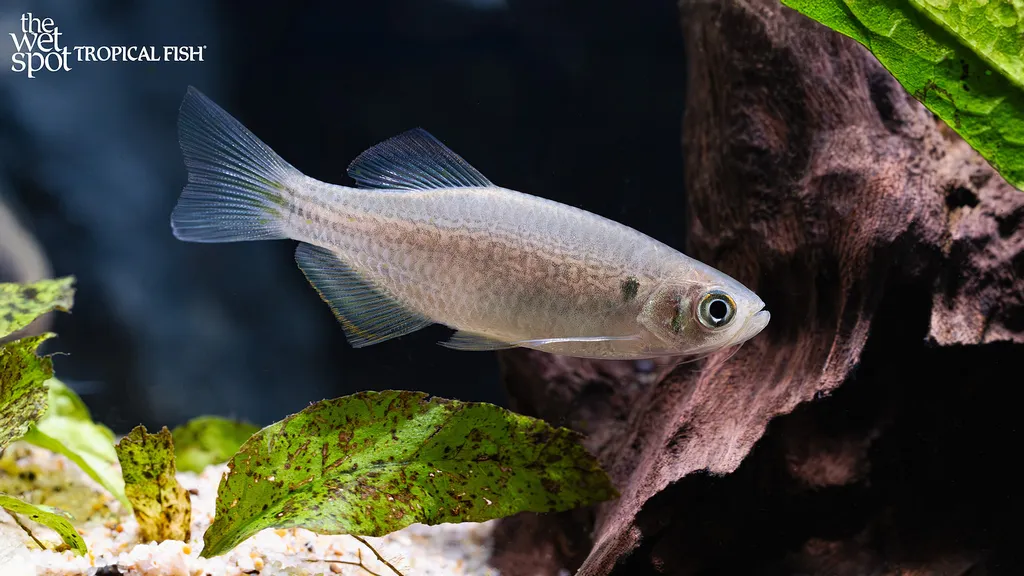 5.1 in (13 cm)32 gal (120 L)68–79°F (20–26°C)
Moustached danio
Danio dangila
5.1 in (13 cm) · 32 gal (120 L)
 2.4 in (6 cm)18 gal (70 L)61–77°F (16–25°C)
Pearl danio
Danio albolineatus
2.4 in (6 cm) · 18 gal (70 L)