One species · 2 varieties
Zebra danio
Danio rerio
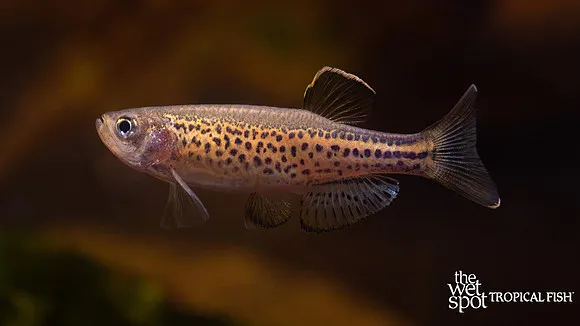
Also known as Leopard danio, Danio frankei
FreshwaterFish
Care at a glance
- Temperature
- 64–75°F
- 18–24°C
- pH
- 6.0–7.5
- Adult size
- 2 in
- 5 cm
- Minimum tank
- 11 gal
- 41 L
- Temperament
- Mostly peaceful
- Social behavior
- Schooling
- Swim level
- Middle
- Difficulty
- Beginner
- Breeding
- Egg scatterer · Medium
- Rarity
- Very common
- Family
- Cyprinidae
- Origin
- Eastern India, Bangladesh
Pick a variety
One setup covers every line on this page: care is the species' care.
Overview
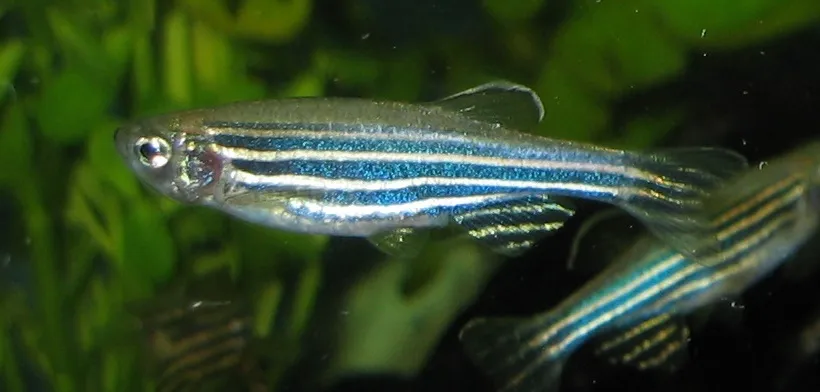
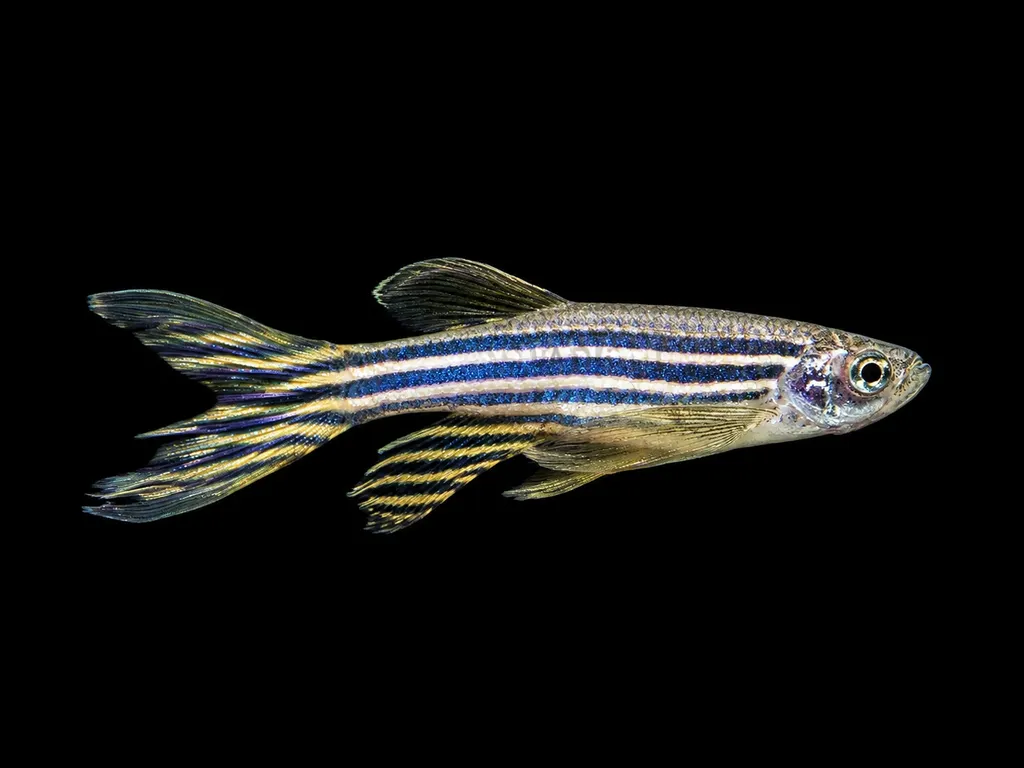
The zebra danio is a small, quick schooling fish for the upper half of a community tank. It is hardy and a good first fish.
Did you know
The zebra danio was one of the first vertebrates to have its genome fully sequenced. The see-through Casper and the glowing GloFish were both developed from it in research labs.
Caring for the zebra danio
Keep zebra danios in a group of at least five or six, in a tank of 11 gal (41 L) or more. They are constant, fast swimmers that cruise the middle and top of the tank. Give them open swimming space and a current, since they are built for moving water.
Zebra danios handle cooler water than most tropicals, at 64 to 75°F (18 to 24°C) and a pH of 6.0 to 7.5. That makes them one of the few community fish that work in an unheated room. They eat just about anything, including flake, small pellets and live or frozen brine shrimp and bloodworms.
Zebra danios are mostly peaceful, but their energy can pester slow or long-finned tank mates. They are egg scatterers that drop their eggs over the bottom and give no parental care afterward. Breeding them is moderately difficult.
Good to know
The zebra danio, Danio rerio, is a small cyprinid in the same family as carp and barbs. Other names for it include leopard danio and Danio frankei. The IUCN lists it as Least Concern. It is also a major laboratory animal, so its biology is unusually well documented.
In the wild
Zebra danios come from streams, rivers and rice paddies across eastern India and Bangladesh. The water there is shallow and slow to moderate, with some plants.
Other named lines
The named shop forms are all line-bred zebra danios. Color and fin lines change the look and nothing else.
- Golden
- pale gold body, faint stripes
Weekly picks
Tank mates
Every variety on this page wants the same water, so one set of picks fits them all. These picks match on water type, temperature, pH, size and temperament.
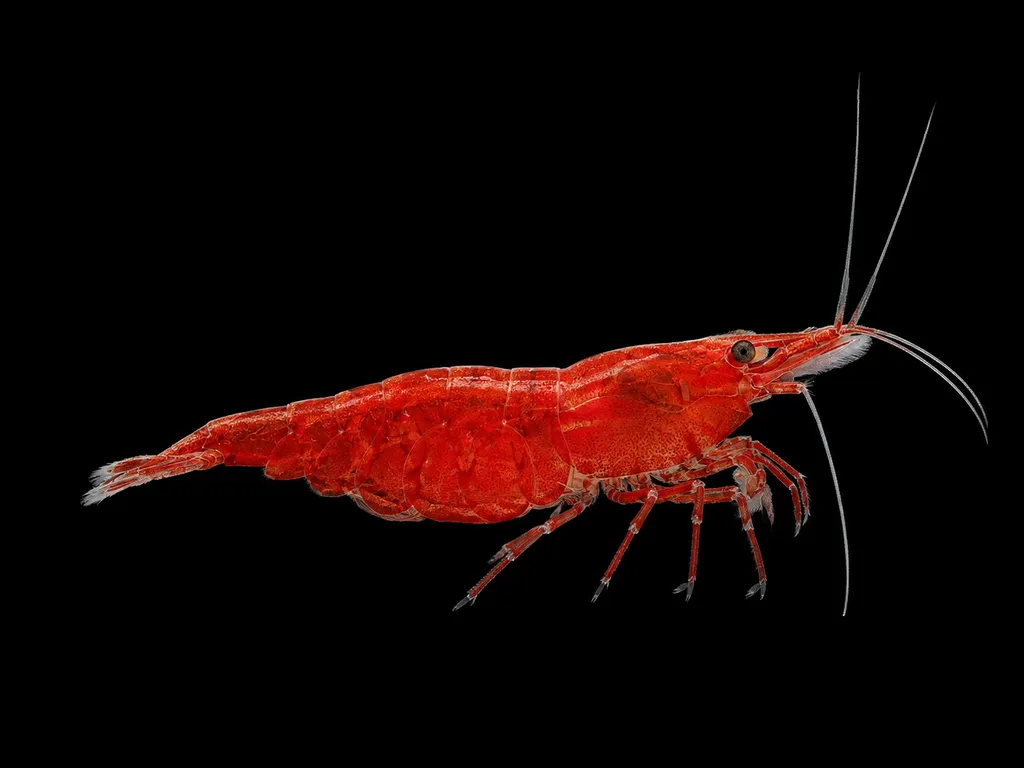
Neocaridina shrimp
Neocaridina davidi
Freshwater1.6 in (4 cm) · 5 gal (19 L)59–84°F (15–29°C)
Neon tetra
Paracheirodon innesi
Freshwater1.5 in (3.8 cm) · 11 gal (40 L)70–77°F (21–25°C)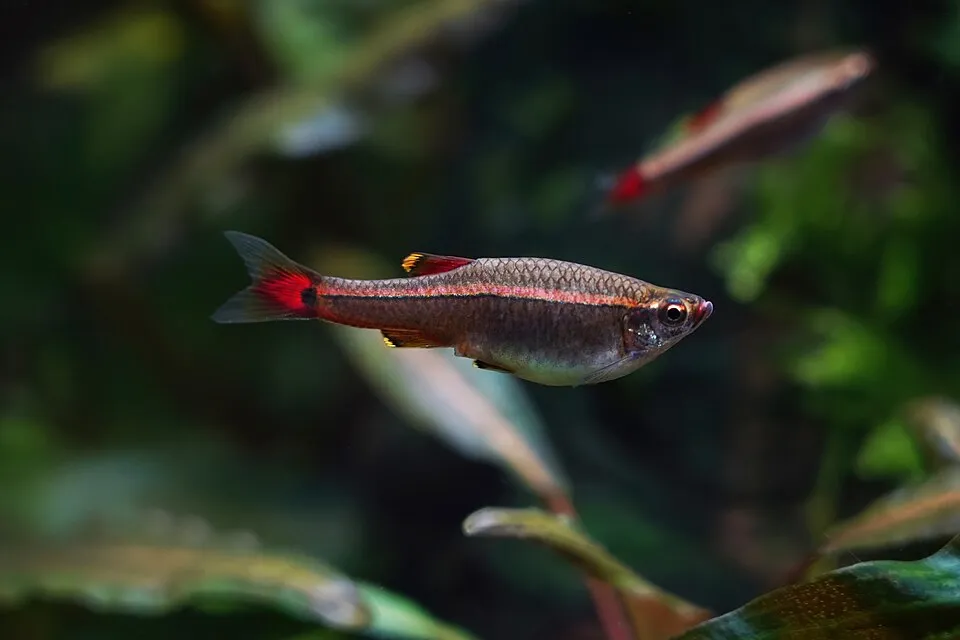
White Cloud Mountain minnow
Tanichthys albonubes
Freshwater1.6 in (4 cm) · 10 gal (38 L)57–72°F (14–22°C)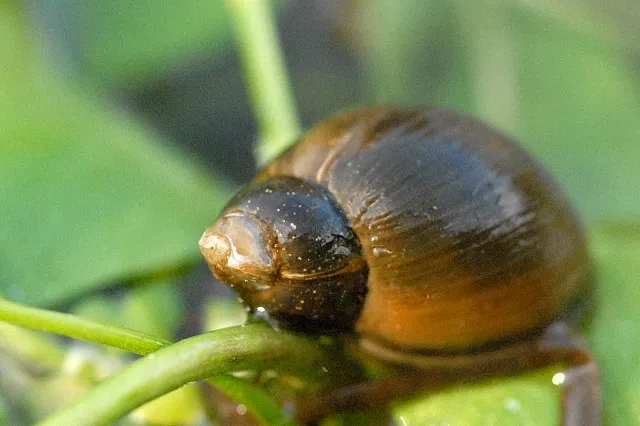
Wandering snail
Ampullaceana balthica
Freshwater0.8 in (2 cm) · 11 gal (40 L)50–84°F (10–29°C)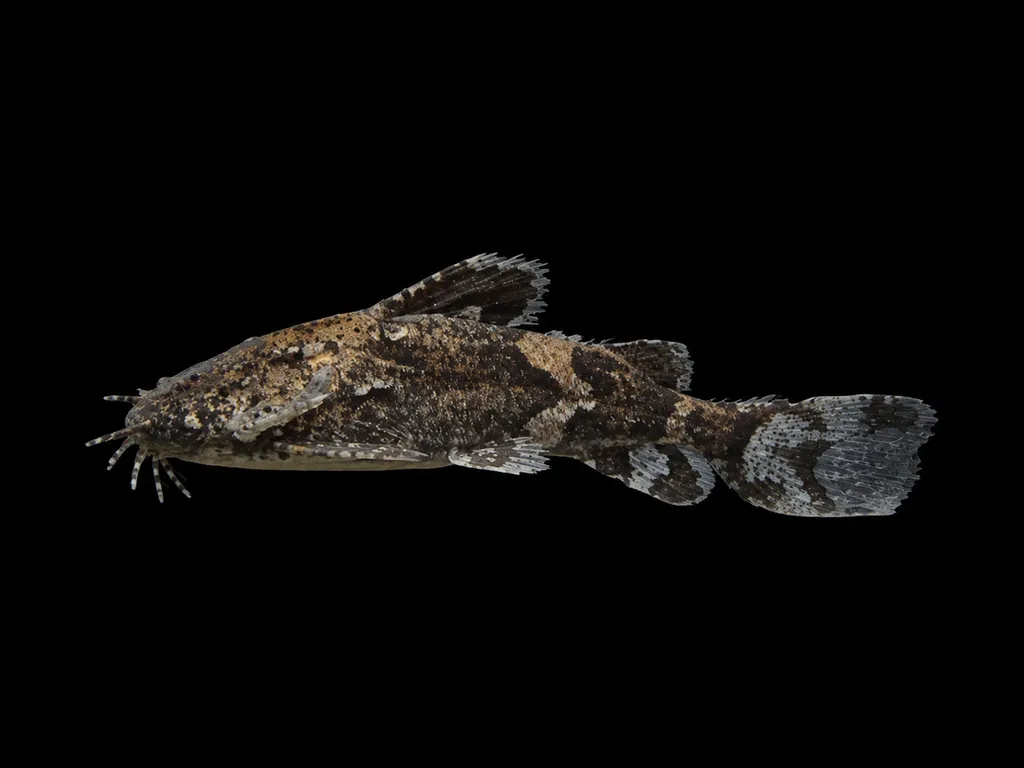
Burmese mini moth catfish
Hara minuscula
Freshwater1.2 in (3 cm) · 11 gal (40 L)68–79°F (20–26°C)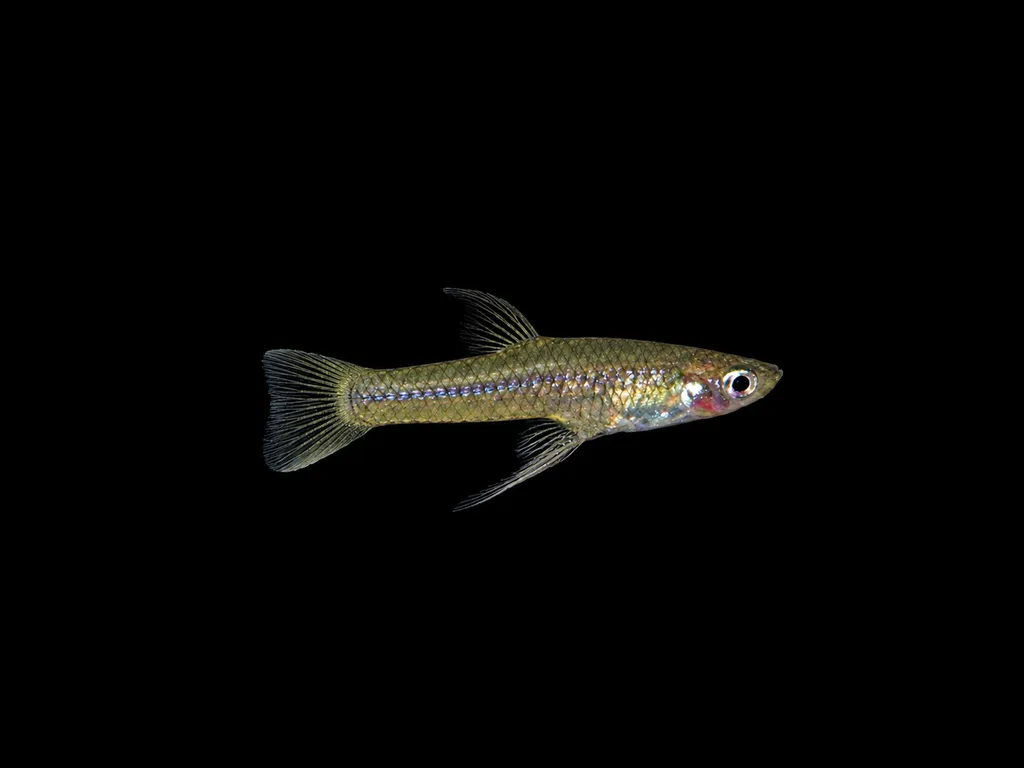
Sicklefin livebearer
Girardinus falcatus
Freshwater2.6 in (6.5 cm) · 11 gal (40 L)68–82°F (20–28°C)
Common questions
What size tank does a zebra danio need?
A zebra danio needs at least 11 gal (41 L). It spends most of its time in the middle.
What temperature and pH does a zebra danio need?
A zebra danio is comfortable at 64–75°F (18–24°C) with a pH of 6.0–7.5.
What does a zebra danio eat?
A zebra danio eats just about anything. Offer flake and small pellets, with live or frozen brine shrimp and bloodworms.
How big does a zebra danio get?
An adult zebra danio reaches about 2 in (5 cm).
Does a zebra danio need a group?
Yes. A zebra danio is a schooling species and should be kept in a group, not singly.
How does a zebra danio breed?
Zebra danios are egg scatterers. They drop their eggs over the bottom and leave them with no parental care, and breeding them is moderately difficult.
Related species
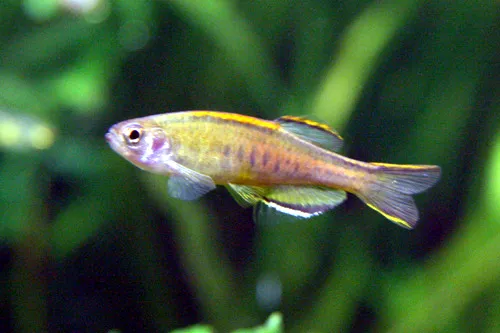 1.2 in (3 cm)20 gal (75 L)72–79°F (22–26°C)
Glowlight danio
Danio choprae
1.2 in (3 cm) · 20 gal (75 L)
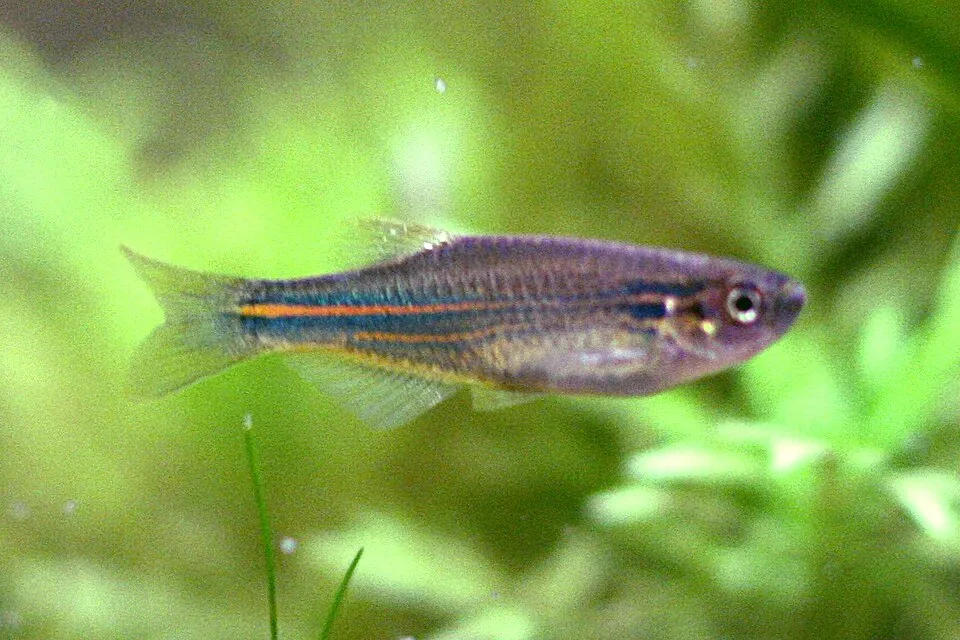 1.8 in (4.5 cm)18 gal (70 L)68–79°F (20–26°C)
Blue danio
Danio kerri
1.8 in (4.5 cm) · 18 gal (70 L)
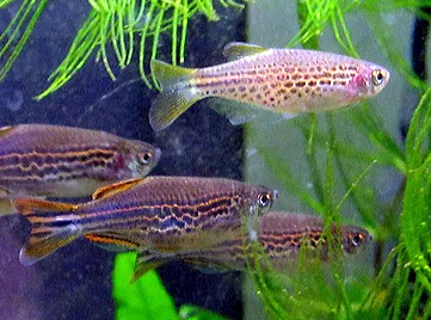 2 in (5 cm)20 gal (75 L)68–79°F (20–26°C)
Orange-finned danio
Danio kyathit
2 in (5 cm) · 20 gal (75 L)
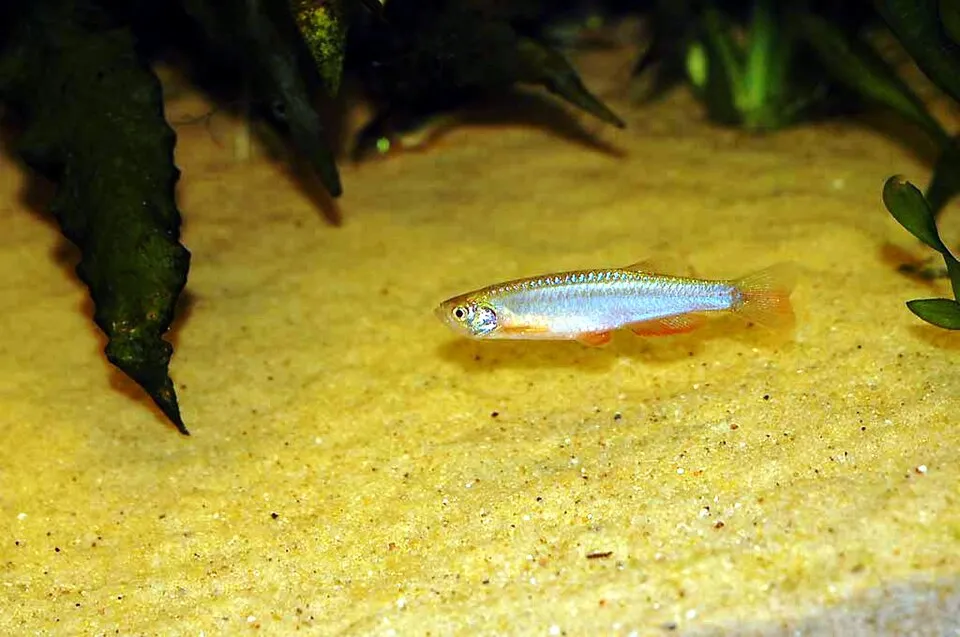 2.4 in (6 cm)18 gal (70 L)61–77°F (16–25°C)
Pearl danio
Danio albolineatus
2.4 in (6 cm) · 18 gal (70 L)
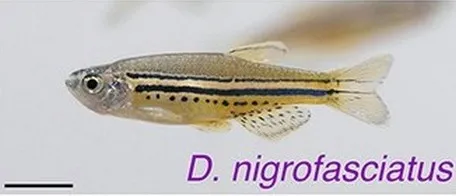 1.5 in (3.7 cm)15 gal (55 L)64–79°F (18–26°C)
Spotted danio
Danio nigrofasciatus
1.5 in (3.7 cm) · 15 gal (55 L)
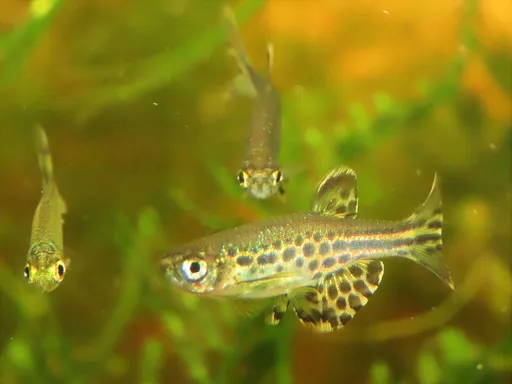 1.2 in (3 cm)11 gal (40 L)64–79°F (18–26°C)
Gold ring danio
Danio tinwini
1.2 in (3 cm) · 11 gal (40 L)