Sicklefin livebearer
Girardinus falcatus
Also known as Goldbelly topminnow, Golden girardinus
FreshwaterFish
Care at a glance
- Temperature
- 68–82°F
- 20–28°C
- pH
- 7.0–8.0
- Adult size
- 2.6 in
- 6.5 cm
- Minimum tank
- 11 gal
- 40 L
- Temperament
- Mostly peaceful
- Social behavior
- Social
- Swim level
- Top
- Difficulty
- Easy
- Breeding
- Easy
- Rarity
- Rare
- Family
- Poeciliidae
- Origin
- Endemic to Cuba, in ponds, lakes, ditches, and slow lowland streams with hard water.
Overview
Keep six or more in 40 liters or larger at 20 to 28 C, pH 7.0 to 8.0, in medium hard to hard water. Feed a varied diet of flake, small frozen foods, and some algae or vegetable matter. Generally peaceful, though it will nip long fins and eat very small fry, so choose tankmates accordingly. An easy, forgiving fish that suits a hard water community.
In the wild
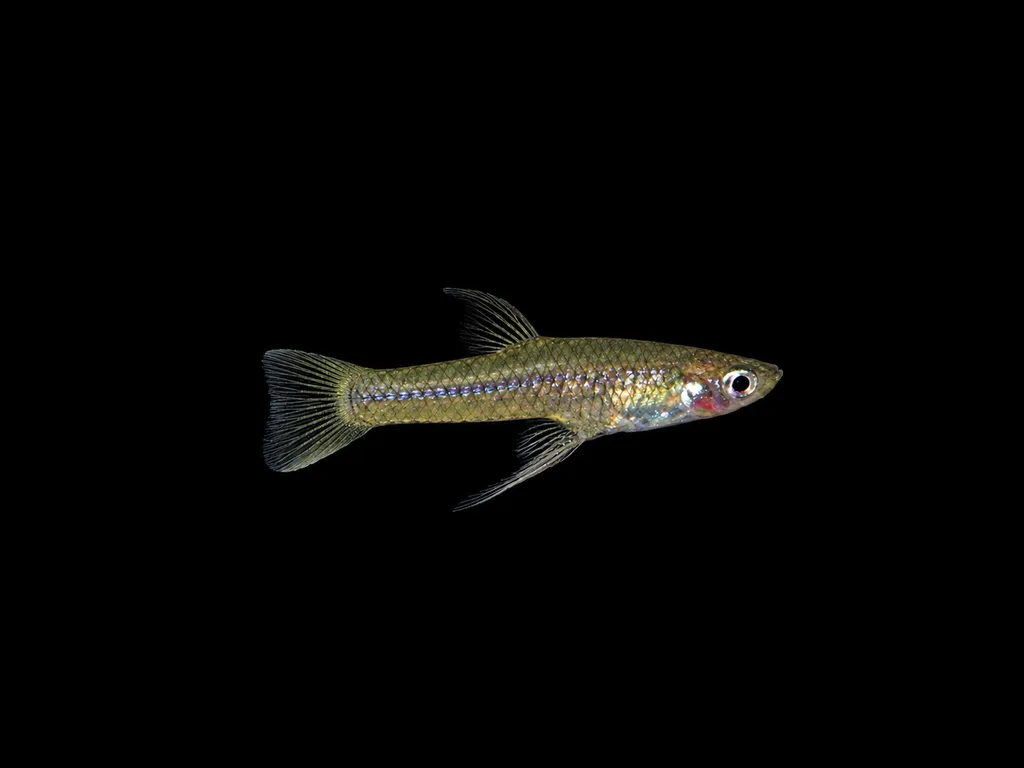
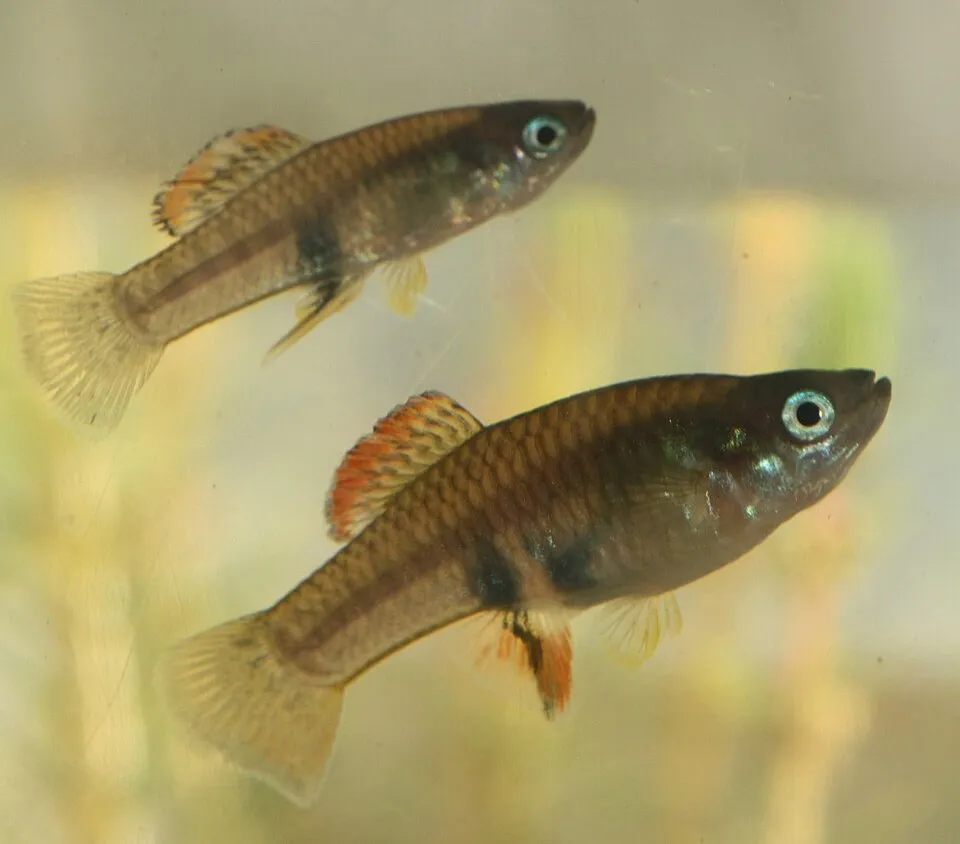
A slim Cuban topminnow with a metallic gold belly stripe and, in males, a distinctive curved gonopodium that gives the sicklefin name. It hangs near the surface in loose groups and darts for food. Keep a group in a planted tank with hard water and some open surface space. It grazes algae and small invertebrates.
Good to know
Girardinus falcatus is a Cuban livebearer whose males have a strongly curved, sickle shaped gonopodium used to fertilize females. Females reach about 6 cm and males stay smaller at around 4 cm. It is hardy and breeds freely, which makes it a good starting point for keepers new to wild livebearers.
Did you know
The sickle shaped gonopodium of the male is so distinctive that it gives the fish both its scientific name falcatus, meaning sickle shaped, and its common name.
Weekly picks
Tank mates
Sicklefin livebearer is a mostly peaceful, social species that keeps to the top. These picks share a community profile with it, are safe together in both directions, and overlap on water type, temperature and pH.
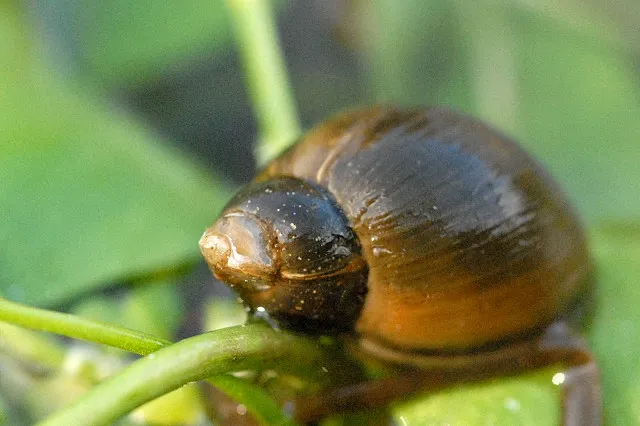
Wandering snail
Ampullaceana balthica
Freshwater0.8 in (2 cm) · 11 gal (40 L)50–84°F (10–29°C)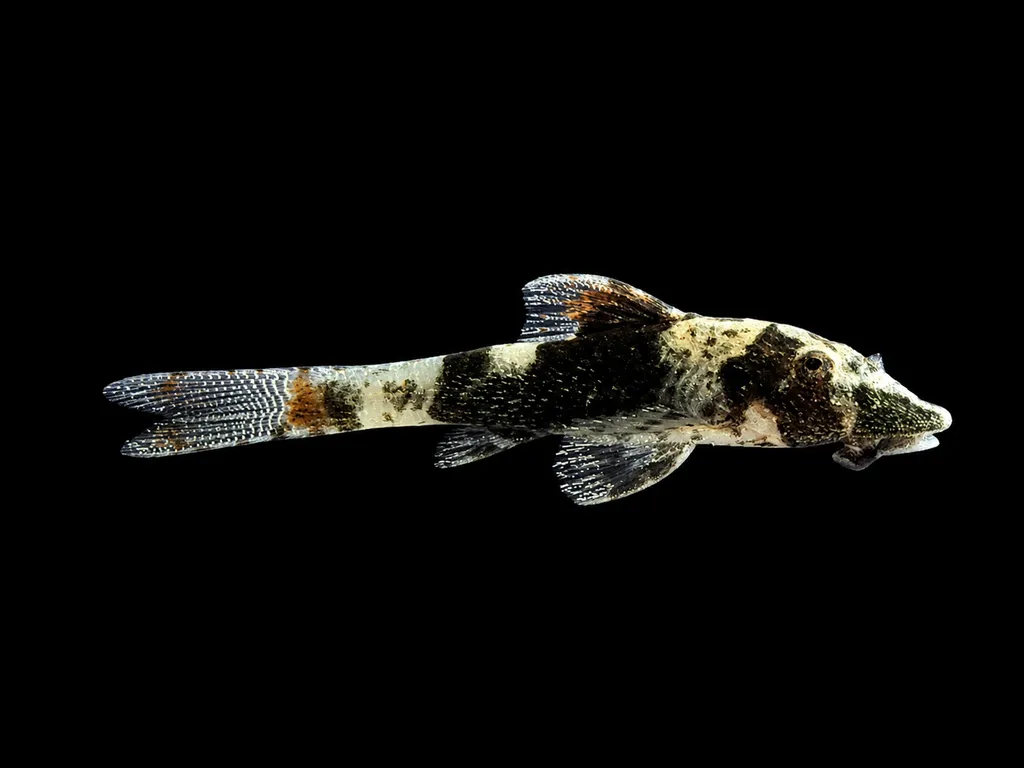
Bumblebee otocinclus
Rhinotocinclus isabelae
Freshwater0.8 in (2 cm) · 11 gal (40 L)73–82°F (23–28°C)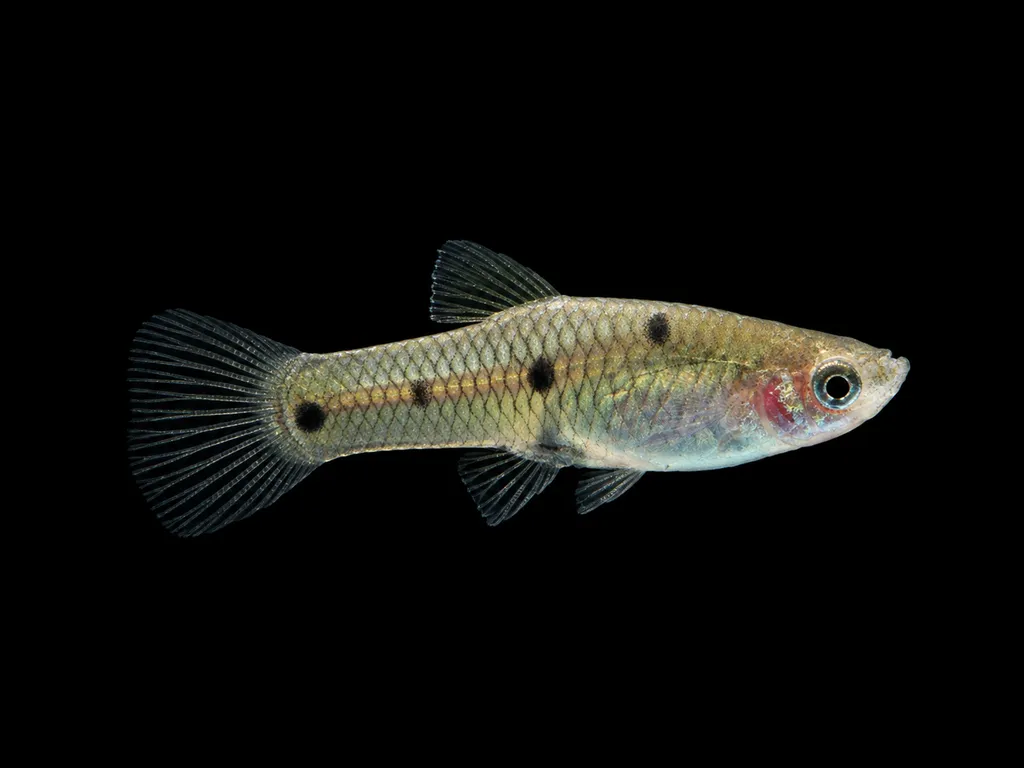
Fourspotted toothcarp
Phallichthys quadripunctatus
Freshwater1.4 in (3.5 cm) · 11 gal (40 L)68–86°F (20–30°C)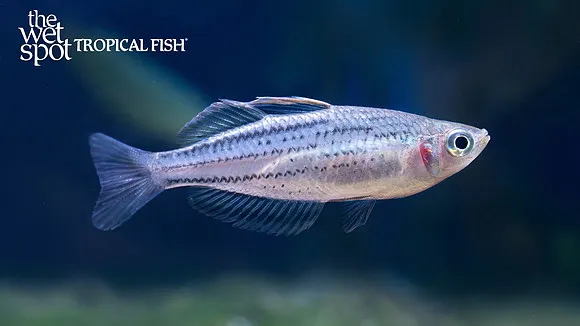
Green panchax
Aplocheilus blockii
Freshwater2 in (5 cm) · 11 gal (40 L)72–82°F (22–28°C)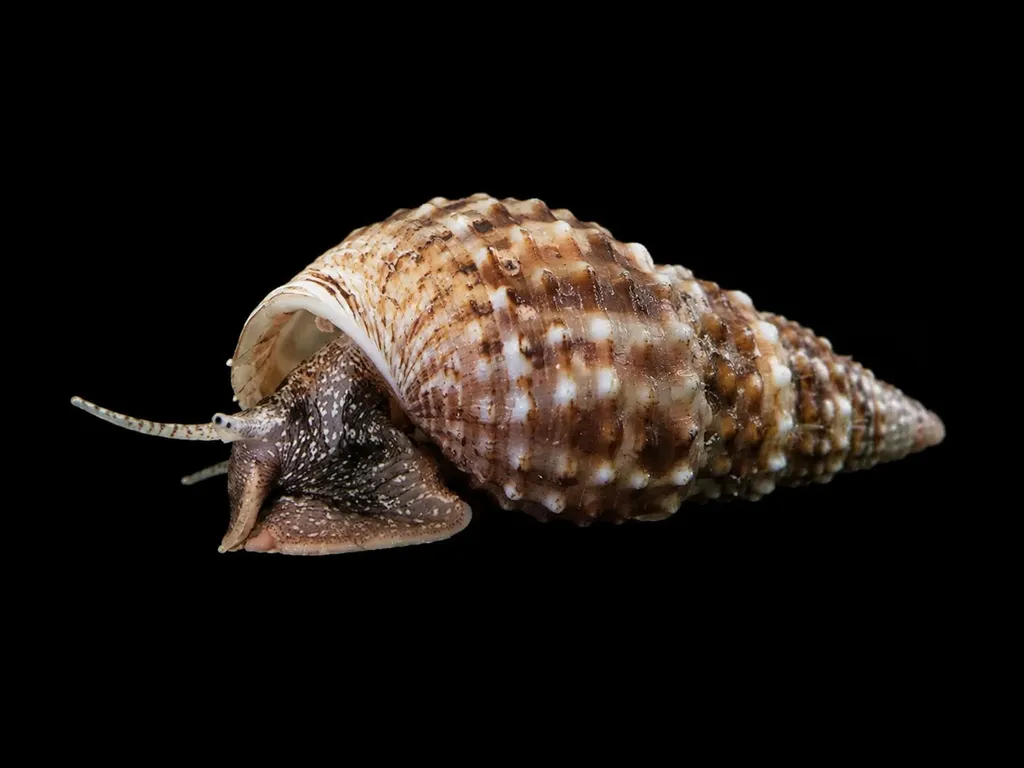
Prambanan snail
Thiara winteri
Freshwater1.6 in (4 cm) · 11 gal (40 L)73–82°F (23–28°C)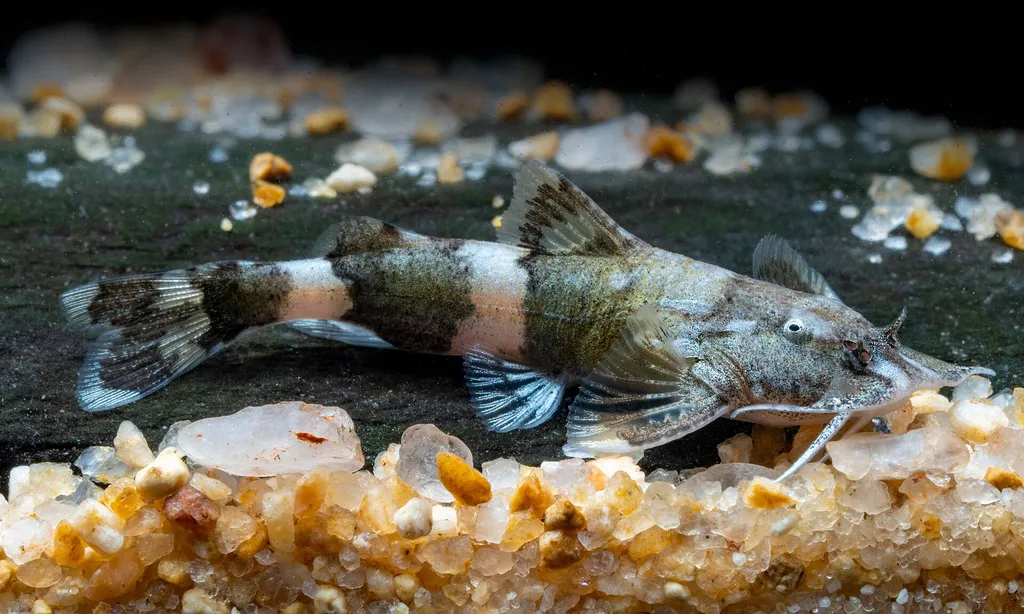
Cheetah moth catfish
Pseudolaguvia shawi
Freshwater1.5 in (3.8 cm) · 11 gal (40 L)68–79°F (20–26°C)
Common questions
What size tank does a Sicklefin livebearer need?
A Sicklefin livebearer needs at least 11 gal (40 L). It spends most of its time in the top.
What temperature and pH does a Sicklefin livebearer need?
A Sicklefin livebearer is comfortable at 68–82°F (20–28°C) with a pH of 7.0–8.0.
How big does a Sicklefin livebearer get?
An adult Sicklefin livebearer reaches about 2.6 in (6.5 cm).
Related species
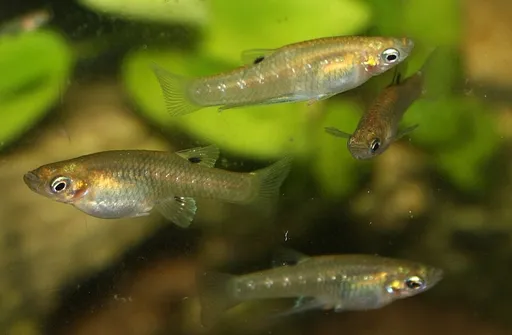 2.4 in (6 cm)11 gal (40 L)72–81°F (22–27°C)
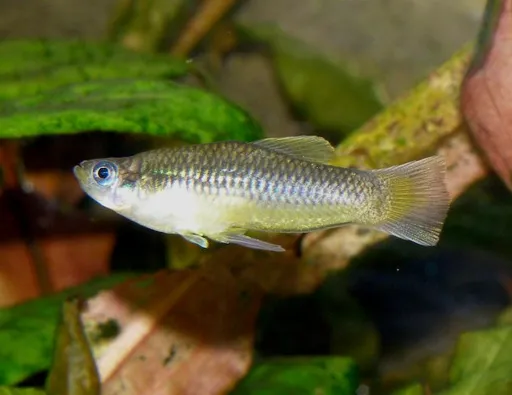
Metallic livebearer
Girardinus metallicus
2.4 in (6 cm) · 11 gal (40 L)
 2.8 in (7 cm)24 gal (90 L)72–82°F (22–28°C)
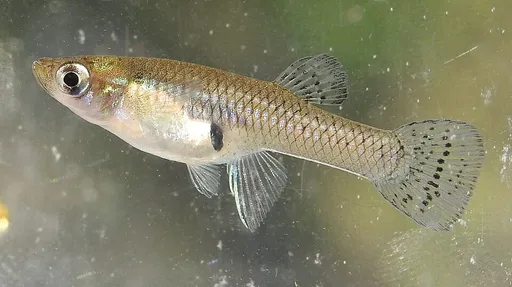
Blue-eyed livebearer
Priapella intermedia
2.8 in (7 cm) · 24 gal (90 L)
 3.1 in (8 cm)11 gal (40 L)59–84°F (15–29°C)
Eastern mosquitofish
Gambusia holbrooki
3.1 in (8 cm) · 11 gal (40 L)
 2.8 in (7 cm)20 gal (75 L)72–82°F (22–28°C)
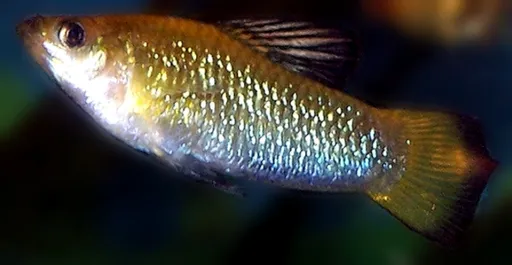
Perugia's limia
Limia perugiae
2.8 in (7 cm) · 20 gal (75 L)
 2.8 in (7 cm)24 gal (90 L)68–81°F (20–27°C)
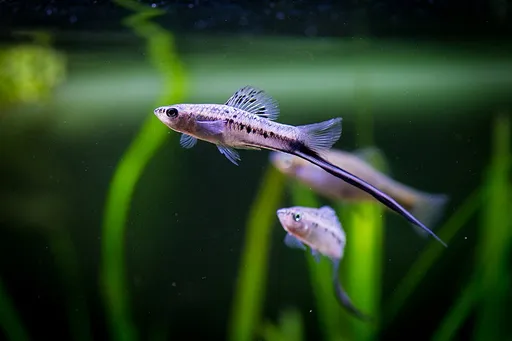
Sheepshead swordtail
Xiphophorus birchmanni
2.8 in (7 cm) · 24 gal (90 L)
 2.4 in (6 cm)16 gal (60 L)72–86°F (22–30°C)
Cardinal toothcarp
Brachyrhaphis roseni
2.4 in (6 cm) · 16 gal (60 L)