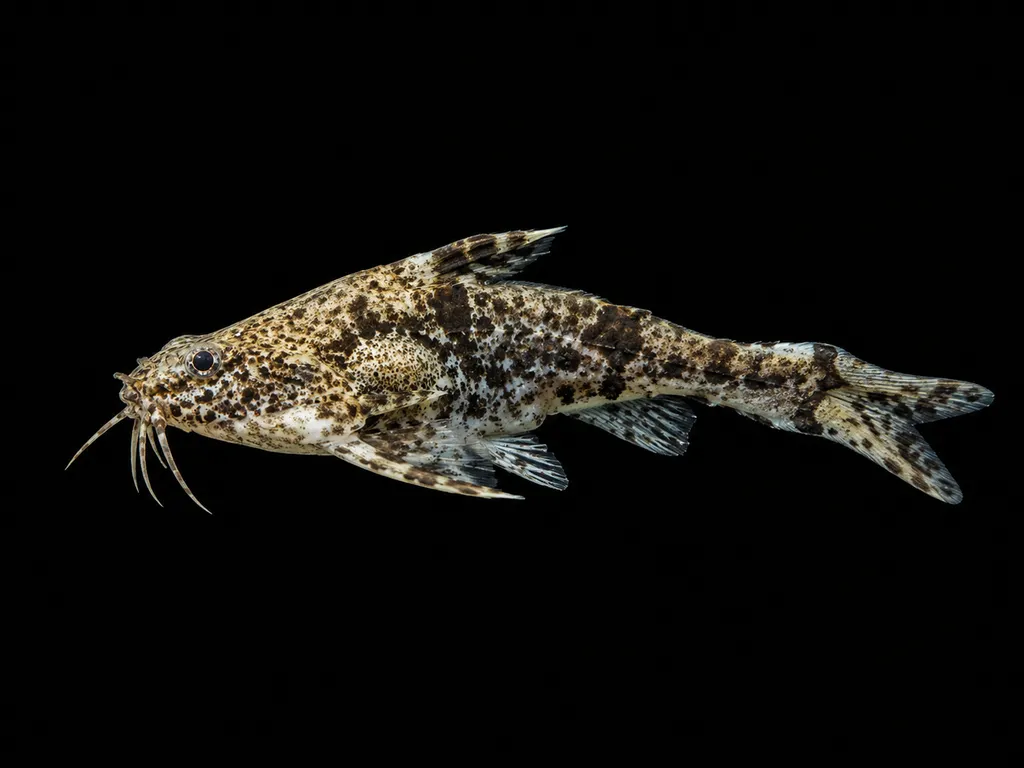
Dwarf thorny catfish
Physopyxis lyra
Also known as South American moth cat, Lyra catfish
FreshwaterFish
Care at a glance
- Temperature
- 73–82°F
- 23–28°C
- pH
- 6.0–7.5
- Adult size
- 1.4 in
- 3.5 cm
- Minimum tank
- 11 gal
- 40 L
- Temperament
- Peaceful
- Social behavior
- Social
- Swim level
- Bottom
- Difficulty
- Medium
- Breeding
- No record
- Rarity
- Rare
- Family
- Doradidae
- Origin
- Amazon basin leaf litter zones
Overview
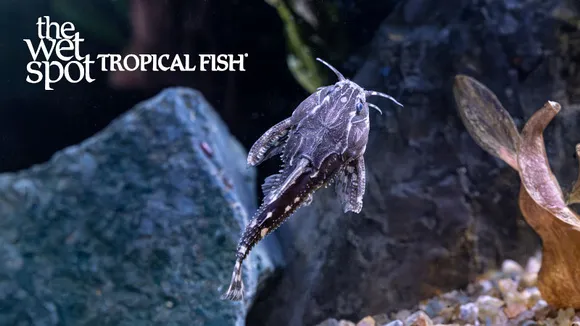
The dwarf thorny catfish is a tiny, cryptic armored catfish that lives its whole life in and around leaf litter. It is a step up from the easiest fish.
Did you know
The dwarf thorny catfish is the smallest of all the thorny catfishes. It still carries the full set of bony plates and hooked flank scutes found on its much larger relatives. A grown one is roughly the size of one of the fallen leaves it likes to hide beneath.
Caring for the dwarf thorny catfish
Leaf litter is habitat for the dwarf thorny catfish, not decoration. Build the tank around a deep bed of leaves and botanicals over soft sand, with some small wood. A modest tank of at least 11 gal (40 L) is plenty for a group, and the light should stay subdued.
Keep the water calm, gently filtered, soft and slightly acidic to neutral. Aim for 73 to 82°F (23 to 28°C) and a pH of 6.0 to 7.5. Tannins leaching from the leaves suit it.
Feed small sinking foods, micro pellets and frozen items such as cyclops and baby brine shrimp. Work the food down among the leaves.
The dwarf thorny catfish is peaceful and sociable, and best kept in a small group. Share its tank only with equally small, gentle fish, since anything larger will simply outcompete or eat it. Its breeding is not documented in aquariums.
Good to know
The dwarf thorny catfish belongs to the family Doradidae, which ranges from this species all the way up to the meter-long ripsaw catfish, Oxydoras niger. Even at its miniature size, it can make faint stridulation sounds.
In the wild
Physopyxis lyra lives in the Amazon and Essequibo basins, in warm, very shallow water among drifts of submerged leaves and waterlogged wood.
Weekly picks
Tank mates
The dwarf thorny catfish is a peaceful, social species that keeps to the bottom. These picks share a community profile with it, are safe together in both directions, and overlap on water type, temperature and pH.
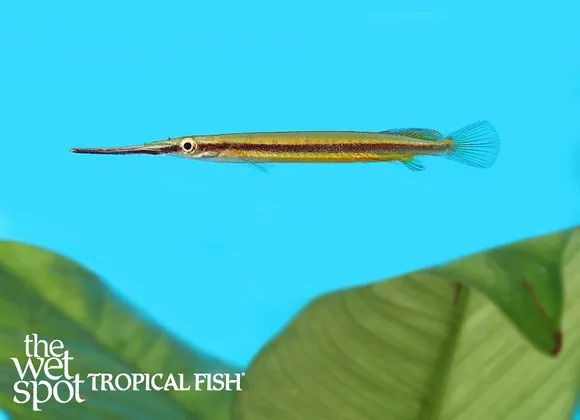
Borneo gold spot halfbeak
Hemirhamphodon tengah
Freshwater1.8 in (4.5 cm) · 11 gal (40 L)73–81°F (23–27°C)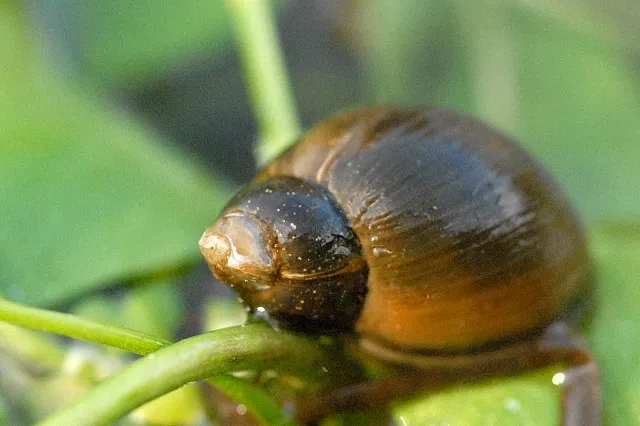
Wandering snail
Ampullaceana balthica
Freshwater0.8 in (2 cm) · 11 gal (40 L)50–84°F (10–29°C)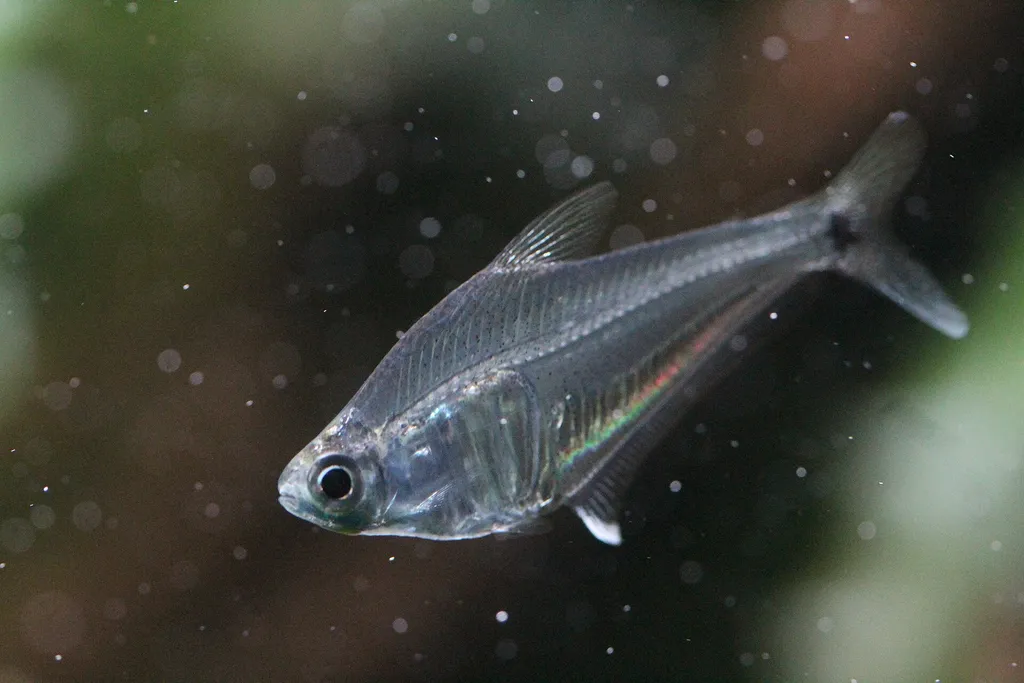
Crystal tetra
Protocheirodon pi
Freshwater1.2 in (3.1 cm) · 11 gal (40 L)73–82°F (23–28°C)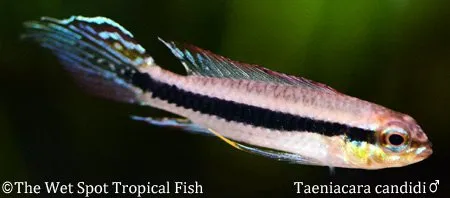
Blackstripe dwarf cichlid
Taeniacara candidi
Freshwater1.6 in (4 cm) · 11 gal (40 L)75–82°F (24–28°C)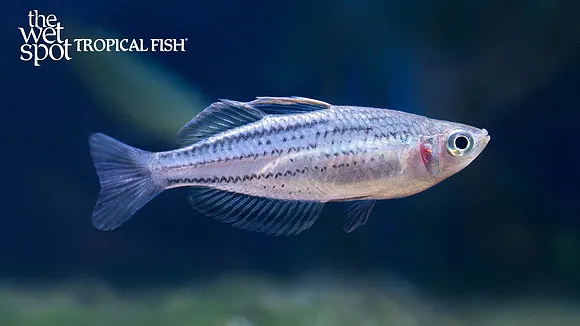
Green panchax
Aplocheilus blockii
Freshwater2 in (5 cm) · 11 gal (40 L)72–82°F (22–28°C)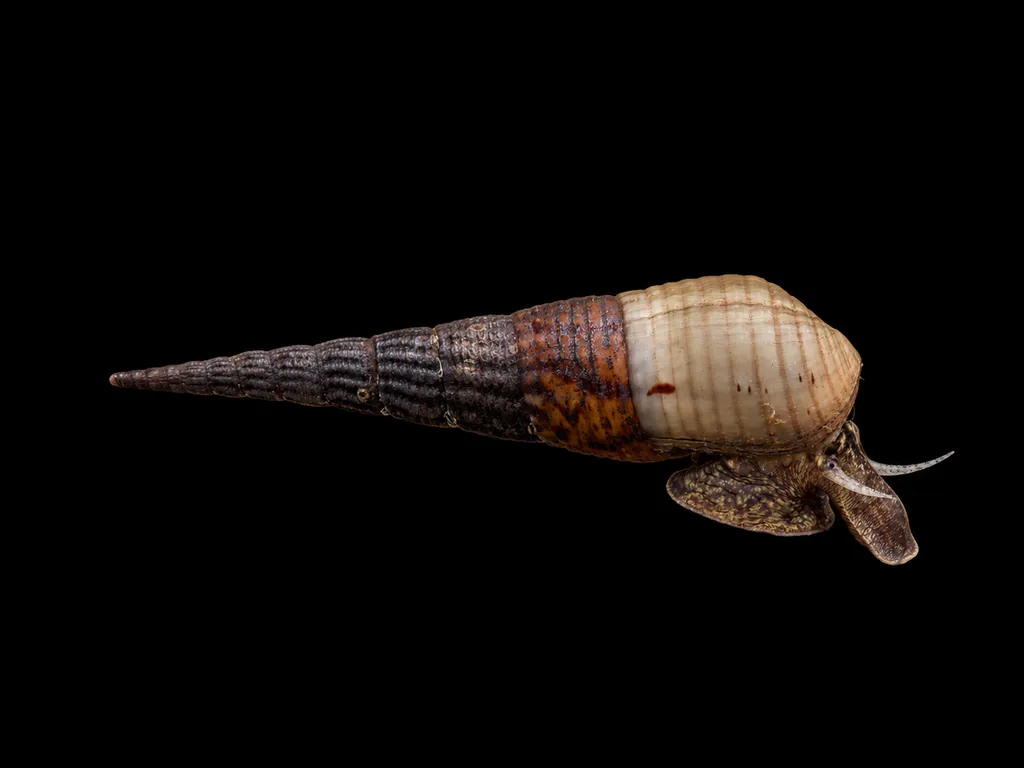
Chopstick snail
Stenomelania torulosa
Freshwater2 in (5 cm) · 11 gal (40 L)73–82°F (23–28°C)
Common questions
What size tank does a dwarf thorny catfish need?
A dwarf thorny catfish needs at least 11 gal (40 L). It spends most of its time in the bottom.
What temperature and pH does a dwarf thorny catfish need?
A dwarf thorny catfish is comfortable at 73–82°F (23–28°C) with a pH of 6.0–7.5.
What does a dwarf thorny catfish eat?
A dwarf thorny catfish eats small sinking foods, micro pellets and frozen items such as cyclops and baby brine shrimp. Work the food down among the leaves.
How big does a dwarf thorny catfish get?
An adult dwarf thorny catfish reaches about 1.4 in (3.5 cm).
Related species
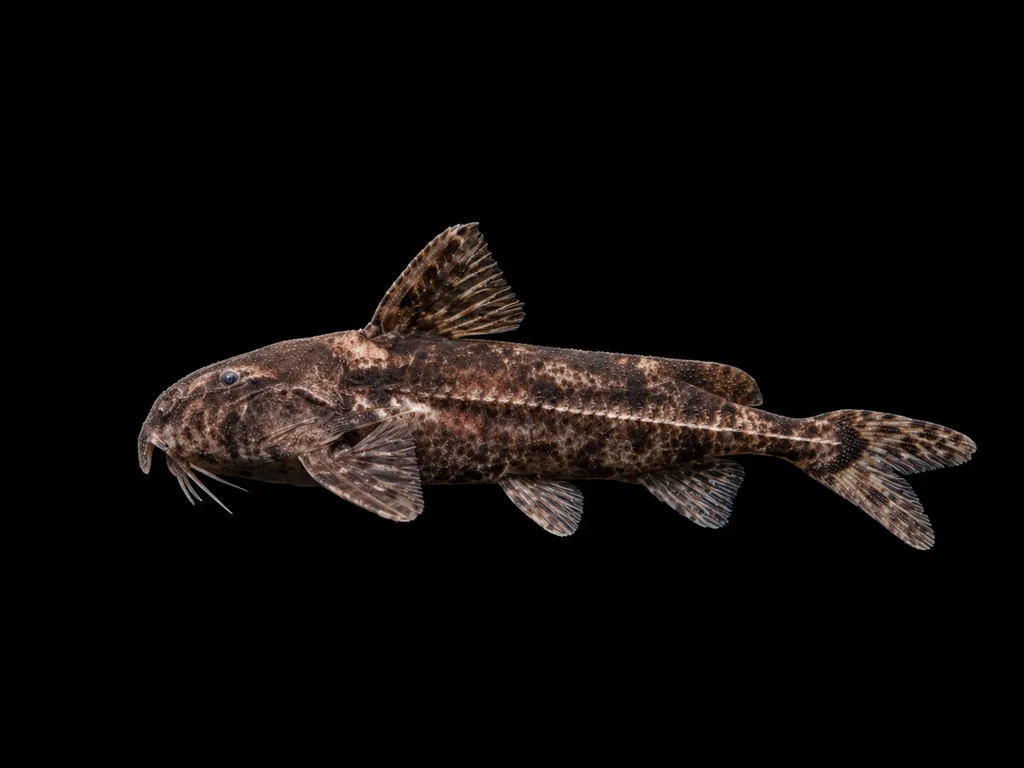 4.1 in (10.5 cm)53 gal (200 L)73–82°F (23–28°C)
Parrot doradid
Rhynchodoras woodsi
4.1 in (10.5 cm) · 53 gal (200 L)
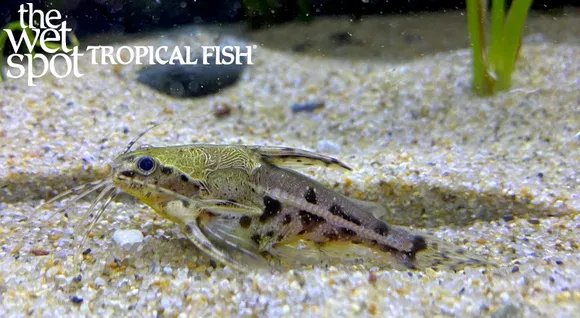 4.3 in (11 cm)30 gal (112 L)73–82°F (23–28°C)
Marbled talking catfish
Amblydoras nauticus
4.3 in (11 cm) · 30 gal (112 L)
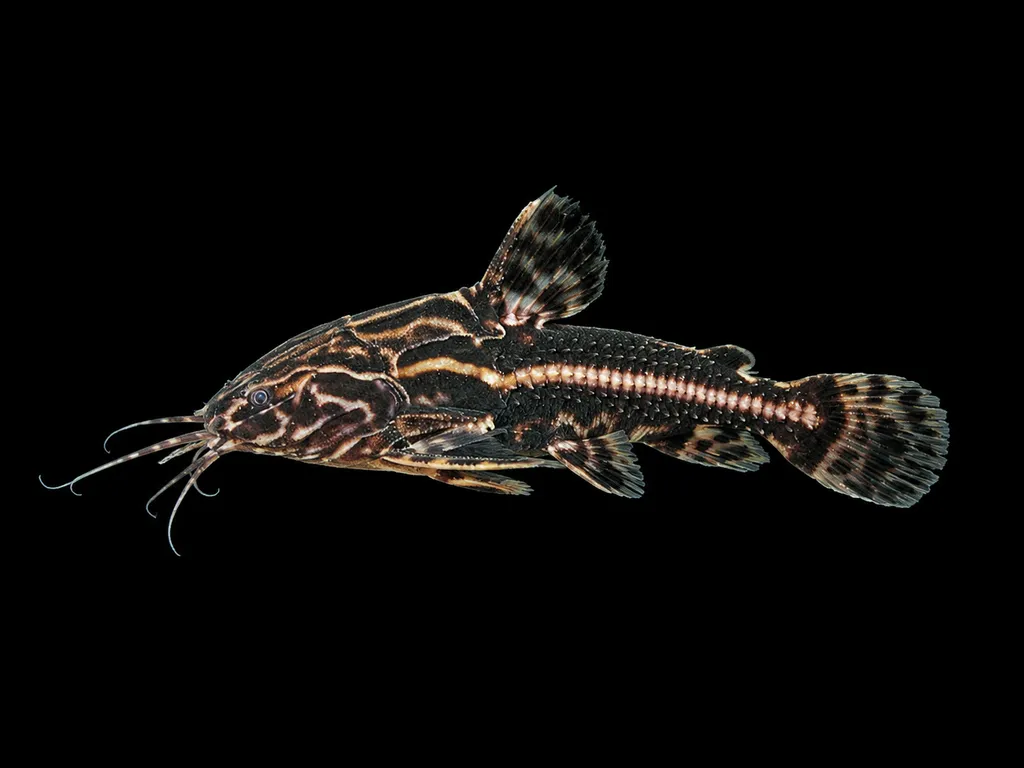 4.5 in (11.5 cm)30 gal (112 L)73–82°F (23–28°C)
Painted talking catfish
Acanthodoras cataphractus
4.5 in (11.5 cm) · 30 gal (112 L)
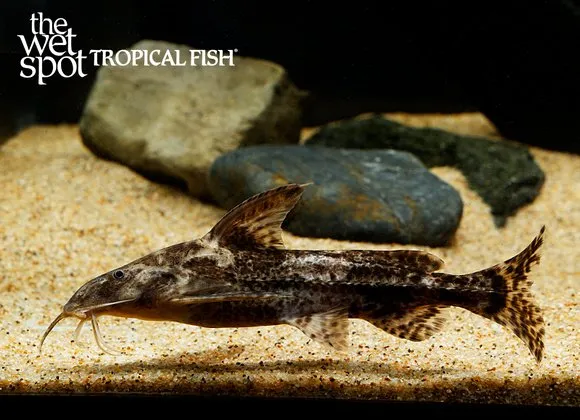 5.9 in (15 cm)70 gal (265 L)73–82°F (23–28°C)
Gallagher's catfish
Rhinodoras gallagheri
5.9 in (15 cm) · 70 gal (265 L)
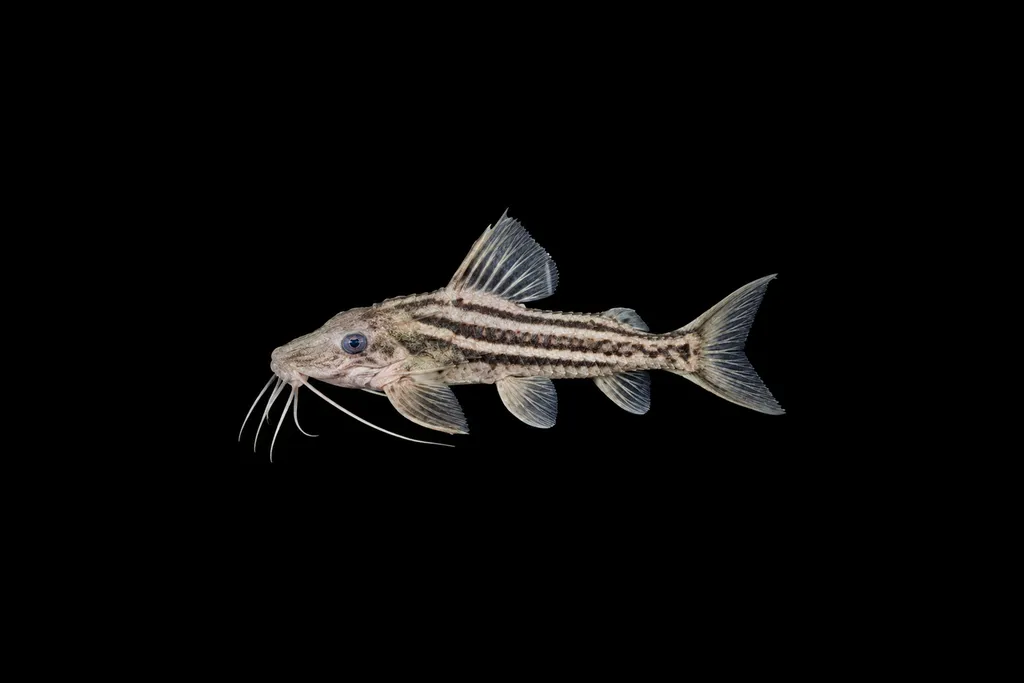 5.9 in (15 cm)53 gal (200 L)73–82°F (23–28°C)
Hancock's talking catfish
Platydoras hancockii
5.9 in (15 cm) · 53 gal (200 L)
 5.9 in (15 cm)40 gal (150 L)73–82°F (23–28°C)
Orinoco spotted raphael
Agamyxis albomaculatus
5.9 in (15 cm) · 40 gal (150 L)