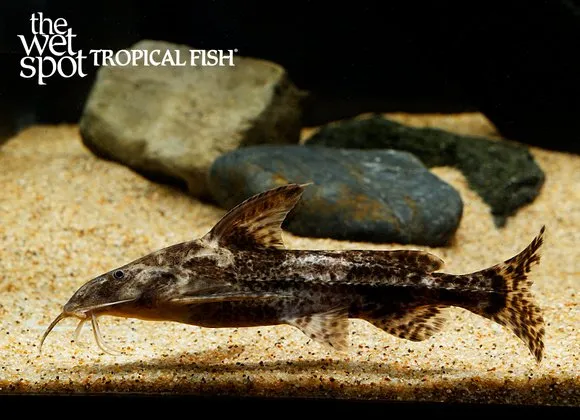
Marbled talking catfish
Amblydoras nauticus
Also known as Marble talking cat
FreshwaterFish
Care at a glance
- Temperature
- 73–82°F
- 23–28°C
- pH
- 6.0–7.5
- Adult size
- 4.3 in
- 11 cm
- Minimum tank
- 30 gal
- 112 L
- Temperament
- Peaceful
- Social behavior
- Social
- Swim level
- Bottom
- Difficulty
- Medium
- Breeding
- No record
- Rarity
- Rare
- Family
- Doradidae
- Origin
- Upper Amazon, Peru
Overview
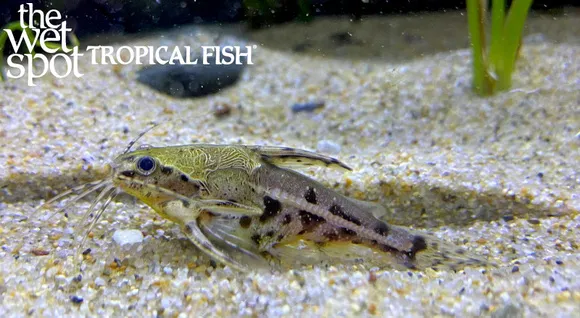
The marbled talking catfish is a small, sociable armored catfish for the bottom of a peaceful community tank. Its modest adult size makes it manageable for a keeper with some experience.
Did you know
The marbled talking catfish's species name, nauticus, points to Nauta, the small river port in Peru near where the first specimens were collected. Despite the seafaring sound of the word, this is a freshwater fish of the upper Amazon.
Caring for the marbled talking catfish
A group of marbled talking catfish settles well in a tank of at least 30 gal (112 L). Give them a soft sand base under a layer of botanicals or leaf litter, plus driftwood and caves. Keep the lighting low, because dim light and plenty of cover bring out their natural, unhurried foraging.
Keep the water soft to neutral, at 73 to 82°F (23 to 28°C) and a pH of 6.0 to 7.5, with gentle filtration. Feed sinking pellets, wafers and small frozen foods after dark, when they do most of their feeding.
Marbled talking catfish are sociable and happy in company, so keep a few together, though one is also fine alone. They will often pile up in the same shelter by day. They are peaceful and community safe with calm fish of a similar size. There is no record of them spawning in aquariums.
Good to know
This thorny catfish of the family Doradidae wears a mottled brown, marbled pattern. It was described by Edward Drinker Cope in 1874. In shops it is very often mislabeled as Amblydoras hancockii, a name that actually belongs to a different fish. Like its relatives, it produces audible clicks with its pectoral spines.
In the wild
Amblydoras nauticus is endemic to the upper Amazon of Peru. It shuffles through leaf litter and soft sediment in slow, shaded water.
Weekly picks
Tank mates
The marbled talking catfish is a peaceful, social species that keeps to the bottom. These picks share a community profile with it, are safe together in both directions, and overlap on water type, temperature and pH.
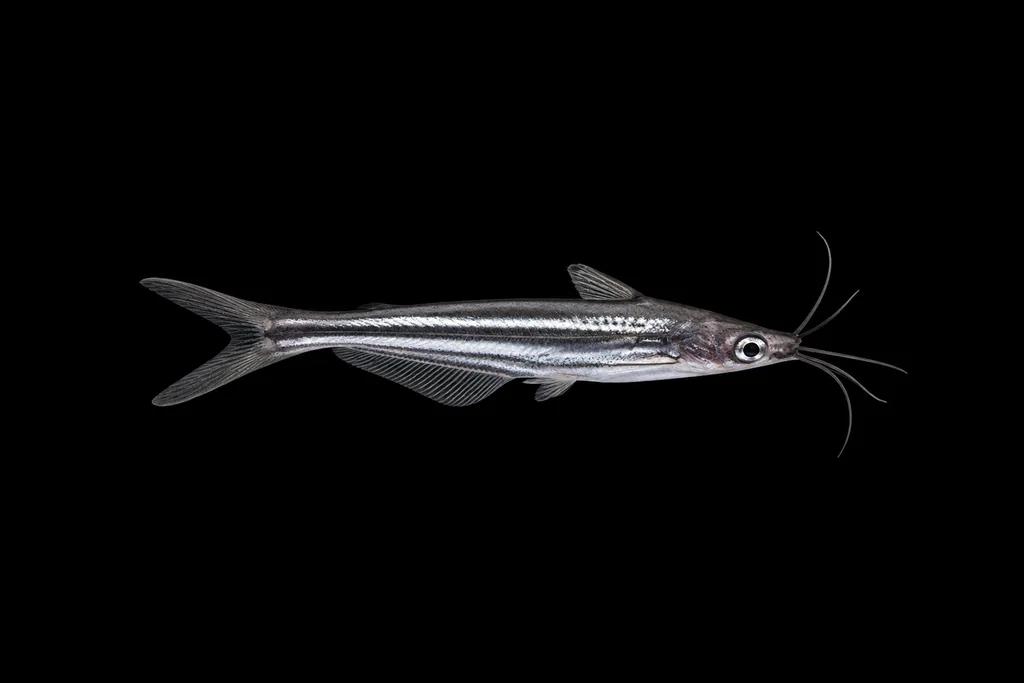
Mini shark cat
Pseudeutropius brachypopterus
Freshwater4.3 in (11 cm) · 30 gal (112 L)73–82°F (23–28°C)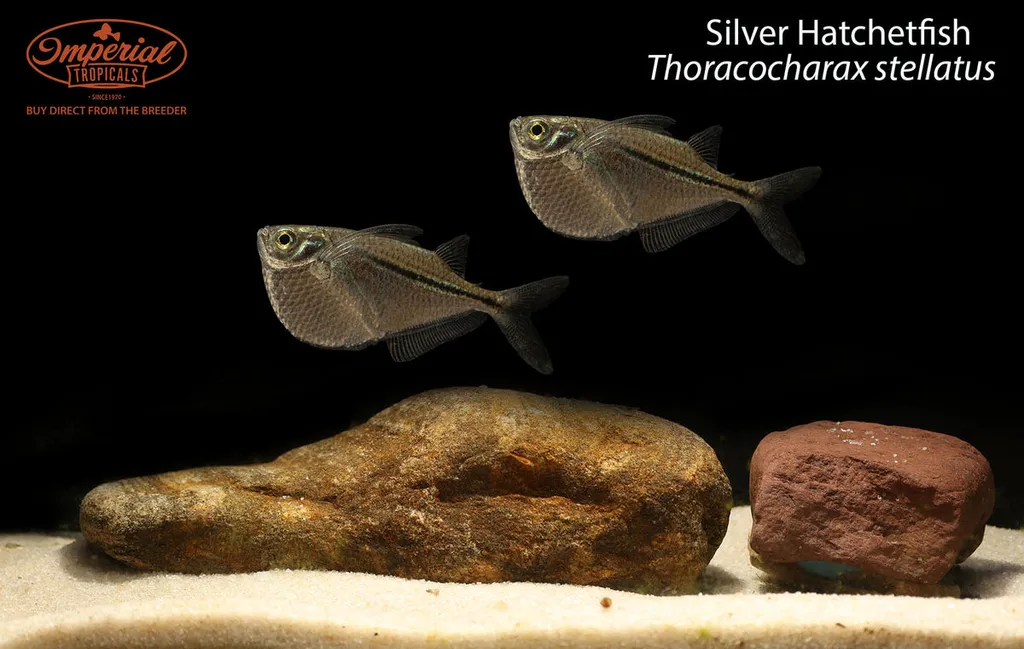
Spotfin hatchetfish
Thoracocharax stellatus
Freshwater3.5 in (9 cm) · 26 gal (100 L)73–82°F (23–28°C)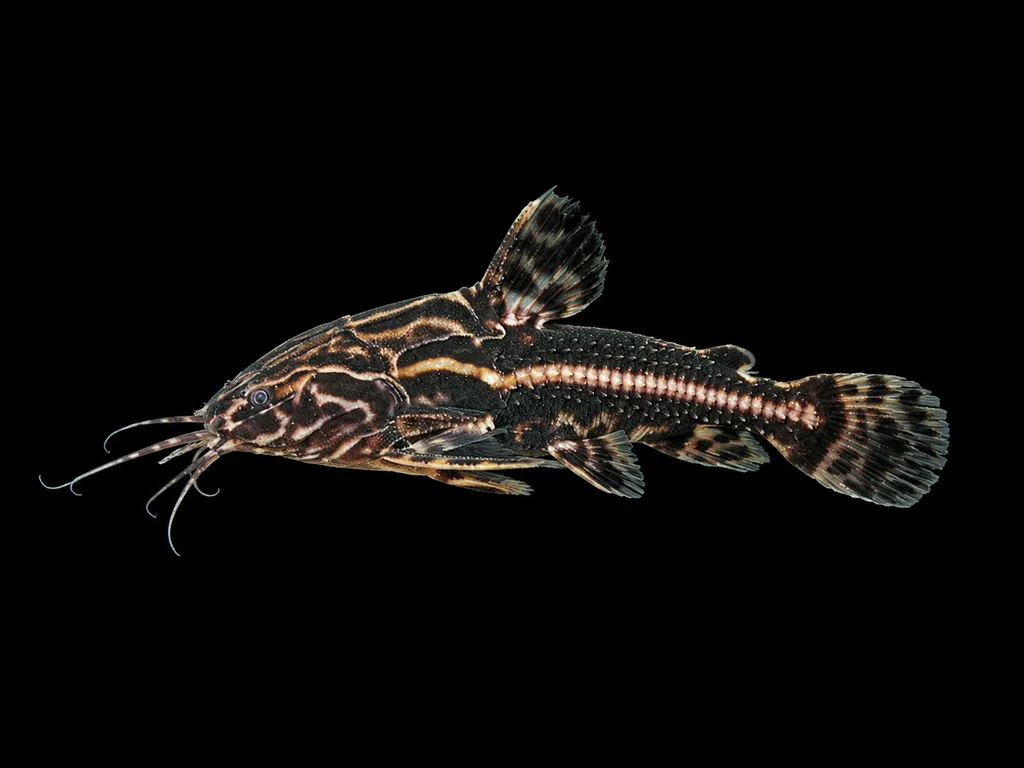
Painted talking catfish
Acanthodoras cataphractus
Freshwater4.5 in (11.5 cm) · 30 gal (112 L)73–82°F (23–28°C)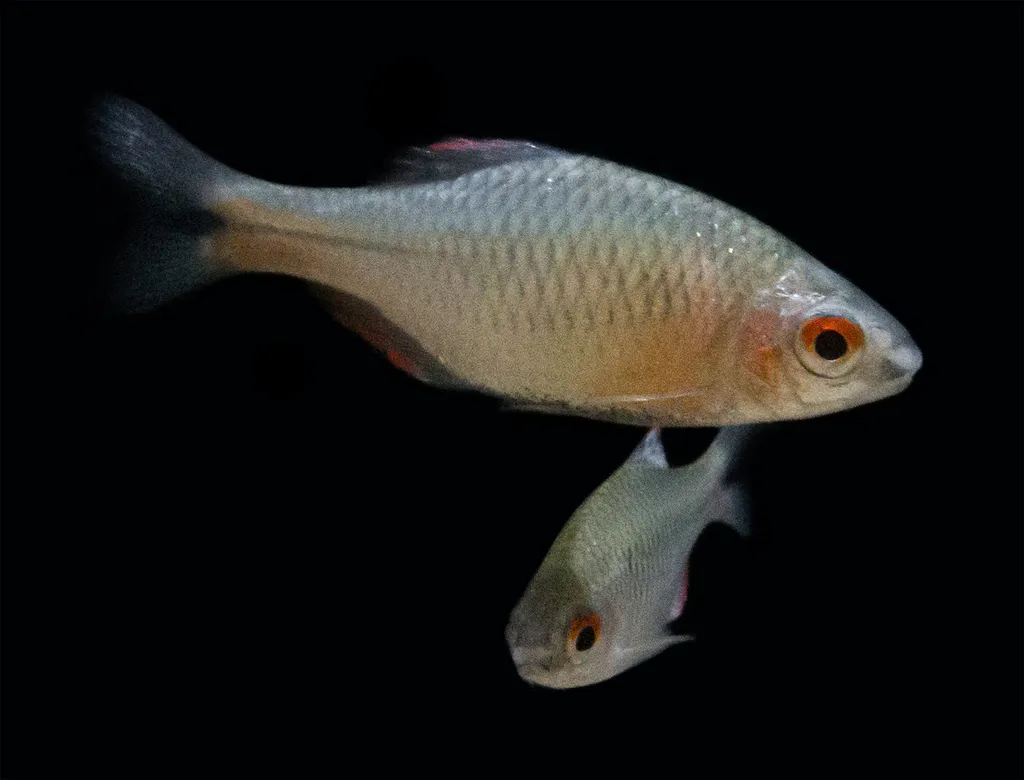
Blue Amur bitterling
Paracheilognathus himantegus
Freshwater3.1 in (8 cm) · 30 gal (112 L)57–79°F (14–26°C)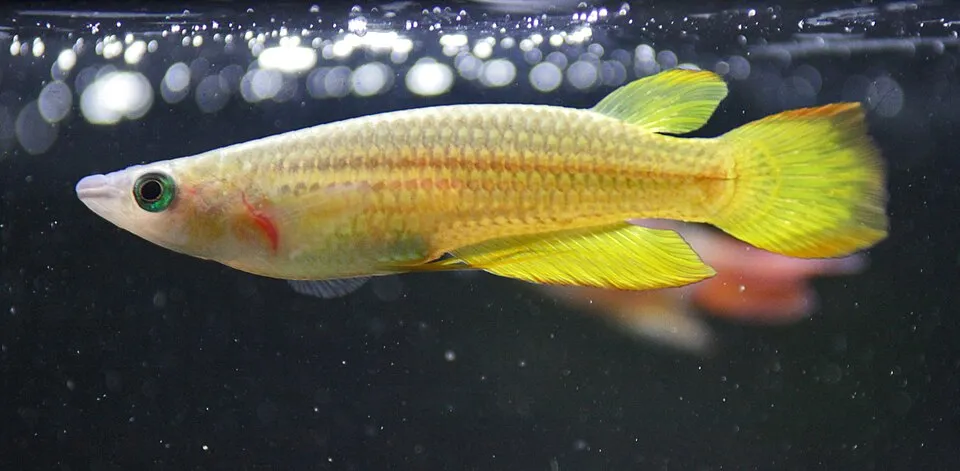
Striped panchax
Aplocheilus lineatus
Freshwater4.3 in (11 cm) · 30 gal (115 L)72–77°F (22–25°C)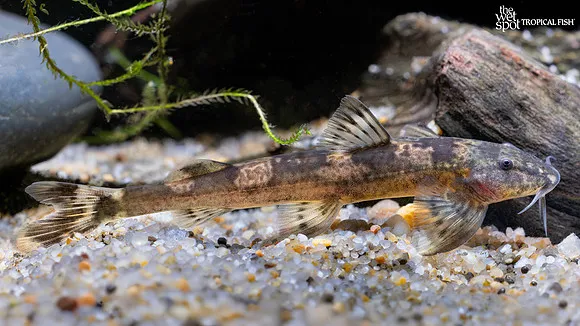
Senegal kuhli cat
Amphilius rheophilus
Freshwater4.7 in (12 cm) · 30 gal (112 L)70–79°F (21–26°C)
Common questions
What size tank does a marbled talking catfish need?
A marbled talking catfish needs at least 30 gal (112 L). It spends most of its time in the bottom.
What temperature and pH does a marbled talking catfish need?
A marbled talking catfish is comfortable at 73–82°F (23–28°C) with a pH of 6.0–7.5.
What does a marbled talking catfish eat?
A marbled talking catfish eats sinking pellets, wafers and small frozen foods. Feed it after dark, when it does most of its feeding.
How big does a marbled talking catfish get?
An adult marbled talking catfish reaches about 4.3 in (11 cm).
Related species
- 4.5 in (11.5 cm)30 gal (112 L)73–82°F (23–28°C)
Painted talking catfish
Acanthodoras cataphractus
4.5 in (11.5 cm) · 30 gal (112 L)
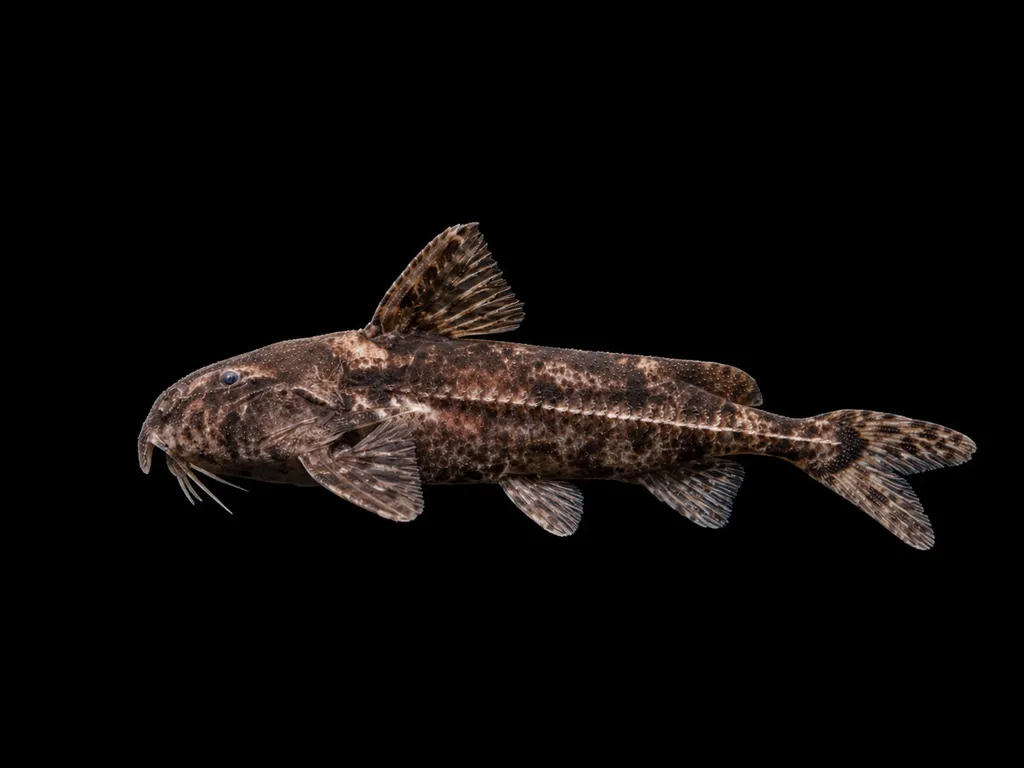 4.1 in (10.5 cm)53 gal (200 L)73–82°F (23–28°C)
Parrot doradid
Rhynchodoras woodsi
4.1 in (10.5 cm) · 53 gal (200 L)
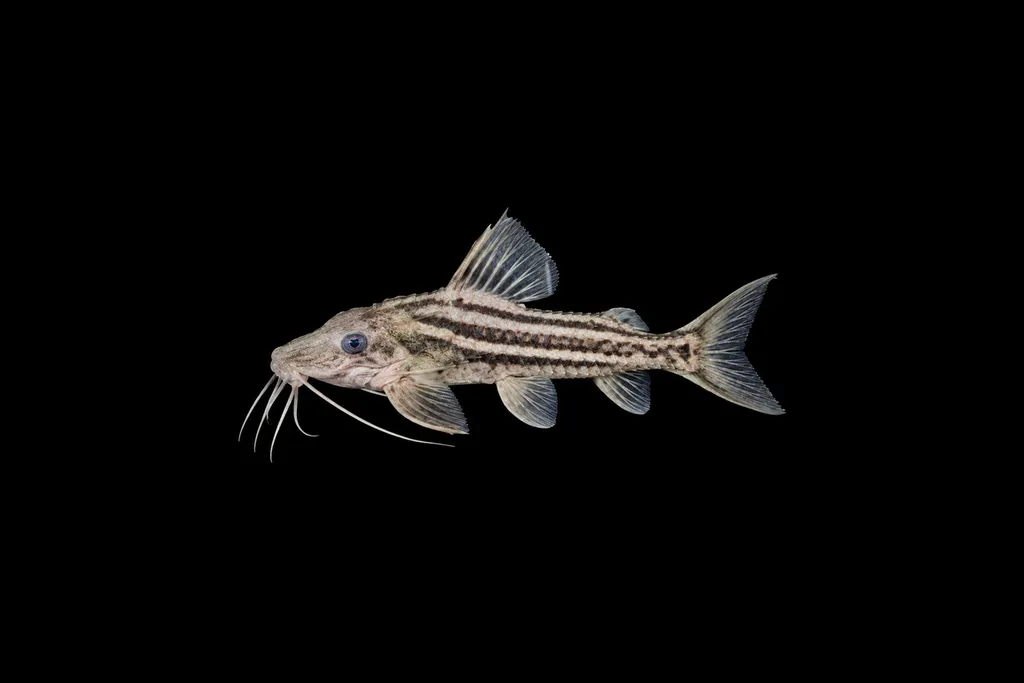
 5.9 in (15 cm)70 gal (265 L)73–82°F (23–28°C)
Gallagher's catfish
Rhinodoras gallagheri
5.9 in (15 cm) · 70 gal (265 L)
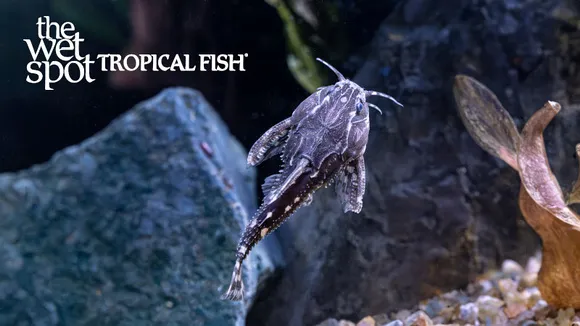
 5.9 in (15 cm)53 gal (200 L)73–82°F (23–28°C)
Hancock's talking catfish
Platydoras hancockii
5.9 in (15 cm) · 53 gal (200 L)
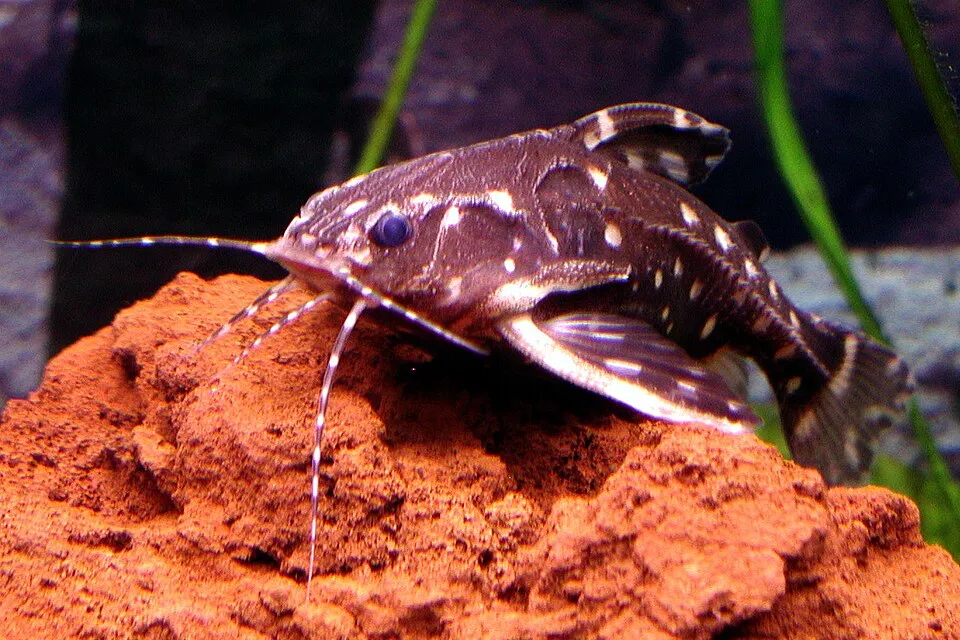
 5.9 in (15 cm)40 gal (150 L)73–82°F (23–28°C)
Orinoco spotted raphael
Agamyxis albomaculatus
5.9 in (15 cm) · 40 gal (150 L)
 5.9 in (15 cm)40 gal (150 L)72–79°F (22–26°C)
Spotted raphael catfish
Agamyxis pectinifrons
5.9 in (15 cm) · 40 gal (150 L)