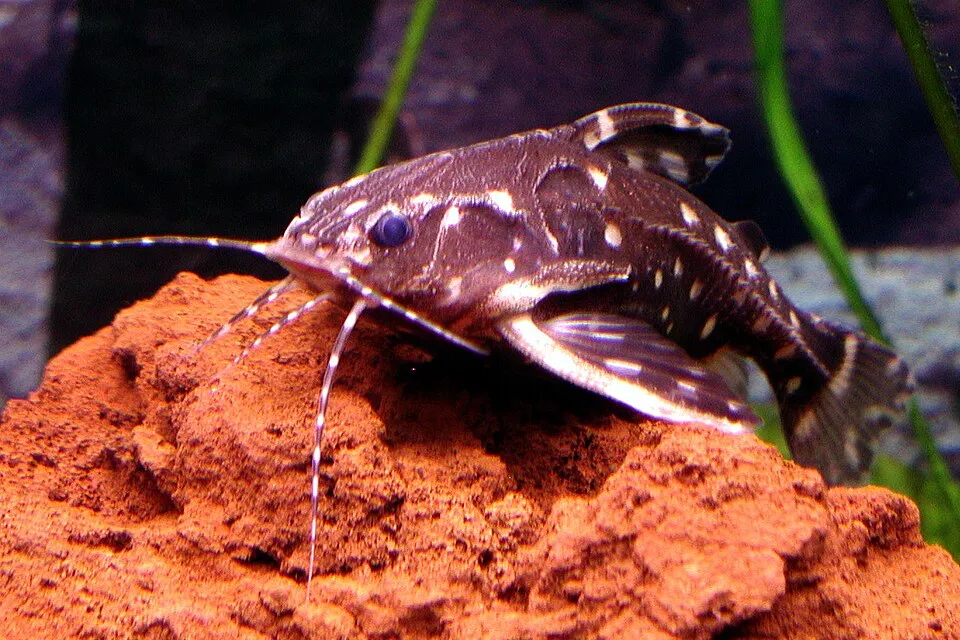
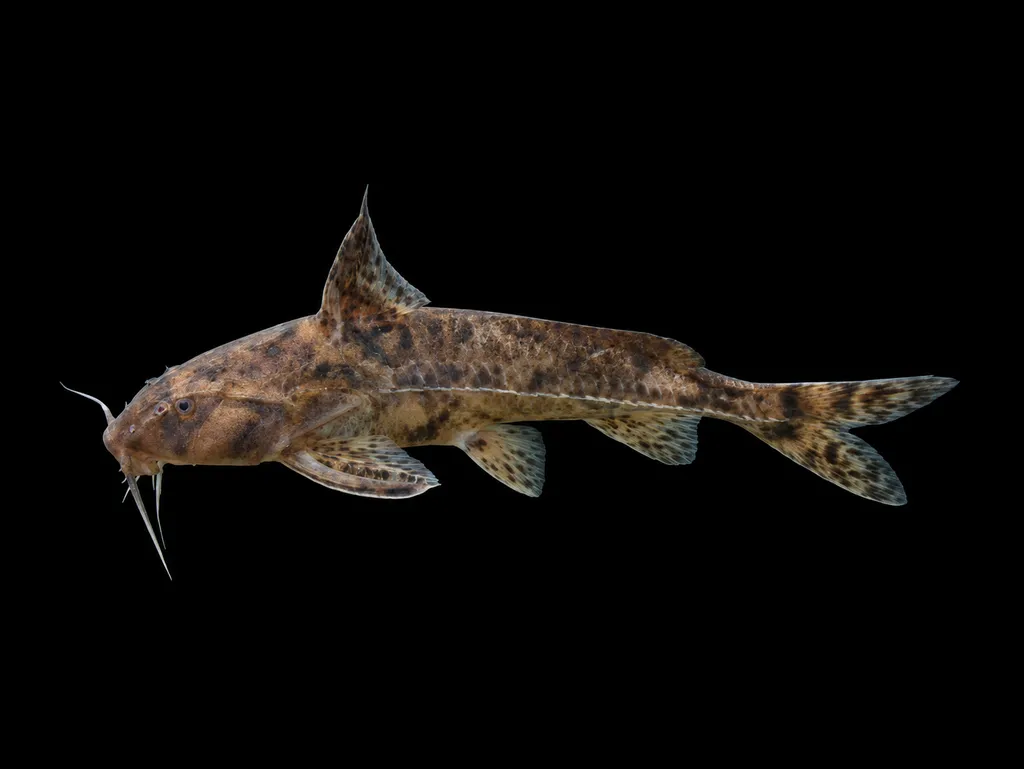
Spotted raphael catfish
Agamyxis pectinifrons
FreshwaterFish
Care at a glance
- Temperature
- 72–79°F
- 22–26°C
- pH
- 6.0–7.5
- Adult size
- 5.9 in
- 15 cm
- Minimum tank
- 40 gal
- 150 L
- Temperament
- Peaceful
- Social behavior
- Social
- Swim level
- Bottom
- Difficulty
- Medium
- Breeding
- No record
- Rarity
- Rare
- Family
- Doradidae
- Origin
- South America
Overview
The spotted raphael catfish is a peaceful, armored bottom-dweller that mixes well with a wide range of community fish too large to swallow. It is sociable and can be kept singly or in a group, and it often shares a favorite cave with others. By day it wedges into tight cover, and it forages at night, hoovering up sinking foods, so feed after dark with pellets, frozen bloodworms, and the odd algae wafer. Handle it with care, as its stiff spines can snag a net. Give it a soft sand bed with caves and driftwood, and a tank around 150 liters or larger.
In the wild
Agamyxis pectinifrons lives in the Amazon basin, recorded from Bolivia, Brazil, Colombia, and Peru, where it shelters among wood and leaf litter in warm, slow, softly acidic water. Keep it at 22 to 26 degrees C with a pH of 6.0 to 7.5. Provide a soft sand or fine substrate, plenty of driftwood and rocky caves for daytime hiding, and subdued lighting. Gentle to moderate flow and clean, stable water keep this nocturnal scavenger content.
Good to know
A thorny catfish in the family Doradidae, Agamyxis pectinifrons grows to about 15 centimeters and is armored with a row of bony, spined plates along each flank. It can produce audible sounds by locking and grinding its pectoral spines against the shoulder girdle, a talking-catfish trait, and amplifies them with the swim bladder. It is an omnivorous scavenger. Home breeding is not documented.
Did you know
Spotted raphael catfish are called talking catfish because they can grunt and creak loud enough to hear across a room, a sound made by grinding the pectoral fin spines and resonating it with the swim bladder, usually when they are handled.
Weekly picks
Tank mates
Spotted raphael catfish is a peaceful, social species that keeps to the bottom. These picks share a community profile with it, are safe together in both directions, and overlap on water type, temperature and pH.
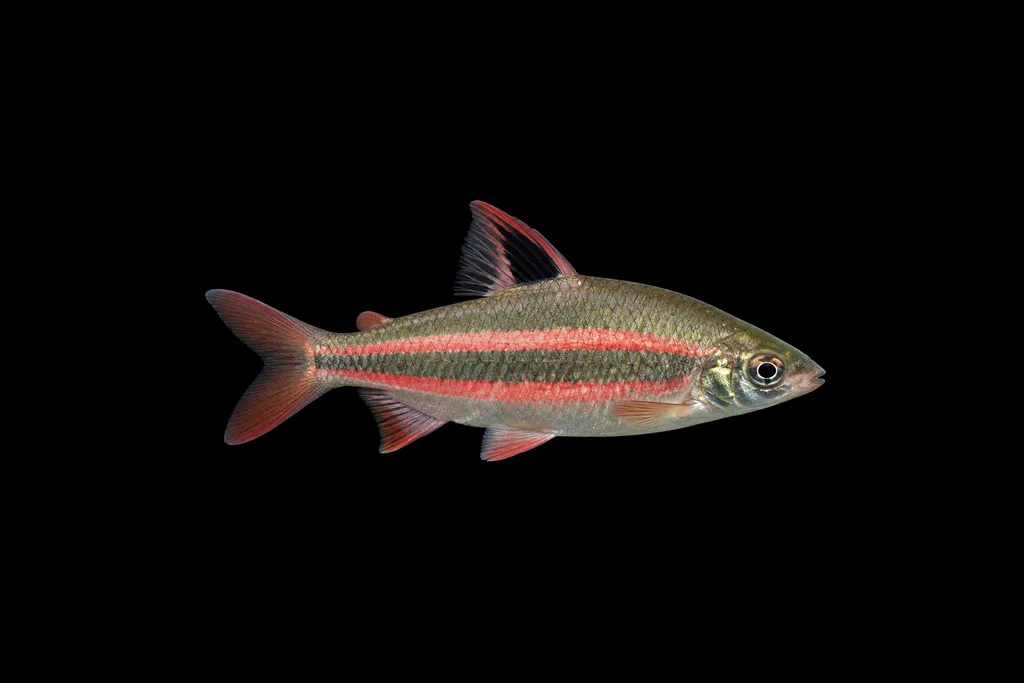
Noboli distichodus
Distichodus noboli
Freshwater7.5 in (19 cm) · 40 gal (150 L)73–82°F (23–28°C)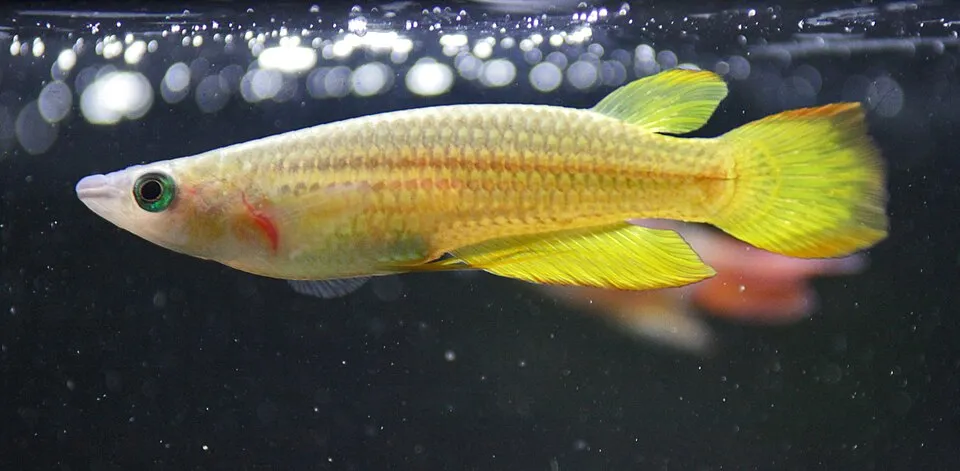
Striped panchax
Aplocheilus lineatus
Freshwater4.3 in (11 cm) · 30 gal (115 L)72–77°F (22–25°C)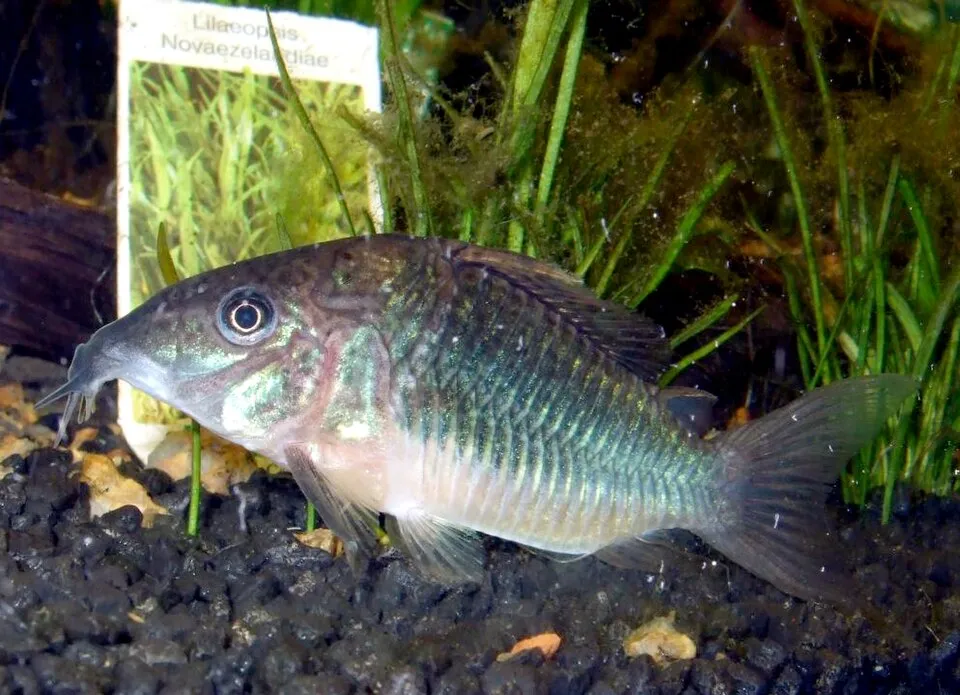
Emerald catfish
Brochis splendens
Freshwater3.1 in (8 cm) · 40 gal (150 L)70–82°F (21–28°C)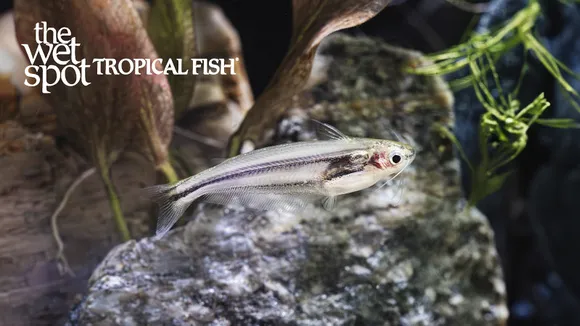
Debauwi cat
Pareutropius debauwi
Freshwater5.1 in (13 cm) · 40 gal (150 L)73–82°F (23–28°C)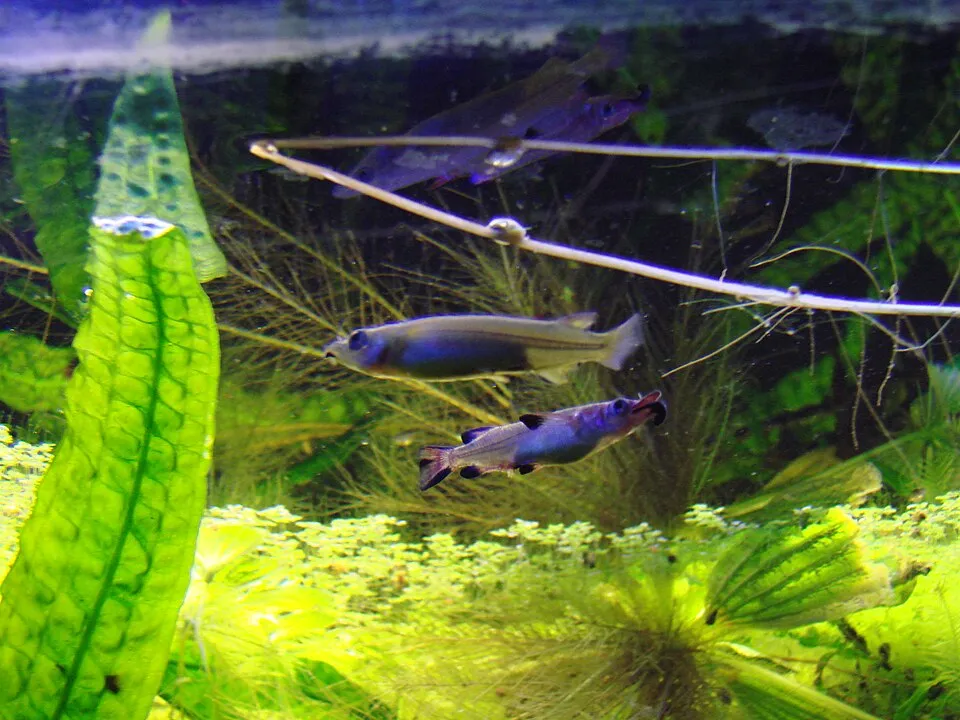
Celebes halfbeak
Nomorhamphus liemi
Freshwater3.5 in (9 cm) · 40 gal (150 L)68–77°F (20–25°C)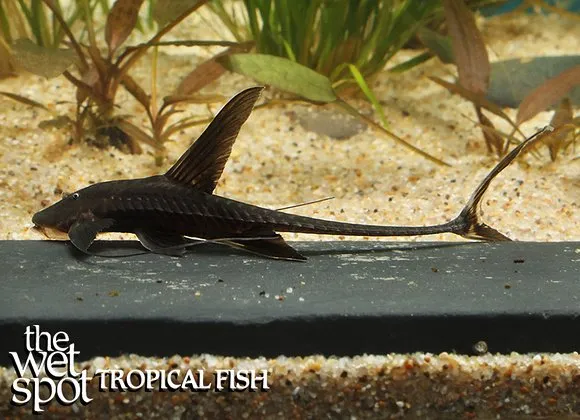
Antenna whiptail
Pterosturisoma microps
Freshwater6.3 in (16 cm) · 40 gal (150 L)73–82°F (23–28°C)
Common questions
What size tank does a Spotted raphael catfish need?
A Spotted raphael catfish needs at least 40 gal (150 L). It spends most of its time in the bottom.
What temperature and pH does a Spotted raphael catfish need?
A Spotted raphael catfish is comfortable at 72–79°F (22–26°C) with a pH of 6.0–7.5.
How big does a Spotted raphael catfish get?
An adult Spotted raphael catfish reaches about 5.9 in (15 cm).
Related species
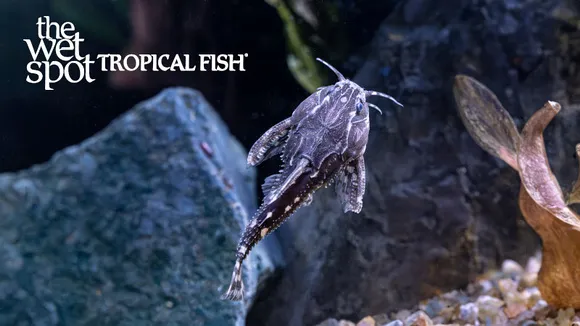 5.9 in (15 cm)40 gal (150 L)73–82°F (23–28°C)
Orinoco spotted raphael
Agamyxis albomaculatus
5.9 in (15 cm) · 40 gal (150 L)
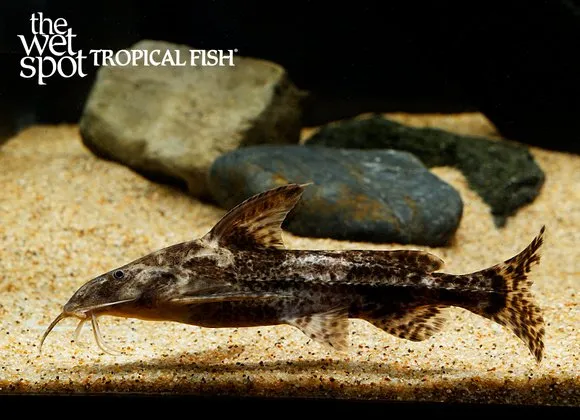 5.9 in (15 cm)70 gal (265 L)73–82°F (23–28°C)
Gallagher's catfish
Rhinodoras gallagheri
5.9 in (15 cm) · 70 gal (265 L)
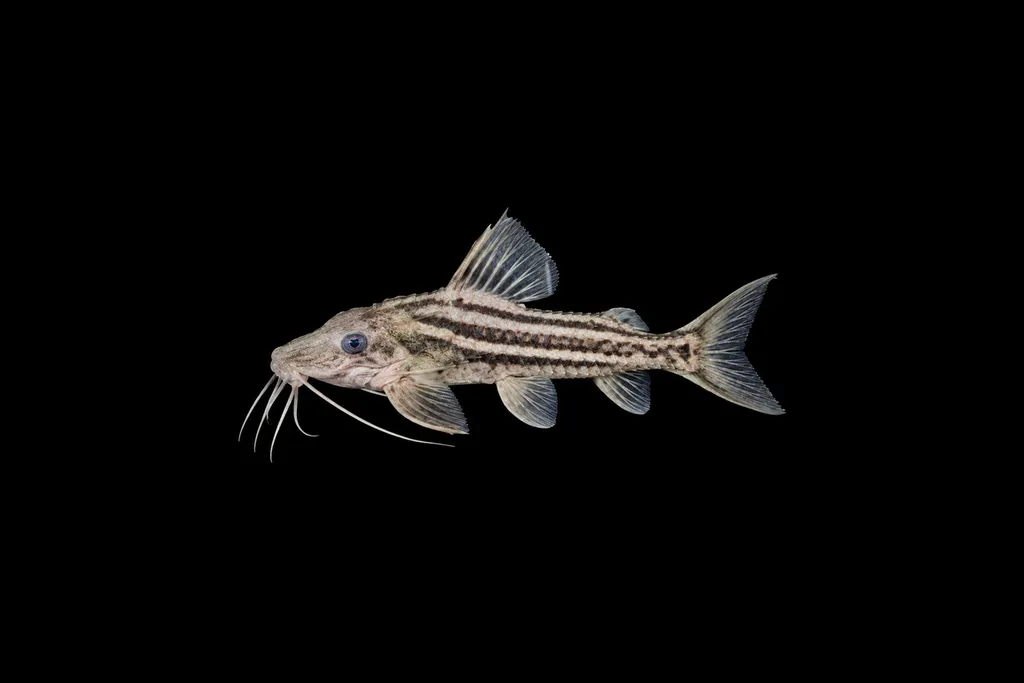 5.9 in (15 cm)53 gal (200 L)73–82°F (23–28°C)
Hancock's talking catfish
Platydoras hancockii
5.9 in (15 cm) · 53 gal (200 L)
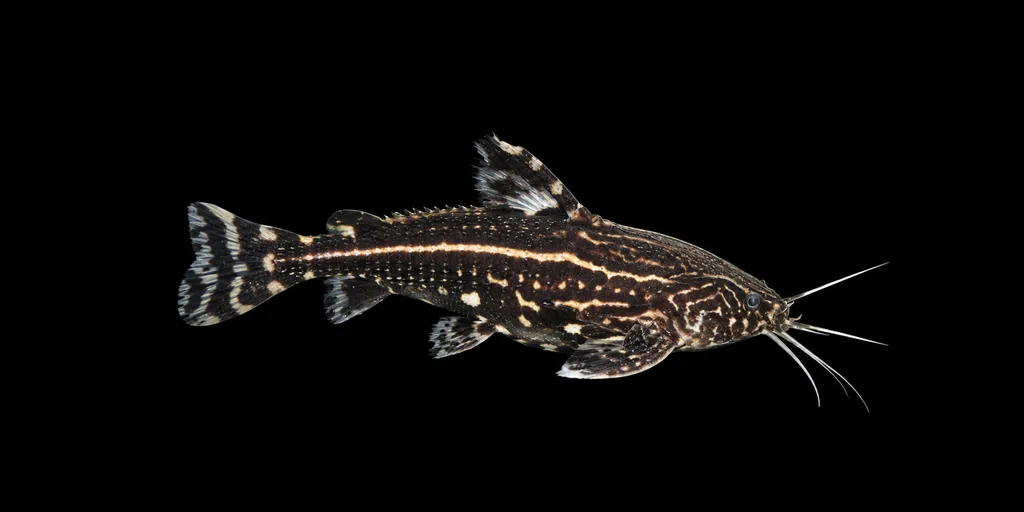 5.9 in (15 cm)26 gal (100 L)72–82°F (22–28°C)
Talking catfish
Acanthodoras spinosissimus
5.9 in (15 cm) · 26 gal (100 L)
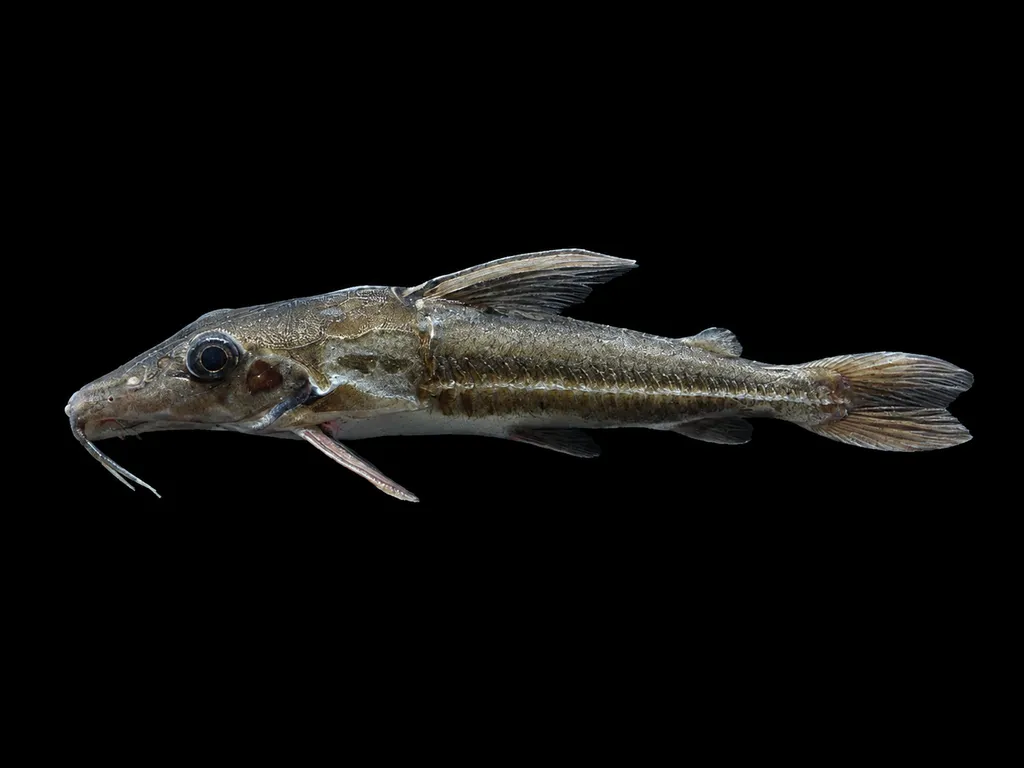 6.3 in (16 cm)53 gal (200 L)73–82°F (23–28°C)
Green turushuki catfish
Hemidoras morrisi
6.3 in (16 cm) · 53 gal (200 L)
 6.7 in (17 cm)79 gal (300 L)73–82°F (23–28°C)
Fog talking catfish
Rhinodoras boehlkei
6.7 in (17 cm) · 79 gal (300 L)