Yoyo loach
Botia almorhae
Also known as Botia lohachata, Reticulate loach, Y-loach, Yo yo loach
FreshwaterFish
Care at a glance
- Temperature
- 66–81°F
- 19–27°C
- pH
- 6.0–7.5
- Adult size
- 6.3 in
- 16 cm
- Minimum tank
- 42 gal
- 160 L
- Temperament
- Peaceful
- Social behavior
- Shoaling
- Swim level
- Bottom
- Difficulty
- Medium
- Breeding
- No record
- Rarity
- Rare
- Family
- Botiidae
- Origin
- Northern India, Nepal and Bangladesh
Overview
The yoyo loach is a hardy, patterned botiid that should be kept in a group of six or more, where it forms an active shoal and is far more relaxed and outgoing. It spends its time on the bottom, digging through sand and exploring wood and rock, and it is one of the more reliable pest-snail hunters. It is peaceful in a good-sized group but can turn nippy if kept in ones and twos, so numbers matter. Pair it with active, similarly robust community fish. Feed sinking pellets, frozen bloodworms, snails, and the occasional vegetable. A group is comfortable in a tank of around 160 liters or larger with plenty of caves.
In the wild
Botia almorhae comes from the clear hill streams and rivers of northern India, in the Ganges drainage and possibly into Nepal, running over sand, gravel, and stone. These waters shift with the seasons but generally sit between 19 and 27 C, at a pH from about 6 to 7.5. A good tank offers a soft substrate, smooth rocks and driftwood built into caves and gaps, and brisk, well-oxygenated flow. Clean, stable water and shaded retreats suit a fish from cool, flowing hill habitats and let the group forage in the open with confidence.
Good to know
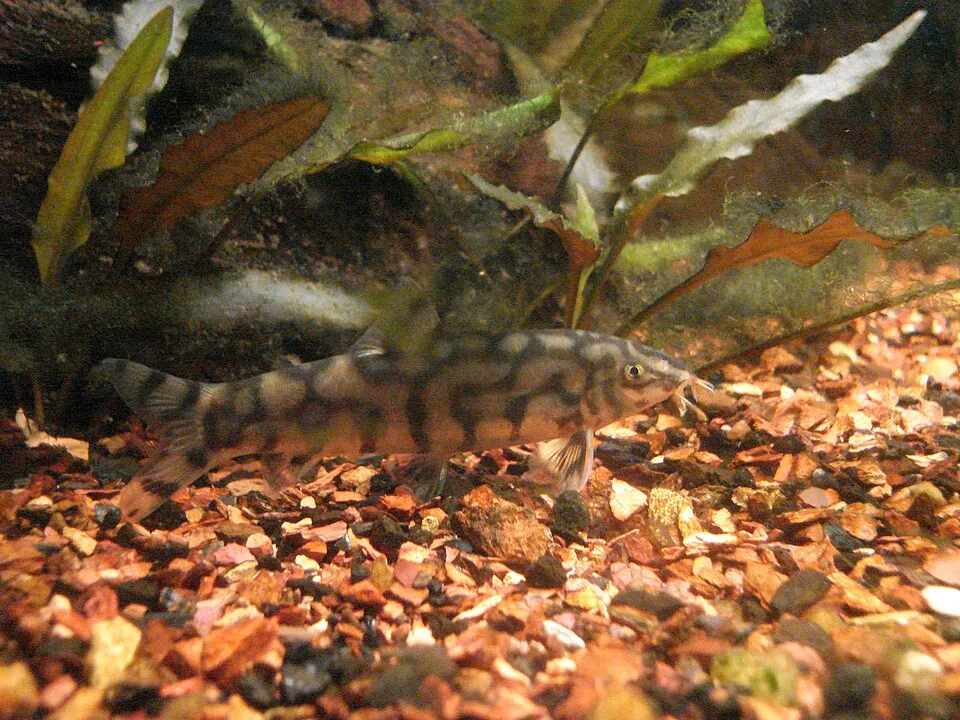
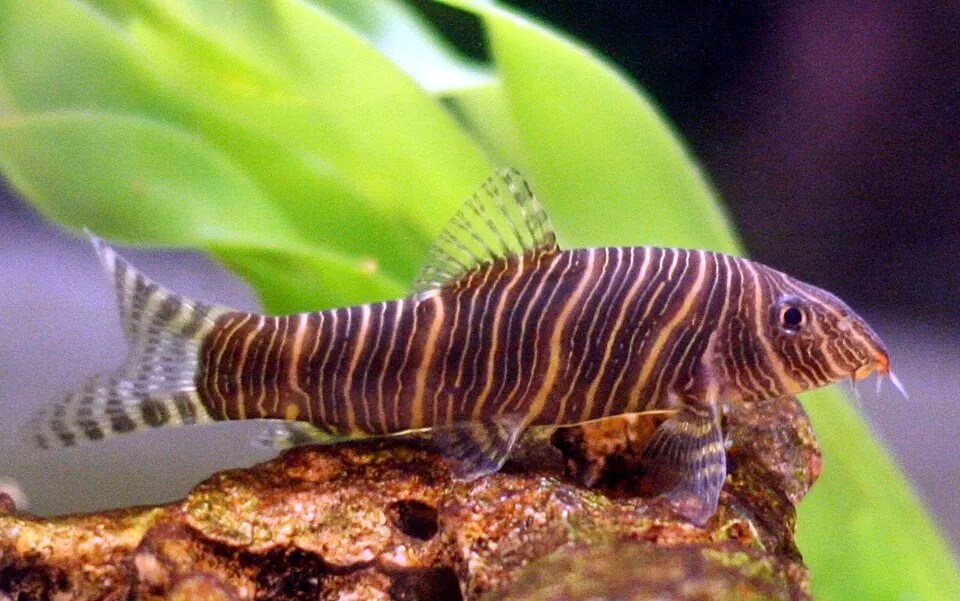
Botia almorhae is a member of Botiidae and grows to around 16 cm. Juveniles carry bold dark markings on a silvery-gold body that break up into a fine, reticulated maze as the fish ages. Like other botiine loaches it has a sharp, erectile spine below each eye, used in defense and easily caught in a net. Breeding is not recorded in home aquaria, and commercial fish are farmed, often with hormone induction, so wild collection is limited.
Did you know
The yoyo loach owes its name to the dark markings on young fish, which often line up to read like the letters Y-O-Y-O along the flank. The pattern is clearest in juveniles and dissolves into a maze of fine lines as the loach matures.
Weekly picks
Tank mates
Yoyo loach is a peaceful, shoaling species that keeps to the bottom. These picks share a community profile with it, are safe together in both directions, and overlap on water type, temperature and pH.
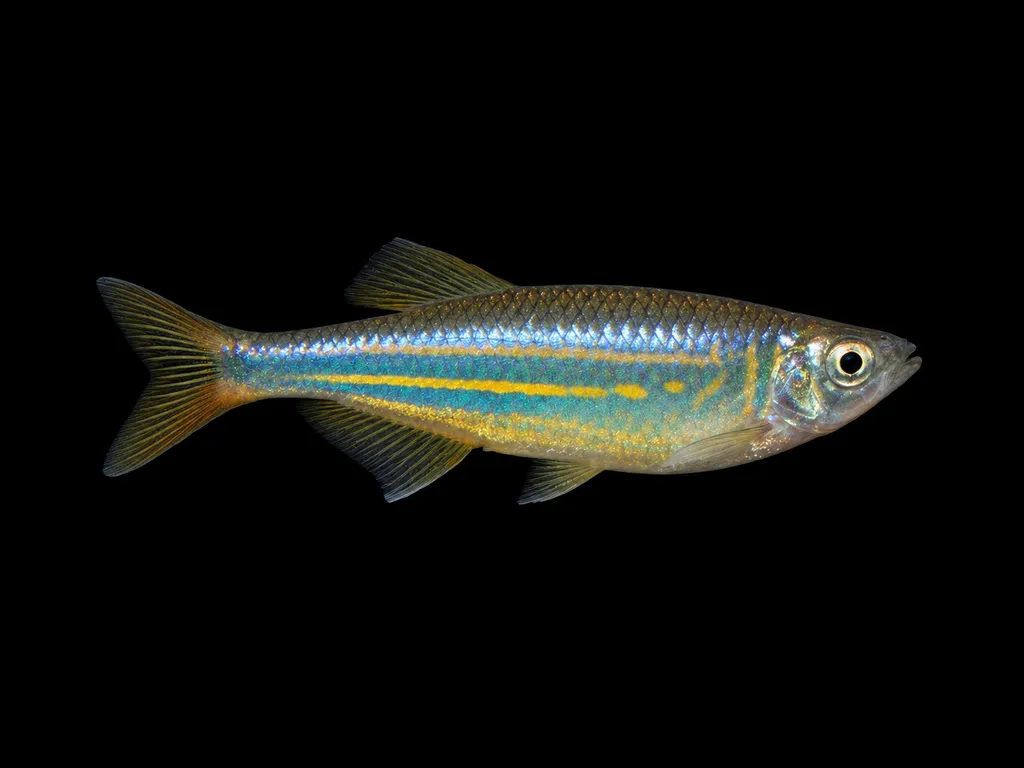
Annandale danio
Devario annandalei
Freshwater4.3 in (11 cm) · 42 gal (160 L)68–79°F (20–26°C)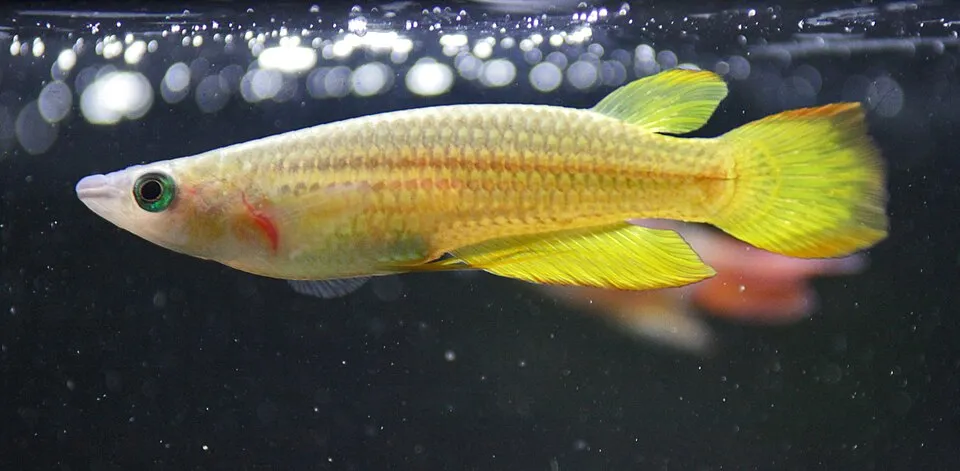
Striped panchax
Aplocheilus lineatus
Freshwater4.3 in (11 cm) · 30 gal (115 L)72–77°F (22–25°C)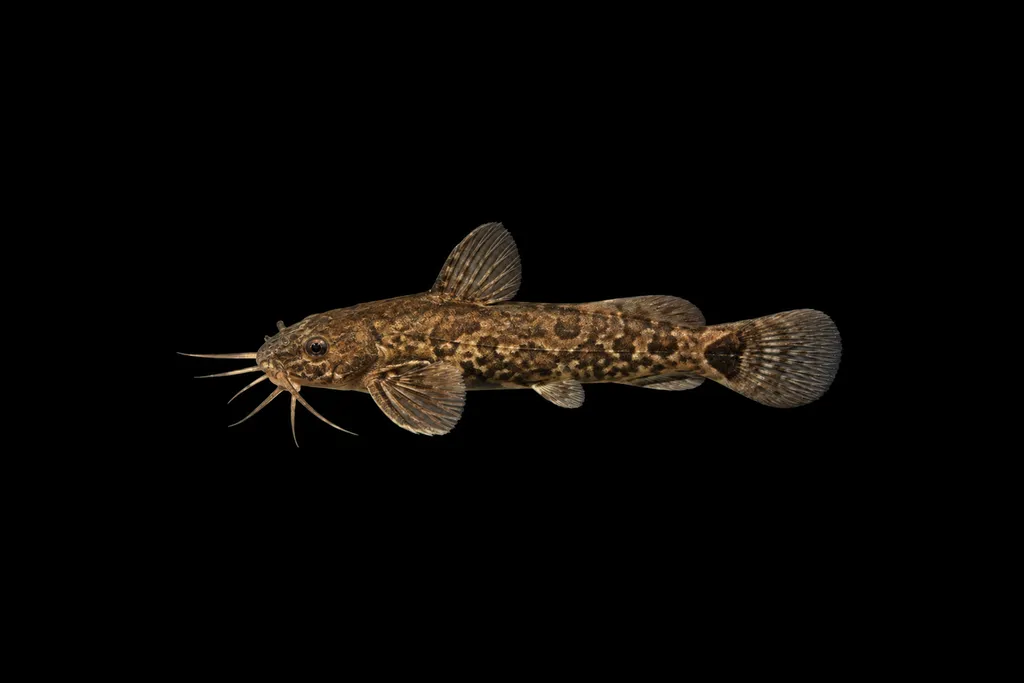
Blotched sisorid catfish
Glyptothorax macromaculatus
Freshwater6.3 in (16 cm) · 42 gal (160 L)68–79°F (20–26°C)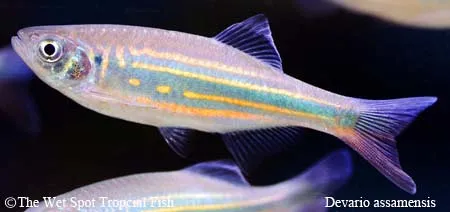
Assam giant danio
Devario assamensis
Freshwater4.3 in (11 cm) · 42 gal (160 L)68–79°F (20–26°C)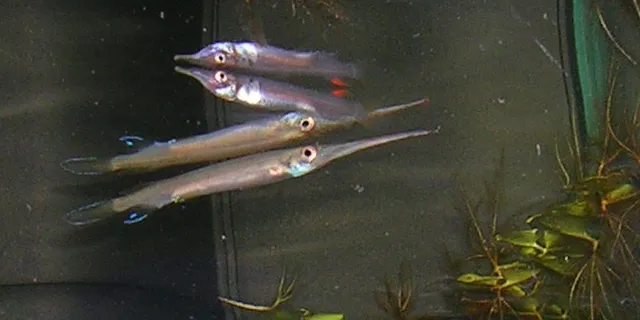
Forest halfbeak
Hemirhamphodon pogonognathus
Freshwater3.5 in (9 cm) · 34 gal (130 L)75–82°F (24–28°C)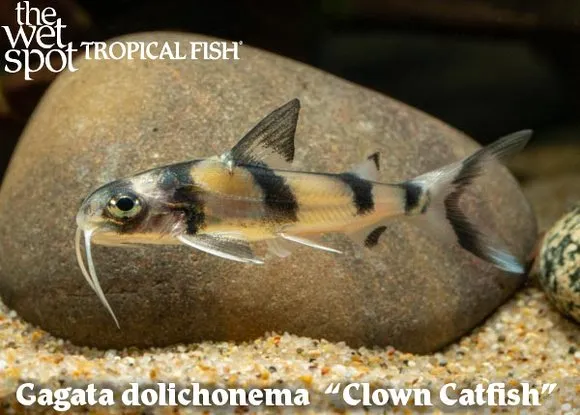
Clown gagata catfish
Gagata dolichonema
Freshwater5.1 in (13 cm) · 42 gal (160 L)68–79°F (20–26°C)
Common questions
What size tank does a Yoyo loach need?
A Yoyo loach needs at least 42 gal (160 L). It spends most of its time in the bottom.
What temperature and pH does a Yoyo loach need?
A Yoyo loach is comfortable at 66–81°F (19–27°C) with a pH of 6.0–7.5.
How big does a Yoyo loach get?
An adult Yoyo loach reaches about 6.3 in (16 cm).
Does a Yoyo loach need a group?
Yes. A Yoyo loach is a shoaling species and should be kept in a group, not singly.
Related species
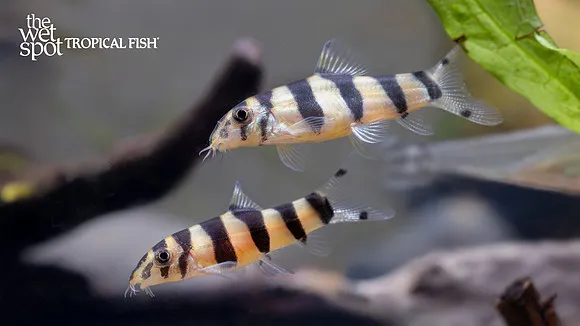
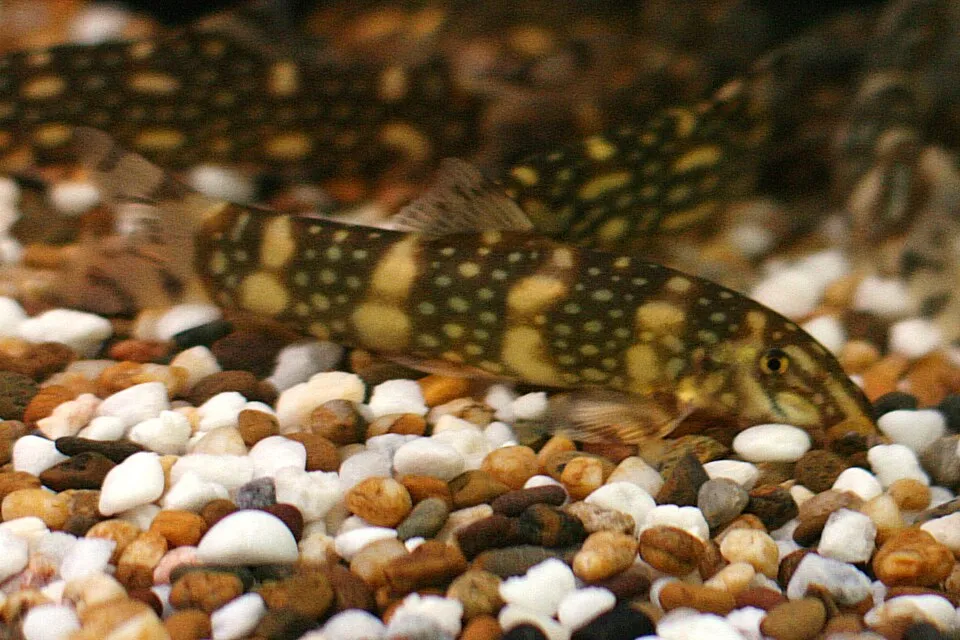 5.9 in (15 cm)42 gal (160 L)72–82°F (22–28°C)
Polka-dot loach
Botia kubotai
5.9 in (15 cm) · 42 gal (160 L)
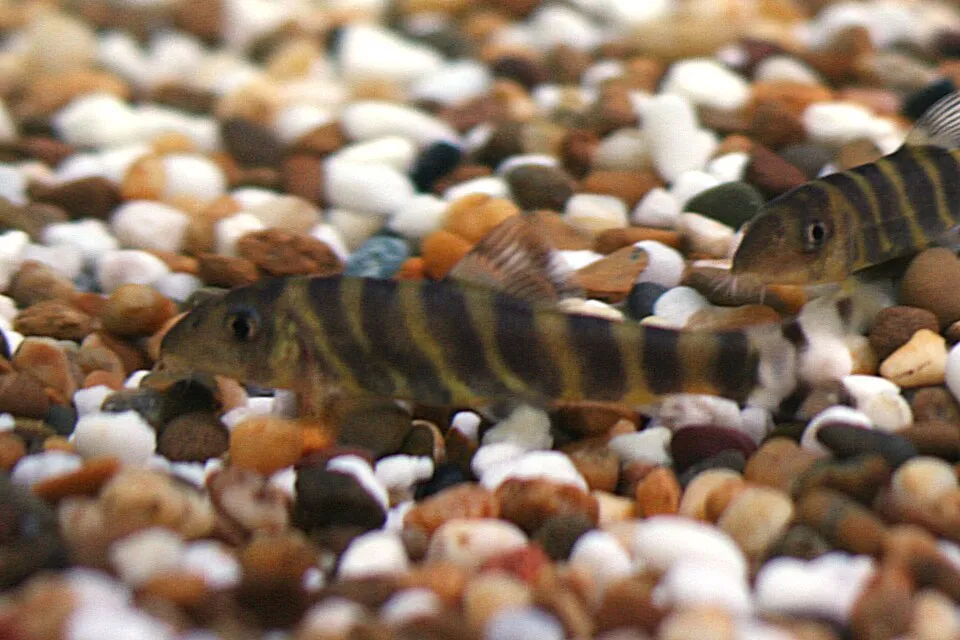
 5.5 in (14 cm)42 gal (160 L)73–82°F (23–28°C)
Emperor loach
Botia udomritthiruji
5.5 in (14 cm) · 42 gal (160 L)
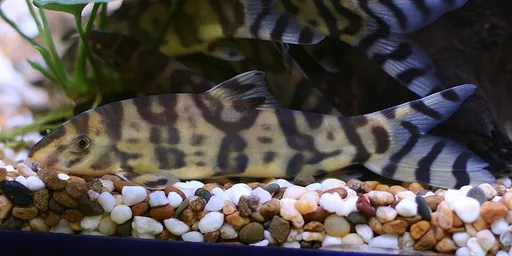
 5.1 in (13 cm)37 gal (140 L)73–79°F (23–26°C)
Bengal loach
Botia dario
5.1 in (13 cm) · 37 gal (140 L)
 5.1 in (13 cm)53 gal (200 L)72–82°F (22–28°C)
Burmese border loach
Botia histrionica
5.1 in (13 cm) · 53 gal (200 L)
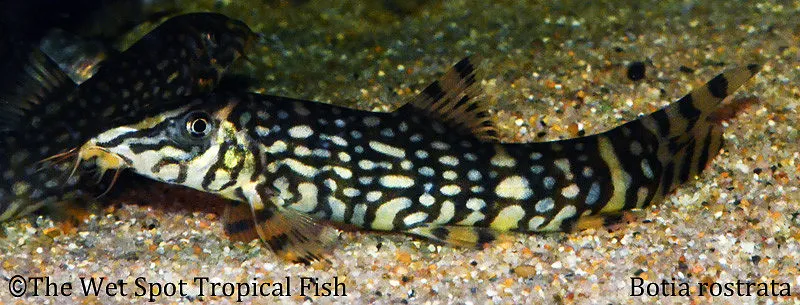 4.7 in (12 cm)42 gal (160 L)66–81°F (19–27°C)
Gangetic loach
Botia rostrata
4.7 in (12 cm) · 42 gal (160 L)
 3.5 in (9 cm)37 gal (140 L)70–79°F (21–26°C)
Zebra loach
Botia striata
3.5 in (9 cm) · 37 gal (140 L)