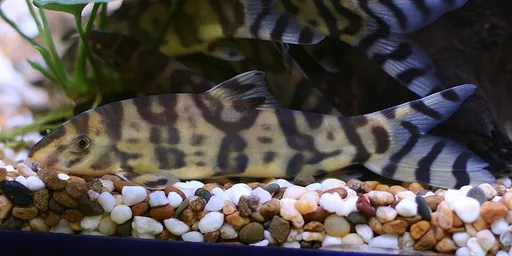
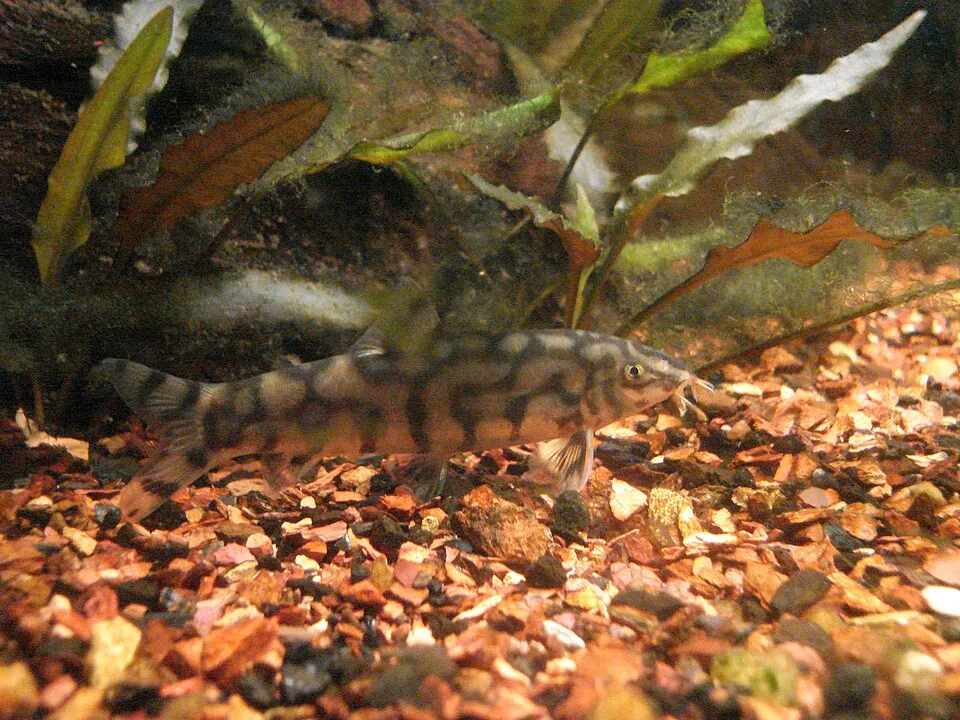
Burmese border loach
Botia histrionica
Also known as Gold-banded loach, Golden zebra loach
FreshwaterFish
Care at a glance
- Temperature
- 72–82°F
- 22–28°C
- pH
- 6.0–7.5
- Adult size
- 5.1 in
- 13 cm
- Minimum tank
- 53 gal
- 200 L
- Temperament
- Mostly peaceful
- Social behavior
- Social
- Swim level
- Bottom
- Difficulty
- Medium
- Breeding
- No record
- Rarity
- Common
- Family
- Botiidae
- Origin
- Myanmar (Ayeyarwady, Sittaung, Salween drainages), NE India (Manipur), and Yunnan, China
Overview
Keep them in a group of five or six at the very least, with ten or more being better, in a tank of 200 liters or larger. A single fish or a pair gets stressed and skittish and tends to bully tankmates, so plan the volume around the whole group from the start. They are active, curious bottom dwellers that are mostly peaceful, but they are known fin nippers, so skip long finned, slow, or delicate tankmates. Hold the water at 22 to 28 C with a pH from 6 to 7.5, keep it mature and spotless since they are sensitive to organic waste and low oxygen, and run weekly water changes of 30 to 50 percent. They are strong jumpers, so a tight fitting lid is essential.
In the wild
Burmese border loaches come from clear, flowing rivers and streams in Myanmar across the Ayeyarwady, Sittaung, and Salween drainages, with populations reaching into Manipur in northeast India and Yunnan in China. The bottom is sand and rounded stone with plenty of rock and wood to hide under. Match that with a tank of at least 200 liters, a soft sand or fine gravel bed, and lots of caves and crevices built from rock and driftwood. Round off any sharp edges and seal narrow gaps, since these fish wedge themselves into tight spots. Keep the water tropical, around 22 to 28 C, with a pH from 6 to 7.5, and give them moderate flow with good oxygenation.
Good to know
This is a botiid loach in the family Botiidae, reaching about 13 cm as an adult. Hobbyists do not breed it, so commercial stock is produced through hormone induction rather than natural spawning in the home tank. Like most loaches it can carry and pass on ich, so quarantine new arrivals and go carefully with any medication that is harsh on scaleless fish.
Did you know
These loaches are strictly tropical freshwater fish with no brackish or cool water needs, which is unusual to spell out, but it matters because they are sometimes lumped in with hardier hillstream and temperate loaches. They also wedge into crevices so readily that they will pack themselves into any gap that fits, which is why you seal narrow openings and round off sharp rock before they ever go in.
Weekly picks
Tank mates
Burmese border loach is a mostly peaceful, social species that keeps to the bottom. These picks share a community profile with it, are safe together in both directions, and overlap on water type, temperature and pH.
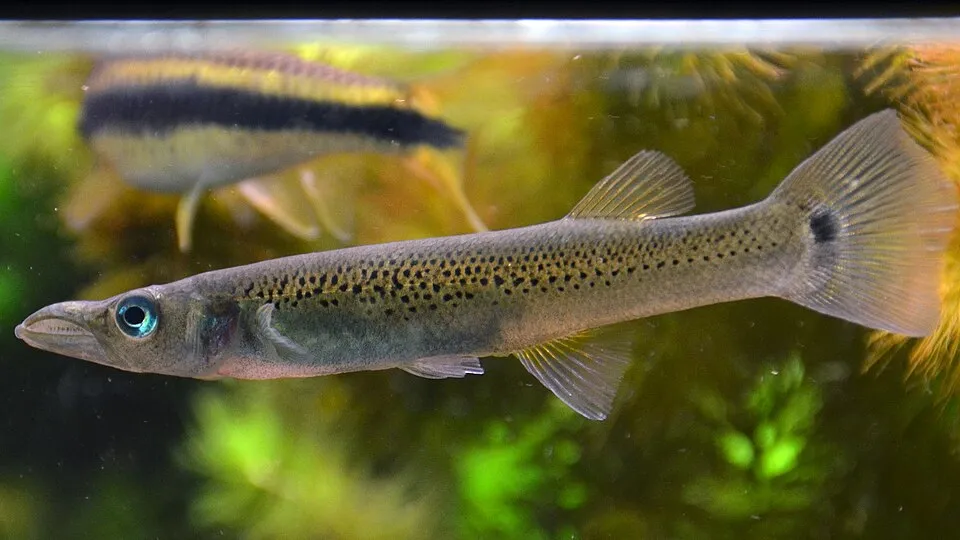
Pike topminnow
Belonesox belizanus
Freshwater7.9 in (20 cm) · 44 gal (165 L)73–82°F (23–28°C)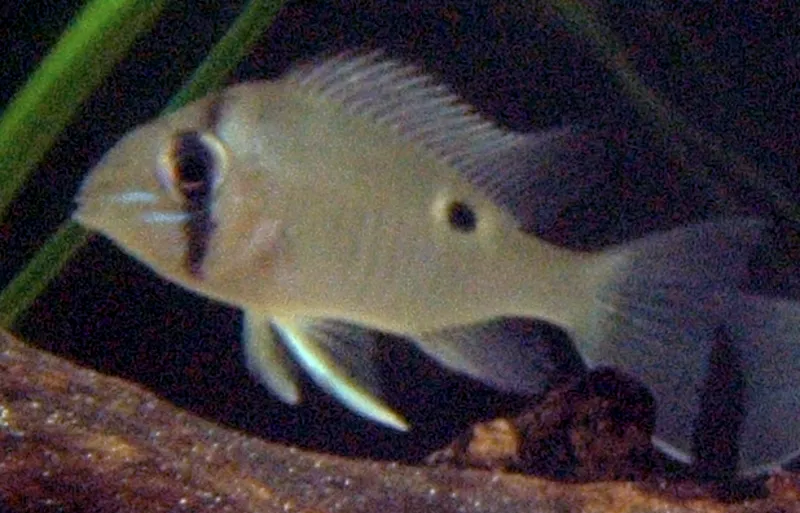
Cupid cichlid
Biotodoma cupido
Freshwater4.7 in (12 cm) · 53 gal (200 L)68–86°F (20–30°C)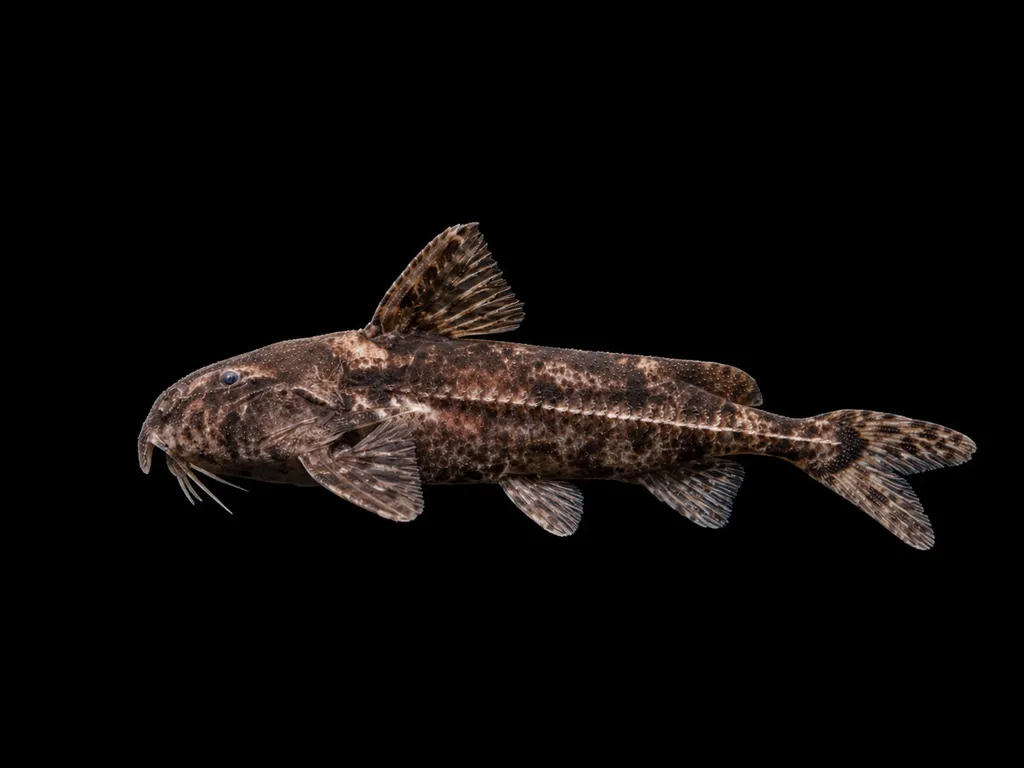
Parrot doradid
Rhynchodoras woodsi
Freshwater4.1 in (10.5 cm) · 53 gal (200 L)73–82°F (23–28°C)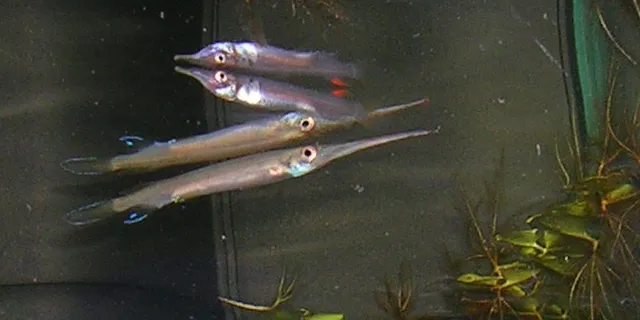
Forest halfbeak
Hemirhamphodon pogonognathus
Freshwater3.5 in (9 cm) · 34 gal (130 L)75–82°F (24–28°C)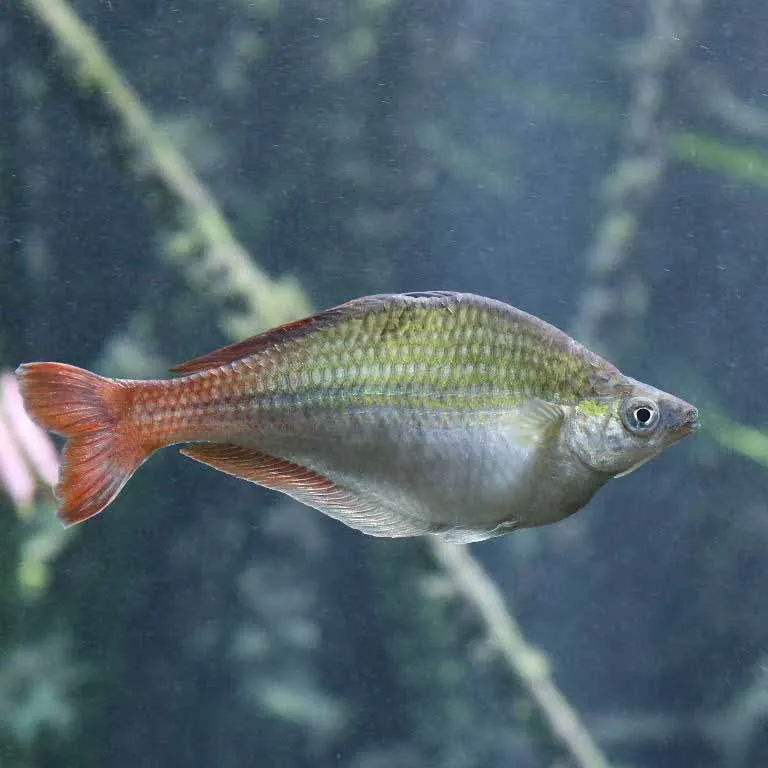
Bleher's rainbowfish
Chilatherina bleheri
Freshwater4.7 in (12 cm) · 53 gal (200 L)73–81°F (23–27°C)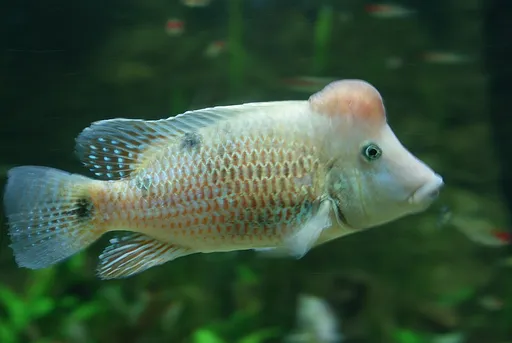
Red hump eartheater
Geophagus steindachneri
Freshwater5.9 in (15 cm) · 53 gal (200 L)72–82°F (22–28°C)
Common questions
What size tank does a Burmese border loach need?
A Burmese border loach needs at least 53 gal (200 L). It spends most of its time in the bottom.
What temperature and pH does a Burmese border loach need?
A Burmese border loach is comfortable at 72–82°F (22–28°C) with a pH of 6.0–7.5.
How big does a Burmese border loach get?
An adult Burmese border loach reaches about 5.1 in (13 cm).
Related species
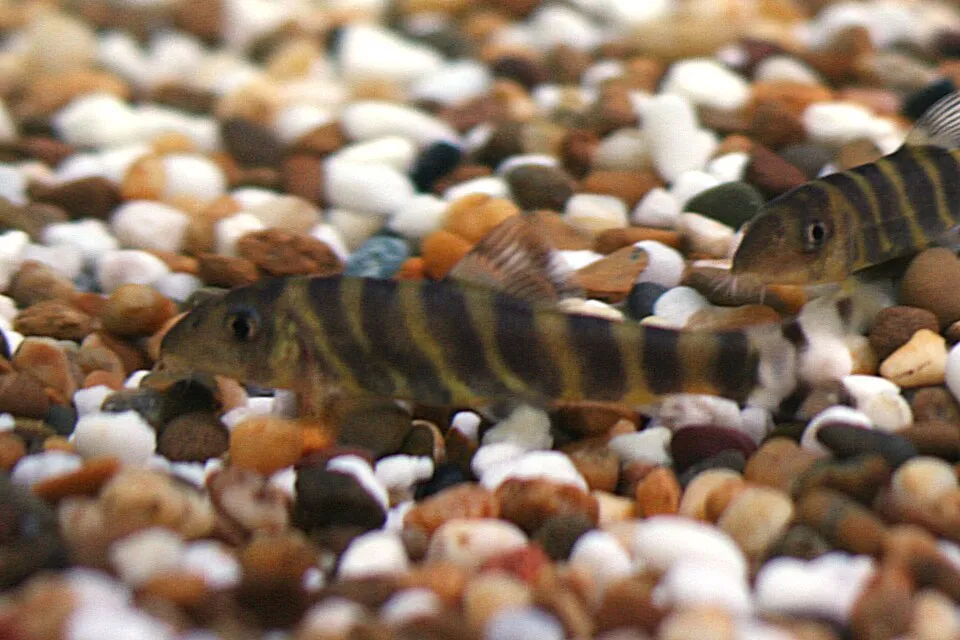 5.1 in (13 cm)37 gal (140 L)73–79°F (23–26°C)
Bengal loach
Botia dario
5.1 in (13 cm) · 37 gal (140 L)
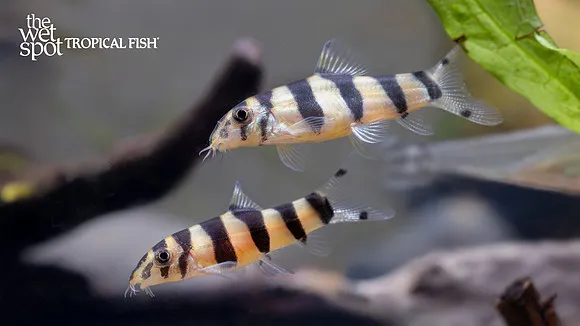 5.5 in (14 cm)42 gal (160 L)73–82°F (23–28°C)
Emperor loach
Botia udomritthiruji
5.5 in (14 cm) · 42 gal (160 L)
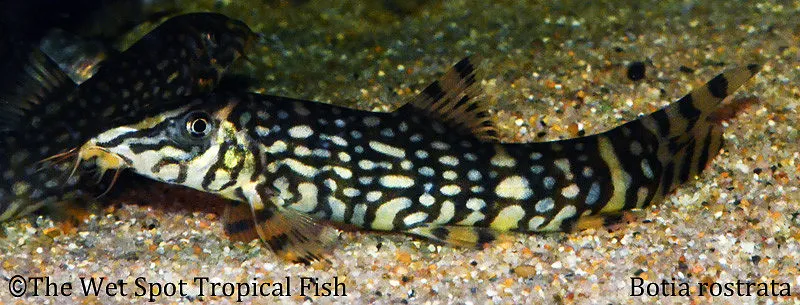 4.7 in (12 cm)42 gal (160 L)66–81°F (19–27°C)
Gangetic loach
Botia rostrata
4.7 in (12 cm) · 42 gal (160 L)
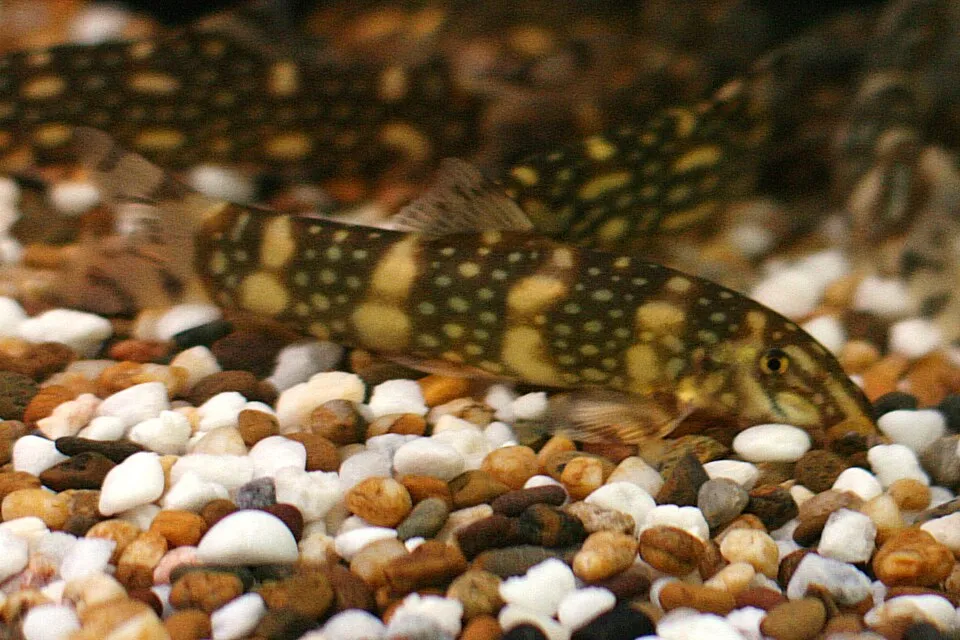 5.9 in (15 cm)42 gal (160 L)72–82°F (22–28°C)
Polka-dot loach
Botia kubotai
5.9 in (15 cm) · 42 gal (160 L)
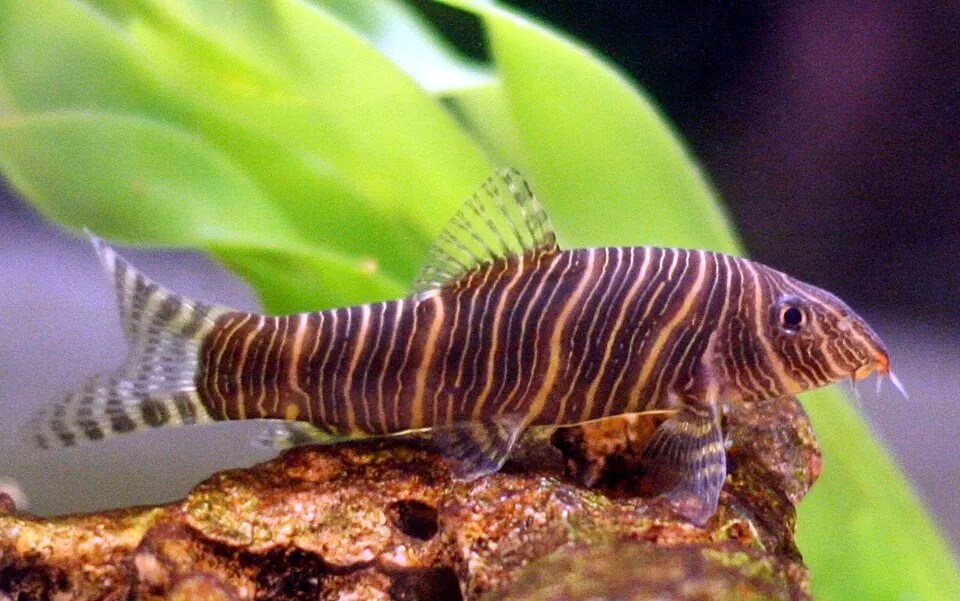 3.5 in (9 cm)37 gal (140 L)70–79°F (21–26°C)
Zebra loach
Botia striata
3.5 in (9 cm) · 37 gal (140 L)
 6.3 in (16 cm)42 gal (160 L)66–81°F (19–27°C)
Yoyo loach
Botia almorhae
6.3 in (16 cm) · 42 gal (160 L)