Gangetic loach
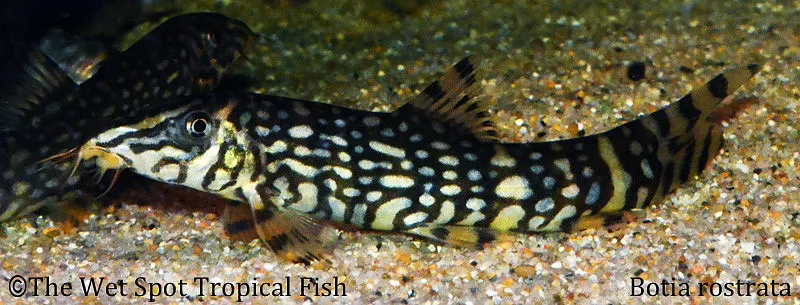
Botia rostrata
Also known as ladder loach, Sergeant Major Loach
FreshwaterFish
Care at a glance
- Temperature
- 66–81°F
- 19–27°C
- pH
- 6.0–7.5
- Adult size
- 4.7 in
- 12 cm
- Minimum tank
- 42 gal
- 160 L
- Temperament
- Mostly peaceful
- Social behavior
- Shoaling
- Swim level
- Bottom
- Diet
- Omnivore
- Difficulty
- Medium
- Breeding
- Egg scatterer
- Rarity
- Very rare
- Family
- Botiidae
- Origin
- Bangladesh, India
Overview
The Gangetic loach is a striped botiid that works the bottom of the tank in a busy group. It is a moderately demanding fish.
Did you know
Much of what reaches shops as Botia rostrata is a very similar loach from the upper Brahmaputra that has never been formally described. True B. rostrata is rarely imported, so a ladder loach in a home tank is often a look-alike sold under the same name.
Caring for the Gangetic loach
Keep Gangetic loaches in a group of at least six, which settles them and spreads out their lively, sometimes pushy behavior. A group needs a roomy tank of 42 gal (160 L) or larger. Use a sand or fine gravel bed, with smooth stones and driftwood built into caves. Shaded retreats give the group somewhere to rest between bouts of foraging.
Keep the water at 66 to 81°F (19 to 27°C) with a pH of 6.0 to 7.5. Give them brisk, oxygen-rich flow and clean, well-filtered water, which suits a fish adapted to cool, moving streams.
Feed sinking pellets, frozen bloodworms, blackworms and the occasional vegetable. Make sure the food reaches the bottom past faster feeders. They also root through sand and rock for food and crunch pest snails.
The Gangetic loach is mostly peaceful but energetic, so keep it with robust midwater fish rather than delicate or very slow ones. In the wild it is an egg-scattering, migratory spawner. There is no established record of it breeding in the aquarium, so trade fish are wild caught.
Good to know
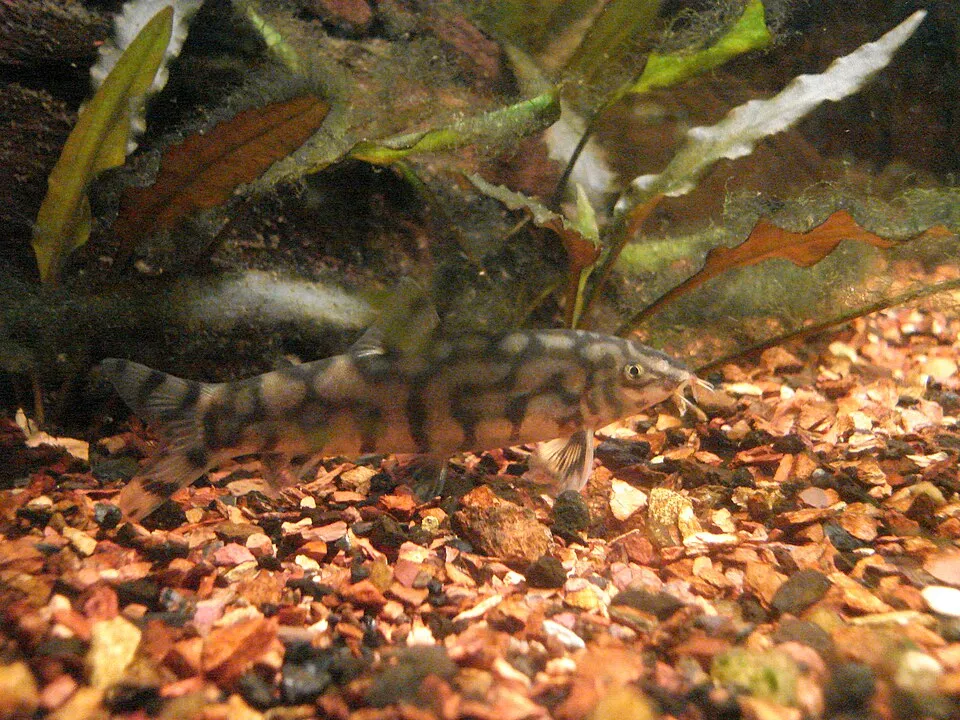
Botia rostrata belongs to the family Botiidae, and it is also called the ladder loach or sergeant major loach. Paired dark bands cross its body in a ladder-like pattern, which inspires the ladder name. Like other botiine loaches it has a sharp spine beneath each eye that it can lock outward when threatened, so handle it carefully.
In the wild
Botia rostrata lives in the Ganges and Brahmaputra drainages of India and Bangladesh. It is found in clear, flowing hill streams and rivers that run over sand, gravel and boulders. These waters swing with the seasons.
Weekly picks
Tank mates
The Gangetic loach is a mostly peaceful, shoaling species that keeps to the bottom. These picks share a community profile with it, are safe together in both directions, and overlap on water type, temperature and pH.
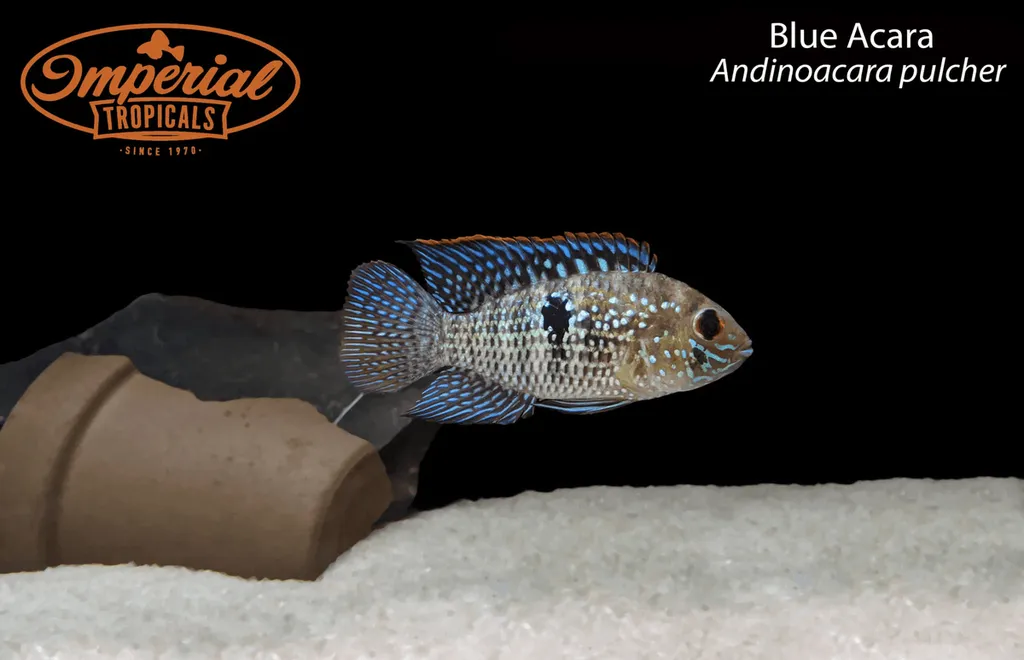
Blue acara
Andinoacara pulcher
Freshwater5.9 in (15 cm) · 42 gal (160 L)72–82°F (22–28°C)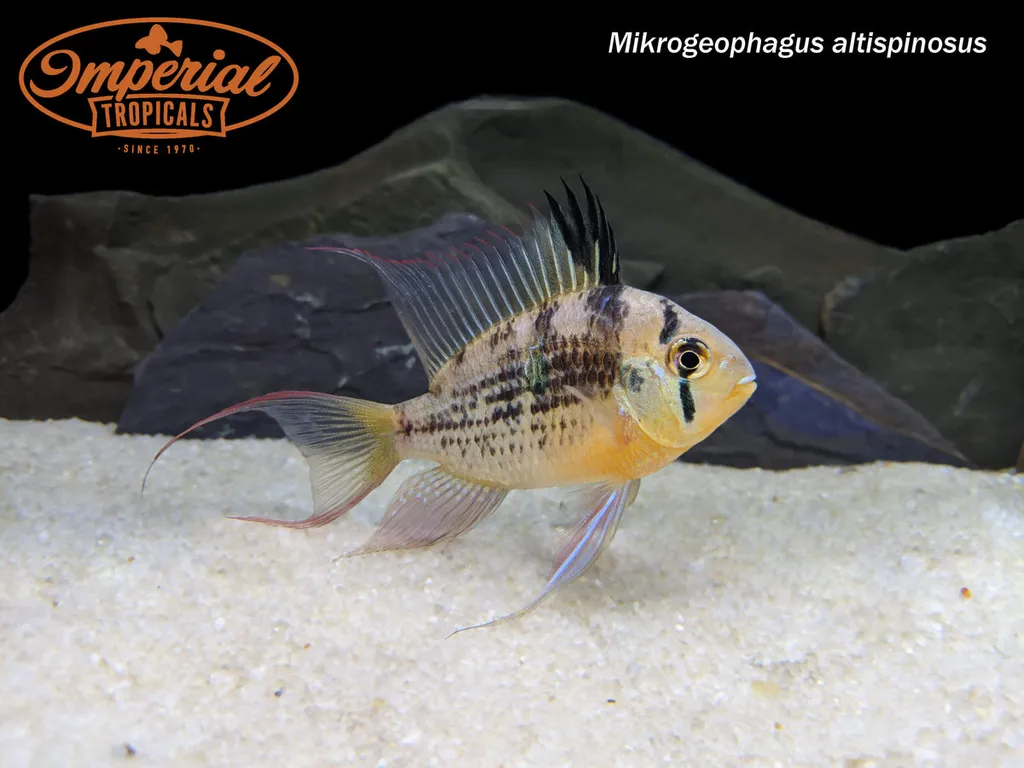
Bolivian ram
Mikrogeophagus altispinosus
Freshwater3.1 in (8 cm) · 45 gal (170 L)75–82°F (24–28°C)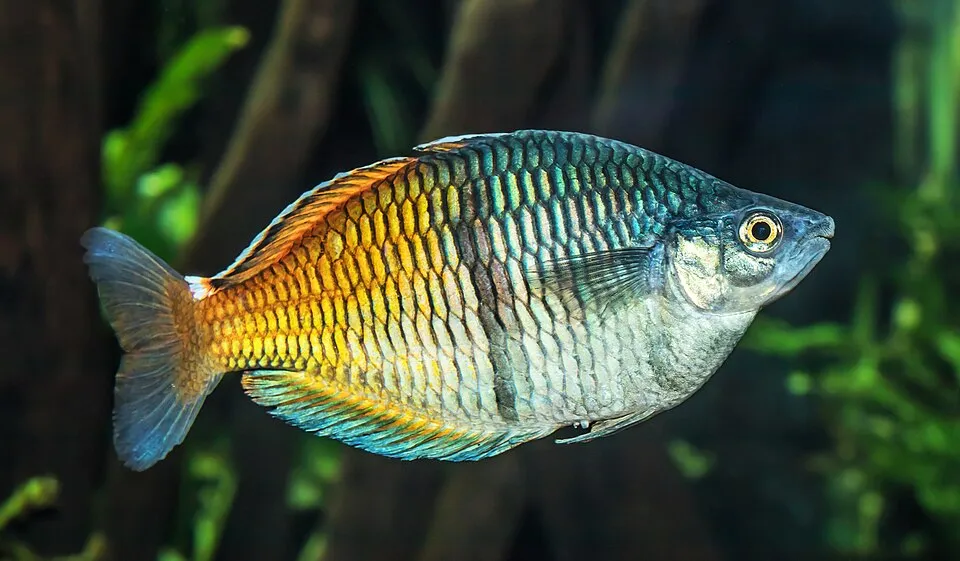
Boeseman's rainbowfish
Melanotaenia boesemani
Freshwater4.3 in (11 cm) · 29 gal (108 L)81–86°F (27–30°C)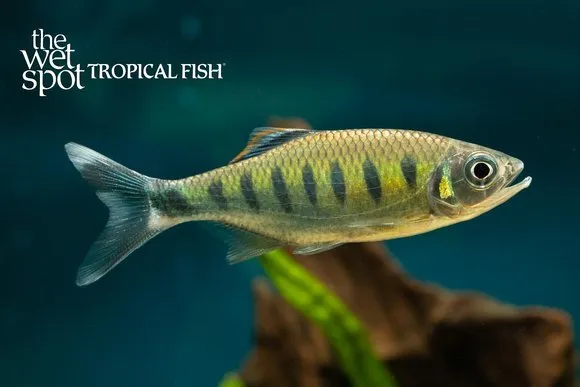
Fiery baril
Opsarius ardens
Freshwater4.1 in (10.5 cm) · 42 gal (160 L)68–79°F (20–26°C)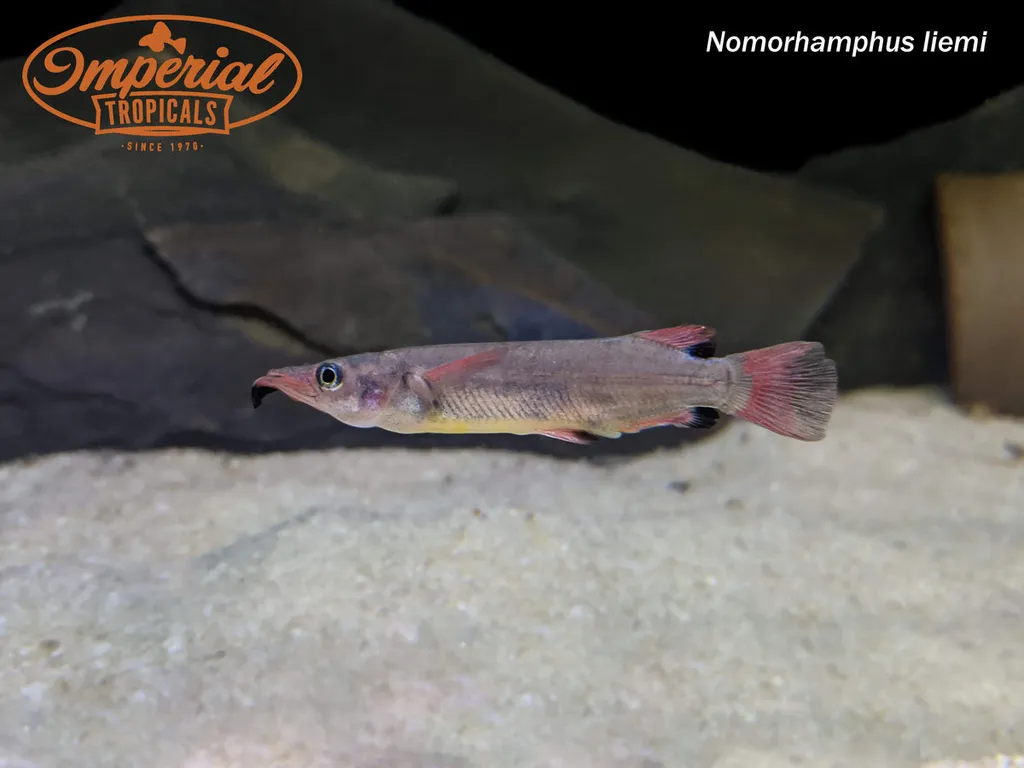
Celebes halfbeak
Nomorhamphus liemi
Freshwater3.5 in (9 cm) · 40 gal (150 L)68–77°F (20–25°C)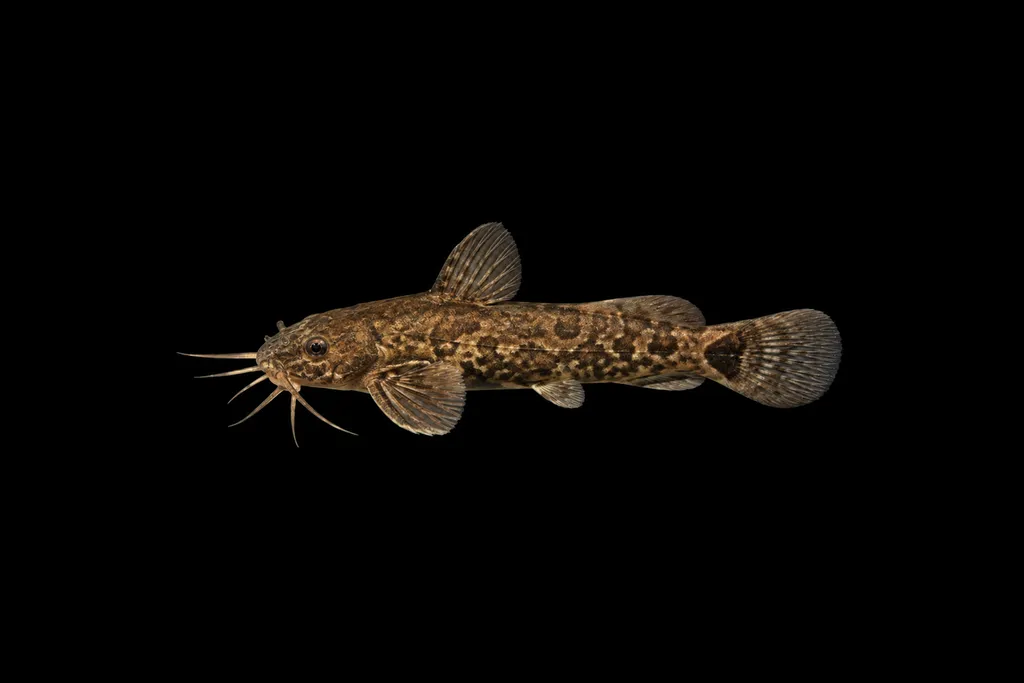
Blotched sisorid catfish
Glyptothorax macromaculatus
Freshwater6.3 in (16 cm) · 42 gal (160 L)68–79°F (20–26°C)
Common questions
What size tank does a Gangetic loach need?
A Gangetic loach needs at least 42 gal (160 L). It spends most of its time in the bottom.
What temperature and pH does a Gangetic loach need?
A Gangetic loach is comfortable at 66–81°F (19–27°C) with a pH of 6.0–7.5.
What does a Gangetic loach eat?
A Gangetic loach eats sinking pellets, frozen bloodworms, blackworms and the occasional vegetable. It crunches pest snails as well.
How big does a Gangetic loach get?
An adult Gangetic loach reaches about 4.7 in (12 cm).
Does a Gangetic loach need a group?
Yes. A Gangetic loach is a shoaling species and should be kept in a group, not singly.
How does a Gangetic loach breed?
The Gangetic loach scatters its eggs during migrations in the wild. There is no established record of it breeding in a home aquarium, so the fish sold are wild caught.
Related species
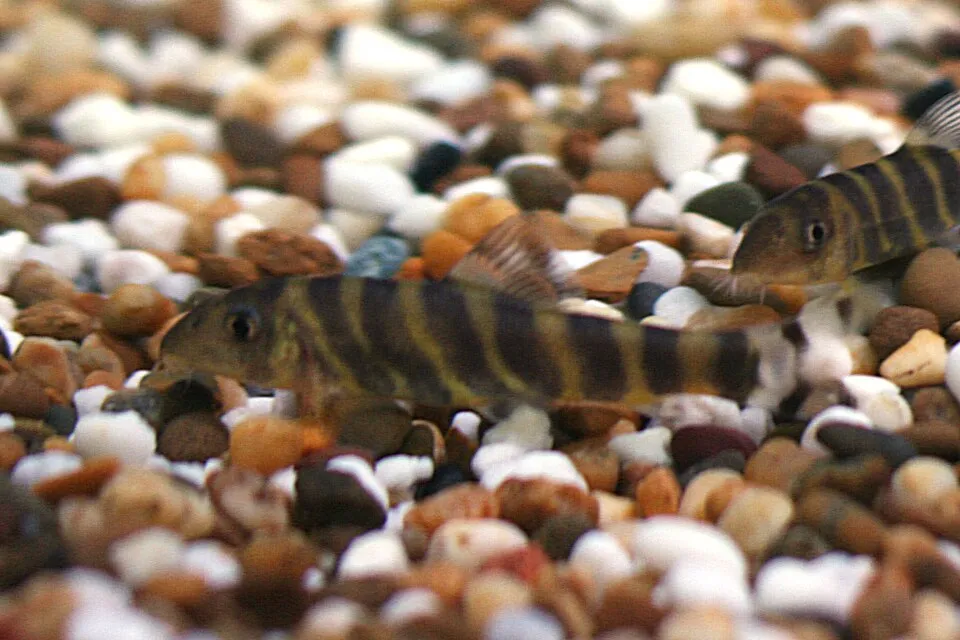 5.1 in (13 cm)37 gal (140 L)73–79°F (23–26°C)
Bengal loach
Botia dario
5.1 in (13 cm) · 37 gal (140 L)
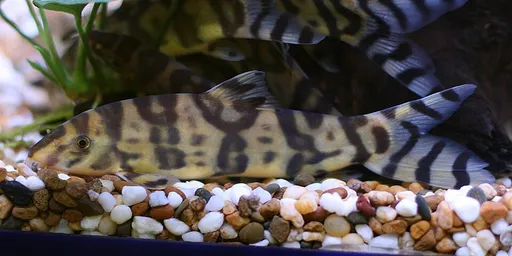 5.1 in (13 cm)53 gal (200 L)72–82°F (22–28°C)
Burmese border loach
Botia histrionica
5.1 in (13 cm) · 53 gal (200 L)
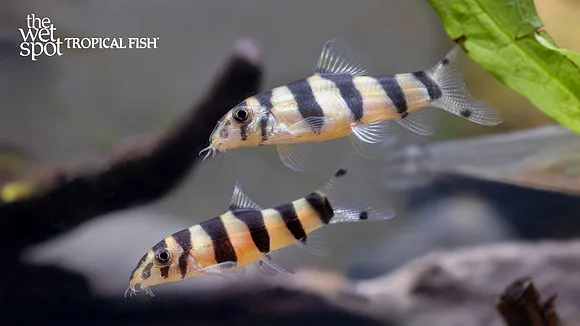 5.5 in (14 cm)42 gal (160 L)73–82°F (23–28°C)
Emperor loach
Botia udomritthiruji
5.5 in (14 cm) · 42 gal (160 L)
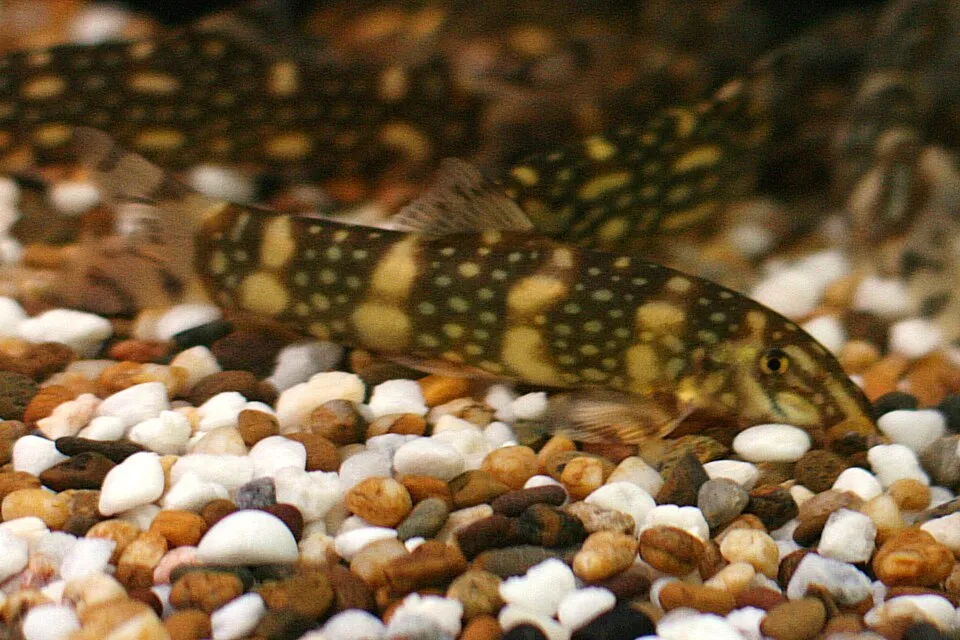 5.9 in (15 cm)42 gal (160 L)72–82°F (22–28°C)
Polka-dot loach
Botia kubotai
5.9 in (15 cm) · 42 gal (160 L)
 3.5 in (9 cm)37 gal (140 L)70–79°F (21–26°C)
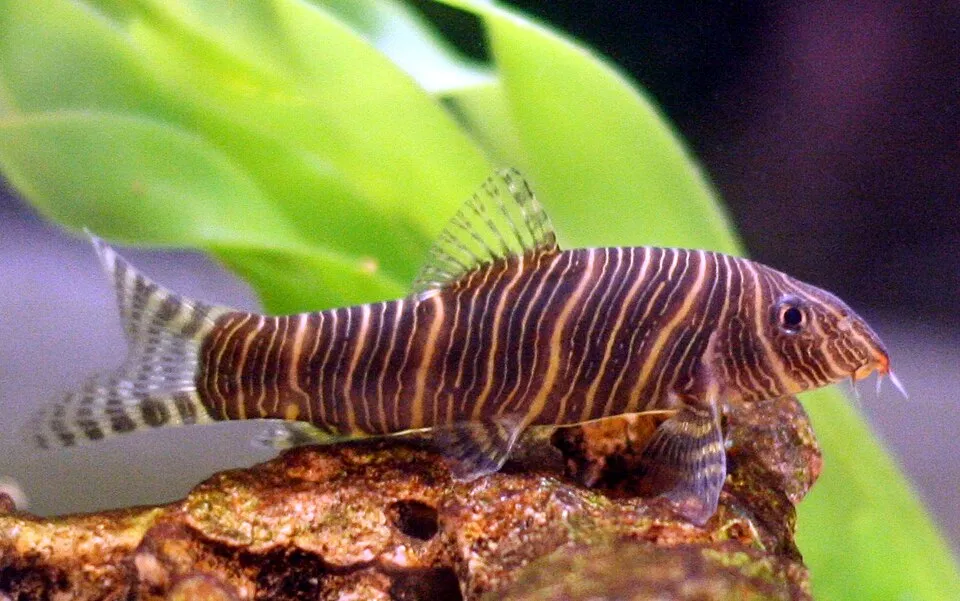
Zebra loach
Botia striata
3.5 in (9 cm) · 37 gal (140 L)
 6.3 in (16 cm)42 gal (160 L)66–81°F (19–27°C)
Yoyo loach
Botia almorhae
6.3 in (16 cm) · 42 gal (160 L)