Polka-dot loach
Botia kubotai
Also known as Burma Border Loach
FreshwaterFish
Care at a glance
- Temperature
- 72–82°F
- 22–28°C
- pH
- 6.0–7.5
- Adult size
- 5.9 in
- 15 cm
- Minimum tank
- 42 gal
- 160 L
- Temperament
- Mostly peaceful
- Social behavior
- Shoaling
- Swim level
- Bottom
- Difficulty
- Medium
- Breeding
- No record
- Rarity
- Rare
- Family
- Botiidae
- Origin
- Myanmar, Thailand
Overview
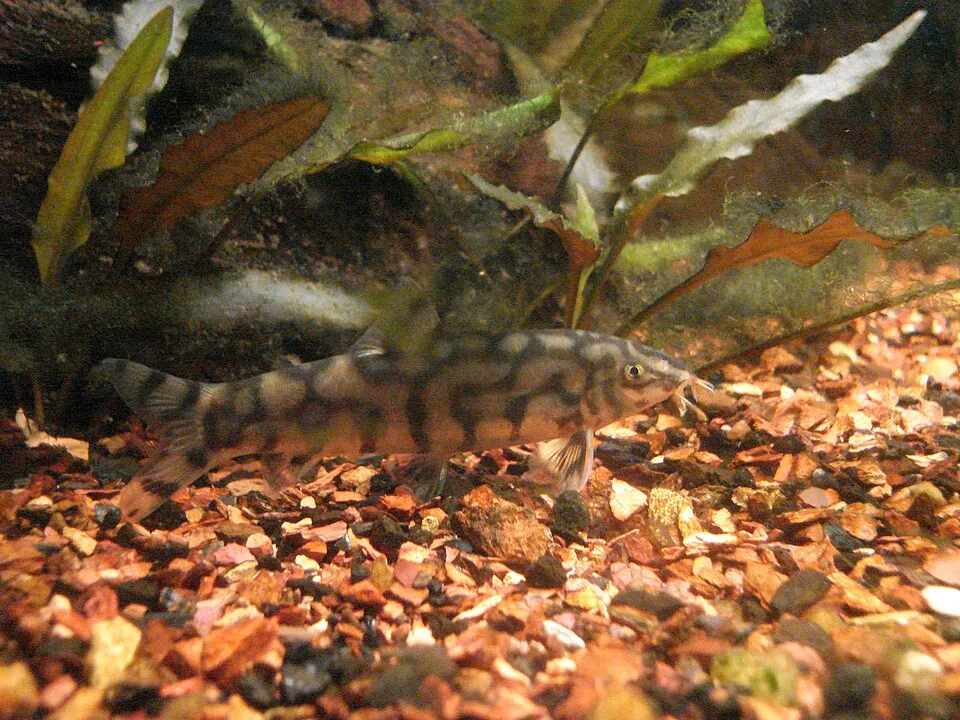
The polka-dot loach is a boldly patterned botiid that should be kept in a group of six or more, where it forms an active shoal and squabbles less with tankmates. It spends its time on the bottom, exploring wood and rock and rooting through the substrate, and it eagerly hunts down pest snails. It is mostly peaceful but busy and can be a little pushy, so pair it with robust, active community fish. Feed a mixed diet of sinking pellets, frozen bloodworms, snails, and the occasional vegetable. A group of these boldly marked loaches needs a tank of around 160 liters or larger with plenty of caves and cover.
In the wild
Botia kubotai comes from the Ataran River basin on the border of Myanmar and Thailand, a tributary system of the Salween, where it lives in clear, flowing water over rock and gravel. The water is warm at 22 to 28 C and slightly acidic to neutral, about pH 6 to 7.5. A good tank offers a sand or fine-gravel bed, a landscape of smooth stones and driftwood full of caves and passages, and brisk, well-oxygenated flow. Clean, stable water and plenty of shaded retreats let the group forage boldly and show its full pattern.
Good to know
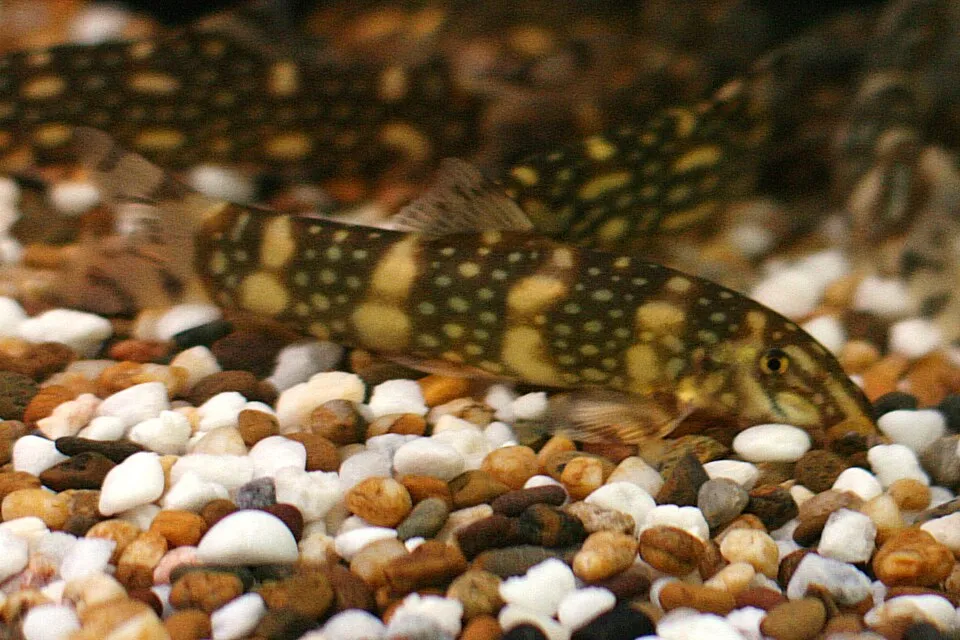
Botia kubotai is a botiid loach described only in 2004, and it reaches about 15 cm as an adult. Young fish carry pale spots and rings on a dark ground, a pattern that grows into a complex network of bars and blotches with age. Like its relatives it has a sharp, erectile spine below each eye that it can raise in defense. Breeding is not recorded in home aquaria, so the fish in the trade are wild caught or produced on commercial farms.
Did you know
Botia kubotai was formally described in 2004 by the ichthyologist Maurice Kottelat, who named it after Katsuma Kubota, the collector who first brought the loach and its locality to scientific attention. It is also sold as the Burmese border or angelicus loach.
Weekly picks
Tank mates
Polka-dot loach is a mostly peaceful, shoaling species that keeps to the bottom. These picks share a community profile with it, are safe together in both directions, and overlap on water type, temperature and pH.
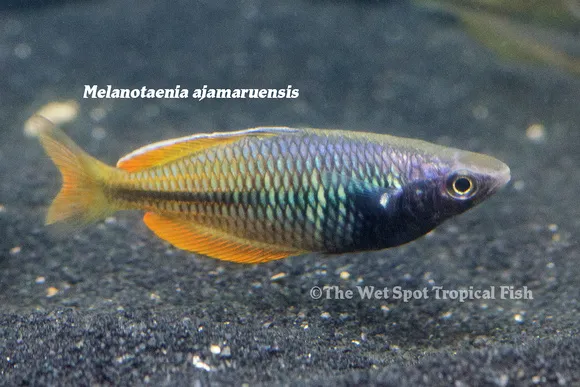
Ajamaru Lakes rainbowfish
Melanotaenia ajamaruensis
Freshwater4.3 in (11 cm) · 42 gal (160 L)75–84°F (24–29°C)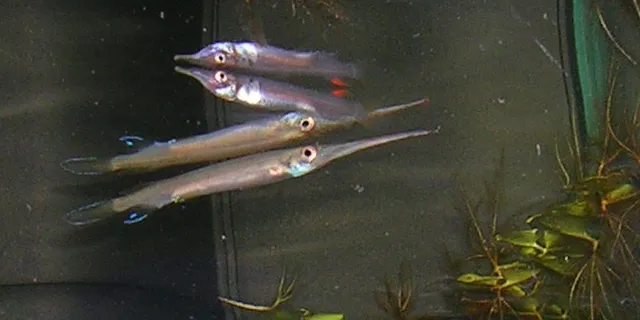
Forest halfbeak
Hemirhamphodon pogonognathus
Freshwater3.5 in (9 cm) · 34 gal (130 L)75–82°F (24–28°C)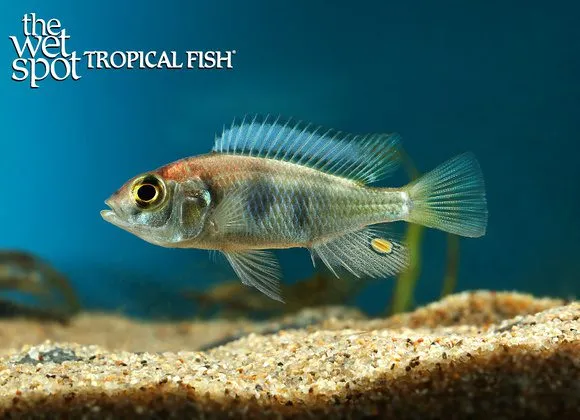
Mwanza dung hap
Enterochromis coprologus
Freshwater3.5 in (9 cm) · 42 gal (160 L)73–81°F (23–27°C)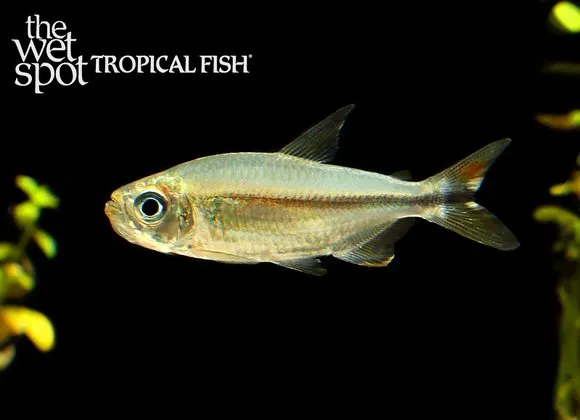
Hilgendorf's Congo tetra
Alestopetersius hilgendorfi
Freshwater3.9 in (10 cm) · 42 gal (160 L)73–81°F (23–27°C)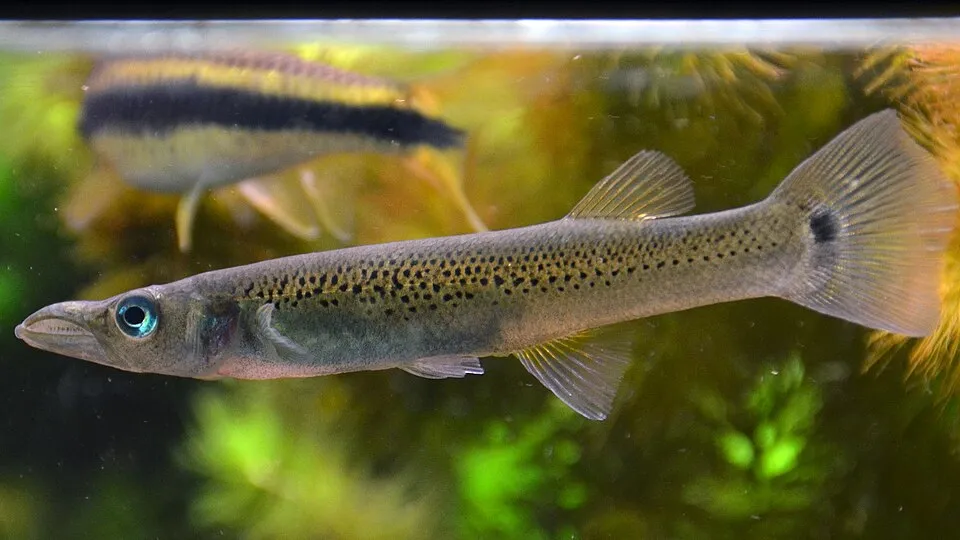
Pike topminnow
Belonesox belizanus
Freshwater7.9 in (20 cm) · 44 gal (165 L)73–82°F (23–28°C)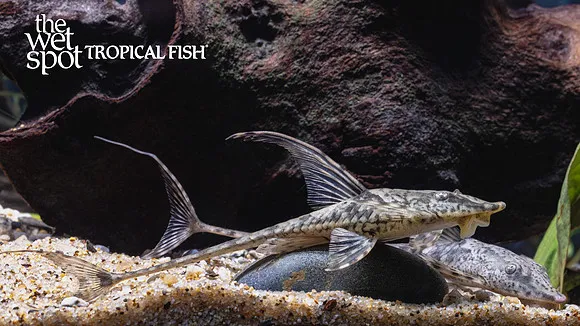
Dwarf royal twig catfish
Sturisomatichthys leightoni
Freshwater5.9 in (15 cm) · 42 gal (160 L)75–82°F (24–28°C)
Common questions
What size tank does a Polka-dot loach need?
A Polka-dot loach needs at least 42 gal (160 L). It spends most of its time in the bottom.
What temperature and pH does a Polka-dot loach need?
A Polka-dot loach is comfortable at 72–82°F (22–28°C) with a pH of 6.0–7.5.
How big does a Polka-dot loach get?
An adult Polka-dot loach reaches about 5.9 in (15 cm).
Does a Polka-dot loach need a group?
Yes. A Polka-dot loach is a shoaling species and should be kept in a group, not singly.
Related species
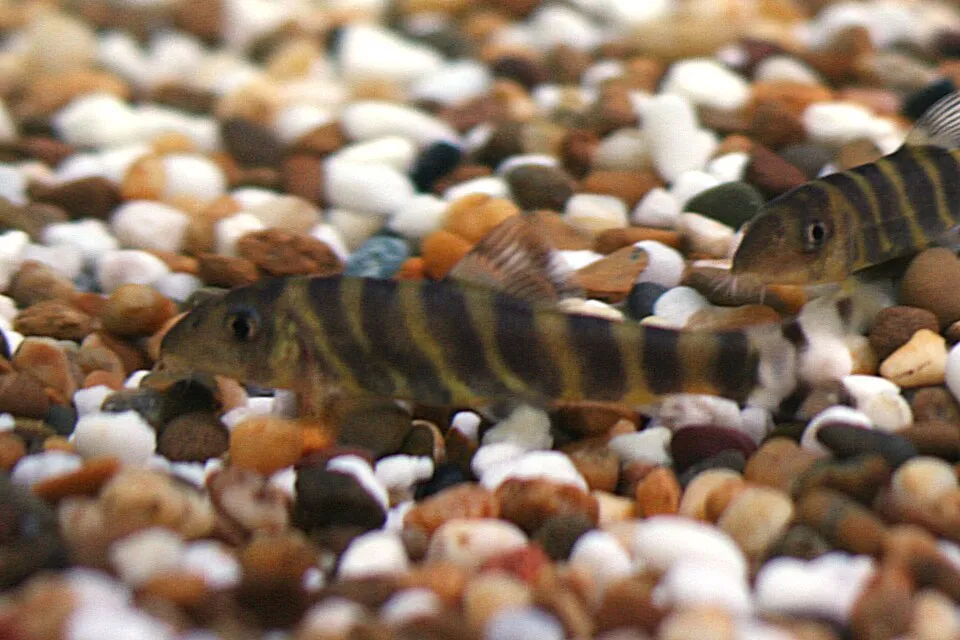
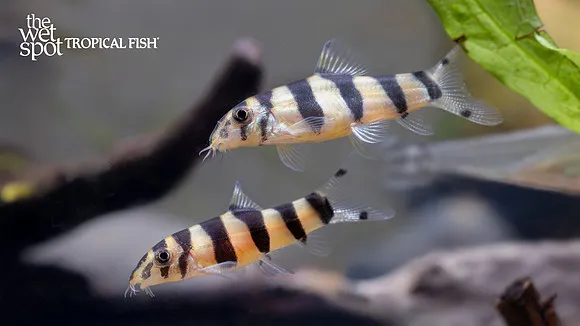 5.5 in (14 cm)42 gal (160 L)73–82°F (23–28°C)
Emperor loach
Botia udomritthiruji
5.5 in (14 cm) · 42 gal (160 L)
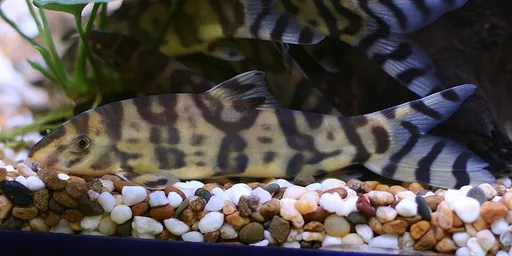
 5.1 in (13 cm)37 gal (140 L)73–79°F (23–26°C)
Bengal loach
Botia dario
5.1 in (13 cm) · 37 gal (140 L)
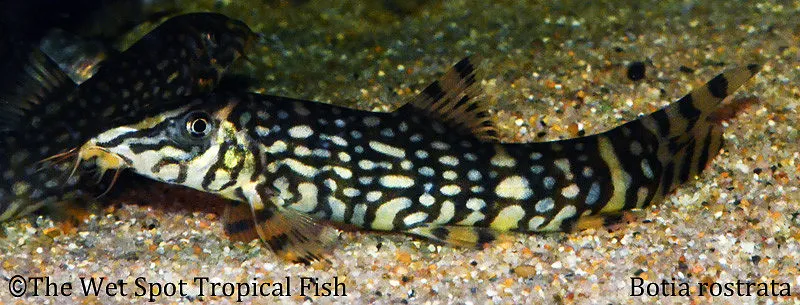
 5.1 in (13 cm)53 gal (200 L)72–82°F (22–28°C)
Burmese border loach
Botia histrionica
5.1 in (13 cm) · 53 gal (200 L)
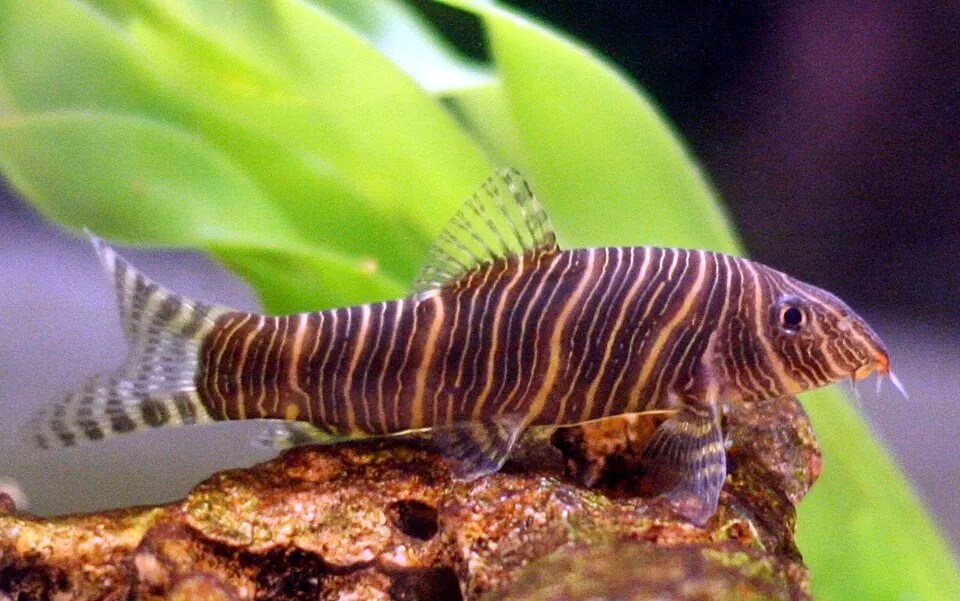
 4.7 in (12 cm)42 gal (160 L)66–81°F (19–27°C)
Gangetic loach
Botia rostrata
4.7 in (12 cm) · 42 gal (160 L)
 3.5 in (9 cm)37 gal (140 L)70–79°F (21–26°C)
Zebra loach
Botia striata
3.5 in (9 cm) · 37 gal (140 L)
 6.3 in (16 cm)42 gal (160 L)66–81°F (19–27°C)
Yoyo loach
Botia almorhae
6.3 in (16 cm) · 42 gal (160 L)