Orinoco spotted raphael
Agamyxis albomaculatus
Also known as White-spotted talking catfish
FreshwaterFish
Care at a glance
- Temperature
- 73–82°F
- 23–28°C
- pH
- 6.0–7.5
- Adult size
- 5.9 in
- 15 cm
- Minimum tank
- 40 gal
- 150 L
- Temperament
- Peaceful
- Social behavior
- Social
- Swim level
- Bottom
- Difficulty
- Medium
- Breeding
- No record
- Rarity
- Rare
- Family
- Doradidae
- Origin
- Orinoco basin, Venezuela
Overview
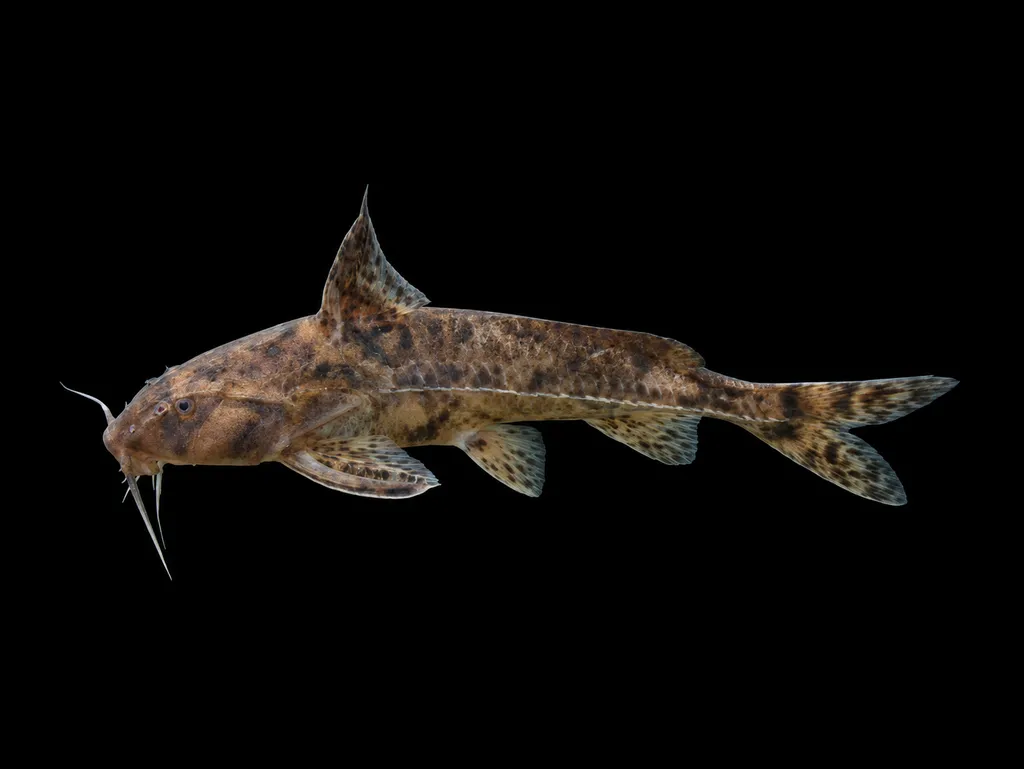
The Orinoco spotted raphael is a robust, peaceful, nocturnal catfish that spends the day wedged into wood or a cave. It comes out after dark to hunt for food along the bottom. It is a step up from the easiest fish.
Did you know
Many spotted raphaels exported from Venezuela are really the Orinoco spotted raphael, traveling under the name of its better known Amazonian lookalike. It can be told apart by its Orinoco origin and finer spotting.
Caring for the Orinoco spotted raphael
A tank of at least 40 gal (150 L) gives the Orinoco spotted raphael room to settle and forage. Use a sand substrate and dense driftwood cover, with plenty of solid hiding places. Keep the lighting dim so it can retreat completely during the day.
Keep the water soft to neutral, at 73 to 82°F (23 to 28°C) and a pH of 6.0 to 7.5. Steady water quality and regular changes keep this hardy fish in good condition. Feed sinking pellets, wafers and meaty frozen foods in the evening.
It is gregarious enough to keep singly or in a small group. It is safe with any tank mate too large to fit in its mouth. Captive breeding is not on record.
Good to know
This thorny catfish is the Orinoco counterpart of the widely kept spotted raphael, Agamyxis pectinifrons, which it closely resembles. Both species belong to the family Doradidae. It is covered in white or cream spots on a dark body. Like all doradids, it can click loudly with its pectoral spines when handled.
In the wild
Agamyxis albomaculatus is native to the Orinoco basin of Venezuela. It shelters in tangles of submerged wood and root in slow, soft water.
Weekly picks
Tank mates
The Orinoco spotted raphael is a peaceful, social species that keeps to the bottom. These picks share a community profile with it, are safe together in both directions, and overlap on water type, temperature and pH.
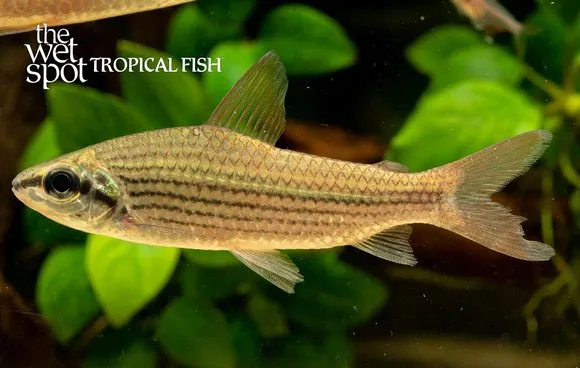
Golden curimata
Cyphocharax multilineatus
Freshwater4.3 in (11 cm) · 40 gal (150 L)73–82°F (23–28°C)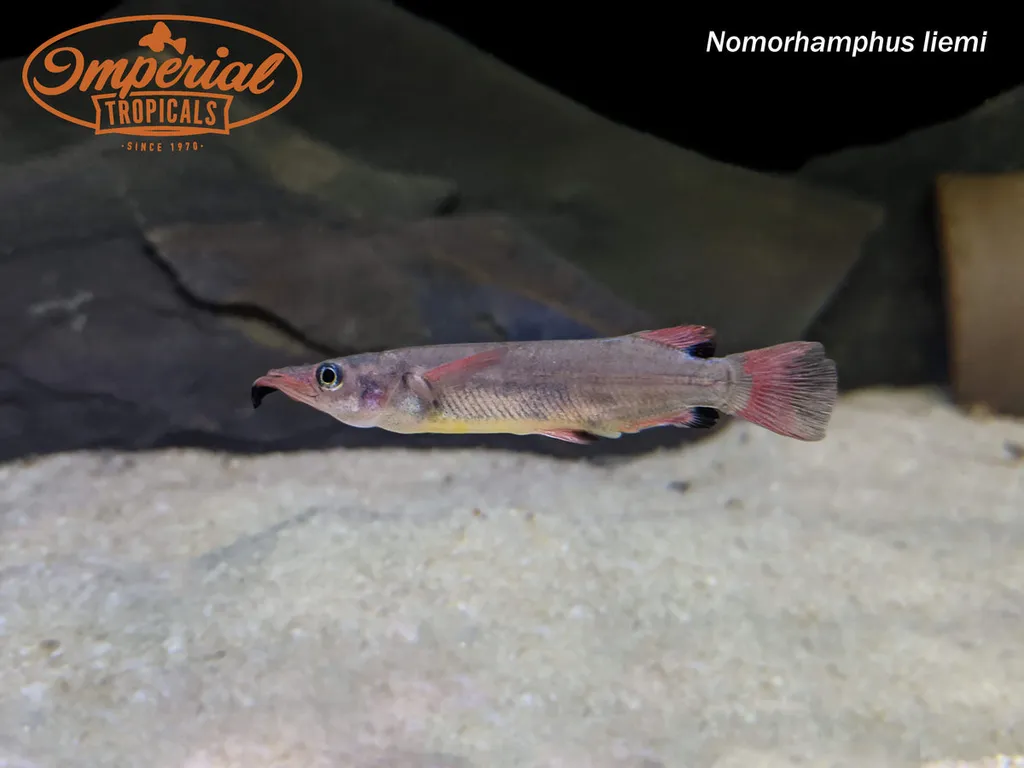
Celebes halfbeak
Nomorhamphus liemi
Freshwater3.5 in (9 cm) · 40 gal (150 L)68–77°F (20–25°C)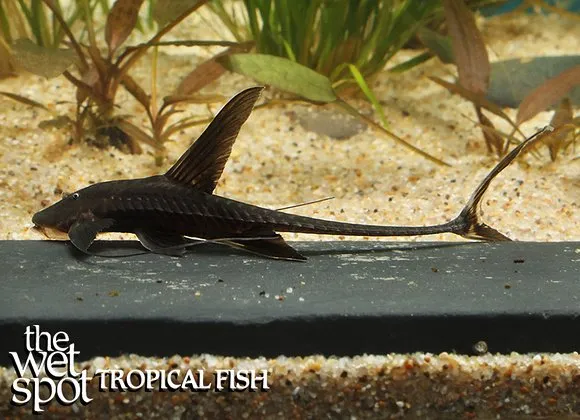
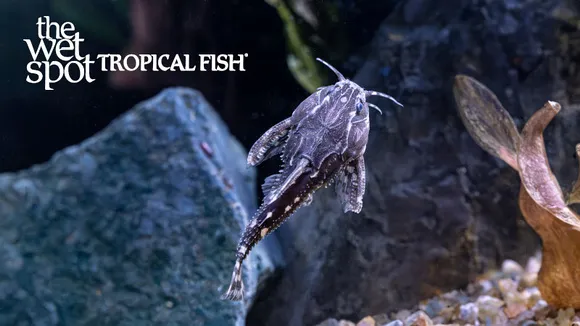
Antenna whiptail
Pterosturisoma microps
Freshwater6.3 in (16 cm) · 40 gal (150 L)73–82°F (23–28°C)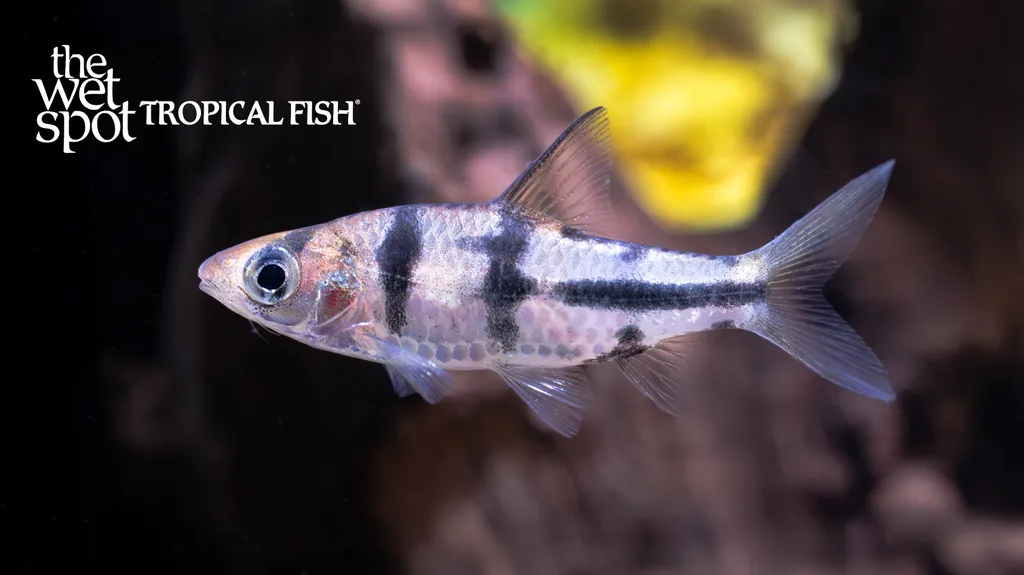
Striped barb
Desmopuntius johorensis
Freshwater4.7 in (12 cm) · 40 gal (150 L)73–79°F (23–26°C)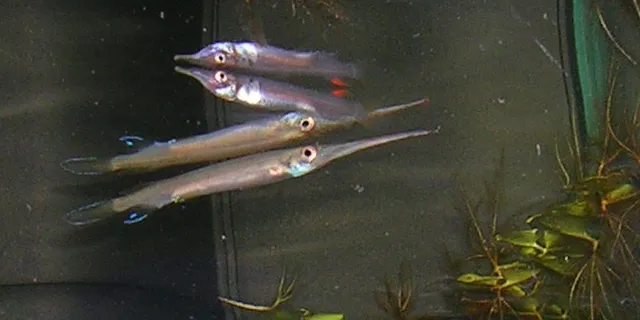
Forest halfbeak
Hemirhamphodon pogonognathus
Freshwater3.5 in (9 cm) · 34 gal (130 L)75–82°F (24–28°C)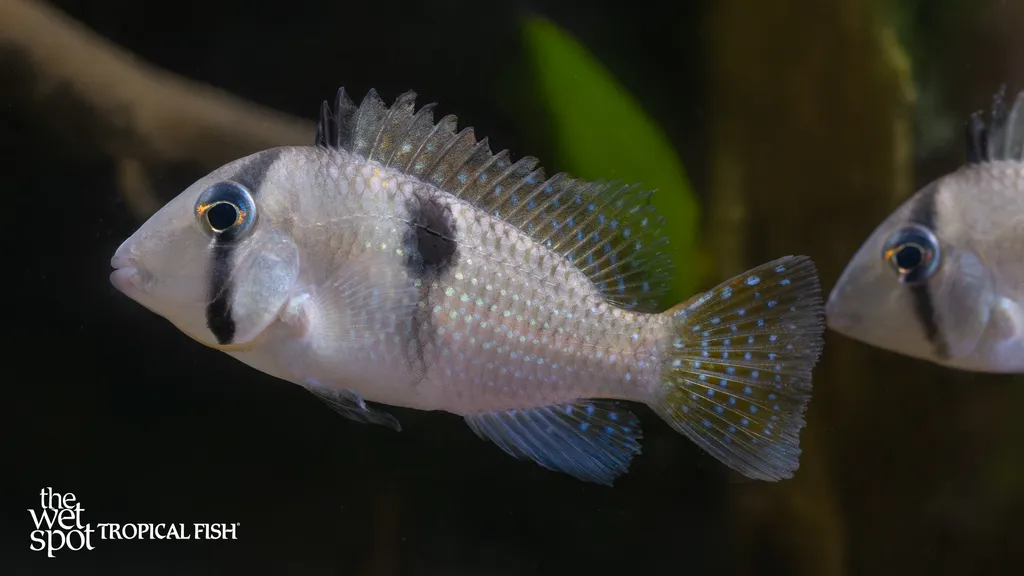
Bandit cichlid
Guianacara geayi
Freshwater5.1 in (13 cm) · 40 gal (150 L)75–82°F (24–28°C)
Common questions
What size tank does an Orinoco spotted raphael need?
An Orinoco spotted raphael needs at least 40 gal (150 L). It spends most of its time in the bottom.
What temperature and pH does an Orinoco spotted raphael need?
An Orinoco spotted raphael is comfortable at 73–82°F (23–28°C) with a pH of 6.0–7.5.
What does an Orinoco spotted raphael eat?
An Orinoco spotted raphael eats sinking pellets, wafers and meaty frozen foods. Feed it in the evening.
How big does an Orinoco spotted raphael get?
An adult Orinoco spotted raphael reaches about 5.9 in (15 cm).
Related species
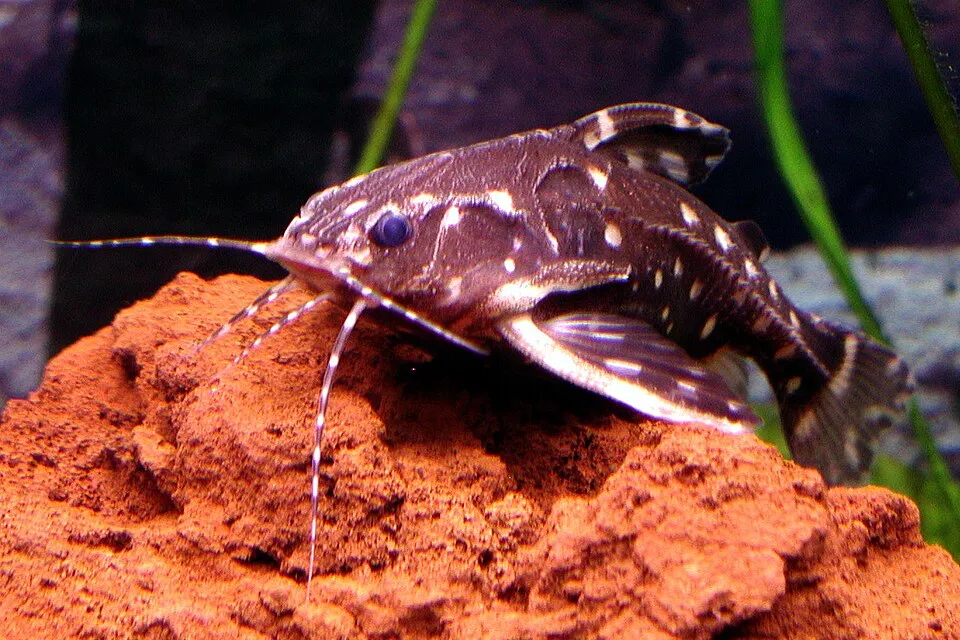 5.9 in (15 cm)40 gal (150 L)72–79°F (22–26°C)
Spotted raphael catfish
Agamyxis pectinifrons
5.9 in (15 cm) · 40 gal (150 L)
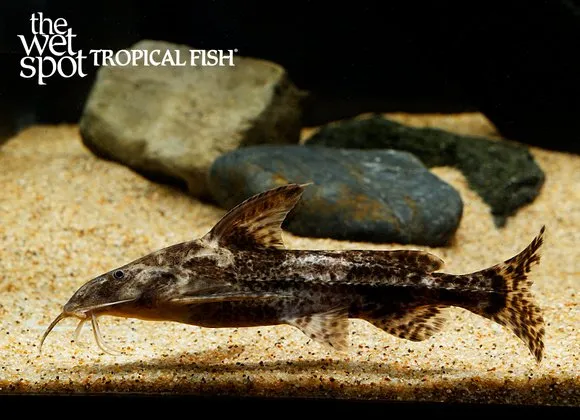 5.9 in (15 cm)70 gal (265 L)73–82°F (23–28°C)
Gallagher's catfish
Rhinodoras gallagheri
5.9 in (15 cm) · 70 gal (265 L)
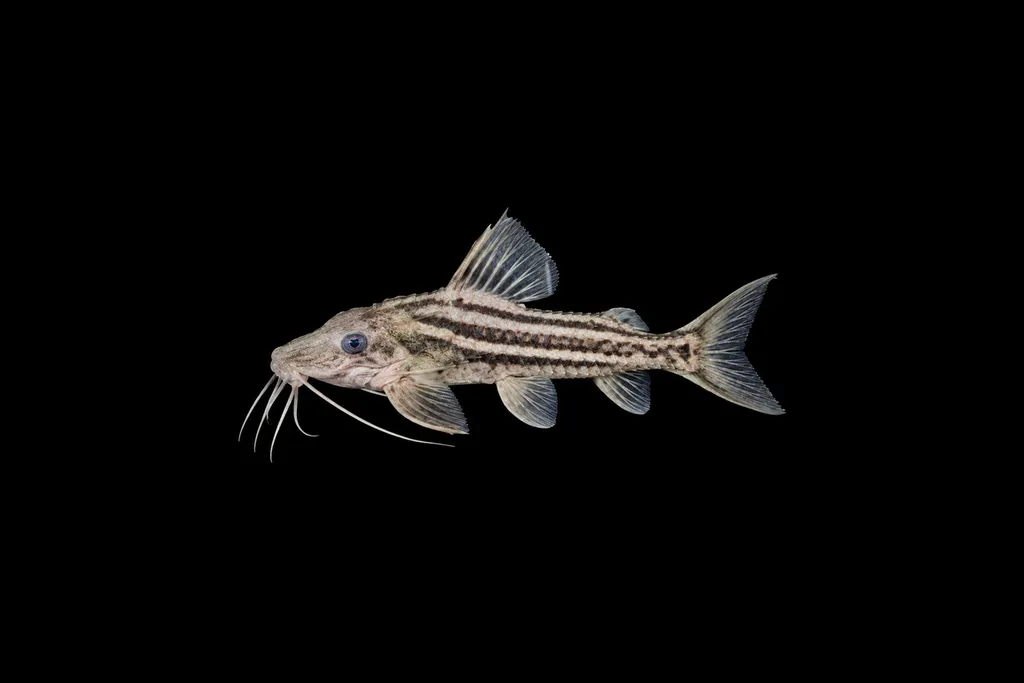 5.9 in (15 cm)53 gal (200 L)73–82°F (23–28°C)
Hancock's talking catfish
Platydoras hancockii
5.9 in (15 cm) · 53 gal (200 L)
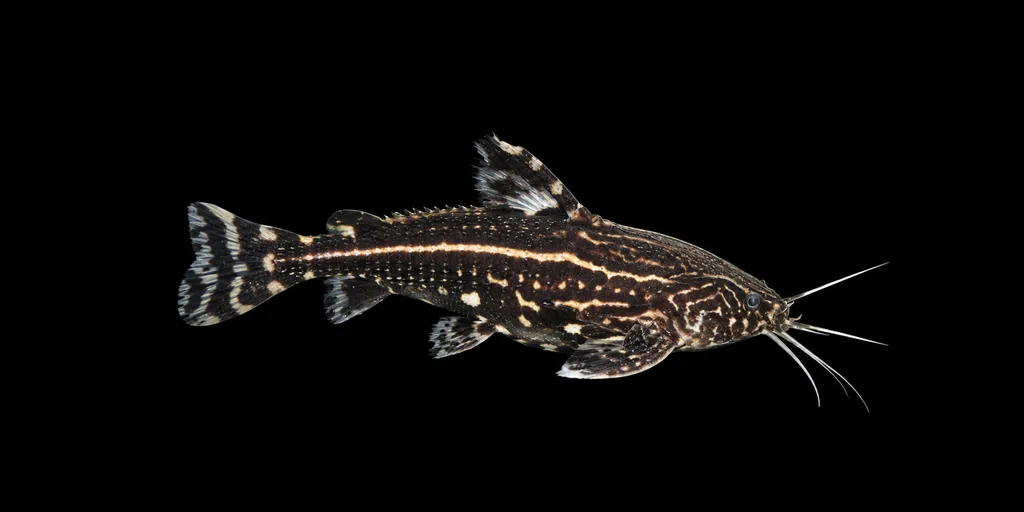 5.9 in (15 cm)26 gal (100 L)72–82°F (22–28°C)
Talking catfish
Acanthodoras spinosissimus
5.9 in (15 cm) · 26 gal (100 L)
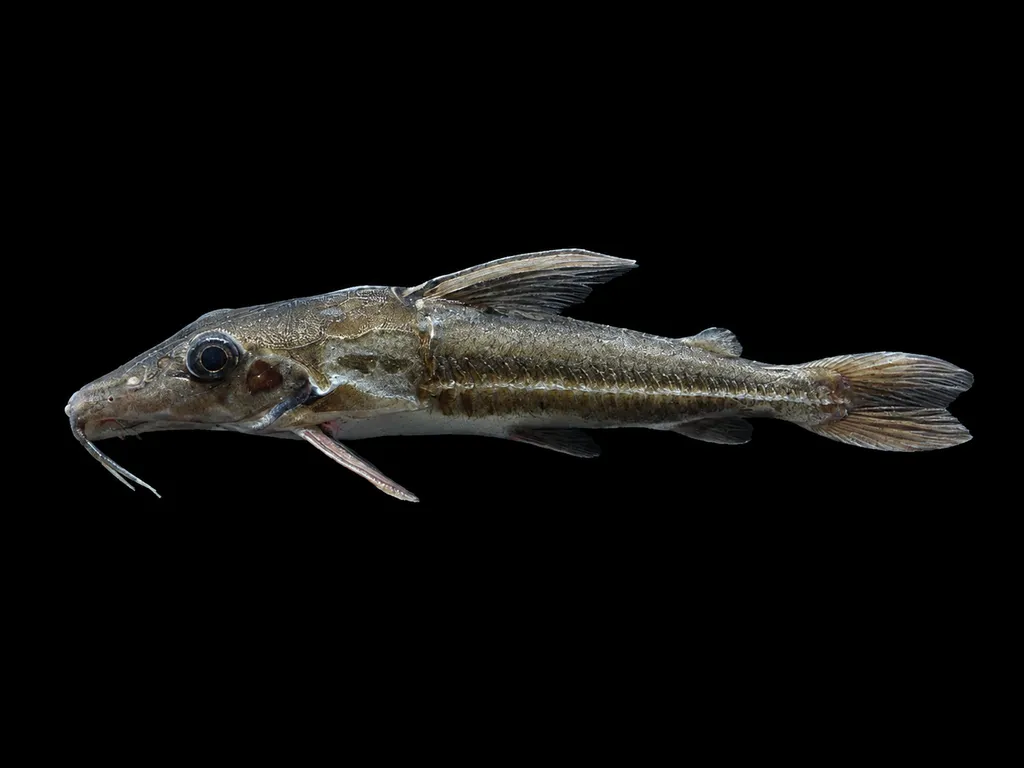 6.3 in (16 cm)53 gal (200 L)73–82°F (23–28°C)
Green turushuki catfish
Hemidoras morrisi
6.3 in (16 cm) · 53 gal (200 L)
 6.7 in (17 cm)79 gal (300 L)73–82°F (23–28°C)
Fog talking catfish
Rhinodoras boehlkei
6.7 in (17 cm) · 79 gal (300 L)