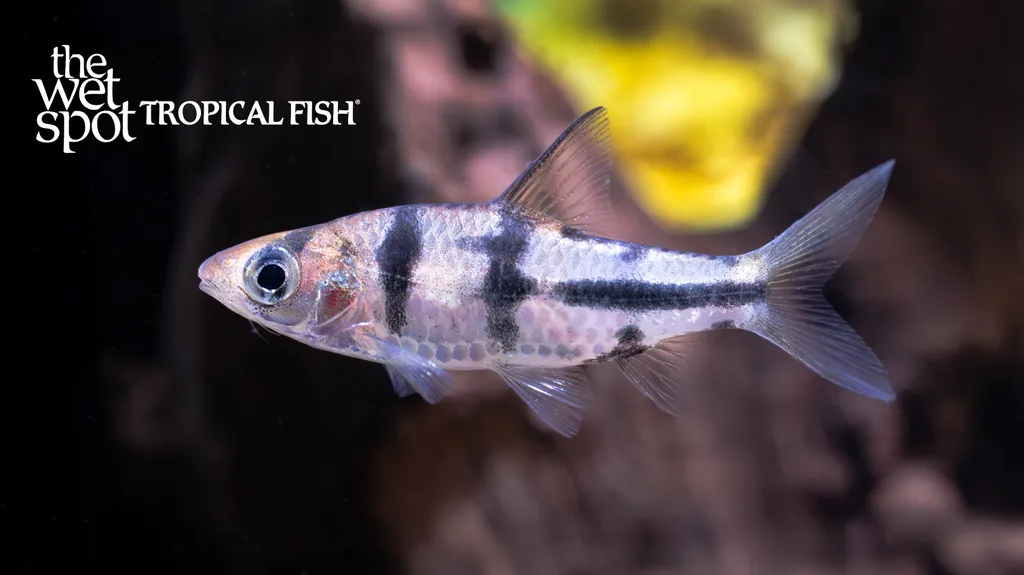
Striped barb
Desmopuntius johorensis
Also known as Johore barb, Zebra barb, Puntius johorensis, Systomus johorensis
FreshwaterFish
Care at a glance
- Temperature
- 73–79°F
- 23–26°C
- pH
- 5.5–7.0
- Adult size
- 4.7 in
- 12 cm
- Minimum tank
- 40 gal
- 150 L
- Temperament
- Peaceful
- Social behavior
- Schooling
- Swim level
- Middle
- Difficulty
- Medium
- Breeding
- Hard
- Rarity
- Rare
- Family
- Cyprinidae
- Origin
- Native to blackwater streams and peat swamps of the Malay Peninsula, Sumatra, and Borneo.
Overview
Keep striped barbs in a group of at least six in a tank of 150 litres or more, since they are large, fast swimmers that need space. Soft, acidic blackwater at 23 to 26 C with a pH of 5.5 to 7.0 suits them, helped by leaf litter and gentle filtration. Feed flakes, pellets, vegetables, and frozen foods. They are peaceful in a good group but too active and eventually too large for a small nano community.
In the wild
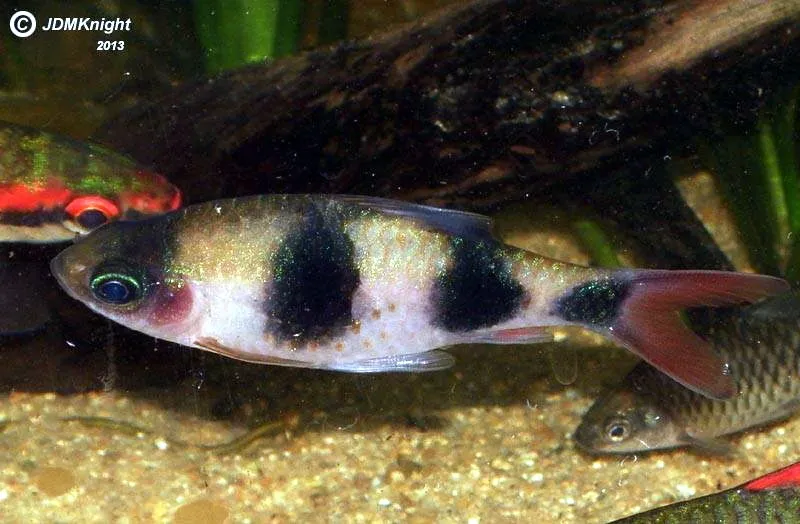
The striped barb lives in soft, acidic blackwater streams and peat swamps across the Malay Peninsula and the Greater Sunda Islands. These are shaded, tea-colored waters stained by fallen leaves. Adults carry several dark horizontal stripes along a pale gold body. It is an active shoaling barb that needs soft water and plenty of swimming room.
Good to know
Formerly Puntius johorensis or Systomus johorensis, the striped barb now sits in the genus Desmopuntius among the striped Southeast Asian barbs. It reaches about 12 cm, larger than it looks as a young shop fish. The clean horizontal stripes separate it from the barred and spotted barbs.
Did you know
Young fish sold small in shops give little hint that they grow into active 12 cm barbs, so they need far more room than the tiny juveniles suggest.
Weekly picks
Tank mates
Striped barb is a peaceful, schooling species that keeps to the middle. These picks share a community profile with it, are safe together in both directions, and overlap on water type, temperature and pH.
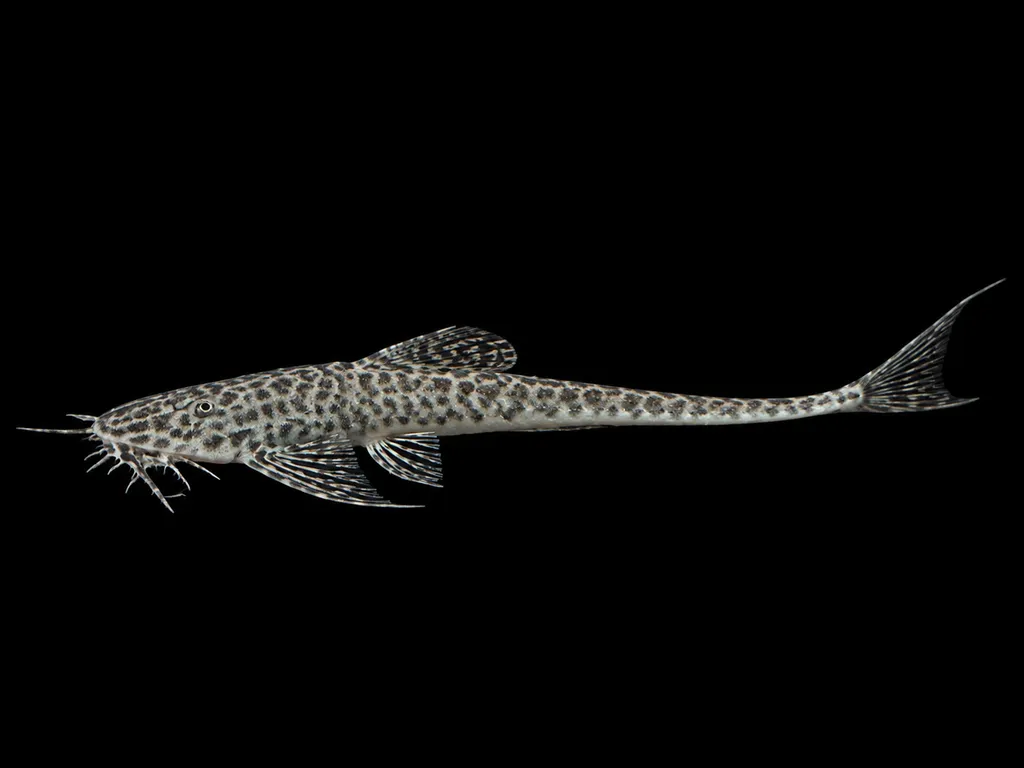
Ommation whiptail
Rhadinoloricaria ommation
Freshwater5.7 in (14.5 cm) · 40 gal (150 L)73–82°F (23–28°C)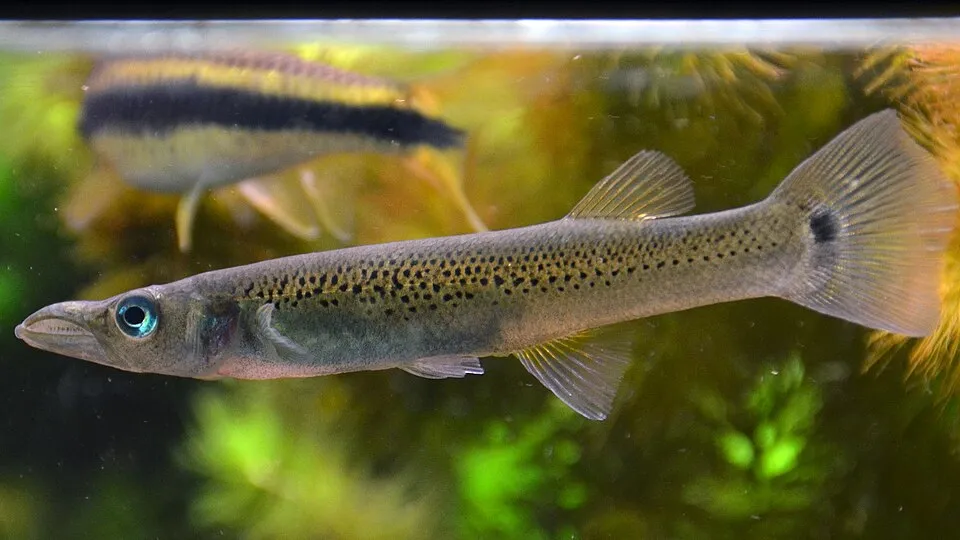
Pike topminnow
Belonesox belizanus
Freshwater7.9 in (20 cm) · 44 gal (165 L)73–82°F (23–28°C)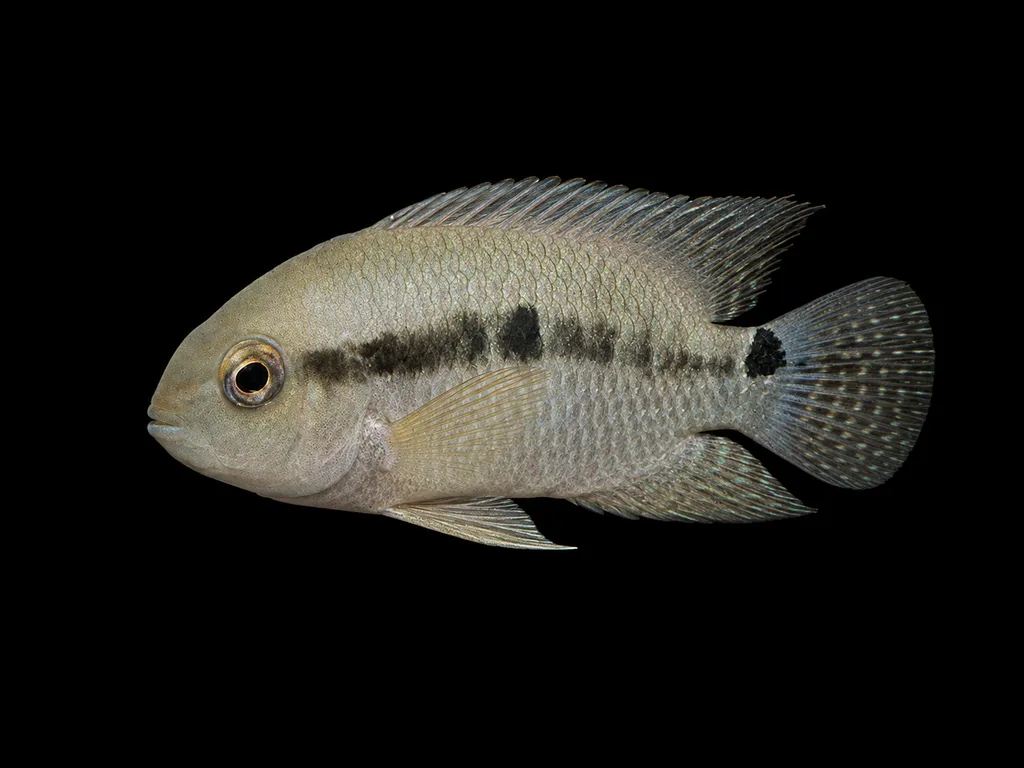
Black acara
Cichlasoma bimaculatum
Freshwater7.1 in (18 cm) · 40 gal (150 L)68–82°F (20–28°C)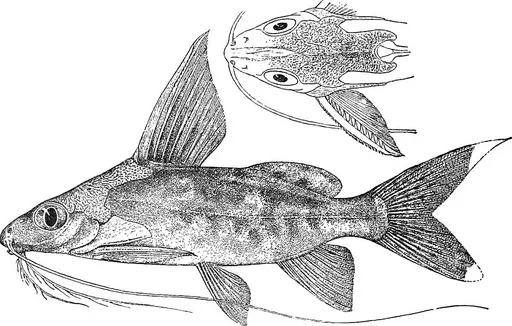
Bigeye squeaker
Synodontis alberti
Freshwater7.9 in (20 cm) · 40 gal (150 L)72–79°F (22–26°C)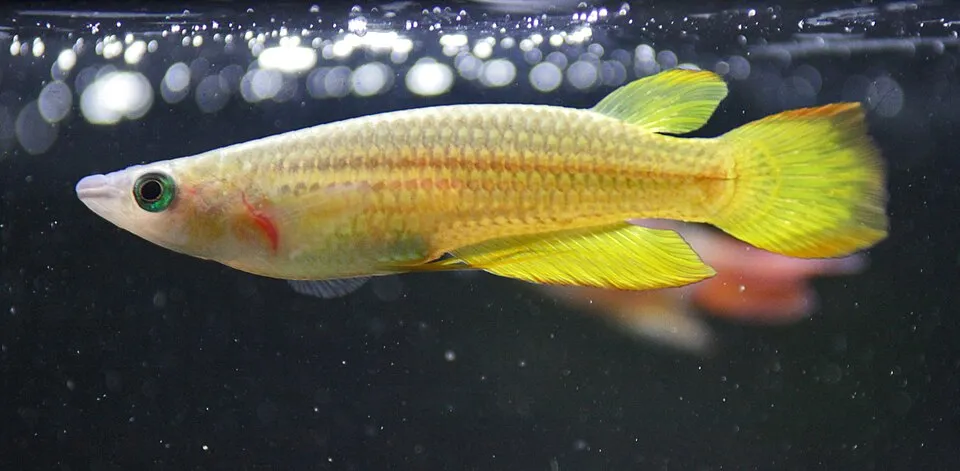
Striped panchax
Aplocheilus lineatus
Freshwater4.3 in (11 cm) · 30 gal (115 L)72–77°F (22–25°C)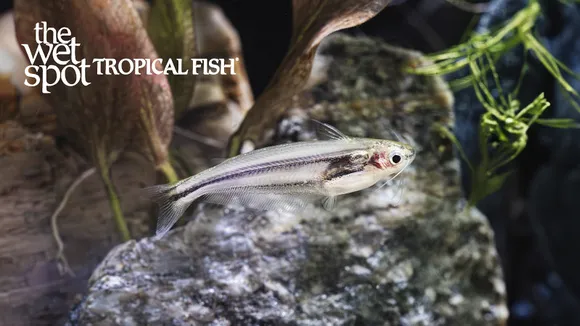
Debauwi cat
Pareutropius debauwi
Freshwater5.1 in (13 cm) · 40 gal (150 L)73–82°F (23–28°C)
Common questions
What size tank does a Striped barb need?
A Striped barb needs at least 40 gal (150 L). It spends most of its time in the middle.
What temperature and pH does a Striped barb need?
A Striped barb is comfortable at 73–79°F (23–26°C) with a pH of 5.5–7.0.
How big does a Striped barb get?
An adult Striped barb reaches about 4.7 in (12 cm).
Does a Striped barb need a group?
Yes. A Striped barb is a schooling species and should be kept in a group, not singly.
Related species
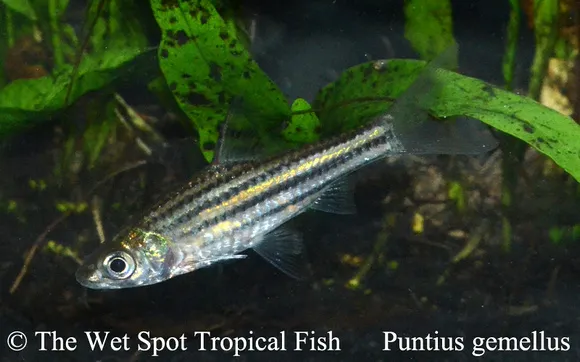 3.5 in (9 cm)29 gal (110 L)73–82°F (23–28°C)
Twin-striped barb
Desmopuntius gemellus
3.5 in (9 cm) · 29 gal (110 L)
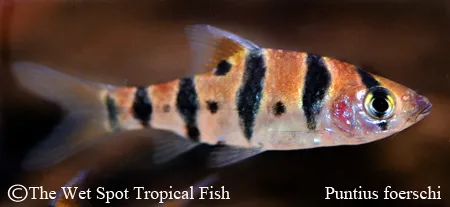 3.1 in (8 cm)29 gal (110 L)73–82°F (23–28°C)
Foersch's barb
Desmopuntius foerschi
3.1 in (8 cm) · 29 gal (110 L)
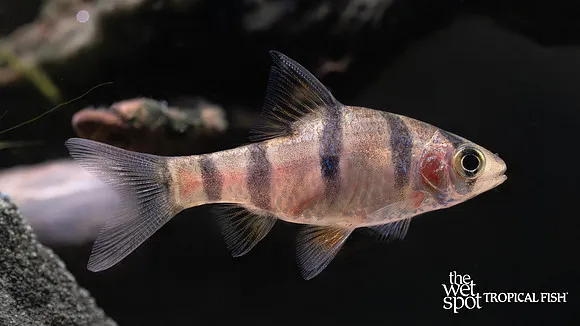 2.4 in (6 cm)24 gal (90 L)73–82°F (23–28°C)
Six-banded barb
Desmopuntius hexazona
2.4 in (6 cm) · 24 gal (90 L)
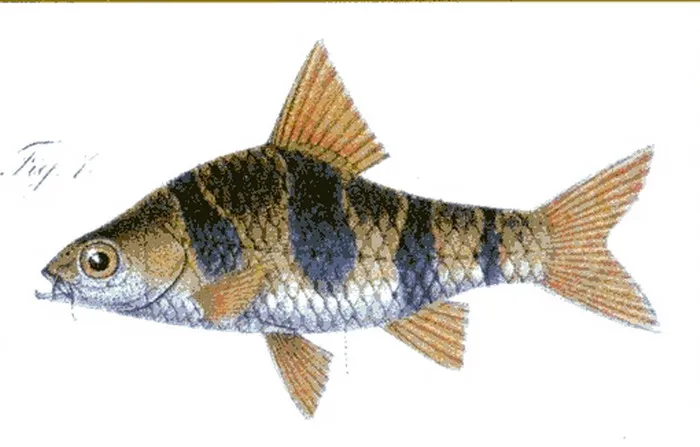 2.2 in (5.5 cm)20 gal (75 L)72–82°F (22–28°C)
Snakeskin barb
Desmopuntius rhomboocellatus
2.2 in (5.5 cm) · 20 gal (75 L)
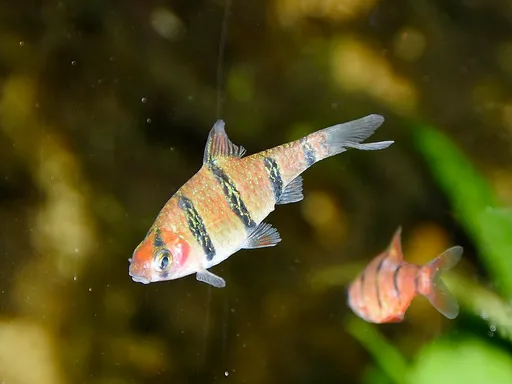 2 in (5 cm)20 gal (75 L)73–81°F (23–27°C)
Five-banded barb
Desmopuntius pentazona
2 in (5 cm) · 20 gal (75 L)
 4.7 in (12 cm)37 gal (140 L)66–77°F (19–25°C)
Arulius barb
Dawkinsia arulius
4.7 in (12 cm) · 37 gal (140 L)