Bandit cichlid
Guianacara geayi
Also known as Geayi cichlid, Geay's cichlid
FreshwaterFish
Care at a glance
- Temperature
- 75–82°F
- 24–28°C
- pH
- 5.5–7.5
- Adult size
- 5.1 in
- 13 cm
- Minimum tank
- 40 gal
- 150 L
- Temperament
- Mostly peaceful
- Social behavior
- Social
- Swim level
- Bottom
- Difficulty
- Easy
- Breeding
- Cave spawner · Medium
- Rarity
- Common
- Family
- Cichlidae
- Origin
- Coastal rivers of French Guiana and adjacent Brazil, in calm creeks and back-eddies near cascades over sand and rock.
Overview
The bandit cichlid is a mostly peaceful cichlid for a community tank, and it suits a beginner.
Did you know
Most fish sold as geayi are not the true bandit cichlid. They are actually the closely related Guianacara sphenozona.
Caring for the bandit cichlid
Start with a group of five or more young bandit cichlids in at least 40 gal (150 L). Let them pair off on their own. Provide sand for sifting, plus wood, caves and plenty of structure for territories, and leave some open swimming space. They spend most of their time near the bottom.
Keep the water at 75 to 82°F (24 to 28°C) with a pH of 5.5 to 7.5. Feed sinking pellets, frozen foods and live foods.
The bandit cichlid only turns territorial around a spawning cave. It is a secretive cave spawner that likes overhangs and hollows. Pairs spawn inside a cave or under an overhang, and both parents share guard duty over the fry. Breeding them is neither easy nor hard.
Good to know
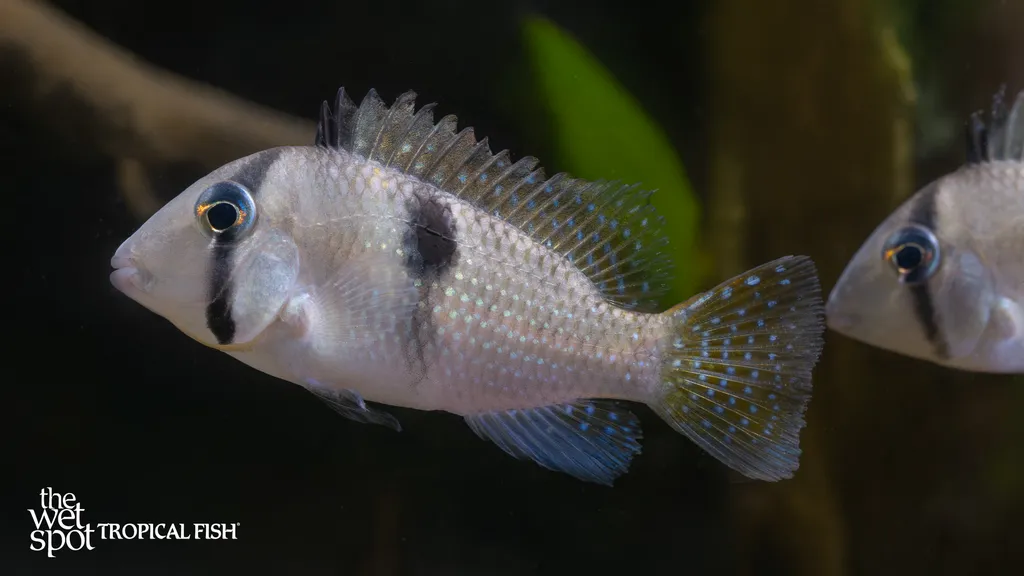
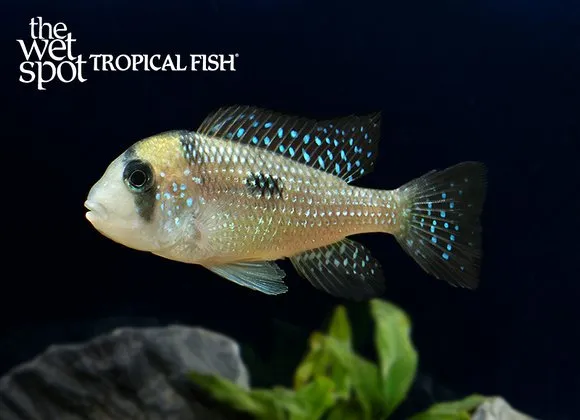
The bandit cichlid, Guianacara geayi, was described by Pellegrin in 1902. A bold black bar running through the eye gives it the bandit name, and it also carries a dark mid-body blotch.
In the wild
The bandit cichlid comes from coastal rivers of French Guiana and adjacent Brazil. It lives in calm creeks and back-eddies near cascades, over sand and rock.
Weekly picks
Tank mates
The bandit cichlid is a mostly peaceful, social species that keeps to the bottom. These picks share a community profile with it, are safe together in both directions, and overlap on water type, temperature and pH.
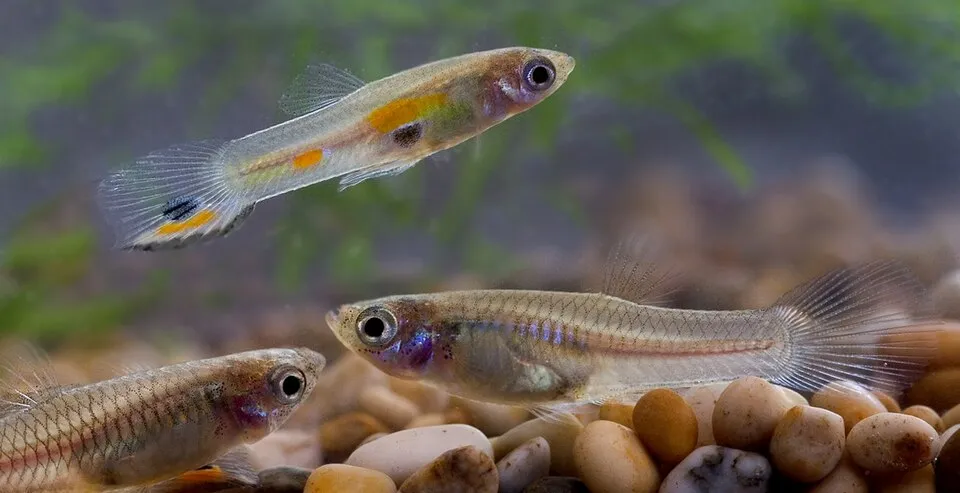
Guppy
Poecilia reticulata
FreshwaterBrackish2.4 in (6 cm) · 10 gal (38 L)64–82°F (18–28°C)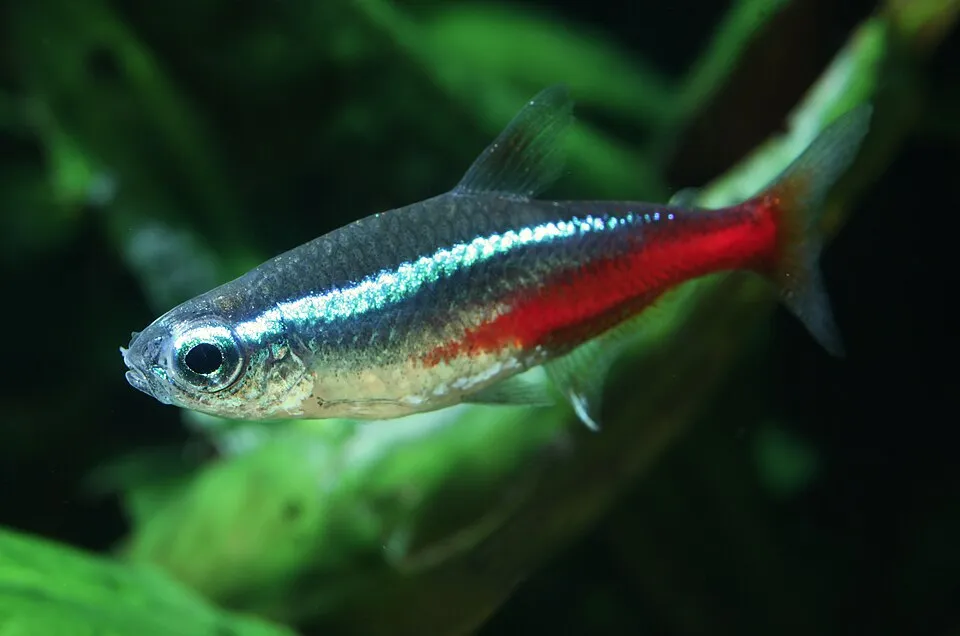
Neon tetra
Paracheirodon innesi
Freshwater1.5 in (3.8 cm) · 11 gal (40 L)70–77°F (21–25°C)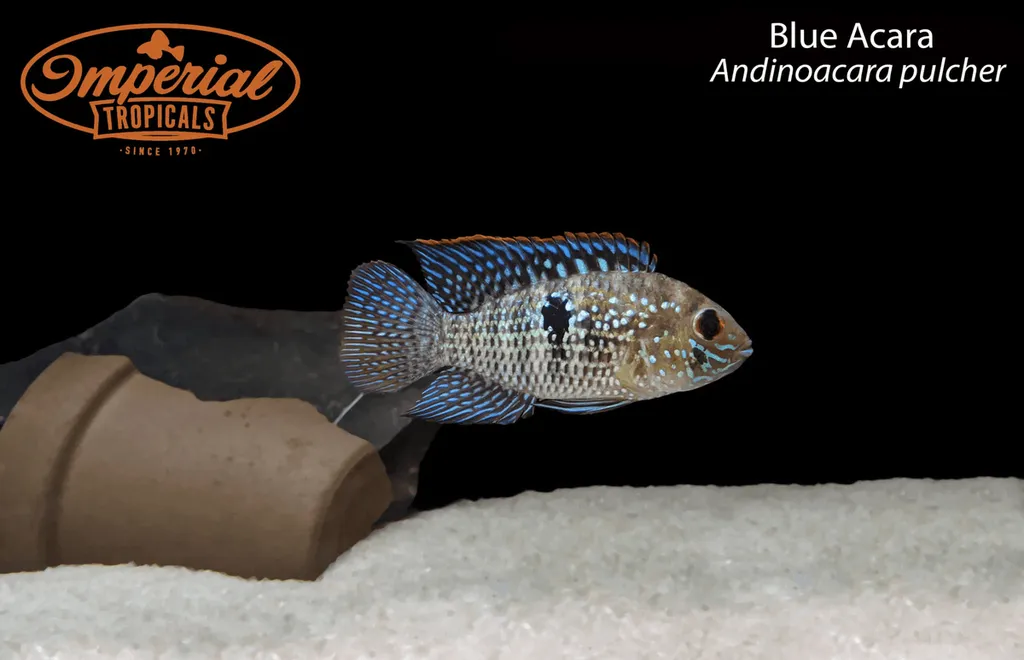
Blue acara
Andinoacara pulcher
Freshwater5.9 in (15 cm) · 42 gal (160 L)72–82°F (22–28°C)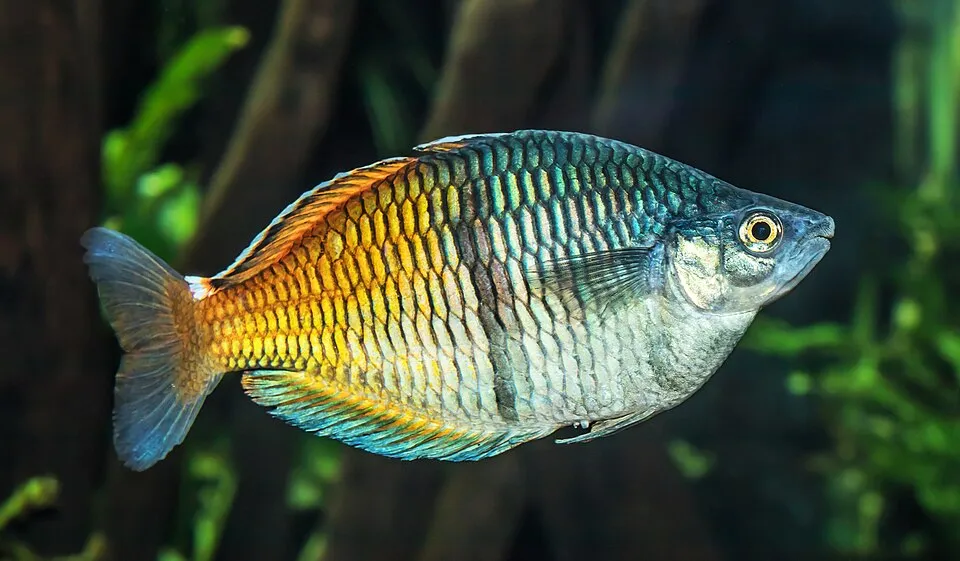
Boeseman's rainbowfish
Melanotaenia boesemani
Freshwater4.3 in (11 cm) · 29 gal (108 L)81–86°F (27–30°C)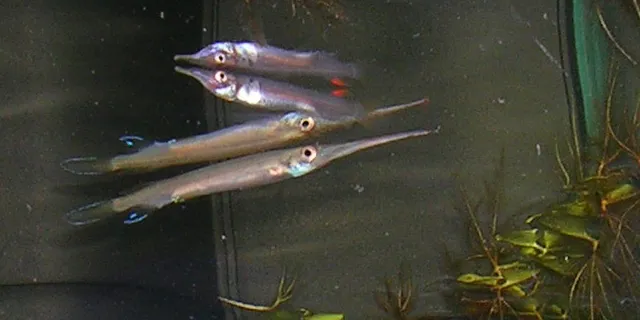
Forest halfbeak
Hemirhamphodon pogonognathus
Freshwater3.5 in (9 cm) · 34 gal (130 L)75–82°F (24–28°C)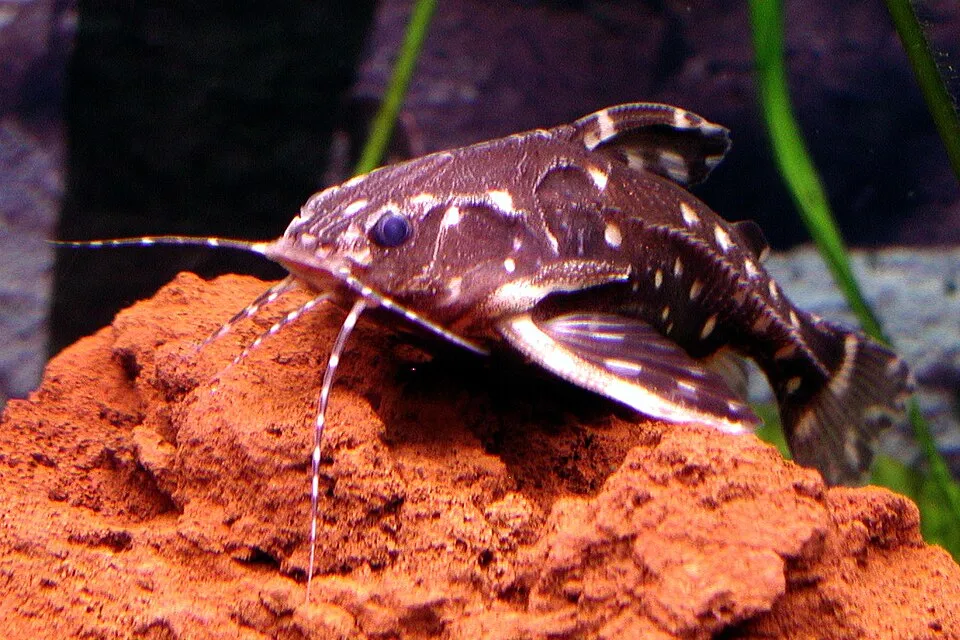
Spotted raphael catfish
Agamyxis pectinifrons
Freshwater5.9 in (15 cm) · 40 gal (150 L)72–79°F (22–26°C)
Common questions
What size tank does a bandit cichlid need?
A bandit cichlid needs at least 40 gal (150 L). It spends most of its time in the bottom.
What temperature and pH does a bandit cichlid need?
A bandit cichlid is comfortable at 75–82°F (24–28°C) with a pH of 5.5–7.5.
What does a bandit cichlid eat?
A bandit cichlid eats sinking pellets, frozen foods and live foods. It also likes sand to sift through.
How big does a bandit cichlid get?
An adult bandit cichlid reaches about 5.1 in (13 cm).
Related species
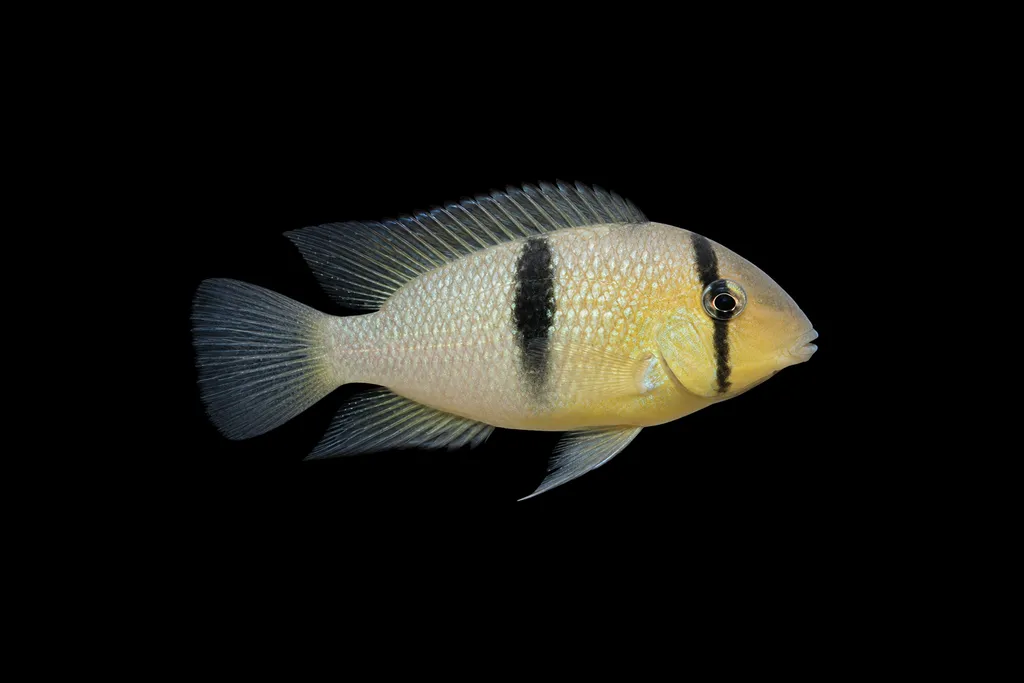 5.1 in (13 cm)66 gal (250 L)77–84°F (25–29°C)
Owroewefi guianacara
Guianacara owroewefi
5.1 in (13 cm) · 66 gal (250 L)
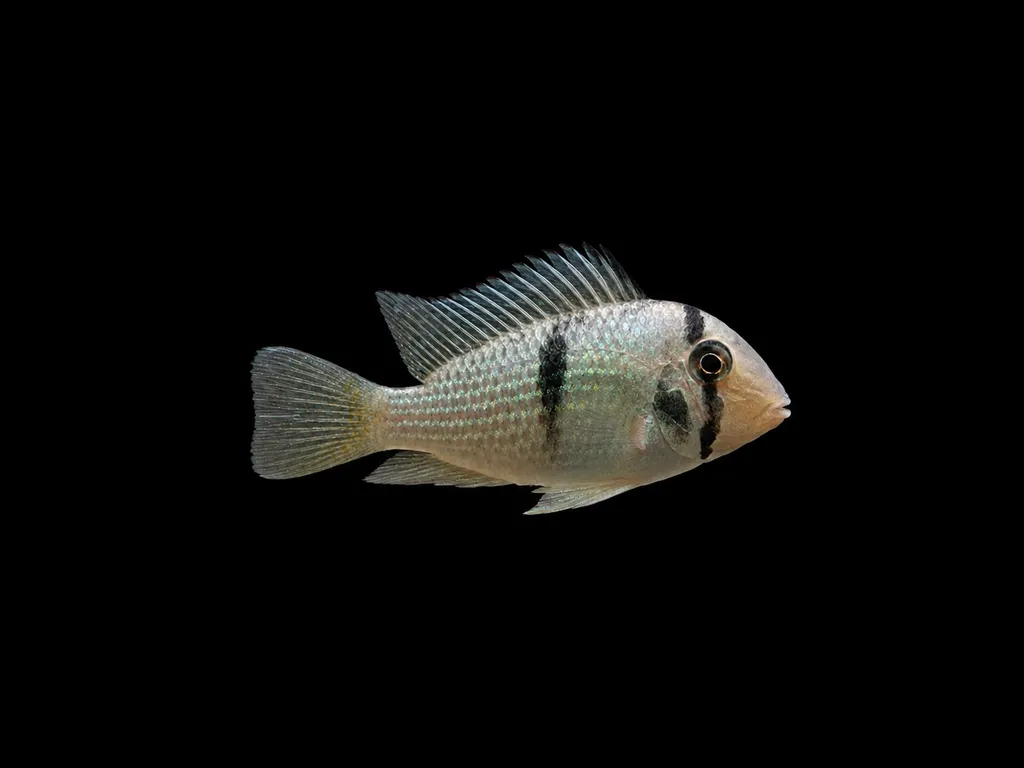 5.5 in (14 cm)66 gal (250 L)77–84°F (25–29°C)
Teardrop guianacara
Guianacara dacrya
5.5 in (14 cm) · 66 gal (250 L)
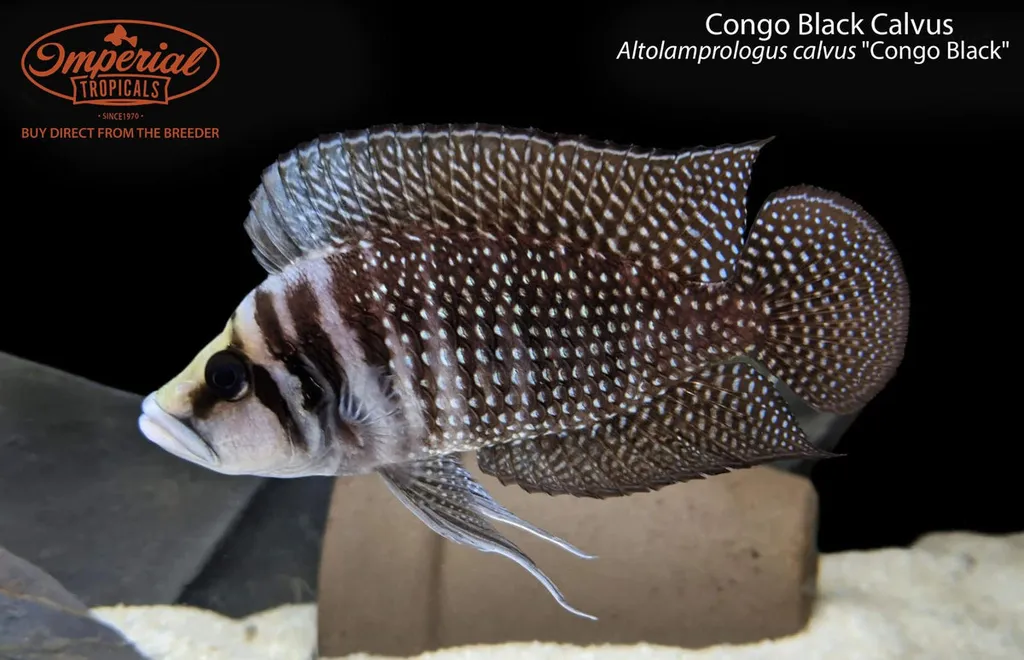 5.1 in (13 cm)53 gal (200 L)75–81°F (24–27°C)
Black calvus
Altolamprologus calvus
5.1 in (13 cm) · 53 gal (200 L)
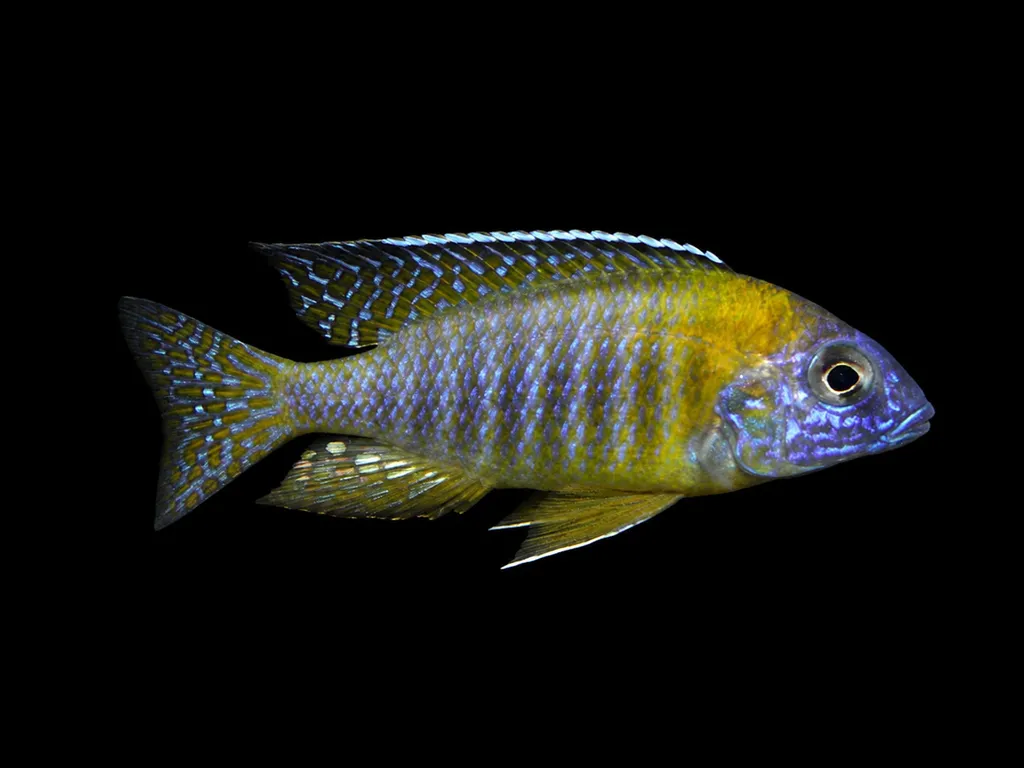 5.1 in (13 cm)74 gal (280 L)75–81°F (24–27°C)
Gertrude's peacock
Aulonocara gertrudae
5.1 in (13 cm) · 74 gal (280 L)
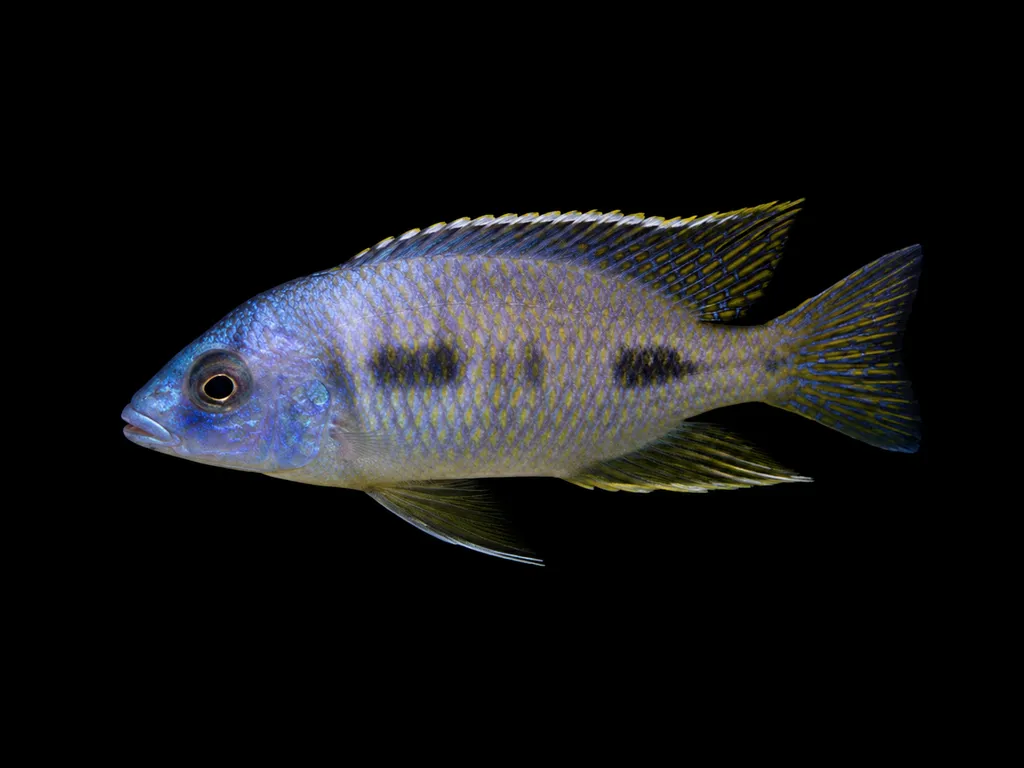 5.1 in (13 cm)79 gal (300 L)75–81°F (24–27°C)
Heterodon hap
Otopharynx heterodon
5.1 in (13 cm) · 79 gal (300 L)
 5.1 in (13 cm)66 gal (250 L)61–79°F (16–26°C)
Longbody eartheater
Gymnogeophagus mekinos
5.1 in (13 cm) · 66 gal (250 L)