Heterodon hap
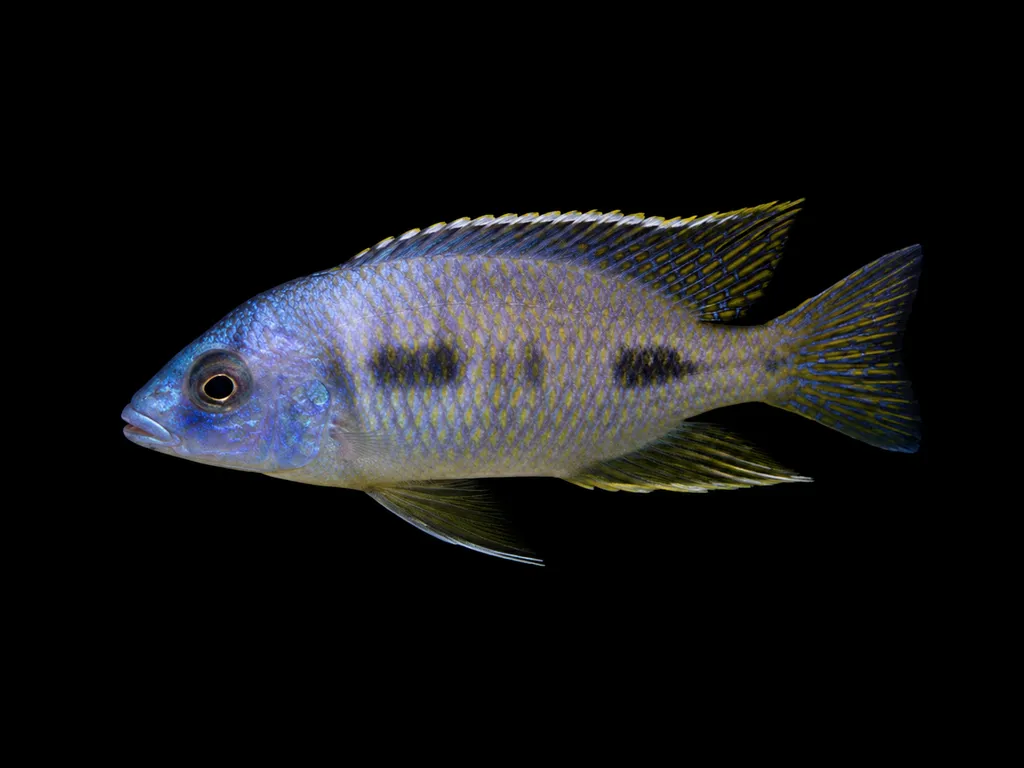
Otopharynx heterodon
Also known as Haplochromis heterodon
FreshwaterFish
Care at a glance
- Temperature
- 75–81°F
- 24–27°C
- pH
- 7.5–8.5
- Adult size
- 5.1 in
- 13 cm
- Minimum tank
- 79 gal
- 300 L
- Temperament
- Mostly peaceful
- Social behavior
- Social
- Swim level
- Bottom
- Difficulty
- Medium
- Breeding
- Mouthbrooder · Medium
- Rarity
- Rare
- Family
- Cichlidae
- Origin
- Lake Malawi
Overview
The Heterodon hap is an adaptable, fairly calm Malawi cichlid for the more peaceful side of a rift lake community. It is best kept by someone with a little experience.
Did you know
The species name heterodon means different or varied teeth. Instead of one specialized bite, the Heterodon hap carries a mix of tooth shapes. Those shapes let it take a broad range of small foods from rock and sand.
Caring for the Heterodon hap
Give the Heterodon hap at least 79 gal (300 L), with a sand floor and scattered rocks for cover and territory. Leave patches of open sand between the rocks. It spends most of its time low over the bottom.
Keep the water hard and alkaline, at 75 to 81°F (24 to 27°C) and a pH of 7.5 to 8.5. Steady chemistry and clean water keep this rift lake fish in good shape. Feed a mix of sinking pellets and flake, with frozen foods such as brine shrimp and mysis.
Keep one male with several females. The Heterodon hap mixes well with other peaceful haps and peacocks of similar size, and it does not need a species tank. Do not crowd it in with aggressive mbuna.
Males color up with a blue sheen when they display or come into condition. The female carries the brood, holding the eggs and fry in her mouth until the young can fend for themselves. Breeding it is moderately difficult.
Good to know
Otopharynx heterodon is a three-spotted hap in the family Cichlidae.
In the wild
The Heterodon hap feeds over the sediment-dusted rocks and sandy patches of Lake Malawi. It picks a mixed diet from the bottom.
Weekly picks
Tank mates
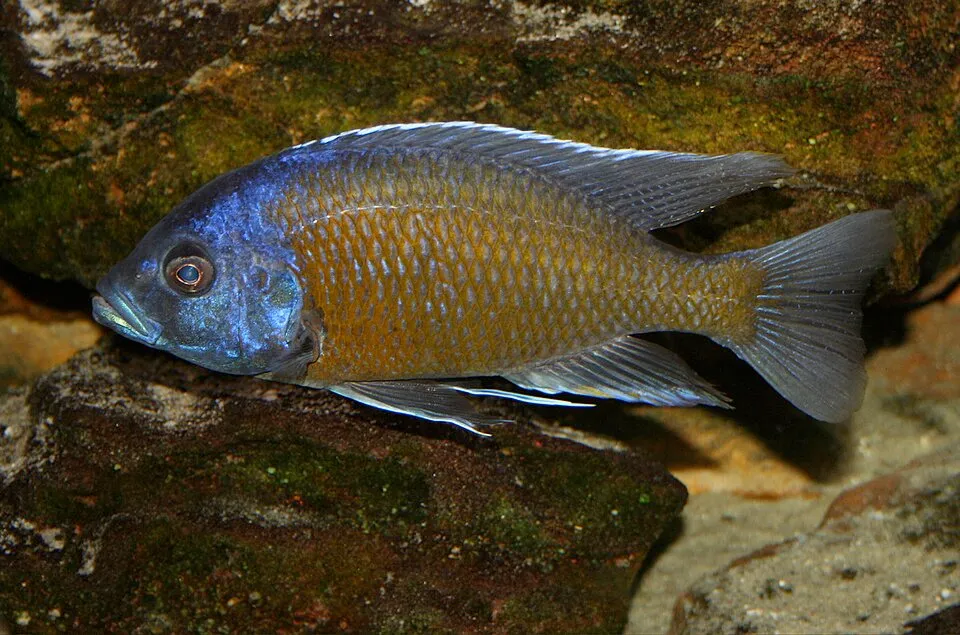
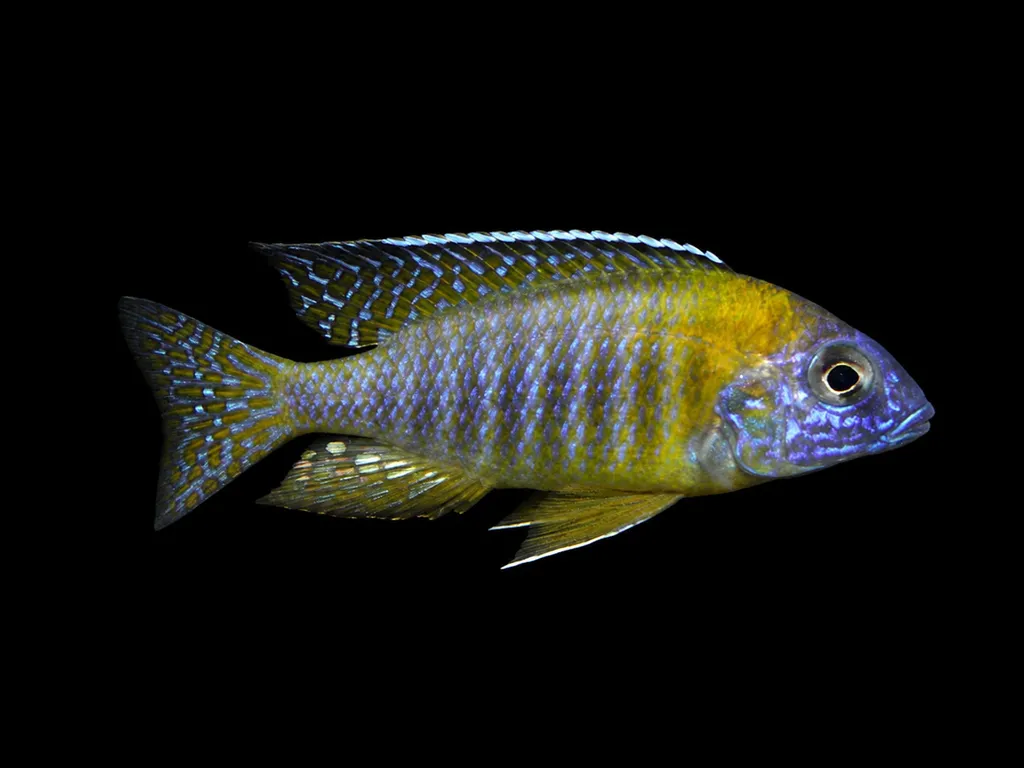
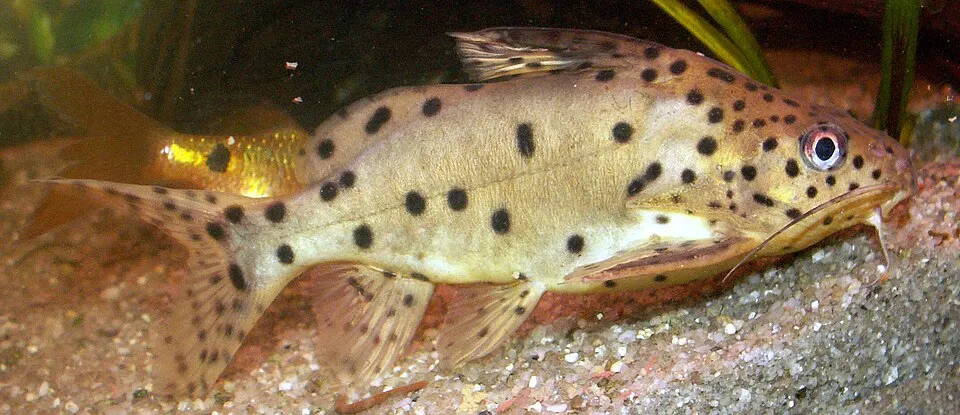
The Heterodon hap is a mostly peaceful, social species that keeps to the bottom. These picks share a community profile with it, are safe together in both directions, and overlap on water type, temperature and pH.
Common questions
What size tank does a Heterodon hap need?
A Heterodon hap needs at least 79 gal (300 L). It spends most of its time in the bottom.
What temperature and pH does a Heterodon hap need?
A Heterodon hap is comfortable at 75–81°F (24–27°C) with a pH of 7.5–8.5.
What does a Heterodon hap eat?
A Heterodon hap eats a mix of sinking pellets and flake. Add frozen foods such as brine shrimp and mysis.
How big does a Heterodon hap get?
An adult Heterodon hap reaches about 5.1 in (13 cm).
How can you tell a male Heterodon hap from a female?
Males show a blue sheen when they are in condition or displaying.
How does a Heterodon hap breed?
A Heterodon hap is a mouthbrooder. The female holds the eggs and fry in her mouth until the young can fend for themselves. It is moderately hard to breed.
Related species
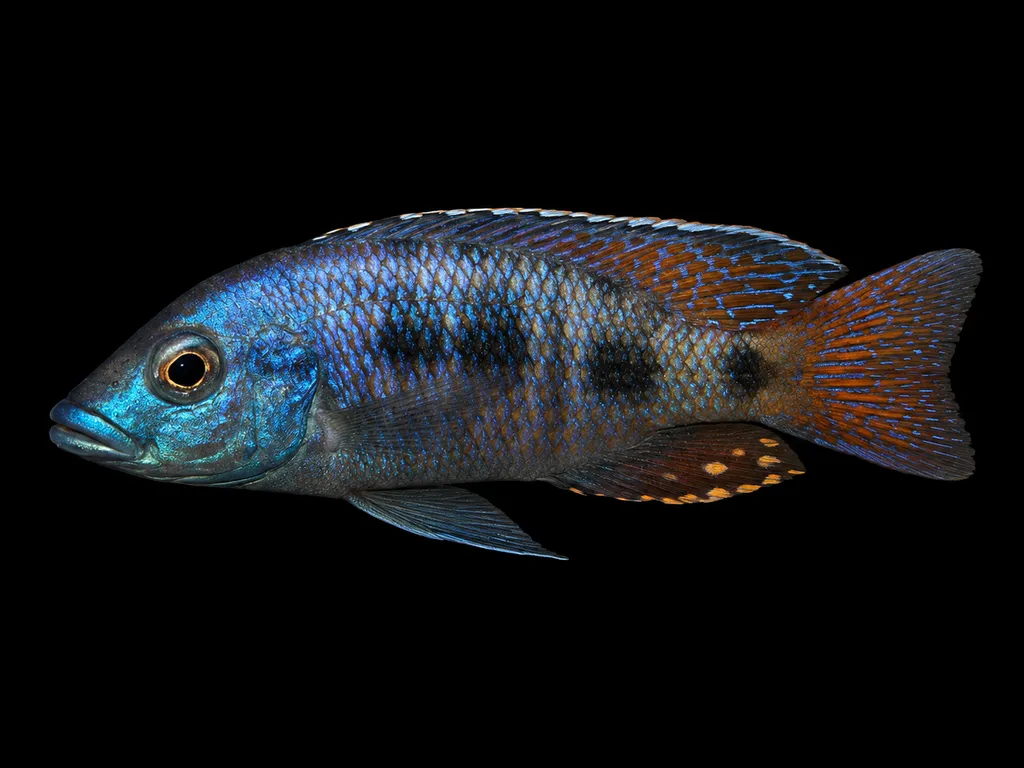 4.7 in (12 cm)79 gal (300 L)75–81°F (24–27°C)
Cave otopharynx
Otopharynx antron
4.7 in (12 cm) · 79 gal (300 L)
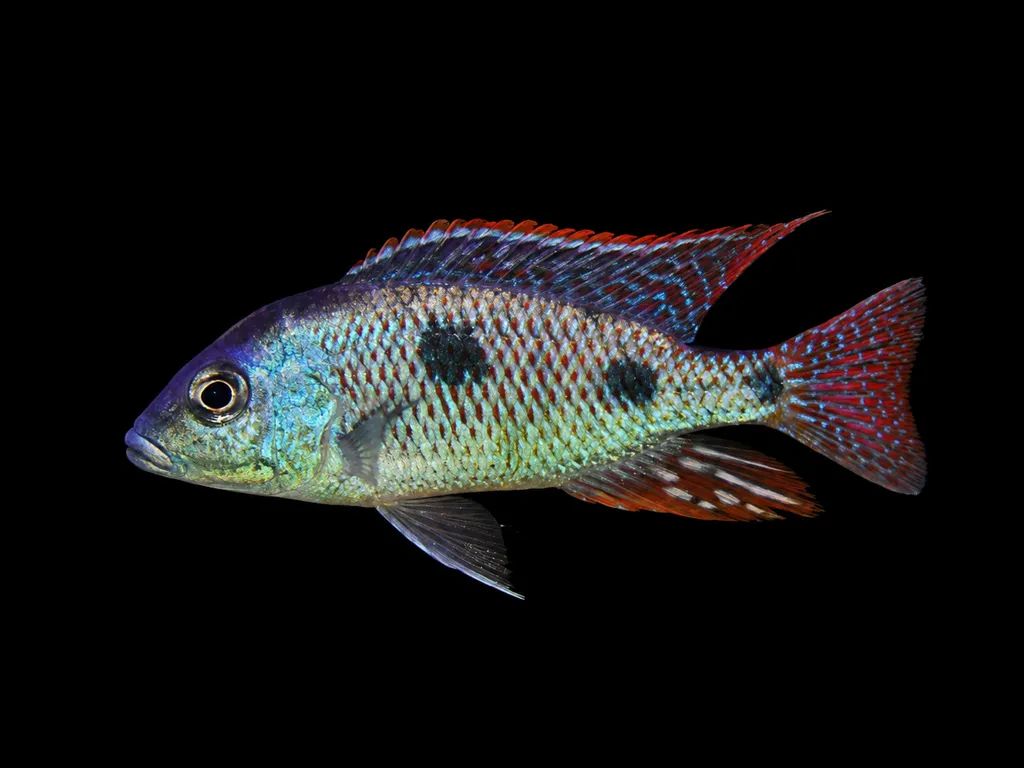 6.3 in (16 cm)79 gal (300 L)75–81°F (24–27°C)
Four-spot otopharynx
Otopharynx tetrastigma
6.3 in (16 cm) · 79 gal (300 L)
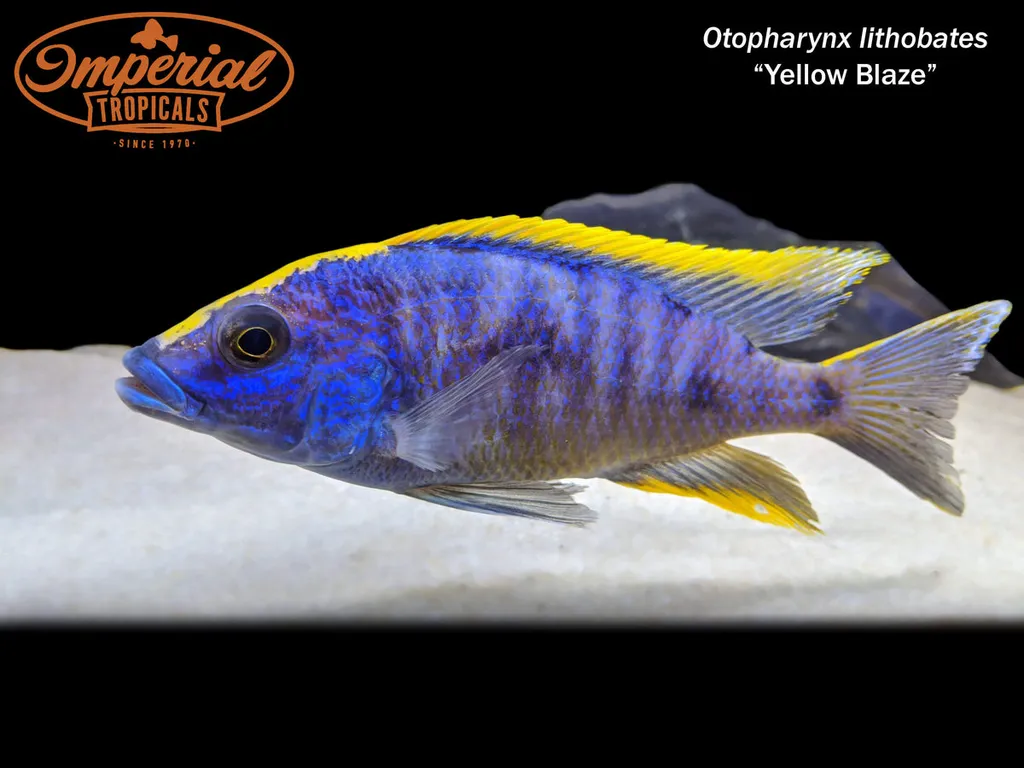 6.3 in (16 cm)53 gal (200 L)75–82°F (24–28°C)
Sulphur-head hap
Otopharynx lithobates
6.3 in (16 cm) · 53 gal (200 L)
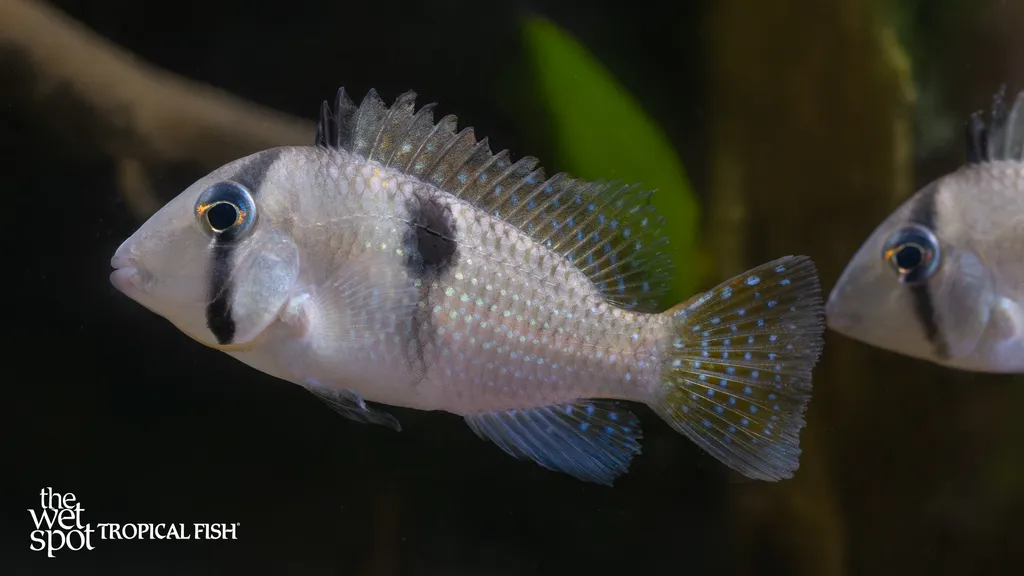 5.1 in (13 cm)40 gal (150 L)75–82°F (24–28°C)
Bandit cichlid
Guianacara geayi
5.1 in (13 cm) · 40 gal (150 L)
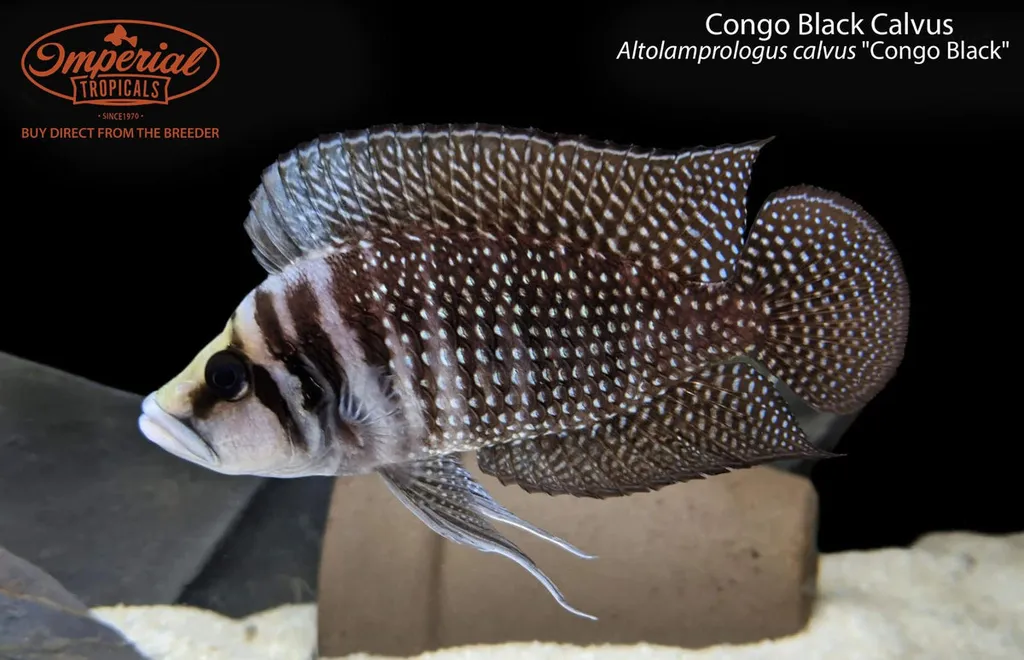 5.1 in (13 cm)53 gal (200 L)75–81°F (24–27°C)
Black calvus
Altolamprologus calvus
5.1 in (13 cm) · 53 gal (200 L)
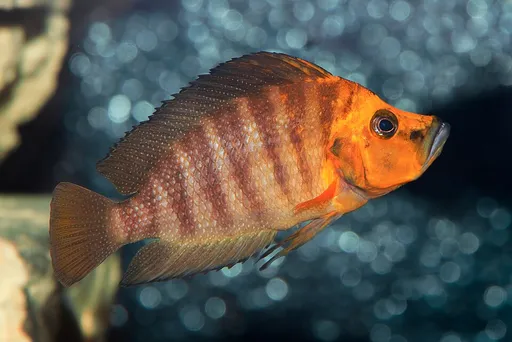 5.1 in (13 cm)53 gal (200 L)75–81°F (24–27°C)
Compressiceps
Altolamprologus compressiceps
5.1 in (13 cm) · 53 gal (200 L)