Compressiceps
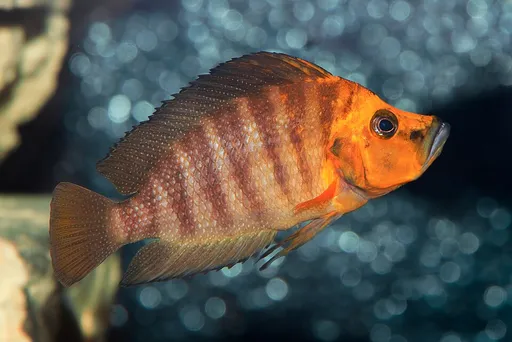
Altolamprologus compressiceps
Also known as Compressiceps cichlid
FreshwaterFish
Care at a glance
- Temperature
- 75–81°F
- 24–27°C
- pH
- 7.8–9.0
- Adult size
- 5.1 in
- 13 cm
- Minimum tank
- 53 gal
- 200 L
- Temperament
- Mostly peaceful
- Social behavior
- Solitary
- Tankmates
- With caution
- Swim level
- Bottom
- Difficulty
- Medium
- Breeding
- Medium
- Rarity
- Common
- Family
- Cichlidae
- Origin
- Lake Tanganyika (endemic)
Overview
Keep them as a single fish or a bonded pair in a tank of at least 200 liters. They are mostly peaceful but they are ambush predators with a big mouth, so they will eat any fish or shrimp small enough to swallow. Skip shell-dwellers, fry, and dwarf shrimp for that reason. Water should sit between 24 and 27 C, hard, and alkaline at a pH of 7.8 to 9. They hold near the bottom around the rocks, take meaty foods, and do best with larger, calm tankmates that cannot fit in their jaws.
In the wild
Compressiceps is endemic to Lake Tanganyika, where it haunts rocky shorelines and ambushes prey from cover. The lake is hard and alkaline, so give them coral sand or aragonite to buffer the water and stacked rockwork with caves and sightline breaks they can lurk around. Run the tank warm at 24 to 27 C and keep the pH high, anywhere from 7.8 to 9. They are sensitive to nitrate, so do regular water changes to keep it low.
Good to know
This is a cichlid in the family Cichlidae, reaching about 13 cm as an adult. They are cave spawners, and a bonded pair will guard a shell or rock crevice together. Growth is slow, so a young fish takes time to reach full size. Most fish in the trade are tank bred, and you should keep the different morphs separate.
Did you know
That flat, narrow body is a hunting tool. By turning side-on, Compressiceps can slip into rock crevices and present a thin profile to prey, then flare its large mouth open to inhale a fish whole. The laterally compressed shape also lets it pin small fish against rocks where they have nowhere to run.
Common questions
What size tank does a Compressiceps need?
A Compressiceps needs at least 53 gal (200 L). It spends most of its time in the bottom.
What temperature and pH does a Compressiceps need?
A Compressiceps is comfortable at 75–81°F (24–27°C) with a pH of 7.8–9.0.
How big does a Compressiceps get?
An adult Compressiceps reaches about 5.1 in (13 cm).
Related species
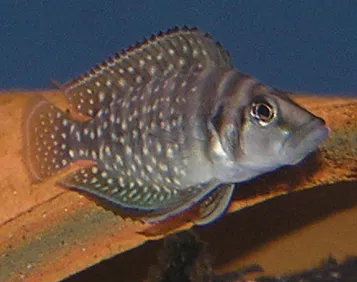 5.1 in (13 cm)53 gal (200 L)75–81°F (24–27°C)
Black calvus
Altolamprologus calvus
5.1 in (13 cm) · 53 gal (200 L)
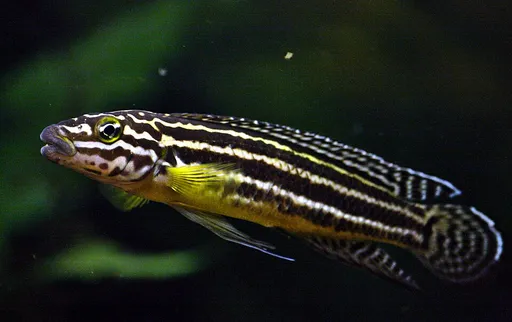 5.1 in (13 cm)29 gal (110 L)75–81°F (24–27°C)
Convict julie
Julidochromis regani
5.1 in (13 cm) · 29 gal (110 L)
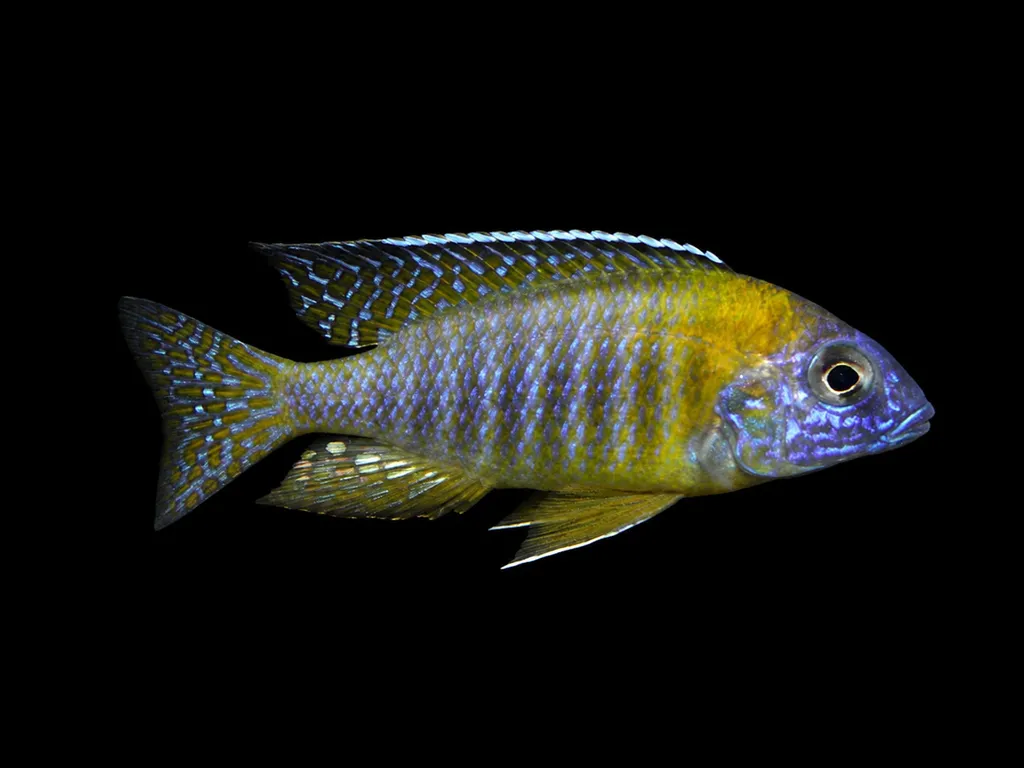 5.1 in (13 cm)74 gal (280 L)75–81°F (24–27°C)
Gertrude's peacock
Aulonocara gertrudae
5.1 in (13 cm) · 74 gal (280 L)
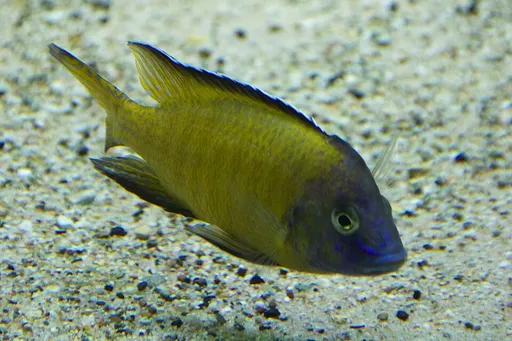 5.1 in (13 cm)74 gal (280 L)75–82°F (24–28°C)
Grant's peacock
Aulonocara stuartgranti
5.1 in (13 cm) · 74 gal (280 L)
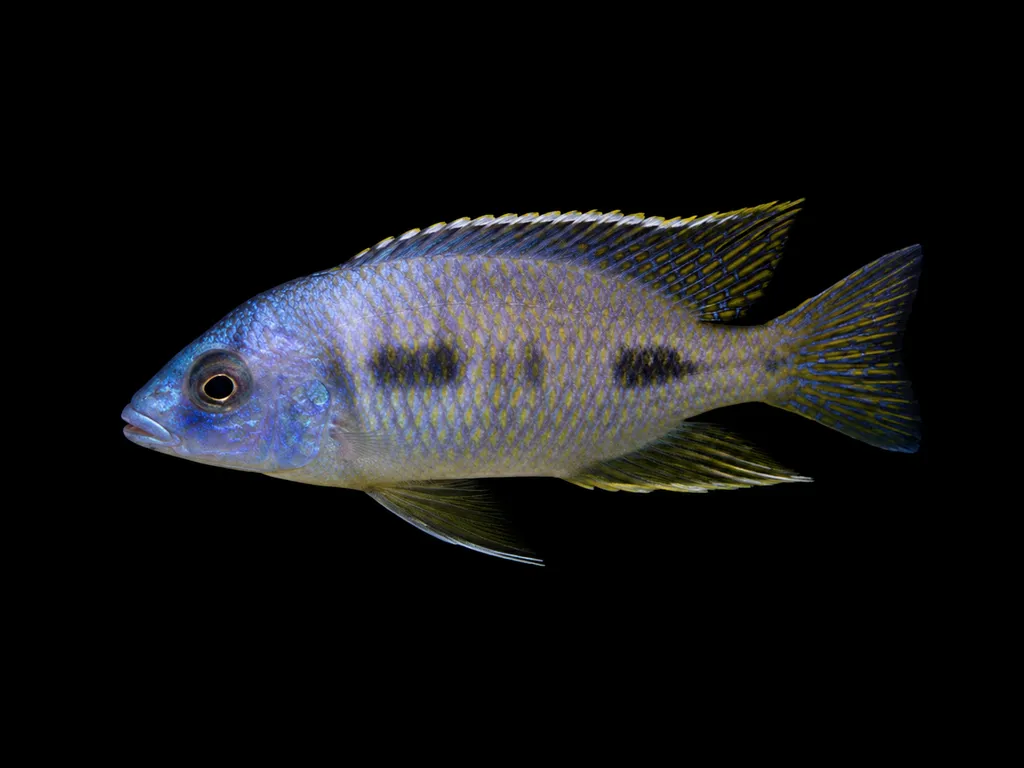 5.1 in (13 cm)79 gal (300 L)75–81°F (24–27°C)
Heterodon hap
Otopharynx heterodon
5.1 in (13 cm) · 79 gal (300 L)
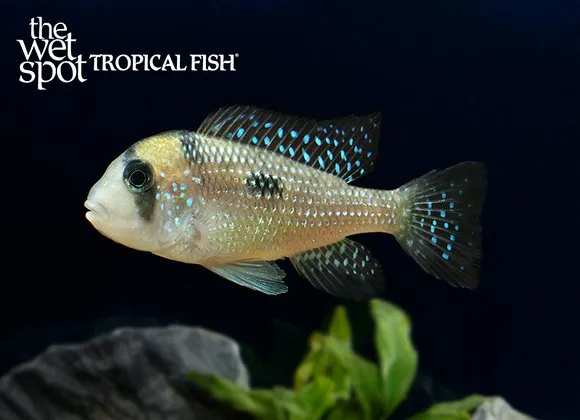 5.1 in (13 cm)66 gal (250 L)61–79°F (16–26°C)
Longbody eartheater
Gymnogeophagus mekinos
5.1 in (13 cm) · 66 gal (250 L)