Grant's peacock
Aulonocara stuartgranti
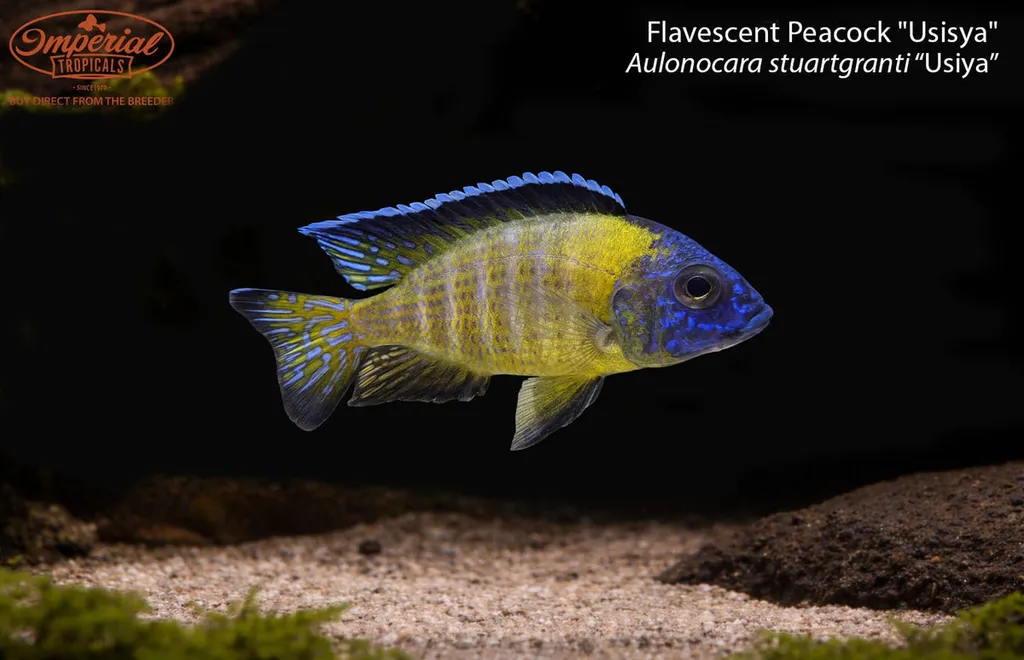
Also known as Flavescent peacock, Blue neon peacock, Usisya peacock
FreshwaterFish
Care at a glance
- Temperature
- 75–82°F
- 24–28°C
- pH
- 7.6–8.6
- Adult size
- 5.1 in
- 13 cm
- Minimum tank
- 74 gal
- 280 L
- Temperament
- Mostly peaceful
- Social behavior
- Social
- Swim level
- Bottom
- Difficulty
- Easy
- Breeding
- Easy
- Rarity
- Common
- Family
- Cichlidae
- Origin
- Rocky and sandy transition zones of Lake Malawi in East Africa, where it hunts over open sand near rock piles.
Overview
Grant's peacock is a mostly peaceful Malawi cichlid for a sand-and-rock tank, and it makes a good first cichlid.
Did you know
Grant's peacocks from different collecting sites around the lake differ a great deal in color. Hobbyists often keep them under trade names such as Blue Neon, Ngara and Usisya without realizing they are all one species.
Caring for the Grant's peacock
Keep a single male Grant's peacock with several females in at least 74 gal (280 L). Give them a sand bottom with rock piles for cover. They stay near the bottom of the tank.
The water should be hard and alkaline, at 75 to 82°F (24 to 28°C) with a pH of 7.6 to 8.6. Feed sinking pellets and frozen foods such as brine shrimp and mysis, and avoid heavy protein loads.
Grant's peacocks mix well with other peacocks and calmer haps, but keep them away from rowdy mbuna. Only dominant males show the bright blue and orange coloring, and subordinate males and females stay drab. Breeding them is easy.
Good to know
Grant's peacock, Aulonocara stuartgranti, belongs to the peacock group of Malawi haplochromines, in the cichlid family. Sensory pores on its face let it detect small invertebrates buried in the substrate.
In the wild
Grant's peacock lives along the rocky and sandy borders of Lake Malawi, at depths of a few meters. It hunts while hovering just above open sand near the rock piles. Males hold territories around rocks, while females and juveniles roam in loose groups.
Weekly picks
Tank mates
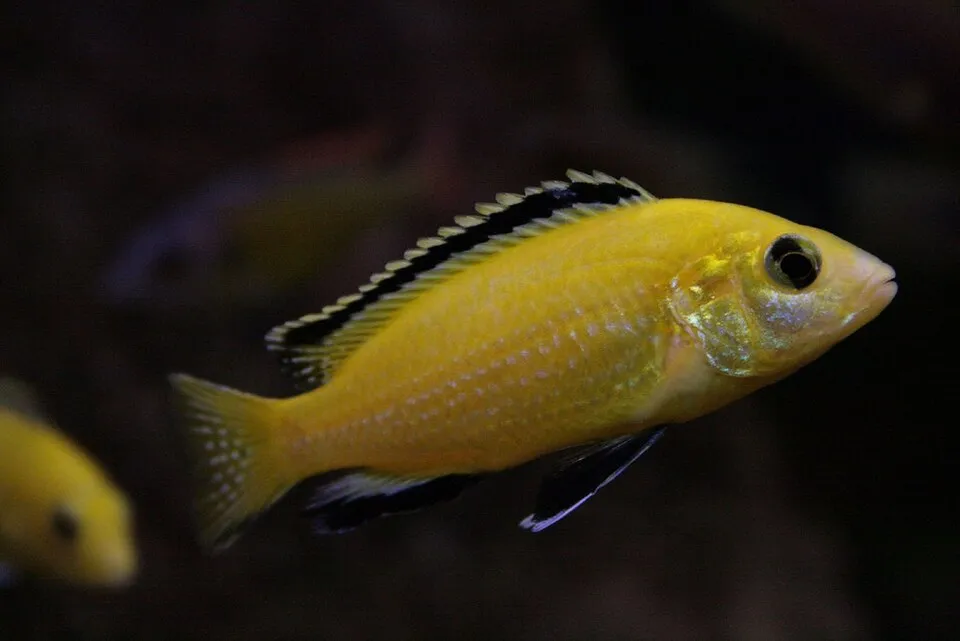
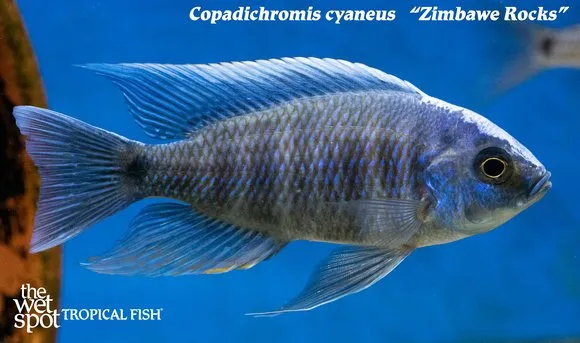
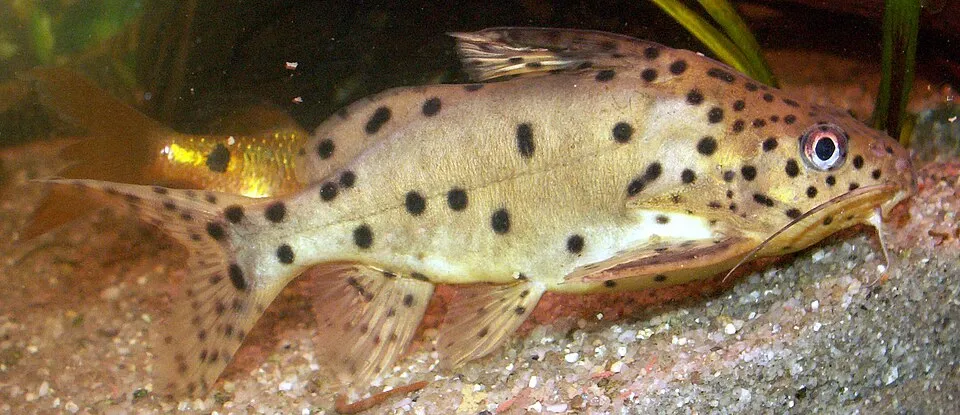
The Grant's peacock is a mostly peaceful, social species that keeps to the bottom. These picks share a community profile with it, are safe together in both directions, and overlap on water type, temperature and pH.
Common questions
What size tank does a Grant's peacock need?
A Grant's peacock needs at least 74 gal (280 L). It spends most of its time in the bottom.
What temperature and pH does a Grant's peacock need?
A Grant's peacock is comfortable at 75–82°F (24–28°C) with a pH of 7.6–8.6.
What does a Grant's peacock eat?
A Grant's peacock eats sinking pellets and frozen foods such as brine shrimp and mysis. Keep its protein load light.
How big does a Grant's peacock get?
An adult Grant's peacock reaches about 5.1 in (13 cm).
How can you tell a male Grant's peacock from a female?
Males can show bright blue and orange, but only the dominant ones do. Females stay drab, and so do subordinate males.
Related species
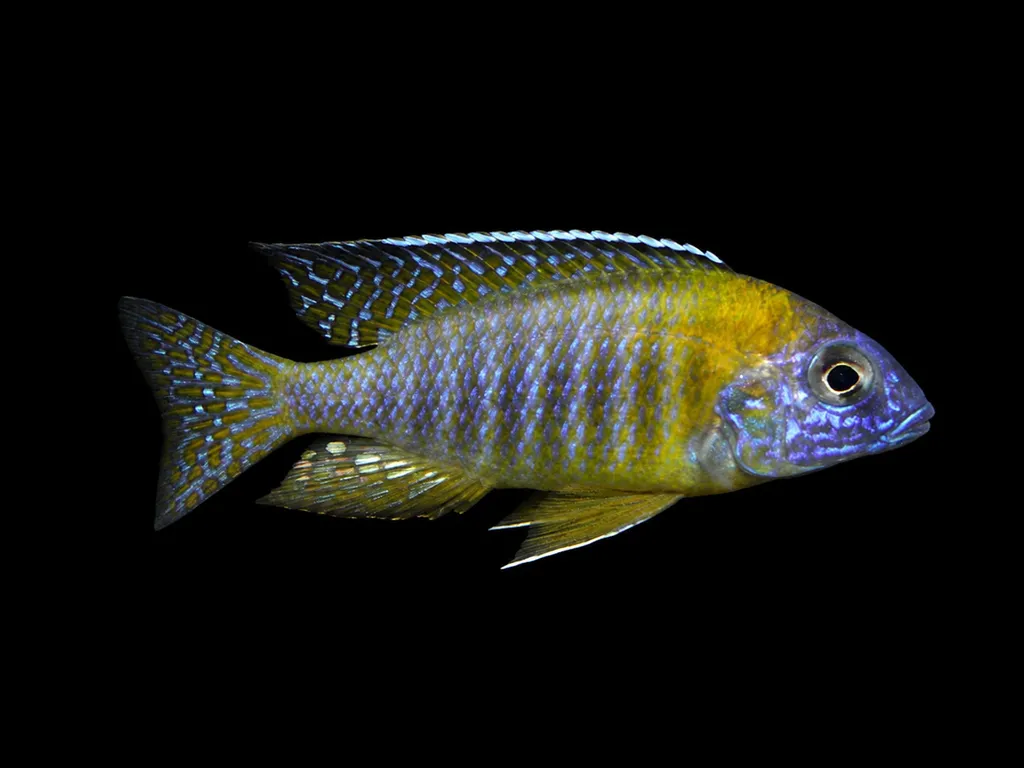 5.1 in (13 cm)74 gal (280 L)75–81°F (24–27°C)
Gertrude's peacock
Aulonocara gertrudae
5.1 in (13 cm) · 74 gal (280 L)
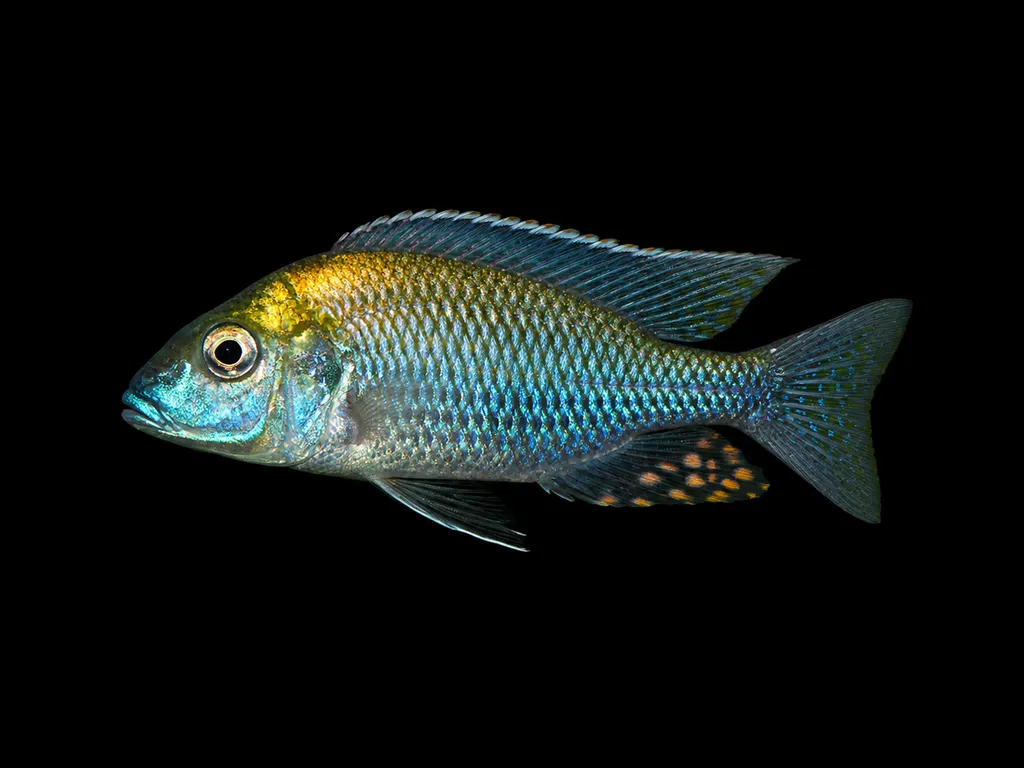 5.9 in (15 cm)74 gal (280 L)75–81°F (24–27°C)
Günther's peacock
Aulonocara guentheri
5.9 in (15 cm) · 74 gal (280 L)
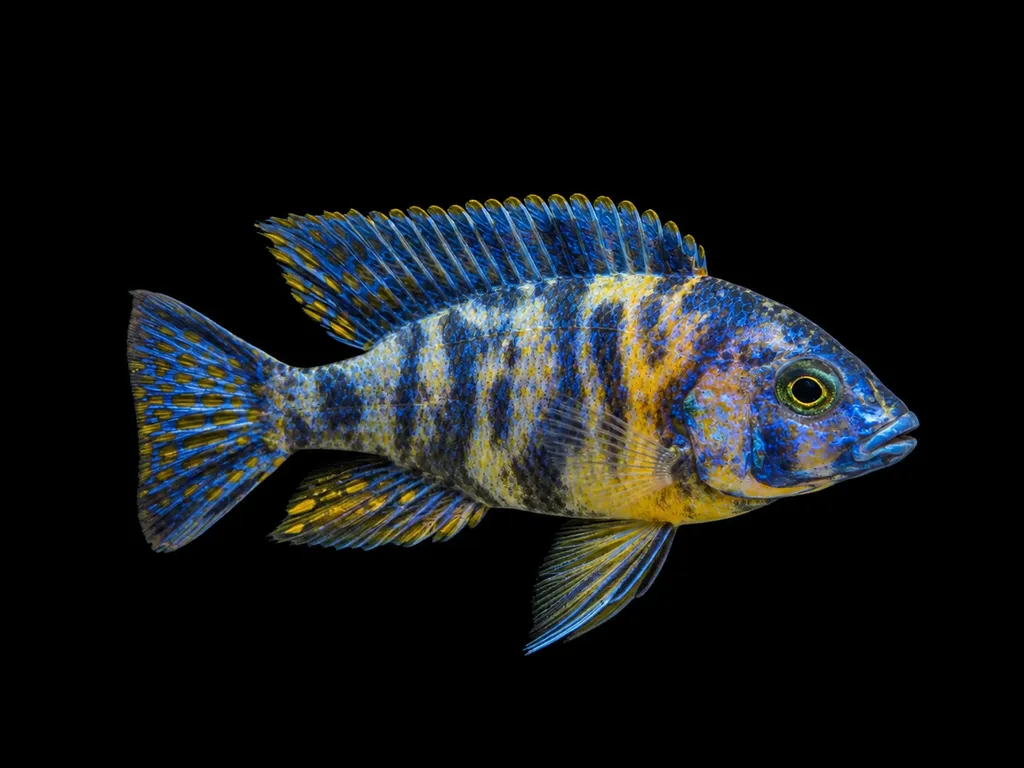 5.9 in (15 cm)63 gal (240 L)75–82°F (24–28°C)
OB peacock cichlid
Aulonocara hybrid
5.9 in (15 cm) · 63 gal (240 L)
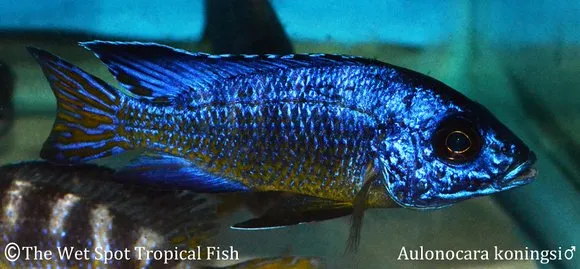 4.3 in (11 cm)63 gal (240 L)75–81°F (24–27°C)
Konings' peacock
Aulonocara koningsi
4.3 in (11 cm) · 63 gal (240 L)
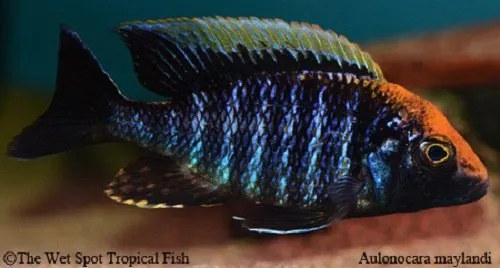 4.3 in (11 cm)66 gal (250 L)77–82°F (25–28°C)
Sulfurhead peacock
Aulonocara maylandi
4.3 in (11 cm) · 66 gal (250 L)
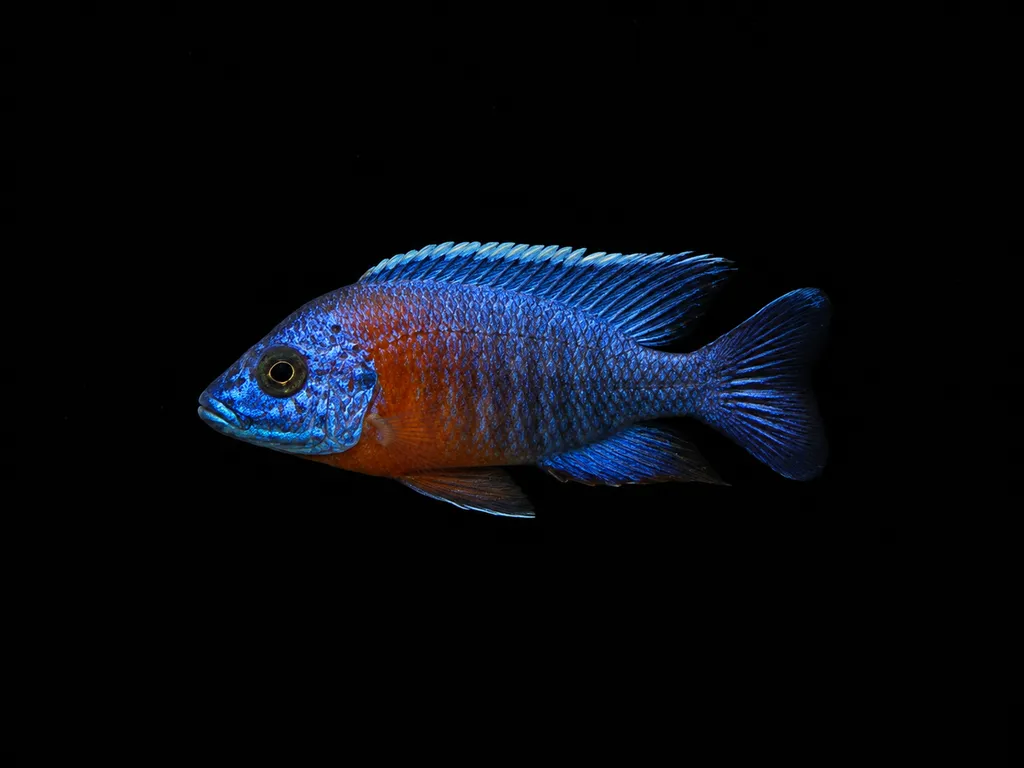 4.1 in (10.5 cm)63 gal (240 L)75–81°F (24–27°C)
Red shoulder peacock
Aulonocara hansbaenschi
4.1 in (10.5 cm) · 63 gal (240 L)