Black calvus
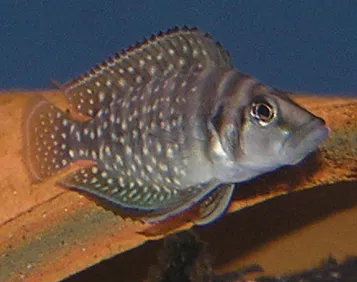
Altolamprologus calvus
Also known as Calvus, White calvus
FreshwaterFish
Care at a glance
- Temperature
- 75–81°F
- 24–27°C
- pH
- 7.5–9.0
- Adult size
- 5.1 in
- 13 cm
- Minimum tank
- 53 gal
- 200 L
- Temperament
- Mostly peaceful
- Social behavior
- Social
- Swim level
- Bottom
- Difficulty
- Medium
- Breeding
- Medium
- Rarity
- Common
- Family
- Cichlidae
- Origin
- Lake Tanganyika (endemic)
Overview
Do not house them with anything small enough to swallow, since this is a predator that picks off eggs, fry, and small fish in the wild. Keep a pair or a small colony in a tank of at least 200 liters, with plenty of stacked rock so each fish can claim a cave. They are mostly peaceful toward fish their own size and stay near the bottom, working the rockwork. Run the water hard and alkaline, pH 7.5 to 9, and warm at 24 to 27 C. Feed meaty foods like frozen mysis, brine shrimp, and small pellets, and keep tankmates too large to become a meal.
In the wild
Black calvus is endemic to Lake Tanganyika, where it lives among rocky shorelines, slipping its flat body into crevices to hunt. The lake is hard and alkaline, so you need to hold that chemistry steady. Use coral sand or aragonite substrate to keep the pH high, somewhere from 7.5 to 9, and stack rockwork into caves and ledges they can hide in and ambush from. Keep the water at 24 to 27 C and very hard, since that is what they evolved in.
Good to know
This is a cichlid in the family Cichlidae, reaching about 13 cm as an adult. It is a cave spawner, with the female laying eggs inside a tight crevice or shell where she can guard them in a space too small for the male to enter. Calvus are slow growing and long lived, so expect to keep one for many years. Most fish in the trade are tank bred.
Did you know
That flat, narrow body is built for getting into spaces other fish cannot reach. A calvus turns sideways to slide into rock cracks after eggs and fry, and the heavy, armored scales give it some protection while it does. If you keep more than one color morph, house them separately, since they will hybridize given the chance.
Weekly picks
Tank mates
Black calvus is a mostly peaceful, social species that keeps to the bottom. These picks share a community profile with it, are safe together in both directions, and overlap on water type, temperature and pH.
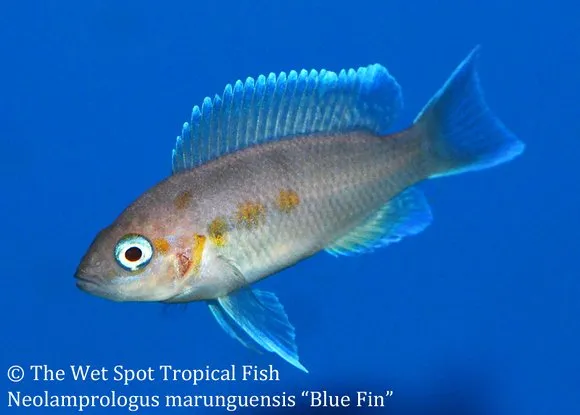
Marungu cichlid
Neolamprologus marunguensis
Freshwater2.8 in (7 cm) · 29 gal (110 L)75–81°F (24–27°C)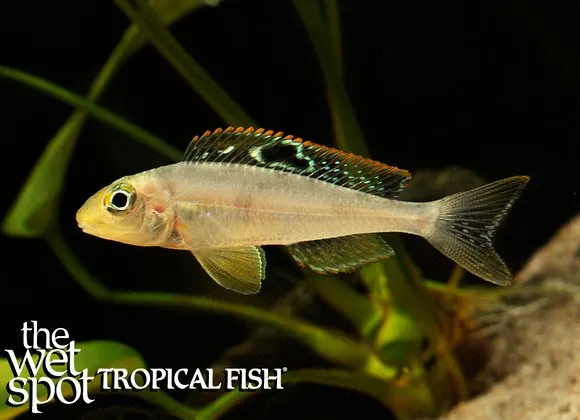
Butterfly xenotilapia
Xenotilapia papilio
Freshwater3.1 in (8 cm) · 53 gal (200 L)75–81°F (24–27°C)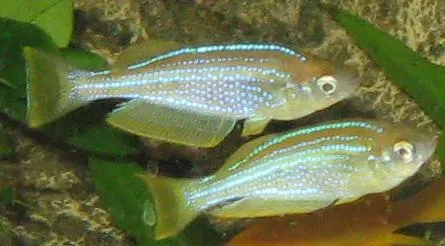
Tanganyika killifish
Lamprichthys tanganicanus
Freshwater5.5 in (14 cm) · 40 gal (150 L)73–77°F (23–25°C)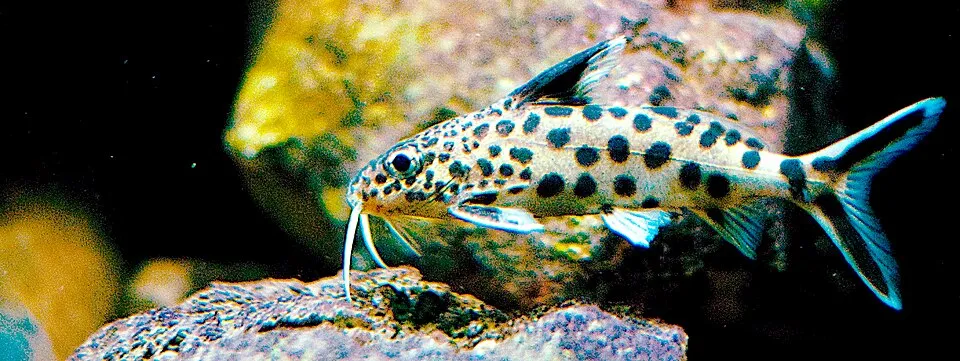
Cuckoo squeaker
Synodontis multipunctatus
Freshwater9.8 in (25 cm) · 50 gal (190 L)75–82°F (24–28°C)
Common questions
What size tank does a Black calvus need?
A Black calvus needs at least 53 gal (200 L). It spends most of its time in the bottom.
What temperature and pH does a Black calvus need?
A Black calvus is comfortable at 75–81°F (24–27°C) with a pH of 7.5–9.0.
How big does a Black calvus get?
An adult Black calvus reaches about 5.1 in (13 cm).
Related species
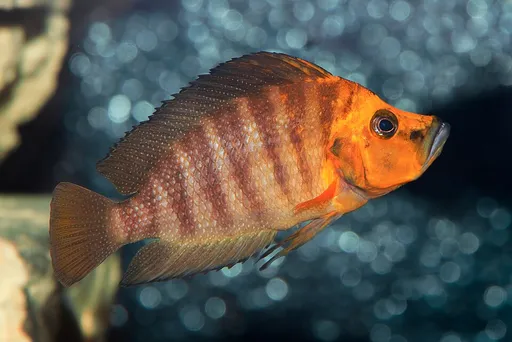 5.1 in (13 cm)53 gal (200 L)75–81°F (24–27°C)
Compressiceps
Altolamprologus compressiceps
5.1 in (13 cm) · 53 gal (200 L)
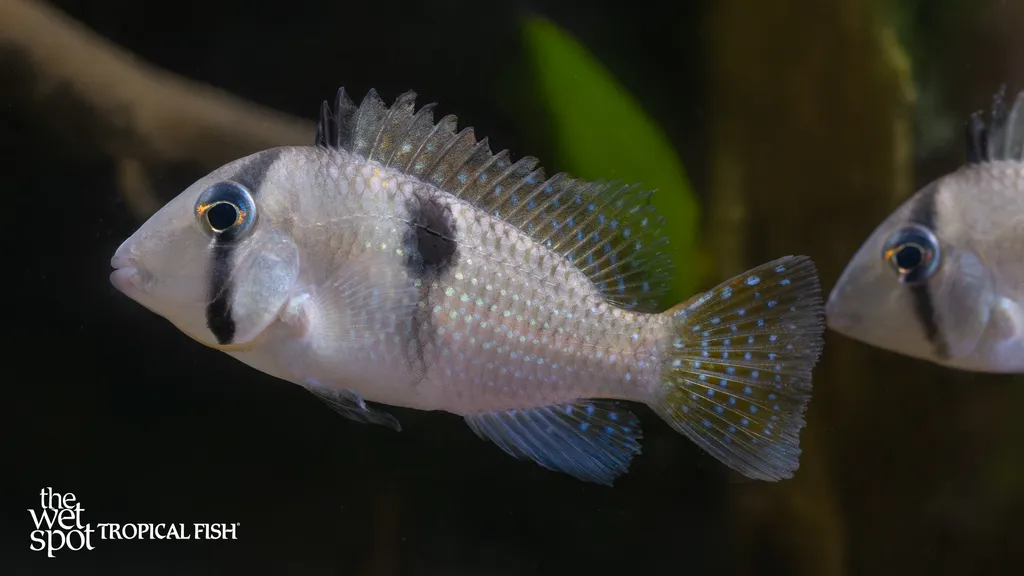 5.1 in (13 cm)40 gal (150 L)75–82°F (24–28°C)
Bandit cichlid
Guianacara geayi
5.1 in (13 cm) · 40 gal (150 L)
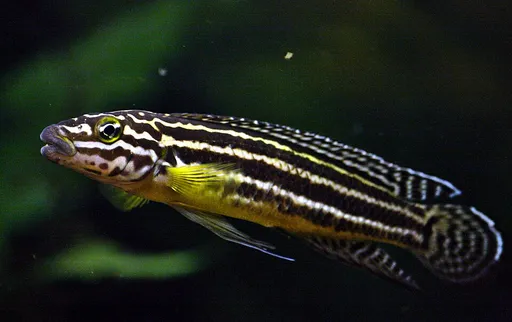 5.1 in (13 cm)29 gal (110 L)75–81°F (24–27°C)
Convict julie
Julidochromis regani
5.1 in (13 cm) · 29 gal (110 L)
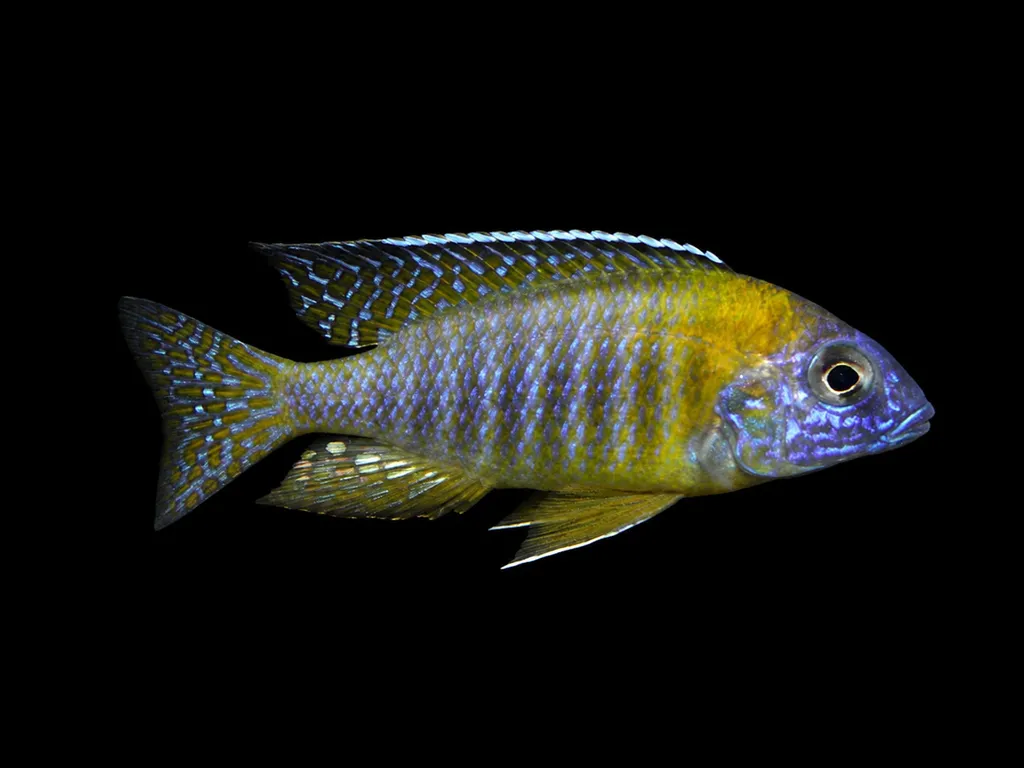 5.1 in (13 cm)74 gal (280 L)75–81°F (24–27°C)
Gertrude's peacock
Aulonocara gertrudae
5.1 in (13 cm) · 74 gal (280 L)
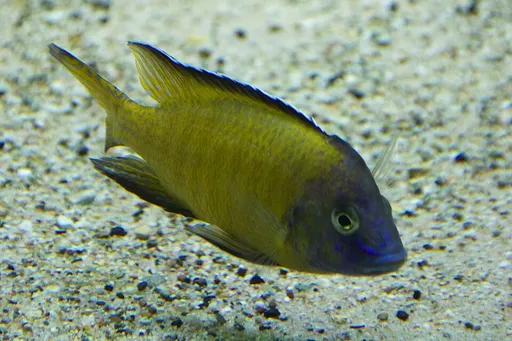 5.1 in (13 cm)74 gal (280 L)75–82°F (24–28°C)
Grant's peacock
Aulonocara stuartgranti
5.1 in (13 cm) · 74 gal (280 L)
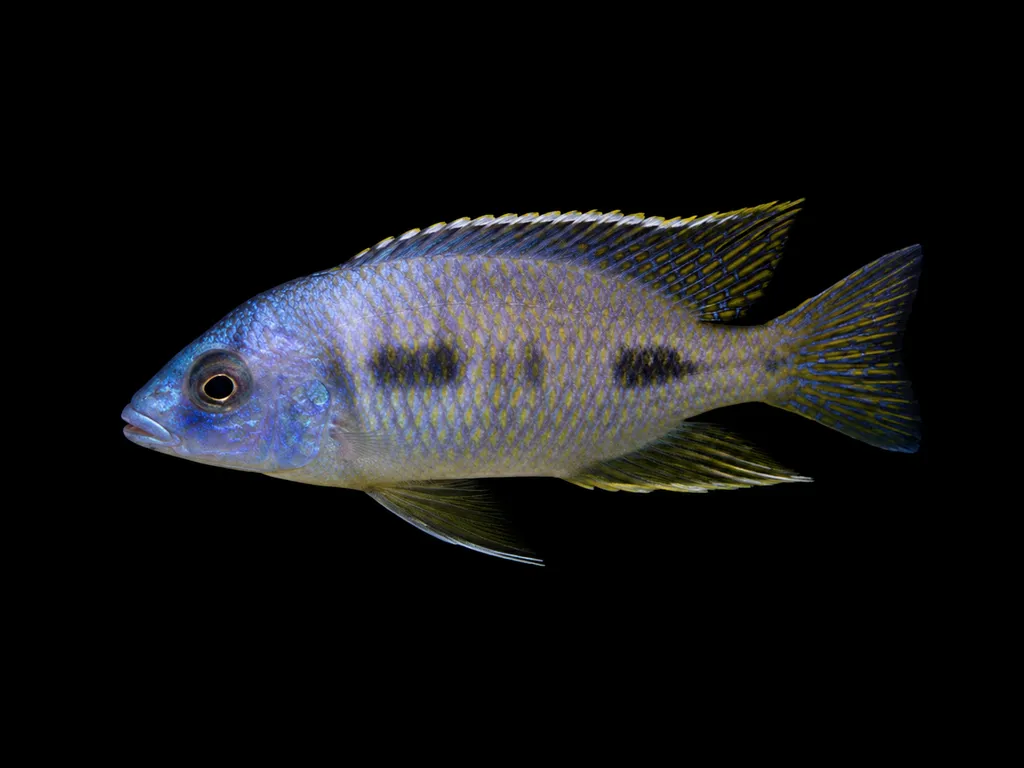 5.1 in (13 cm)79 gal (300 L)75–81°F (24–27°C)
Heterodon hap
Otopharynx heterodon
5.1 in (13 cm) · 79 gal (300 L)