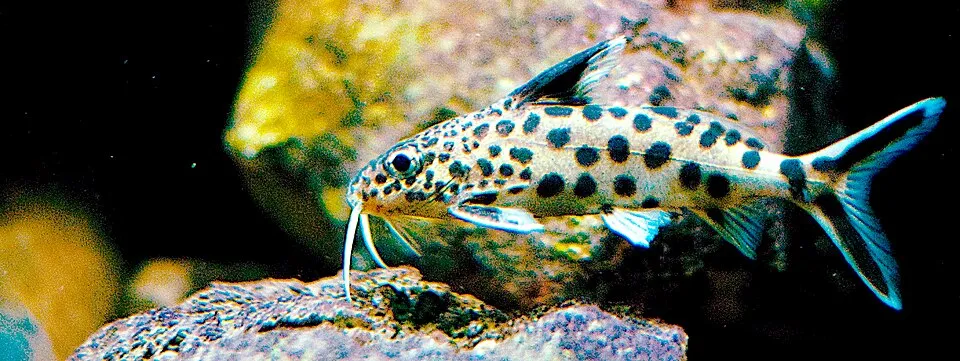
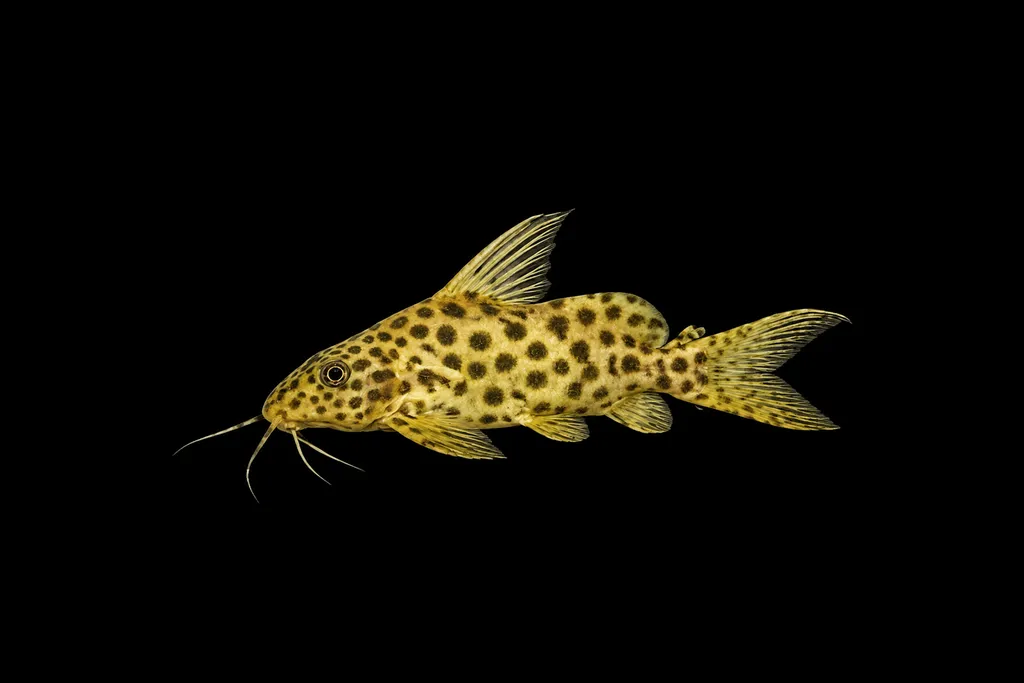
Cuckoo squeaker
Synodontis multipunctatus
Also known as Synodontis multipunctata, Cuckoo catfish
FreshwaterFish
Care at a glance
- Temperature
- 75–82°F
- 24–28°C
- pH
- 7.5–8.5
- Adult size
- 9.8 in
- 25 cm
- Minimum tank
- 50 gal
- 190 L
- Temperament
- Peaceful
- Social behavior
- Shoaling
- Swim level
- Bottom
- Difficulty
- Medium
- Breeding
- Hard
- Rarity
- Rare
- Family
- Mochokidae
- Origin
- Lake Tanganyika
Overview
The cuckoo squeaker is an active, peaceful catfish from Lake Tanganyika that does best in a group of at least four or five, where it schools and forages busily over rock and sand. It suits a hard-water community with Tanganyikan or other rift-lake cichlids, since it shares their tastes and is too quick and armored to be bothered. Offer a varied diet of sinking pellets, frozen bloodworms, snails, and the odd algae wafer. Give it piles of rock arranged into caves with open swimming lanes between them, and aim for a tank around 190 liters or larger.
In the wild
Synodontis multipunctatus is endemic to Lake Tanganyika in East Africa, a vast, ancient rift lake with hard, alkaline, and very stable water. Match those conditions with a pH between 7.5 and 8.5 and a temperature of 24 to 28 degrees C, keeping hardness high. Aquascape with stacked rockwork and caves over a sandy floor to imitate the rocky shoreline, and maintain strong filtration and steady oxygen. Clean, mineral-rich water and good flow keep this lake fish in good health.
Good to know
This squeaker in the family Mochokidae grows to around 25 centimeters and is famous as the only known cuckoo among fishes. It is a brood parasite of mouthbrooding cichlids: it spawns as the cichlids spawn, and its eggs are scooped up and incubated in the host's mouth, where the catfish fry hatch first and eat the cichlid young. Deliberate breeding is hard and requires spawning host cichlids, which is why its breeding difficulty is rated high.
Did you know
The cuckoo squeaker is the only fish known to be an obligate brood parasite. It tricks mouthbrooding cichlids into raising its young, whose eggs hatch inside the mother's mouth ahead of her own, then feed on her fry.
Weekly picks
Tank mates
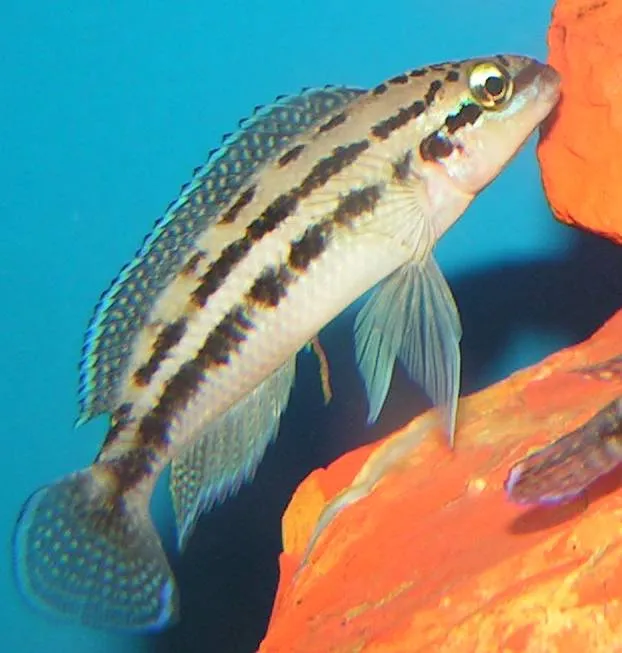
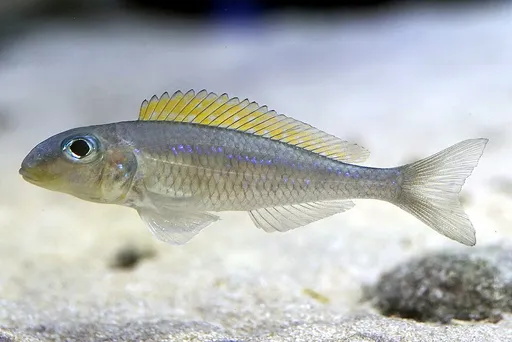
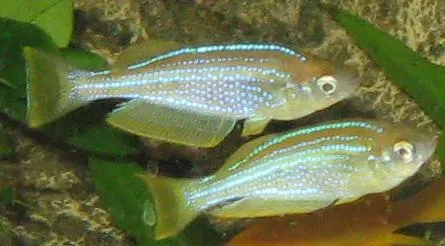
Cuckoo squeaker is a peaceful, shoaling species that keeps to the bottom. These picks share a community profile with it, are safe together in both directions, and overlap on water type, temperature and pH.
Common questions
What size tank does a Cuckoo squeaker need?
A Cuckoo squeaker needs at least 50 gal (190 L). It spends most of its time in the bottom.
What temperature and pH does a Cuckoo squeaker need?
A Cuckoo squeaker is comfortable at 75–82°F (24–28°C) with a pH of 7.5–8.5.
How big does a Cuckoo squeaker get?
An adult Cuckoo squeaker reaches about 9.8 in (25 cm).
Does a Cuckoo squeaker need a group?
Yes. A Cuckoo squeaker is a shoaling species and should be kept in a group, not singly.
Related species
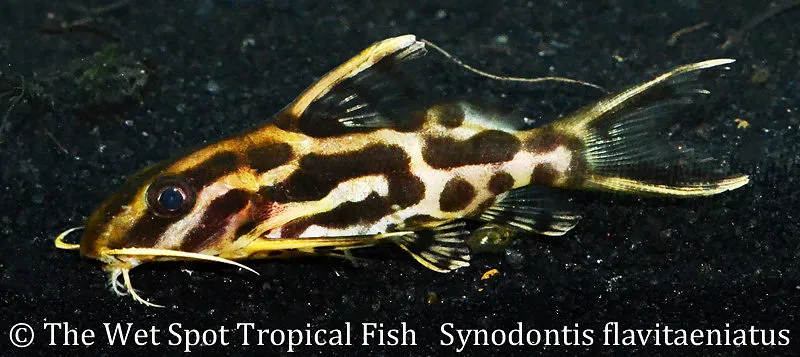 7.1 in (18 cm)53 gal (200 L)75–81°F (24–27°C)
Pyjama synodontis
Synodontis flavitaeniatus
7.1 in (18 cm) · 53 gal (200 L)
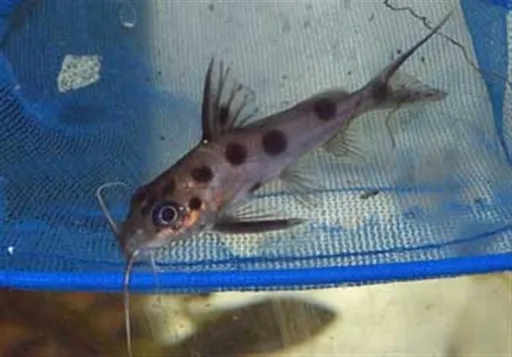 9.8 in (25 cm)53 gal (200 L)72–81°F (22–27°C)
One-spot synodontis
Synodontis notatus
9.8 in (25 cm) · 53 gal (200 L)
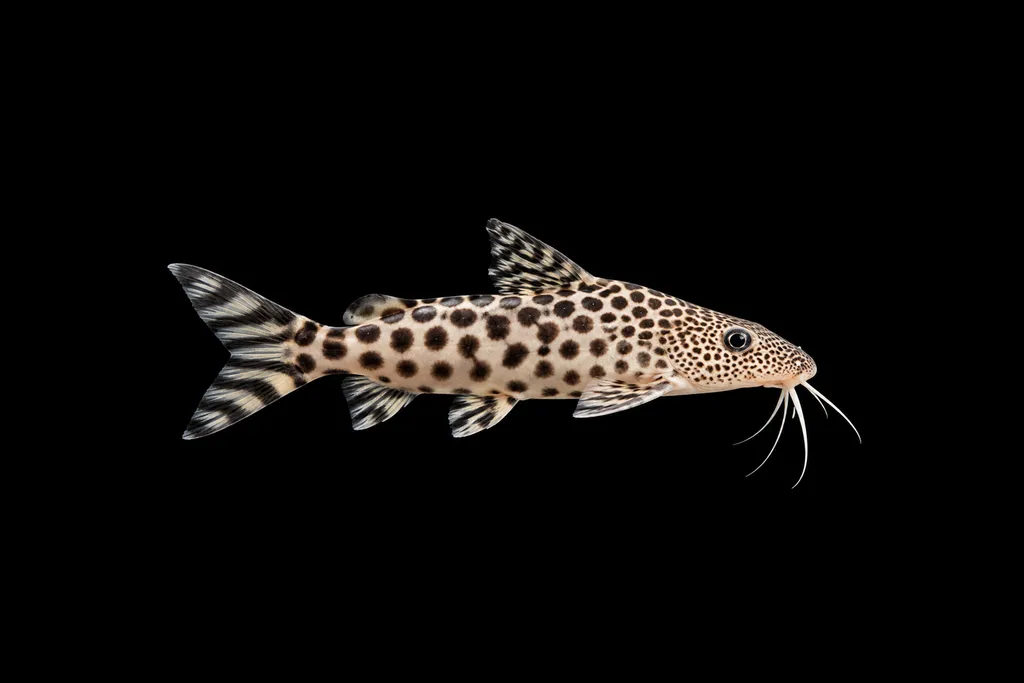 9.3 in (23.5 cm)79 gal (300 L)73–81°F (23–27°C)
Pardalis squeaker
Synodontis pardalis
9.3 in (23.5 cm) · 79 gal (300 L)
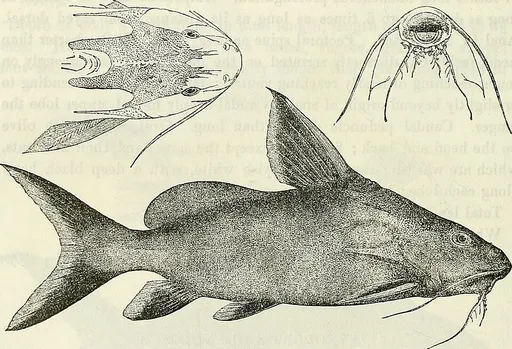 10.6 in (27 cm)79 gal (300 L)73–81°F (23–27°C)
Granulated synodontis
Synodontis granulosus
10.6 in (27 cm) · 79 gal (300 L)
 8.7 in (22 cm)79 gal (300 L)73–81°F (23–27°C)
Velifer squeaker
Synodontis velifer
8.7 in (22 cm) · 79 gal (300 L)
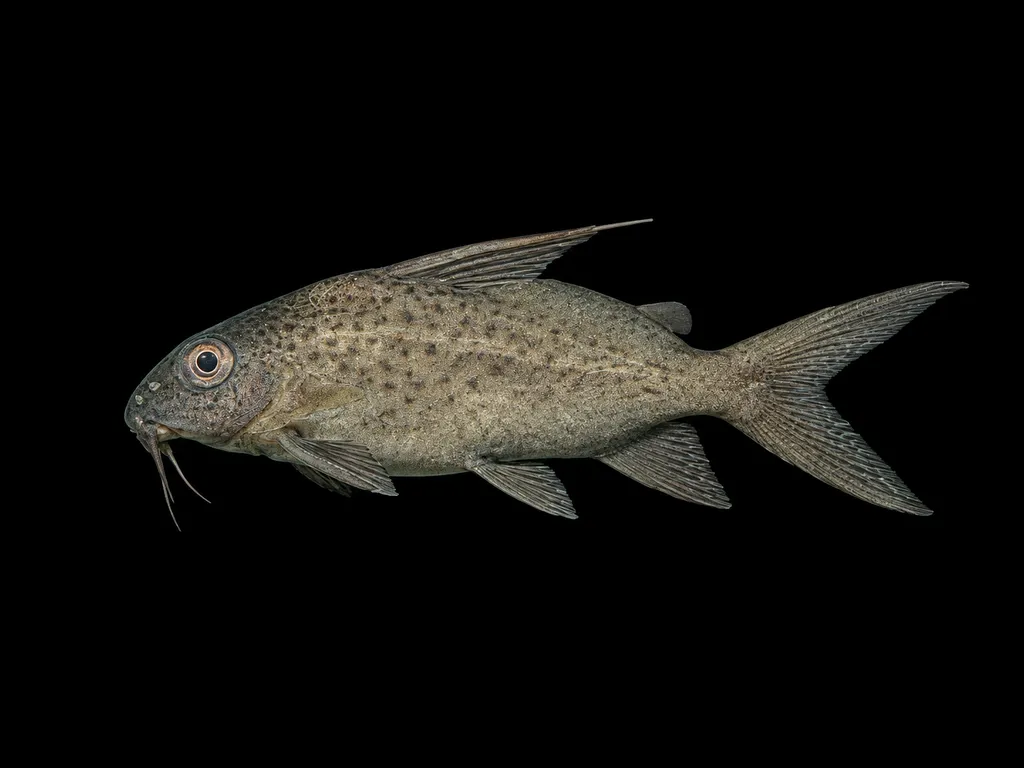 11.8 in (30 cm)106 gal (400 L)73–81°F (23–27°C)
Bigeye upside-down squeaker
Synodontis resupinatus
11.8 in (30 cm) · 106 gal (400 L)