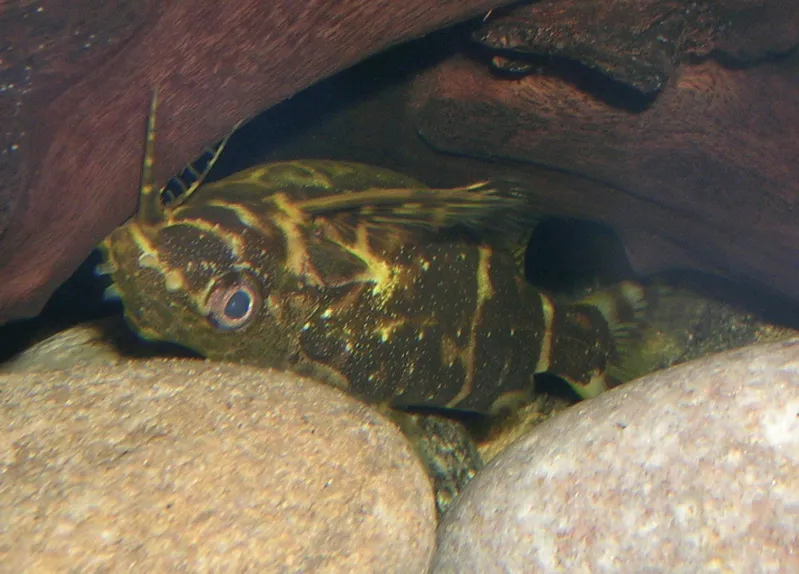
Upside-down catfish
Synodontis nigriventris
FreshwaterFish
Care at a glance
- Temperature
- 75–82°F
- 24–28°C
- pH
- 6.0–7.5
- Adult size
- 3.9 in
- 10 cm
- Minimum tank
- 30 gal
- 115 L
- Temperament
- Peaceful
- Social behavior
- Shoaling
- Swim level
- Bottom
- Difficulty
- Beginner
- Breeding
- No record
- Rarity
- Rare
- Family
- Mochokidae
- Origin
- Congo Basin
Overview
Keep a group of at least five. They feel safer in numbers, and you will see them out more. They are bottom-oriented but will cruise upside down along the surface and under leaves and wood. They are peaceful and nocturnal, so feed after lights-out with sinking pellets, frozen bloodworms, and some plant matter. Plan on around 115 liters or more, and pair them with calm tankmates that share the same warm, soft water.
In the wild
This catfish comes from the slow, warm waters of the Congo Basin, where it hangs around submerged roots, branches, and thick plant cover. To match that, give it driftwood, caves, and some shade in the tank. Keep the water in the mid 20s C and the pH on the soft, slightly acidic to neutral side (around 6 to 7.5).
Good to know
It belongs to the Mochokidae family, the African upside-down catfishes, and tops out around 10 cm. Breeding in home tanks is rarely documented, so most fish in the trade are commercially raised. It can live well over a decade with good care. The common name comes from its habit of swimming belly-up, which is unusual among catfish.
Did you know
Its countershading is flipped compared to most fish. The belly is darker than the back, which makes sense because the fish spends so much time inverted. Seen from above, the dark belly blends with the bottom, and from below the lighter back blends with the bright surface.
Weekly picks
Tank mates
Upside-down catfish is a peaceful, shoaling species that keeps to the bottom. These picks share a community profile with it, are safe together in both directions, and overlap on water type, temperature and pH.
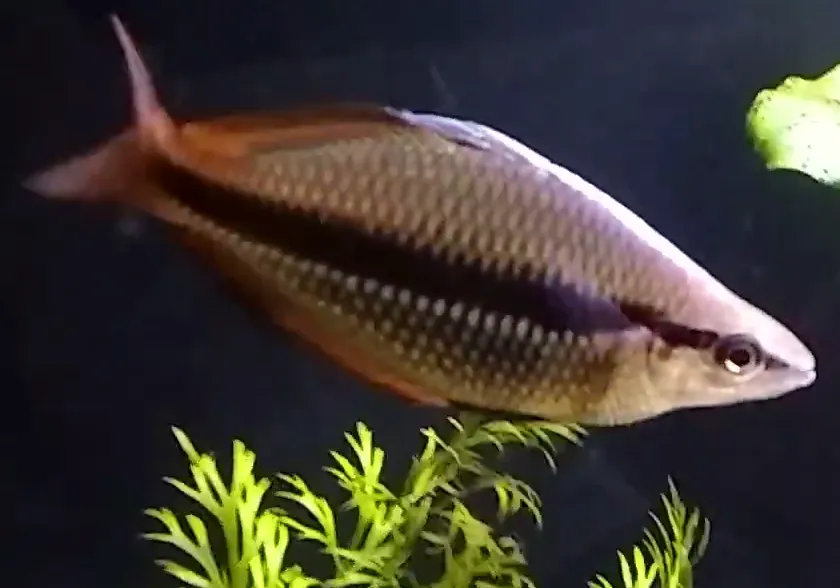
New Guinea rainbowfish
Melanotaenia affinis
Freshwater4.7 in (12 cm) · 30 gal (115 L)68–86°F (20–30°C)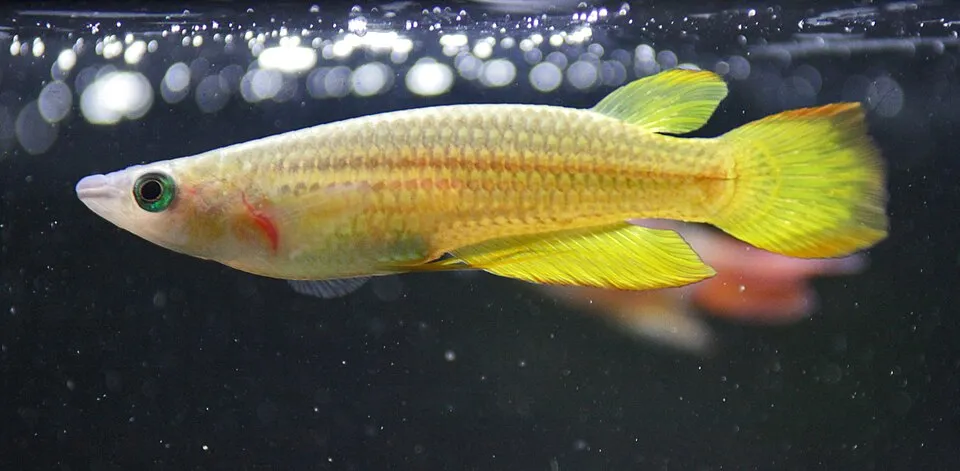
Striped panchax
Aplocheilus lineatus
Freshwater4.3 in (11 cm) · 30 gal (115 L)72–77°F (22–25°C)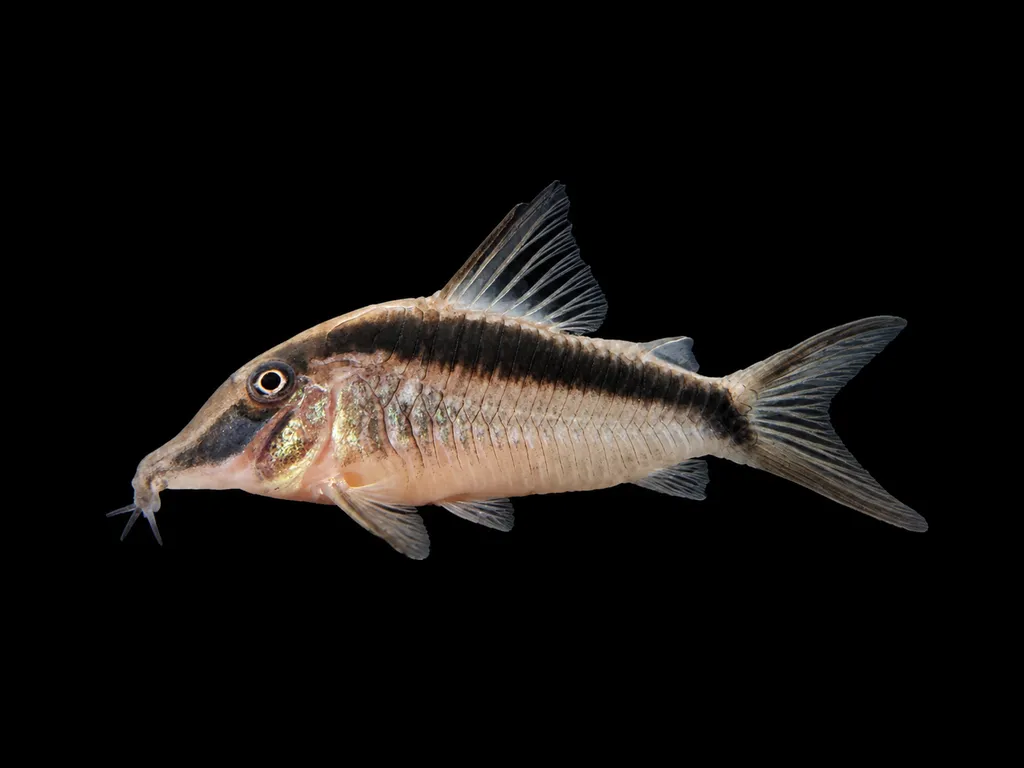
Long nosed arched cory
Corydoras narcissus
Freshwater2.8 in (7 cm) · 30 gal (115 L)73–77°F (23–25°C)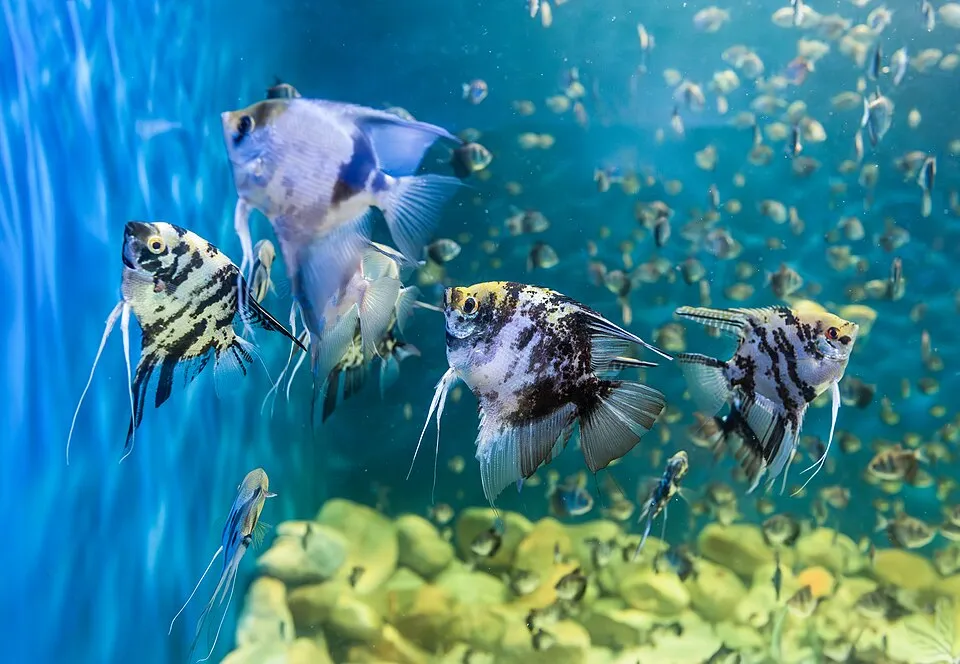
Angelfish
Pterophyllum scalare
Freshwater5.9 in (15 cm) · 30 gal (115 L)75–86°F (24–30°C)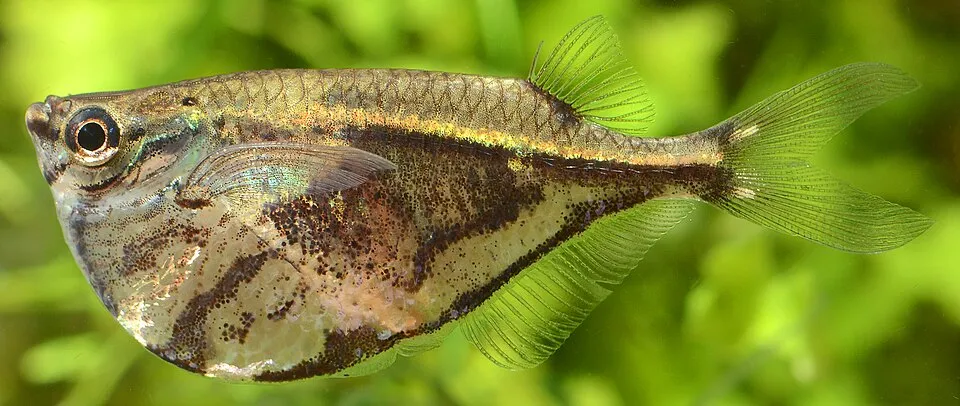
Marbled hatchetfish
Carnegiella strigata
Freshwater1.6 in (4 cm) · 32 gal (120 L)68–82°F (20–28°C)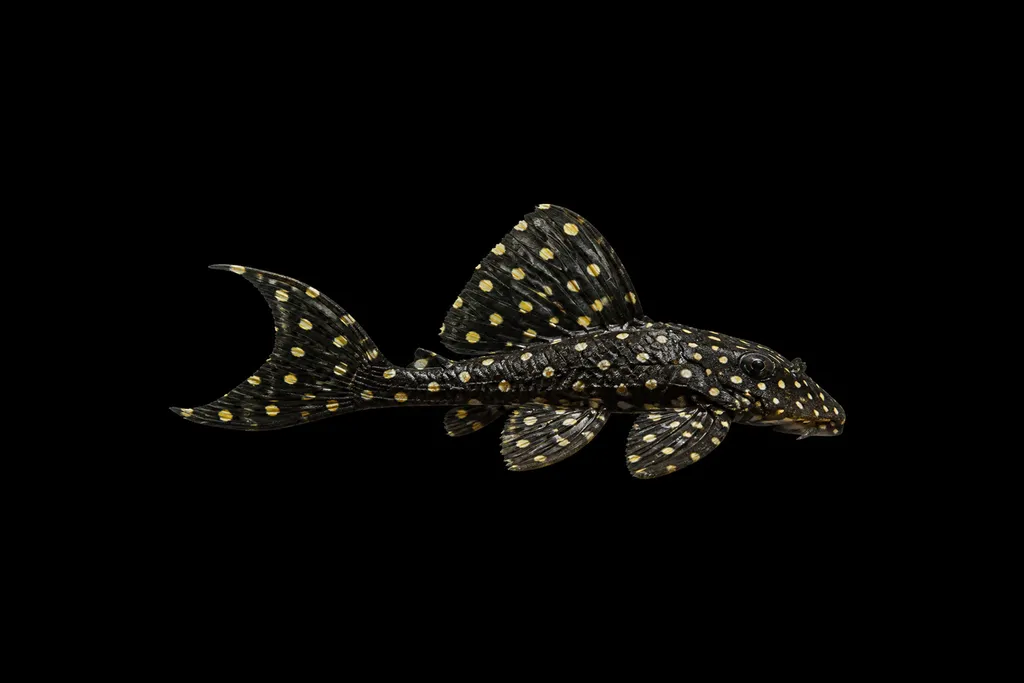
Orinoco angel pleco (L201)
Hypancistrus sp. L201
Freshwater5.9 in (15 cm) · 30 gal (115 L)79–86°F (26–30°C)
Common questions
What size tank does an Upside-down catfish need?
An Upside-down catfish needs at least 30 gal (115 L). It spends most of its time in the bottom.
What temperature and pH does an Upside-down catfish need?
An Upside-down catfish is comfortable at 75–82°F (24–28°C) with a pH of 6.0–7.5.
How big does an Upside-down catfish get?
An adult Upside-down catfish reaches about 3.9 in (10 cm).
Does an Upside-down catfish need a group?
Yes. An Upside-down catfish is a shoaling species and should be kept in a group, not singly.
Related species
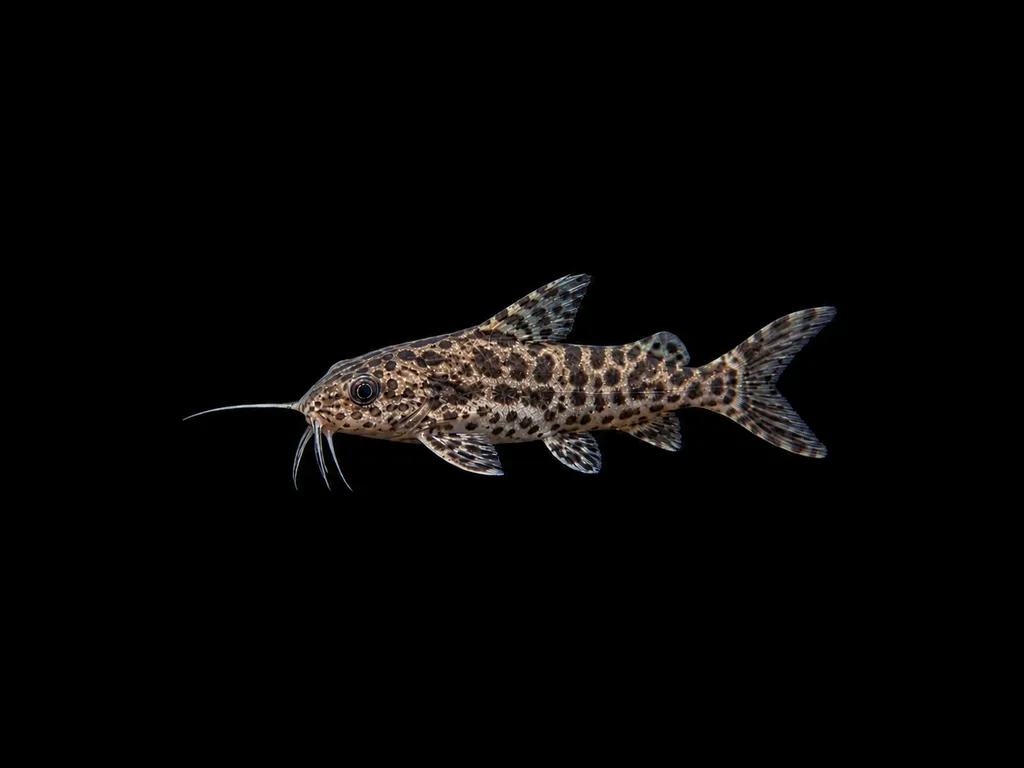 3.9 in (10 cm)30 gal (114 L)72–79°F (22–26°C)
Bugeye squeaker
Synodontis contractus
3.9 in (10 cm) · 30 gal (114 L)
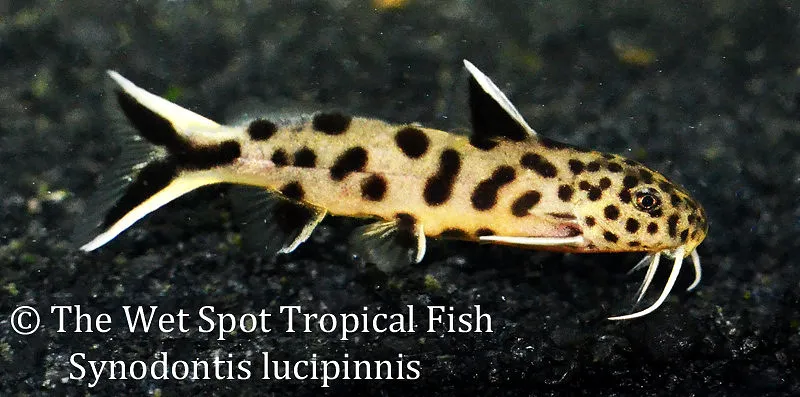 3.9 in (10 cm)30 gal (114 L)73–81°F (23–27°C)
Dwarf petricola
Synodontis lucipinnis
3.9 in (10 cm) · 30 gal (114 L)
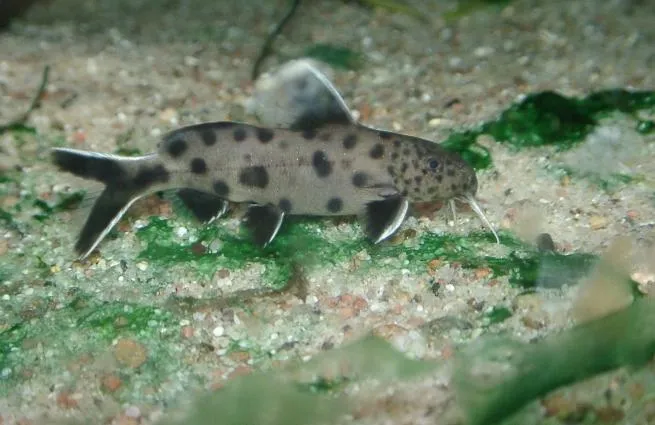 4.7 in (12 cm)45 gal (170 L)75–82°F (24–28°C)
Even-Spotted squeaker
Synodontis petricola
4.7 in (12 cm) · 45 gal (170 L)
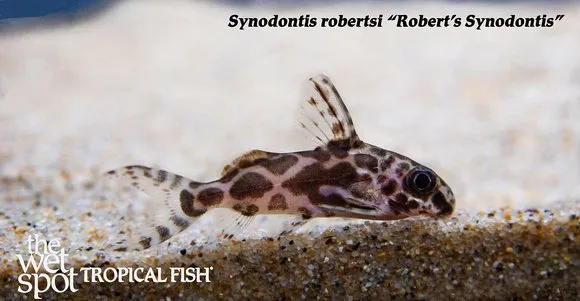 3.9 in (10 cm)42 gal (160 L)73–81°F (23–27°C)
Robertsi squeaker
Synodontis robertsi
3.9 in (10 cm) · 42 gal (160 L)
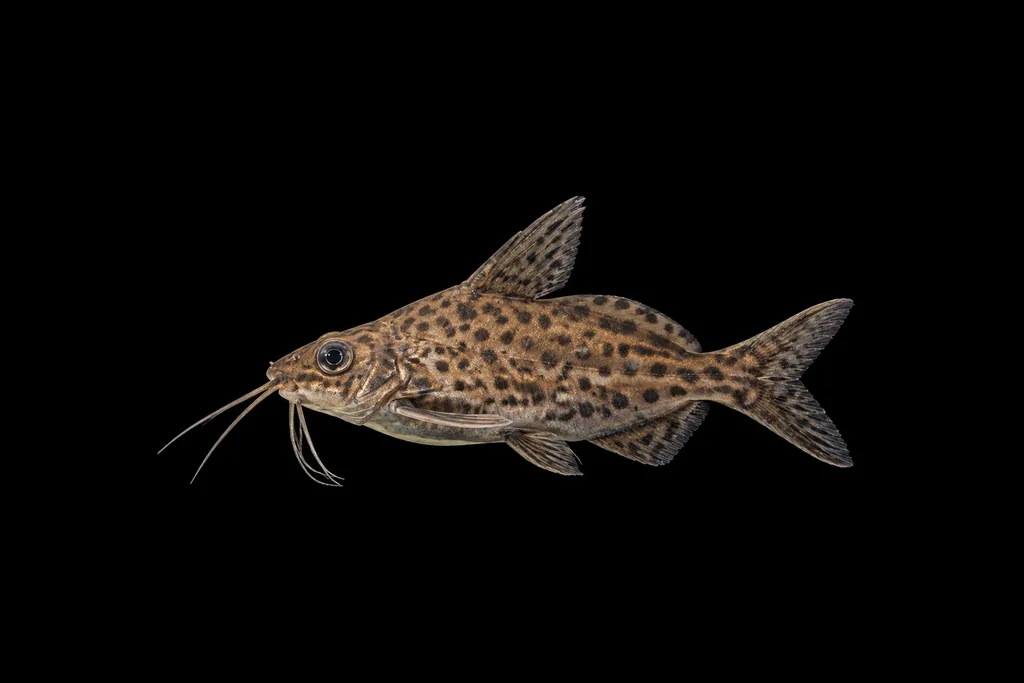 4.3 in (11 cm)42 gal (160 L)73–81°F (23–27°C)
Orientalis squeaker
Synodontis orientalis
4.3 in (11 cm) · 42 gal (160 L)
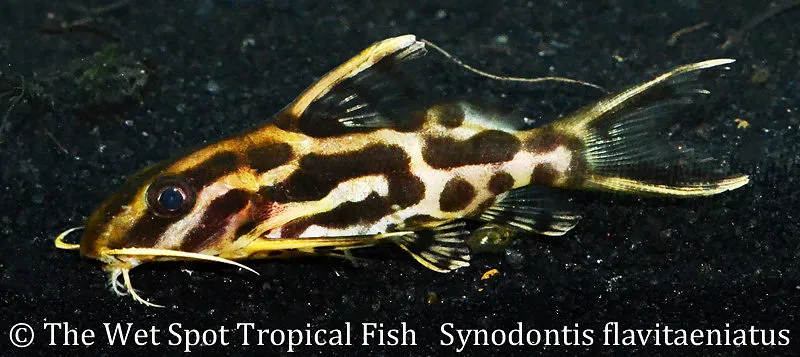 7.1 in (18 cm)53 gal (200 L)75–81°F (24–27°C)
Pyjama synodontis
Synodontis flavitaeniatus
7.1 in (18 cm) · 53 gal (200 L)