Bugeye squeaker
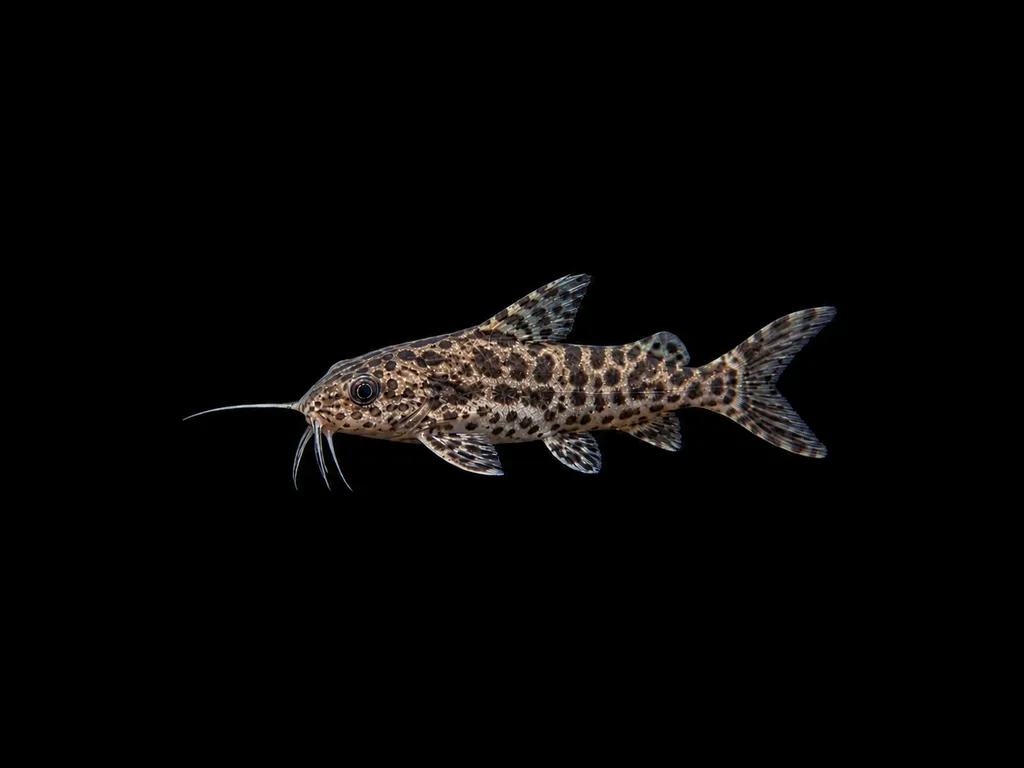
Synodontis contractus
Also known as Bugeye synodontis, Bugeye catfish, False upside-down catfish
FreshwaterFish
Care at a glance
- Temperature
- 72–79°F
- 22–26°C
- pH
- 6.0–7.5
- Adult size
- 3.9 in
- 10 cm
- Minimum tank
- 30 gal
- 114 L
- Temperament
- Peaceful
- Social behavior
- Social
- Swim level
- Bottom
- Difficulty
- Medium
- Breeding
- No record
- Rarity
- Rare
- Family
- Mochokidae
- Origin
- Native to the Congo River basin in Central Africa.
Overview
The bugeye is a peaceful, small squeaker that stays manageable and mixes well with a community of tetras, barbs, and dwarf cichlids. It appreciates company of its own kind and is more active in a small group. Feed sinking pellets, frozen bloodworm, and other small meaty foods after lights out. A tank around 114 liters with sand and caves is plenty.
In the wild
The bugeye squeaker comes from the Congo basin, where it forages over the bottom in warm, slow to moderate water and shelters among wood and roots. It is nocturnal and spends the day hidden in caves. Set it up with soft sand, driftwood, and shady retreats, at 22 to 26 degrees C and a near-neutral to slightly acidic pH.
Good to know
This is one of the smallest members of the genus, reaching only about 10 cm, with a short deep body, oversized eyes, and a large head that give it a distinctive look. Like several African squeakers it commonly swims and feeds belly-up. It is often confused with the true upside-down catfish, Synodontis nigriventris.
Did you know
Its big eyes and blunt head are the giveaway, and like its larger relatives it often cruises the tank upside down to pick food from the underside of wood and leaves.
Weekly picks
Tank mates
Bugeye squeaker is a peaceful, social species that keeps to the bottom. These picks share a community profile with it, are safe together in both directions, and overlap on water type, temperature and pH.
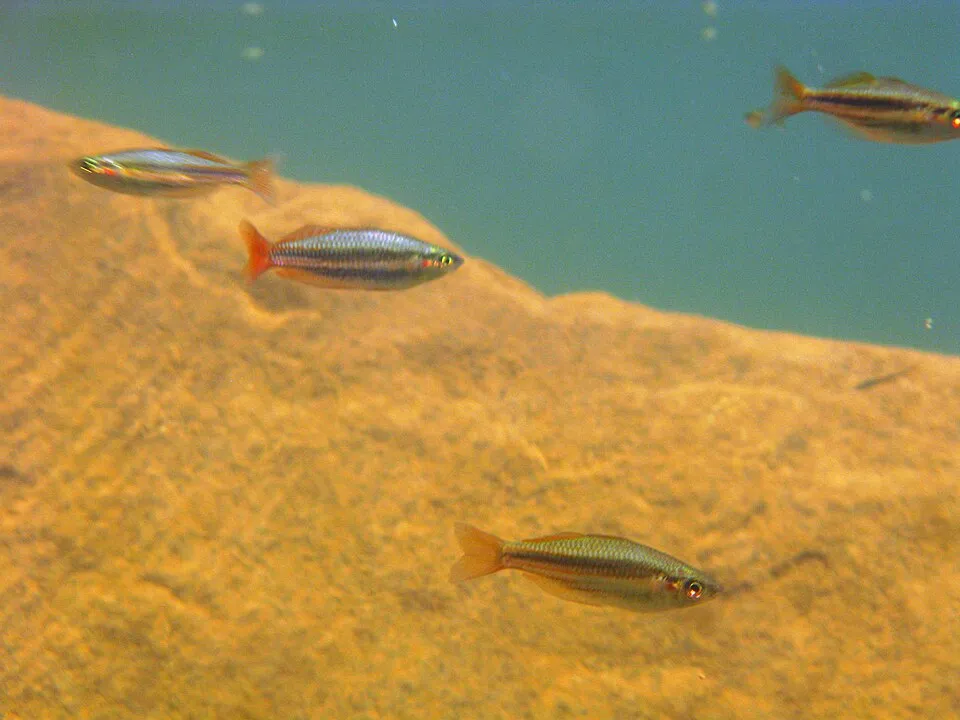
Western rainbowfish
Melanotaenia australis
Freshwater4.7 in (12 cm) · 30 gal (115 L)72–81°F (22–27°C)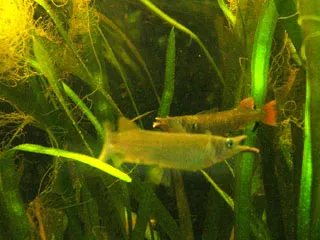
Redfin halfbeak
Nomorhamphus ebrardtii
Freshwater3.5 in (9 cm) · 29 gal (110 L)75–81°F (24–27°C)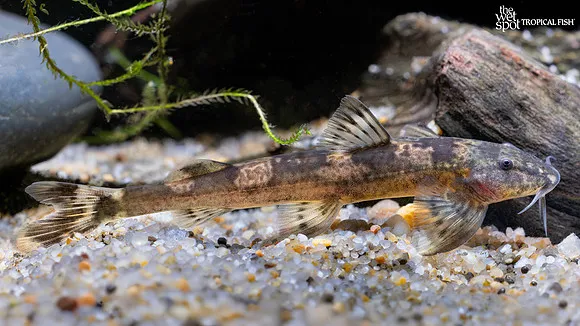
Senegal kuhli cat
Amphilius rheophilus
Freshwater4.7 in (12 cm) · 30 gal (112 L)70–79°F (21–26°C)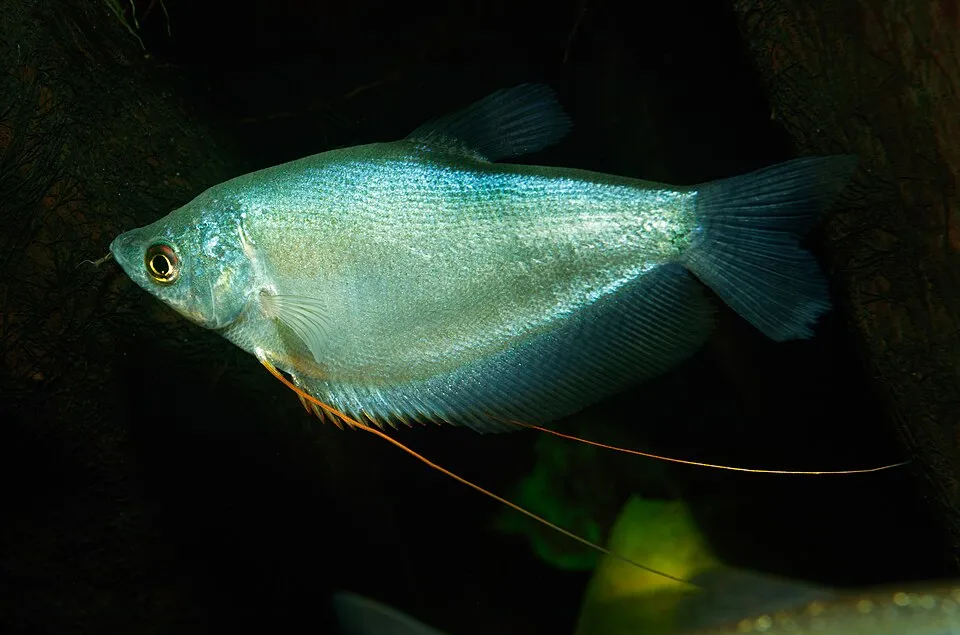
Moonlight gourami
Trichopodus microlepis
Freshwater5.9 in (15 cm) · 30 gal (115 L)77–86°F (25–30°C)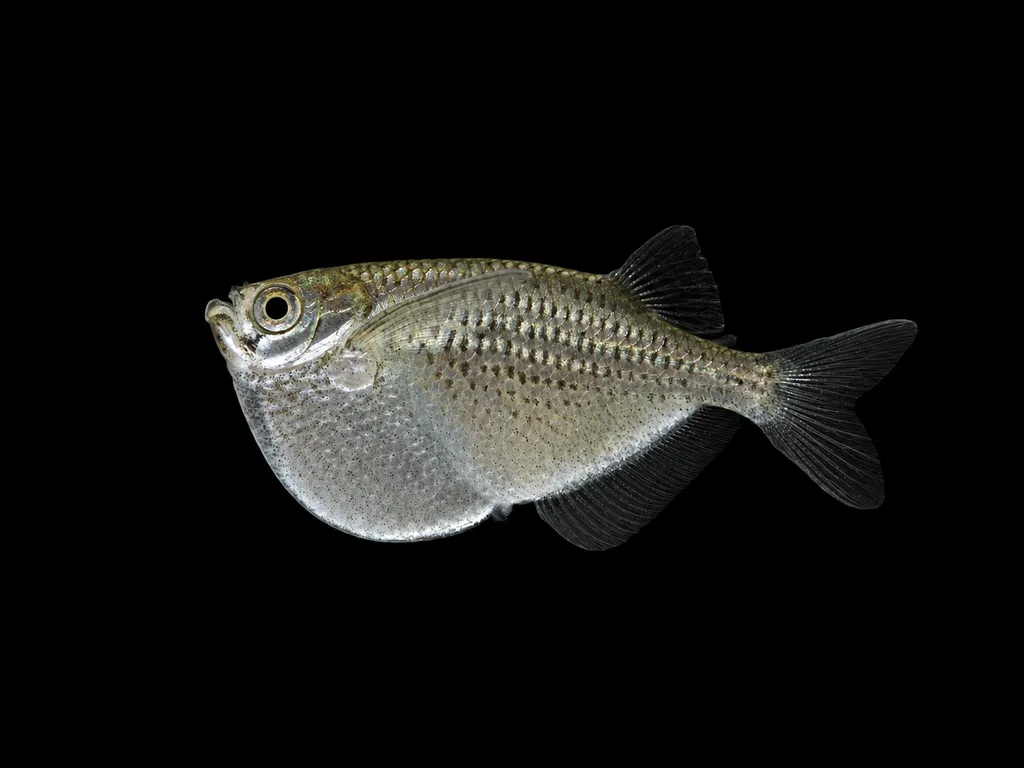
Silver hatchetfish
Gasteropelecus levis
Freshwater1.4 in (3.5 cm) · 30 gal (112 L)73–82°F (23–28°C)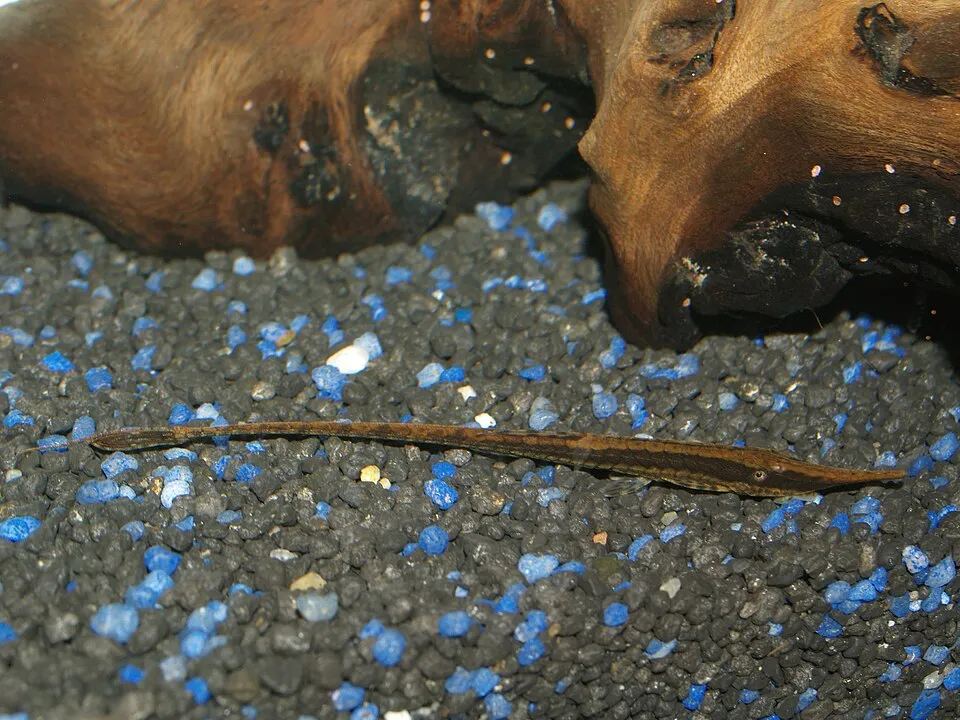
Twig catfish
Farlowella vittata
Freshwater5.9 in (15 cm) · 30 gal (115 L)75–81°F (24–27°C)
Common questions
What size tank does a Bugeye squeaker need?
A Bugeye squeaker needs at least 30 gal (114 L). It spends most of its time in the bottom.
What temperature and pH does a Bugeye squeaker need?
A Bugeye squeaker is comfortable at 72–79°F (22–26°C) with a pH of 6.0–7.5.
How big does a Bugeye squeaker get?
An adult Bugeye squeaker reaches about 3.9 in (10 cm).
Related species
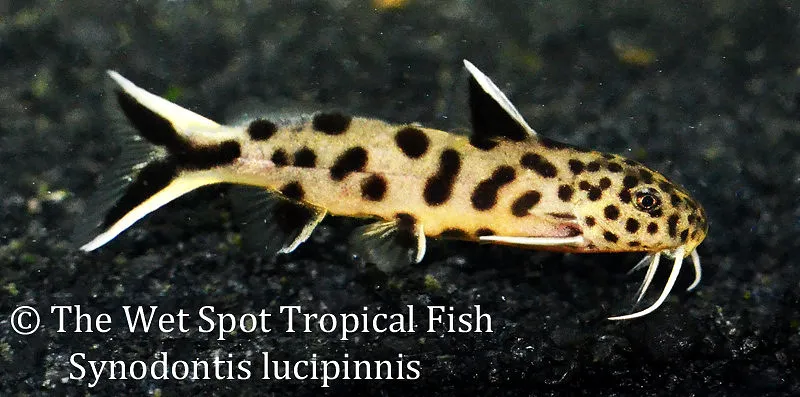 3.9 in (10 cm)30 gal (114 L)73–81°F (23–27°C)
Dwarf petricola
Synodontis lucipinnis
3.9 in (10 cm) · 30 gal (114 L)
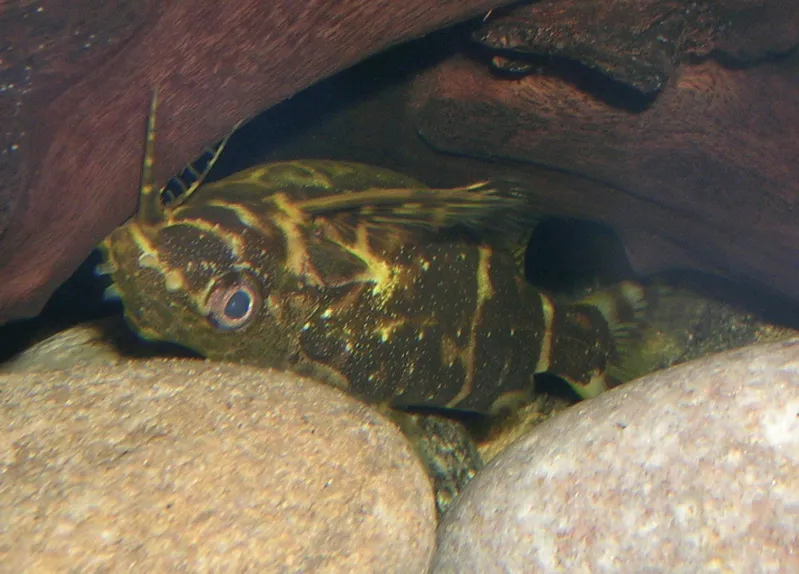 3.9 in (10 cm)30 gal (115 L)75–82°F (24–28°C)
Upside-down catfish
Synodontis nigriventris
3.9 in (10 cm) · 30 gal (115 L)
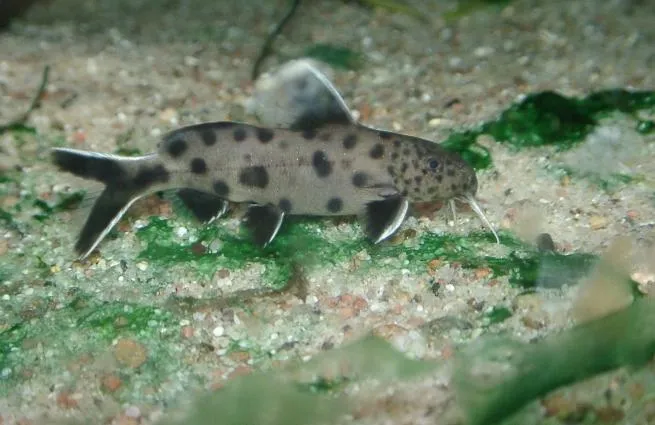 4.7 in (12 cm)45 gal (170 L)75–82°F (24–28°C)
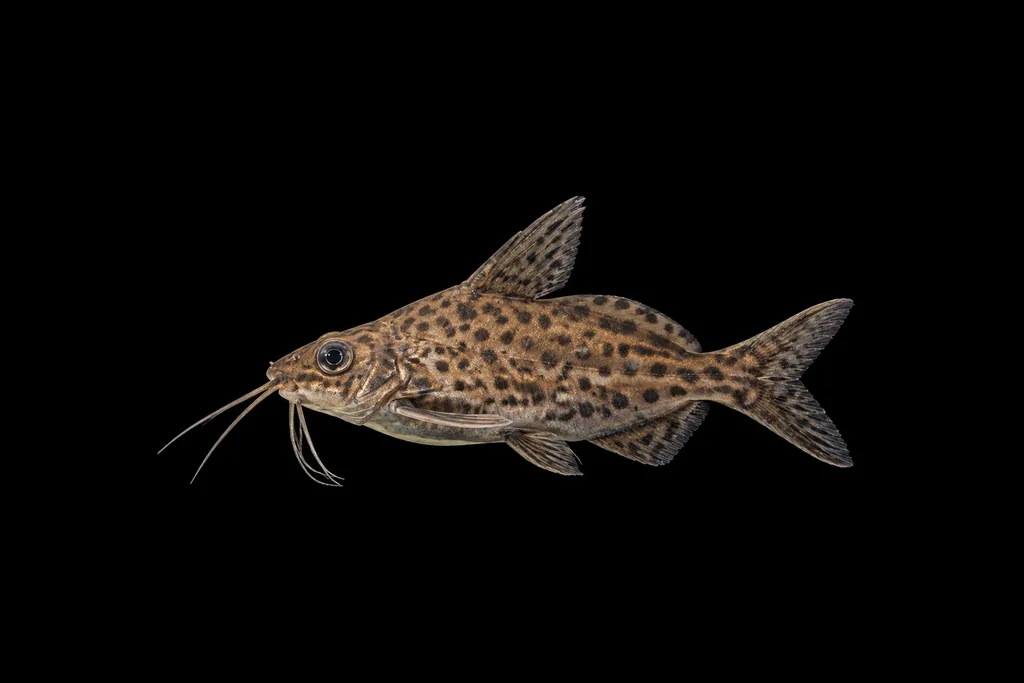
Even-Spotted squeaker
Synodontis petricola
4.7 in (12 cm) · 45 gal (170 L)
 3.9 in (10 cm)42 gal (160 L)73–81°F (23–27°C)
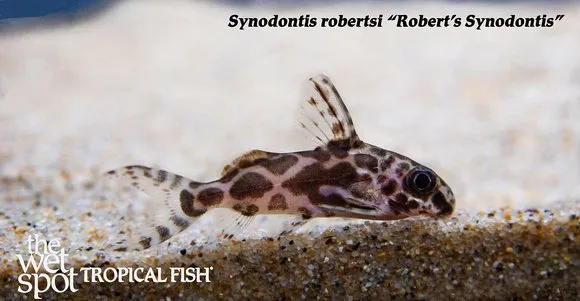
Robertsi squeaker
Synodontis robertsi
3.9 in (10 cm) · 42 gal (160 L)
 4.3 in (11 cm)42 gal (160 L)73–81°F (23–27°C)
Orientalis squeaker
Synodontis orientalis
4.3 in (11 cm) · 42 gal (160 L)
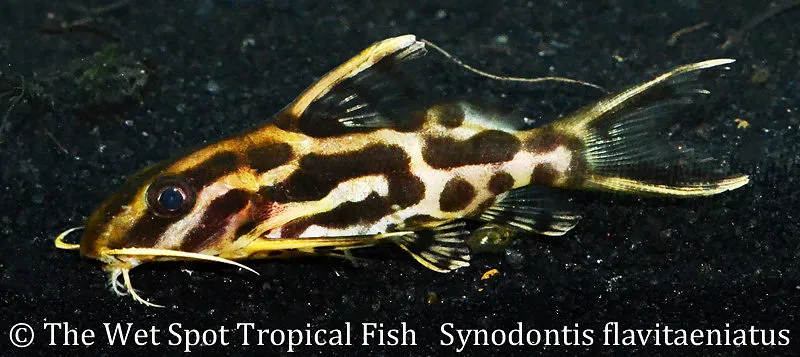 7.1 in (18 cm)53 gal (200 L)75–81°F (24–27°C)
Pyjama synodontis
Synodontis flavitaeniatus
7.1 in (18 cm) · 53 gal (200 L)