Panama hoplo
Hoplosternum punctatum
Also known as Spotted hoplo, Panama hoplo catfish
FreshwaterFish
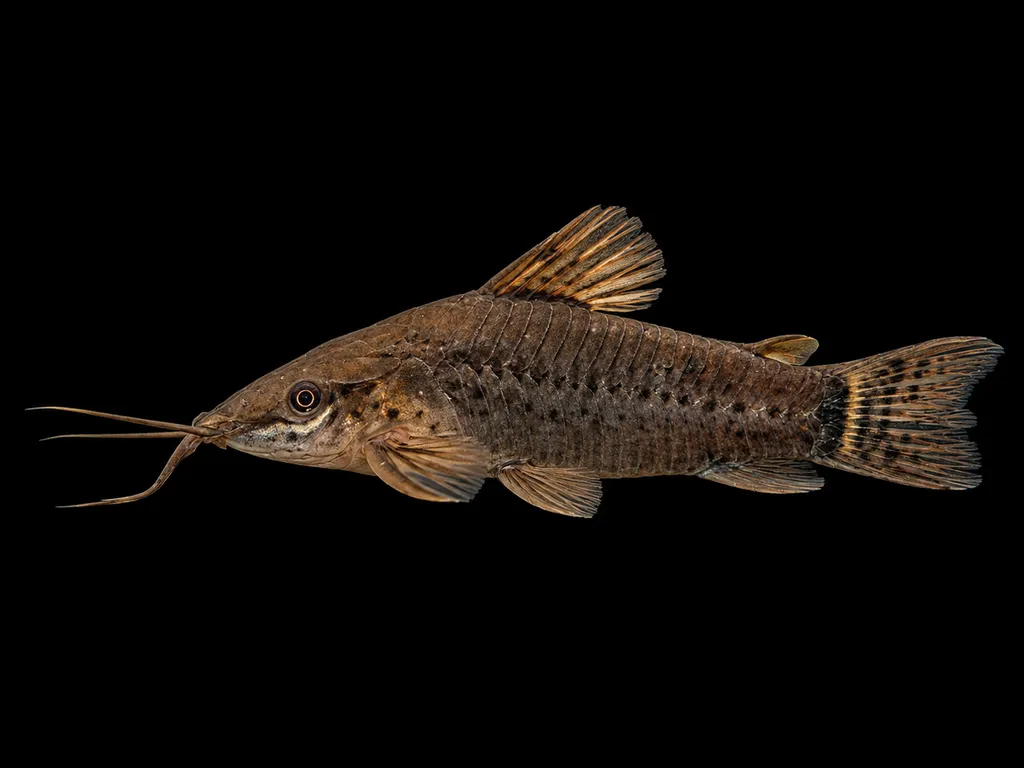
Care at a glance
- Temperature
- 72–79°F
- 22–26°C
- pH
- 6.5–7.5
- Adult size
- 3.1 in
- 8 cm
- Minimum tank
- 30 gal
- 115 L
- Temperament
- Peaceful
- Social behavior
- Social
- Swim level
- Bottom
- Difficulty
- Easy
- Breeding
- Medium
- Rarity
- Rare
- Family
- Callichthyidae
- Origin
- Pacific slope rivers of Panama and the Atrato River basin in Colombia.
Overview
Keep Panama hoplos in a group over soft sand with wood and plants for cover, in water around 22 to 26 C. They are peaceful, air breathing catfish that suit a larger community. Feed sinking pellets, frozen bloodworm and other meaty sinking foods.
In the wild
The Panama hoplo lives in lowland rivers and streams on the Pacific side of Panama and into northwestern Colombia. It forages over soft, muddy and sandy bottoms and gulps air at the surface. It is one of the few armored catfish found west of the Andes.
Good to know
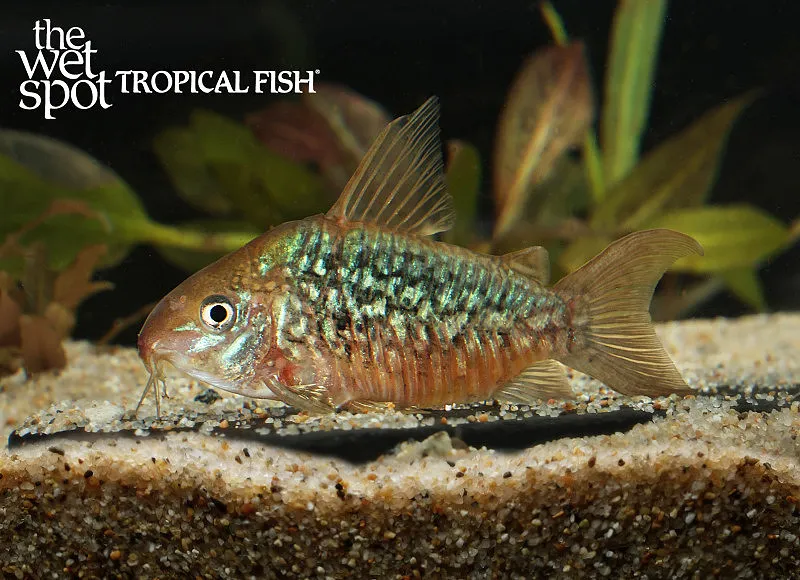
This species is smaller than the common hoplo and is often mislabeled in the trade as the porthole catfish, Dianema longibarbis. Males develop a much thicker pectoral spine and joined breast plates, while females have a broad gap between the plates. It is listed as Near Threatened because of its small range.
Did you know
The Panama hoplo is one of the very few armored catfish that live west of the Andes, and it is often sold under the wrong name.
Weekly picks
Tank mates
Panama hoplo is a peaceful, social species that keeps to the bottom. These picks share a community profile with it, are safe together in both directions, and overlap on water type, temperature and pH.
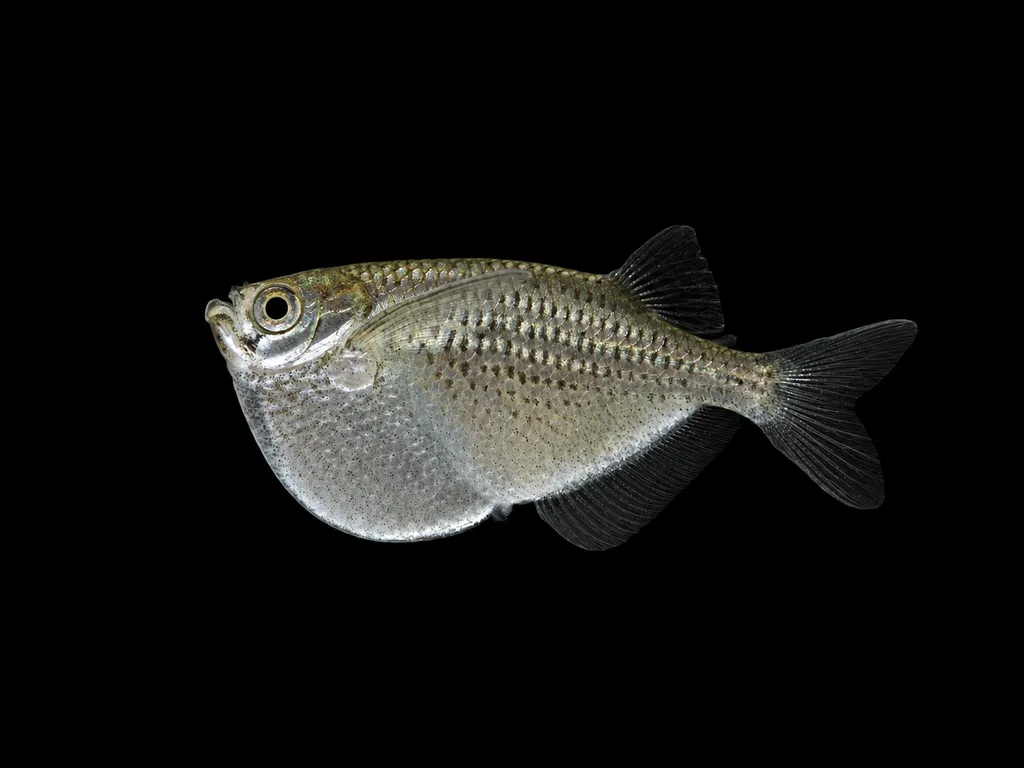
Silver hatchetfish
Gasteropelecus levis
Freshwater1.4 in (3.5 cm) · 30 gal (112 L)73–82°F (23–28°C)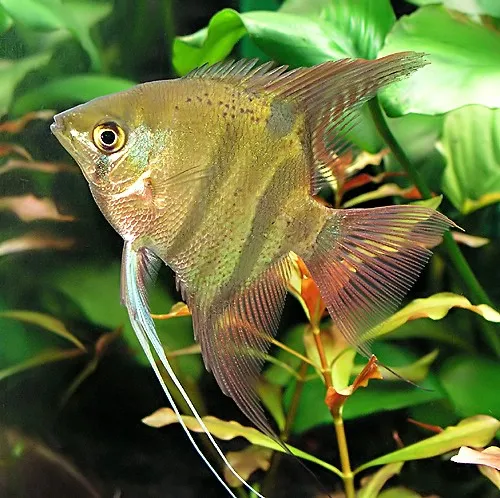
Roman nose angelfish
Pterophyllum leopoldi
Freshwater3.9 in (10 cm) · 30 gal (115 L)72–84°F (22–29°C)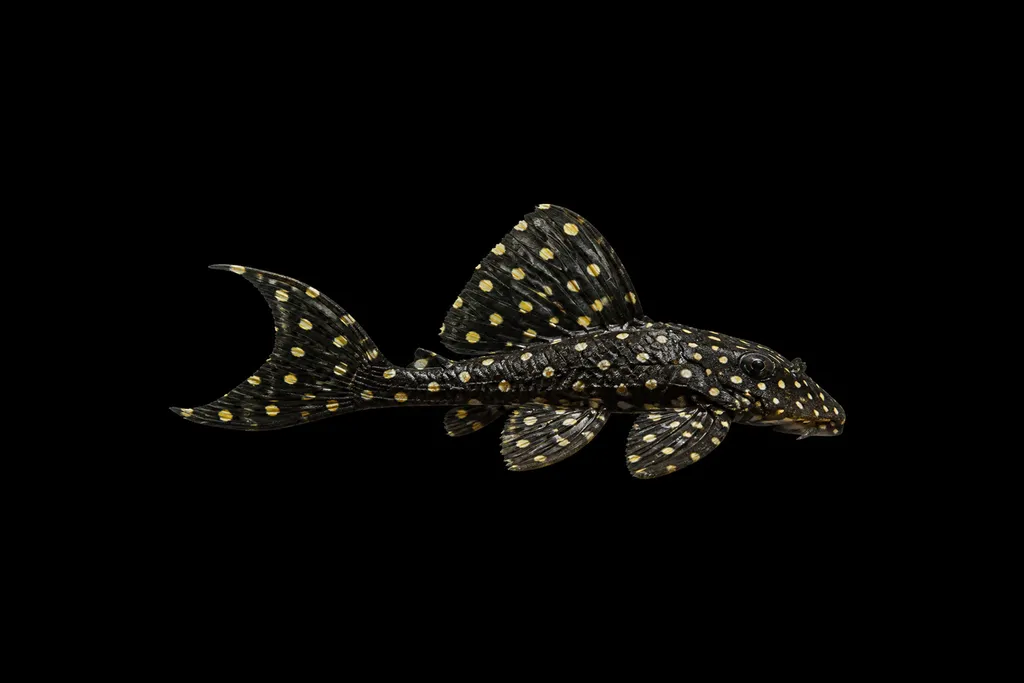
Orinoco angel pleco (L201)
Hypancistrus sp. L201
Freshwater5.9 in (15 cm) · 30 gal (115 L)79–86°F (26–30°C)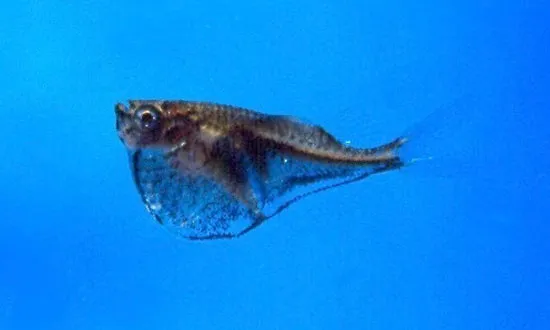
Blackwing hatchetfish
Carnegiella marthae
Freshwater1.4 in (3.5 cm) · 30 gal (115 L)68–82°F (20–28°C)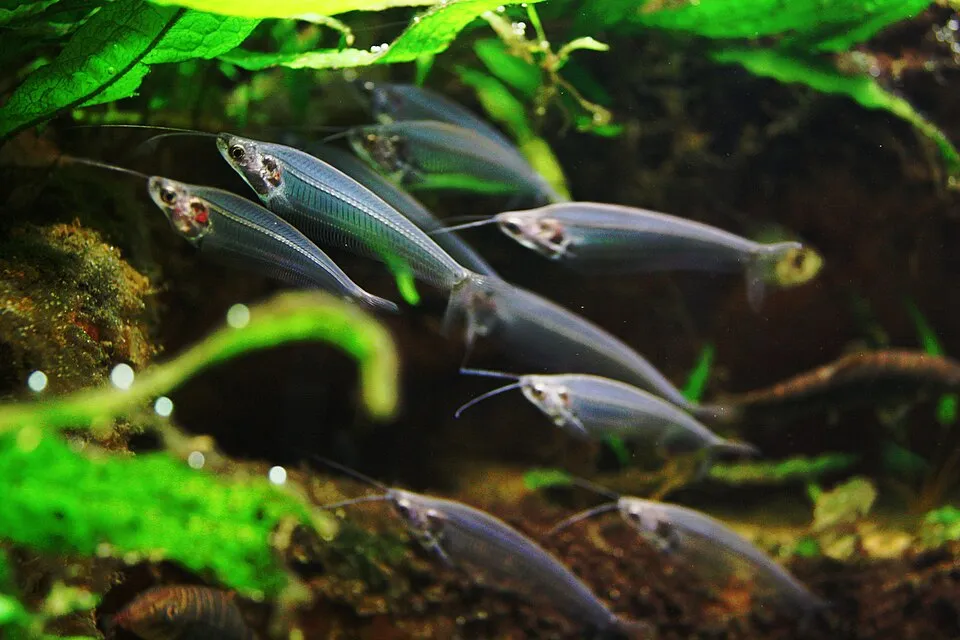
Glass catfish
Kryptopterus vitreolus
Freshwater2.8 in (7 cm) · 30 gal (115 L)70–79°F (21–26°C)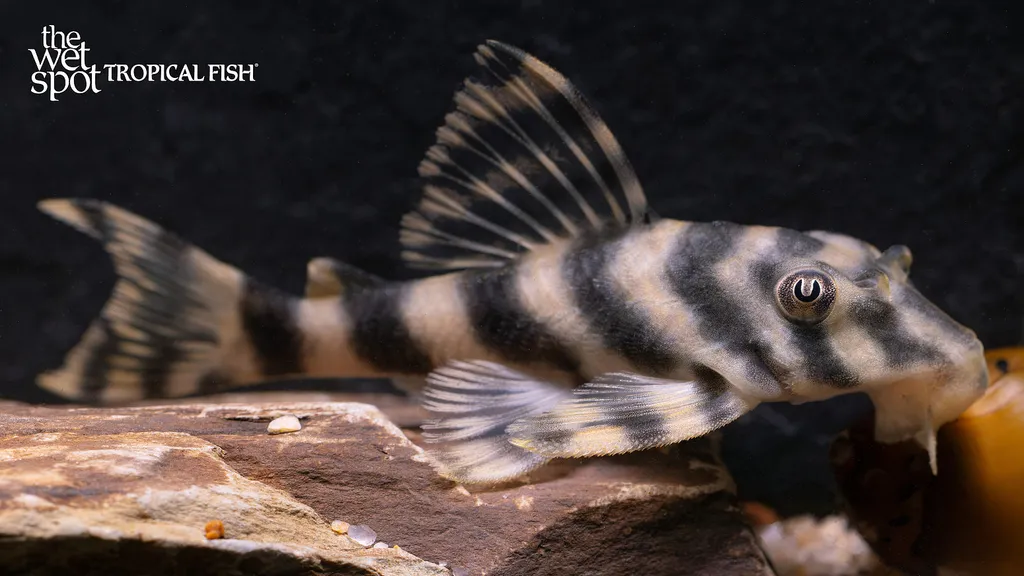
Candy striped pleco (L015)
Peckoltia vittata
Freshwater4.7 in (12 cm) · 30 gal (115 L)77–84°F (25–29°C)
Common questions
What size tank does a Panama hoplo need?
A Panama hoplo needs at least 30 gal (115 L). It spends most of its time in the bottom.
What temperature and pH does a Panama hoplo need?
A Panama hoplo is comfortable at 72–79°F (22–26°C) with a pH of 6.5–7.5.
How big does a Panama hoplo get?
An adult Panama hoplo reaches about 3.1 in (8 cm).
Related species
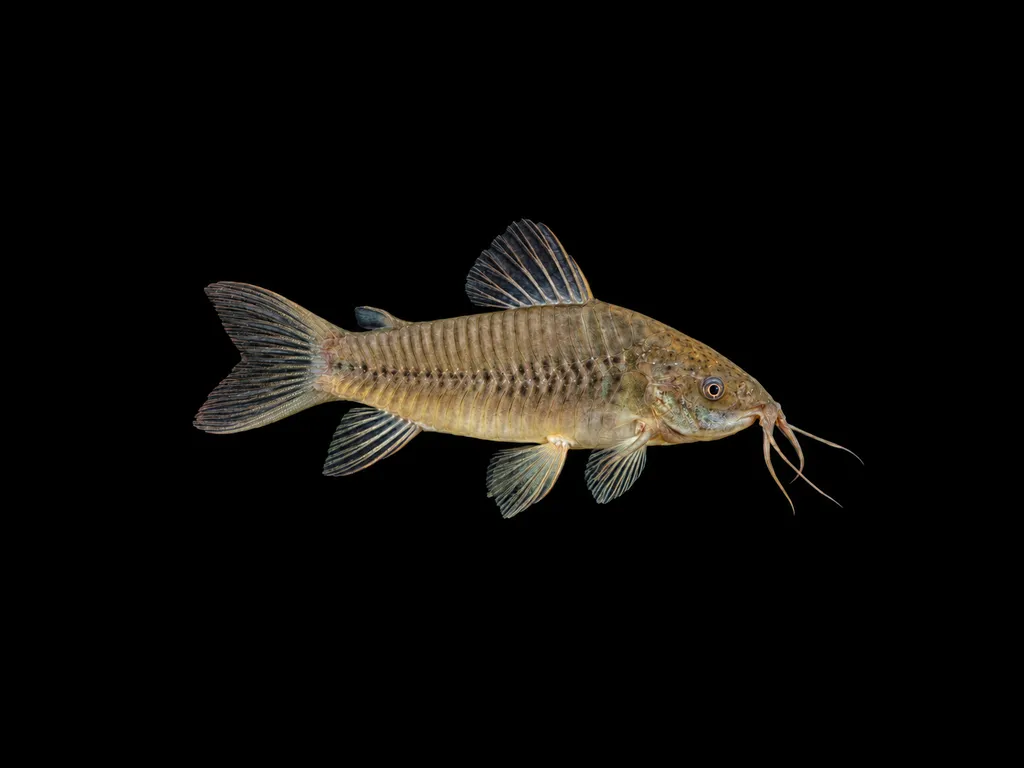 7.9 in (20 cm)40 gal (150 L)72–81°F (22–27°C)
Hoplo catfish
Hoplosternum littorale
7.9 in (20 cm) · 40 gal (150 L)
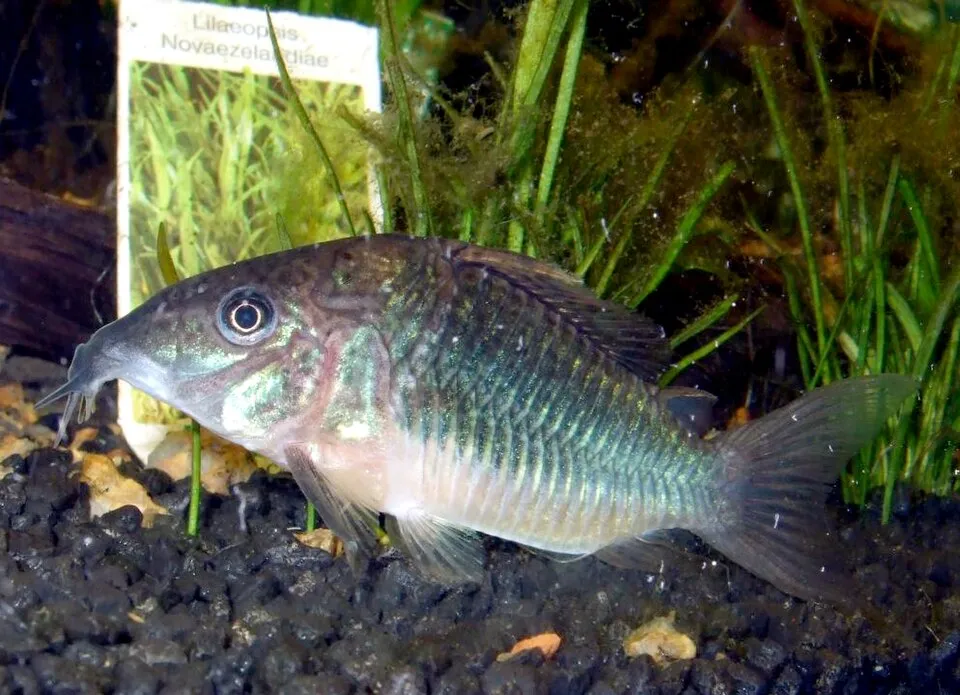 3.1 in (8 cm)40 gal (150 L)70–82°F (21–28°C)
Emerald catfish
Brochis splendens
3.1 in (8 cm) · 40 gal (150 L)
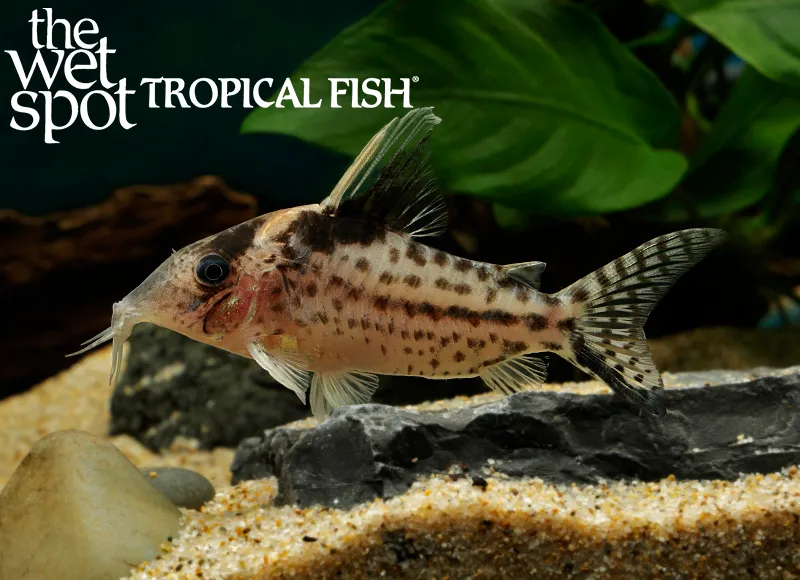 3.1 in (8 cm)40 gal (150 L)72–79°F (22–26°C)
Robust cory
Brochis robusta
3.1 in (8 cm) · 40 gal (150 L)
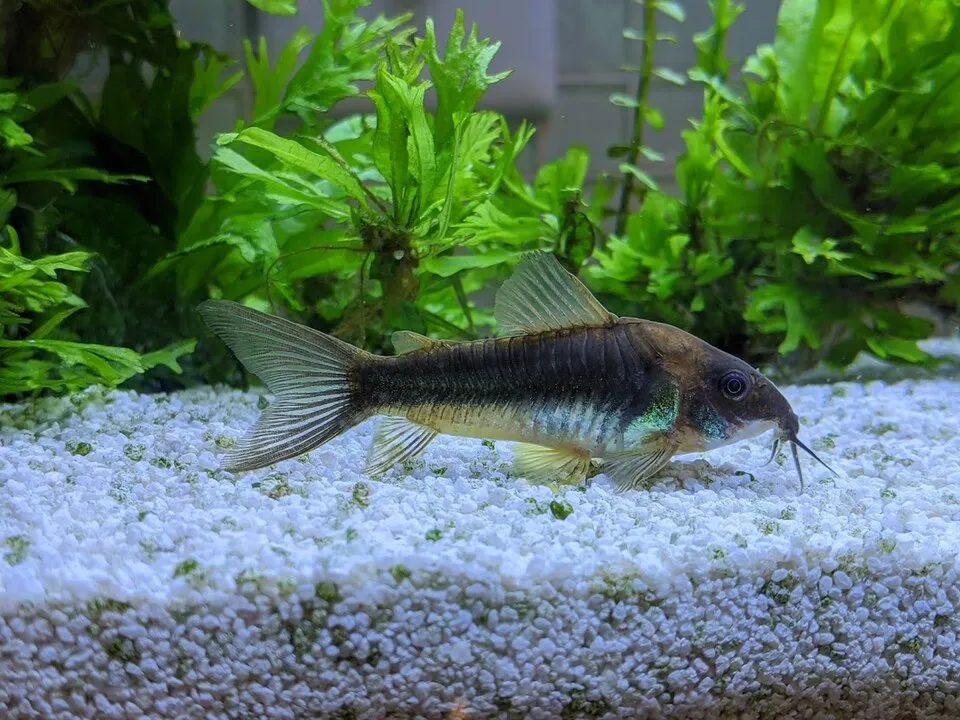 3 in (7.5 cm)20 gal (75 L)70–81°F (21–27°C)
Bronze cory
Osteogaster aenea
3 in (7.5 cm) · 20 gal (75 L)
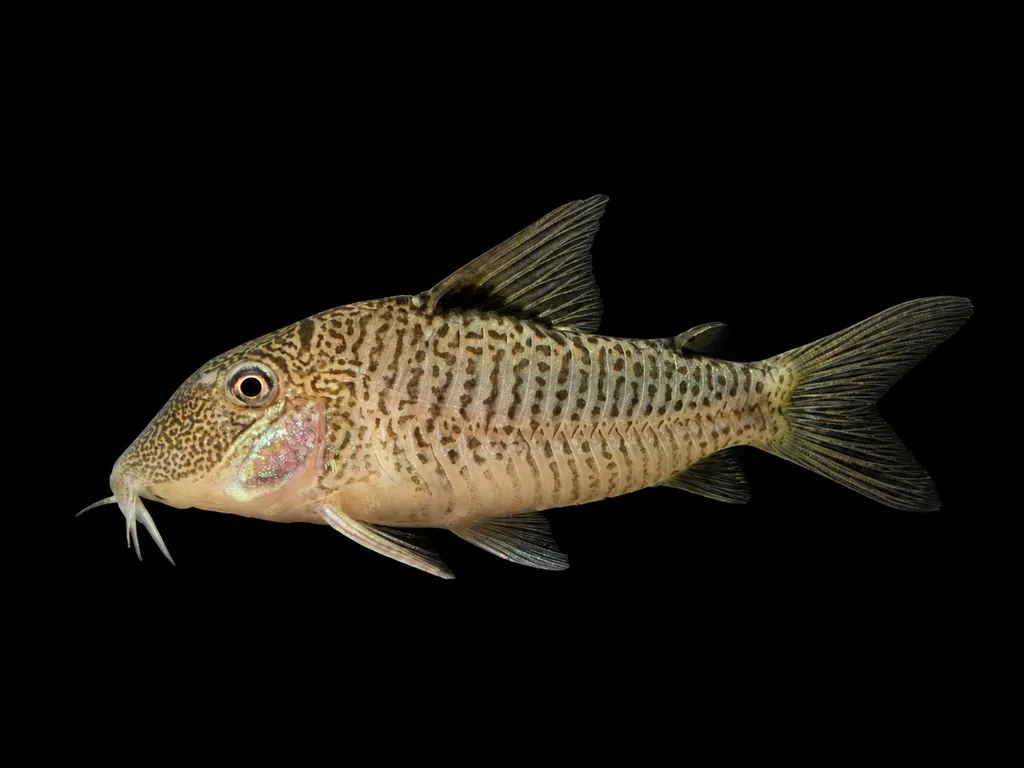 3 in (7.5 cm)26 gal (100 L)73–81°F (23–27°C)
Geoffroy's cory
Corydoras geoffroy
3 in (7.5 cm) · 26 gal (100 L)
 3 in (7.5 cm)26 gal (100 L)72–82°F (22–28°C)
Pantanal cory
Brochis pantanalensis
3 in (7.5 cm) · 26 gal (100 L)