Robust cory
Brochis robusta
Also known as Corydoras robustus, Robust catfish
FreshwaterFish
Care at a glance
- Temperature
- 72–79°F
- 22–26°C
- pH
- 6.0–7.8
- Adult size
- 3.1 in
- 8 cm
- Minimum tank
- 40 gal
- 150 L
- Temperament
- Peaceful
- Social behavior
- Shoaling
- Swim level
- Bottom
- Difficulty
- Medium
- Breeding
- Hard
- Rarity
- Rare
- Family
- Callichthyidae
- Origin
- Middle Amazon in Brazil, including the Rio Ipixuna in the Rio Purus basin.
Overview
Keep robust cories in a group of six or more over soft sand in a roomy tank, in soft to neutral water around 22 to 26 C. They are peaceful despite their size and need open floor to forage. Feed sinking pellets and larger frozen foods such as bloodworm.
In the wild
The robust cory lives in soft, slightly acidic tributaries of the middle Amazon. It forages over sand and leaf litter in slow, shaded stretches. As one of the largest cory type catfish, it needs open floor space.
Good to know
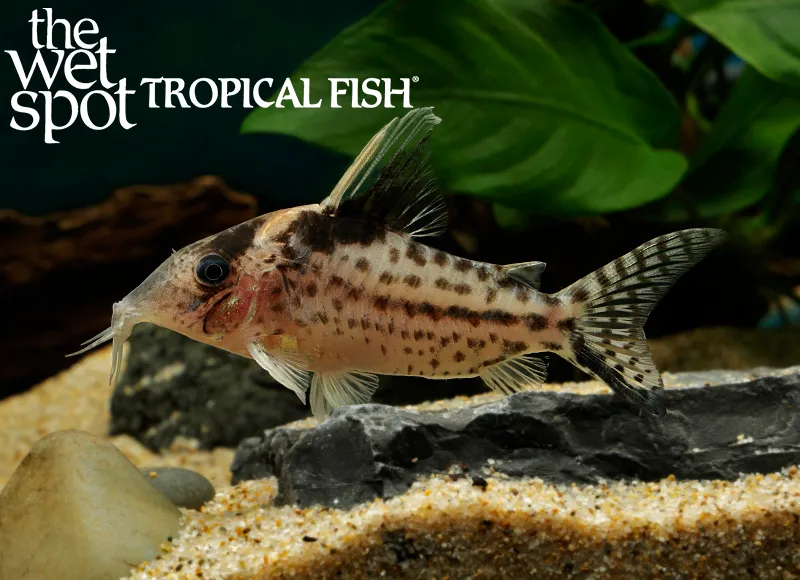
This is one of the biggest members of the group, a long, pointed snouted fish covered in small black spots with a mostly black dorsal fin. The 2024 revision moved it to the resurrected genus Brochis as Brochis robusta. Its size and snout shape set it apart from the many smaller spotted cories.
Did you know
The robust cory reaches around 8 cm, making it one of the largest cory type catfish in the hobby.
Weekly picks
Tank mates
Robust cory is a peaceful, shoaling species that keeps to the bottom. These picks share a community profile with it, are safe together in both directions, and overlap on water type, temperature and pH.
Red-tail bitterling
Acheilognathus tonkinensis
Freshwater4.7 in (12 cm) · 40 gal (150 L)61–79°F (16–26°C)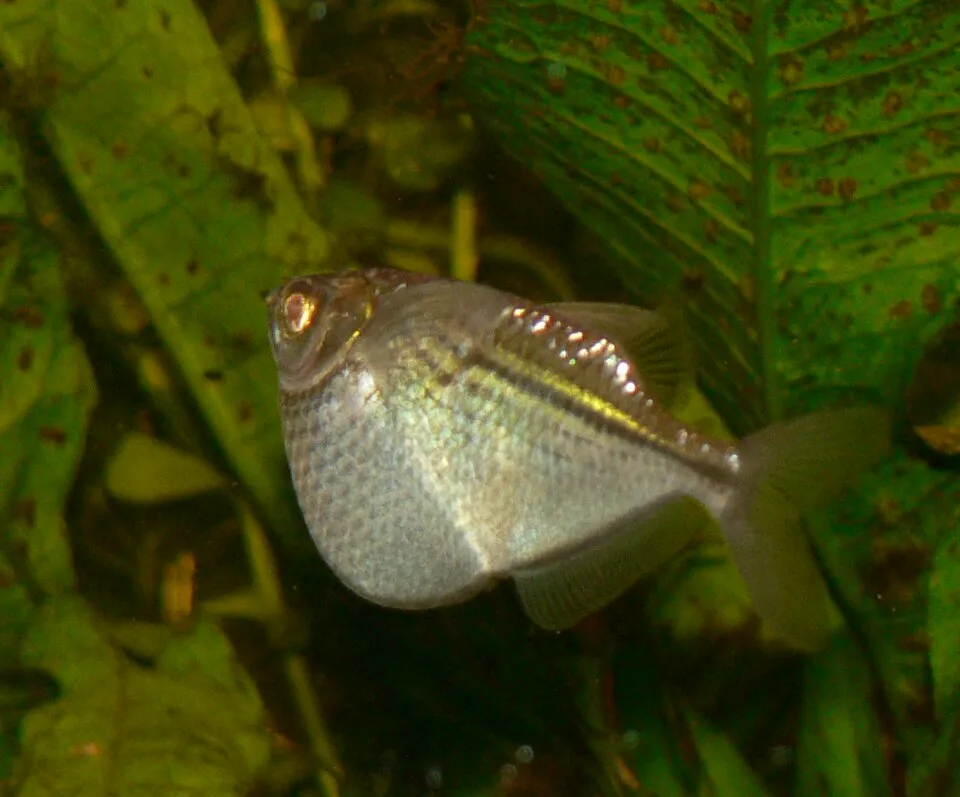
Common hatchetfish
Gasteropelecus sternicla
Freshwater1.6 in (4 cm) · 33 gal (125 L)68–82°F (20–28°C)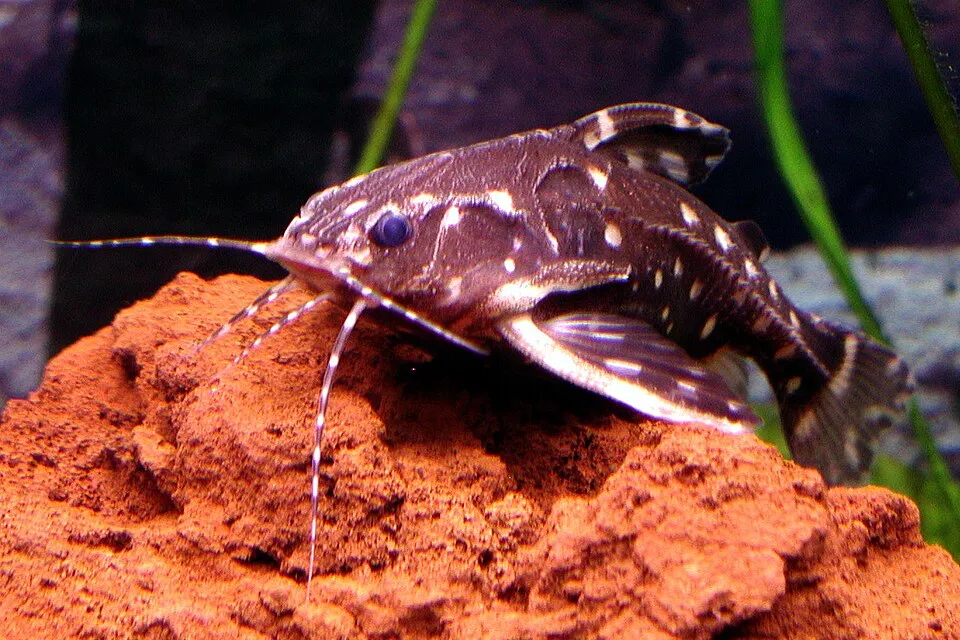
Spotted raphael catfish
Agamyxis pectinifrons
Freshwater5.9 in (15 cm) · 40 gal (150 L)72–79°F (22–26°C)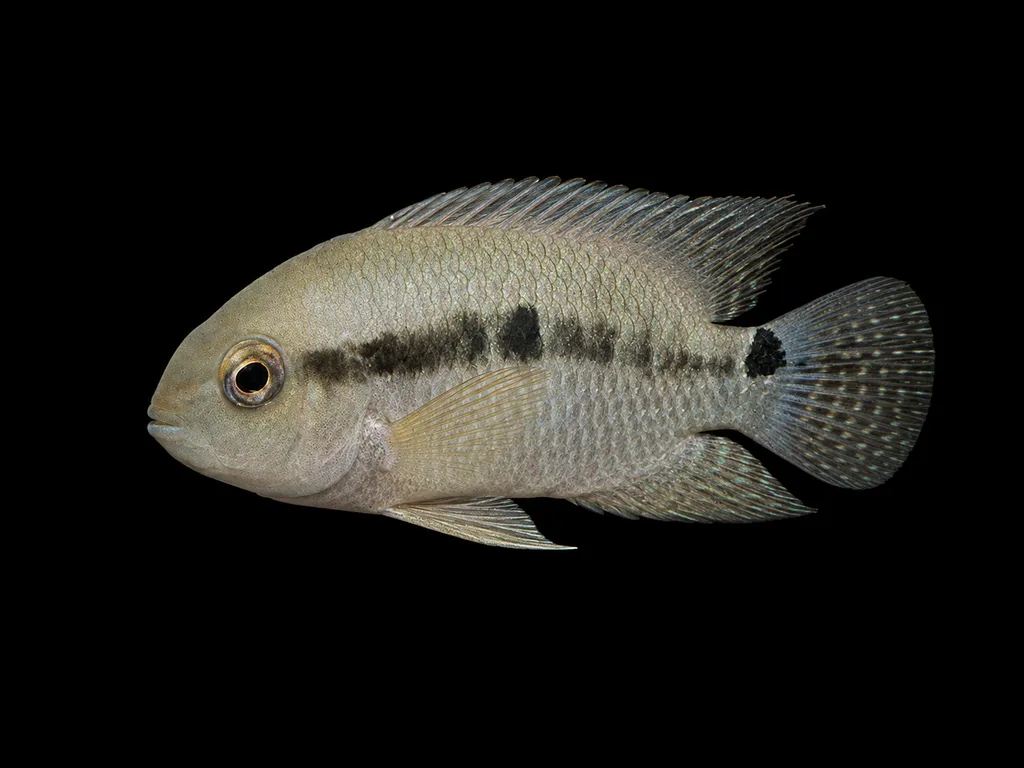
Black acara
Cichlasoma bimaculatum
Freshwater7.1 in (18 cm) · 40 gal (150 L)68–82°F (20–28°C)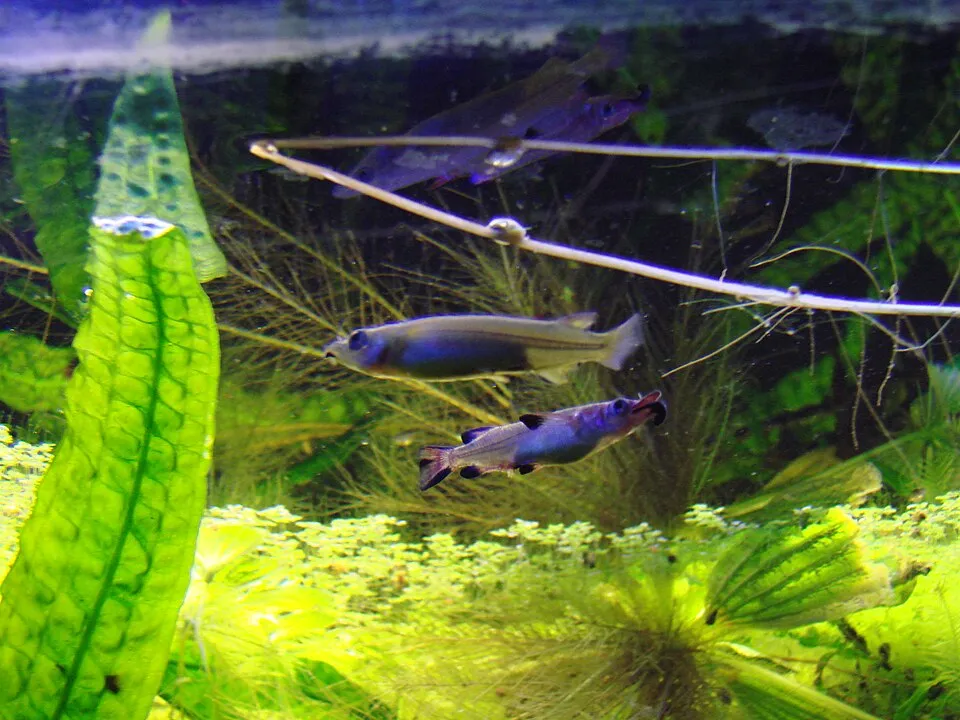
Celebes halfbeak
Nomorhamphus liemi
Freshwater3.5 in (9 cm) · 40 gal (150 L)68–77°F (20–25°C)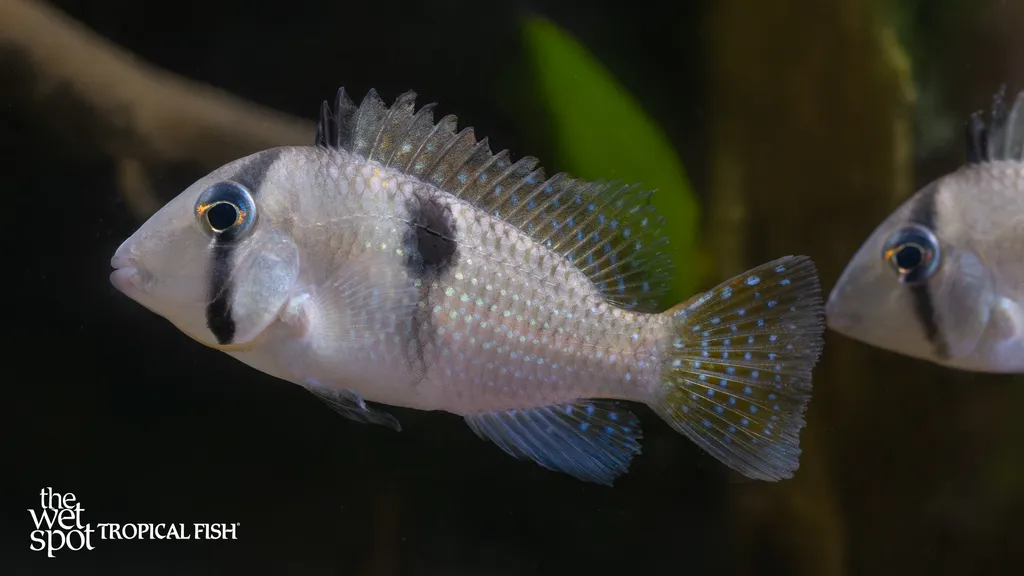
Bandit cichlid
Guianacara geayi
Freshwater5.1 in (13 cm) · 40 gal (150 L)75–82°F (24–28°C)
Common questions
What size tank does a Robust cory need?
A Robust cory needs at least 40 gal (150 L). It spends most of its time in the bottom.
What temperature and pH does a Robust cory need?
A Robust cory is comfortable at 72–79°F (22–26°C) with a pH of 6.0–7.8.
How big does a Robust cory get?
An adult Robust cory reaches about 3.1 in (8 cm).
Does a Robust cory need a group?
Yes. A Robust cory is a shoaling species and should be kept in a group, not singly.
Related species
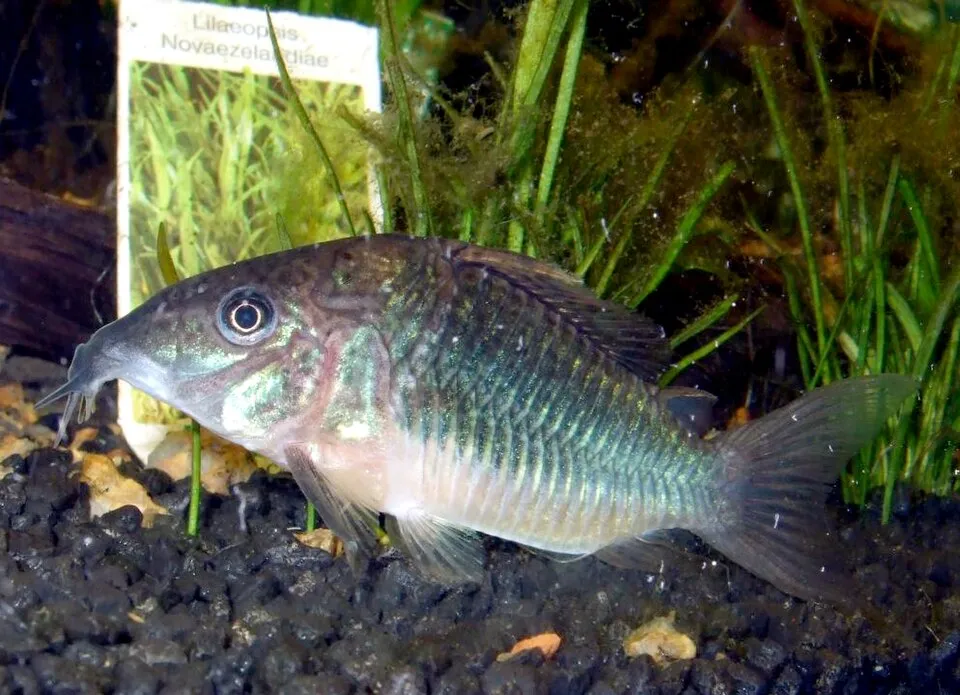 3.1 in (8 cm)40 gal (150 L)70–82°F (21–28°C)
Emerald catfish
Brochis splendens
3.1 in (8 cm) · 40 gal (150 L)
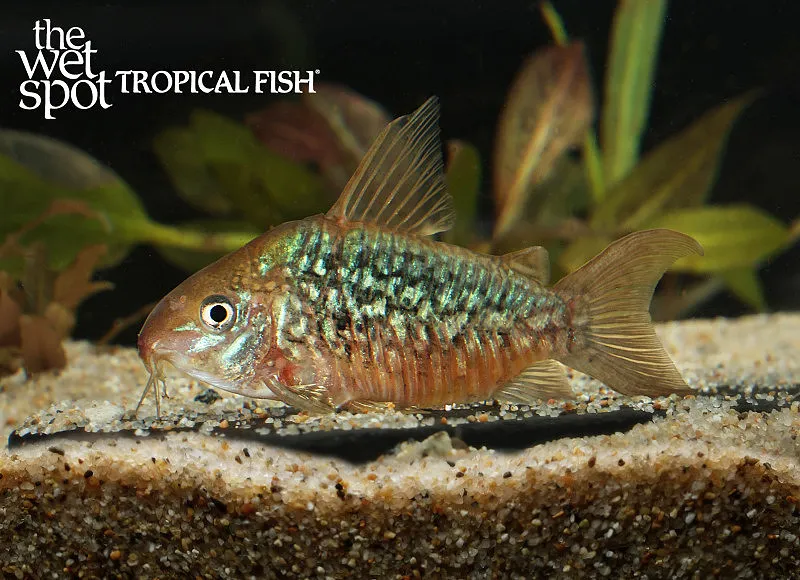 3 in (7.5 cm)26 gal (100 L)72–82°F (22–28°C)
Pantanal cory
Brochis pantanalensis
3 in (7.5 cm) · 26 gal (100 L)
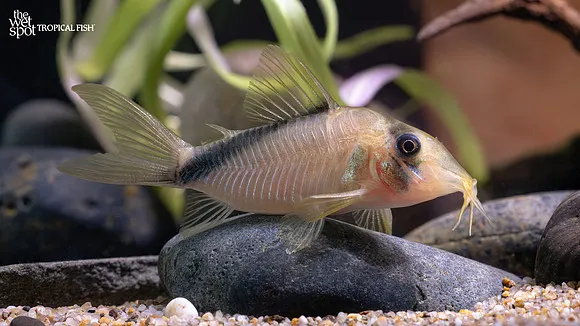 3.5 in (9 cm)40 gal (150 L)70–79°F (21–26°C)
Giant brochis
Brochis britskii
3.5 in (9 cm) · 40 gal (150 L)
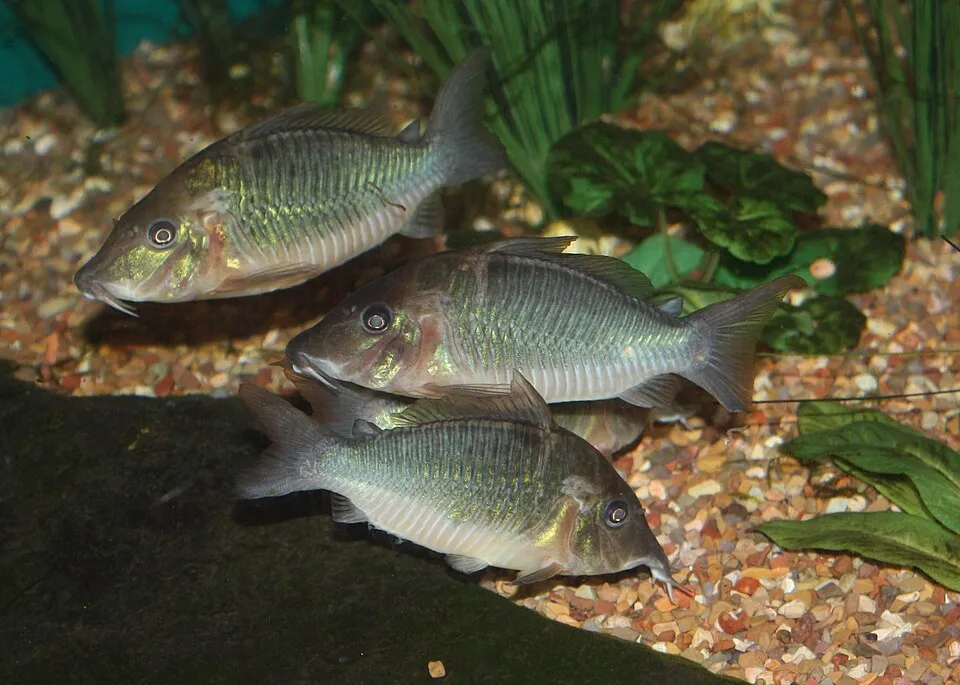 3.5 in (9 cm)40 gal (150 L)70–79°F (21–26°C)
Hognosed brochis
Brochis multiradiatus
3.5 in (9 cm) · 40 gal (150 L)
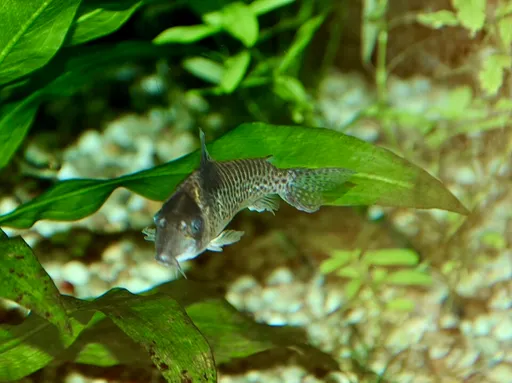 2.8 in (7 cm)24 gal (90 L)72–79°F (22–26°C)
Agassiz's cory
Brochis agassizii
2.8 in (7 cm) · 24 gal (90 L)
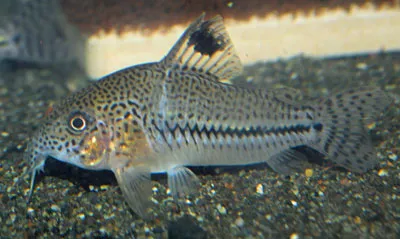 2.8 in (7 cm)24 gal (90 L)72–79°F (22–26°C)
Leopard cory
Brochis leopardus
2.8 in (7 cm) · 24 gal (90 L)