Spotted cory
Brochis ambiacus
Also known as Corydoras ambiacus, longnose cory
FreshwaterFish
Care at a glance
- Temperature
- 70–81°F
- 21–27°C
- pH
- 6.0–7.5
- Adult size
- 2.6 in
- 6.5 cm
- Minimum tank
- 20 gal
- 75 L
- Temperament
- Peaceful
- Social behavior
- Shoaling
- Swim level
- Bottom
- Difficulty
- Medium
- Breeding
- No record
- Rarity
- Very rare
- Family
- Callichthyidae
- Origin
- Peru
Overview
This spotted cory is a peaceful shoaling catfish that should be kept in a group of at least six. It forages over the sandy bottom with its barbels and mixes well with small, calm community fish. Feed sinking pellets, frozen bloodworm and daphnia, and a little wafer, always checking that food reaches the floor where it can find it. A group is comfortable in a tank of around 75 liters or larger with soft sand and open foraging space.
In the wild
Corydoras ambiacus comes from the Rio Ambyiacu and neighboring upper Amazon in Peru, over sand in warm, soft, slightly acidic water. Provide a soft sand bed, driftwood, dried leaves, and shaded planting, with clean, gently filtered water. Keep the temperature between 21 and 27 C and the pH from about 6.0 to 7.5, with regular water changes to keep this cory in good condition.
Good to know
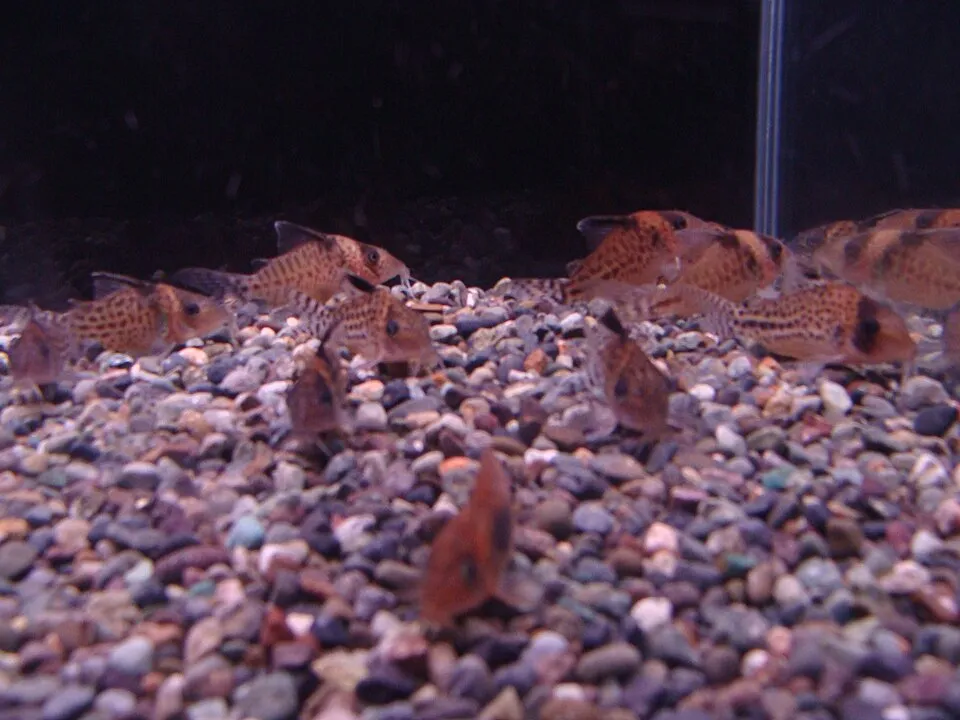
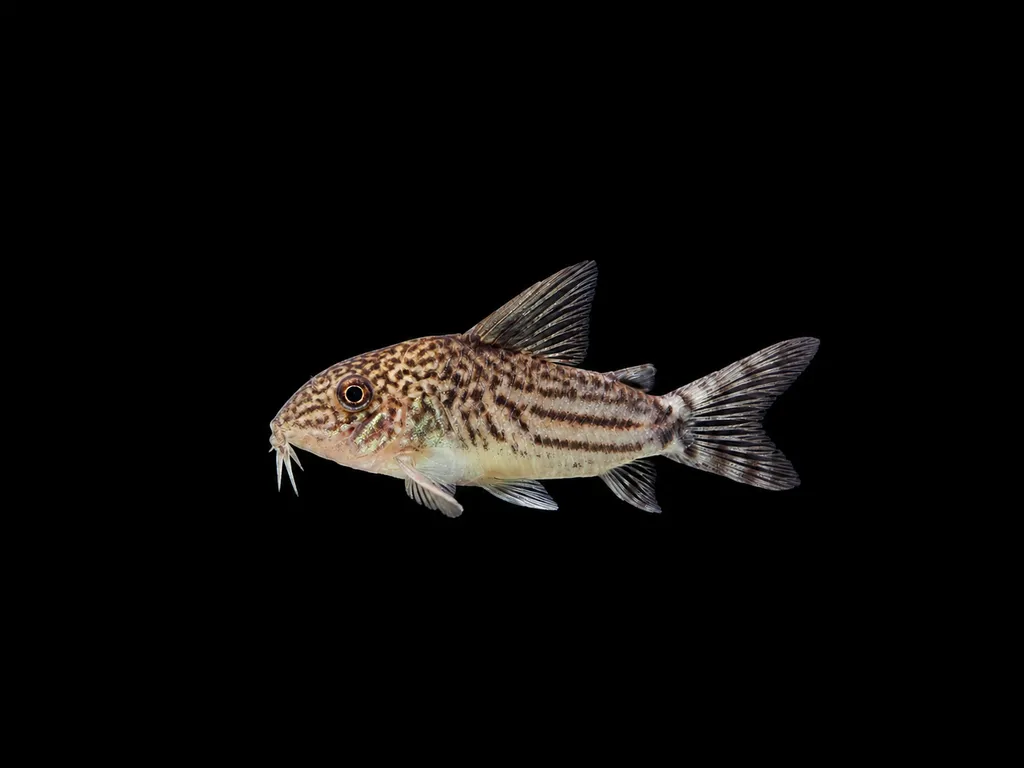
This armored catfish of the family Callichthyidae reaches about 6.5 cm and is covered in many small dark spots over a silvery body, with a dark blotch in the dorsal fin. It takes its name from the Rio Ambyiacu in Peru. It is hard to tell from several other spotted cories, especially Corydoras agassizii. Reliable aquarium spawning is not well documented for this species.
Did you know
This is one of several near identical spotted cories from the western Amazon. It is easiest to confuse with Corydoras agassizii, but ambiacus tends to wear many small, evenly scattered spots rather than the larger, row like marks of its look alike.
Weekly picks
Tank mates
Spotted cory is a peaceful, shoaling species that keeps to the bottom. These picks share a community profile with it, are safe together in both directions, and overlap on water type, temperature and pH.
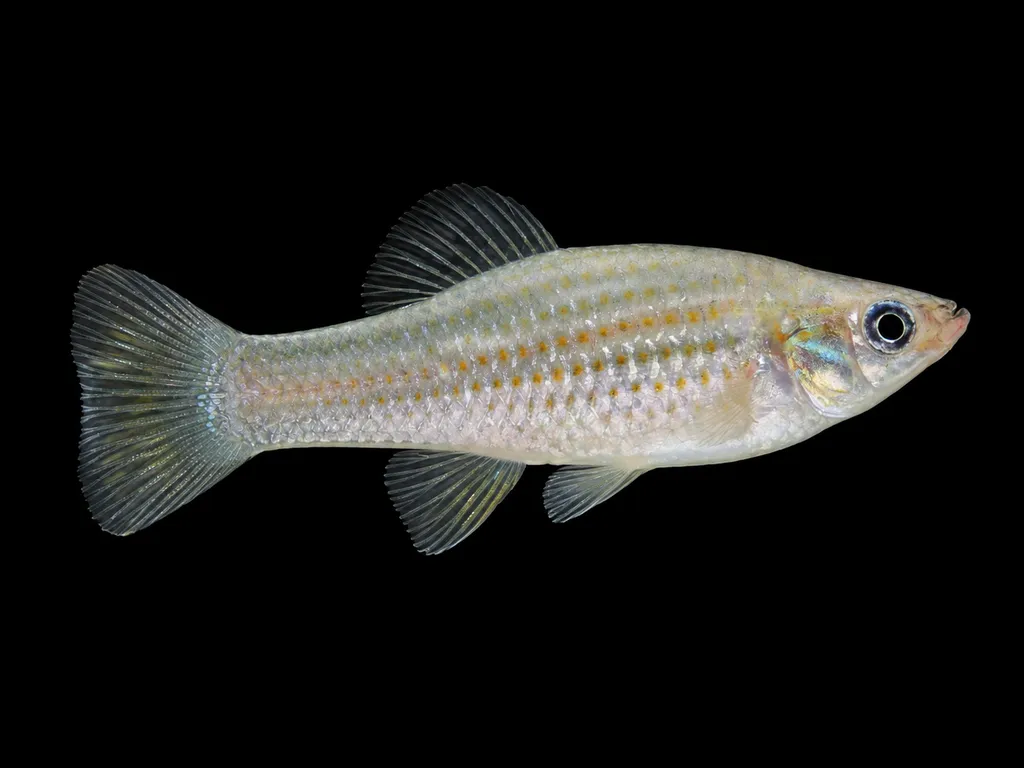
Amazon molly
Poecilia formosa
Freshwater3.5 in (9 cm) · 20 gal (75 L)68–82°F (20–28°C)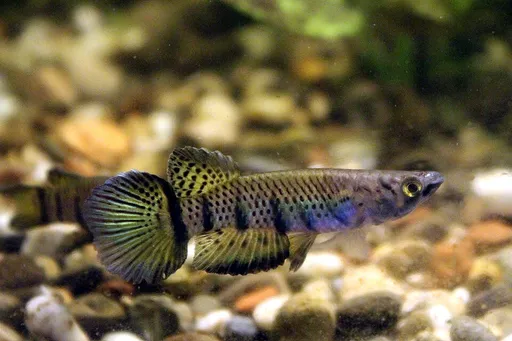
Six-barred panchax
Epiplatys sexfasciatus
Freshwater3.9 in (10 cm) · 20 gal (75 L)72–81°F (22–27°C)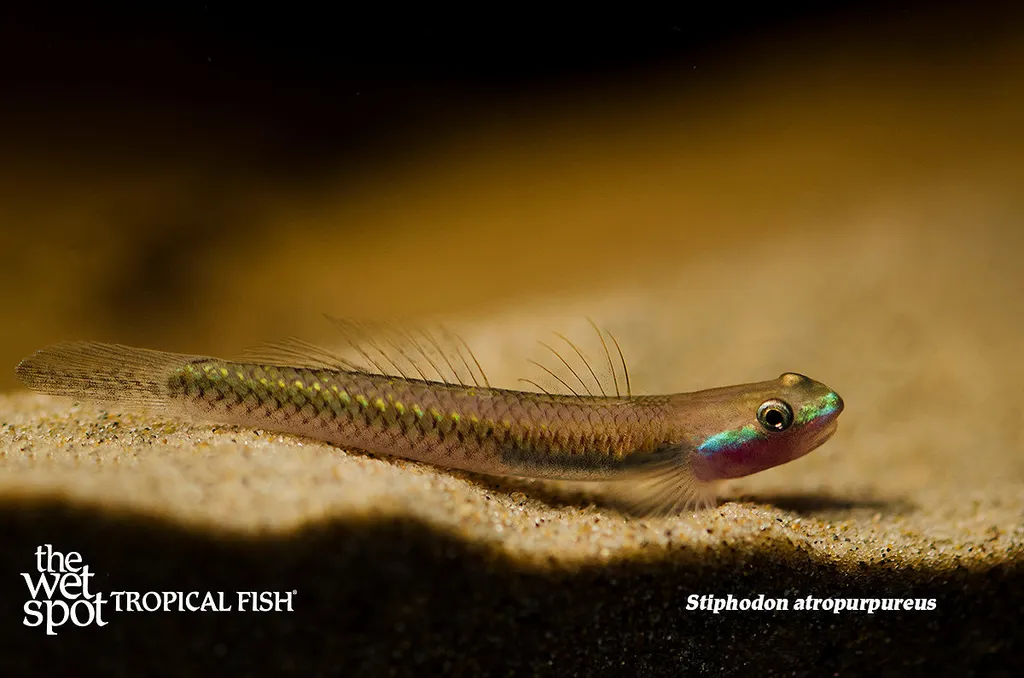
Blue neon dwarf goby
Stiphodon atropurpureus
Freshwater2 in (5 cm) · 20 gal (75 L)72–81°F (22–27°C)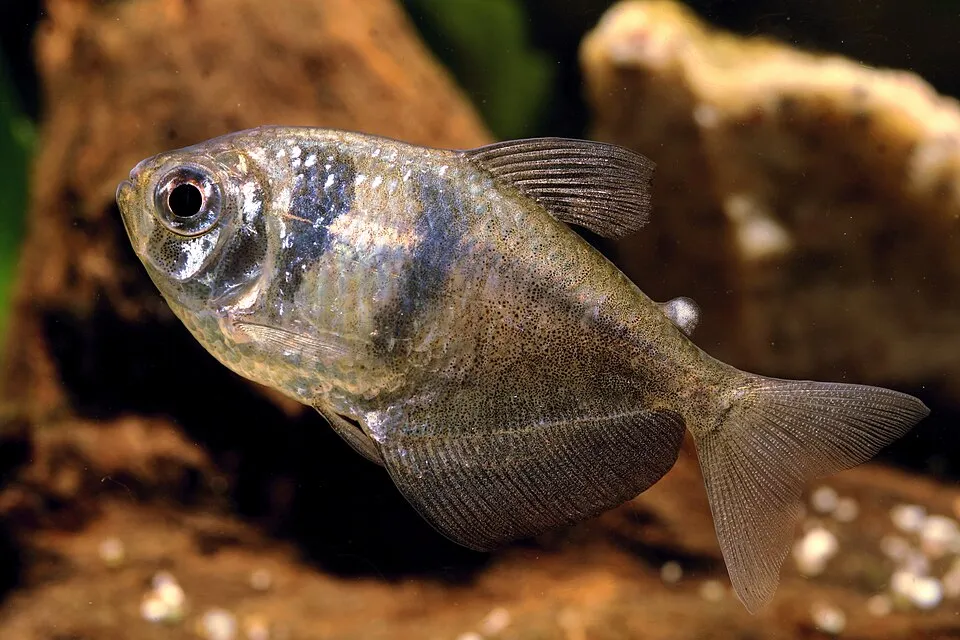
Black widow tetra
Gymnocorymbus ternetzi
Freshwater2.4 in (6 cm) · 20 gal (75 L)68–79°F (20–26°C)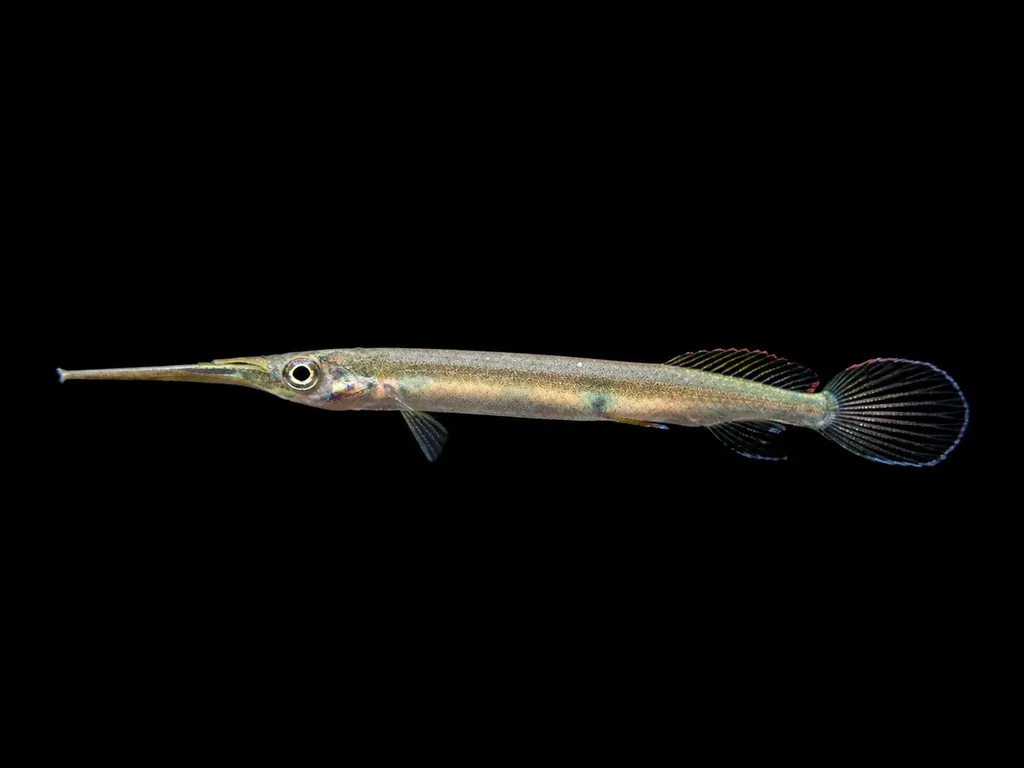
Kuekenthal's halfbeak
Hemirhamphodon kuekenthali
Freshwater3.3 in (8.5 cm) · 20 gal (75 L)73–81°F (23–27°C)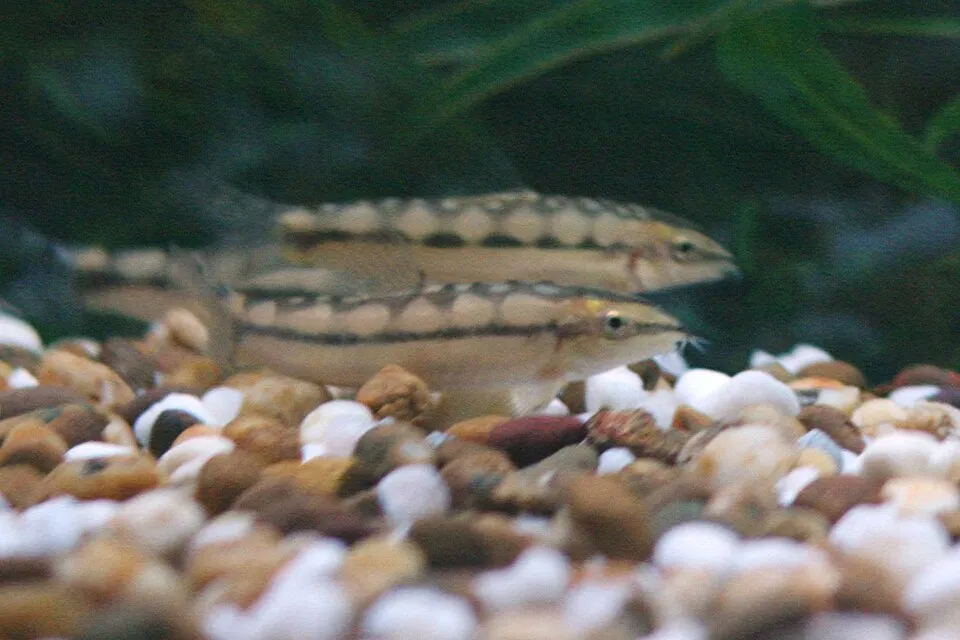
Dwarf botia
Ambastaia sidthimunki
Freshwater2.4 in (6 cm) · 20 gal (75 L)68–86°F (20–30°C)
Common questions
What size tank does a Spotted cory need?
A Spotted cory needs at least 20 gal (75 L). It spends most of its time in the bottom.
What temperature and pH does a Spotted cory need?
A Spotted cory is comfortable at 70–81°F (21–27°C) with a pH of 6.0–7.5.
How big does a Spotted cory get?
An adult Spotted cory reaches about 2.6 in (6.5 cm).
Does a Spotted cory need a group?
Yes. A Spotted cory is a shoaling species and should be kept in a group, not singly.
Related species
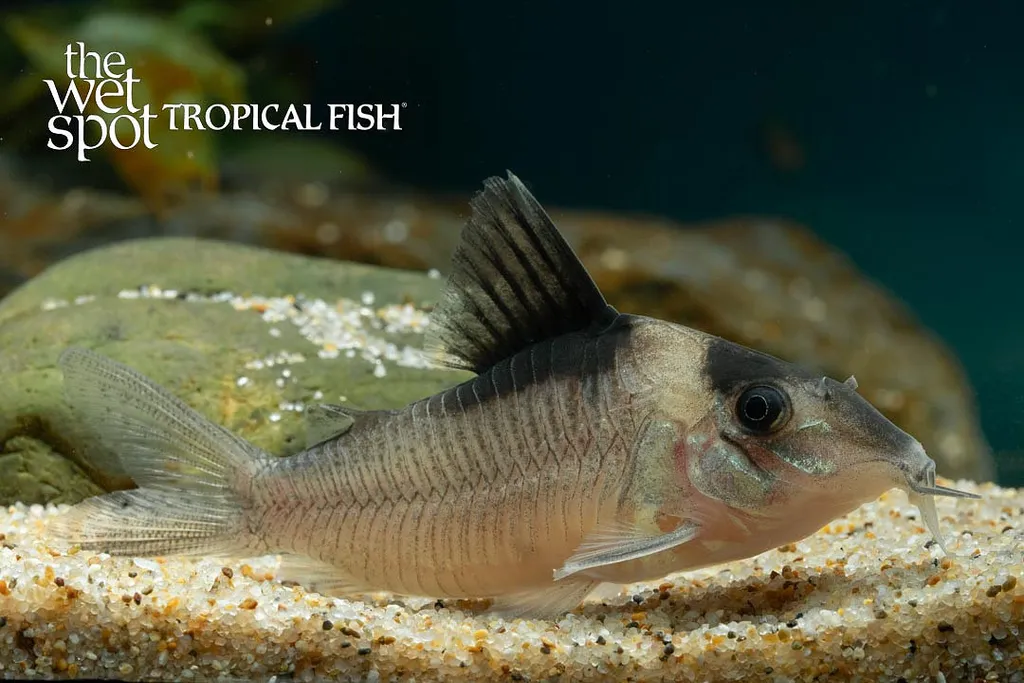 2.6 in (6.5 cm)20 gal (75 L)75–82°F (24–28°C)
Amanda Jane's cory
Brochis amandajanea
2.6 in (6.5 cm) · 20 gal (75 L)
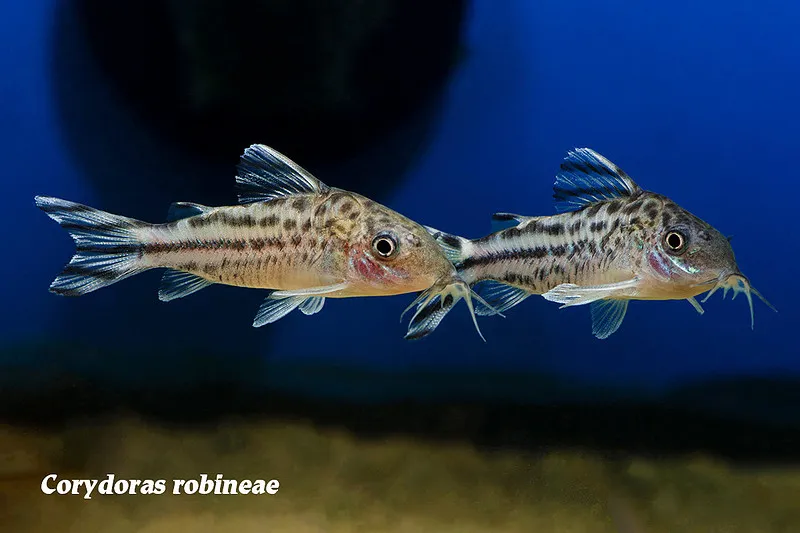 2.6 in (6.5 cm)20 gal (75 L)73–79°F (23–26°C)
Bannertail cory
Brochis robineae
2.6 in (6.5 cm) · 20 gal (75 L)
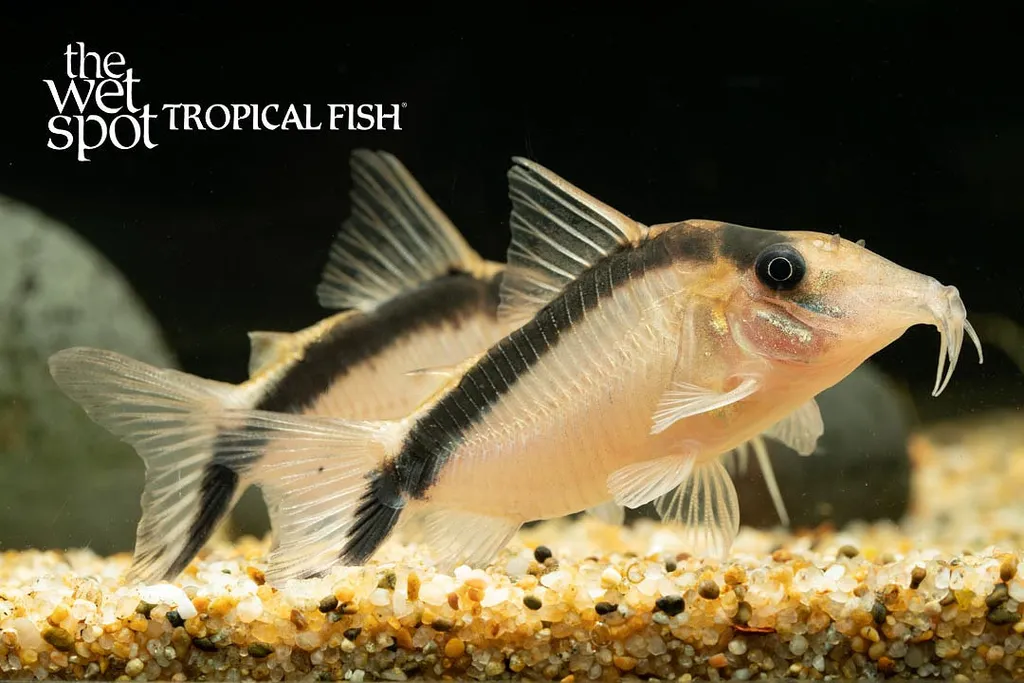 2.6 in (6.5 cm)20 gal (75 L)73–81°F (23–27°C)
Bethan's cory
Brochis bethanae
2.6 in (6.5 cm) · 20 gal (75 L)
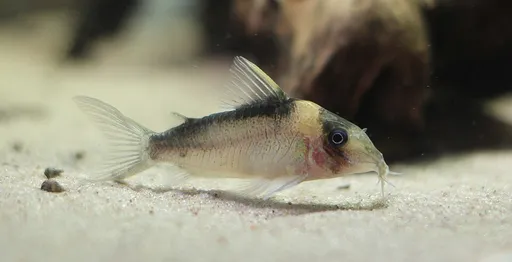 2.6 in (6.5 cm)21 gal (80 L)72–79°F (22–26°C)
Imitator cory
Brochis imitator
2.6 in (6.5 cm) · 21 gal (80 L)
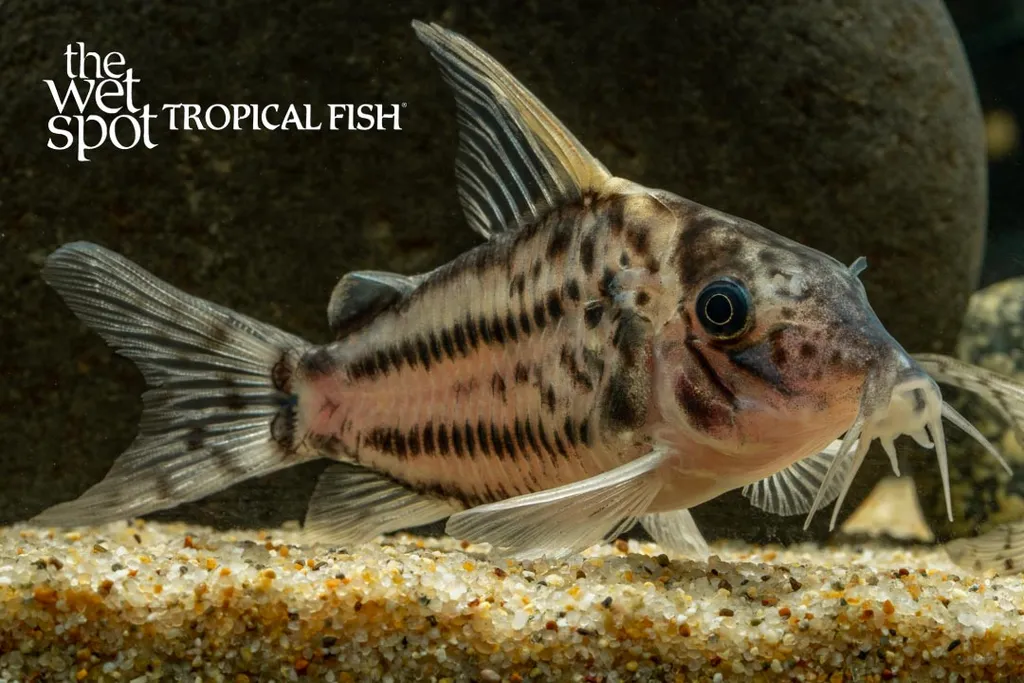 2.6 in (6.5 cm)24 gal (90 L)75–82°F (24–28°C)
Pretty cory
Brochis pulchra
2.6 in (6.5 cm) · 24 gal (90 L)
 2.6 in (6.5 cm)20 gal (75 L)75–82°F (24–28°C)
Seuss's cory
Brochis seussi
2.6 in (6.5 cm) · 20 gal (75 L)