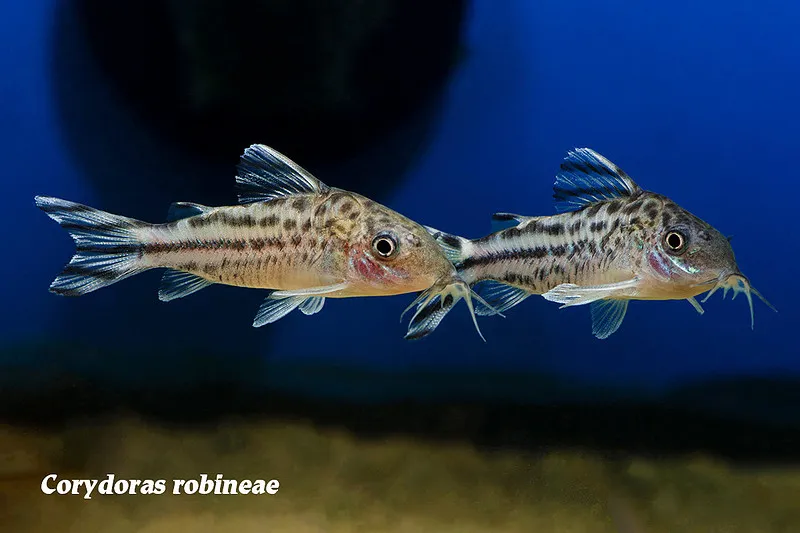
Bannertail cory
Brochis robineae
Also known as Corydoras robineae, Flagtail cory
FreshwaterFish
Care at a glance
- Temperature
- 73–79°F
- 23–26°C
- pH
- 6.0–7.5
- Adult size
- 2.6 in
- 6.5 cm
- Minimum tank
- 20 gal
- 75 L
- Temperament
- Peaceful
- Social behavior
- Shoaling
- Swim level
- Bottom
- Difficulty
- Medium
- Breeding
- Hard
- Rarity
- Common
- Family
- Callichthyidae
- Origin
- Rio Negro basin, Brazil (South America)
Overview
Keep them in a group of at least six, more if you can, in a tank of 75 liters or larger. Smaller groups make them shy and stressed, so they hide instead of foraging out in the open. They are peaceful bottom dwellers that sift the substrate for food, so feed sinking pellets and small frozen foods like daphnia or bloodworm. Water should sit between 23 and 26 C with a pH from 6 to 7.5, soft and slightly acidic suits them best. They are sensitive to poor water quality and dirty substrate, which erodes and infects their barbels, so keep the sand clean and stay on top of water changes. Pair them with small, gentle tankmates.
In the wild
Bannertail cories come from the Rio Negro basin in Brazil, soft and slightly acidic blackwater stained dark by tannins, with sandy beds and leaf litter. To match that, give them a tank of at least 75 liters with a smooth sand or very fine substrate, some driftwood and dried leaves, and gentle shade from plants. Keep the water between 23 and 26 C and a pH from 6 to 7.5. They like well oxygenated water with a bit of current, so aim some of the filter flow across the bottom.
Good to know
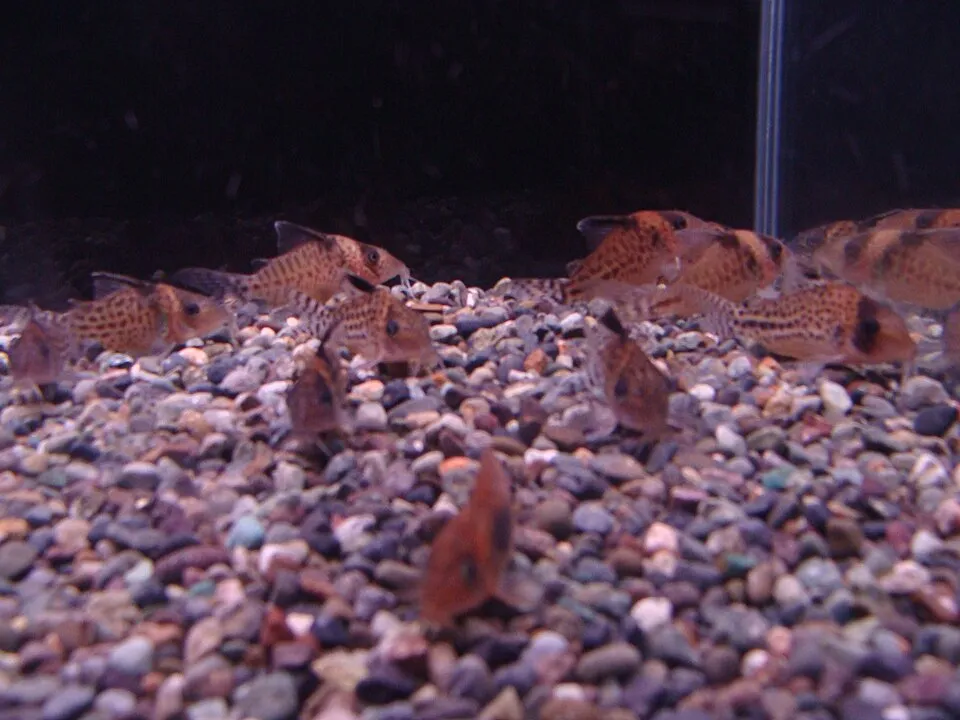
This is a cory catfish in the family Callichthyidae, reaching about 6.5 cm. Sources disagree on size, with FishBase listing close to 4.4 cm standard length while care guides report roughly 6 to 7 cm total length and up to about 8.5 cm for large females. It is named for the bold stripes on its tall caudal fin, the bannertail. Like other cories it has paired sensory barbels around the mouth for finding food in the substrate.
Did you know
Those delicate barbels around the mouth are working sensors, not decoration. The fish drag them through clean sand to taste and feel for buried food, which is why a smooth, fine substrate matters so much. On gravel or in a dirty tank the barbels wear down and get infected, and a cory with stubby, damaged barbels has lost much of how it finds a meal.
Weekly picks
Tank mates
Bannertail cory is a peaceful, shoaling species that keeps to the bottom. These picks share a community profile with it, are safe together in both directions, and overlap on water type, temperature and pH.
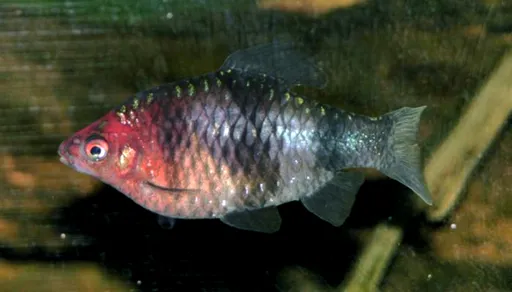
Black ruby barb
Pethia nigrofasciata
Freshwater2.4 in (6 cm) · 20 gal (75 L)72–79°F (22–26°C)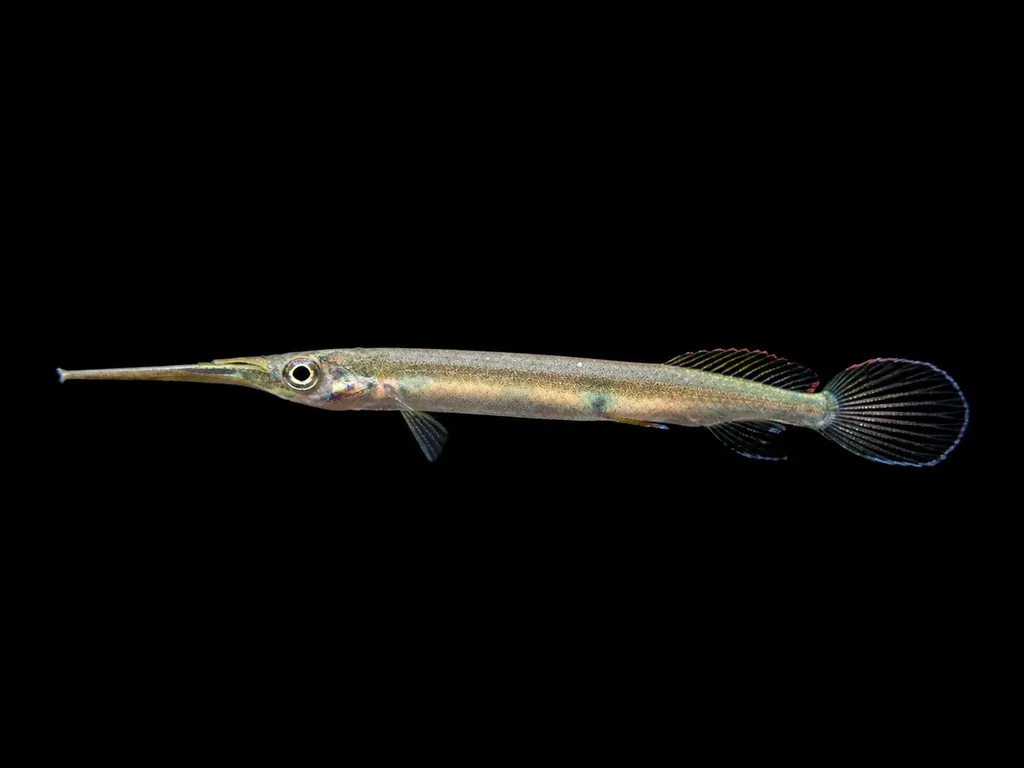
Kuekenthal's halfbeak
Hemirhamphodon kuekenthali
Freshwater3.3 in (8.5 cm) · 20 gal (75 L)73–81°F (23–27°C)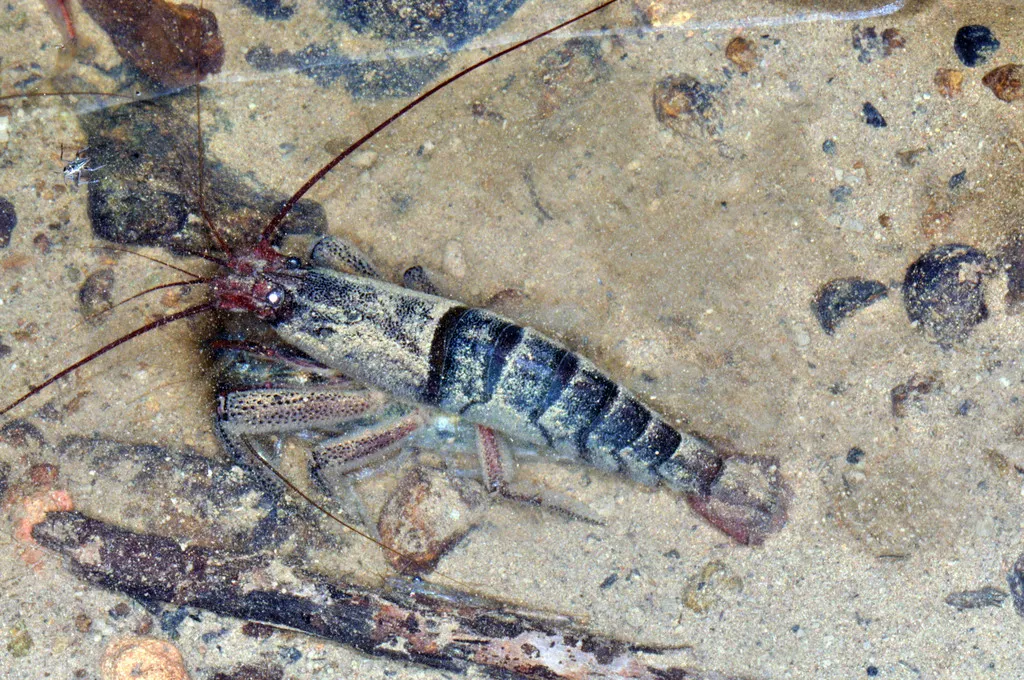
Marble wood shrimp
Atya scabra
Freshwater3.9 in (10 cm) · 20 gal (75 L)73–82°F (23–28°C)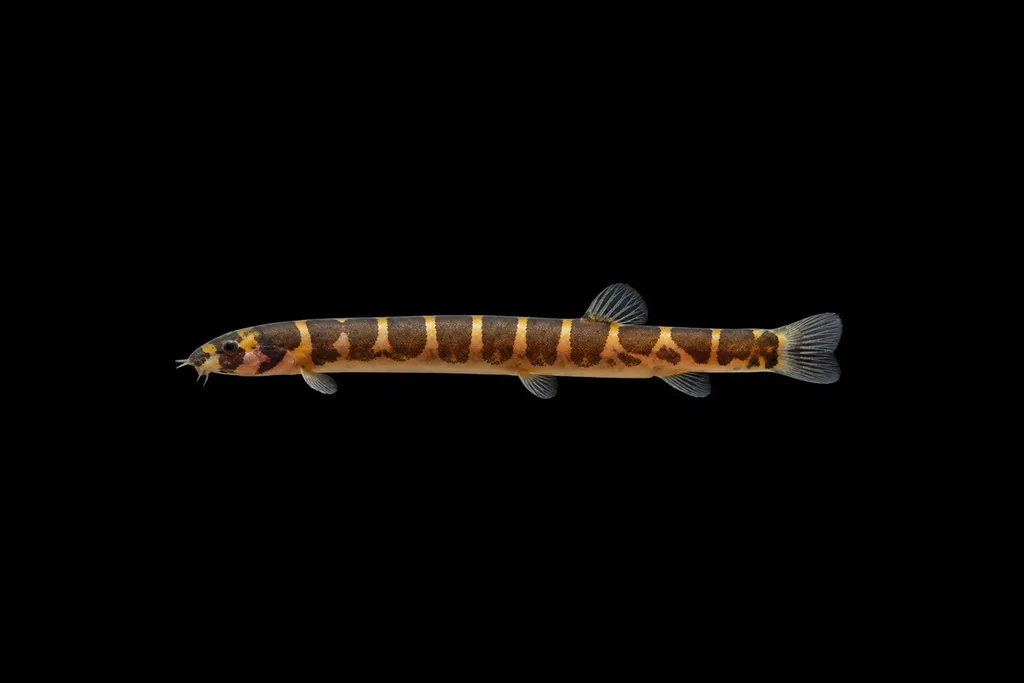
Borneo kuhli loach
Pangio borneensis
Freshwater2.5 in (6.3 cm) · 20 gal (75 L)72–81°F (22–27°C)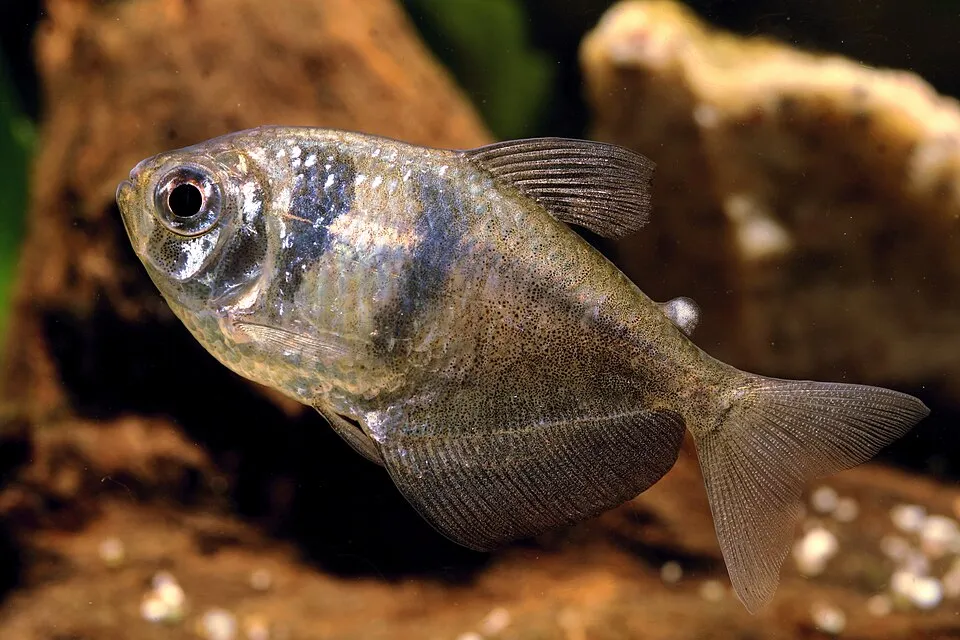
Black widow tetra
Gymnocorymbus ternetzi
Freshwater2.4 in (6 cm) · 20 gal (75 L)68–79°F (20–26°C)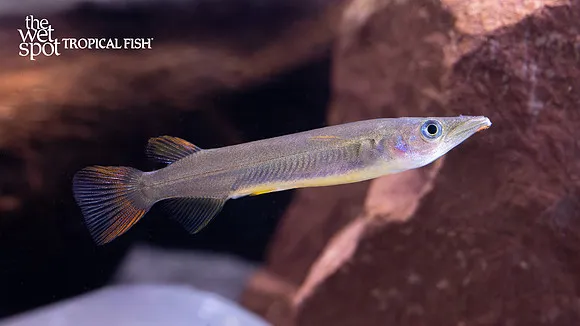
Rex halfbeak
Nomorhamphus rex
Freshwater2.2 in (5.5 cm) · 20 gal (75 L)72–79°F (22–26°C)
Common questions
What size tank does a Bannertail cory need?
A Bannertail cory needs at least 20 gal (75 L). It spends most of its time in the bottom.
What temperature and pH does a Bannertail cory need?
A Bannertail cory is comfortable at 73–79°F (23–26°C) with a pH of 6.0–7.5.
How big does a Bannertail cory get?
An adult Bannertail cory reaches about 2.6 in (6.5 cm).
Does a Bannertail cory need a group?
Yes. A Bannertail cory is a shoaling species and should be kept in a group, not singly.
Related species
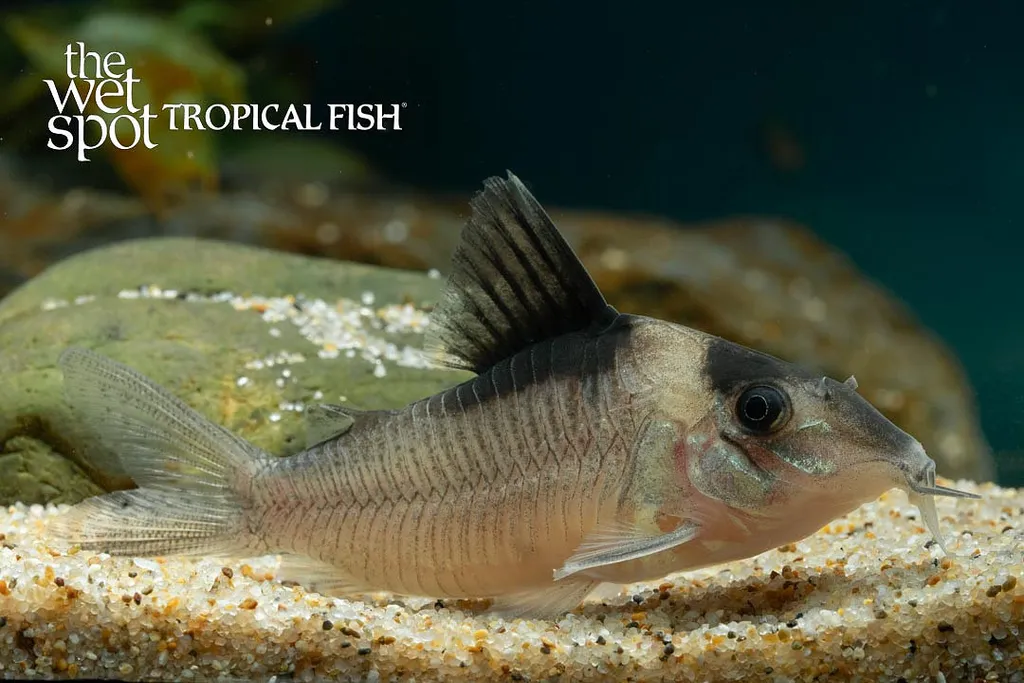 2.6 in (6.5 cm)20 gal (75 L)75–82°F (24–28°C)
Amanda Jane's cory
Brochis amandajanea
2.6 in (6.5 cm) · 20 gal (75 L)
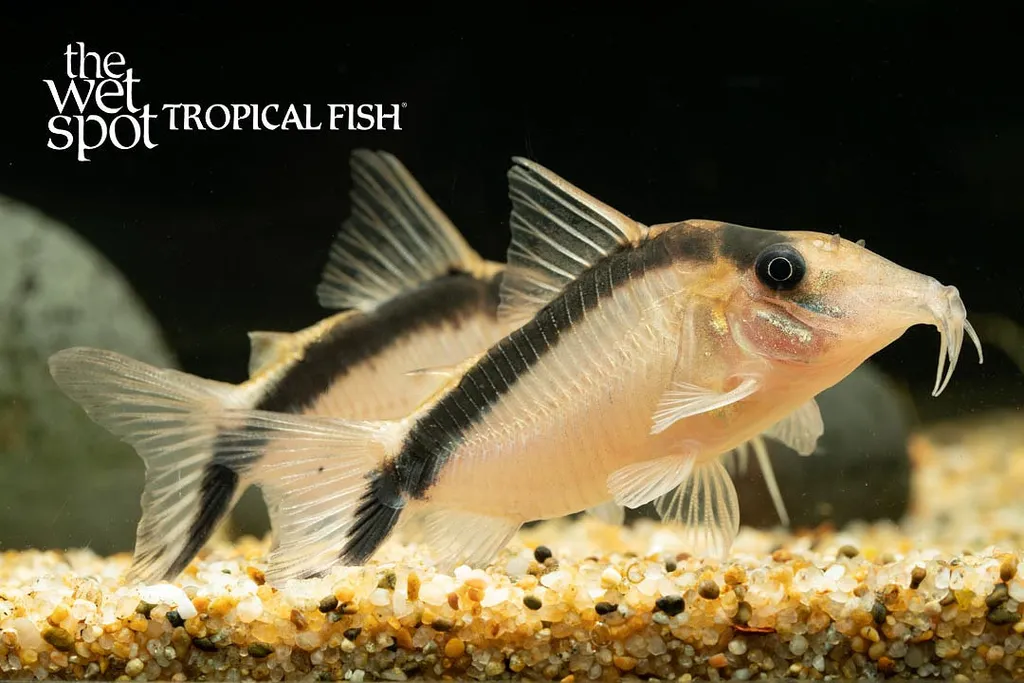 2.6 in (6.5 cm)20 gal (75 L)73–81°F (23–27°C)
Bethan's cory
Brochis bethanae
2.6 in (6.5 cm) · 20 gal (75 L)
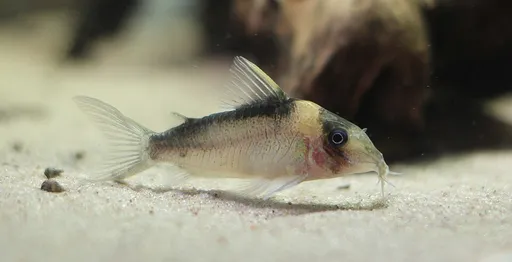 2.6 in (6.5 cm)21 gal (80 L)72–79°F (22–26°C)
Imitator cory
Brochis imitator
2.6 in (6.5 cm) · 21 gal (80 L)
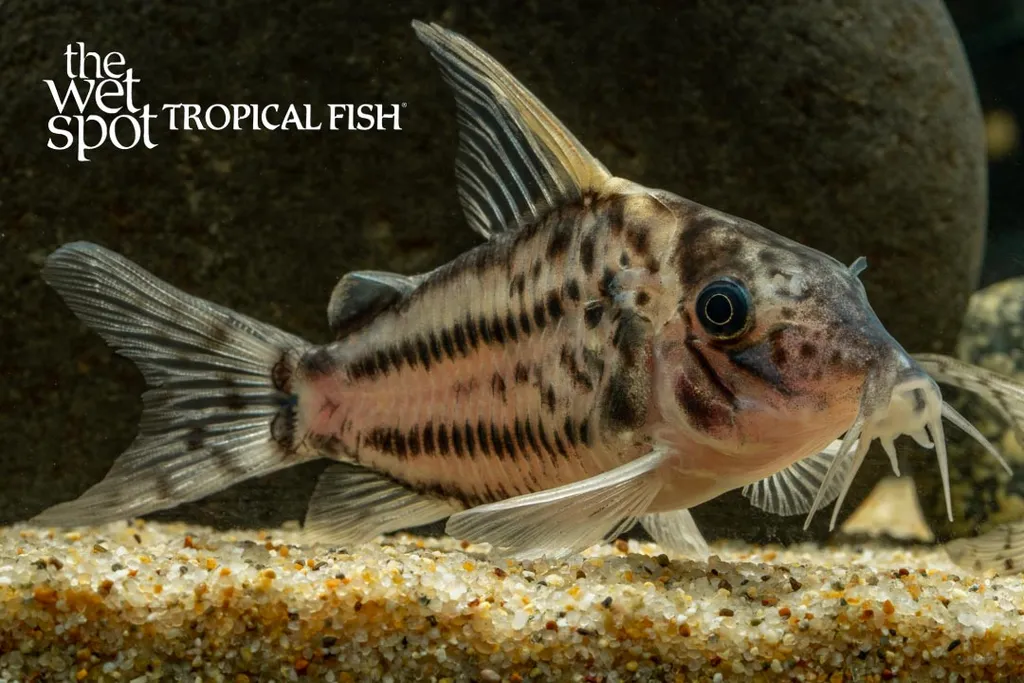 2.6 in (6.5 cm)24 gal (90 L)75–82°F (24–28°C)
Pretty cory
Brochis pulchra
2.6 in (6.5 cm) · 24 gal (90 L)
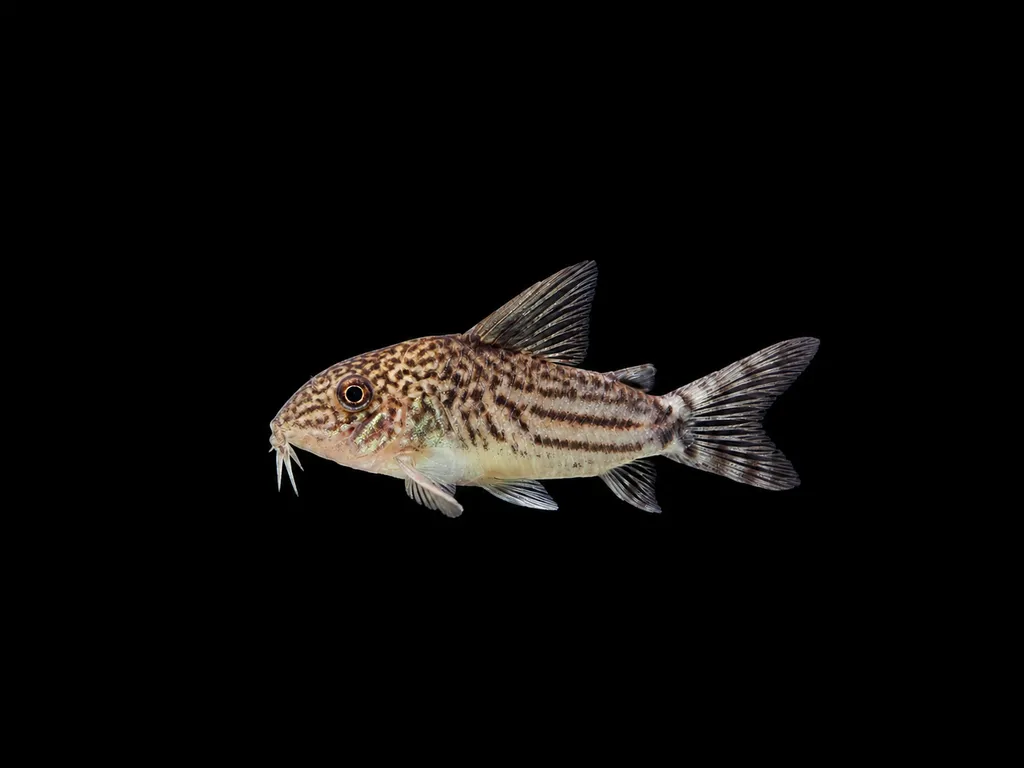 2.6 in (6.5 cm)20 gal (75 L)75–82°F (24–28°C)
Seuss's cory
Brochis seussi
2.6 in (6.5 cm) · 20 gal (75 L)
 2.6 in (6.5 cm)20 gal (75 L)70–81°F (21–27°C)
Spotted cory
Brochis ambiacus
2.6 in (6.5 cm) · 20 gal (75 L)