Bandula barb
Pethia bandula
Also known as Puntius bandula
FreshwaterFish
Care at a glance
- Temperature
- 73–81°F
- 23–27°C
- pH
- 6.0–7.2
- Adult size
- 2 in
- 5 cm
- Minimum tank
- 20 gal
- 75 L
- Temperament
- Peaceful
- Social behavior
- Schooling
- Swim level
- Middle
- Difficulty
- Medium
- Breeding
- Egg scatterer · Medium
- Rarity
- Rare
- Family
- Cyprinidae
- Origin
- A single stream near Galapitamada, Sri Lanka
Overview
The Bandula barb is a rare, gentle schooling barb for a planted tank of small, calm fish. It is a good choice for a keeper with some experience.
Did you know
The whole wild population of the Bandula barb lives in roughly three kilometers of one Sri Lankan stream. It was discovered in 1991 at around 2,000 fish, then crashed within a decade. That crash prompted protected habitat and captive insurance populations.
Caring for the Bandula barb
Keep Bandula barbs in a well-planted tank of 20 gal (75 L) or more, with a dark substrate and some shade. Give them soft, gently flowing water.
Hold the temperature at 73 to 81°F (23 to 27°C), with slightly acidic to neutral water at a pH of 6.0 to 7.2. Feed small everyday foods such as quality flake and micro pellets. Add regular frozen or live bloodworms, daphnia and brine shrimp for condition and color.
Keep a group of at least six to eight. They are peaceful and a little shy, and a school gives them confidence. They mix well with other small, calm community fish.
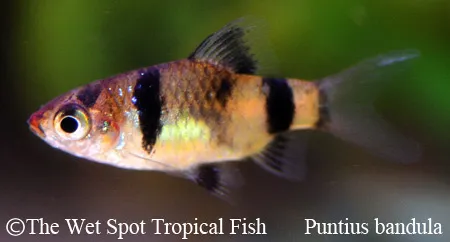
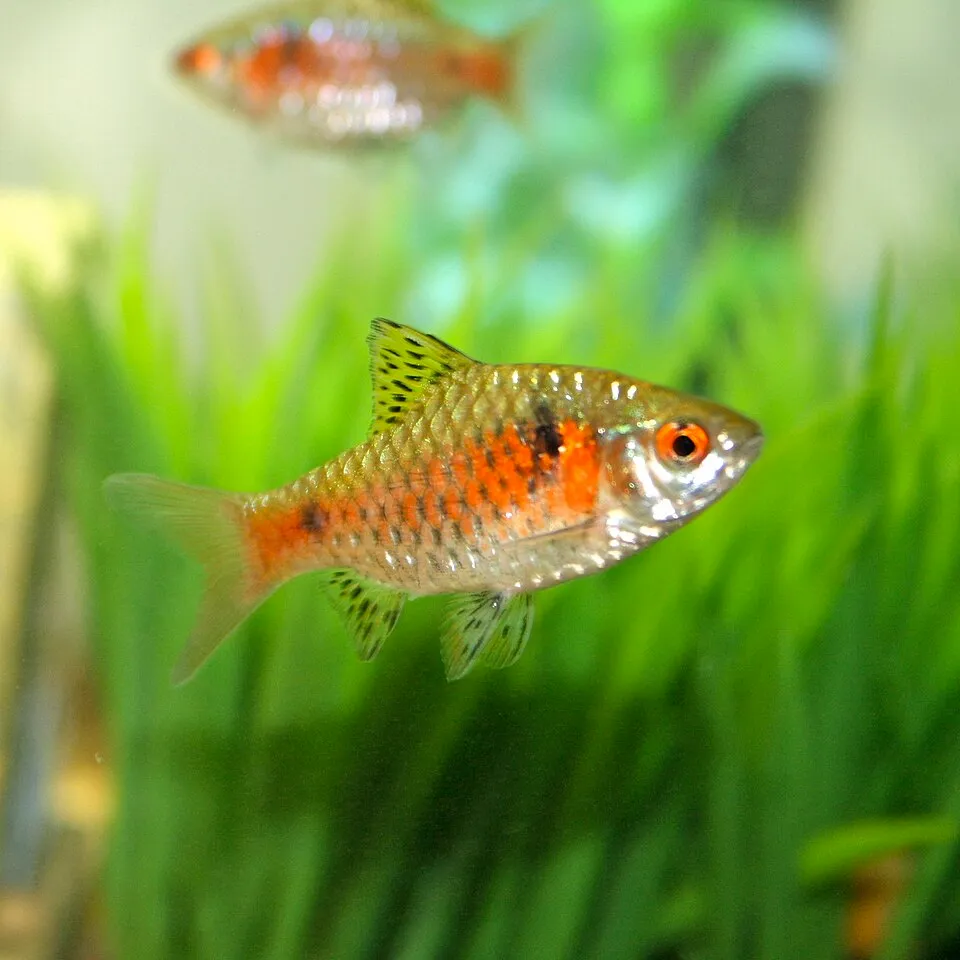
Males are barred in black over rosy flanks. The Bandula barb scatters its eggs and is a moderate breeding challenge. Keepers who spawn it help maintain the captive insurance stock that its survival now depends on.
Good to know
Pethia bandula is a small barb of the family Cyprinidae. It is one of the most range-restricted freshwater fish known, and it is listed as critically endangered.
In the wild
The Bandula barb lives near Galapitamada, in southwestern Sri Lanka. Its stream is shaded lowland water running through paddy and rubber country.
Weekly picks
Tank mates
The Bandula barb is a peaceful, schooling species that keeps to the middle. These picks share a community profile with it, are safe together in both directions, and overlap on water type, temperature and pH.
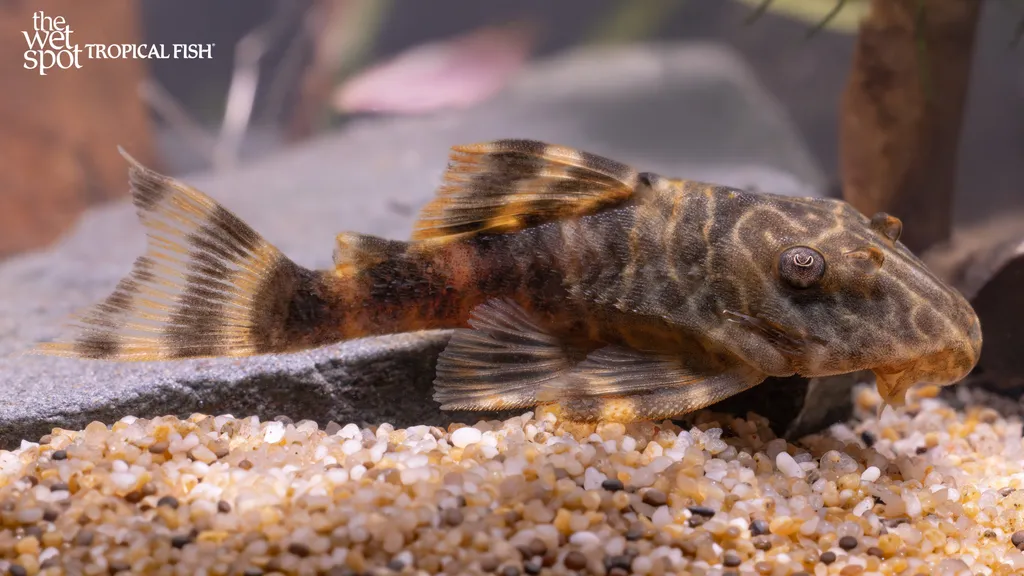
Clown pleco
Panaqolus maccus
Freshwater3.5 in (9 cm) · 20 gal (75 L)73–82°F (23–28°C)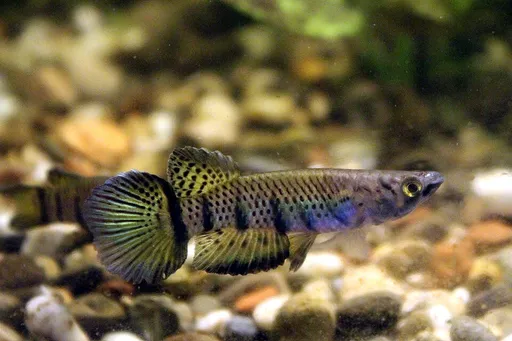
Six-barred panchax
Epiplatys sexfasciatus
Freshwater3.9 in (10 cm) · 20 gal (75 L)72–81°F (22–27°C)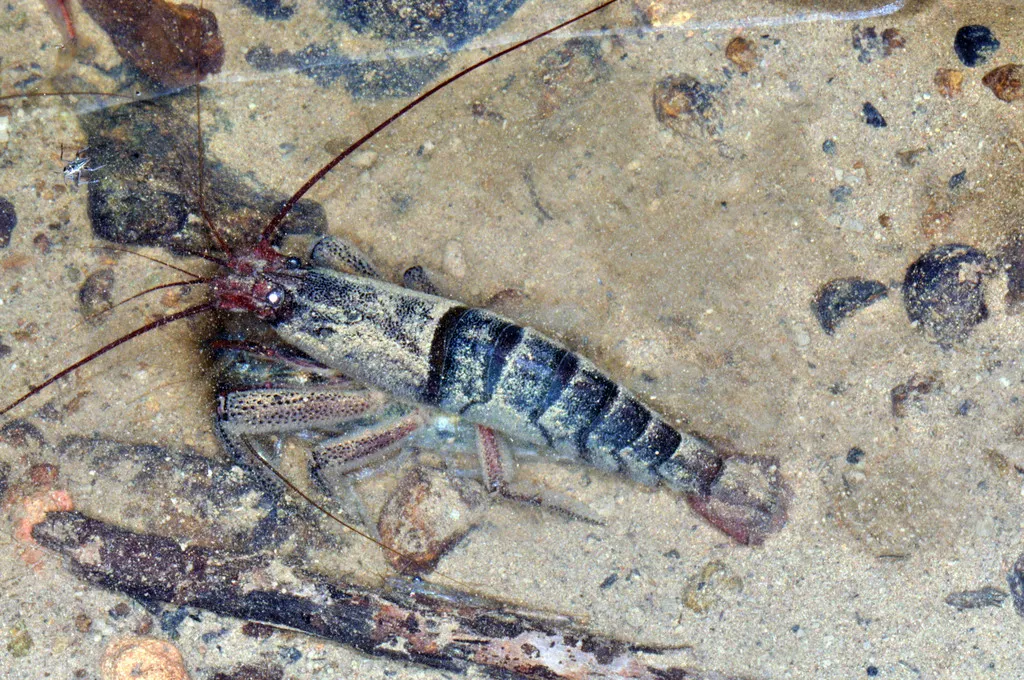
Marble wood shrimp
Atya scabra
Freshwater3.9 in (10 cm) · 20 gal (75 L)73–82°F (23–28°C)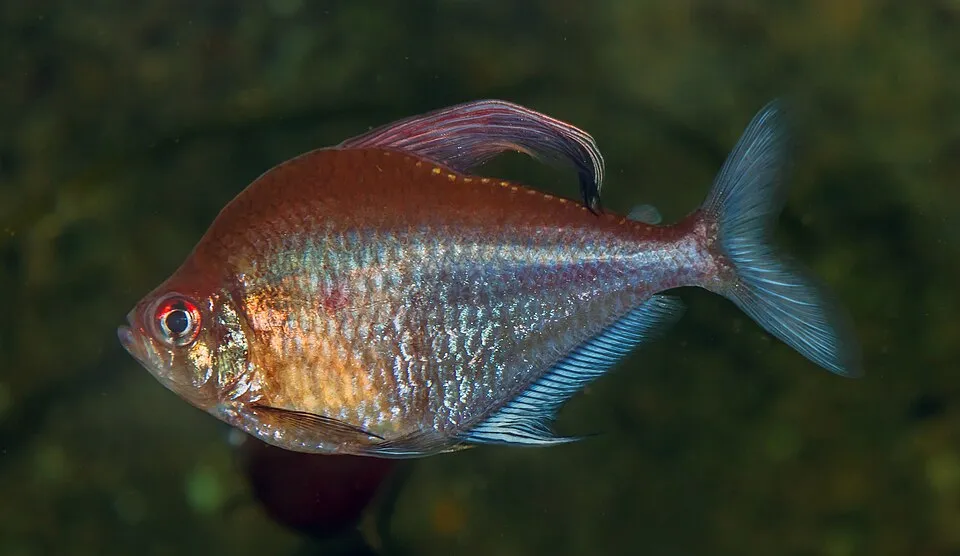
Bleeding heart tetra
Hyphessobrycon erythrostigma
Freshwater2.4 in (6 cm) · 20 gal (75 L)70–81°F (21–27°C)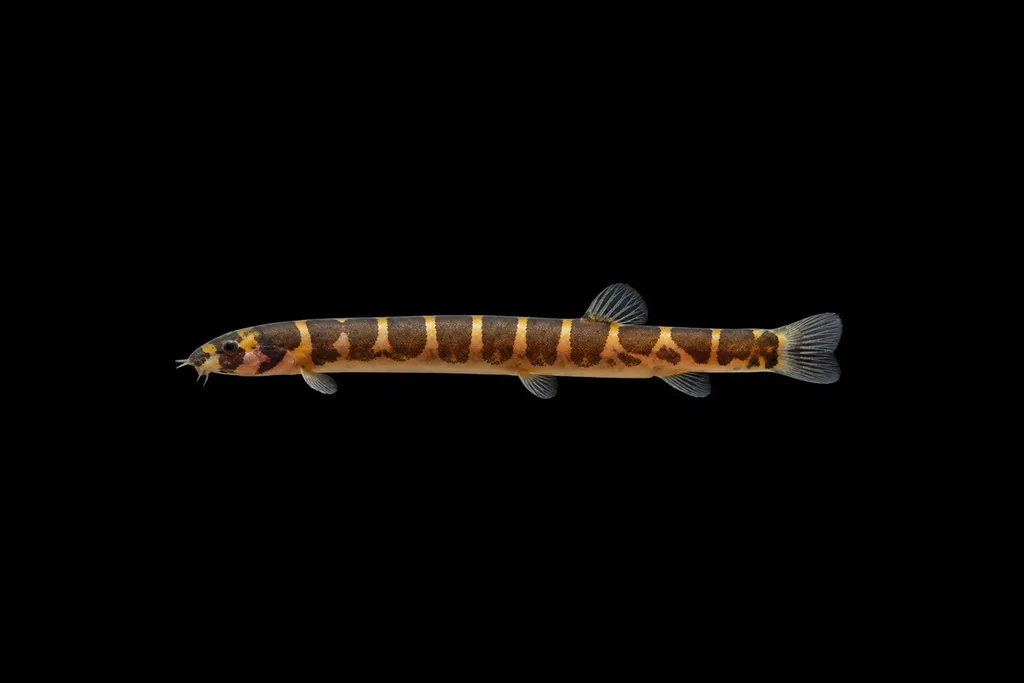
Borneo kuhli loach
Pangio borneensis
Freshwater2.5 in (6.3 cm) · 20 gal (75 L)72–81°F (22–27°C)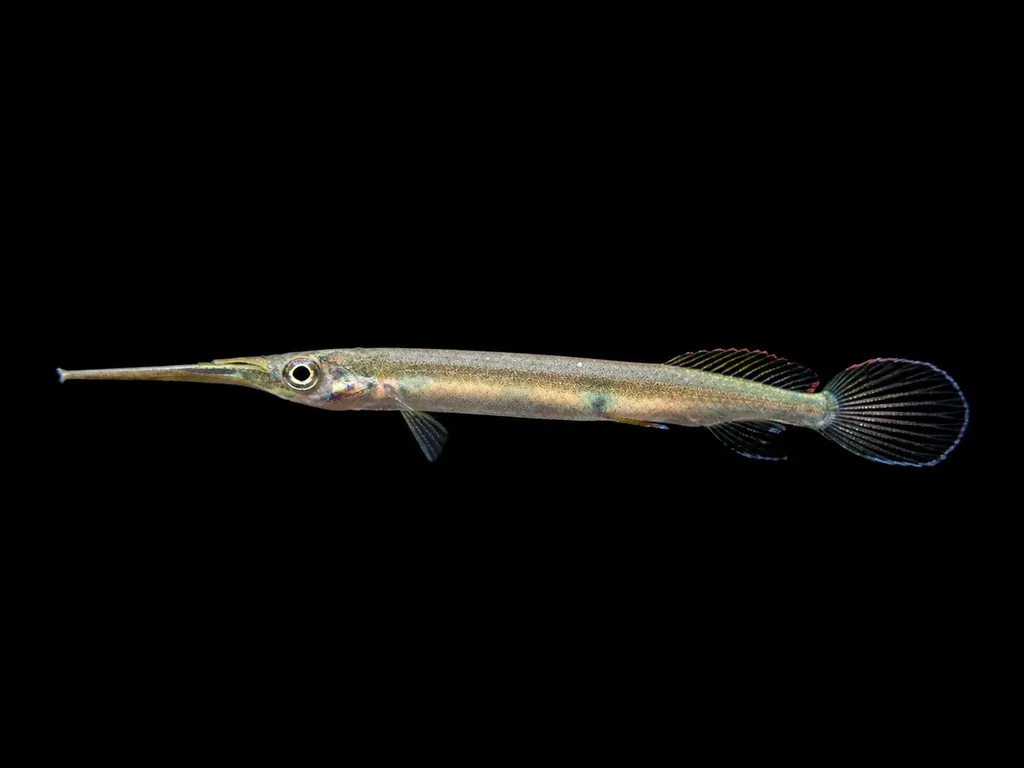
Kuekenthal's halfbeak
Hemirhamphodon kuekenthali
Freshwater3.3 in (8.5 cm) · 20 gal (75 L)73–81°F (23–27°C)
Common questions
What size tank does a Bandula barb need?
A Bandula barb needs at least 20 gal (75 L). It spends most of its time in the middle.
What temperature and pH does a Bandula barb need?
A Bandula barb is comfortable at 73–81°F (23–27°C) with a pH of 6.0–7.2.
What does a Bandula barb eat?
A Bandula barb eats small everyday foods, such as quality flake and micro pellets. Regular frozen or live bloodworms, daphnia and brine shrimp keep it in condition and color.
How big does a Bandula barb get?
An adult Bandula barb reaches about 2 in (5 cm).
Does a Bandula barb need a group?
Yes. A Bandula barb is a schooling species and should be kept in a group, not singly.
How can you tell a male Bandula barb from a female?
Males are barred in black over rosy flanks.
How does a Bandula barb breed?
Bandula barbs scatter their eggs and are a moderate breeding challenge. Captive spawning keeps up the insurance stock that the species now depends on.
Related species
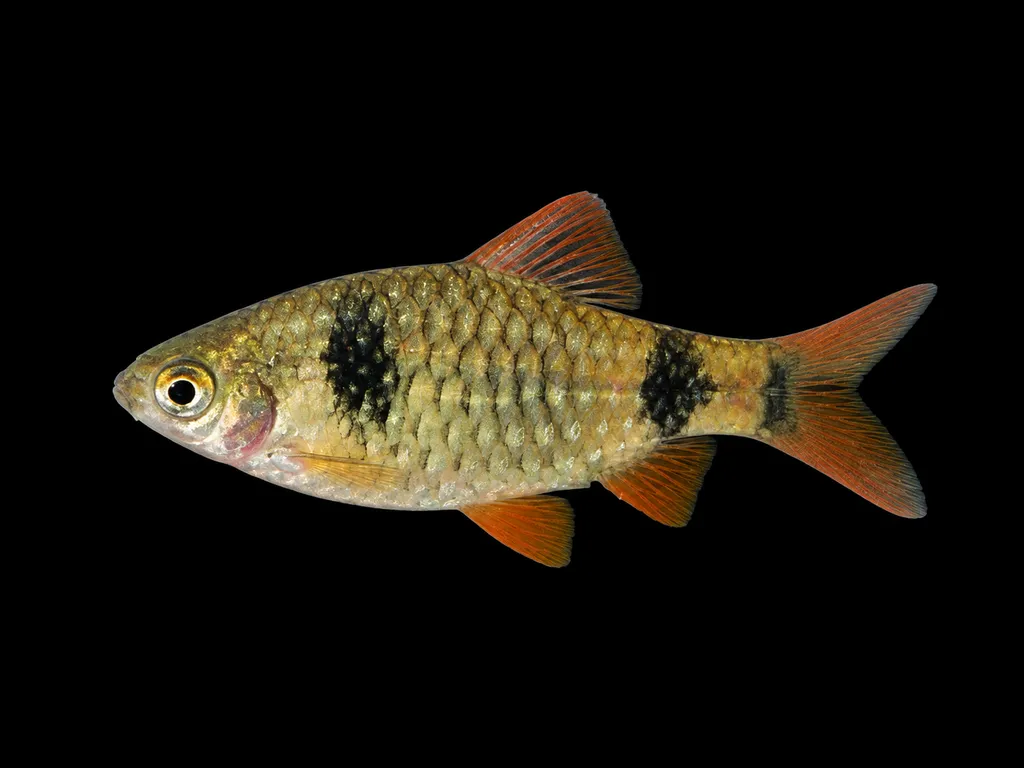 2 in (5 cm)16 gal (60 L)72–81°F (22–27°C)
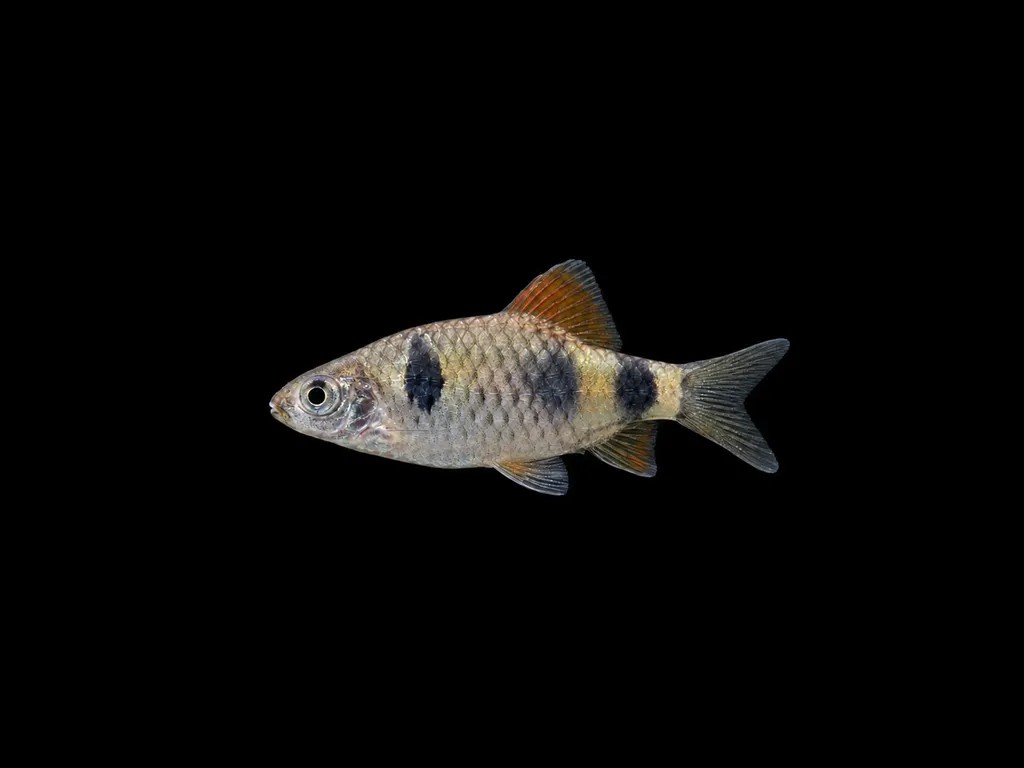
Cuming's barb
Pethia cumingii
2 in (5 cm) · 16 gal (60 L)
 2 in (5 cm)20 gal (75 L)72–81°F (22–27°C)
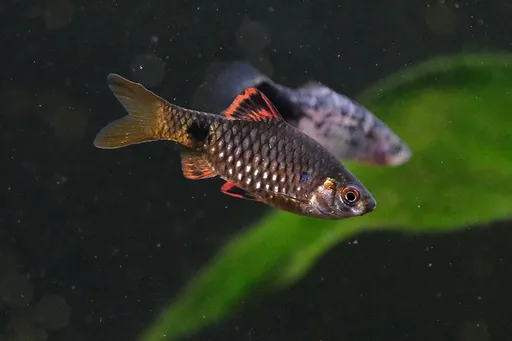
Setna barb
Pethia setnai
2 in (5 cm) · 20 gal (75 L)
 2 in (5 cm)20 gal (75 L)64–79°F (18–26°C)
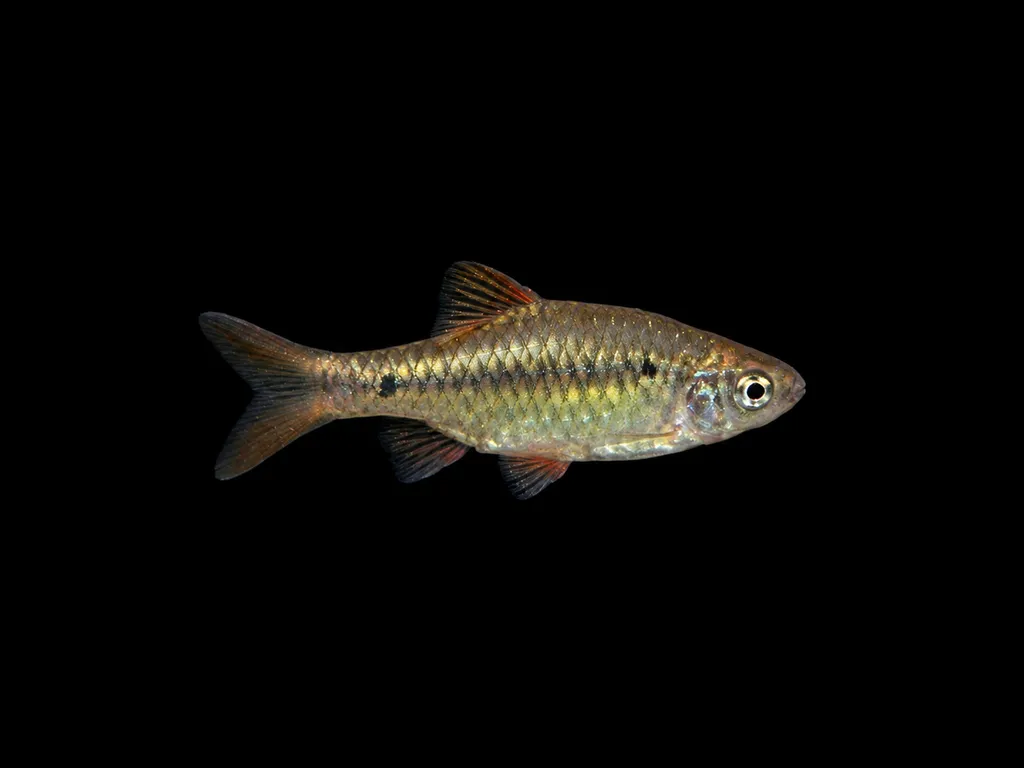
Stoliczka's barb
Pethia stoliczkana
2 in (5 cm) · 20 gal (75 L)
 1.8 in (4.5 cm)14 gal (54 L)68–77°F (20–25°C)
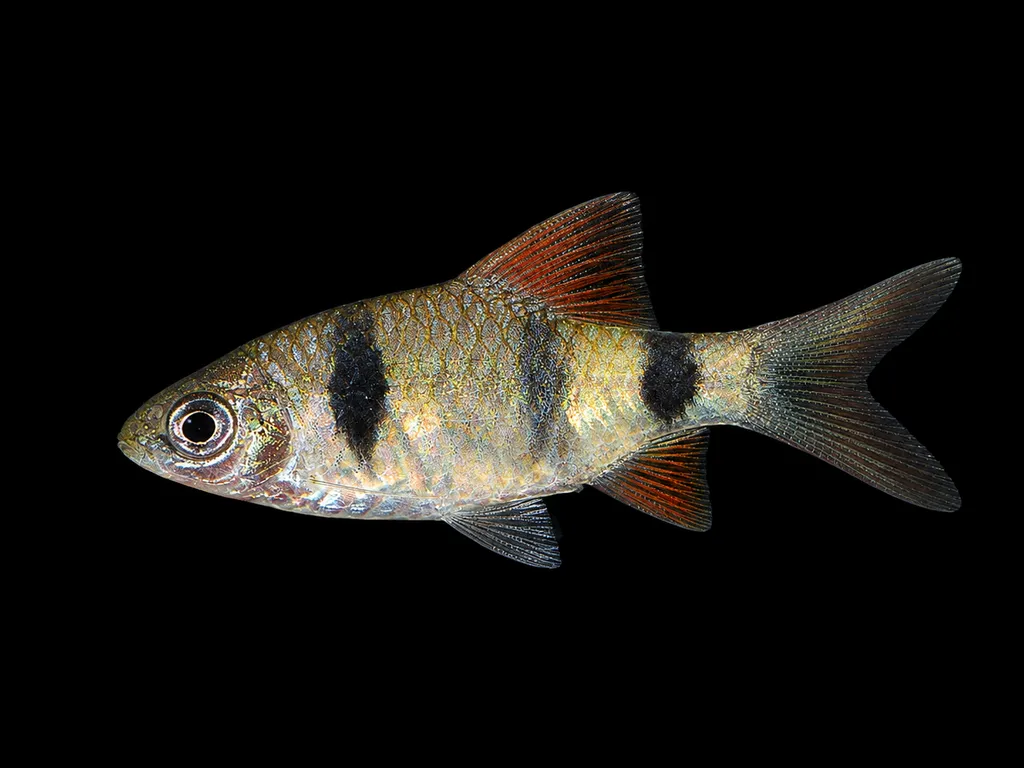
Manipur barb
Pethia manipurensis
1.8 in (4.5 cm) · 14 gal (54 L)
 1.8 in (4.5 cm)14 gal (54 L)68–77°F (20–25°C)
Narayan barb
Pethia narayani
1.8 in (4.5 cm) · 14 gal (54 L)
 1.8 in (4.5 cm)20 gal (75 L)61–77°F (16–25°C)
Odessa barb
Pethia padamya
1.8 in (4.5 cm) · 20 gal (75 L)