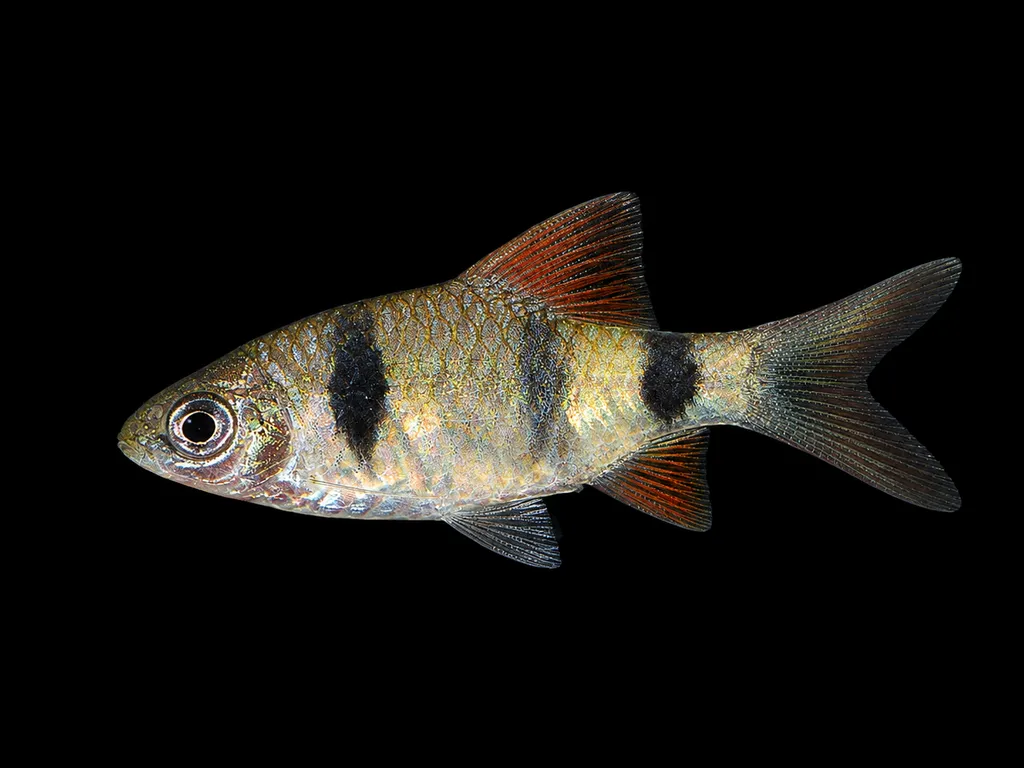
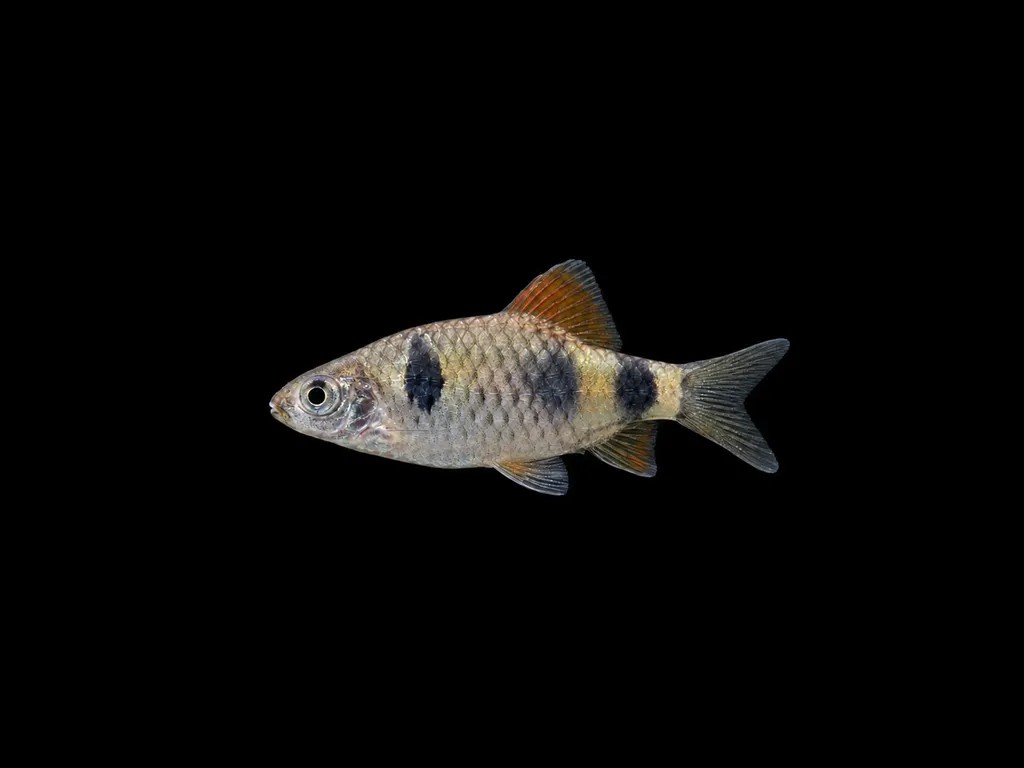
Narayan barb
Pethia narayani
Also known as Puntius narayani, Narayani barb
FreshwaterFish
Care at a glance
- Temperature
- 68–77°F
- 20–25°C
- pH
- 6.0–7.2
- Adult size
- 1.8 in
- 4.5 cm
- Minimum tank
- 14 gal
- 54 L
- Temperament
- Peaceful
- Social behavior
- Schooling
- Swim level
- Middle
- Difficulty
- Medium
- Breeding
- No record
- Rarity
- Rare
- Family
- Cyprinidae
- Origin
- Cauvery headwaters, Coorg, southern India
Overview
The Narayan barb is a peaceful little schooling barb for a cool subtropical tank. It is best kept by someone with a little experience.
Did you know
The Narayan barb's home streams run through Coorg, India's coffee country, where shade trees keep the water cool.
Caring for the Narayan barb
Keep Narayan barbs in a group of at least eight, in a planted tank of 14 gal (54 L) or more. Add a sand and gravel bed, gentle to moderate current and some shade.
Keep the water cool, clean and well oxygenated, at 68 to 77°F (20 to 25°C). The pH can run from slightly acidic to neutral, 6.0 to 7.2. They color up best when the water stays fresh and a touch cool, closer to a mountain stream than a warm tropical tank. Feed small foods such as fine flake, micro pellets and frozen daphnia or cyclops.
Narayan barbs are peaceful, and in a group they swim in the middle of the tank and stay calm with tank mates. They suit a subtropical community with small hill-stream fish rather than warm-water tropicals. Aquarium breeding is not documented, though their relatives are typically egg scatterers.
Good to know
Pethia narayani is a member of the carp family, Cyprinidae, described by Sunder Lal Hora in 1937 from the Western Ghats. It is a smoky-bodied dwarf barb with a dark shoulder mark. Like other Pethia, it was long placed in the genus Puntius.
In the wild
The Narayan barb comes from the cool, clear headwater streams of the Cauvery in the Coorg hills of the southern Western Ghats.
Weekly picks
Tank mates
The Narayan barb is a peaceful, schooling species that keeps to the middle. These picks share a community profile with it, are safe together in both directions, and overlap on water type, temperature and pH.
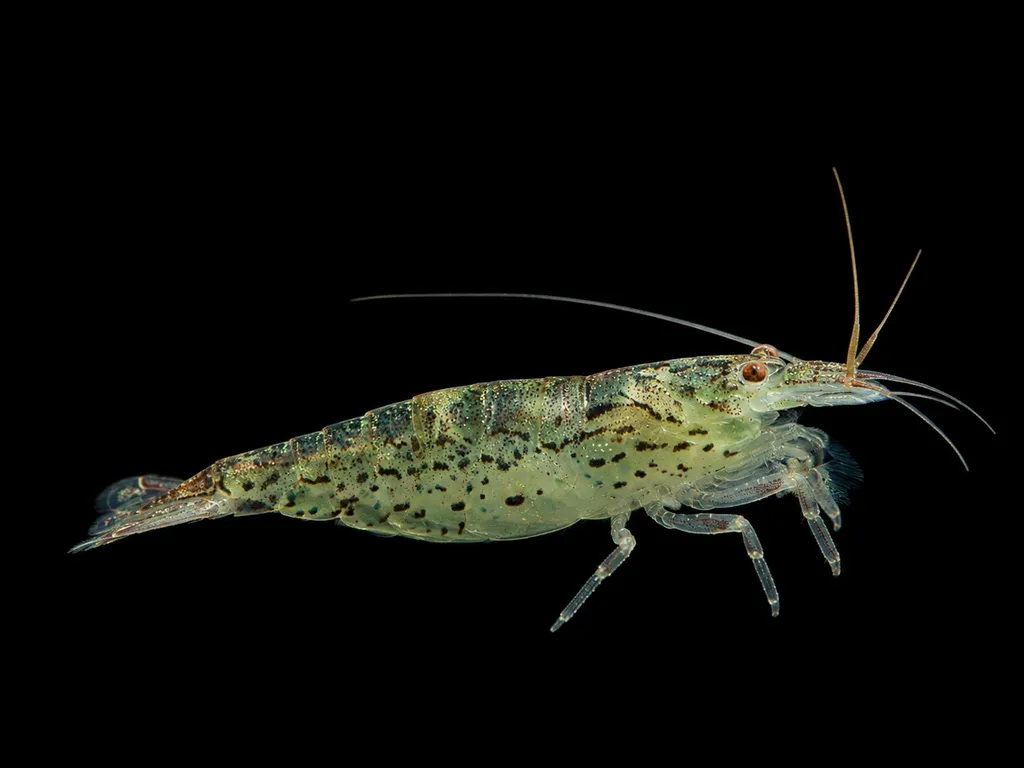
Green lace shrimp
Atyoida pilipes
Freshwater2.8 in (7 cm) · 14 gal (54 L)73–82°F (23–28°C)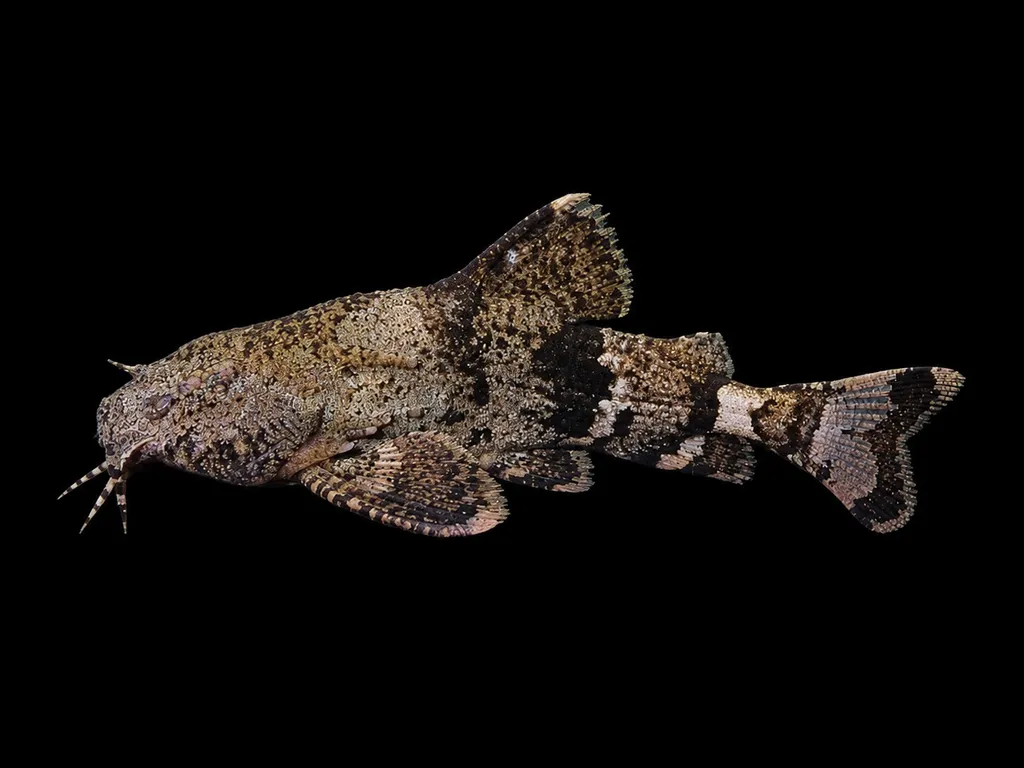
Elongate moth catfish
Hara horai
Freshwater3.1 in (8 cm) · 14 gal (54 L)68–79°F (20–26°C)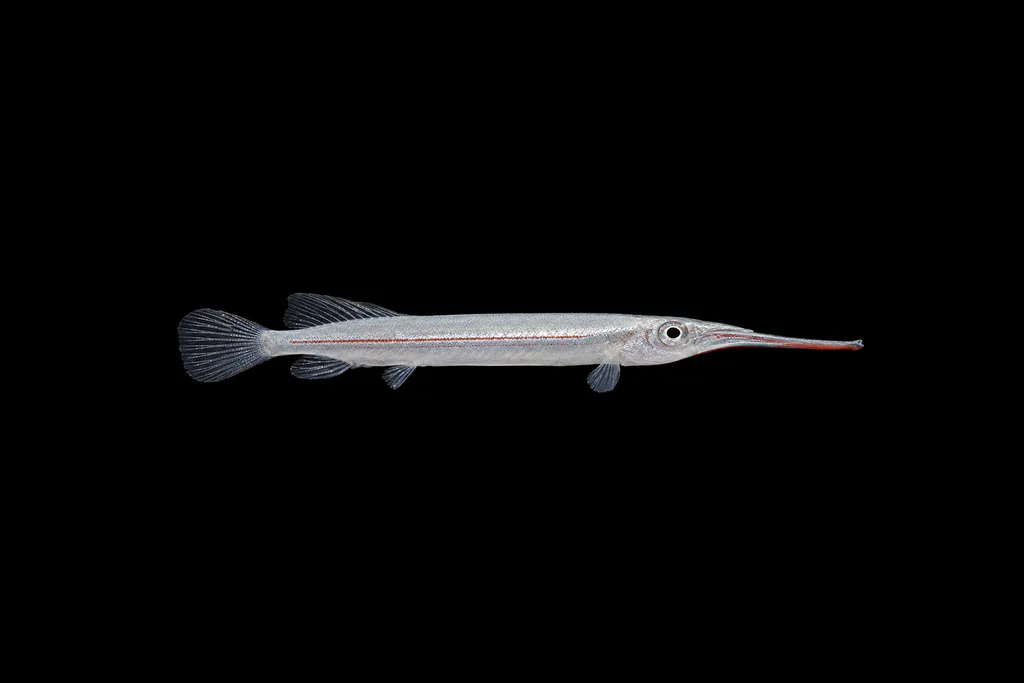
Fire halfbeak
Hemirhamphodon kapuasensis
Freshwater2.4 in (6 cm) · 14 gal (54 L)73–81°F (23–27°C)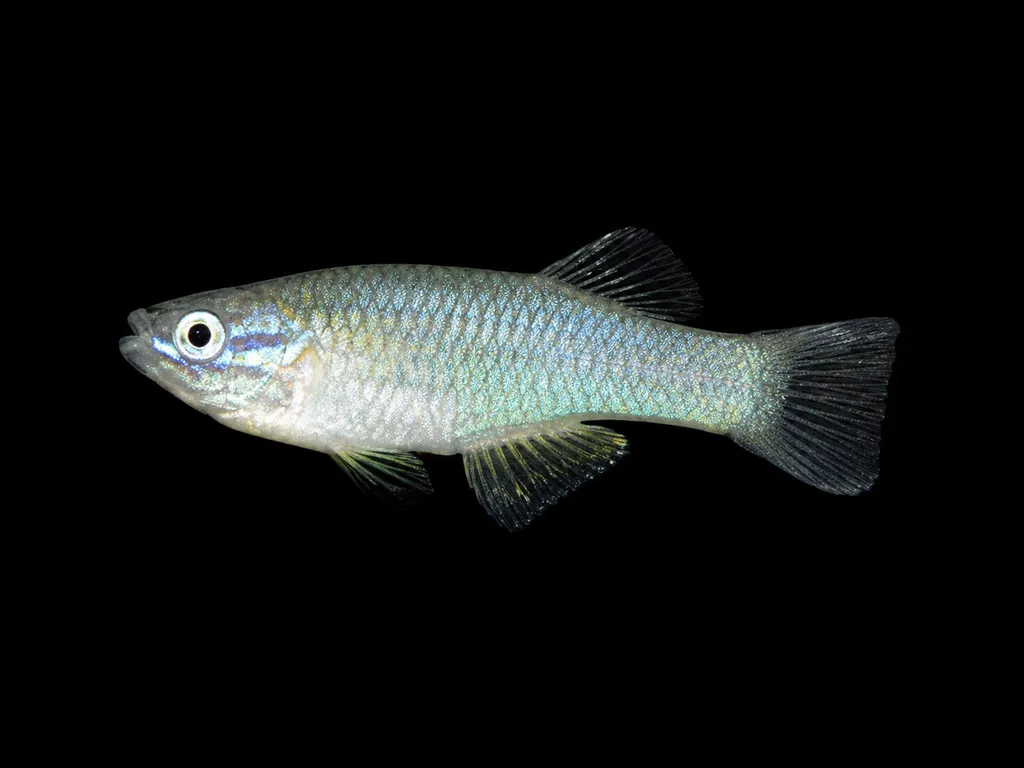
Mount Nimba lampeye
Rhexipanchax nimbaensis
Freshwater1.8 in (4.5 cm) · 14 gal (54 L)68–75°F (20–24°C)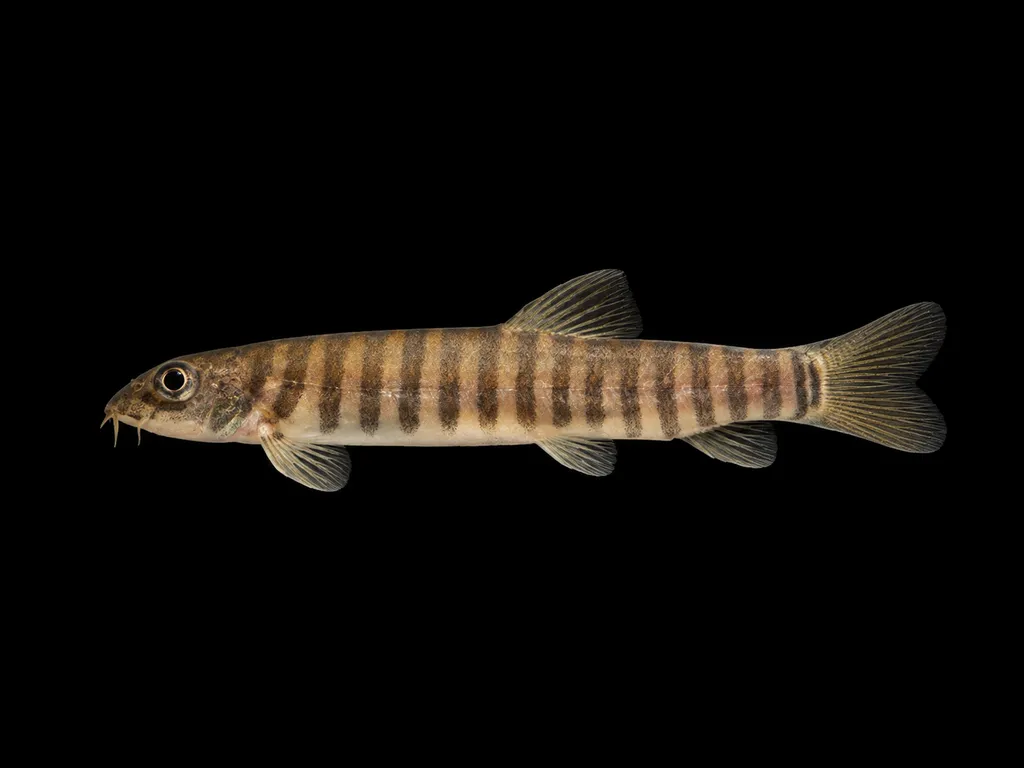
Assam banded loach
Neonoemacheilus assamensis
Freshwater1.8 in (4.5 cm) · 14 gal (54 L)68–79°F (20–26°C)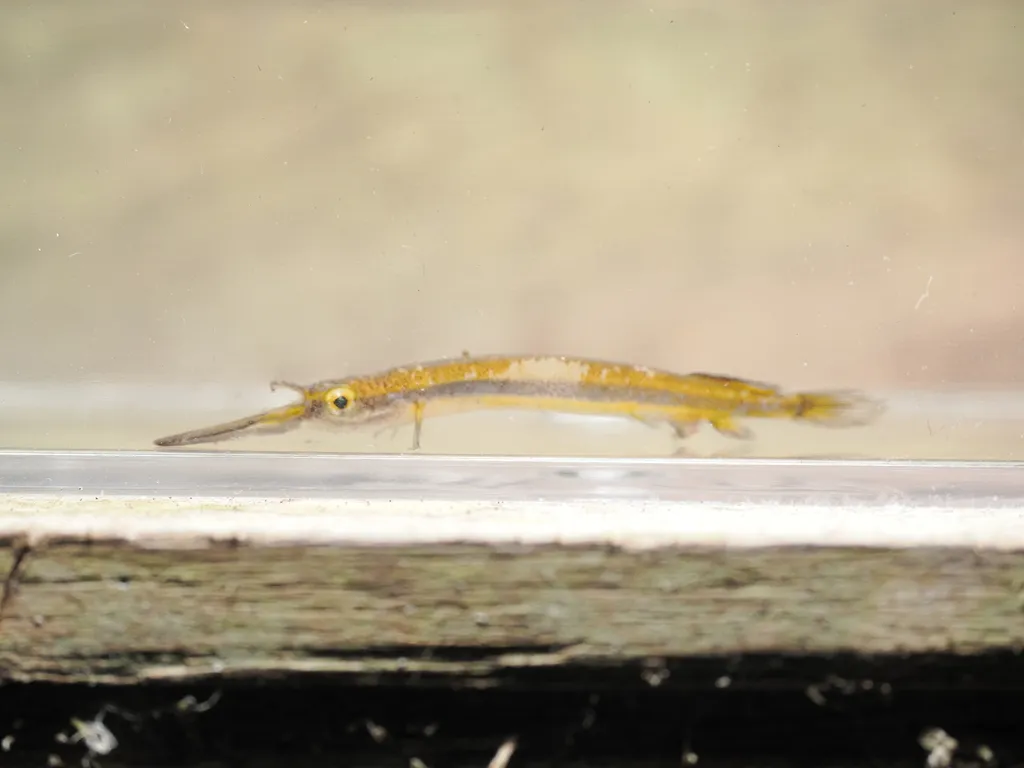
Gold-spotted halfbeak
Hemirhamphodon chrysopunctatus
Freshwater2.6 in (6.5 cm) · 14 gal (54 L)73–81°F (23–27°C)
Common questions
What size tank does a Narayan barb need?
A Narayan barb needs at least 14 gal (54 L). It spends most of its time in the middle.
What temperature and pH does a Narayan barb need?
A Narayan barb is comfortable at 68–77°F (20–25°C) with a pH of 6.0–7.2.
What does a Narayan barb eat?
A Narayan barb eats small foods, such as fine flake, micro pellets and frozen daphnia or cyclops.
How big does a Narayan barb get?
An adult Narayan barb reaches about 1.8 in (4.5 cm).
Does a Narayan barb need a group?
Yes. A Narayan barb is a schooling species and should be kept in a group, not singly.
How does a Narayan barb breed?
Narayan barbs have no documented aquarium breeding. Their relatives are typically egg scatterers.
Related species
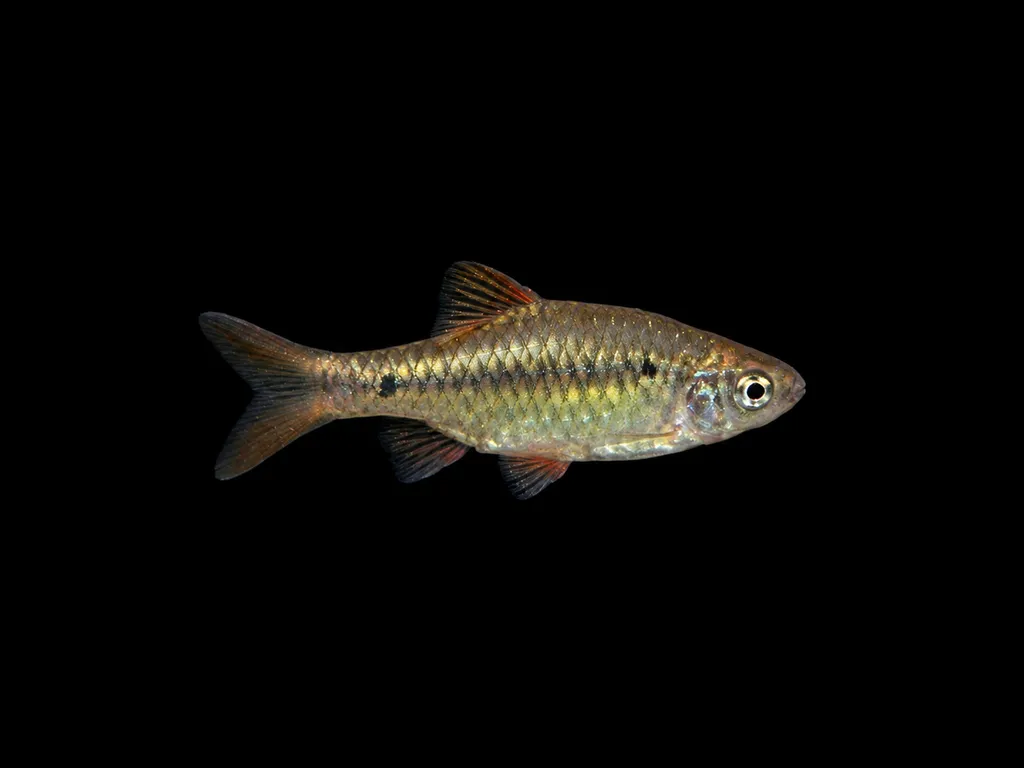 1.8 in (4.5 cm)14 gal (54 L)68–77°F (20–25°C)
Manipur barb
Pethia manipurensis
1.8 in (4.5 cm) · 14 gal (54 L)
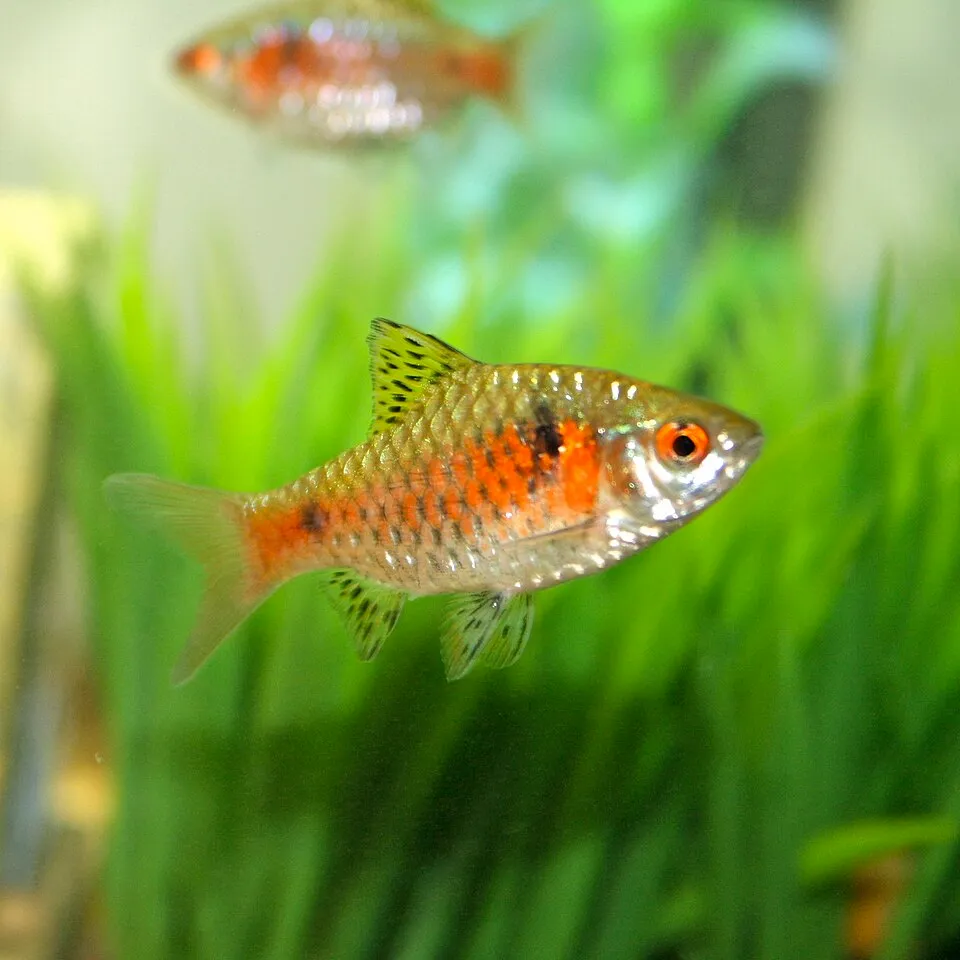 1.8 in (4.5 cm)20 gal (75 L)61–77°F (16–25°C)
Odessa barb
Pethia padamya
1.8 in (4.5 cm) · 20 gal (75 L)
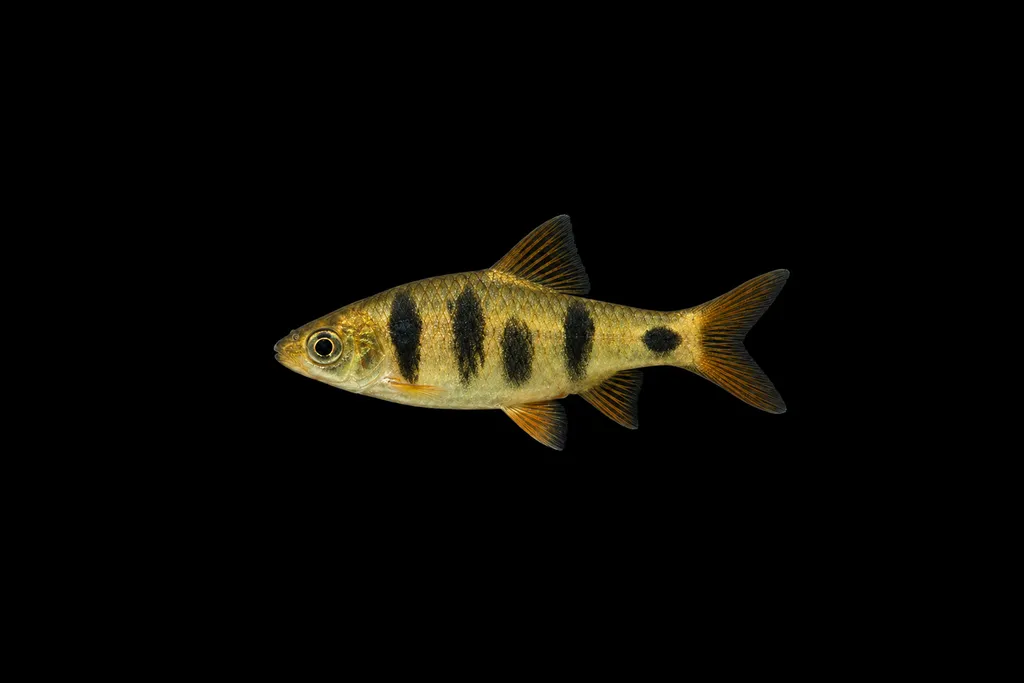 1.8 in (4.5 cm)14 gal (54 L)68–77°F (20–25°C)
Tiantian barb
Pethia tiantian
1.8 in (4.5 cm) · 14 gal (54 L)
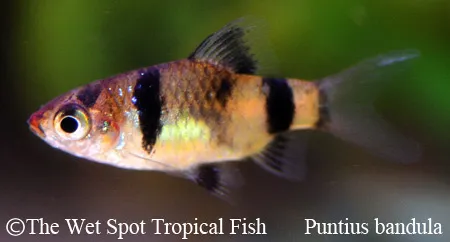 2 in (5 cm)20 gal (75 L)73–81°F (23–27°C)
Bandula barb
Pethia bandula
2 in (5 cm) · 20 gal (75 L)
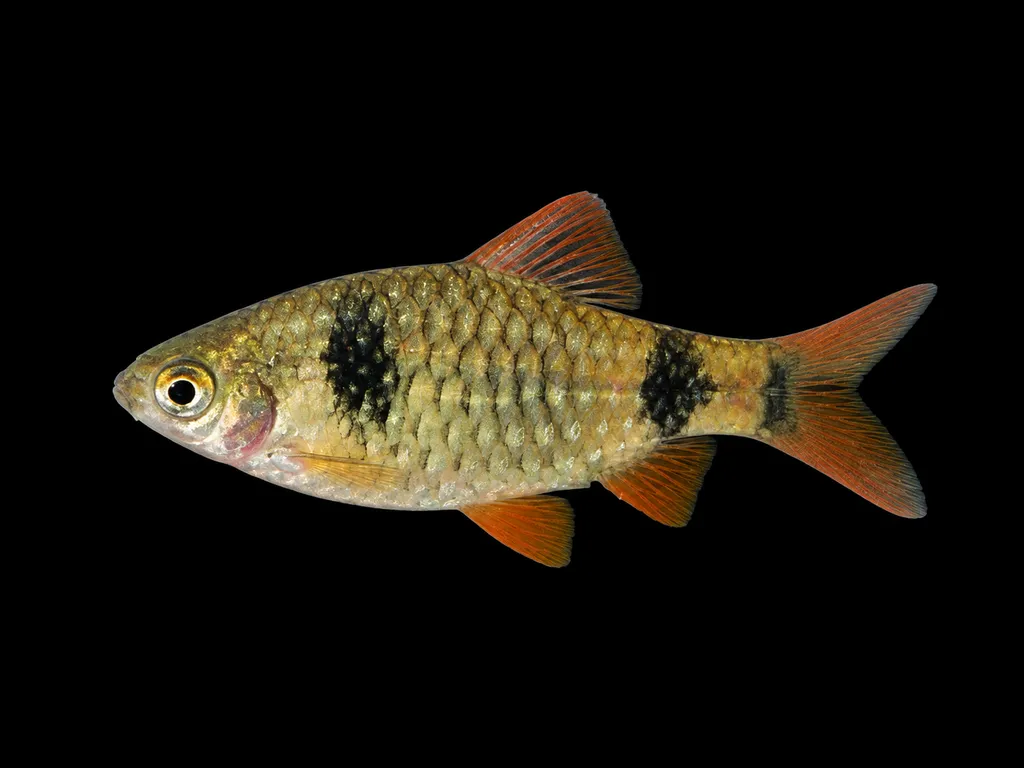 2 in (5 cm)16 gal (60 L)72–81°F (22–27°C)
Cuming's barb
Pethia cumingii
2 in (5 cm) · 16 gal (60 L)
 2 in (5 cm)20 gal (75 L)72–81°F (22–27°C)
Setna barb
Pethia setnai
2 in (5 cm) · 20 gal (75 L)