Odessa barb
Pethia padamya
Also known as scarlet barb
FreshwaterFish
Care at a glance
- Temperature
- 61–77°F
- 16–25°C
- pH
- 6.0–7.0
- Adult size
- 1.8 in
- 4.5 cm
- Minimum tank
- 20 gal
- 75 L
- Temperament
- Peaceful
- Social behavior
- Schooling
- Swim level
- Middle
- Difficulty
- Easy
- Breeding
- Medium
- Rarity
- Rare
- Family
- Cyprinidae
- Origin
- Myanmar
Overview
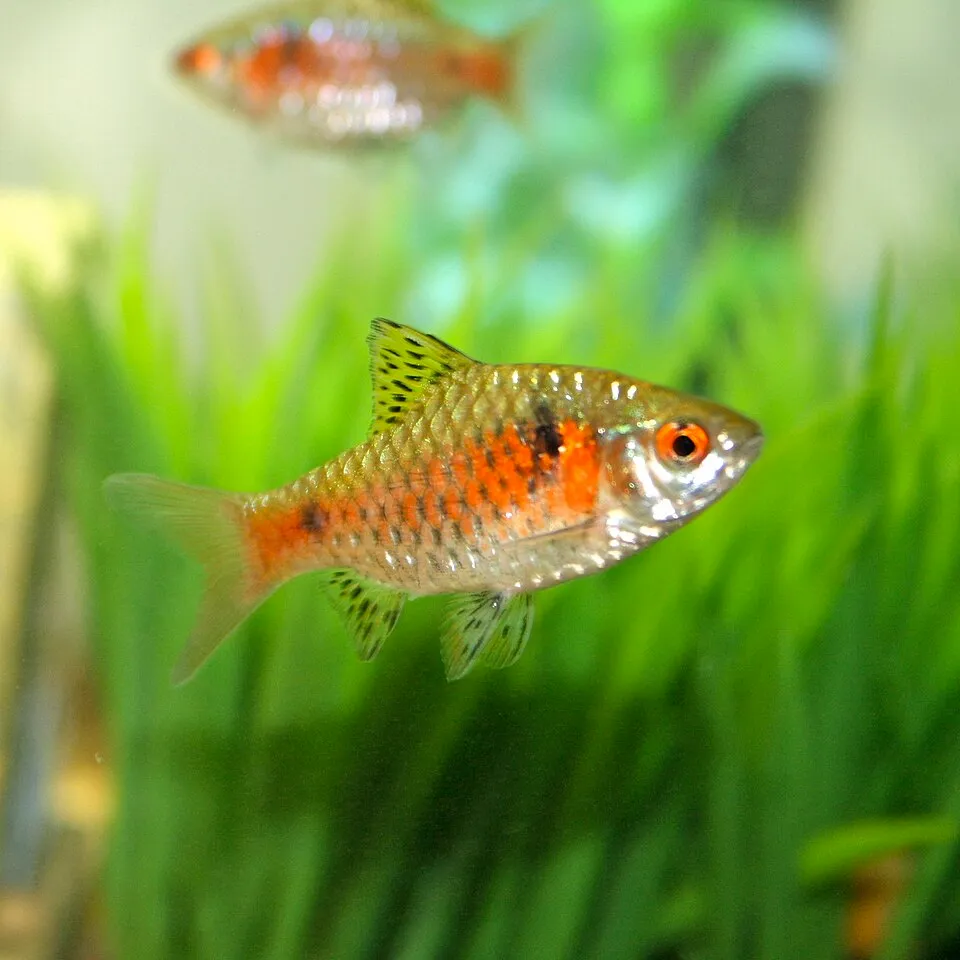
Keep them in a school of six or more in a tank of at least 75 liters, since smaller groups tend to get nippy. They're active swimmers that work the middle of the tank and are generally peaceful in a proper group. Aim for cool to moderate temperatures and a pH from 6 to 7. Feed quality flake and small pellets with regular frozen or live foods like bloodworm and daphnia to keep the males' red strong.
In the wild
The Odessa barb comes from Myanmar, living in streams, pools, and ponds with cooler, moving water. Conditions there run soft to slightly hard and acidic to neutral. A planted tank with open swimming space works well, and they don't need it warm. They're comfortable from the high teens up into the mid 20s C. That cooler tolerance makes them a good unheated or lightly heated option.
Good to know
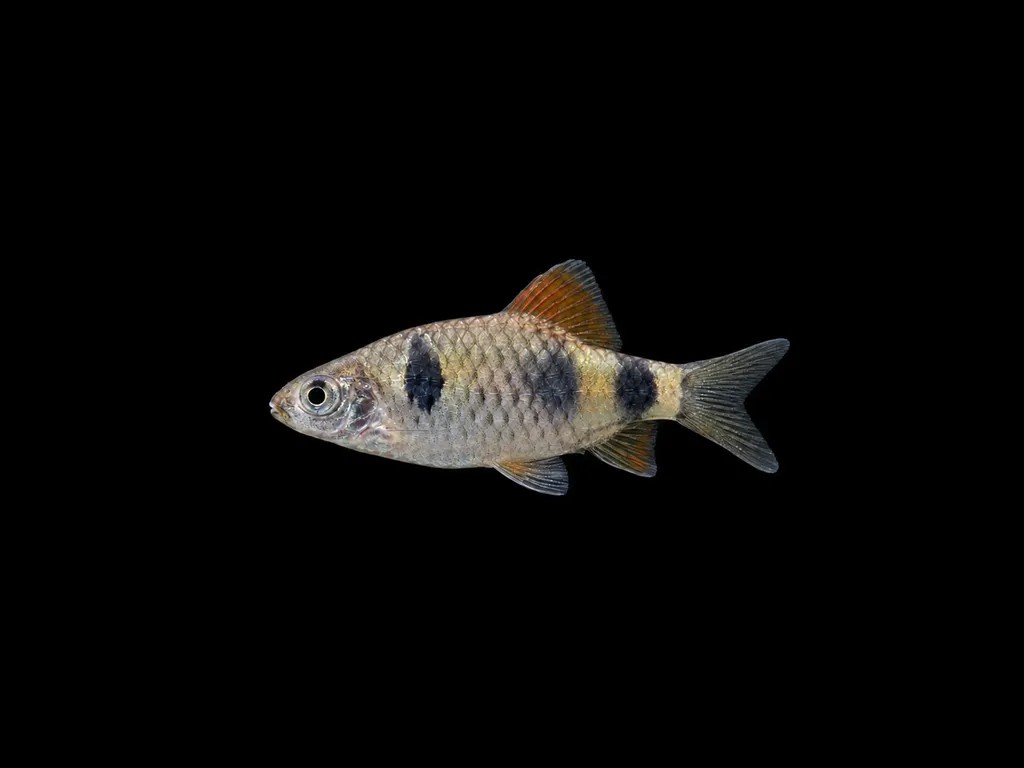
This is a small barb in the family Cyprinidae, reaching about 4 to 5 cm. It wasn't formally described until 2008, fairly recent for a fish that had been in the hobby for decades. Males show a broad red band along the body, while females stay plainer. They're egg scatterers with no parental care.
Did you know
The name is a bit of a mystery. The fish first reached the hobby through the city of Odessa, in what is now Ukraine, and the name stuck even though the species is native to Myanmar. For years nobody was even sure exactly which wild population the aquarium strain came from.
Weekly picks
Tank mates
Odessa barb is a peaceful, schooling species that keeps to the middle. These picks share a community profile with it, are safe together in both directions, and overlap on water type, temperature and pH.
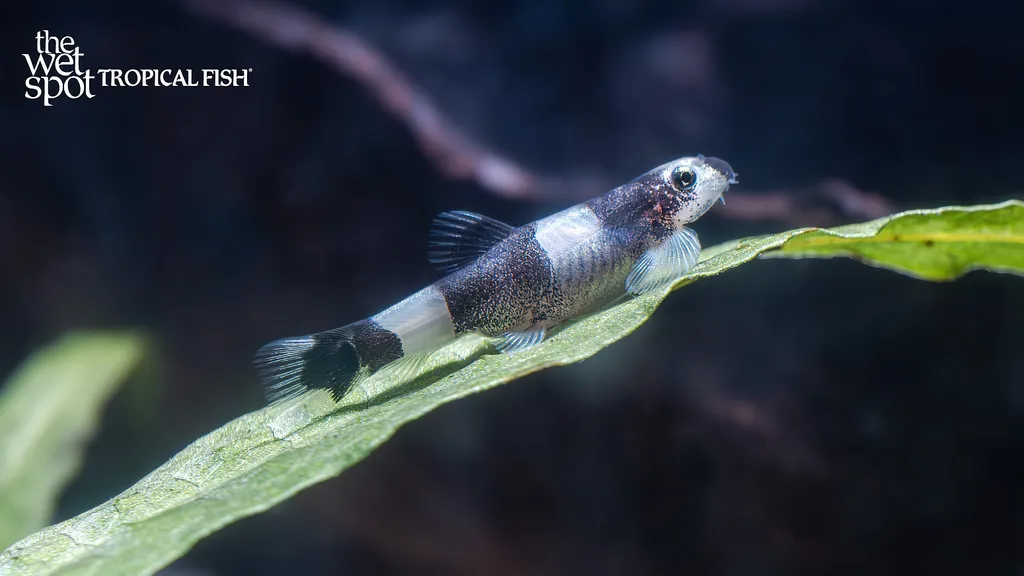
Panda loach
Yaoshania pachychilus
Freshwater2.8 in (7 cm) · 20 gal (75 L)64–75°F (18–24°C)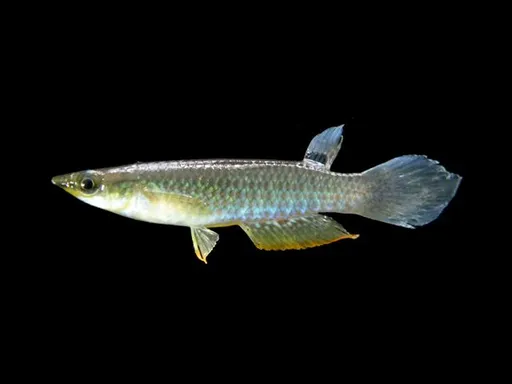
Blue panchax
Aplocheilus panchax
Freshwater3.5 in (9 cm) · 20 gal (75 L)72–82°F (22–28°C)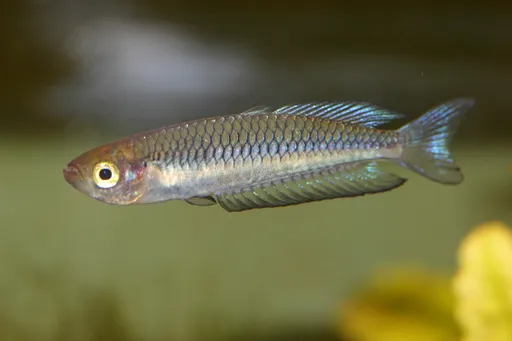
Ornate rainbowfish
Rhadinocentrus ornatus
Freshwater2.4 in (6 cm) · 20 gal (75 L)64–82°F (18–28°C)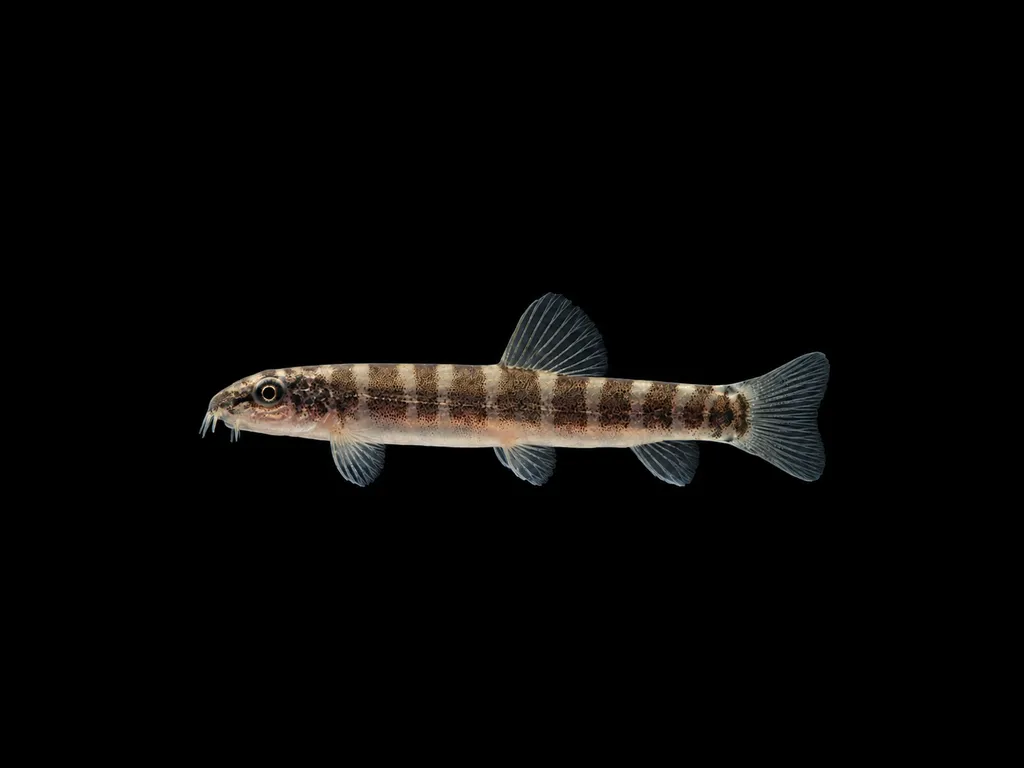
Savona loach
Schistura savona
Freshwater2 in (5 cm) · 20 gal (75 L)64–77°F (18–25°C)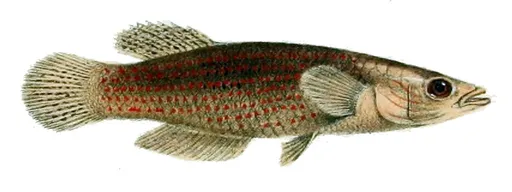
Playfair's panchax
Pachypanchax playfairii
Freshwater3.9 in (10 cm) · 20 gal (75 L)72–77°F (22–25°C)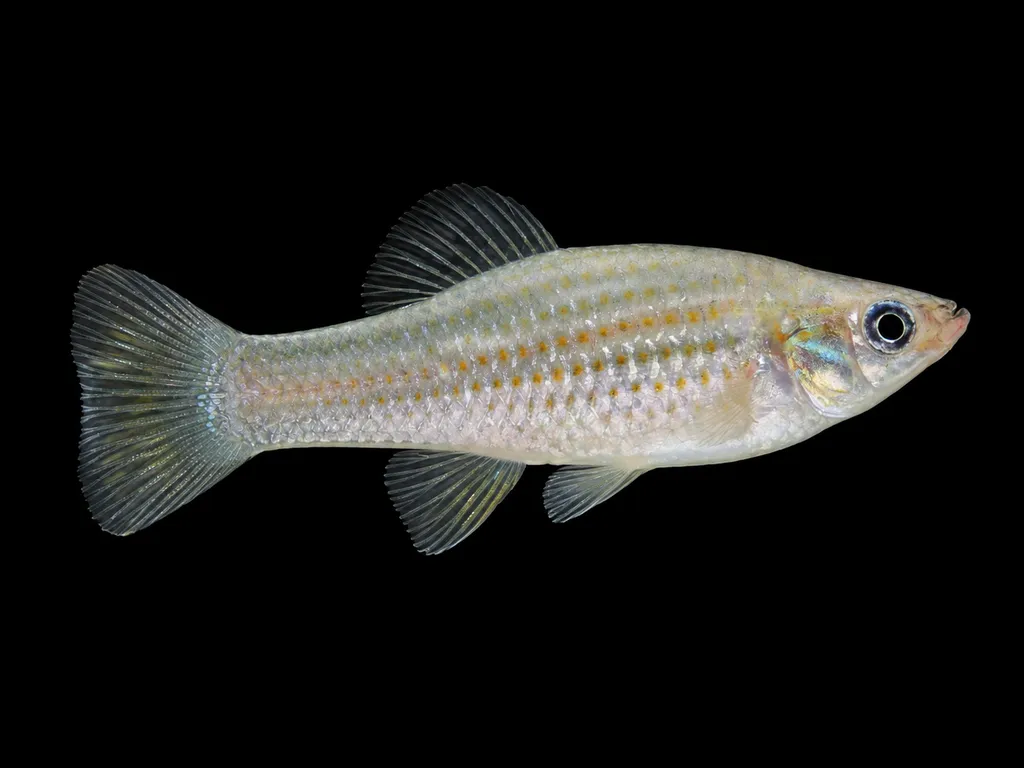
Amazon molly
Poecilia formosa
Freshwater3.5 in (9 cm) · 20 gal (75 L)68–82°F (20–28°C)
Common questions
What size tank does an Odessa barb need?
An Odessa barb needs at least 20 gal (75 L). It spends most of its time in the middle.
What temperature and pH does an Odessa barb need?
An Odessa barb is comfortable at 61–77°F (16–25°C) with a pH of 6.0–7.0.
How big does an Odessa barb get?
An adult Odessa barb reaches about 1.8 in (4.5 cm).
Does an Odessa barb need a group?
Yes. An Odessa barb is a schooling species and should be kept in a group, not singly.
Related species
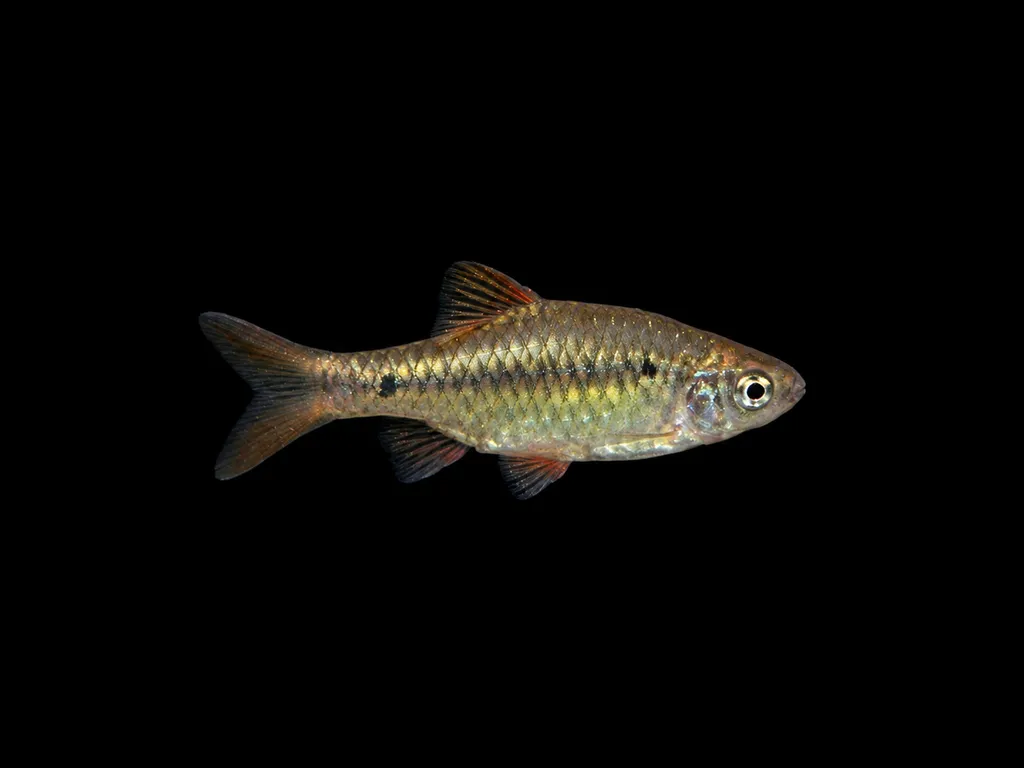 1.8 in (4.5 cm)14 gal (54 L)68–77°F (20–25°C)
Manipur barb
Pethia manipurensis
1.8 in (4.5 cm) · 14 gal (54 L)
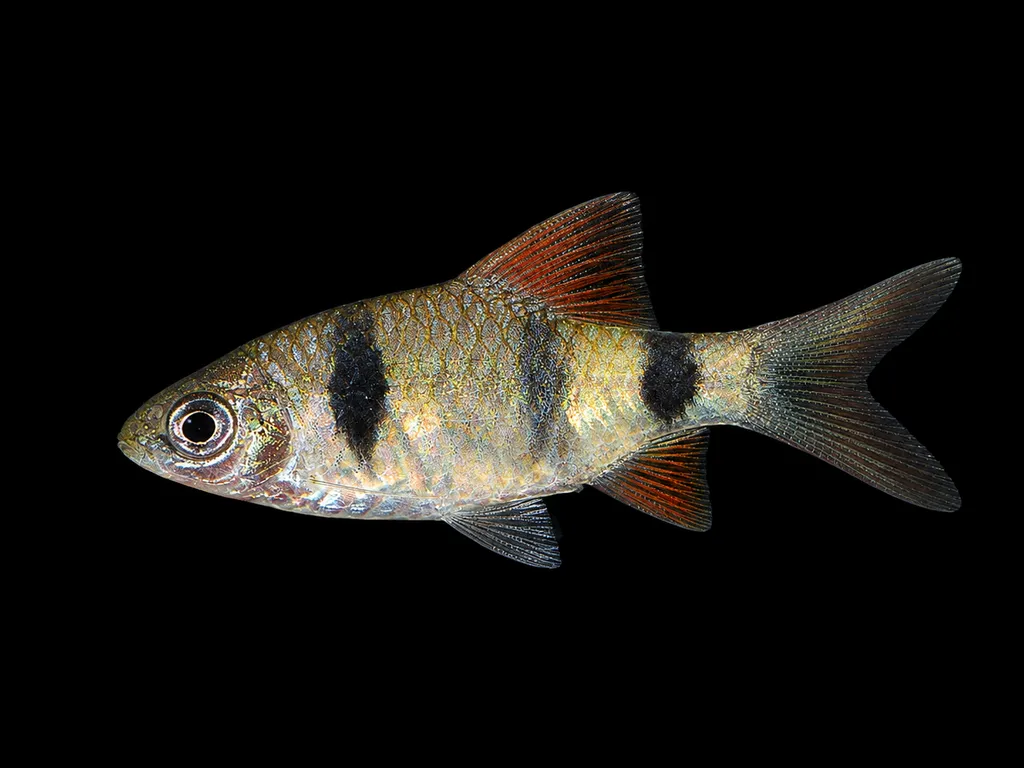 1.8 in (4.5 cm)14 gal (54 L)68–77°F (20–25°C)
Narayan barb
Pethia narayani
1.8 in (4.5 cm) · 14 gal (54 L)
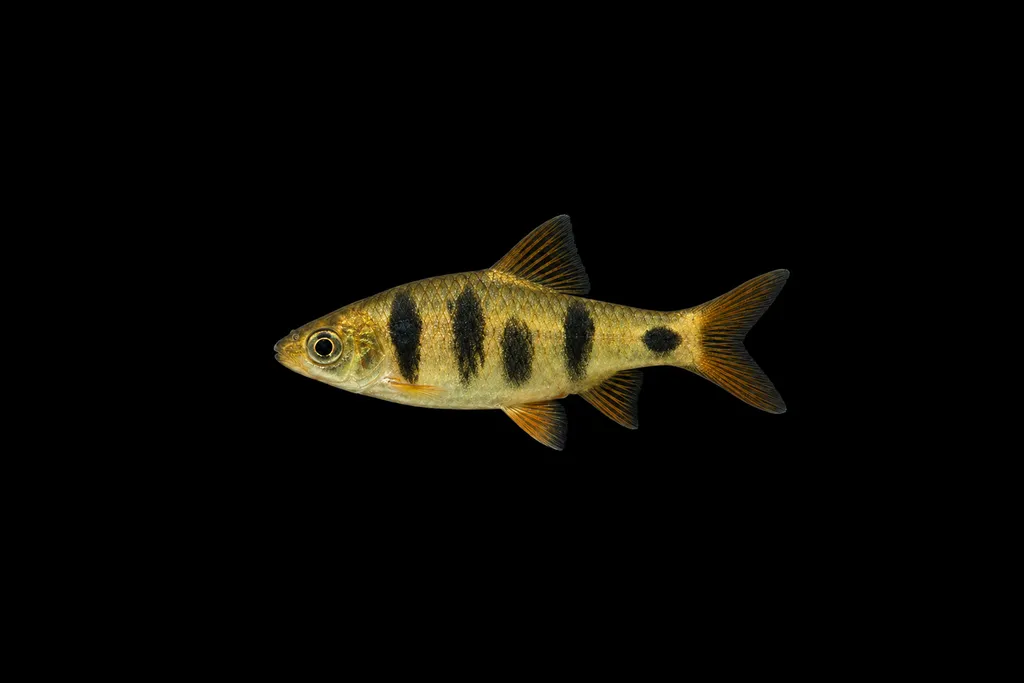 1.8 in (4.5 cm)14 gal (54 L)68–77°F (20–25°C)
Tiantian barb
Pethia tiantian
1.8 in (4.5 cm) · 14 gal (54 L)
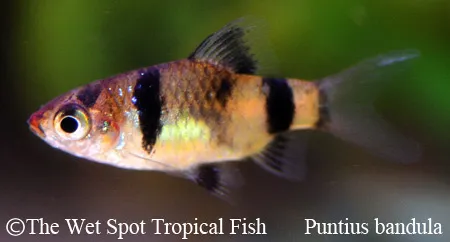 2 in (5 cm)20 gal (75 L)73–81°F (23–27°C)
Bandula barb
Pethia bandula
2 in (5 cm) · 20 gal (75 L)
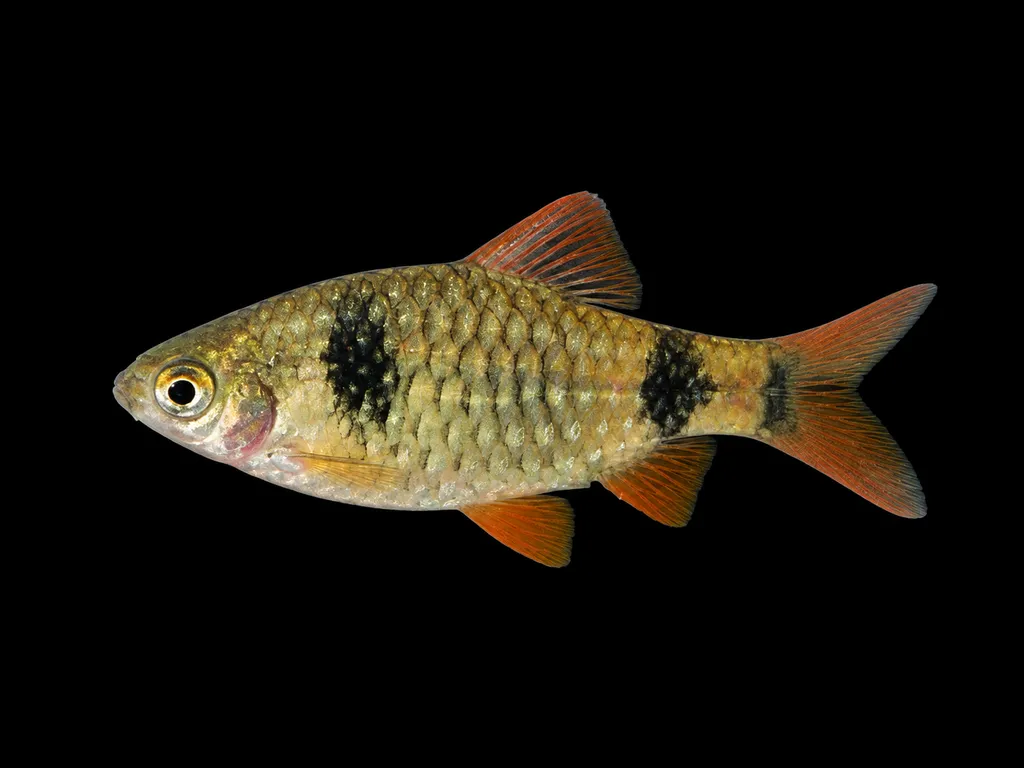 2 in (5 cm)16 gal (60 L)72–81°F (22–27°C)
Cuming's barb
Pethia cumingii
2 in (5 cm) · 16 gal (60 L)
 2 in (5 cm)20 gal (75 L)72–81°F (22–27°C)
Setna barb
Pethia setnai
2 in (5 cm) · 20 gal (75 L)