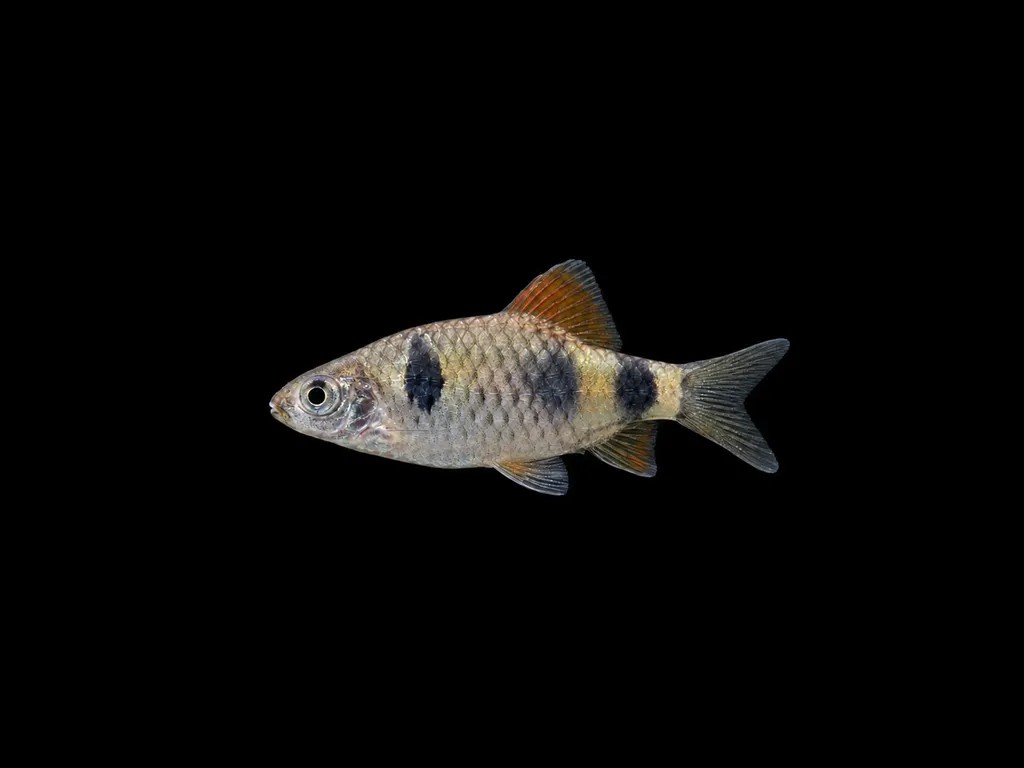
Setna barb
Pethia setnai
Also known as Indigo barb, Puntius setnai
FreshwaterFish
Care at a glance
- Temperature
- 72–81°F
- 22–27°C
- pH
- 6.0–7.2
- Adult size
- 2 in
- 5 cm
- Minimum tank
- 20 gal
- 75 L
- Temperament
- Peaceful
- Social behavior
- Schooling
- Swim level
- Middle
- Difficulty
- Medium
- Breeding
- No record
- Rarity
- Rare
- Family
- Cyprinidae
- Origin
- Goa and Maharashtra coastal rivers, India
Overview
The Setna barb is a small, peaceful shoaling fish for the middle of a planted tank. It is a step up from the easiest barbs.
Did you know
The Setna barb lives nowhere else on Earth but a narrow coastal strip of India. There, short rivers run from the Western Ghats to the Arabian Sea in under a hundred kilometers.
Caring for the Setna barb
Keep Setna barbs in a group of six or more, which keeps them confident. A tank of 20 gal (75 L) holds a good group comfortably. Give them a planted tank with soft, gentle flow, some botanical cover, and open swimming space in front.
Keep the water at 72 to 81°F (22 to 27°C) and a pH of 6.0 to 7.2. Stable, clean water matters to this narrowly distributed fish. Feed good flake, micro pellets, and small frozen foods such as daphnia and bloodworm.
Setna barbs are peaceful and swim in the middle water. They mix well with other calm, similarly sized community fish, including small rasboras, dwarf barbs and peaceful bottom dwellers. Males carry an indigo sheen that a confident group brings out. Aquarium breeding is not documented, though as a small barb it is presumably an egg scatterer.
Good to know
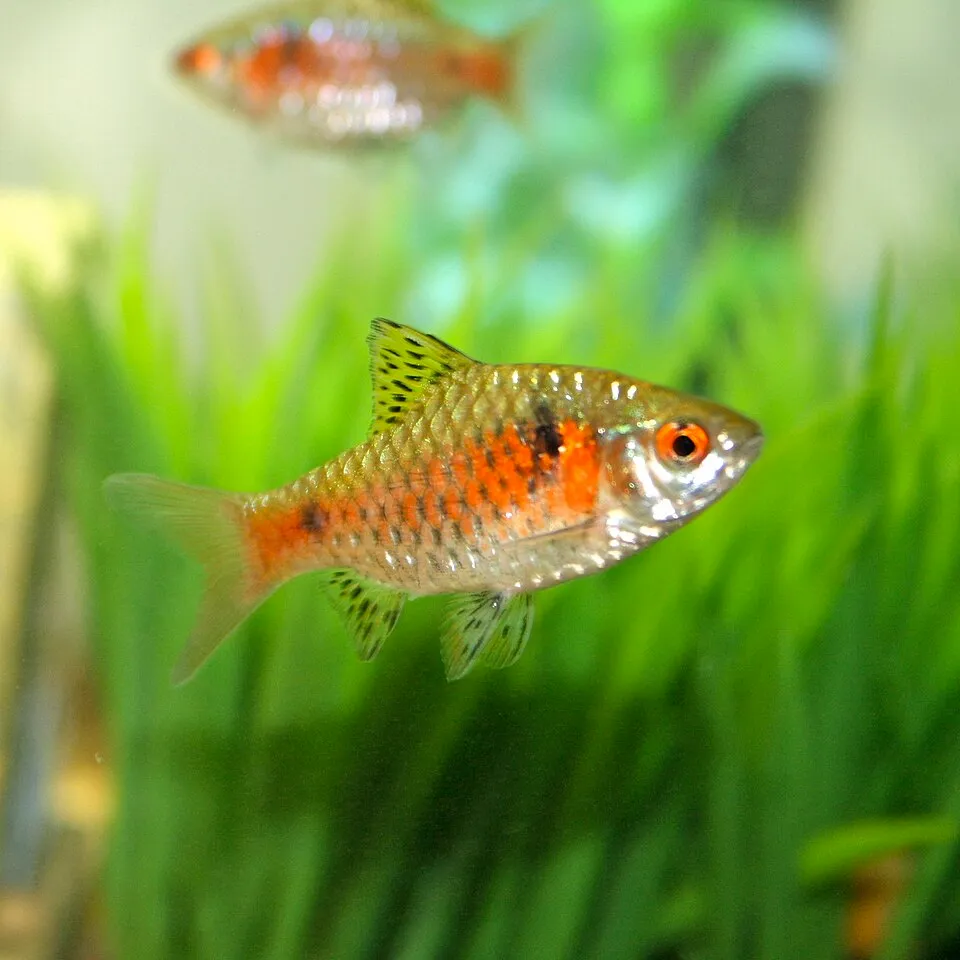
Pethia setnai is a carp-family fish in the Cyprinidae, described by Chhapgar and Sane in 1992. It is silver-gold and crossed by dark indigo bars. It is restricted to a small area of the northern Western Ghats and is listed as Vulnerable on the IUCN Red List. It also goes by the indigo barb and Puntius setnai.
In the wild
Pethia setnai is endemic to a short stretch of India's west coast, in the west-flowing rivers of Goa, southern Maharashtra and northern Karnataka. It lives in clear streams among plants and leaf litter.
Weekly picks
Tank mates
The Setna barb is a peaceful, schooling species that keeps to the middle. These picks share a community profile with it, are safe together in both directions, and overlap on water type, temperature and pH.
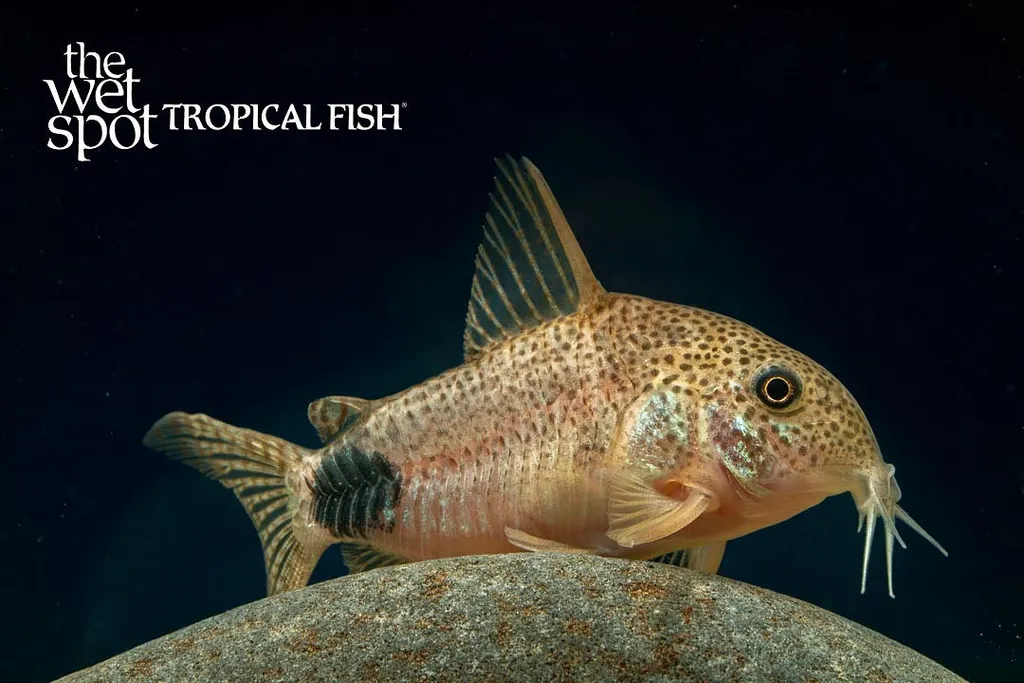
Tailspot cory
Hoplisoma caudimaculatum
Freshwater2 in (5 cm) · 20 gal (75 L)68–81°F (20–27°C)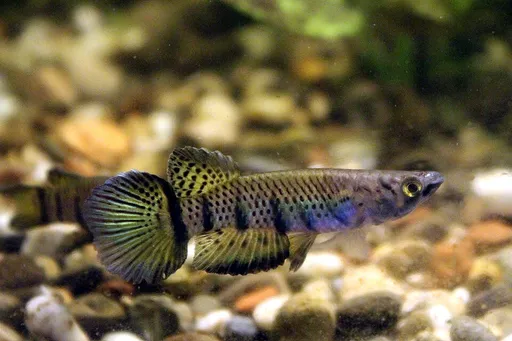
Six-barred panchax
Epiplatys sexfasciatus
Freshwater3.9 in (10 cm) · 20 gal (75 L)72–81°F (22–27°C)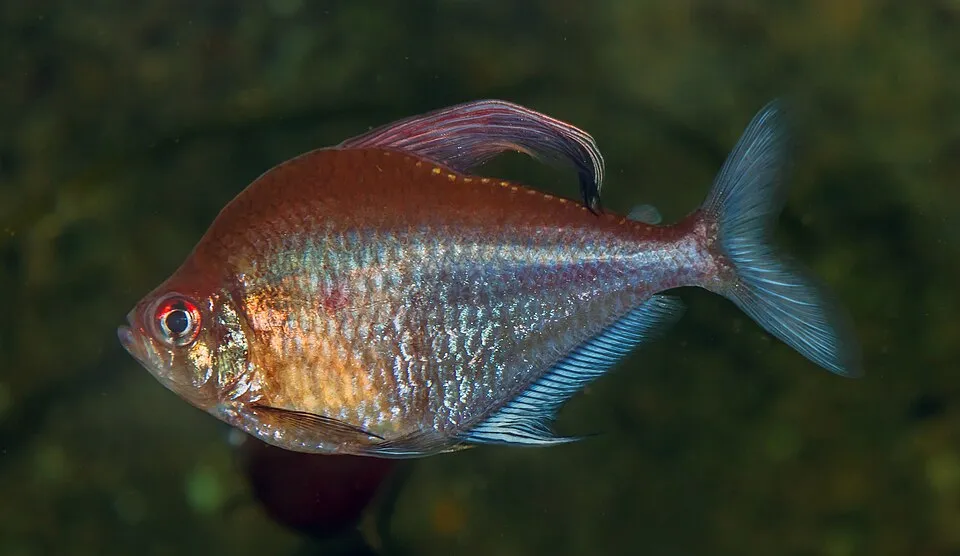
Bleeding heart tetra
Hyphessobrycon erythrostigma
Freshwater2.4 in (6 cm) · 20 gal (75 L)70–81°F (21–27°C)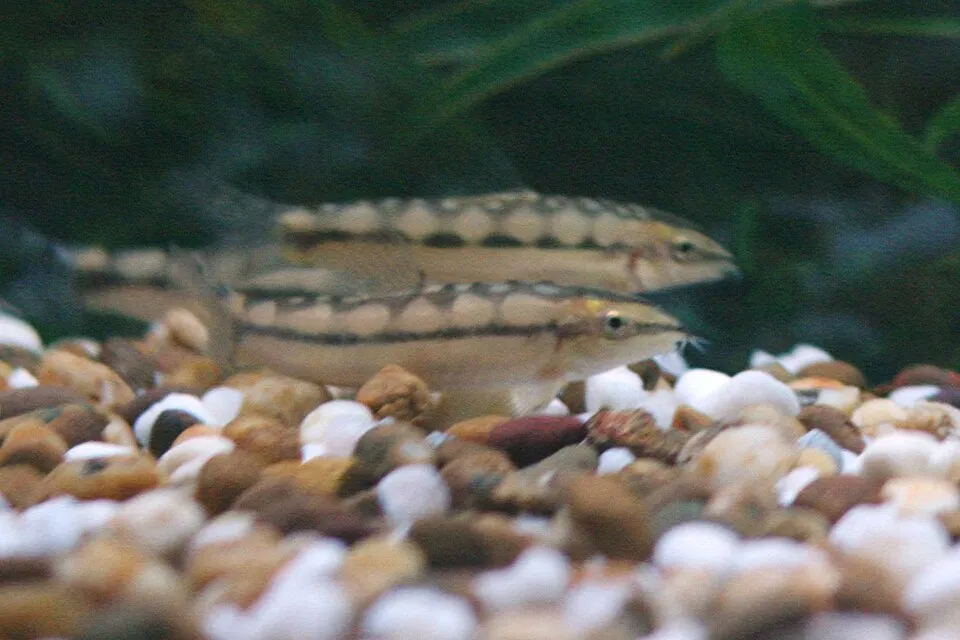
Dwarf botia
Ambastaia sidthimunki
Freshwater2.4 in (6 cm) · 20 gal (75 L)68–86°F (20–30°C)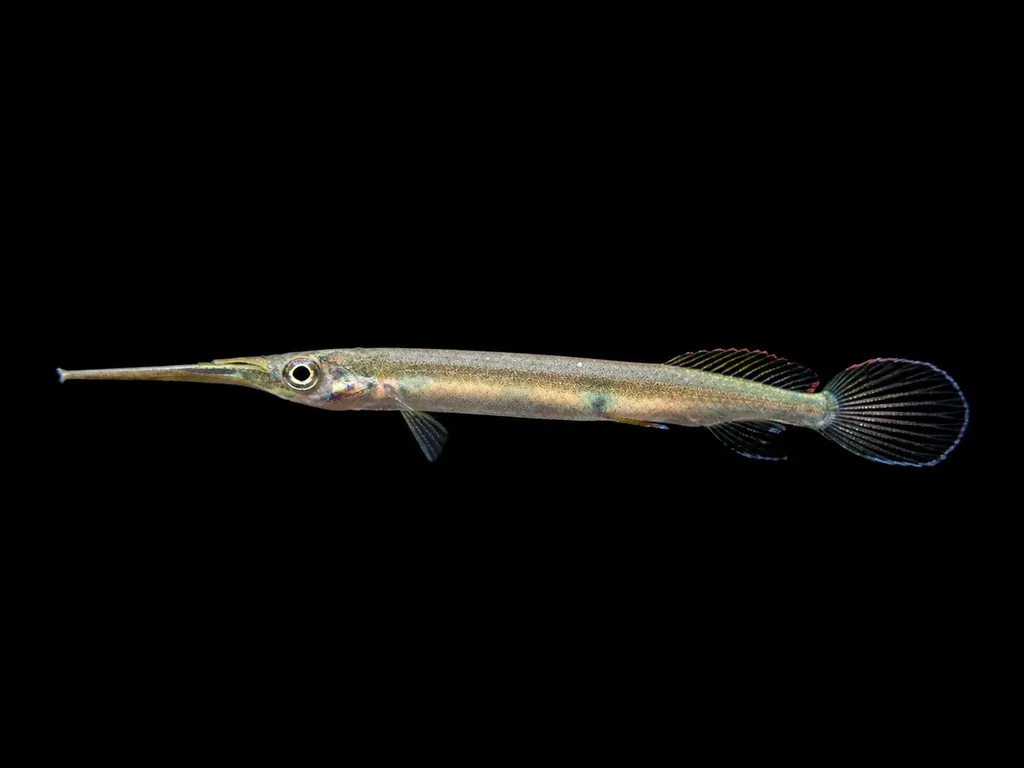
Kuekenthal's halfbeak
Hemirhamphodon kuekenthali
Freshwater3.3 in (8.5 cm) · 20 gal (75 L)73–81°F (23–27°C)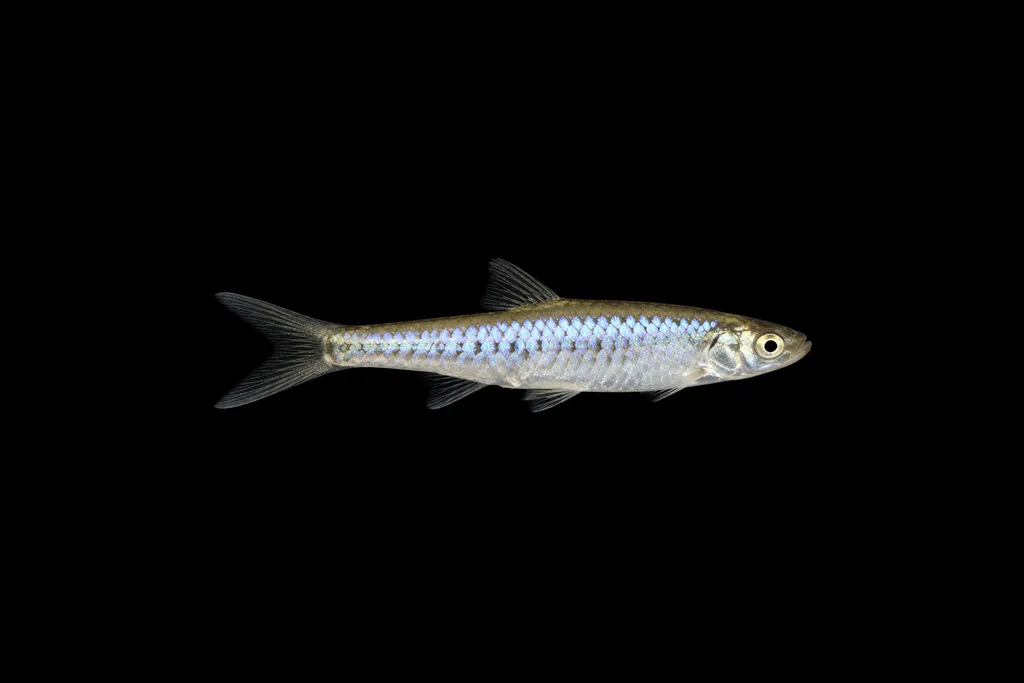
Ninescale rasbora
Rasbora ennealepis
Freshwater2.2 in (5.5 cm) · 20 gal (75 L)72–81°F (22–27°C)
Common questions
What size tank does a Setna barb need?
A Setna barb needs at least 20 gal (75 L). It spends most of its time in the middle.
What temperature and pH does a Setna barb need?
A Setna barb is comfortable at 72–81°F (22–27°C) with a pH of 6.0–7.2.
What does a Setna barb eat?
A Setna barb eats good flake, micro pellets, and small frozen foods such as daphnia and bloodworm.
How big does a Setna barb get?
An adult Setna barb reaches about 2 in (5 cm).
Does a Setna barb need a group?
Yes. A Setna barb is a schooling species and should be kept in a group, not singly.
How can you tell a male Setna barb from a female?
Males carry an indigo sheen, which shows best in a confident group of six or more.
How does a Setna barb breed?
The Setna barb has no documented aquarium breeding. As a small barb, it is presumably an egg scatterer.
Related species
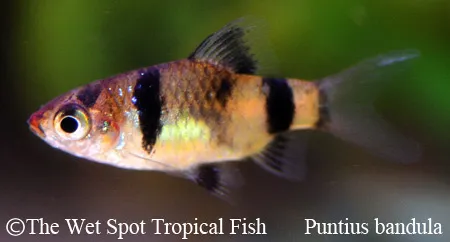 2 in (5 cm)20 gal (75 L)73–81°F (23–27°C)
Bandula barb
Pethia bandula
2 in (5 cm) · 20 gal (75 L)
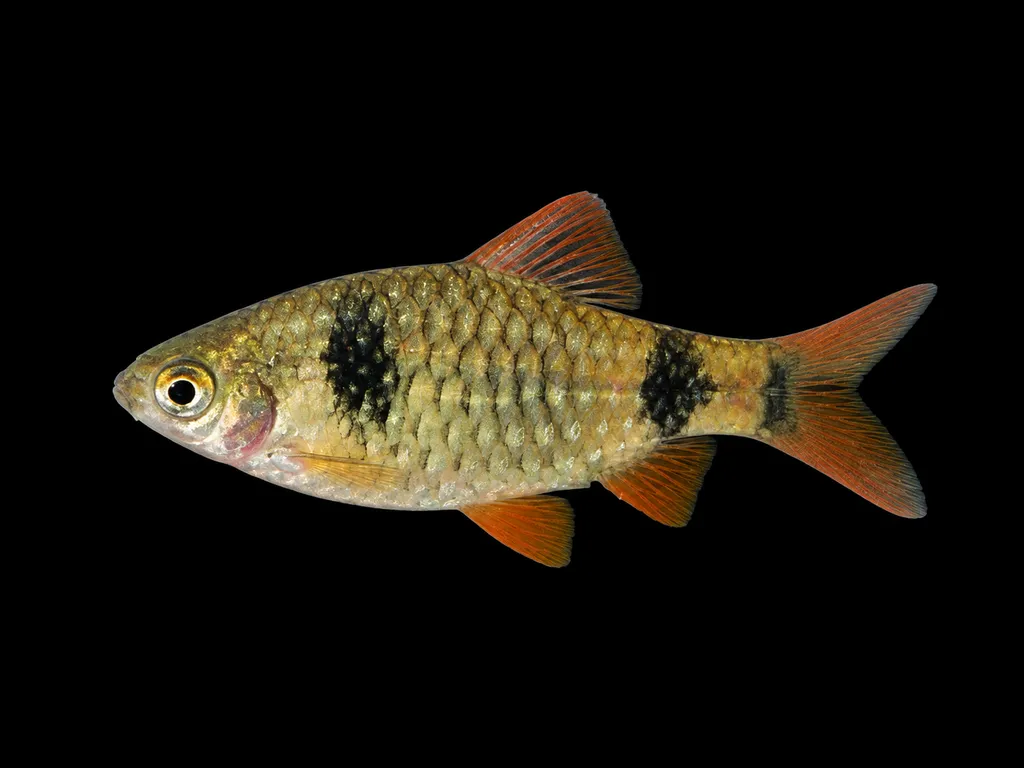 2 in (5 cm)16 gal (60 L)72–81°F (22–27°C)
Cuming's barb
Pethia cumingii
2 in (5 cm) · 16 gal (60 L)
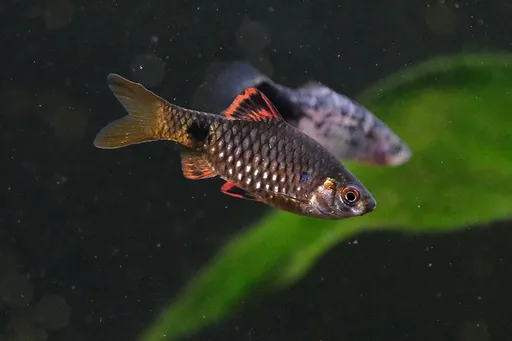 2 in (5 cm)20 gal (75 L)64–79°F (18–26°C)
Stoliczka's barb
Pethia stoliczkana
2 in (5 cm) · 20 gal (75 L)
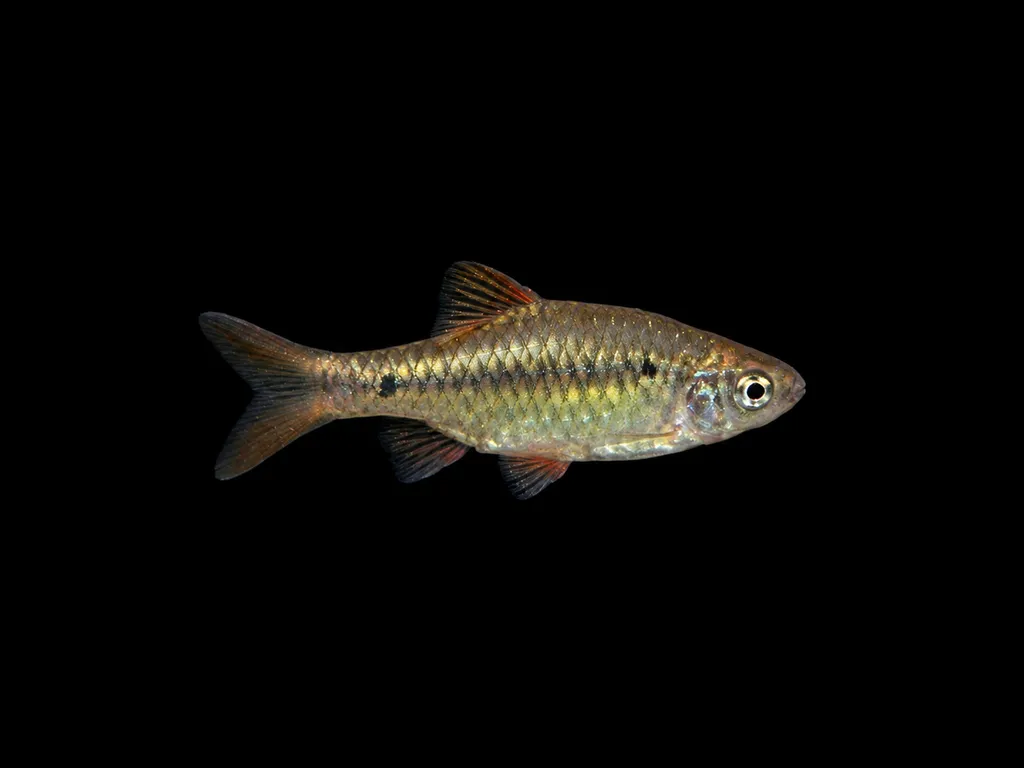 1.8 in (4.5 cm)14 gal (54 L)68–77°F (20–25°C)
Manipur barb
Pethia manipurensis
1.8 in (4.5 cm) · 14 gal (54 L)
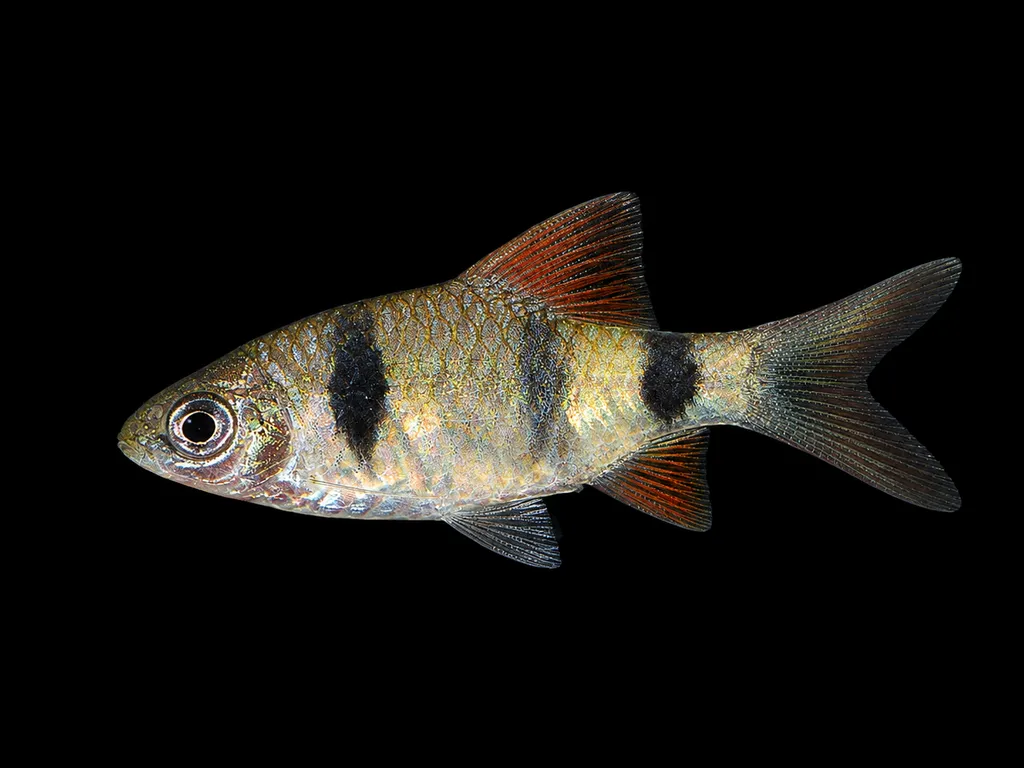 1.8 in (4.5 cm)14 gal (54 L)68–77°F (20–25°C)
Narayan barb
Pethia narayani
1.8 in (4.5 cm) · 14 gal (54 L)
 1.8 in (4.5 cm)20 gal (75 L)61–77°F (16–25°C)
Odessa barb
Pethia padamya
1.8 in (4.5 cm) · 20 gal (75 L)