Ninescale rasbora
Rasbora ennealepis
Also known as Nine-scaled rasbora, Red fin rasbora
FreshwaterFish
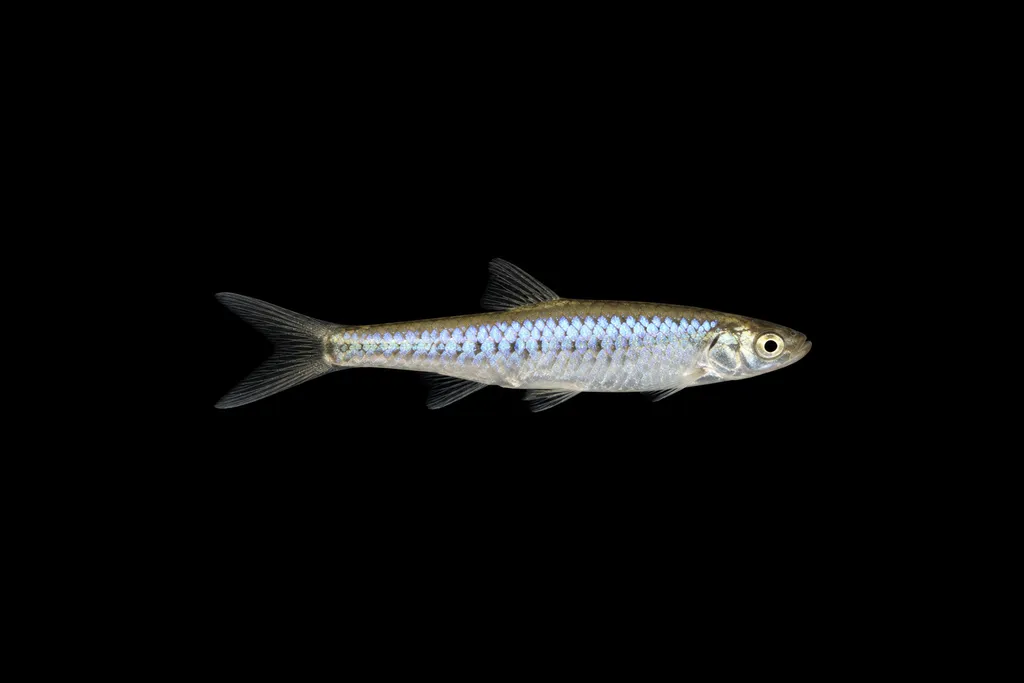
Care at a glance
- Temperature
- 72–81°F
- 22–27°C
- pH
- 5.5–7.0
- Adult size
- 2.2 in
- 5.5 cm
- Minimum tank
- 20 gal
- 75 L
- Temperament
- Peaceful
- Social behavior
- Schooling
- Swim level
- Middle
- Difficulty
- Medium
- Breeding
- No record
- Rarity
- Rare
- Family
- Danionidae
- Origin
- Western Borneo, Indonesia
Overview
The ninescale rasbora is an easy-going schooling fish for a Bornean community tank. It is a step up from the easiest fish.
Did you know
The ninescale rasbora belongs to a genus full of near-identical fish. Taxonomists told it apart by counting nine scales in the row ahead of the dorsal fin.
Caring for the ninescale rasbora
Give a group of ninescale rasboras a planted tank of 20 gal (75 L) or larger. Soft water, open lanes and gentle flow suit them. They show their best color over a dark substrate. Botanicals soften and tint the water.
Aim for 72 to 81°F (22 to 27°C) and a pH of 5.5 to 7.0. They feed on anything suitably small, so offer crushed flake, micro pellets and frozen daphnia, cyclops and baby brine shrimp.
Keep a group of eight or more. They are peaceful and stay in the middle of the tank. Good companions are small, calm fish such as gouramis and small loaches. The species has no recorded aquarium spawning.
Good to know
Rasbora ennealepis is a member of the danio family, Danionidae. Roberts described it in 1989, and its name means nine scales.
In the wild
The ninescale rasbora lives in streams of western Borneo, in soft, slightly acidic, often tannin-stained water among plants and leaf litter.
Weekly picks
Tank mates
The ninescale rasbora is a peaceful, schooling species that keeps to the middle. These picks share a community profile with it, are safe together in both directions, and overlap on water type, temperature and pH.
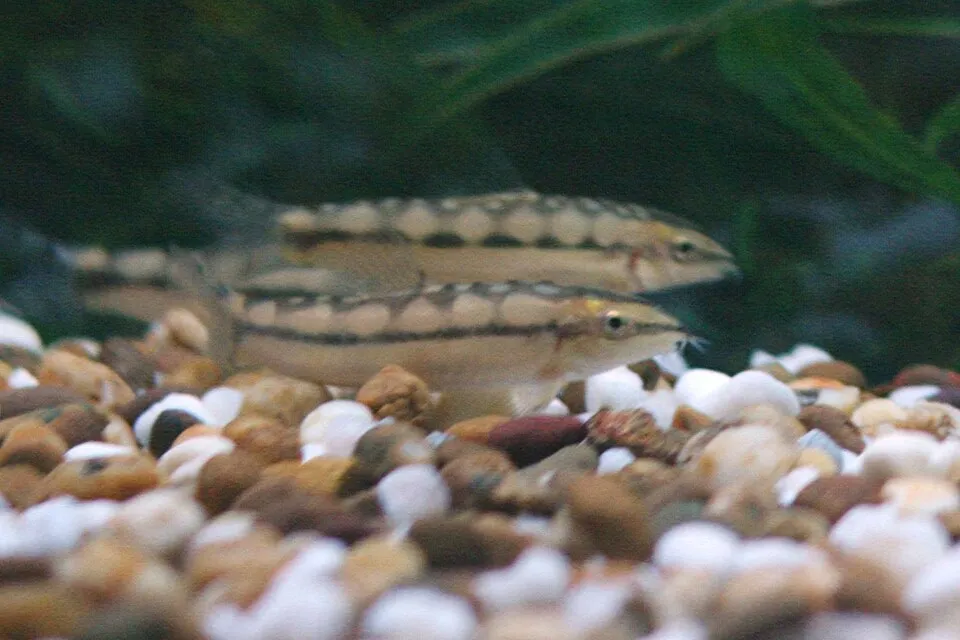
Dwarf botia
Ambastaia sidthimunki
Freshwater2.4 in (6 cm) · 20 gal (75 L)68–86°F (20–30°C)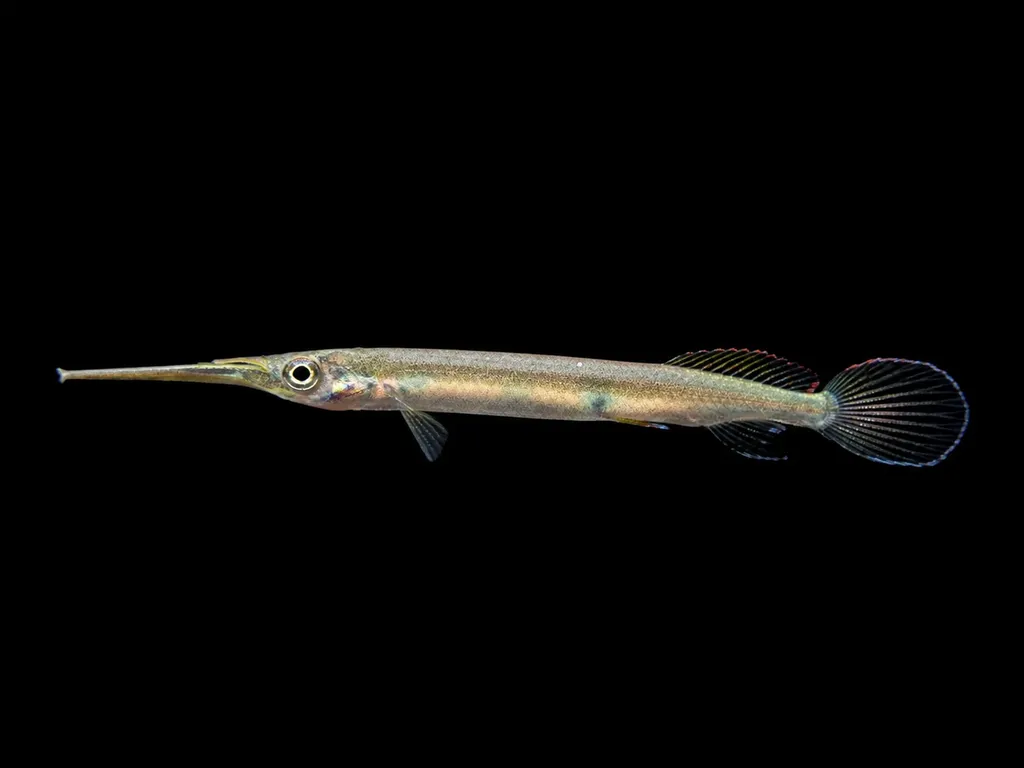
Kuekenthal's halfbeak
Hemirhamphodon kuekenthali
Freshwater3.3 in (8.5 cm) · 20 gal (75 L)73–81°F (23–27°C)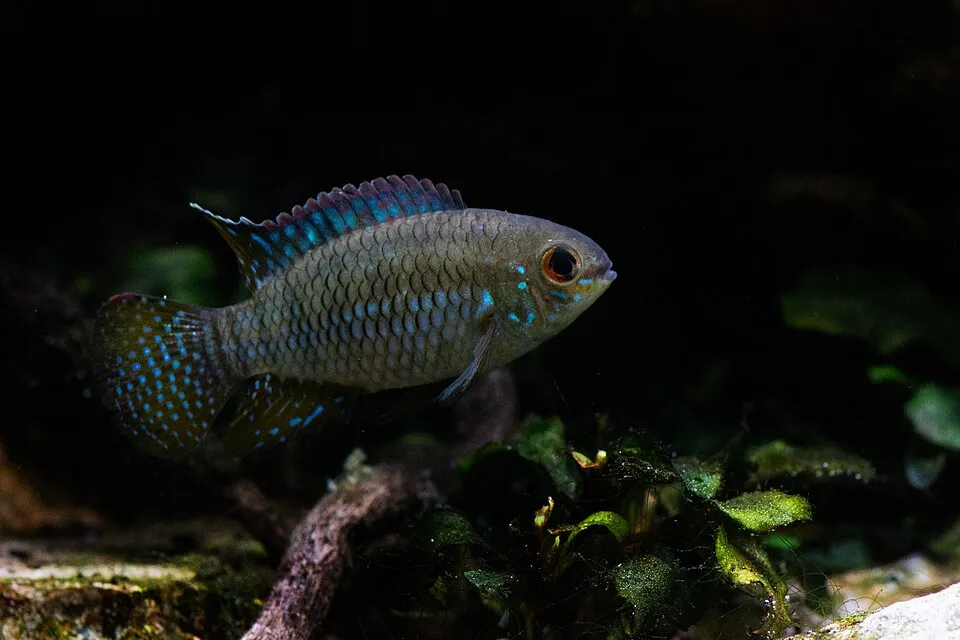
Dwarf flag cichlid
Laetacara curviceps
Freshwater2.2 in (5.5 cm) · 20 gal (75 L)68–82°F (20–28°C)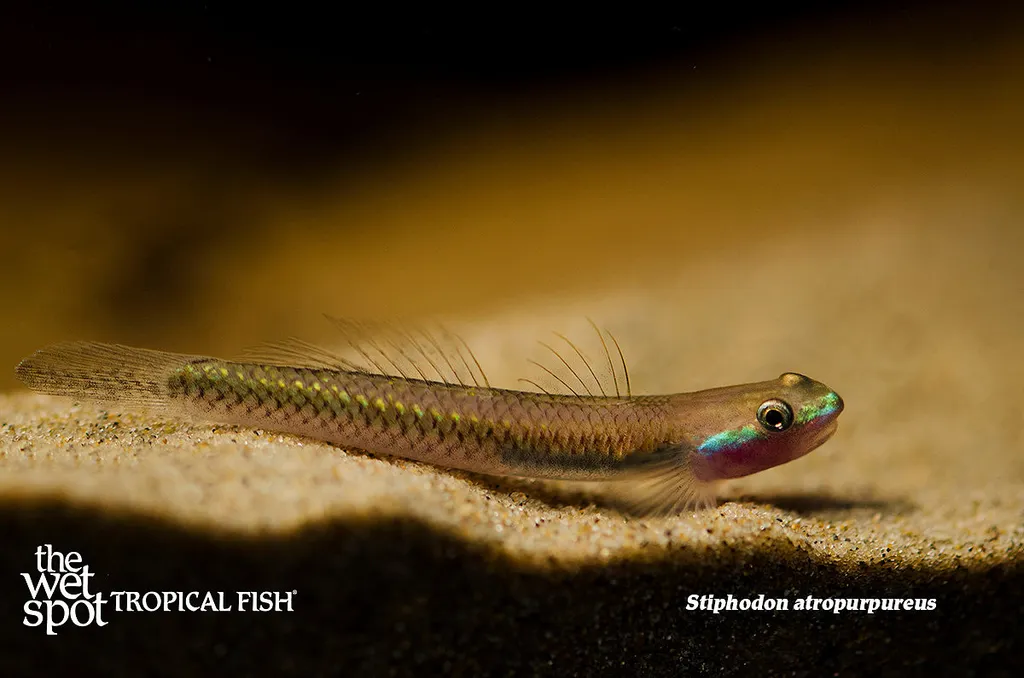
Blue neon dwarf goby
Stiphodon atropurpureus
Freshwater2 in (5 cm) · 20 gal (75 L)72–81°F (22–27°C)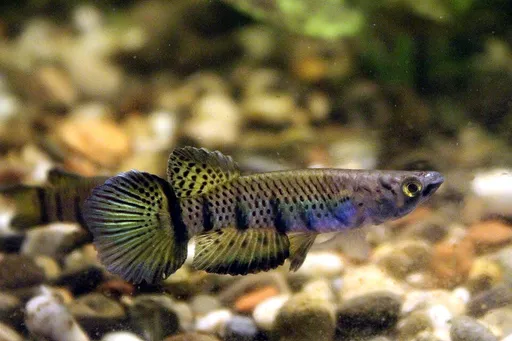
Six-barred panchax
Epiplatys sexfasciatus
Freshwater3.9 in (10 cm) · 20 gal (75 L)72–81°F (22–27°C)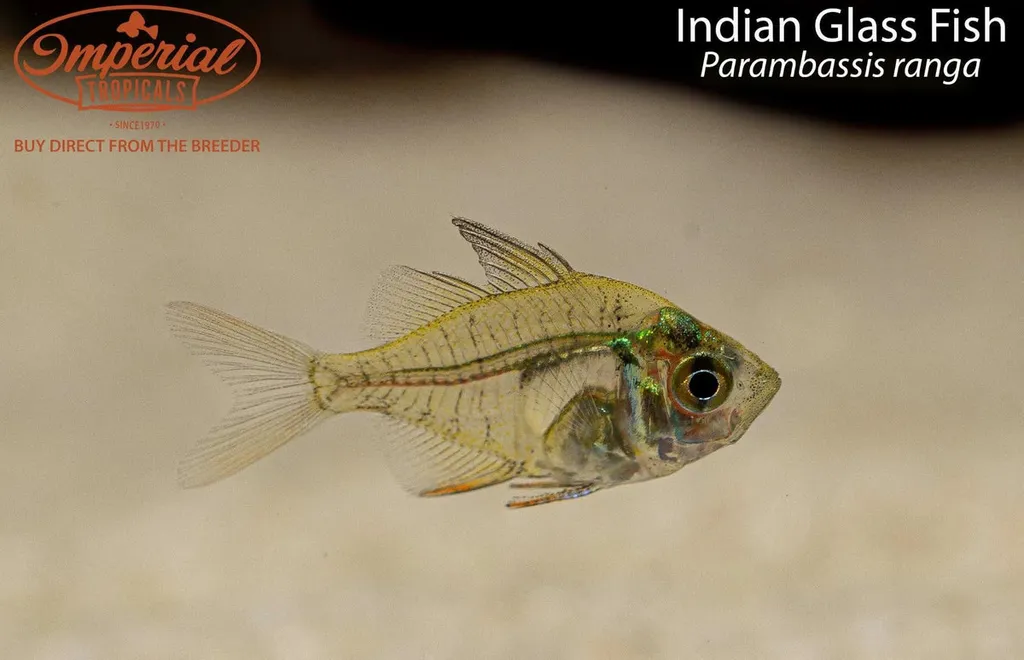
Indian glassy fish
Parambassis ranga
Freshwater3.1 in (8 cm) · 20 gal (75 L)68–86°F (20–30°C)
Common questions
What size tank does a ninescale rasbora need?
A ninescale rasbora needs at least 20 gal (75 L). It spends most of its time in the middle.
What temperature and pH does a ninescale rasbora need?
A ninescale rasbora is comfortable at 72–81°F (22–27°C) with a pH of 5.5–7.0.
What does a ninescale rasbora eat?
A ninescale rasbora eats anything suitably small. Offer crushed flake, micro pellets and frozen daphnia, cyclops and baby brine shrimp.
How big does a ninescale rasbora get?
An adult ninescale rasbora reaches about 2.2 in (5.5 cm).
Does a ninescale rasbora need a group?
Yes. A ninescale rasbora is a schooling species and should be kept in a group, not singly.
Related species
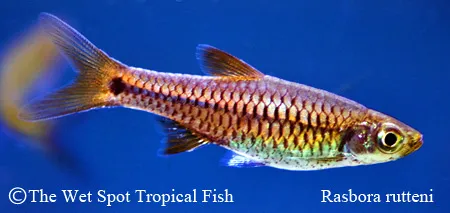 2.2 in (5.5 cm)20 gal (75 L)73–81°F (23–27°C)
Rutten's rasbora
Rasbora rutteni
2.2 in (5.5 cm) · 20 gal (75 L)
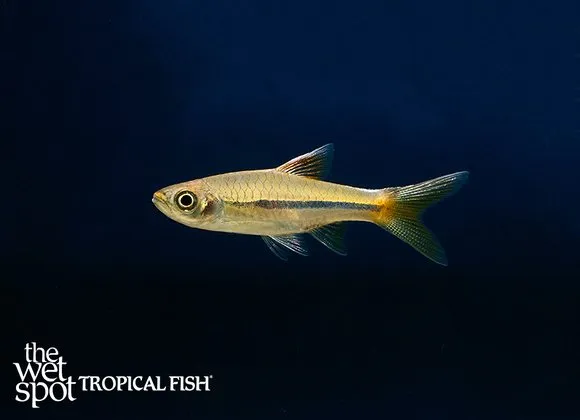 2.2 in (5.5 cm)20 gal (75 L)73–81°F (23–27°C)
Sarawak rasbora
Rasbora sarawakensis
2.2 in (5.5 cm) · 20 gal (75 L)
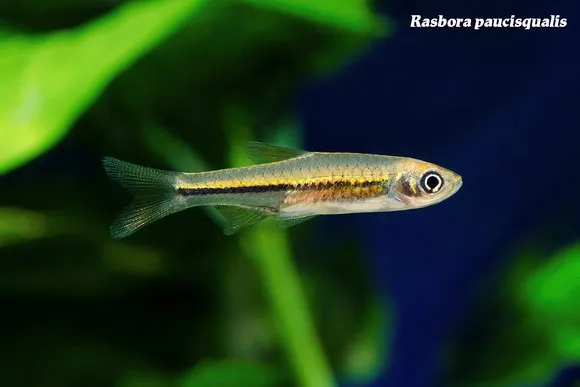 2 in (5 cm)20 gal (75 L)72–81°F (22–27°C)
Largescale rasbora
Rasbora paucisqualis
2 in (5 cm) · 20 gal (75 L)
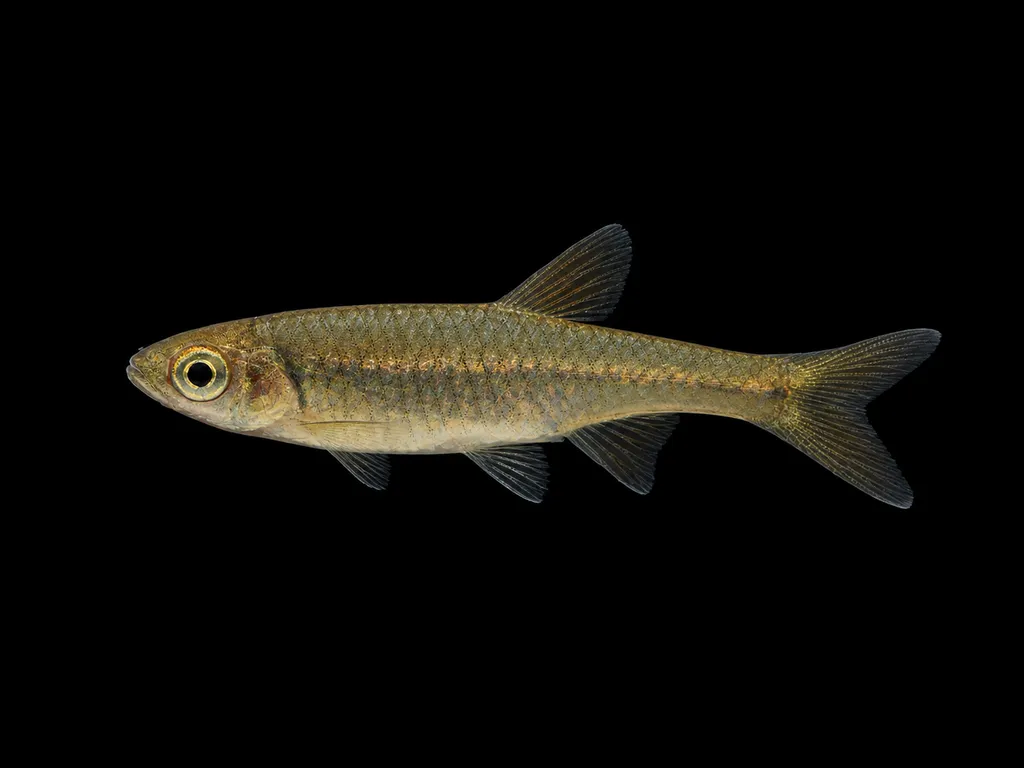 2.8 in (7 cm)24 gal (90 L)72–81°F (22–27°C)
Bangka rasbora
Rasbora bankanensis
2.8 in (7 cm) · 24 gal (90 L)
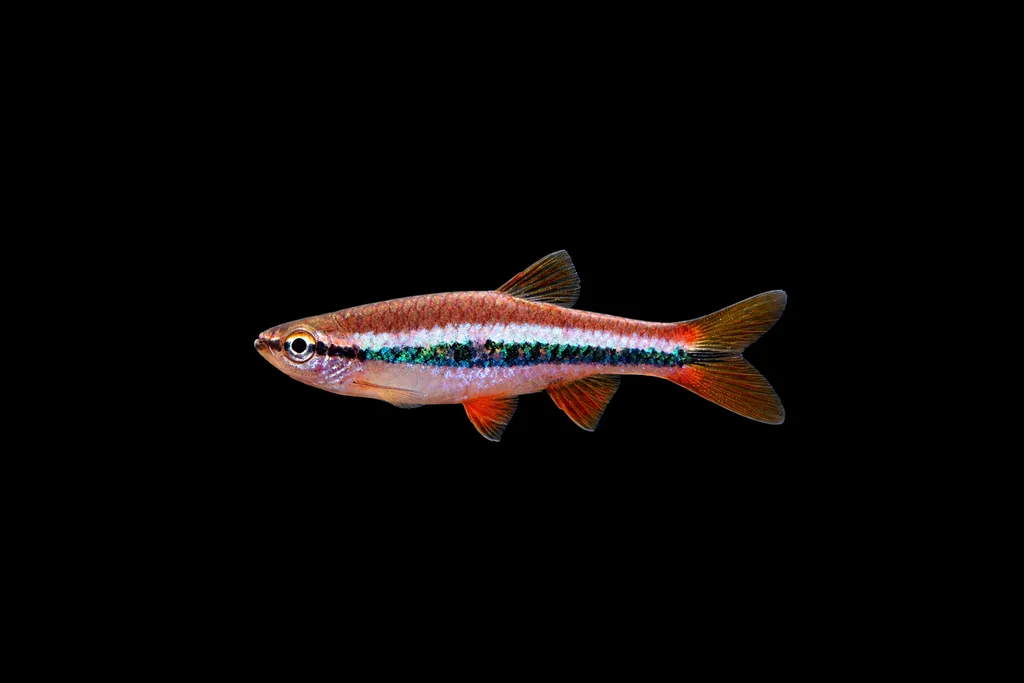 2.8 in (7 cm)24 gal (90 L)73–81°F (23–27°C)
Yap's rasbora
Rasbora patrickyapi
2.8 in (7 cm) · 24 gal (90 L)
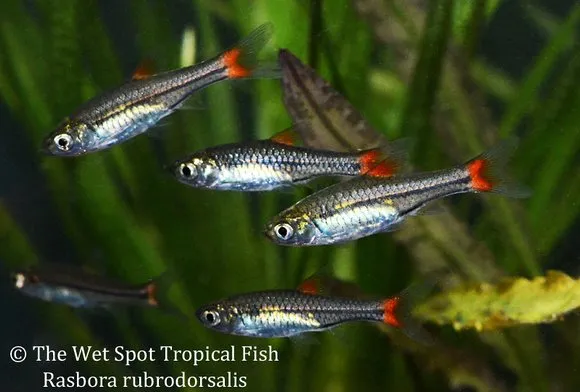 1.6 in (4 cm)14 gal (54 L)72–81°F (22–27°C)
Redback rasbora
Rasbora rubrodorsalis
1.6 in (4 cm) · 14 gal (54 L)