Redback rasbora
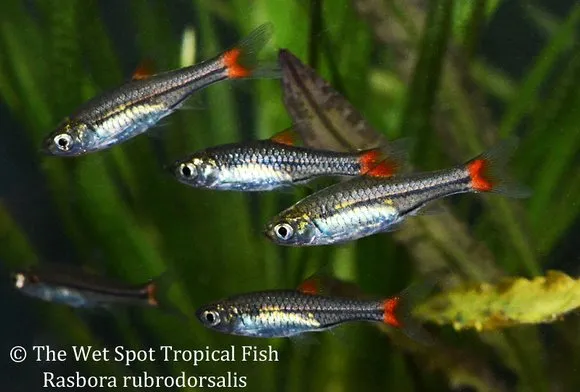
Rasbora rubrodorsalis
Also known as Red-dorsal rasbora, Cherry spot rasbora
FreshwaterFish
Care at a glance
- Temperature
- 72–81°F
- 22–27°C
- pH
- 6.0–7.5
- Adult size
- 1.6 in
- 4 cm
- Minimum tank
- 14 gal
- 54 L
- Temperament
- Peaceful
- Social behavior
- Schooling
- Swim level
- Middle
- Difficulty
- Easy
- Breeding
- Egg scatterer · Medium
- Rarity
- Rare
- Family
- Danionidae
- Origin
- Mekong, Chao Phraya and Mae Klong basins
Overview
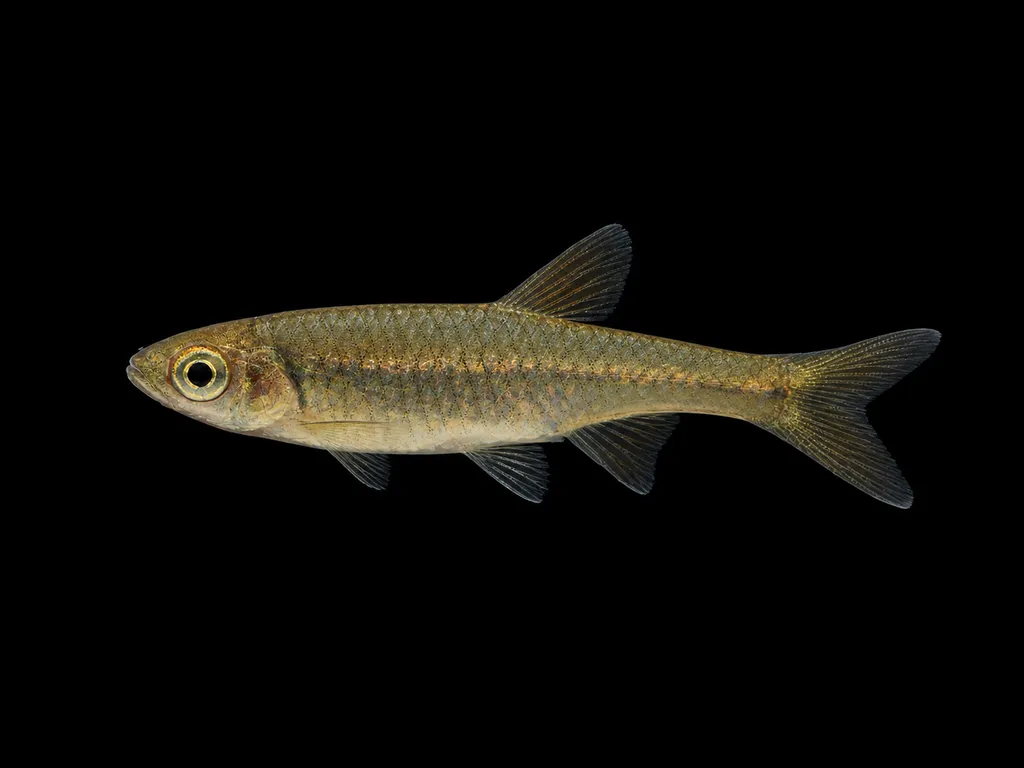
The redback rasbora is a tiny, easy-going schooling fish for the middle of a planted nano tank. It suits a beginner.
Did you know
Each redback rasbora carries a single spark of red in its dorsal fin. In a moving shoal, those little red flags flick on and off as the fish bank and turn together.
Caring for the redback rasbora
Keep redback rasboras in a group of at least ten, since they show best in numbers. A well-planted tank of 14 gal (54 L) is plenty for a group, with gentle filtration.
Give them soft, slightly acidic to neutral water at 72 to 81°F (22 to 27°C) and a pH of 6.0 to 7.5. Feed small foods they can swallow, such as fine flake and crushed pellet, with small frozen or live daphnia, cyclops and microworm. Settled fish color up far better than newly moved ones.
Redback rasboras are peaceful and hold the middle of the tank. They suit a planted nano community with other small, calm Southeast Asian fish. They scatter adhesive eggs among fine-leaved plants and give no parental care. Breeding them is moderately difficult.
Good to know
The redback rasbora, Rasbora rubrodorsalis, is one of the smaller rasboras in the family Danionidae. Its species name means red-backed, for the bright red flush set into the front of the dorsal fin. The same mark gives it the trade name cherryspot rasbora.
In the wild
The redback rasbora occurs across the Mekong, Chao Phraya and Mae Klong basins of Thailand and neighboring countries. It lives in still and slow-moving water, such as vegetated ditches, marshes, ponds and flooded fields.
Weekly picks
Tank mates
The redback rasbora is a peaceful, schooling species that keeps to the middle. These picks share a community profile with it, are safe together in both directions, and overlap on water type, temperature and pH.
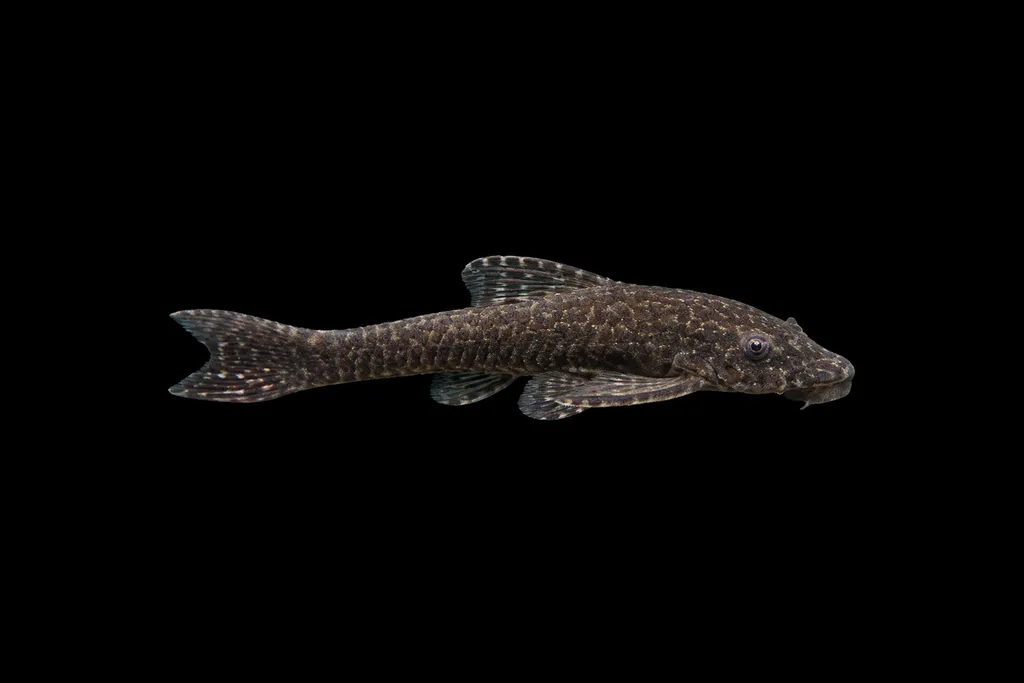
Black otocinclus
Hisonotus notatus
Freshwater2 in (5 cm) · 14 gal (54 L)72–81°F (22–27°C)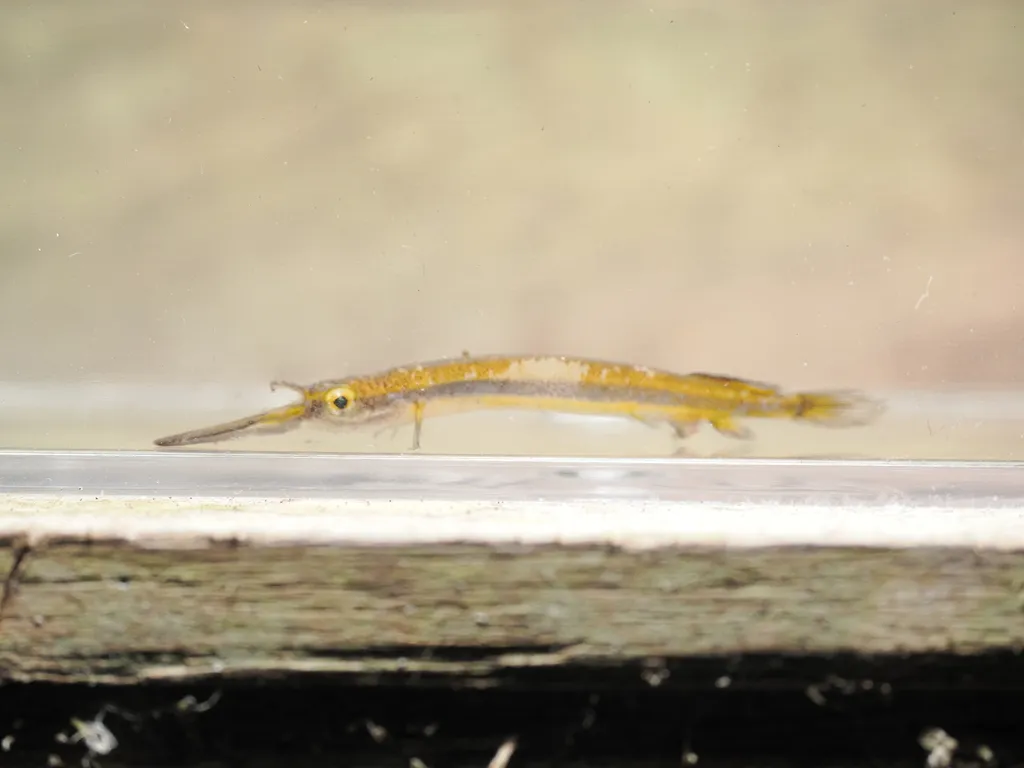
Gold-spotted halfbeak
Hemirhamphodon chrysopunctatus
Freshwater2.6 in (6.5 cm) · 14 gal (54 L)73–81°F (23–27°C)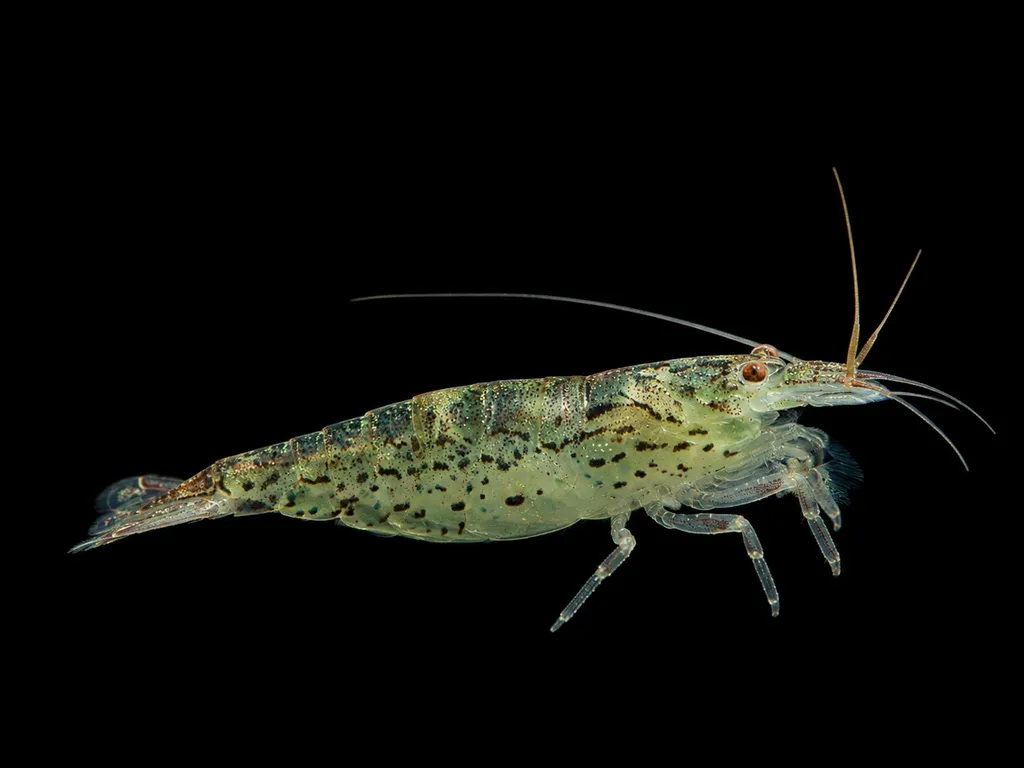
Green lace shrimp
Atyoida pilipes
Freshwater2.8 in (7 cm) · 14 gal (54 L)73–82°F (23–28°C)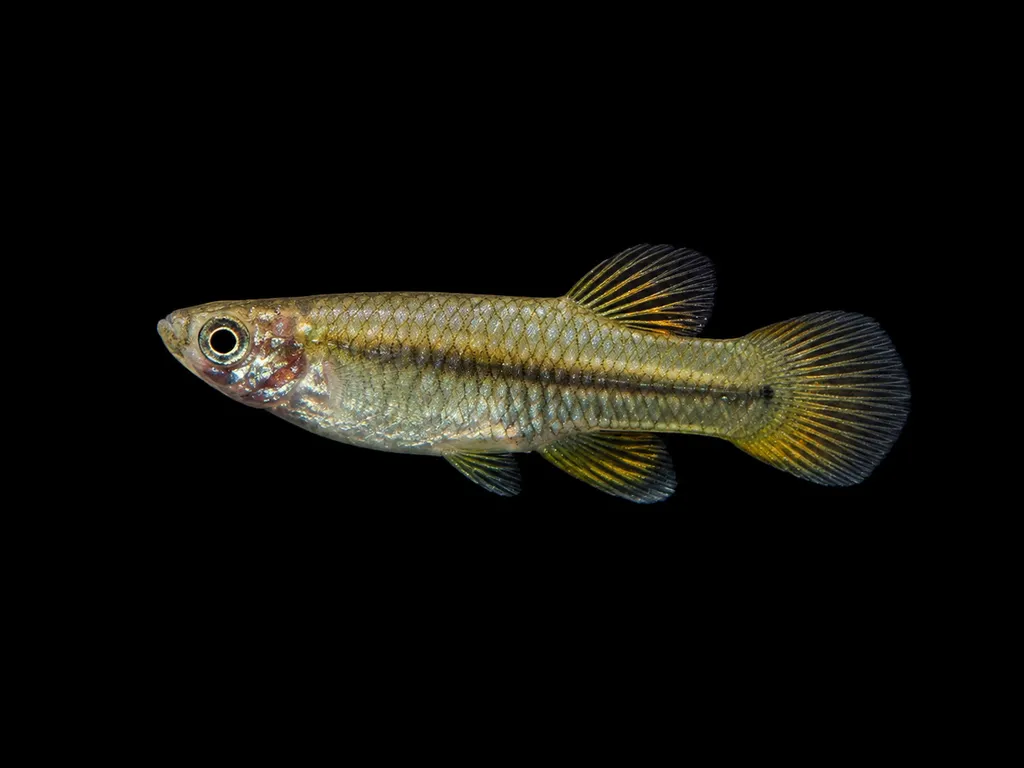
Kidder's livebearer
Carlhubbsia kidderi
Freshwater2 in (5 cm) · 14 gal (54 L)72–81°F (22–27°C)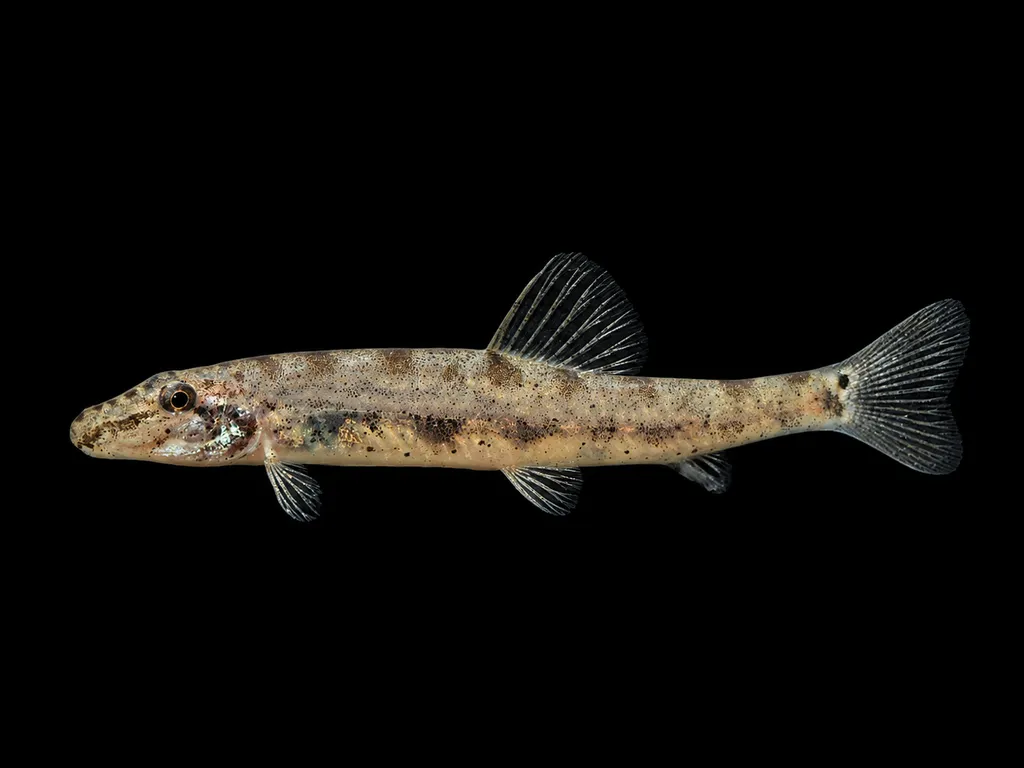
Dwarf white horseface loach
Kottelatlimia hipporhynchos
Freshwater2 in (5 cm) · 14 gal (54 L)72–81°F (22–27°C)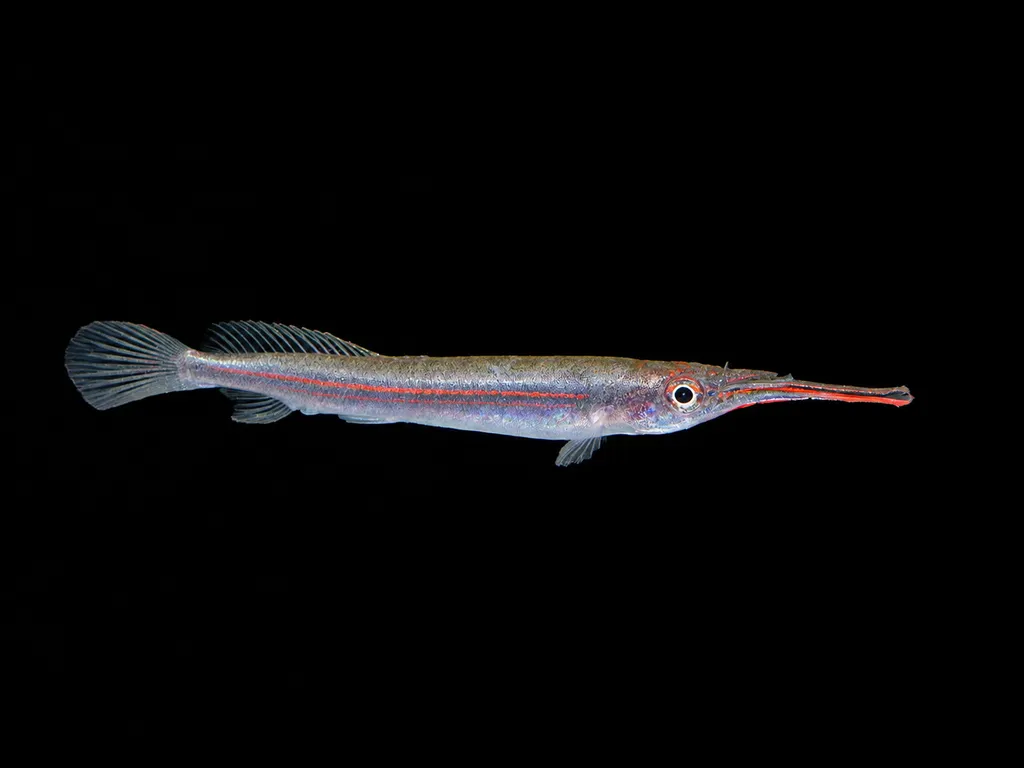
Red line halfbeak
Hemirhamphodon phaiosoma
Freshwater2.6 in (6.5 cm) · 14 gal (54 L)73–81°F (23–27°C)
Common questions
What size tank does a redback rasbora need?
A redback rasbora needs at least 14 gal (54 L). It spends most of its time in the middle.
What temperature and pH does a redback rasbora need?
A redback rasbora is comfortable at 72–81°F (22–27°C) with a pH of 6.0–7.5.
What does a redback rasbora eat?
A redback rasbora eats small foods it can swallow, such as fine flake and crushed pellet. It also takes small frozen or live daphnia, cyclops and microworm.
How big does a redback rasbora get?
An adult redback rasbora reaches about 1.6 in (4 cm).
Does a redback rasbora need a group?
Yes. A redback rasbora is a schooling species and should be kept in a group, not singly.
How does a redback rasbora breed?
A redback rasbora is an egg scatterer that leaves adhesive eggs among fine-leaved plants. It gives no parental care, and breeding it is moderately difficult.
Related species
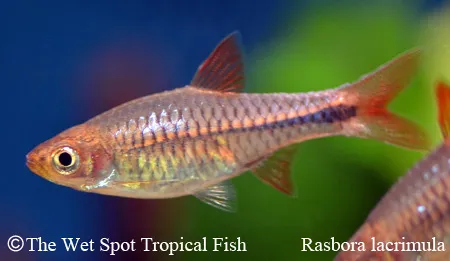 1.6 in (4 cm)14 gal (54 L)73–81°F (23–27°C)
Teardrop rasbora
Rasbora lacrimula
1.6 in (4 cm) · 14 gal (54 L)
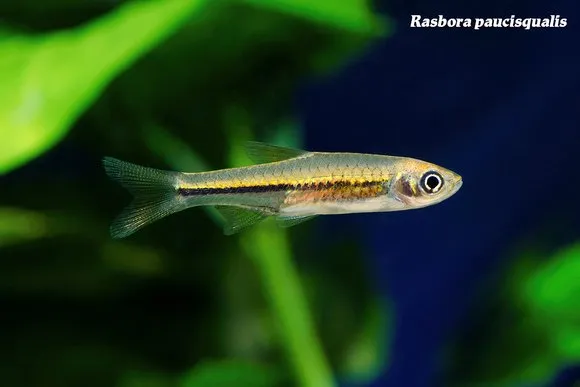 2 in (5 cm)20 gal (75 L)72–81°F (22–27°C)
Largescale rasbora
Rasbora paucisqualis
2 in (5 cm) · 20 gal (75 L)
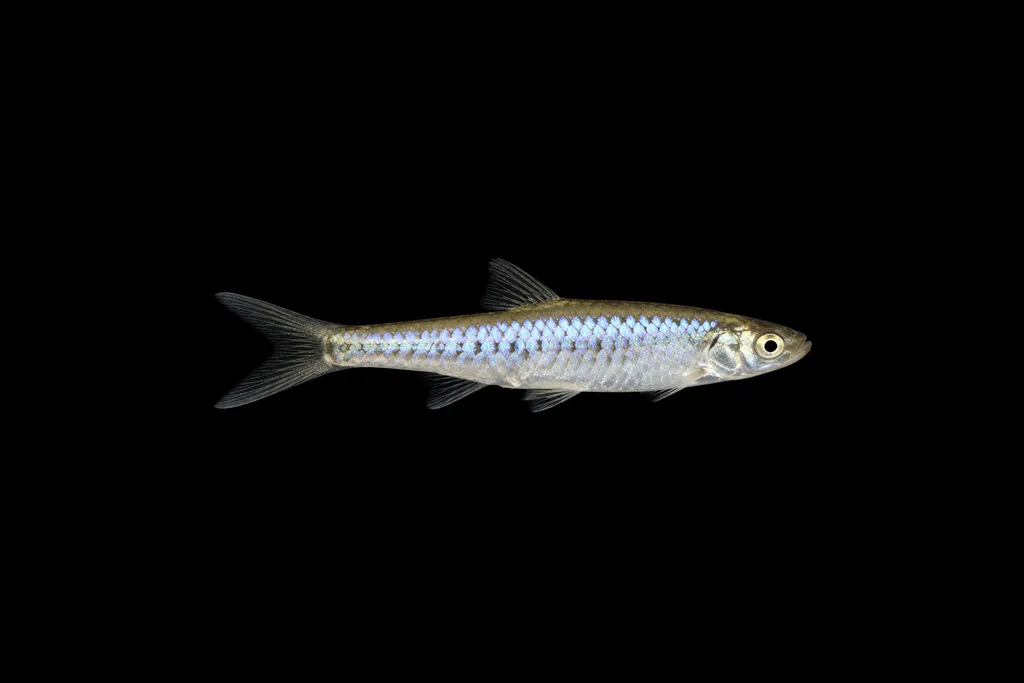 2.2 in (5.5 cm)20 gal (75 L)72–81°F (22–27°C)
Ninescale rasbora
Rasbora ennealepis
2.2 in (5.5 cm) · 20 gal (75 L)
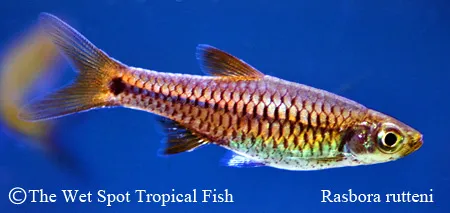 2.2 in (5.5 cm)20 gal (75 L)73–81°F (23–27°C)
Rutten's rasbora
Rasbora rutteni
2.2 in (5.5 cm) · 20 gal (75 L)
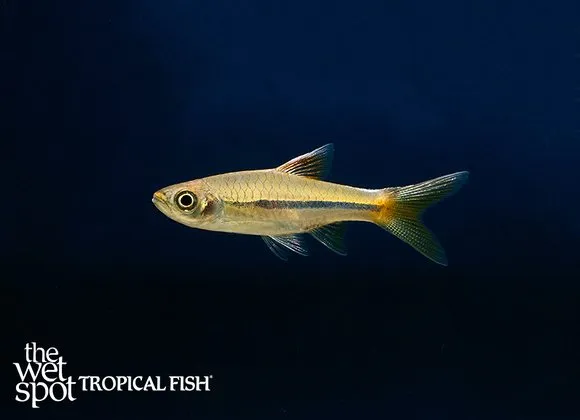 2.2 in (5.5 cm)20 gal (75 L)73–81°F (23–27°C)
Sarawak rasbora
Rasbora sarawakensis
2.2 in (5.5 cm) · 20 gal (75 L)
 2.8 in (7 cm)24 gal (90 L)72–81°F (22–27°C)
Bangka rasbora
Rasbora bankanensis
2.8 in (7 cm) · 24 gal (90 L)